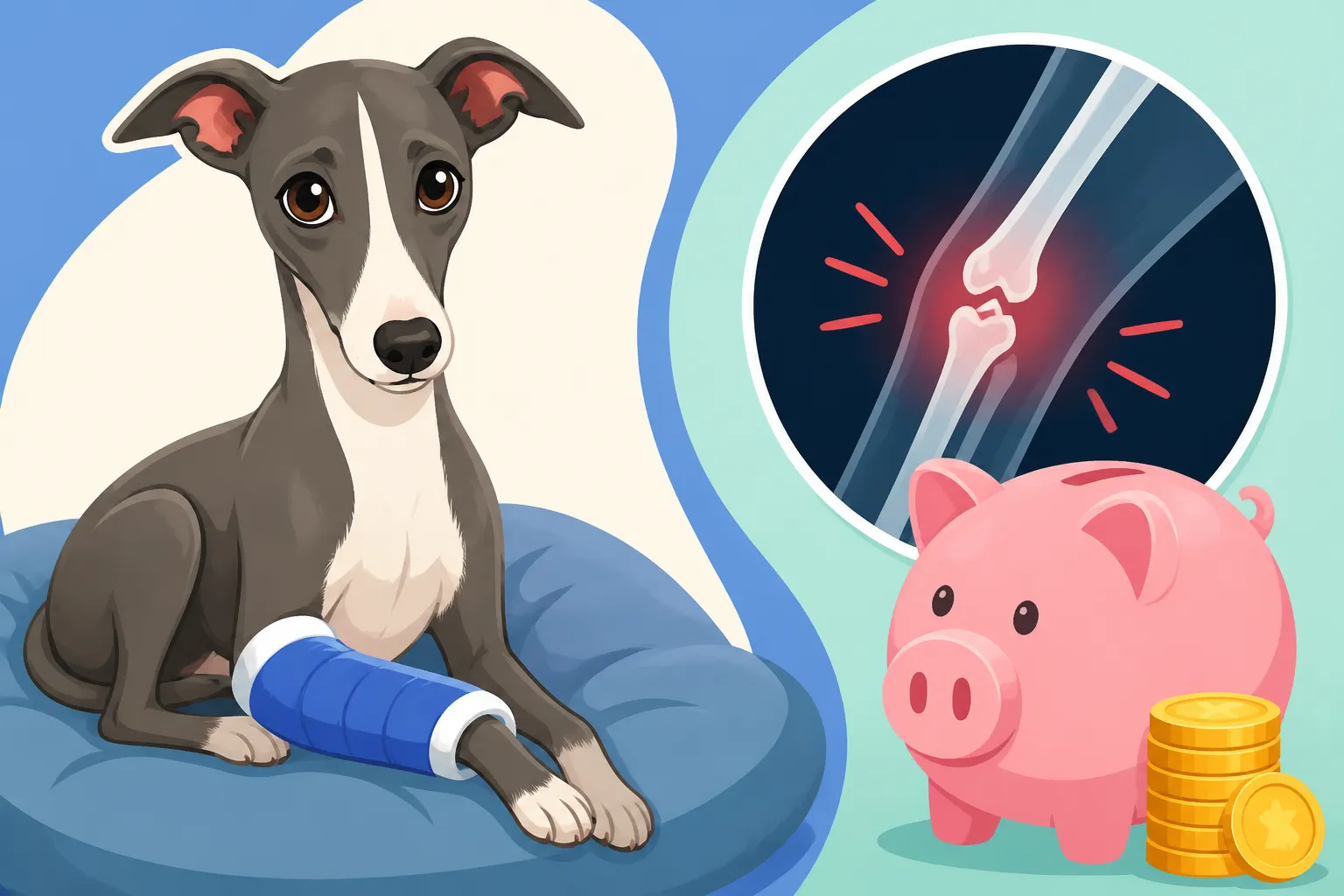
What Fracture Surgery Costs on an Italian Greyhound
The moment you hear that yelp, that awful, unforgettable sound, your heart sinks. For Italian Greyhound owners, a broken leg isn't just a possibility; it's a looming fear, a devastating reality that many of us face. When it happens, the immediate panic gives way to a tidal wave of worry, not just for our beloved dog's well-being, but also for the daunting financial burden that inevitably follows. This guide will meticulously break down the various costs associated with Italian Greyhound fracture surgery, preparing you for the financial journey ahead.
The Heartbreaking Reality of an Italian Greyhound Fracture
There's no sugarcoating it: an Italian Greyhound fracture is a nightmare scenario. One minute, your little shadow is playing, doing zoomies, or simply jumping off the sofa, and the next, they're screaming in pain, holding up a limb. It's a sudden, terrifying event that sends even the most seasoned dog owner into a tailspin. We know our Iggies are delicate, but nothing truly prepares you for the sight and sound of a tiny bone giving way.
The Immediate Shock and Emergency Vet Visit
When an Italian Greyhound breaks its leg, there’s no time to waste. Your first, frantic call will likely be to your regular vet, or if it's after hours, to the nearest emergency veterinary clinic. This initial visit is all about triage, pain management, and getting a clear picture of the injury. They need to assess the severity, check for open wounds, and ensure your dog is as comfortable as possible while the next steps are decided.
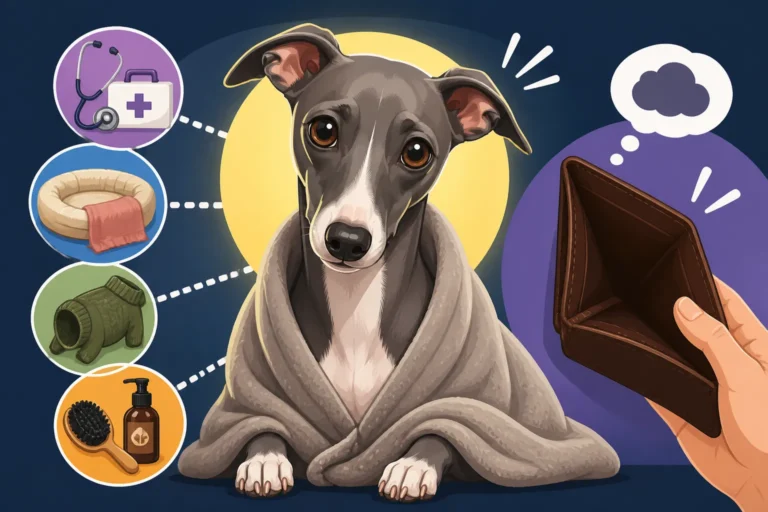
The emergency visit alone can be a significant cost. You're paying for immediate medical attention, potentially after-hours fees, pain medication to alleviate your dog's acute distress, and the initial examinations. These fees are just the beginning, a necessary first step on a long road. Many owners are already feeling the financial pinch right out of the gate, even before any definitive treatment plan is in place. It's a stressful time, and the last thing you want to do is delay care because of cost concerns.
Why Italian Greyhounds Are So Prone to Fractures
It's a cruel irony that such loving, lively dogs are built with such fragile bones. Italian Greyhounds are notoriously prone to fractures, a fact that every prospective owner needs to understand. Their long, slender "pipe-stem" bones, especially in the forelegs, are simply not designed to withstand the impacts that other breeds might shrug off. It often feels like they're made of spun glass.
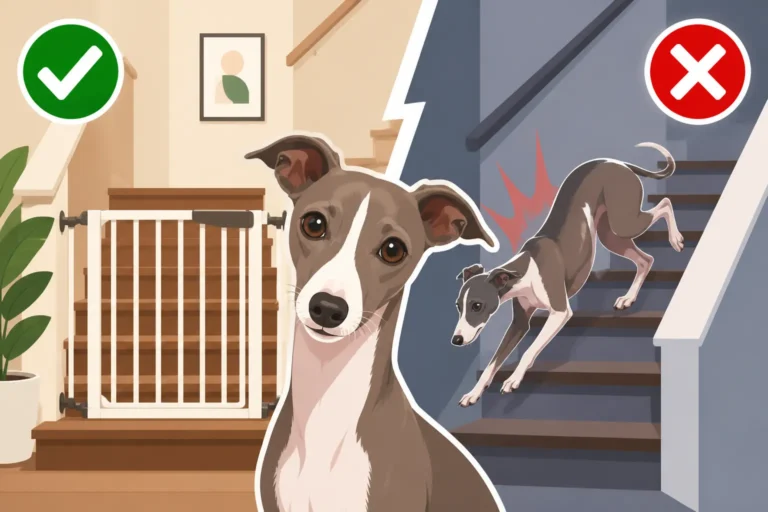
Common scenarios include jumping off furniture, a misstep during play, or even being accidentally dropped. Their graceful, high-stepping gait can sometimes lead to awkward landings. Many owners will tell you stories of their Iggy breaking a leg from what seems like a minor incident, like a simple jump off the sofa that breaks an Italian Greyhound's leg. This inherent fragility means that even with the most vigilant care, accidents can and do happen. It's not a reflection of poor ownership, but rather a characteristic of the breed, and it's why understanding these costs is so crucial.
Breaking Down the Costs of Initial Fracture Care
Once the initial panic subsides and your Italian Greyhound is stable, the real diagnostic work begins. This phase is critical for understanding the exact nature of the break and determining the best course of action. It's also where the costs really start to accumulate, often before a single surgical incision has been made.
Diagnostic Imaging: X-rays and Beyond
To properly understand the fracture, the veterinary team needs detailed images. X-rays are the standard, non-negotiable first step. They'll take multiple views from different angles to determine the precise location, type (e.g., spiral, transverse, comminuted), and severity of the break. This helps the vet understand how many pieces the bone is in and whether there's any displacement.
For complex fractures, or if there's suspicion of soft tissue damage or other issues, more advanced imaging like CT scans might be recommended. While these provide invaluable information for a surgeon, they also come with a significantly higher price tag. Knowing what X-rays cost on an Italian Greyhound can give you a baseline, but always be prepared for the possibility of additional imaging if the situation warrants it. It's an investment in getting the clearest possible picture, which directly impacts the success of the repair.
Stabilization and Pain Management Before Surgery
Before surgery can even be considered, the fractured limb often needs to be stabilized to prevent further damage and manage your dog's pain. This typically involves applying a temporary splint or cast. While a cast rarely holds on an Italian Greyhound for definitive healing due to their delicate bone structure and active nature, it’s essential for immediate comfort and transport.
Alongside stabilization, robust pain management is crucial. Italian Greyhounds, like many sighthounds, tend to hide pain, but a fracture is acutely painful. They'll likely be sent home with a regimen of anti-inflammatory medications and pain relievers. These medications, while necessary, add to the growing bill. This phase might also include IV fluids or sedatives if the dog is particularly distressed or requires more extensive handling before surgery.
Referral to a Specialist: The First Big Step in Expenditure
For most Italian Greyhound fractures, your general practice veterinarian will recommend a referral to a board-certified veterinary orthopedic surgeon. This is a critical step, as these specialists have the expertise and specialized equipment needed for delicate bone repairs. Attempting complex fracture repair without specialist knowledge can lead to poorer outcomes.
The consultation fee for a specialist can be substantial, as you're paying for their highly specialized knowledge and experience. They will review all your dog's diagnostics, perform their own examination, and discuss the various surgical options, risks, and prognosis with you. Finding a surgeon who has plated an Italian Greyhound is incredibly important, as their unique bone structure requires a specific approach. This referral is often one of the first indicators of the true financial scope of the situation, as specialist care almost always costs more than general veterinary services.
Understanding Fracture Repair Options and Their Associated Costs
Once you're with a specialist, they will present the surgical options. This is where the costs can really diverge depending on the complexity of the fracture and the chosen repair method. It's not a one-size-fits-all situation, and each approach has its own material and procedural expenses.
Internal Fixation: Plates, Screws, and Pins
Internal fixation is the most common method for repairing Italian Greyhound long bone fractures. This involves using surgical-grade metal implants to stabilize the broken bone fragments from inside the leg. Think of it like a meticulous puzzle, where the surgeon carefully realigns the bone pieces and then secures them with plates and screws, or sometimes pins and wires. What plating an Italian Greyhound's radius costs is often a major component of the overall bill.
The cost factors here are numerous:
- Surgeon's Fees: This is the bulk of the cost, reflecting the surgeon's skill, time, and specialized training.
- Anesthesia: Italian Greyhounds can be sensitive to anesthesia, so careful monitoring by a dedicated anesthesiologist or technician is often required, increasing the cost.
- Implants: The plates, screws, pins, and wires themselves are highly specialized and costly medical devices. The number and type needed will depend on the fracture.
- Operating Room Time: You're paying for the use of a sterile surgical suite, equipment, and support staff.
- Hospital Stay: Post-surgery, your Iggy will need to be monitored, typically for one to several days, in the hospital.
External Fixation: A Different Approach
In some cases, particularly for open fractures or those with significant soft tissue damage, an external fixator might be used. This involves pins that pass through the bone fragments and connect to an external frame outside the leg. It's a bit like an elaborate scaffolding that holds the bone in place while it heals. What an external fixator costs on an Italian Greyhound can be comparable to internal fixation, though the maintenance and potential for adjustments later on add to the long-term care.
This method also requires significant surgical skill to place the pins precisely without damaging nerves or blood vessels. While the external apparatus might look daunting, it can be a lifesaver for certain types of breaks, allowing easier access to wounds and facilitating bone healing. However, it requires diligent at-home care from the owner to keep the pins clean and monitor for infection, which can be an added stress.
The Reality of Non-Surgical Options (and why they're rare for Iggies)
Many owners, understandably, hope for a simpler, less expensive solution than surgery. However, for most Italian Greyhound long bone fractures, non-surgical options like simple casting or splinting are rarely successful for definitive healing. Their slender bones and high energy levels mean that a cast often cannot provide sufficient stability, leading to non-union or malunion (the bone healing incorrectly).
While a simple cast might be tried for very minor, non-displaced fractures, or as temporary stabilization, it's generally not the long-term solution. When you consider why a cast rarely holds on an Italian Greyhound, the decision to opt for surgery, despite the cost, becomes clearer. The goal is to give your dog the best chance at a full recovery, and for Iggies, that usually means a trip to the orthopedic surgeon. Trying to avoid surgery often leads to more costly complications down the road, including the need for a second surgery costs on an Italian Greyhound, which can be even more complex and expensive.
Post-Surgical Care and Long-Term Financial Commitments
The surgery itself is a huge hurdle, but the financial commitments don't end there. The post-operative period is crucial for healing and recovery, and it involves a series of follow-up appointments, medications, and potentially physical therapy, all of which contribute to the overall bill.
Hospital Stays and Follow-Up Appointments
After major surgery, your Italian Greyhound will need to recover under professional care for a period, typically a few days. This hospital stay allows the veterinary team to monitor their pain levels, manage any post-operative swelling, administer medications, and ensure they are recovering well from anesthesia. The cost of this stay includes nursing care, medications, and any necessary re-bandaging or wound checks.
Once home, a series of follow-up appointments with the orthopedic surgeon will be necessary. These appointments typically include physical examinations and repeat X-rays to monitor the healing progress of the bone. You might have several of these over the course of weeks or months. These visits are vital to ensure that the bone is healing correctly and to identify any potential issues, such as infection or implant complications, early on.
Physical Rehabilitation and Medications
Just like humans recovering from major orthopedic surgery, Italian Greyhounds often benefit immensely from physical rehabilitation. This can involve hydrotherapy, therapeutic exercises, laser therapy, and massage to help regain strength, flexibility, and proper limb function. Rehab costs after an Italian Greyhound's fracture can be significant, but they play a huge role in whether an Italian Greyhound regains full use of the leg. It's not just about the bone healing; it's about restoring muscle mass and mobility.
Your Italian Greyhound will also likely be on various medications for an extended period, including pain relievers, anti-inflammatories, and possibly antibiotics. These ongoing prescriptions, which might be conveniently refilled through services like Chewy's pharmacy, add to the cumulative expenses. Additionally, strict activity restriction, which means keeping your Italian Greyhound crated for extended periods, is essential to allow the bone to heal. How long an Italian Greyhound stays crated after surgery can be a demanding and lengthy period.
Addressing Potential Complications
Unfortunately, even with the best surgical care, complications can arise. These can include:
- Infection: Despite sterile techniques, infection around the surgical site or implants is a risk, requiring antibiotics or further intervention.
- Implant Failure: Plates can bend, screws can loosen, or pins loosen in an Italian Greyhound's bone, especially if activity restrictions aren't strictly followed. This often necessitates another surgery.
- Non-Union or Malunion: The bone might fail to heal (non-union) or heal in an improper alignment (malunion), which can also require additional surgery to correct.
- Arthritis: Long-term, arthritis in an Italian Greyhound's healed leg is a possibility, especially if the joint was involved or the alignment isn't perfect, leading to ongoing medication or management.
Each of these complications represents an additional financial burden, potentially leading to more vet visits, diagnostics, medications, or even a second, more complex, surgery. It's a harsh reality that can feel incredibly unfair after you've already invested so much.
Financial Strategies for Italian Greyhound Fracture Costs
The sheer cost of an Italian Greyhound fracture can easily reach into the many thousands of dollars, leaving owners feeling overwhelmed. Having a plan in place, or at least understanding your options, is crucial for navigating this stressful time.
The Role of Pet Insurance
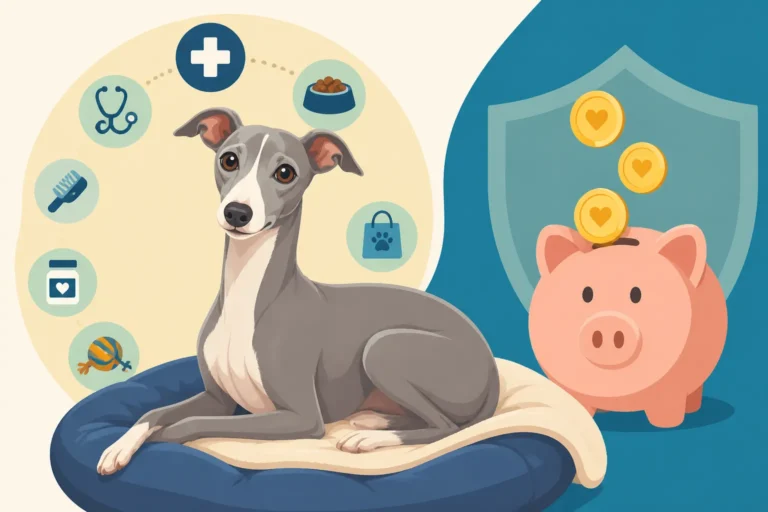
Pet insurance can be a literal lifesaver when an unexpected emergency like a broken leg strikes. Many policies cover accident and illness, which would typically include fracture repair. However, it's vital to understand the specifics of your policy, including deductibles, reimbursement percentages, and annual limits. Companies like Healthy Paws offer various plans, and understanding whether insurance covers an Italian Greyhound's broken leg before it happens is paramount.
Waiting periods are also a critical factor; an injury that occurs during a waiting period will not be covered. This highlights the importance of getting pet insurance when your dog is young and healthy, rather than waiting until an issue arises. While it's an ongoing monthly expense, the peace of mind it provides when facing a massive vet bill is invaluable. Budgeting for an Italian Greyhound's broken leg before it happens is the most proactive step you can take.
Emergency Funds and Other Financial Planning
Beyond insurance, having a dedicated emergency fund for your Italian Greyhound is highly recommended. Given their propensity for broken bones and other health issues like periodontal disease is the Italian Greyhound's most common diagnosis, setting aside funds specifically for veterinary emergencies can prevent a crisis from becoming a catastrophe. This fund acts as a safety net, allowing you to focus on your dog's care rather than agonizing over how to pay.
Some owners also opt for veterinary credit cards, which offer deferred interest periods, allowing time to pay off a large bill. However, it's important to use these responsibly, as interest rates can be high if the balance isn't paid within the promotional period. Regardless of the method, acknowledging the high potential for these costs and preparing for them financially is a responsible part of Italian Greyhound ownership.
Exploring Payment Plans and Assistance Programs
If you find yourself facing a substantial bill without insurance or a sufficient emergency fund, don't despair immediately. Many veterinary specialists understand the financial strain and offer payment plans directly or through third-party services. These plans typically break down the total cost into manageable monthly payments.
Additionally, various charitable organizations and breed-specific rescues sometimes offer financial assistance for emergency veterinary care. While these resources are often limited and application-based, they can provide a much-needed lifeline. It's worth asking your specialist's office about any programs they know of or recommend for owners facing financial hardship.
The Emotional Toll and Why Preparation Matters
Beyond the very real financial costs, there's an immense emotional burden that comes with an Italian Greyhound's fracture. This isn't just a physical injury; it impacts your dog's entire world and, by extension, yours. Understanding this aspect is part of comprehensive ownership.
The Stress of the Unknown
From the moment of the injury, the uncertainty can be overwhelming. Will they need surgery? How extensive will it be? Will they recover fully? Will they break it again? These questions, coupled with the heartbreaking sight of your usually spirited Iggy in pain and restricted, take a significant toll. The process of finding a surgeon, getting second opinions, and waiting for updates during surgery is incredibly anxiety-inducing.
The strict post-operative restrictions also contribute to stress. How an Italian Greyhound stays crated after surgery requires immense patience and vigilance. Preventing them from jumping, running, or re-injuring the leg demands constant supervision and can feel like a full-time job. This constant worry about a second surgery costs on an Italian Greyhound, or the possibility of a failed repair costs an Italian Greyhound owner even more than money – it costs peace of mind.
The Unseen Costs of Time and Worry
While not directly quantifiable in dollars, the time and emotional energy invested in caring for a fractured Italian Greyhound are enormous. You'll spend countless hours driving to vet appointments, administering medications, changing bandages, and comforting your dog. You might take time off work, adjust your schedule, and forgo social engagements to ensure their needs are met. This personal sacrifice is a profound, often unspoken, cost of ownership.
The worry extends beyond the immediate recovery. Owners often find themselves constantly anticipating the next accident, creating a home environment with ramps and steps for an Italian Greyhound's furniture, or even gating off stairs. The thought of when amputation is discussed for an Italian Greyhound is a terrifying prospect that underscores the gravity of these injuries. While we might joke about Iggies being fragile, dealing with a fracture reveals the true depth of our bond and the lengths we'll go to for their well-being. Knowing the potential costs, both financial and emotional, helps reinforce the importance of preventive measures and careful daily management.
| Cost Category | Description | Impact on Bill |
|---|---|---|
| Initial Emergency & Diagnostics | Emergency vet visit, pain management, multiple X-rays, possibly CT scan | High |
| Specialist Consultation | Assessment and treatment planning by an orthopedic surgeon | Moderate |
| Surgical Procedure | Surgeon's fees, anesthesia, implants (plates, screws, pins), operating room time | Very High |
| Hospital Stay | Post-operative monitoring, nursing care, medications | Moderate |
| Post-Surgical Follow-Ups | Recheck exams, bandage changes, repeat X-rays | Moderate |
| Medications | Long-term pain relief, anti-inflammatories, antibiotics (e.g., from Chewy) | Low-Moderate |
| Physical Rehabilitation | Hydrotherapy, laser, exercises to restore function | High |
| Complication Treatment | Additional diagnostics, medications, or repeat surgery if issues arise | Potentially Very High |
| Pet Insurance Premiums | Monthly cost for coverage (e.g., Healthy Paws) | Ongoing Low |
| Emergency Fund Contributions | Savings for unexpected vet bills | Ongoing Low |
Disclaimer
This article is for general informational purposes only and does not constitute professional advice. Laws, prices and regulations vary by location and change over time. Consult a qualified professional for guidance on your specific situation.