Whether Catherine the Great Kept Italian Greyhounds
Catherine the Great did keep Italian Greyhounds, or dogs widely identified as Italian Greyhounds in accounts of her life and in images associated with her court. The historical record is not equally clear about every dog’s name or pedigree, though. This guide explains what the evidence supports, what remains uncertain, and how to understand the breed in Catherine’s eighteenth-century world.
Did Catherine the Great Keep Italian Greyhounds
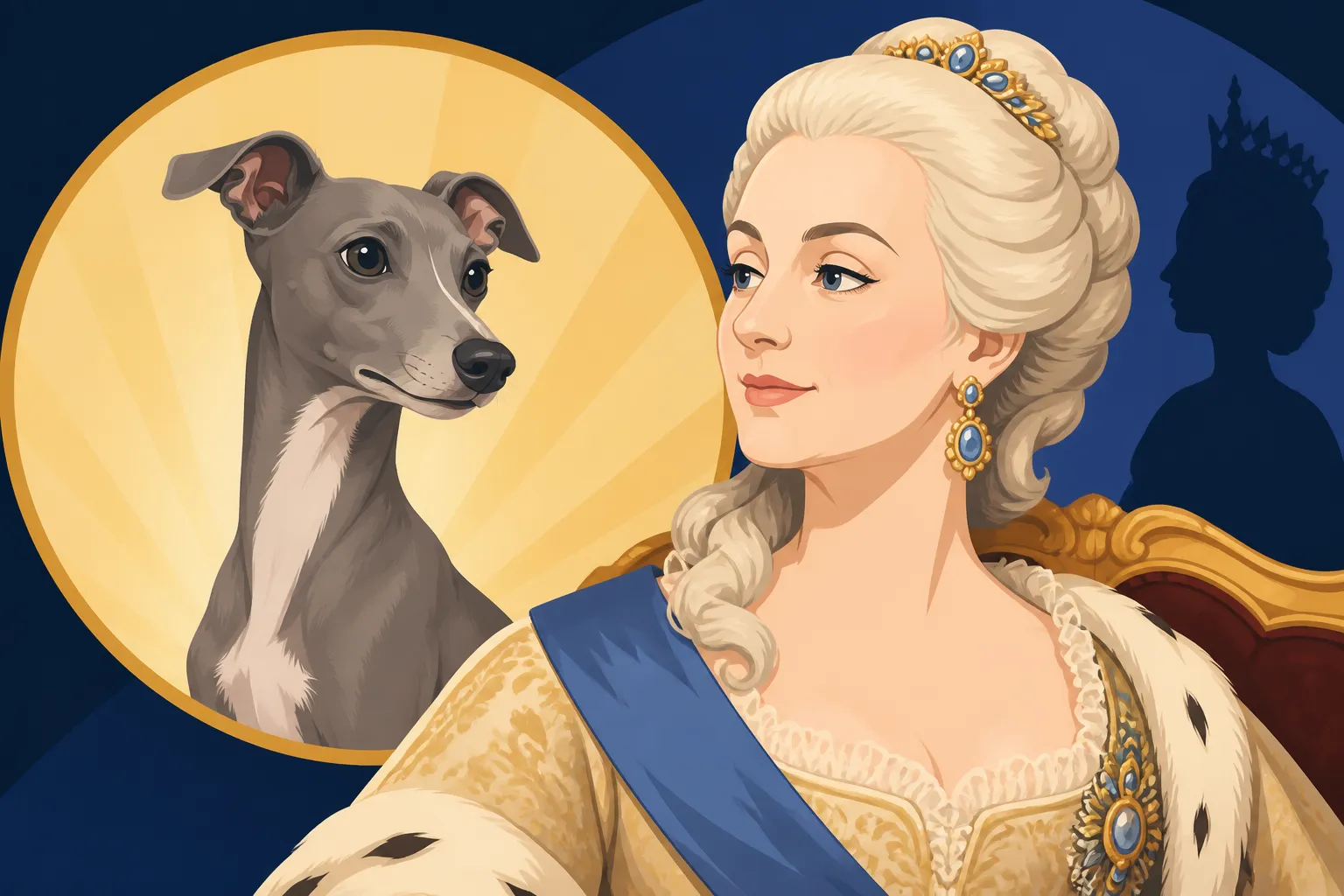
The short answer is yes: Catherine the Great is closely associated with small, slender greyhounds of the type now called Italian Greyhounds. She was known to enjoy the company of dogs, and accounts of her household connect her with these elegant little sighthounds.
The main caution is about modern labels. Catherine lived before today’s kennel clubs and formal breed registries, so a dog described as an Italian Greyhound cannot always be matched to a documented pedigree or a precise modern breed standard. The most careful conclusion is that she kept dogs recognizable as Italian Greyhounds, even if every detail about an individual animal cannot be confirmed.
What the historical record supports
Catherine II, better known as Catherine the Great, lived from 1729 to 1796 and ruled the Russian Empire from 1762. She had a reputation for enjoying animals and for keeping dogs at court. Italian Greyhounds were fashionable companion dogs among European aristocrats, making their presence in her household entirely plausible as well as historically reported.
The breed’s appeal fits the setting. Italian Greyhounds were small enough to live closely with people, graceful enough to suit courtly taste, and affectionate companions in a household where dogs could be treated as pets rather than working animals. Their slim build and refined appearance also made them easy to recognize in portraits and written descriptions.
Historical mentions and images can establish that a dog of this type was present or associated with Catherine. They do not necessarily tell us every detail an owner today might want to know, such as the dog’s age, exact lineage, or whether it would meet a modern show standard. Those distinctions matter when a story gives a particular pet a name or presents a precise biography as settled fact.
Why the name of her dog can be uncertain
Stories about Catherine’s dogs sometimes give an individual Italian Greyhound a name, including Zemira. Names may recur in retellings, but the details attached to them are not always consistent. Without a clear, reliable record linking a particular name to a particular dog, it is better to treat such claims carefully rather than repeat them as unquestionable fact.
That uncertainty does not overturn the broader point that Catherine kept dogs identified with the Italian Greyhound type. It simply separates the well-supported general claim from more specific details that may be harder to verify. In historical writing, “Catherine kept Italian Greyhounds” can be a sound conclusion even when the biography of one named dog remains murky.
This is a common problem in the history of companion animals. People preserved some stories because a pet was beloved, amusing, or linked to a famous owner; they did not necessarily keep the kind of records that would answer modern questions about breeding and identity. A dog can be clearly part of a historical household while its individual story remains incomplete.
What Images and Descriptions Tell Us
Portraits associated with Catherine and the Russian court are often part of the conversation about her dogs. A small, fine-boned dog beside a royal sitter can offer useful visual evidence, especially when its shape resembles the Italian Greyhound. But a painting is not a registration certificate: it can show how a dog looked without proving its exact identity.
This kind of evidence is still valuable. A portrait can help explain why Italian Greyhounds suited the tastes of European courts and how people represented them—as close companions, elegant accessories, or both. It also reminds us that people valued the breed’s distinctive appearance long before modern dog shows.
How to read a court portrait
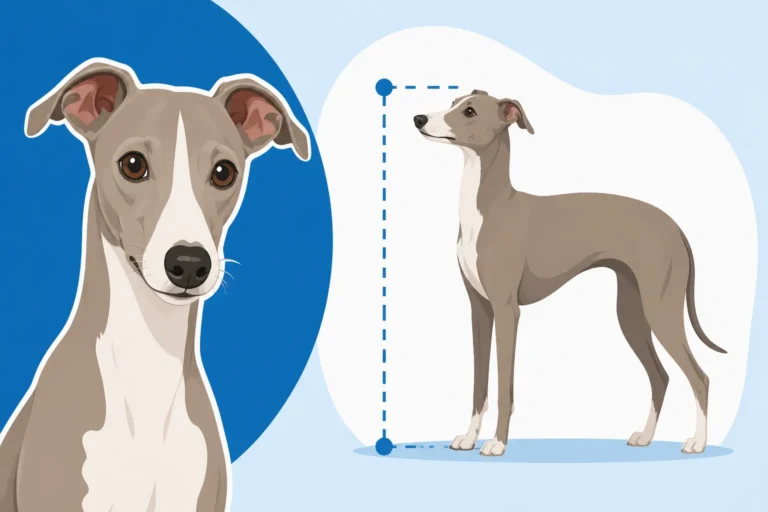
When a slender dog appears in a portrait or court scene, its proportions can provide clues. Italian Greyhounds are generally small, narrow-bodied sighthounds with long legs, a fine head, and a tucked-up waist. A dog with those features may reasonably be identified as an Italian Greyhound, particularly when the period’s written descriptions and the owner’s known preferences point in the same direction.
Still, painters made artistic choices. They could adjust an animal’s size or shape to fit the composition, and not every small, delicate dog in an old painting is necessarily an Italian Greyhound. The image should be considered alongside other historical clues rather than treated as conclusive proof on its own.
A useful way to think about it is to ask what the image can and cannot show. It may support the idea that Catherine’s court included dogs of Italian Greyhound type. It is much less likely to confirm the dog’s precise name, ancestry, or individual history unless other records support those details.
Court art also reflects the culture around the animal. A dog placed near a ruler could signal affection, refinement, leisure, or status. The relationship may have been genuine and warm, but the portrait’s symbolism does not tell us everything about the everyday bond between Catherine and the dog.
What descriptions can add
Written descriptions can help identify how people of the time understood a dog. A term used in a letter, memoir, or household account may refer to a small greyhound or a dog associated with Italy. Yet names for breeds were not always standardized, and translations across languages can complicate the picture further.
In Russia, terms related to “levretka” have been associated with Italian Greyhounds. Historical labels may not line up perfectly with the wording used in present-day English. That does not make the identification meaningless; it means the reader should be alert to changes in language and classification.
A portrait and a written reference can strengthen one another. If a contemporary description mentions a small greyhound and an image shows a dog with a matching build, the interpretation becomes more persuasive than either clue alone. Even then, it is wise to distinguish a likely breed type from a fully documented modern pedigree.
| Historical clue | What it can help establish | What it cannot prove by itself |
|---|---|---|
| A portrait showing a slender, small greyhound | The dog’s general appearance and possible breed type | Exact pedigree, name, or personal history |
| A written reference to a greyhound or levretka | How people described the dog in its own time | A precise match to today’s breed standard |
| Repeated accounts connecting Catherine with Italian Greyhounds | The breed type’s place in her household and reputation | Every detail about each individual dog |
| A later story naming one of her dogs | A tradition associated with Catherine’s pets | That the name and biography are fully verified |
Why Italian Greyhounds Appealed to Catherine’s Court
Catherine’s association with Italian Greyhounds makes sense in the wider history of royal and aristocratic dog keeping. Across Europe, small greyhounds were admired as companions. Their size made them suited to indoor life, while their clean, graceful outline gave them a distinctive presence in formal settings.
They were not simply decorative objects. Italian Greyhounds can form close attachments to their people and often seek warmth and contact. Those qualities made them appealing household companions as well as visually striking dogs. To explore the wider royal pattern, see Which Royals Kept Italian Greyhounds and Who Frederick the Great's Italian Greyhound Was.
A companion dog, not just a hunting dog
The word “greyhound” can create the impression that every dog in the family was kept primarily for hunting. Italian Greyhounds have sighthound ancestry and may be alert to fast-moving animals, but their small size and close relationship with people made them especially valued as companions. Their history includes both athletic instincts and a long tradition of domestic life.
For an eighteenth-century ruler, a companion dog could be part of the private household as much as the public image of the court. A dog that stayed close, occupied a warm seat, and shared time with its owner had a different role from a working hound kept for a hunt. Italian Greyhounds’ affectionate nature and compact build helped them thrive in that intimate setting.
The distinction matters because modern readers sometimes assume that the breed’s name describes its whole purpose. The history of the breed is more varied. For further context, Why the Italian Greyhound Was Bred Purely for Company explores the companion role that became central to the breed’s identity.
A fashionable European breed
Italian Greyhounds appeared in European art and aristocratic households long before Catherine’s reign. Their association with wealthy and royal owners was part of a broader cultural history, not a peculiarity of the Russian court. The breed’s slender form and lively presence made it a natural subject for artists and a familiar companion among elites.
That broader history helps put Catherine’s dogs in context. She was participating in a courtly tradition in which small greyhounds were admired across borders. Italian Greyhounds also appear in the story of European portraiture, explored in The Renaissance Painters Who Put Italian Greyhounds in the Frame. The breed’s appearance in art was one way its popularity and status became visible.
Britain’s history with the breed offers another point of comparison. The Italian Greyhound’s movement through European courts and households was gradual, shaped by travel, fashion, and changing tastes. When the Italian Greyhound Reached Britain provides a related look at how the breed became established beyond Italy.
How Certain Is the Claim
The broad claim that Catherine the Great kept Italian Greyhounds is well established enough to state confidently. The more specific the claim becomes—naming an individual dog, assigning it a precise date, or describing its daily life—the more important it is to check how firmly that detail is supported.
A balanced account can hold both ideas at once: Catherine was associated with Italian Greyhounds, and some popular details about particular pets may be uncertain. That is not an evasive answer. It is the difference between describing a historical pattern and claiming knowledge of a specific animal’s full biography.
Separate the breed claim from the pet story
A reliable historical explanation starts with the broad evidence: Catherine kept dogs, Italian Greyhounds were familiar companion animals among European elites, and her household has been associated with dogs of this type. Then it treats individual names and anecdotes as a separate layer of evidence.
This distinction helps avoid a common trap in historical pet stories. A memorable name can make an account feel more vivid, but vividness is not the same as certainty. If sources repeat a name without showing where it comes from, the name should be presented as a reported tradition rather than a proven fact.
The same care applies to old breed labels. Italian Greyhounds existed long before modern registries formalized breed standards. A dog identified as an Italian Greyhound in a historical account may have looked and behaved much like the modern breed, but no one should imply that its lineage was documented in today’s terms.
The safest conclusion for readers
If you are writing or talking about Catherine’s dogs, a careful sentence would be: “Catherine the Great was associated with Italian Greyhounds, though details about the names and histories of individual dogs are not always certain.” That wording gives a clear answer without pretending that every historical detail is settled.
It also leaves room for the larger story. Italian Greyhounds were admired companions among royal households, and Catherine’s association with them reflects the breed’s place in European court life. Similar royal connections appear in accounts of Queen Victoria’s dogs, covered in How Many Italian Greyhounds Queen Victoria Kept, and in the broader historical question Whether the Italian Greyhound Really Dates to Ancient Egypt.
For today’s Italian Greyhound owner, Catherine’s story is a reminder that the breed’s appeal has always gone beyond its delicate silhouette. These dogs have long been valued for companionship, closeness, and their striking presence beside the people they love. The historical record may leave some details open, but the broad answer remains straightforward: yes, Catherine the Great kept dogs identified as Italian Greyhounds.
Disclaimer
This article is for general informational purposes only and does not constitute professional advice. Laws, prices and regulations vary by location and change over time. Consult a qualified professional for guidance on your specific situation.