Why the Italian Greyhound Was Bred Purely for Company
It's easy to look at an Italian Greyhound, with their sleek lines and athletic build, and wonder if there isn't some deep, historical purpose they were bred for, like chasing down game or guarding estates. Yet, many owners quickly realize that the most profound instinct driving their tiny sighthound is an intense desire for connection and comfort. This guide will explore the fascinating history and unique characteristics that have molded the Italian Greyhound into the ultimate companion animal, bred purely for the joy of human company.
A Glimpse into the Italian Greyhound's Ancient Past as a Companion
When we talk about the history of dog breeds, it's common to hear about their original "jobs" – hunting, herding, guarding, pulling sleds. But for the Italian Greyhound, their job has always been to be a devoted friend, a warm presence, and a source of quiet joy. This isn't a modern development; it's etched deep into their very origins.
Tracing Their Roots to Royalty and Nobility
The story of the Italian Greyhound stretches back through centuries, perhaps even millennia, making them one of the oldest breeds around. Their elegant form and gentle demeanor captured the hearts of ancient civilizations, with their presence documented in art and artifacts from various cultures. Unlike their larger sighthound cousins, who were indispensable for hunting, these smaller, more delicate dogs found their niche in the laps and chambers of royalty and nobility. They were cherished possessions, symbols of status, and, most importantly, beloved companions. Imagine a cold stone castle in medieval Europe; a small, warm body nestled on your lap or tucked under a fur-lined cloak would have been an incredible luxury.
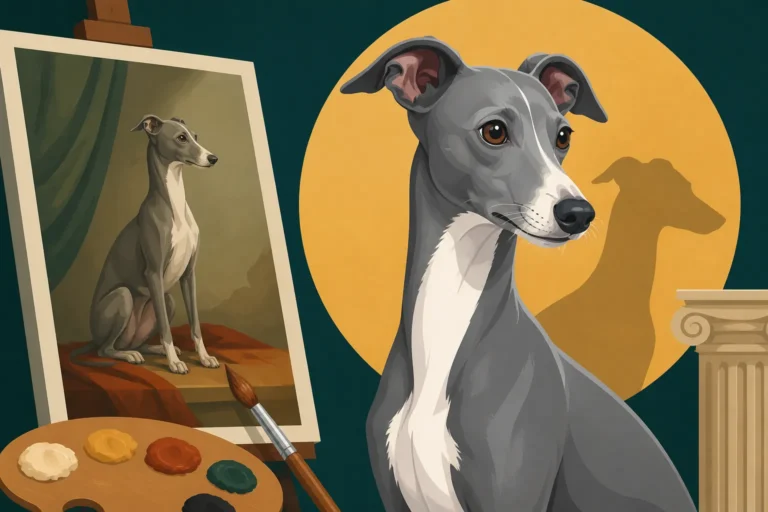
They weren't just decorative; they were active participants in the daily lives of their noble owners. From accompanying ladies in waiting to gracing the laps of kings and queens, their role was one of intimate connection. Throughout the Renaissance, Italian Greyhounds were frequently depicted in paintings alongside their aristocratic owners, immortalizing their status as treasured pets. This enduring artistic legacy, explored further in topics like The Renaissance Painters Who Put Italian Greyhounds in the Frame, clearly shows that their purpose was deeply intertwined with human companionship, offering comfort and loyalty in an often turbulent world.
Bred for Warmth and Comfort, Not Work
It's a common misconception that all sighthounds, due to their speed and keen vision, were primarily developed for hunting. While this is true for Greyhounds and Whippets, the Italian Greyhound took a different path. Their diminutive size and delicate bone structure were never intended for the rigors of the chase. Instead, breeders focused on enhancing traits that made them exceptional house companions. They were selectively bred for their affectionate nature, their ability to provide warmth (a significant benefit in drafty, unheated homes of the past), and their striking beauty.
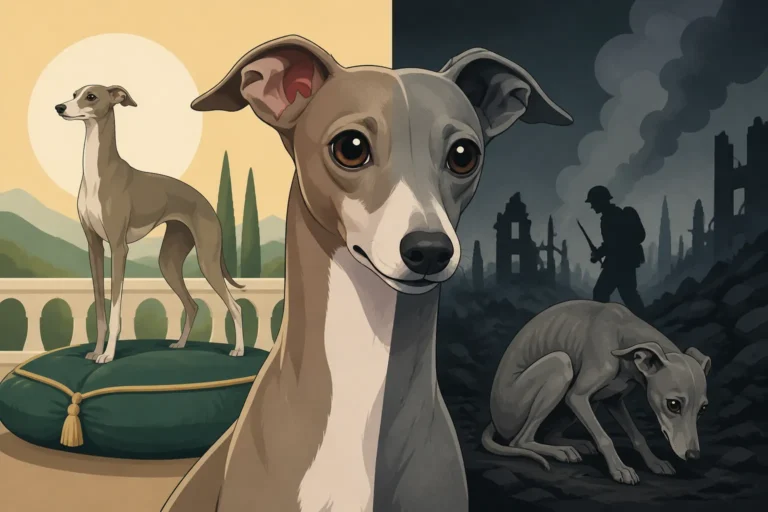
Consider the stark difference between a majestic Borzoi coursing after a wolf and an Italian Greyhound curled up on a velvet cushion. The selective breeding process for the Italian Greyhound deliberately moved away from traits suitable for survival in the wild or for demanding physical tasks. Instead, it honed their gentle disposition, their compact size, and their innate desire to be close. They were, in essence, the original "lap dog," designed by generations of careful breeding to be perfectly adapted to a life of pampered domesticity. This foundational purpose continues to define the breed to this day.
The Physical and Temperamental Traits that Reinforce Their Role
The characteristics that make an Italian Greyhound so unique aren't just charming quirks; they are direct results of centuries of breeding for companionship. Their physical makeup and their deeply ingrained behaviors all point to a dog designed for a life of comfort and closeness with humans.
Delicate Build and Thin Skin: Not Built for the Wild
One of the first things you notice about an Italian Greyhound is their exquisite, almost fragile, physique. Their slender bones and incredibly thin skin are hallmarks of the breed, giving them their graceful appearance. However, these very traits make them ill-suited for a life outdoors or for rough-and-tumble activities. A single awkward jump can lead to a serious injury, a fact many owners are keenly aware of, as discussed in Why an Italian Greyhound's Leg Bones Break So Easily. This delicate structure meant they couldn't be working dogs in the traditional sense; they couldn't endure harsh weather, thorny undergrowth, or the physical demands of hunting.
Their paper-thin skin, while soft to the touch, offers little protection against scrapes or cold. A minor brush against a rough surface can result in a tear, leading to concerns about Cuts, Scrapes and an Italian Greyhound's Paper Thin Skin. This vulnerability naturally guided their evolution towards an indoor existence, where they would be protected and cared for. Their physical delicacy is not a flaw, but rather a characteristic that perfectly suited them for a life of indoor companionship, where their primary "function" was to be cherished and kept safe by their human family.
The Unwavering Desire for Closeness and Contact
If you've ever spent time with an Italian Greyhound, you've likely experienced their legendary "Velcro dog" tendencies. They aren't just friendly; they genuinely crave physical contact and proximity to their chosen human. This isn't an accidental trait but a deeply embedded behavioral characteristic, a direct result of being bred for company. They want to be on your lap, under your blanket, or snuggled right beside you on the sofa. For many, this intense need for closeness is precisely what makes them such wonderful companions, though it can sometimes manifest as separation anxiety if not managed well, a topic explored in The Velcro Dog: What Constant Company Means With an Italian Greyhound.
This constant desire for contact often means they'll follow you from room to room, even to the bathroom, just to be near. They thrive on interaction and can become quite distressed if left alone for extended periods. Providing them with comfortable, secure spaces near you is crucial. Many Italian Greyhound owners find that a plush dog bed from a retailer like Chewy, placed right next to their favorite armchair, becomes an indispensable part of their home setup, allowing their Iggy to be close without always being on them. This innate drive for intimacy is a beautiful testament to their purpose as companion animals.
Shivering and the Innate Need for Warmth
One of the most endearing, yet sometimes challenging, aspects of Italian Greyhounds is their propensity to shiver. They have very little body fat and a fine, short coat, which means they get cold very easily. You'll often see them shivering even when you feel comfortable, or even warm. This sensitivity to cold is why Why a Nine Pound Italian Greyhound Gets Cold on the Table is such a common concern for vets and owners alike. This lack of natural insulation means they actively seek out warmth, and what better source of warmth than a human lap or snuggled under a blanket?
This physiological need for warmth reinforces their role as indoor companions. They simply aren't equipped to tolerate cold weather for long periods, making outdoor living or extensive outdoor "work" impractical and even dangerous for them. Consequently, they developed a strong reliance on their human companions for heat and shelter. Keeping an Italian Greyhound warm is not just about comfort; it’s a crucial aspect of their well-being, as highlighted by discussions around Keeping an Italian Greyhound Warm Is Daily Work, Not a Winter Job. This inherent need for warmth is a tangible link to their historical role as living hot water bottles for their noble owners.
Modern-Day Living: Why This Heritage Still Matters
Even though we no longer live in drafty castles and our homes are typically well-heated, the Italian Greyhound's historical role as a pure companion animal continues to shape their needs and behaviors today. Understanding this heritage is key to providing them with a happy, healthy, and fulfilling life.
Understanding Their Needs in a Contemporary Home
Bringing an Italian Greyhound into a modern home means embracing their deeply ingrained need for companionship and comfort. You can't expect an Iggy to be an independent outdoor dog or to happily spend hours alone. Their happiness is intrinsically linked to their proximity to their people. This means thinking about how your home is set up to accommodate a dog that thrives on physical contact and warmth. Cozy beds, soft blankets, and even sweaters and pajamas become necessities, not luxuries. Finding comfortable bedding and appropriate cold-weather gear is easy with online retailers like Chewy, which offers a wide selection designed for smaller breeds.
Beyond physical comfort, their emotional needs are paramount. Italian Greyhounds thrive on routine, gentle handling, and constant reassurance. Their sensitivity means that harsh corrections or prolonged isolation can be particularly detrimental to their well-being. Owners must be prepared to integrate their Iggy into almost every aspect of their daily lives, from lounging on the sofa to sharing the bed. Their devotion is profound, and in return, they ask for a secure, warm, and loving environment where their unique companion nature is not just tolerated, but celebrated.
The Unmatched Joy of Italian Greyhound Companionship
For those who understand and appreciate the Italian Greyhound's specific needs, the rewards of their companionship are immense. They offer an unparalleled depth of loyalty and affection. There's a special joy in being chosen by an Iggy, in having a devoted shadow who greets you with ecstatic wiggles and demands cuddles. They are masters of comfort, often sensing when you need a quiet presence or a gentle nudge. Their playful antics, often in sudden bursts of "zoomies" around the house, are a delight, but equally, they excel at being quiet, unobtrusive presences when you're busy. Knowing What an Italian Greyhound Does All Day often involves a lot of napping, but always within eyesight or earshot of their person.
The unique bond formed with an Italian Greyhound is something truly special. While they might require a bit more consideration regarding their delicate nature and need for warmth, the sheer depth of their affection makes every effort worthwhile. Many owners attest that despite the potential for vet bills from a broken leg, or the ongoing commitment to dental care, their Italian Greyhound brings immeasurable happiness to their lives. The question of Whether an Italian Greyhound Is Worth the Vet Bills or Whether Italian Greyhound Owners Would Choose One Again is often met with a resounding "yes," precisely because their purpose as a pure companion animal is so perfectly fulfilled. They remind us that sometimes, the greatest purpose a creature can have is simply to be loved and to love in return.
| Characteristic | Italian Greyhound (Bred for Company) | Typical Working Dog (e.g., Sighthound for Hunting) |
|---|---|---|
| Primary Purpose | Companionship, warmth, lap dog | Hunting, herding, guarding, physical tasks |
| Physical Build | Delicate, slender bones, minimal body fat | Sturdy, muscular, built for endurance |
| Skin/Coat | Thin skin, fine short coat, sensitive | Thicker skin, denser coat, weather-resistant |
| Cold Tolerance | Very low, shivers easily, seeks warmth | High, able to work in various climates |
| Desire for Proximity | Extremely high, "Velcro dog" | Variable, may be more independent |
| Temperament | Affectionate, sensitive, gentle, loyal | Driven, task-oriented, resilient, often independent |
| Ideal Environment | Indoor, warm, soft bedding, close to humans | Often outdoors, requires space for activity |
| Exercise Needs | Short bursts, indoor zoomies, moderate walks | High intensity, sustained physical exertion |
Disclaimer
This article is for general informational purposes only and does not constitute professional advice. Laws, prices and regulations vary by location and change over time. Consult a qualified professional for guidance on your specific situation.