What an Italian Greyhound Does All Day
For anyone who lives with an Italian Greyhound, or is dreaming of bringing one home, it's easy to picture them as tiny, fragile ornaments. We imagine them draped elegantly across a velvet cushion, perhaps stirring only to dart across a room with exquisite grace before resuming their regal repose. But the truth is, an Italian Greyhound's day is far more dynamic and deeply intertwined with their human family than such a still-life painting suggests. This comprehensive guide will pull back the curtain on the real daily life of an Italian Greyhound, from their unique morning rituals to their cozy nighttime habits, revealing the rich tapestry of activity and affection that fills their hours.
The Dawn Chorus and Morning Routines
The start of an Italian Greyhound's day isn't typically a slow, sleepy affair. While they might emerge from under the covers looking utterly disheveled and adorable, there's usually a sense of urgency that quickly takes over. Understanding these morning patterns is key to a harmonious household, especially given some of the breed's particular quirks.
Waking Up and the Potty Dance
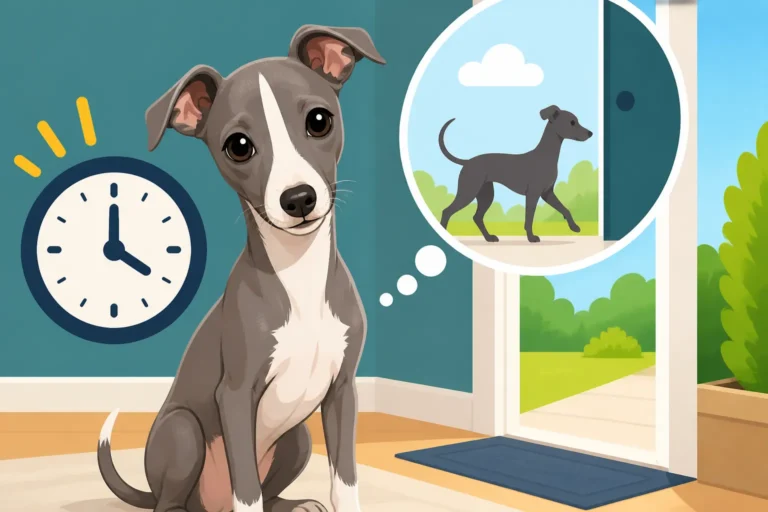
The moment an Italian Greyhound stirs, often with a dramatic stretch that seems to involve every single joint in their lean body, the first order of business is almost always an urgent potty break. They might give a soft whine, nudge your hand, or simply start pacing with a hopeful look in their big, dark eyes. This isn't just a gentle suggestion; with their smaller bladders, they truly can't hold it for long after a night's sleep. Neglecting this plea can lead to accidents, which nobody wants to clean up first thing in the morning.
However, getting them to actually go outside can sometimes feel like a negotiation with a tiny, stubborn monarch. If the weather is anything less than perfectly temperate – think a light drizzle, a cool breeze, or a dusting of snow – you might encounter significant resistance. Many Italian Greyhounds have an almost theatrical aversion to anything cold or wet, and they'll gaze out the door with an expression that clearly says, "You can't be serious." This is why many owners wisely invest in little sweaters or raincoats, or establish an indoor potty solution, especially in regions with harsh winters. Understanding Why an Italian Greyhound Refuses to Go Out in Rain is often the first step to successful potty habits in challenging weather.
Consistency is absolutely paramount in establishing a successful morning potty routine. Taking them out at the same time every day, offering enthusiastic praise for success, and immediately bringing them back inside (even if they protest) helps them understand the expectation. This routine isn't just about preventing accidents; it's about building trust and clear communication between you and your sensitive little sighthound.
Once the morning "business" is out of the way, the general energy level can vary. Some IGs immediately launch into a brief bout of morning zoomies, tearing around the house with joyful abandon. Others might prefer to cuddle for a few more minutes, soaking up warmth before fully engaging with the day. The way you handle these first few minutes really sets the tone for their entire morning and can influence their overall mood and cooperativeness.
Breakfast Time: The Picky Eater or the Hoover?
After the potty dance, it's usually time for breakfast, and Italian Greyhounds can present a fascinating dichotomy at the food bowl. Some IGs are surprisingly dainty and selective eaters, often turning up their delicate noses at certain kibbles or textures. They might sniff suspiciously, take a few tentative bites, and then wander off, leaving you wondering if your chosen gourmet meal has offended their refined sensibilities. This can be frustrating when you know they need to maintain their lean body condition.
On the flip side, some Italian Greyhounds are absolute eating machines, practically inhaling their meals with the speed of a miniature vacuum cleaner. These IGs are less concerned with culinary finesse and more with rapid consumption. Even these enthusiastic eaters benefit from having their food served in a way that slows them down, such as a slow-feeder bowl or a puzzle toy, to prevent indigestion and make mealtime a more engaging experience.
Given their slender build and incredibly low body fat percentage – typically around 17% – proper nutrition is incredibly important. They burn calories efficiently, so while they don't eat vast quantities, the food they do consume needs to be high-quality and nutrient-dense. Discussing Feeding an Italian Greyhound That Carries Seventeen Percent Body Fat highlights the delicate balance owners must strike to keep them healthy without letting them become either too thin or, less commonly, overweight. It's a fine line to walk, and often requires precise measurement and monitoring.
Whether your Italian Greyhound is a picky princess or a speedy gourmand, mealtime also offers a quiet moment for them to be part of the household rhythm. They might enjoy the soft clinking of their bowl or the presence of their people nearby. For those who are less food-motivated, offering a tiny sprinkle of a favored topping can sometimes entice them to finish their meal, turning a routine chore into a small daily treat.
Mastering the Art of the Nap
If there's one activity Italian Greyhounds truly excel at, it's napping. They don't just sleep; they enter a state of profound, often comical, repose that borders on an art form. This isn't laziness; it's a vital part of their sighthound nature, balancing intense bursts of energy with deep, restorative sleep.
The Ultimate Nap Enthusiasts
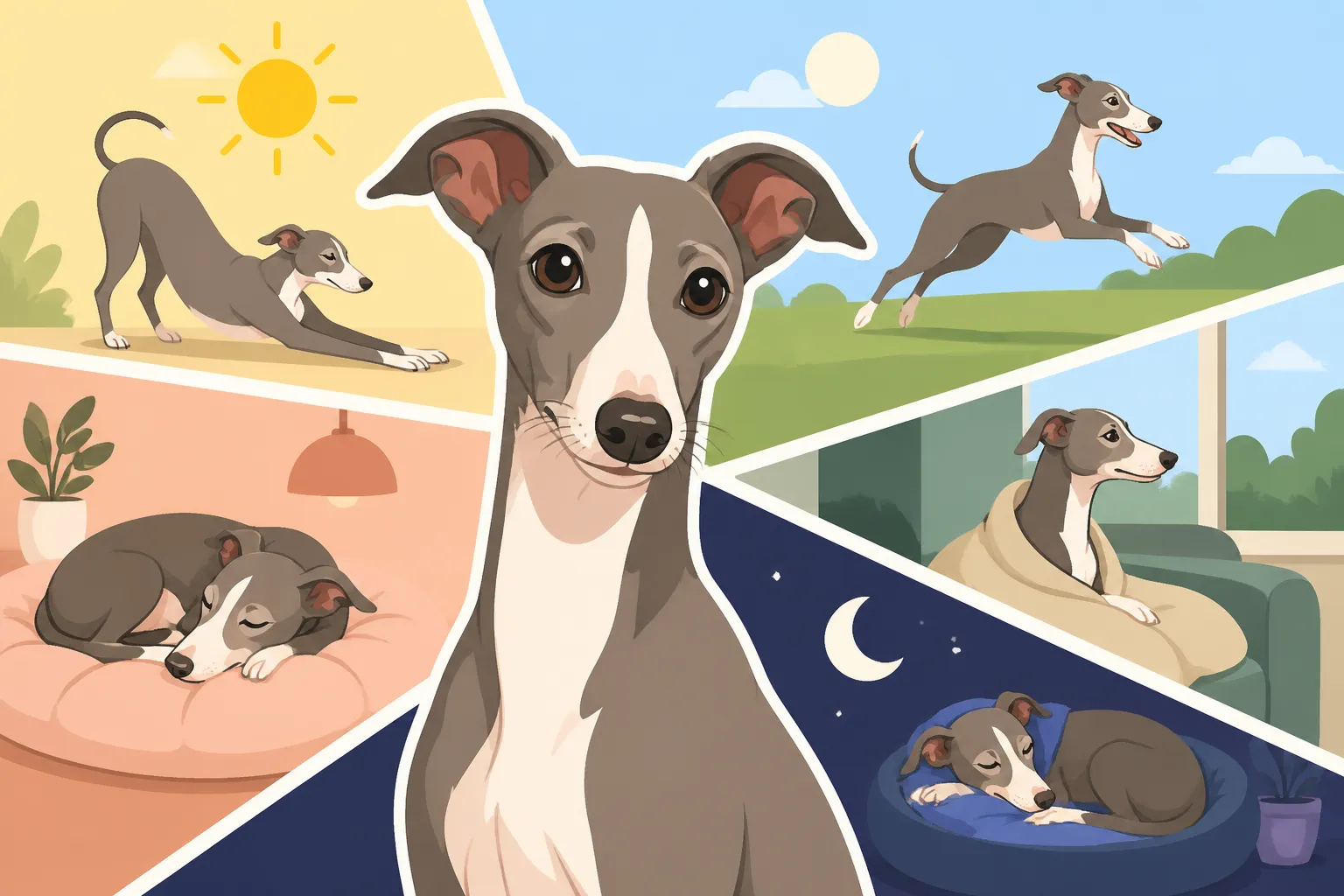
Italian Greyhounds are, without a doubt, champion sleepers. They can transform from a blur of motion into a perfectly still, deeply slumbering form in a matter of seconds. You might find them curled into an impossibly tight ball, limbs tucked in so neatly they look like a cinnamon roll. Or, equally likely, they might stretch out entirely, long legs splayed in all directions, often accompanied by soft little snores and twitching paws as they chase phantom rabbits in their dreams. These aren't just short catnaps; they can settle in for hours, seemingly oblivious to the world around them.
The importance of soft, warm, and comfortable bedding cannot be overstated for this breed. Their incredibly fine skin and minimal body fat mean they get cold easily and can develop pressure sores if they consistently lie on hard surfaces. You'll find them gravitating towards plush dog beds, soft blankets, and, quite often, burrowing deep under the covers on the sofa or your bed. Blankets aren't just for comfort; they're an essential part of an Italian Greyhound's nesting instinct, providing a sense of security and warmth. The Bedding a Thin Skinned Italian Greyhound Actually Needs is a topic every IG owner quickly becomes an expert on. Many owners discover that their IGs prefer beds with raised sides or even full "snuggle sacks" found on places like Amazon, where they can completely disappear into a warm, cozy cave.
They are masters of finding the absolute best napping spots. This could be a sunbeam that moves across the floor throughout the day, ensuring maximum warmth absorption. It could be nestled right up against your leg on the sofa, using your body heat as their personal furnace. Or, if given the chance, they'll be tucked under the covers in your bed, making themselves an integral part of the human sleep ecosystem. Their ability to find and claim these prime spots is legendary among IG owners.
This dedication to napping isn't a sign of a sluggish dog; it's a reflection of their genetic blueprint. As sighthounds, they were bred for short, explosive bursts of speed followed by long periods of rest. They conserve energy with unparalleled efficiency, allowing them to switch from deep sleep to full-speed zoomies in the blink of an eye. This balance of intense activity and profound rest is what defines much of their daily rhythm.
Deep Sleep and Sudden Wakings
An Italian Greyhound in a deep sleep can sometimes look almost lifeless, causing a moment of alarm for new owners. They lie so still, breathe so shallowly, and are often so completely wrapped up in their blankets that you might be tempted to check for a heartbeat. These periods of deep, undisturbed slumber are crucial for their physical and mental well-being, allowing their sensitive systems to fully recharge.
However, despite their capacity for profound sleep, IGs also possess a remarkable ability to wake instantly and be fully alert at the slightest anomaly. A distant car door slamming, the subtle jingle of keys, or even a change in your breathing pattern can snap them out of their peaceful slumber. This keen awareness is a throwback to their sighthound instincts; even in domesticated life, they remain highly attuned to their environment, ready to react if needed. They are often described as "silent watchdogs" because they notice everything, but aren't typically excessive barkers. Delving into How Much an Italian Greyhound Barks can offer more insights into their vocal tendencies, which are usually reserved for specific situations rather than constant noise.
Their sleep cycles can be easily interrupted by the hustle and bustle of a busy household. Children playing loudly, delivery people at the door, or even just continuous conversation can make it difficult for them to get truly deep, restorative rest during the day. This is why having designated quiet spaces for them to retreat to, perhaps a soft crate or a bed in a quieter room, can be incredibly beneficial for their overall stress levels and ability to relax.
One of the charming aspects of an Italian Greyhound's sleep patterns is how adaptable they are. While they love their routine, they are also quite capable of adjusting their schedule to yours. If you have a lazy Sunday morning, they'll happily sleep in with you. If you need to be up early, they'll rouse themselves, albeit sometimes with a disgruntled sigh, to join you. This flexibility, combined with their strong desire to be close to their human, means their napping habits are often intertwined with your daily activities, making them truly part of the family fabric.
Indoor Adventures and Playtime Flourishes
While Italian Greyhounds are masters of relaxation, their days are certainly not all about napping. They have a vibrant, playful side that comes alive indoors, often in spectacular and surprising ways. These indoor adventures are crucial for their physical and mental health, providing outlets for their natural instincts and boundless energy.
Zoomies and Indoor Sprints
Ah, the Italian Greyhound "zoomies." If you've never witnessed this phenomenon, prepare for an awe-inspiring, often hilarious, spectacle. These are bursts of frantic, joyful energy where your IG will suddenly launch into high-speed laps around your living room, careening off furniture, skidding on rugs, and generally turning into a furry blur. Their long legs and flexible spines are perfectly designed for this kind of explosive acceleration and tight turns. It's pure, unadulterated canine joy.
Because these sprints happen at such high speeds, having a safe indoor environment is absolutely essential. Furniture should ideally be arranged to allow for clear "racetracks," and any fragile items or sharp corners should be protected. A home that is set up to allow an Italian Greyhound to engage in these bursts of speed without risk of injury is a happy home indeed. Many owners find that these dogs adapt remarkably well to apartment living, precisely because their exercise needs can often be met with vigorous indoor play sessions. How an Italian Greyhound Lives in an Apartment details how well they can thrive in smaller spaces.
What's fascinating about these zoomies is that they often satisfy a significant portion of an Italian Greyhound's daily exercise requirements. Unlike a working breed that needs miles of running, an IG's physical demands are often met with these short, intense bursts. While walks are still important, these indoor sprints provide a crucial outlet for their sighthound athleticism. Understanding The Indoor Zoomies an Italian Greyhound Gets helps owners appreciate this unique and vital aspect of their dog's daily routine.
The sheer delight they take in these moments of abandon is infectious. Their eyes sparkle, their ears fly, and their bodies ripple with muscle as they rocket through the house. It's a clear reminder that despite their delicate appearance, Italian Greyhounds are athletes at heart, and they need opportunities to express that natural athleticism, even if it's just in the confines of your living room. These moments strengthen their bond with you, as they often invite you to participate in their joyous chaos, even if it's just by laughing from the sidelines.
Toy Devotion and Intellectual Engagement
While not all Italian Greyhounds are obsessed with retrieving balls endlessly, they certainly have a soft spot for toys. Their preferences can be quite specific, often leaning towards soft, squeaky toys they can "kill" (a quick shake and a triumphant squeak!), or crinkly objects that offer sensory stimulation. Smaller, plush toys that fit comfortably in their delicate mouths are often favorites, and they'll carry them around like precious treasures.
To keep them engaged and prevent boredom, it's a good idea to rotate their toys regularly. Just like children, they can get tired of the same old playthings. Putting some toys away for a week or two and then reintroducing them can make them feel new and exciting again. This simple practice keeps their interest piqued and encourages active playtime throughout the day.
Italian Greyhounds use toys not just for play, but also for self-entertainment. You might find them quietly "destuffing" a soft toy, meticulously removing every bit of fluff, or batting a small ball around with their paws. They're also adept at engaging their humans in play, often dropping a favored toy at your feet with an expectant gaze, inviting a game of tug or a gentle toss. For owners looking for durable and engaging toys, a quick search on Amazon reveals a wide array of options, from squeaky plushies to puzzle feeders specifically designed for small breeds.
Their intelligence and natural curiosity make them excellent candidates for brain games and enrichment activities. Puzzle feeders, snuffle mats, and even learning new tricks provide valuable mental stimulation, which is just as important as physical exercise. An Italian Greyhound thrives when its mind is challenged, and these activities can prevent boredom and destructive behaviors. Exploring Which Toys an Italian Greyhound Plays With offers more specific ideas for engaging their minds and bodies.
Outdoor Explorations and the Call of the Wild (on a Leash)
While Italian Greyhounds love their indoor comfort, they are still dogs, and outdoor excursions are a vital part of their daily life. However, these outings come with specific considerations due to their unique build and strong prey drive.
Leashed Walks: Sniffing and Strutting
Daily walks are paramount for an Italian Greyhound's overall well-being, providing essential physical exercise, mental stimulation from new scents, and opportunities for socialization. However, these walks must be done on a leash, without exception. Italian Greyhounds possess an incredibly strong prey drive, and their speed is truly astounding. If they catch sight of a squirrel, rabbit, or even a blowing leaf, their instinct to chase can override all training and recall in an instant. This is why the advice is firm: Why an Italian Greyhound Cannot Be Trusted Off Leash, Ever. It’s not about disobedience; it’s about powerful instinct.
Choosing the right equipment for walks is also critical. Due to their delicate necks and slender heads, Italian Greyhounds can easily slip out of traditional collars. A well-fitting harness is almost always the safest option, providing security without putting strain on their trachea. There are many sighthound-specific harnesses available that are designed to prevent escapes. Understanding Which Harness Suits an Italian Greyhound's Neck is crucial for their safety on every outing.
On their walks, Italian Greyhounds aren't just about speed. They love to sniff and explore, taking in the world through their powerful noses. They'll methodically investigate every patch of grass, every lamppost, and every scent left behind by other dogs. Their elegant, high-stepping gait makes them a joy to watch, a living embodiment of grace in motion. Even a short walk around the block can be a rich sensory experience for them.
The weather, as always with an Italian Greyhound, plays a significant role in their outdoor duration. In colder months, they absolutely require warm clothing – sweaters, coats, and sometimes even boots to protect their delicate paws from ice and salt. In warmer weather, it's important to avoid hot pavement, which can quickly burn their pads. Mornings and evenings are often best during summer. Articles like An Italian Greyhound in Summer and in Snow offer vital advice for keeping your IG safe and comfortable year-round.
Yard Time and Prey Drive Awareness
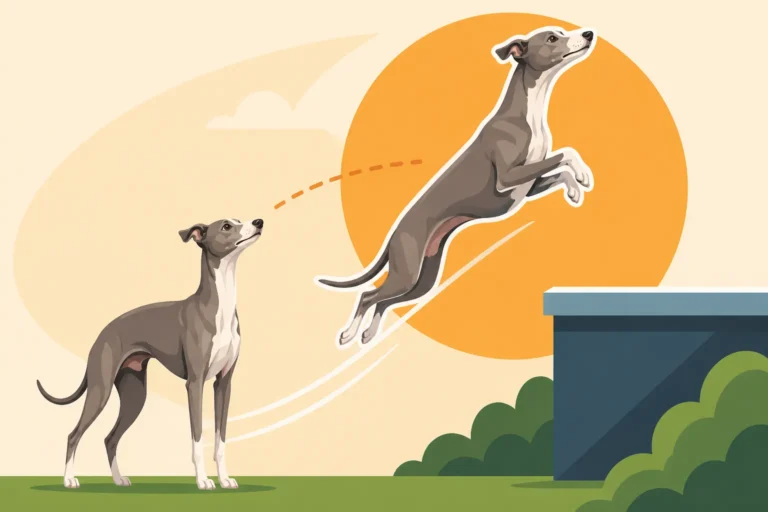
Even if you're fortunate enough to have a fenced yard, Italian Greyhounds require constant supervision when outdoors. While a fence might seem like a barrier, these agile dogs are surprisingly adept at finding weaknesses. They can scale fences higher than you'd expect, squeeze through small gaps, or even dig under in pursuit of a perceived critter. Stories of IGs escaping seemingly secure yards are common, and for a breed that can run at incredible speeds, an escape can quickly turn dangerous. Learning How an Italian Greyhound Gets Under a Fence can prepare owners for these potential challenges.
The moment an Italian Greyhound spots a small animal – a squirrel darting up a tree, a rabbit hopping through the bushes, or even a bird on the lawn – their demeanor changes instantly. They lock onto the target with laser focus, their body tenses, and they are off like a rocket. This powerful prey drive is an inherent part of their sighthound heritage. Once they're in pursuit, hearing you call them back is often a lost cause, as their entire being is consumed by the chase. Understanding What an Italian Greyhound Does When It Sees a Rabbit vividly illustrates this hardwired instinct.
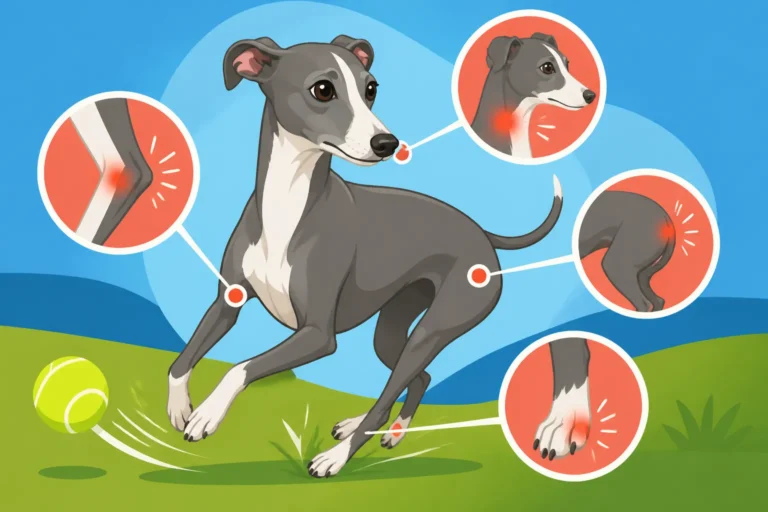
Given this intense drive and their physical vulnerability, an unfenced yard is simply not a safe environment for an Italian Greyhound, even for a moment. They require a secure, contained space, and even then, human vigilance is non-negotiable. It's not uncommon for an Italian Greyhound to suffer an injury, such as a broken leg, during an unsupervised moment of exuberant play or a sudden chase, even within a seemingly safe yard.
Beyond the chase, yard time provides another opportunity for exploration. They'll enjoy sunbathing on a warm day, rolling in a patch of fresh grass, or simply observing the world from their outdoor vantage point. However, this enjoyment must always be balanced with the understanding of their profound prey drive and the inherent risks that come with it. Secure doors and gates are also paramount, as an IG can bolt through an open door faster than you can blink, eager to explore the wider world.
The "Velcro Dog" Lifestyle and Constant Companionship
One of the most defining characteristics of an Italian Greyhound's daily life is their unwavering need for companionship. They are affectionately (or sometimes exasperatedly) known as "Velcro dogs" for a reason. This isn't just a quirky habit; it's a deeply ingrained behavioral trait that shapes their entire day.
Shadowing and Snuggling
If you own an Italian Greyhound, you're rarely truly alone. From the moment you wake up until you close your eyes at night, you'll likely have a small, sleek shadow following your every move. Whether you're making coffee, walking to the bathroom, or moving from the kitchen to the living room, your Italian Greyhound will be right there, often just a few inches behind you. This constant presence is so typical that it's encapsulated in the phrase The Velcro Dog: What Constant Company Means With an Italian Greyhound. They want to be involved in everything you do, even if their involvement is simply being in the same room.
This shadowing behavior stems from centuries of being bred as companion animals. Unlike many breeds that had specific working roles, Italian Greyhounds were primarily developed to be affectionate lapdogs and aristocratic companions. Their purpose was to be close to their humans, sharing their warmth and offering comfort. This history has cemented an innate need for proximity and connection in their DNA, making them profoundly attached to their people.
When you sit down, your IG will inevitably try to join you, not just near you, but on you. They are masters of snuggling, finding the perfect spot to curl up on your lap, burrow under a blanket next to you, or nestle themselves against your side on the sofa. They seek out body contact and warmth, often sighing contentedly as they settle in. It’s not uncommon to find yourself sharing your pillow or even a good portion of your bed with your Italian Greyhound at night.
While this constant companionship can sometimes feel a little overwhelming, for most IG owners, it's one of the most endearing and cherished aspects of the breed. There's a profound comfort in knowing you have a loyal, loving companion always by your side, ready to offer a soft head resting on your leg or a warm presence under the covers. This deep bond is truly a reciprocal gift, enriching the lives of both dog and human.
Managing Separation Anxiety and Alone Time
The flip side of the "Velcro dog" coin is the potential for separation anxiety. Because Italian Greyhounds are so intensely bonded to their people, they can struggle significantly when left alone. Signs of separation anxiety can range from mild (pacing, whining, barking) to severe (destructive chewing of furniture or doors, inappropriate urination or defecation, self-harm). Witnessing Signs an Italian Greyhound Has Separation Anxiety can be heartbreaking for owners who just want their dog to be happy and secure.
Managing alone time requires careful planning and a patient approach. Crate training, when done positively, can provide a safe den for your IG where they feel secure while you're away. Gradual desensitization, starting with very short periods of absence and slowly increasing the duration, can also help some IGs learn to cope. Providing engaging toys or long-lasting chews can distract them during your absence. For those seeking structured guidance, online training programs like BAXTER & Bella offer comprehensive resources and support for addressing various behavioral challenges, including separation anxiety, through positive reinforcement methods.
It's a realistic expectation that some Italian Greyhounds simply don't cope well with prolonged periods of solitude. Many IG owners find that their schedules revolve around minimizing the time their dog is left alone, often relying on dog walkers, doggy daycare, or even adjusting work arrangements. The discussion of whether bringing a second Italian Greyhound into the home helps with separation anxiety is a common one among owners; for some, it works wonders, providing companionship, while for others, it simply creates two anxious dogs.
The guilt associated with leaving an Italian Greyhound alone can be significant for owners. Their soulful eyes and sensitive nature make it hard to walk out the door. This often leads owners to adapt their lives considerably, changing travel plans, social outings, or even career choices to ensure their beloved companion isn't left feeling abandoned. This breed truly thrives on companionship, and understanding this fundamental need is key to providing them with a happy, secure life.
Mental Engagement Beyond Play
Beyond their physical activity and constant companionship, Italian Greyhounds also spend a significant portion of their day engaging their minds. They are intelligent, observant creatures who benefit greatly from mental stimulation and thrive on understanding their world and their role within it.
Training for Fun and Function
Italian Greyhounds are often perceived as difficult to train, but this is a common misconception. While they may not be as eager to please as a Golden Retriever or a Border Collie, they are intelligent and perfectly capable of learning. The key lies in understanding their unique motivations and sensitive nature. Positive reinforcement methods, using high-value treats and enthusiastic praise, are far more effective than harsh corrections, which can cause them to shut down or become fearful. Learning What Motivates an Italian Greyhound is essential to successful training.
Short, frequent training sessions work best for Italian Greyhounds. Their attention spans can be brief, and their sensitive nature means they can easily become overwhelmed or bored if a session drags on too long. Five to ten minutes of focused, fun training a few times a day can yield much better results than one long, tedious session. This respects their natural inclination towards short bursts of activity and keeps training enjoyable for both dog and owner. Detailed advice on How Short an Italian Greyhound's Training Session Should Be is invaluable for maintaining their engagement.
Beyond basic obedience commands, Italian Greyhounds can excel at a variety of activities that engage their minds. Scent work, where they use their powerful noses to find hidden treats or toys, is a fantastic outlet for their natural instincts. Trick training, teaching them to spin, bow, or weave through your legs, can also be a wonderful way to build confidence and strengthen your bond. These activities tap into their problem-solving abilities and provide a sense of accomplishment.
Ultimately, training isn't just about teaching commands; it's about fostering a deeper connection and providing mental exercise. A well-trained Italian Greyhound is a more confident, well-adjusted dog, and the process itself is a daily shared activity that reinforces trust and communication. It's a fun, engaging way to interact with your IG that goes beyond simply petting or playing.
Observation and Environmental Scanning
A significant, yet often overlooked, part of an Italian Greyhound's daily life involves quiet observation and environmental scanning. Even when they appear to be simply lounging or napping, their senses are highly active. Their large, expressive eyes are constantly taking in their surroundings, tracking movements, and assessing changes. Their keen hearing picks up sounds that you might not even register, from the subtle creak of a floorboard to the distant rumble of a delivery truck.
They are highly attuned to the nuances of their environment. A new piece of furniture, a rearranged cushion, or even a different scent brought in on your shoes will be meticulously investigated and cataloged. This constant monitoring makes them surprisingly good, albeit usually quiet, alert systems. They might not bark excessively at every passerby, but they will certainly notice them and often communicate their observations with a subtle ear twitch, a focused gaze, or a low, soft rumble.
This continuous process of observation and information gathering can be mentally taxing. Imagine processing every visual and auditory cue in your home and neighborhood all day long! This constant "environmental scanning" contributes to their need for deep, restorative naps. It's their way of downloading and processing all the input they've received, ensuring their sensitive systems don't become overloaded.
Their keen senses mean they absorb a tremendous amount from their surroundings, even when they seem to be doing nothing at all. They understand the rhythm of your home, the sound of your car approaching, and the subtle cues that indicate what's about to happen next. This makes them incredibly intuitive companions, often anticipating your needs or moods. Observing your Italian Greyhound as they observe the world can give you a fascinating glimpse into their rich inner life and how deeply they are connected to their environment and their human family.
Winding Down and the Nightly Nest
As the day transitions into evening, an Italian Greyhound's pace typically slows, giving way to extended periods of relaxation and an intense desire for warmth and closeness. The winding-down rituals are as important as their morning routines, ensuring they feel secure, loved, and ready for a good night's sleep.
Evening Cuddles and Relaxation
The evening hours are often dedicated to what Italian Greyhounds do best: cuddling. As the family settles down, so too does the IG, often becoming an inseparable part of the sofa landscape. These aren't just quick snuggles; they are prolonged, intentional sessions of physical closeness, where your Italian Greyhound seeks out maximum body contact and warmth. They might burrow under a blanket with you, resting their head on your lap, or simply lean their entire body weight against you as you watch TV or read a book.
Their calm demeanor in the evenings provides a stark contrast to their morning bursts of energy. The zoomies are typically a thing of the past, replaced by a quiet, contented presence. This shift in energy allows them to fully soak in the comfort and security of their home and their human companions, reinforcing the deep bond they share. It's a time for quiet affection and mutual appreciation.
The ritual of settling into the evening nest is often quite specific. Blankets are paramount. Whether it's a dedicated dog blanket, a throw on the sofa, or the bedding on your own mattress, your IG will inevitably seek out soft fabric to burrow into. Why an Italian Greyhound Sleeps Under the Covers isn't just a cute quirk; it's a testament to their need for warmth and security, creating a cozy, cave-like retreat. They will often maneuver themselves until they are completely enveloped, leaving only a tiny nose poking out.
These moments of evening intimacy are incredibly special for Italian Greyhound owners. There's a profound sense of peace and contentment that comes from feeling their warm, silky body pressed against yours. It's a reminder of their gentle nature and their unwavering affection, making the end of the day feel truly complete. This deep connection is what makes them such cherished members of the family, providing comfort and quiet companionship.
Bedtime Preparations and Sleep Habits
When it comes to actual bedtime, an Italian Greyhound takes the process very seriously. It's not just about lying down; it's about creating the perfect "nest" for a night of deep, undisturbed sleep. They will meticulously arrange blankets, spin in circles, and perhaps even paw at the bedding until everything is just right. This nesting behavior is instinctive, a way to create a secure, warm haven for themselves.
Providing a safe, warm, and comfortable sleeping arrangement is crucial for an Italian Greyhound. Many owners opt for orthopedic dog beds, which offer excellent support for their delicate frames, especially their elbows and hips. Heated beds or self-warming pads can also be a wonderful addition, particularly in colder climates or for older IGs who feel the cold more acutely. Questions around Whether a Heated Bed Is Safe for an Italian Greyhound are common, and typically, modern pet-safe heated beds are designed with low voltage and safety features to be perfectly suitable.
While many Italian Greyhounds prefer to sleep in bed with their humans, tucked under the covers, some are content in a plush dog bed right next to the bed or in a crate. Whatever the arrangement, consistency helps them feel secure and understand expectations. They generally sleep through the night once they're adults, but their small bladders might necessitate a late-night potty break or a very early morning summons, so be prepared for those occasional interruptions, especially if you hear a soft whine or insistent nudge. Understanding How Often an Italian Greyhound Wakes at Night to Go can help you set realistic expectations for a puppy versus an adult dog.
Watching an Italian Greyhound sleep, curled peacefully in their chosen spot, is a truly heartwarming sight. Their day, filled with elegant strides, playful zoomies, intense observation, and countless cuddles, comes to a gentle close. Knowing they are warm, safe, and deeply content in their nightly nest is the ultimate reward for any Italian Greyhound owner, a testament to the unique and loving bond shared with these extraordinary dogs.
A Typical Italian Greyhound's Day
To give you a clearer picture, here's a rough outline of what an Italian Greyhound's day might look like, though individual personalities and household routines will certainly add their own unique flair!
| Time Block | Common Activities |
|---|---|
| Morning (6 AM – 9 AM) | Wake up, urgent potty break (sometimes involving cold weather negotiation), breakfast (daintily or speedily), maybe a short burst of zoomies, then a morning nap on a sunny spot or a lap. |
| Mid-Day (9 AM – 1 PM) | Deep nap session, occasionally waking for a drink, a quiet chew on a favored toy, or to reposition for a better sunbeam. Gentle following of human around the house. |
| Afternoon (1 PM – 5 PM) | Another potty break, often followed by a more energetic play session (indoor zoomies or toy engagement). Perhaps a leashed walk if weather permits. More napping, always seeking warmth and proximity to humans. |
| Evening (5 PM – 9 PM) | Dinner time, quiet observation, extended cuddle sessions on the sofa, burrowing under blankets. Anticipation of bedtime. |
| Night (9 PM onwards) | Final potty break, meticulous nest-making (blanket arranging), deep sleep, often under covers with human companions. May wake for an urgent potty break in the early hours if bladder is full. |
Disclaimer
This article is for general informational purposes only and does not constitute professional advice. Laws, prices and regulations vary by location and change over time. Consult a qualified professional for guidance on your specific situation.