Whether a Heated Bed Is Safe for an Italian Greyhound
If you're an Italian Greyhound owner, you know the struggle: you glance over at your precious companion and they're shivering, even indoors, curled up into the tightest little ball imaginable, perhaps burrowed under every blanket in sight. It's heartbreaking to see them so cold, and it's completely natural to seek out ways to make them more comfortable. That's where heated beds often come into the picture, offering the promise of a cozy, warm haven. But before you rush to click 'add to cart,' a very real and important question looms: is a heated bed truly safe for your delicate Italian Greyhound? This guide will dive deep into the world of heated beds, exploring their benefits, potential risks, and how to make the safest choices for your beloved, thin-skinned friend.
Why Italian Greyhounds Need Extra Warmth in the First Place
Let's be honest, Italian Greyhounds are not built for cold weather. They are graceful, elegant creatures, but their physical characteristics make them particularly susceptible to the chill, even when you feel perfectly comfortable. Understanding why they get so cold is the first step in addressing their needs safely and effectively.
Their Unique Physiology and Lack of Body Fat
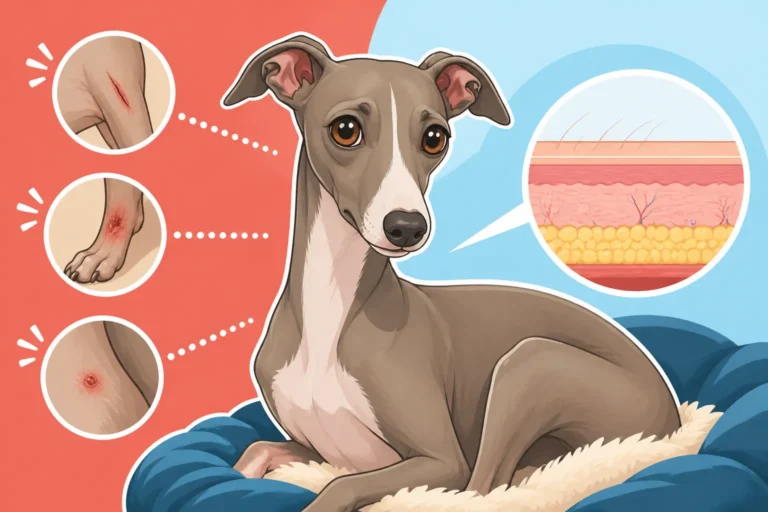
One look at an Italian Greyhound and it's clear they are lean machines. This isn't just an aesthetic; it's a physiological reality. Unlike many breeds with thick double coats or ample layers of fat, Iggies possess exceptionally fine, short coats that offer almost no insulation. Their skin is incredibly thin, feeling almost like tissue paper, and it provides very little barrier against the cold.
Furthermore, Italian Greyhounds carry very little body fat. This is a critical factor. Fat acts as a natural insulator, helping to trap heat within the body. Without this natural padding, their internal body temperature can drop quickly, leading to discomfort and shivering. It’s why you might notice your Ig shivering even when your house is at a perfectly reasonable 70 degrees Fahrenheit. It’s not just about the outside temperature; it's about their inherent inability to maintain warmth efficiently. We talk a lot about Why an Italian Greyhound Carries Almost No Body Fat because it’s a fundamental part of their care. You’ll find them seeking out sunbeams, burrowing into blankets, and trying to get as close to you as possible, all in an effort to absorb or generate warmth.
The Impact of Cold on Italian Greyhounds
Beyond the obvious shivering and general discomfort, chronic cold exposure can have a more significant impact on your Italian Greyhound's overall well-being. When they are constantly fighting to stay warm, their bodies expend extra energy, which can lead to fatigue. Prolonged cold can also cause their muscles to stiffen, making them less agile and potentially exacerbating any existing joint issues. Imagine trying to relax when you're perpetually chilly – it's tough!
Their tendency to burrow, which is endearing and very characteristic of the breed, isn't just a quirky habit; it's an instinctual survival mechanism. They're trying to create a microclimate of warmth for themselves. You've probably seen your Ig disappear under a pile of laundry or dig their way under your duvet. It’s a clear sign that they are seeking warmth. This is why we often discuss Why an Italian Greyhound Sleeps Under the Covers – it's because they genuinely need that extra insulation to feel secure and warm enough to truly rest. Without adequate warmth, they can become restless, their sleep might be disturbed, and their overall mood can be affected, sometimes leading to a more withdrawn or anxious demeanor. Providing consistent warmth is not just a luxury; it's a vital part of their daily care and contributes significantly to their quality of life.
Types of Heated Beds and Their Safety Considerations
When you start looking for ways to keep your Italian Greyhound warm, you'll quickly discover a variety of heated bed options. Each comes with its own set of advantages and, more importantly, safety considerations that need careful thought, especially for a delicate breed like ours.
Electric Heated Beds and Their Risks
Electric heated beds are the most common type you'll encounter. They contain heating elements and plugs into a standard electrical outlet, providing a consistent, regulated warmth. On the surface, they seem like the perfect solution for a perpetually chilly Italian Greyhound. However, these beds come with a few notable safety concerns that Italian Greyhound owners must be aware of.
The primary worry for many owners revolves around overheating. While most modern pet-specific heated beds are designed with thermostats and automatic shut-off features to prevent excessive heat, failures can occur. An Italian Greyhound's thin skin and lack of protective fur mean they are more susceptible to burns than a larger, thicker-coated breed. Imagine if the bed malfunctioned and got too hot – your Ig might not be able to move away quickly enough, or perhaps they're so deeply asleep and comfortable that they don't register the danger until it's too late. Always look for beds specifically designed for pets, not human heating pads, as pet beds are generally regulated to a lower, safer temperature range. Many reputable brands found on platforms like Chewy or Amazon will clearly state their safety features.
Another significant risk is electrical hazard, particularly if your Italian Greyhound is a chewer. Even a mild chewer could gnaw through a power cord, exposing live wires and creating a shock or fire risk. Because Iggies are often left unsupervised for periods, this risk needs to be seriously considered. If your dog has any history of chewing on household items, an electric heated bed might be a non-starter unless the cord is completely protected or tucked away out of reach, or the bed itself is made from chew-resistant materials. Always inspect the cord regularly for any signs of wear or damage. Even if your Ig isn't a chewer, a cord that gets pinched by furniture or stepped on could be compromised. Low-voltage options, often powered by a safe adapter, can offer a reduced risk compared to direct line voltage.
Self-Warming Beds and Alternatives
For those who are understandably hesitant about electric options, there are several self-warming beds and alternatives that can provide a decent amount of warmth without the electrical risks. These often rely on your dog's own body heat to generate warmth, or they use materials that retain heat.
Self-warming mats or beds typically feature a reflective thermal layer, often made from Mylar, nestled within the bedding. This material reflects your Italian Greyhound's body heat back to them, creating a warm, cozy spot. Think of it like a space blanket for your dog. They don't plug in, so there's no electrical hazard or risk of overheating. The downside is that they only work as well as your dog's own body heat allows; they don't generate external heat. However, for an Italian Greyhound who is just mildly chilly, or as an added layer of warmth in a cooler room, they can be quite effective and are entirely safe. You can find many options on sites like Amazon or Chewy that are plush and comfortable.
Other alternatives include microwaveable heating pads or discs. These are typically gel or grain-filled pads that you heat in your microwave for a few minutes, then place under a blanket or within a special pouch in a pet bed. They provide radiant heat for several hours. The key here is to always follow the manufacturer's instructions exactly to avoid overheating the pad itself, which could lead to burns. Always ensure the pad is wrapped in a thick towel or placed within its designated cover before giving it to your Ig, and check its temperature yourself first. These are great for supervised use, or for specific times like bedtime.
And then there's the simplest, yet often most effective, alternative: good old blankets and sweaters. Layers are a wonderful thing for Italian Greyhounds. A soft fleece blanket, a snuggly sweater or pajamas, or even simply increasing the ambient room temperature can make a huge difference. Whether they need blankets (Why an Italian Greyhound Needs Blankets) is a resounding yes in my book! Sometimes, the best solution isn't a fancy gadget but a thoughtful layering system that keeps them insulated from drafts and helps them retain their own body heat.
Here's a quick comparison of these warming solutions:
| Feature | Electric Heated Bed | Self-Warming Bed | Microwaveable Pad | Blankets/Sweaters |
|---|---|---|---|---|
| Heat Source | Electrical heating element | Reflects body heat | Microwave-heated gel/grains | Traps body heat, provides insulation |
| Constant Heat | Yes, usually thermostat-controlled | No, relies on dog's body heat | Yes, for several hours | No, relies on dog's body heat and ambient temperature |
| Electrical Risk | Yes, potential for shock/fire if damaged or faulty | No | No | No |
| Overheating Risk | Low with quality products, but possible with malfunction | No | Yes, if not heated correctly or used without cover | No |
| Chewing Risk | High if cord is exposed | Low | Low | Low |
| Cost | Moderate to high | Low to moderate | Low to moderate | Low to high (depending on quality/quantity) |
| Ease of Use | Plug in, turn on | Place anywhere | Heat in microwave, place in bed | Drape over dog/bed, put on dog |
| Ideal For | Consistent warmth, very cold Iggies (with precautions) | Mildly chilly Iggies, layering, non-electric preference | Specific, short-term warmth, supervised use | Everyday warmth, layering, ultimate safety |
Ensuring Safe Use of a Heated Bed for Your Italian Greyhound
Deciding to use a heated bed is just the first step; ensuring its safe application for your Italian Greyhound is paramount. Given their delicate nature, a few proactive measures can make all the difference in turning a potentially risky item into a genuinely comforting one.
Choosing the Right Product and Placement
When you're ready to invest in a heated bed, the choice of product is critical. Don't just grab the cheapest option you see. Look for pet-specific heated beds from reputable brands. These are designed with lower temperature settings than human heating pads, typically reaching a comfortable 102-104°F, which is similar to a dog's natural body temperature. Many will have internal thermostats and even chew-resistant cords. Read reviews on sites like Chewy or Amazon carefully, paying attention to comments from other small dog or sighthound owners. Look for beds with automatic shut-off features or timers, which add an extra layer of protection against prolonged overheating. Consider the bed's material as well – a soft, durable cover that can be easily removed and washed is a bonus.
The placement of the heated bed is just as important. First, always place it on a flat, stable surface where it won't be easily jostled or pulled down. Avoid placing it near water sources. If it's an electric bed, ensure the cord is completely protected from potential chewing. This might mean using cord protectors, tucking it behind heavy furniture, or even securing it along a baseboard. Never drape the cord across high-traffic areas where it could be tripped over or damaged. Also, consider the ambient temperature of the room. While your Italian Greyhound Cannot Hold Its Own Heat very well, placing a heated bed in an already warm room might make it too hot for them. A cooler corner or a draft-prone area might be ideal for its placement, allowing your Ig to choose when they need the extra warmth.
Finally, think about the size and shape. An Italian Greyhound often loves to curl up, so a cozy, contained bed with raised edges can provide both warmth and a sense of security. Ensure it's large enough for them to stretch out if they choose, but not so big that they can't effectively warm it with their own body heat.
Monitoring Your Dog and the Device
Once you've selected and placed your heated bed, your job isn't over. Ongoing vigilance is crucial to ensure your Italian Greyhound's safety. First and foremost, monitor your dog's behavior. When they first use the bed, watch them closely. Are they settling in comfortably? Are they getting off the bed frequently, panting, or seeming restless? These could be signs that the bed is too warm for them. A dog should be able to move away from the heat source if they get too hot. If your Italian Greyhound is particularly senior or has mobility issues, they might not be able to move as freely, increasing their risk. This is a common concern for Caring for an Italian Greyhound Past Eleven, as older Iggies often have reduced mobility. Check their skin regularly, especially around their belly and armpits, for any redness or tenderness that could indicate overheating.
You should also regularly inspect the heated bed itself. For electric beds, check the cord for any frays, nicks, or signs of chewing. Feel the bed's surface periodically (when your dog isn't on it) to ensure it's maintaining a consistent, safe temperature and isn't developing hot spots. If it feels excessively warm to your touch, unplug it immediately and discontinue use. Many heated beds come with removable covers; wash these frequently according to the manufacturer's instructions. If you notice any unusual smells, sounds, or visible damage to the heating element or wiring, stop using the bed and replace it. Even the best products can degrade over time, so regular checks are essential. If you're using a microwaveable pad, always check its temperature with your hand before placing it near your dog, ensuring it's warm, not hot. The question of Whether a Heated Bed Is Safe for an Italian Greyhound ultimately comes down to your careful selection, thoughtful placement, and ongoing supervision.
When a Heated Bed Might Not Be the Best Option (and What to Do Instead)
While heated beds can be a wonderful comfort for many Italian Greyhounds, there are specific situations where they might pose more risk than benefit. Understanding these scenarios and knowing alternative solutions is vital for every responsible Ig owner.
Specific Health Conditions to Consider
For most healthy, mobile Italian Greyhounds, a properly selected and monitored heated bed is generally safe. However, certain health conditions can make them vulnerable to harm. Senior Italian Greyhounds, for instance, often have reduced mobility or may suffer from conditions like arthritis. This can make it difficult for them to shift position or move off a heated bed if it becomes too warm. An older Ig might also have thinner skin that is more prone to burns, or reduced sensation that prevents them from recognizing discomfort. Their overall health and ability to regulate body temperature can also decline with age, making them more susceptible to both cold and excessive heat. Why an Old Italian Greyhound Feels the Cold More is a genuine concern, but it doesn't always mean a heated bed is the answer.
Dogs with neurological issues, nerve damage, or certain skin conditions should also be carefully considered. If your Italian Greyhound has any condition that impairs their ability to feel pain or move voluntarily, a heated bed could be extremely dangerous. Similarly, dogs taking certain medications might have altered pain perception or temperature regulation. Always consult your veterinarian before introducing a heated bed, especially if your Italian Greyhound has any pre-existing health concerns, is on medication, or is a senior. They can provide personalized advice based on your dog's specific needs and health profile. What might be safe for one Ig might be risky for another.
Layering and Environmental Control
If an electric heated bed isn't the right fit for your Italian Greyhound, or if you simply prefer non-electric options, there are plenty of effective ways to keep them warm and comfortable. The key is often layering and optimizing their environment.
One of the simplest and most effective methods is clothing. Italian Greyhounds thrive in sweaters, fleeces, and pajamas. These garments provide an excellent insulating layer, trapping their body heat and protecting their thin skin from drafts. Many Iggies wear sweaters indoors year-round, especially in air-conditioned homes. You'll often find yourself asking When an Italian Greyhound Needs a Sweater Indoors – and the answer is usually "more often than you think!" Invest in several well-fitting items made from soft, warm materials like fleece or wool blends. Brands like Chilly Dogs, Gold Paw Series, or even Etsy sellers specialize in sighthound-specific clothing that fits their unique build perfectly.
Beyond clothing, focusing on their bedding is crucial. Provide plenty of soft, thick blankets and comfortable beds. Iggies love to burrow, so offer them cozy "snuggle sacks" or beds with deep sides and plush interiors where they can nestle down. The Bedding a Thin Skinned Italian Greyhound Actually Needs is often more about softness and warmth than firmness. Layering multiple blankets, perhaps a plush fleece over a heavier thermal blanket, gives them options.
Finally, consider the ambient temperature of your home. While you might be comfortable at 68-70°F, your Italian Greyhound might not be. Raising the thermostat a few degrees, especially in winter or overnight, can make a significant difference. Remember, The Indoor Temperature an Italian Greyhound Starts Shivering At can be surprisingly high. Combat drafts by sealing windows or doors, or by placing your Ig's beds away from drafty areas. A small, safe space heater (with proper safety features and kept well away from anything flammable or chewable) can warm a specific room, but again, this requires careful supervision. The goal is to create a warm, draft-free haven where your Italian Greyhound can relax and thrive without constantly expending energy trying to stay warm. It's truly Keeping an Italian Greyhound Warm Is Daily Work, Not a Winter Job.
Disclaimer
This article is for general informational purposes only and does not constitute professional advice. Laws, prices and regulations vary by location and change over time. Consult a qualified professional for guidance on your specific situation.