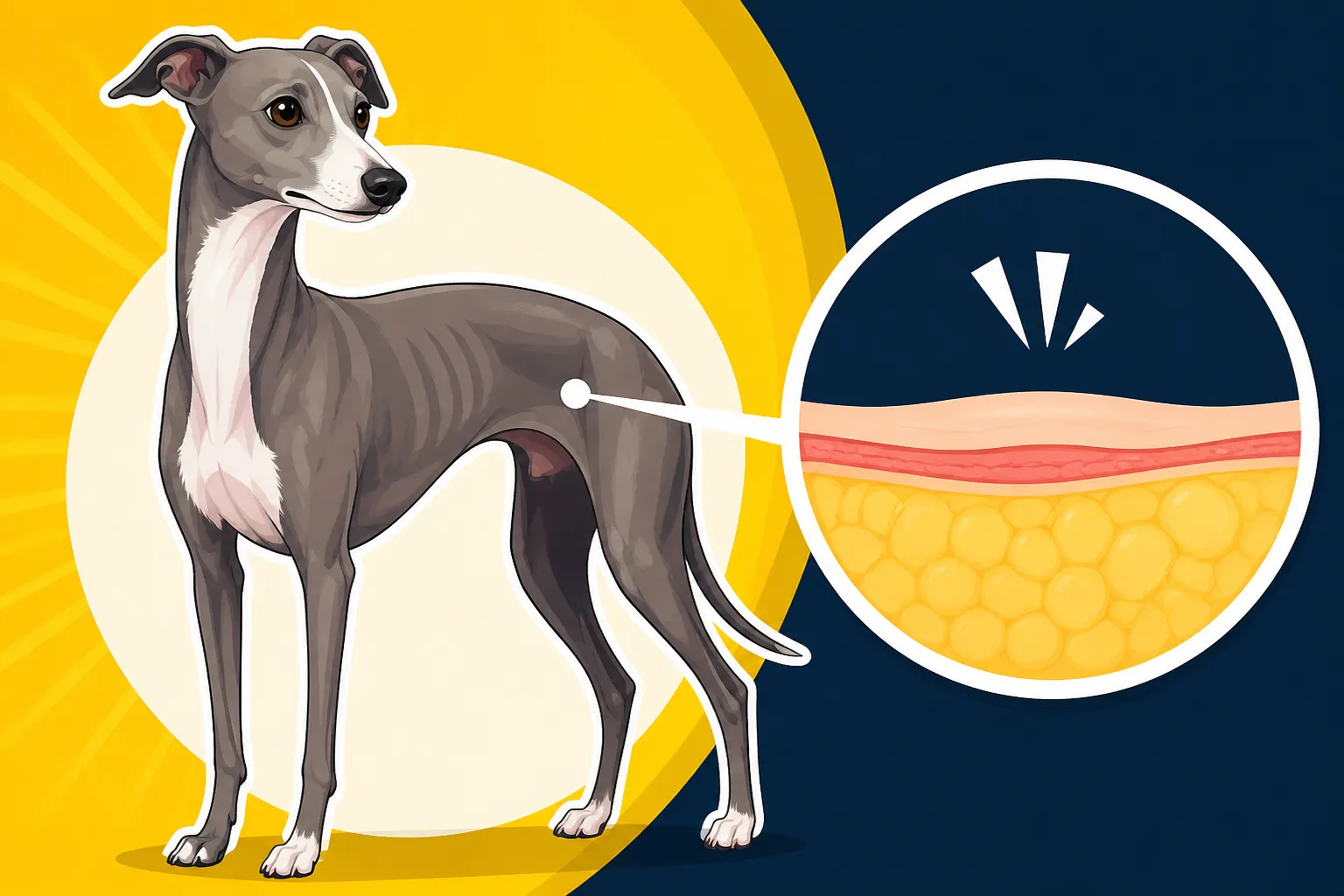
Why an Italian Greyhound Carries Almost No Body Fat
If you’re the proud parent of an Italian Greyhound, you’ve probably noticed something striking about them from day one: they’re incredibly slender. This isn't just a quirky trait; it’s a defining characteristic of their breed, leaving them with almost no body fat to speak of. Understanding why your Italian Greyhound is built this way, and what it means for their daily care, health, and well-being, is absolutely crucial for any owner. This guide will delve deep into the fascinating physiology of these delicate dogs and arm you with the knowledge to keep your lean companion healthy and happy.
The Evolutionary Roots of the Italian Greyhound's Lean Physique
It's not an accident or a sign of poor health; the Italian Greyhound's slender build is deeply rooted in their history and genetic makeup. They are, after all, sighthounds in miniature, bred for speed and agility, not for warmth or brute strength. Their bodies are finely tuned machines, optimized for chasing.
Built for Speed, Not for Insulation
Think about a cheetah or a racehorse – every part of their body is designed for efficiency in motion. The Italian Greyhound shares this heritage. Their long, slender legs, arched backs, and deep chests are all about powerful propulsion and minimal drag. Body fat, in this context, would only add unnecessary weight, hindering their incredible acceleration and nimble turns. This ancestral purpose means their bodies naturally prioritize lean muscle and bone structure over fatty insulation. Unlike breeds designed for colder climates or sustained physical labor, Italian Greyhounds simply didn't evolve with a need for a thick layer of fat. They were often companions in warm Italian palaces, not working dogs out in the elements.
A Metabolism That Burns Bright
Italian Greyhounds have what can only be described as a high-octane metabolism. They burn through calories at an impressive rate, even when they seem to be just lounging on the sofa. This isn't necessarily because they're constantly on the go; it's just how their bodies process energy. It's similar to how some human athletes have a naturally higher basal metabolic rate. For an Italian Greyhound, this means that the food they consume is very efficiently converted into energy and muscle mass, leaving little excess to be stored as fat. This rapid metabolism is also a key factor in Why an Italian Greyhound Cannot Hold Its Own Heat The lack of insulating fat, combined with a high metabolic rate, means their internal temperature regulation is a delicate balance.
Genetic Predisposition and Breed Standards
Centuries of selective breeding have further solidified this lean body type. Breeders throughout history, from ancient Rome to Renaissance Italy, admired the elegant, ethereal form of the sighthound. The breed standard for Italian Greyhounds explicitly describes a "slight, elegant" dog, emphasizing their fine bone structure and tucked-up abdomen. A dog with excessive fat would not meet these historical or modern standards. This genetic predisposition means that even with a perfectly balanced diet, your Italian Greyhound will always remain incredibly lean. Trying to "fatten them up" beyond their natural, healthy leanness can actually be detrimental, potentially leading to other health issues down the line, such as putting undue stress on their delicate bones.
Understanding the Implications of Minimal Body Fat
While their lean physique is beautiful and part of their charm, it comes with a unique set of challenges and considerations for owners. This lack of natural insulation and padding means they are more vulnerable in several key areas.
Heightened Sensitivity to Cold
This is perhaps the most obvious and immediate consequence of having almost no body fat. Italian Greyhounds get cold easily. Their short, fine coats offer very little protection against the chill, and without a layer of fat, their core body temperature drops quickly. You'll notice them shivering indoors even when you feel comfortable, or seeking out sunbeams and blankets with an almost desperate urgency. Keeping an Italian Greyhound Warm Is Daily Work, Not a Winter Job. It’s not just about bundling them up for winter walks; it’s about managing their environment year-round. This extreme cold sensitivity impacts everything from walks in cool weather to car rides and even veterinary visits where they might be exposed to cooler exam rooms or held still for procedures.
Vulnerability to Skin and Bone Injuries
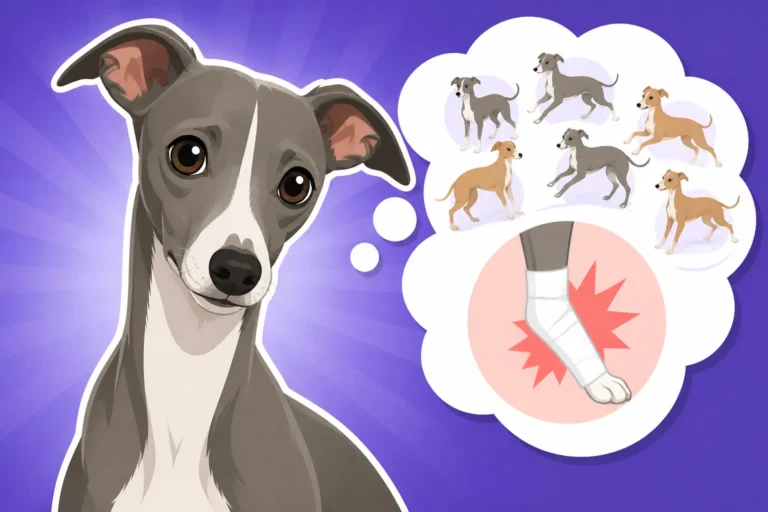
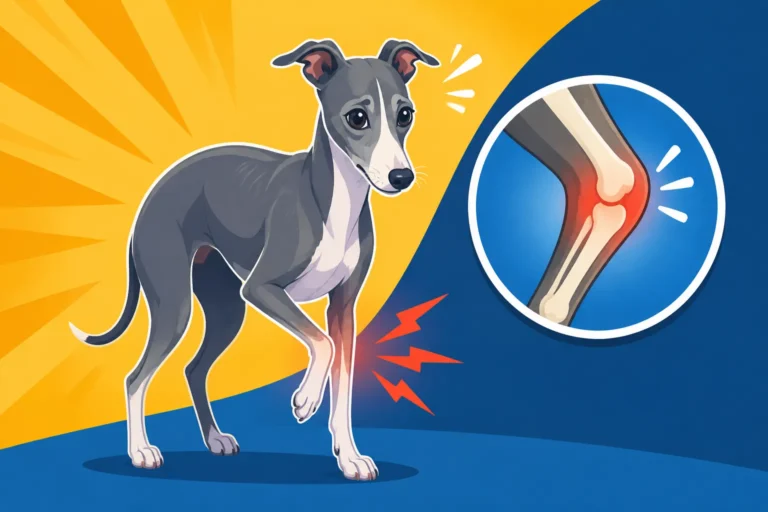
The delicate nature of an Italian Greyhound isn't just about appearance; it's a physical reality. Their skin is incredibly thin, often described as "paper thin" or "onion skin." With minimal underlying fat to cushion it, their skin is highly susceptible to tears, scrapes, and bruises from even minor bumps or friction. A playful wrestle with a larger dog, a brush against a sharp corner, or a clumsy jump can result in a surprising injury. This also extends to their bones. Lacking the protective fatty padding that other breeds possess, their slender bones, particularly those in their legs, are more exposed to impact. This fragility contributes significantly to Why an Italian Greyhound's Leg Bones Break So Easily, making broken legs a tragically common and feared occurrence for Italian Greyhound owners.
Special Considerations for Anesthesia and Medical Procedures
Veterinarians experienced with sighthounds know that their low body fat makes them particularly susceptible to complications during and after anesthesia. Many anesthetic drugs are metabolized by the liver and stored in fat cells. With very little fat, these drugs stay in their system longer, leading to a much slower and more prolonged recovery. This is why Why a Nine Pound Italian Greyhound Gets Cold on the Table, and Why Anesthesia Is Handled Differently in an Italian Greyhound, is a critical topic. They lose heat much more rapidly under sedation, increasing the risk of hypothermia, which can complicate recovery and even be dangerous. Proper warming protocols, careful drug selection and dosing, and vigilant monitoring are non-negotiable for any Italian Greyhound undergoing a procedure that requires anesthesia. It’s always wise to confirm your vet is well-versed in sighthound-specific anesthetic protocols.
Practical Approaches to Nurturing a Lean Italian Greyhound
Living with a dog that carries so little body fat means being proactive and thoughtful in their daily care. It's about providing an environment that supports their unique physiological needs.
Tailored Nutritional Strategies
Despite their high metabolism, Italian Greyhounds are typically efficient eaters and don't require vast quantities of food. The key is to provide nutrient-dense, high-quality food that supports their lean muscle mass and energy levels without causing them to gain unhealthy fat. Feeding an Italian Greyhound That Carries Seventeen Percent Body Fat, means choosing a diet rich in quality protein and healthy fats, often slightly higher in calories per serving than you might expect for a dog of their weight. Free-feeding isn't usually recommended, as some IGs can be picky, or conversely, overeat if allowed. Instead, offer regular, portion-controlled meals, typically two or three times a day, and monitor their weight closely. Look for foods from reputable brands that focus on whole ingredients. If you're concerned about your dog's weight or diet, always consult with your veterinarian. They can help you determine What an Italian Greyhound Weighs and How to Tell If It Is Right, and suggest appropriate dietary adjustments.
Ensuring Consistent Warmth and Protection
Providing warmth is a daily, year-round commitment. Indoors, ensure they have access to soft, warm beds, plenty of blankets to burrow under, and consider sweaters or pajamas if your home tends to be cool, especially during colder months. Heated beds can be a fantastic investment, giving them a cozy spot to retreat. When venturing outside, even for short potty breaks, appropriate clothing is a must. A good quality coat or sweater, especially one that covers their chest and abdomen, will make a significant difference. For really cold or wet weather, a waterproof layer is essential. Remember that their skin is delicate, so choosing soft, non-irritating fabrics for their clothing is important. You'll also need to consider protection from potential physical hazards. Ramps and steps for furniture can prevent dangerous jumps that could lead to a broken leg. Supervise playtime, especially with larger, boisterous dogs, to avoid accidental injuries to their fragile bodies.
Proactive Veterinary Care and Monitoring
Given their unique physiology, proactive veterinary care is even more vital for Italian Greyhounds. Regular check-ups allow your vet to monitor their overall health, dental health, and body condition score. Because of their fast metabolism and predisposition to cold, it’s important to discuss Whether an Italian Greyhound Gets Cold Under Sedation, with your vet before any procedure requiring anesthesia. Ensure they have a plan for warming your dog, like forced-air warming blankets. Due to their thin skin and bone structure, accidents leading to fractures are a real concern, so having a plan for emergency care is also wise. Many owners opt for pet insurance from providers like Healthy Paws to help manage the potentially high costs associated with emergency surgeries or ongoing care for breed-specific issues. Being prepared for these eventualities can save a lot of stress and financial strain should the unexpected happen.
Differentiating Healthy Lean from Unhealthy Underweight
It’s a common worry for Italian Greyhound owners: are they just naturally thin, or are they too thin? There’s a fine line, and knowing how to assess your dog’s body condition is a crucial skill.
Mastering the Body Condition Score
The best way to tell if your Italian Greyhound is at a healthy weight is by using a Body Condition Score (BCS) chart, typically on a scale of 1 to 9, where 1 is emaciated and 9 is obese. For an Italian Greyhound, a healthy BCS usually falls around a 3 or 4, indicating a very lean body. You should be able to easily feel their ribs, spine, and hip bones without them protruding sharply. When viewed from above, there should be a distinct waist, and from the side, an obvious tuck-up of the abdomen. If their ribs, spine, and hip bones are visibly prominent with no discernible fat cover, and their waist is extremely exaggerated, they might be underweight. Conversely, if you can't easily feel their ribs without pressing, or if they have fat deposits over their hips or at the base of their tail, they might be carrying too much weight, which, ironically, can increase their Why an Overweight Italian Greyhound Is at Fracture Risk. Regularly feeling your dog's body and comparing it to a BCS chart will become second nature.
Recognizing Signs of Malnourishment
While Italian Greyhounds are naturally lean, being underweight is a serious health concern. Signs of malnourishment go beyond just visible ribs. Look for a dull, dry coat, lethargy, decreased activity levels, or a general lack of muscle mass. If your Italian Greyhound seems unusually tired, disinterested in food, or if their energy levels drop, it's a red flag. Healthy Italian Greyhounds, despite their leanness, are typically energetic, playful, and have a healthy appetite. If you notice any significant changes in their eating habits, energy levels, or body condition, it's essential to consult your vet immediately. Conditions like parasites, underlying illnesses, or even chronic stress can lead to unhealthy weight loss. Your veterinarian can perform a thorough examination, including blood tests if necessary, to rule out any medical issues and help you develop a plan to get your Italian Greyhound back to a healthy, but still lean, body condition. Early intervention is always best, and pet insurance from providers like Healthy Paws can assist with unexpected diagnostic or treatment costs.
Disclaimer
The information provided in this guide is for general educational purposes only and should not be considered a substitute for professional veterinary advice. Always consult with a qualified veterinarian for any health concerns or before making any decisions related to your pet's health and treatment.