Why an Italian Greyhound Outlives Most Purebred Dogs
It’s a common heartache for dog owners: the knowledge that our beloved companions, especially purebreds, often have lifespans that feel far too short. Many people enter into dog ownership bracing themselves for an average of 10-12 years, but with an Italian Greyhound, you might just be in for a delightful surprise. This guide dives deep into the specific traits and factors that allow Italian Greyhounds to often outlive many other purebred dogs, frequently gracing our lives for 14, 15, or even 16 wonderful years.
Genetic Predisposition to Longevity
One of the most significant factors contributing to the Italian Greyhound's impressive lifespan is their genetic makeup and the history of the breed itself. While no breed is entirely free of health concerns, IGs, when bred responsibly, tend to be free of some of the debilitating genetic issues that plague larger or more conformationally exaggerated breeds. Their ancient lineage has allowed for natural selection pressures over centuries, refining a dog that is built for a long, healthy existence.
Selective Breeding for Health and Vitality
Responsible breeders play a pivotal role in maintaining the health and longevity of the Italian Greyhound. Unlike some breeds that have been developed more recently with extreme physical traits, the IG has largely retained its original, balanced structure. Good breeders focus on perpetuating healthy lines, carefully screening potential breeding dogs for genetic conditions that could shorten their lives or impact their quality of life. This proactive approach helps to stack the odds in favor of puppies living a full, vibrant existence. They understand that a long, healthy life isn't just luck; it's a careful combination of genetics and environment. This dedication to health means you're more likely to find a puppy with a strong foundation for a long life. It's truly a testament to the efforts of those who prioritize wellness over fleeting trends.
Inherited Conditions and Proactive Screening
While Italian Greyhounds are generally healthy, they do have a few inherited conditions that diligent breeders actively screen for. These include certain eye diseases, such as Progressive Retinal Atrophy (PRA), and patellar luxation (slipping kneecaps). The good news is that these conditions are often identifiable through specific health tests and certifications before a dog is bred. For instance, reputable breeders will have their breeding dogs' eyes examined by a board-certified veterinary ophthalmologist. This kind of screening allows them to make informed decisions, preventing the passing on of undesirable traits that could impact the puppy's future health. When considering a puppy, it's essential to ask What an Italian Greyhound Breeder Should Have Tested. By minimizing the prevalence of these known issues through careful breeding, the breed maintains its overall robust health profile. This contrasts sharply with breeds where widespread, unmanaged genetic issues can significantly shorten average lifespans.
The Advantage of a Svelte and Agile Build
Another major contributor to the Italian Greyhound's long life is their unique physical attributes: their small size, lean body composition, and inherent agility. These aren't just cosmetic traits; they translate directly into reduced strain on their bodies and a lower risk of certain age-related ailments.
Smaller Stature, Longer Life
It's a widely observed trend in the canine world: smaller dogs generally live longer than larger dogs. While there are always exceptions, the Italian Greyhound fits perfectly into this pattern. Their diminutive size, typically weighing between 7 to 14 pounds, means less wear and tear on their joints and internal organs over time. A large dog's body simply has more mass to maintain and move, which can lead to earlier onset of conditions like arthritis, heart disease, and certain cancers. An Italian Greyhound's delicate frame, while making them prone to fractures in their youth, ultimately serves them well in the long run. The smaller size also often means a slower metabolism relative to their body mass, contributing to longevity. It's one of the reasons that Why an Italian Greyhound Lives Fourteen to Fifteen Years is a common discussion among owners.
A Lean, Active Metabolism
Italian Greyhounds are famously lean, with very little body fat, and possess a high-stepping, elegant gait. They are naturally active and enjoy bursts of intense play, followed by long, luxurious naps. This combination of leanness and appropriate exercise is a recipe for cardiovascular health and strong muscles throughout their lives. You'll often hear that Why an Italian Greyhound Carries Almost No Body Fat is a defining characteristic. This natural leanness helps prevent obesity, which is a major contributor to a host of health problems in dogs, including diabetes, joint issues, and heart disease. While their energy bursts are legendary, they don't require the relentless, high-impact exercise of some other working breeds, which again reduces stress on their bodies. Their metabolism is efficient, and a well-fed Italian Greyhound maintains a healthy weight without constant struggle, assuming their owners don't overindulge them.
Minimal Strain on Joints and Organs
Because Italian Greyhounds are so light and their build is naturally athletic, their joints and internal organs experience less stress over their lifetime. This reduces the risk of developing debilitating conditions like hip and elbow dysplasia, which are common in many larger breeds and can significantly impact their quality of life and shorten their lifespan. Their hearts aren't working as hard to pump blood through a massive body, and their skeletal system isn't bearing immense weight. This reduced physiological burden allows their bodies to function optimally for a longer period.
Dedicated Ownership and Proactive Care
Perhaps one of the most overlooked, yet critical, factors in the Italian Greyhound's impressive longevity is the incredible dedication and proactive care provided by their owners. Owning an IG often means becoming intimately familiar with their unique needs and challenges, which fosters a high level of vigilance and preventative care.
Vigilant Preventative Health Strategies
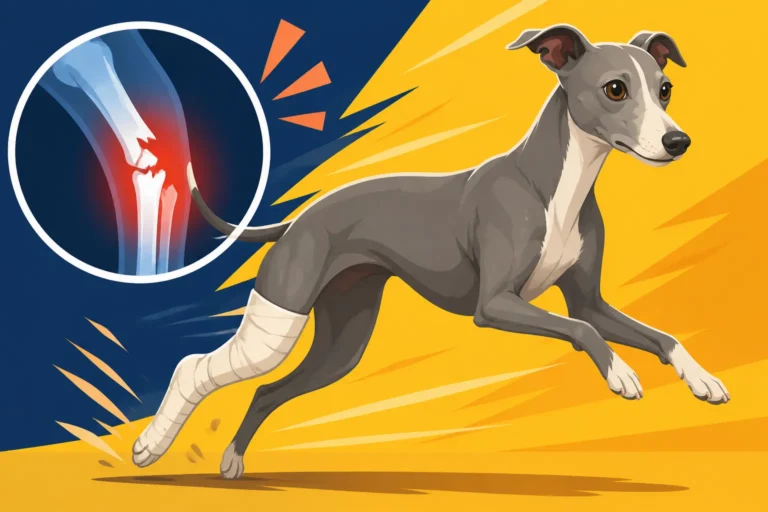
Italian Greyhound owners, by necessity, often become experts in their breed's specific needs. They are acutely aware of the breed's delicate bone structure, which means they are often very careful about their home environment to prevent Why an Italian Greyhound's Leg Bones Break So Easily. They might invest in ramps for furniture, gate stairs, and closely supervise playtime, especially when the dogs are young. This constant awareness and preventative action, while born from a breed fragility, translates into a holistic approach to health that catches other issues early.
Another crucial area where IG owners are typically proactive is dental health. Italian Greyhounds are notoriously prone to dental issues, with crowded mouths and delicate jawbones. Owners who understand that Periodontal Disease Is the Italian Greyhound's Most Common Diagnosis often commit to daily tooth brushing, regular dental check-ups, and professional cleanings. This isn't just about fresh breath; untreated dental disease can lead to serious systemic health problems, including heart and kidney issues, which can drastically shorten a dog's life. By staying on top of dental hygiene, owners remove a major health risk. Many discover that How Often an Italian Greyhound Needs a Dental Cleaning is more frequent than with other breeds, and they commit to it.
The Role of Consistent Veterinary Care
Because Italian Greyhounds are prone to certain breed-specific issues, their owners tend to be very diligent about regular veterinary check-ups. These routine visits are crucial for early detection of any health changes, whether it's the subtle beginnings of dental disease or a slight shift in a heart murmur. Regular wellness exams, often with specialized bloodwork for senior IGs, mean that potential problems are identified and addressed long before they become emergencies. This proactive approach to healthcare directly contributes to a longer, healthier life. When unexpected medical issues do arise, having a reliable pet insurance plan, such as those offered by Healthy Paws, can provide peace of mind and ensure that owners can afford the best possible care without financial strain. This allows for critical interventions that might otherwise be delayed or forgone, directly impacting longevity.
Here's a quick look at how Italian Greyhounds stack up in terms of lifespan compared to some other common purebreds:
| Breed | Average Lifespan (Years) | Common Health Concerns (Relevant to Lifespan) |
|---|---|---|
| Italian Greyhound | 12-15+ | Dental disease, Leg fractures (puppyhood), PRA |
| Golden Retriever | 10-12 | Cancer, Hip/Elbow Dysplasia, Heart Disease |
| German Shepherd Dog | 9-11 | Hip/Elbow Dysplasia, Degenerative Myelopathy |
| Bulldog | 8-10 | Brachycephalic Syndrome, Joint issues |
| Labrador Retriever | 10-12 | Joint issues, Cancer, Obesity |
| Yorkshire Terrier | 13-16 | Dental disease, Patellar luxation, Liver shunt |
| Chihuahua | 14-18 | Dental disease, Patellar luxation, Heart issues |
As you can see, the Italian Greyhound stands tall among the longer-lived purebreds, often rivaling or exceeding many small breeds.
A Focus on Quality of Life into Senior Years
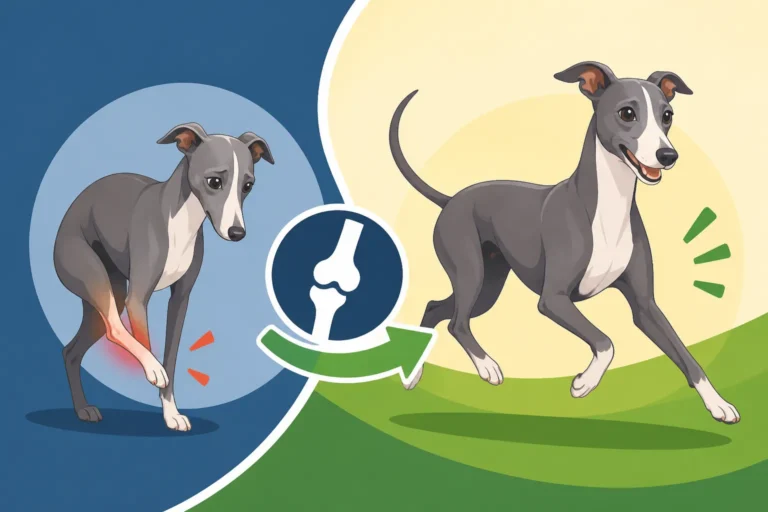
Italian Greyhound owners are typically devoted to ensuring their dogs maintain a high quality of life as they age. This includes providing warm, comfortable environments – knowing that getting cold under sedation (Whether an Italian Greyhound Gets Cold Under Sedation) is a concern even for routine procedures, let alone daily life. They ensure soft bedding, sweaters, and a cozy spot under blankets, especially as their IGs enter their senior years. This focus on comfort and warmth, combined with careful monitoring for signs of age-related issues, means that Italian Greyhounds are often well-supported through their golden years. Owners are quick to notice changes in mobility, appetite, or behavior, and seek veterinary advice, ensuring that conditions like arthritis are managed effectively. This vigilant care ensures that an Italian Greyhound not only lives a long life, but also a comfortable and happy one. Caring for an Italian Greyhound Past Eleven becomes a very personalized journey, ensuring every need is met.
The blend of good genetics, a naturally healthy physique, and highly dedicated ownership creates a powerful formula for the Italian Greyhound's exceptional longevity. While every dog is an individual and there are no guarantees, the breed’s inherent traits and the proactive care of their human companions truly set them up for a remarkably long and fulfilling life. It's why so many Italian Greyhound owners wouldn't trade their fragile, yet enduring, companions for anything.
Disclaimer
This article is for general informational purposes only and does not constitute professional advice. Laws, prices and regulations vary by location and change over time. Consult a qualified professional for guidance on your specific situation.