How Often an Italian Greyhound Needs a Wellness Exam
As Italian Greyhound owners, we often grapple with a unique set of anxieties when it comes to our delicate companions, and knowing precisely how often they need to see the vet can feel like navigating a minefield of potential issues. This guide aims to clear up that confusion, providing a comprehensive roadmap for your Italian Greyhound's wellness exam schedule from their bouncy puppy days through their distinguished senior years, ensuring you feel confident in providing the best preventative care.
The Baseline: Annual Wellness Exams for Adult Italian Greyhounds
For most adult Italian Greyhounds, a yearly wellness exam serves as the cornerstone of preventative healthcare. This isn't just a formality; it's a vital opportunity for your veterinarian to catch subtle changes that might otherwise go unnoticed, especially in a breed known for its stoicism.
Why Yearly Check-ups Are Non-Negotiable
Italian Greyhounds are masters at hiding pain and discomfort, a trait that stems from their ancient sighthound heritage where showing weakness could mean danger. This inherent stoicism means that by the time you notice something is truly wrong, an issue might be significantly advanced. A yearly wellness exam provides a professional, objective assessment, allowing your vet to detect problems in their earliest, most treatable stages. We're talking about things like the insidious onset of periodontal disease, which is unfortunately Periodontal Disease Is the Italian Greyhound's Most Common Diagnosis, or the subtle shifts in gait that might signal a developing orthopedic issue. Catching these early can save your beloved companion from unnecessary suffering and often, you from more significant financial burdens down the line. Preventative care is truly the best defense against many of the common ailments Italian Greyhounds face, contributing significantly to Why an Italian Greyhound Lives Fourteen to Fifteen Years.
Beyond early detection, annual exams are crucial for maintaining up-to-date vaccinations and parasite prevention. While your IG might be an indoor dog, risks for heartworm, fleas, and other parasites still exist. Your vet can recommend the most appropriate preventative medications and vaccination schedule based on your dog's lifestyle and local risks. It’s about keeping them safe from threats both obvious and unseen, ensuring their continued health and happiness.
What Happens During a Standard Annual Exam
When you bring your Italian Greyhound in for their annual check-up, your vet will perform a thorough head-to-tail physical examination. This includes carefully checking their teeth and gums – an area of particular concern for IGs due to their crowded mouths. They'll also inspect their eyes, ears, and nose, looking for any signs of infection, discharge, or irritation. Your vet will listen to their heart and lungs, checking for murmurs, arrhythmias, or any unusual sounds that could indicate respiratory or cardiac issues.
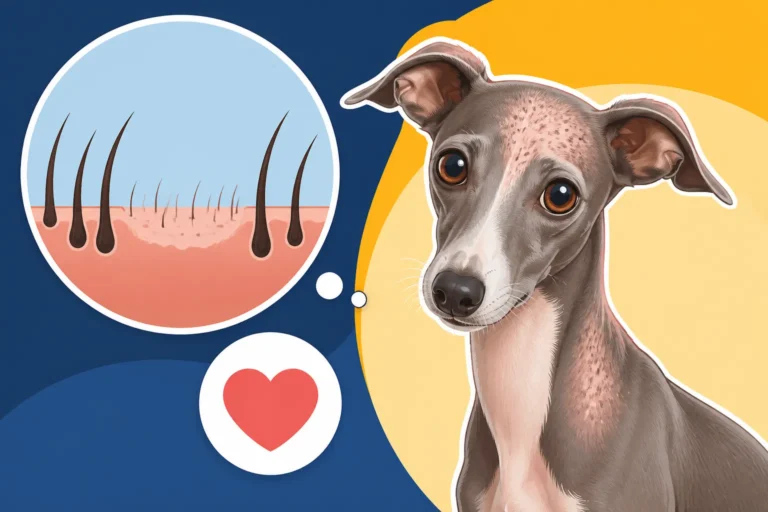
Palpation is another key component, where the vet gently feels your dog's abdomen to check for any organ enlargement, masses, or tenderness. They'll assess muscle mass, particularly around the hips and legs, paying close attention to their delicate bones and joints. A comprehensive orthopedic evaluation is essential for Italian Greyhounds, given their propensity for fractures and conditions like patellar luxation. Their skin and coat will be examined for any lumps, bumps, or abnormalities, and their nails will be checked. Of course, your IG will be weighed, and this provides a critical baseline for monitoring their overall health year over year. Any significant weight gain or loss could signal an underlying health problem.
Italian Greyhound-Specific Considerations During the Exam
Bringing an Italian Greyhound to the vet isn't quite like bringing in a larger, sturdier breed. Their unique physiology demands a vet who truly understands sighthounds. First and foremost, Italian Greyhounds are incredibly delicate. Their fine bones and thin skin mean they need to be handled with extreme care, especially during examinations that involve lifting or positioning. It's not uncommon for an IG to get injured by accident, so ensure your vet and their staff are aware of their fragility. If you're looking for a vet, don't hesitate to ask if they have experience with Italian Greyhounds or other sighthounds.
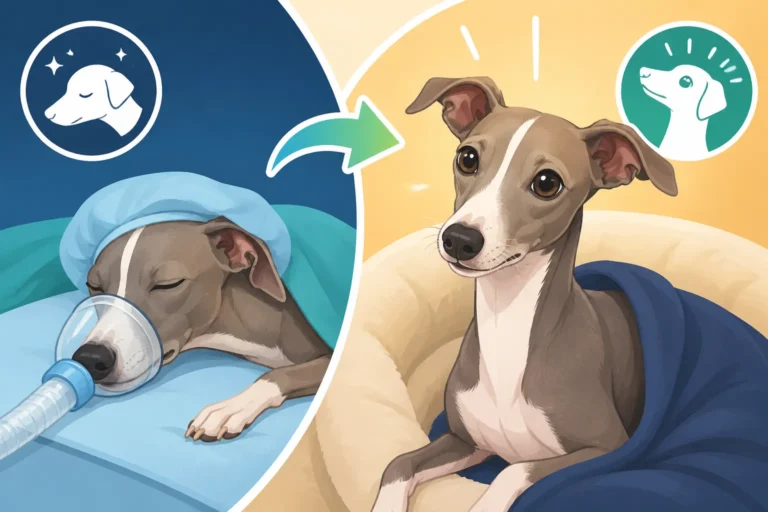
Another critical consideration is their extreme sensitivity to cold. Italian Greyhounds carry almost no body fat and chill very quickly, which can make them stressed and uncomfortable during a vet visit. You might find your IG shivering uncontrollably on the exam table even in a relatively warm room. Always bring a cozy sweater or a soft blanket for them, and ask the vet staff to be mindful of keeping them warm during the examination. This small gesture can make a huge difference in their comfort level and reduce anxiety. Furthermore, due to their unique metabolism and how quickly they get cold on the table (Why a Nine Pound Italian Greyhound Gets Cold on the Table), vets must also consider specific anesthetic protocols for any procedures beyond a routine exam.
Puppyhood to Seniority: Tailoring the Exam Schedule
While annual exams are the standard for healthy adult Italian Greyhounds, their life stages demand different frequencies and focuses for veterinary care. The journey from a tiny, fragile puppy to a wise, dignified senior requires a dynamic approach to wellness checks.
Puppy Wellness: A Series of Critical Visits
The first few months of an Italian Greyhound puppy's life are packed with vet appointments, and for good reason. These initial visits are absolutely critical for setting them up for a healthy future. Typically, you'll be seeing the vet every 3-4 weeks from about 8 weeks of age until they are around 16 weeks old. During these visits, your puppy will receive their core vaccinations (distemper, parvovirus, adenovirus, parainfluenza) in a series of boosters, along with rabies vaccinations. They'll also be dewormed multiple times to address common puppy parasites.
Beyond vaccinations, these puppy appointments are essential for monitoring growth and development. Your vet will check their weight, listen to their heart for any murmurs, and ensure their bones and joints are developing properly, which is particularly vital for a breed like the Italian Greyhound where The Age an Italian Greyhound Is Most Likely to Break a Leg. They'll examine their mouth for retained baby teeth, a common issue in IGs that can lead to significant dental problems later if not addressed promptly. These visits are also a fantastic opportunity for you to discuss nutrition, housetraining strategies, and early socialization with your vet. Think of these frequent visits as building the foundation for a lifetime of good health, giving your puppy the best possible start.
Senior Italian Greyhounds: Increased Vigilance
As your Italian Greyhound approaches their senior years, typically starting around 8 to 10 years old, their wellness exam schedule needs to shift. While some sources might suggest an Italian Greyhound is considered senior a bit later, due to their small size and specific health predispositions, it’s wise to start thinking about senior care proactively around this age. Instead of annual visits, many veterinarians recommend bi-annual (twice a year) check-ups for senior Italian Greyhounds. This increased frequency allows for closer monitoring of age-related conditions that can develop quickly and silently.
During these senior exams, your vet will likely recommend additional diagnostic screenings beyond the standard physical exam. This often includes routine bloodwork to check organ function (kidneys, liver, thyroid), a urinalysis to detect urinary tract infections or early kidney disease, and blood pressure monitoring. These tests can reveal subtle changes before they become clinically obvious, allowing for earlier intervention. For example, What Changes in an Italian Greyhound After Eleven might include subtle shifts in kidney values or the development of a heart murmur. Regular monitoring can significantly improve the management and prognosis of these conditions, helping your IG maintain a good quality of life in their golden years. Discussions about pain management for arthritis, dietary adjustments for aging metabolism, and cognitive changes also become more prominent during these visits.
When to Schedule Extra Visits: Beyond Routine Care
Routine wellness exams are crucial, but sometimes, your Italian Greyhound will need an unscheduled trip to the vet. Knowing when to act swiftly can be life-saving. Any sudden change in behavior, appetite, or energy level warrants a call to your vet. If your IG is suddenly lethargic, refusing to eat or drink, or experiencing vomiting or diarrhea, don't wait. These could be signs of anything from a minor upset to a serious internal issue.
Of course, given their delicate bone structure, any lameness, yelp of pain, or difficulty bearing weight, no matter how slight, should trigger an immediate vet visit. Italian Greyhounds are incredibly prone to fractures, and what might look like a minor limp could be Signs an Italian Greyhound Has Broken a Leg. Don't assume they'll "walk it off." Other urgent signs include difficulty breathing, prolonged shivering (not related to cold), sudden swelling, or changes in eye appearance. If you ever suspect your Italian Greyhound has ingested something toxic, or if they have an allergic reaction, seek emergency veterinary care immediately. It's always better to err on the side of caution with this breed; a quick check-up can either reassure you or lead to timely, critical treatment.
Preparing for Your Italian Greyhound's Wellness Exam
A smooth and productive vet visit starts long before you walk through the clinic door. A little preparation can go a long way in reducing stress for both you and your Italian Greyhound, and ensures your vet has all the information they need to provide the best care.
Gathering Information for Your Vet
Before your appointment, take a few minutes to jot down any observations or questions you might have. Think about your Italian Greyhound's habits over the past few months. Has their appetite changed? Are they drinking more or less water? Have their bathroom habits shifted (frequency, consistency)? Any new lumps, bumps, limping, scratching, or behavioral quirks should be noted. If your IG has been having "accidents" indoors, even if you suspect it's just a housetraining lapse, it's worth mentioning, as it could indicate a urinary tract infection or other medical issue.
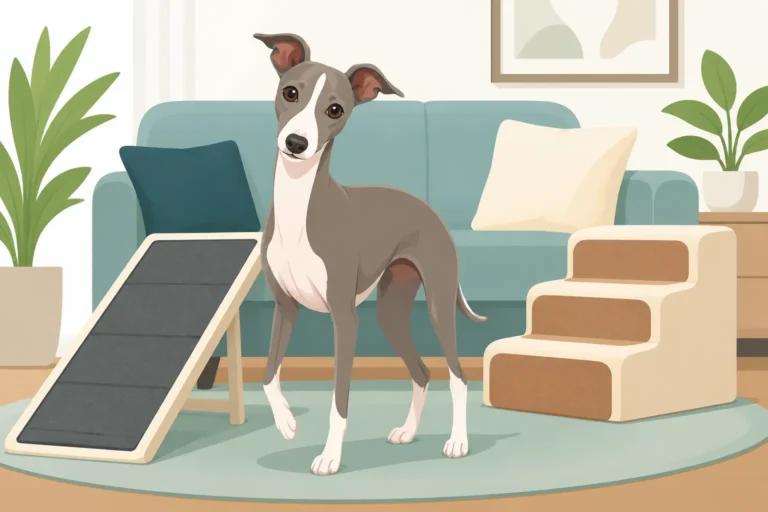
It's also helpful to keep a record of their diet, including treats and any supplements you give. If you've been tracking their weight at home, bring those numbers. Think about their exercise routine; has it changed? Are they still able to jump on and off furniture as easily (though we often advocate for ramps and steps for an Italian Greyhound's furniture to prevent injuries)? The more detailed information you can provide, the better equipped your veterinarian will be to assess your IG's overall health and spot any potential problems. Don't be shy about asking questions about anything from How Often an Italian Greyhound Needs a Dental Cleaning to specific concerns about their activity levels.
Making the Vet Visit Less Stressful
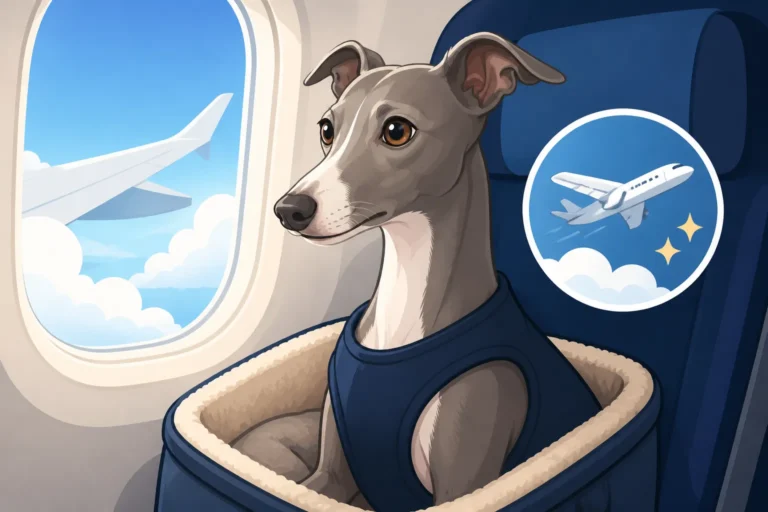
Vet visits can be a source of anxiety for many dogs, and sensitive Italian Greyhounds are no exception. Start by making the car ride as comfortable as possible. Use a secure, comfortable carrier lined with a favorite blanket that smells like home. You can even try short, positive "practice" car rides to fun places (like a park) between vet visits so the car doesn't solely associate with the clinic. Once at the vet, keep your IG warm in their carrier until it's time for their exam. A small sweater or a blanket tucked around them can make a big difference in preventing shivering and reducing stress.
Many Italian Greyhounds respond well to high-value treats. Bring a handful of their absolute favorite soft, smelly treats to reward them for calm behavior during the wait and the examination itself. Speak in a calm, soothing voice, and avoid making a big fuss over their nervousness, as this can inadvertently reinforce their anxiety. If you know your IG gets particularly stressed, discuss options with your vet beforehand, such as scheduling appointments during quieter times, waiting in the car until it's their turn, or even pre-visit calming supplements. A positive, gentle approach during these routine visits is key to ensuring they remain manageable for their entire lives.
Understanding the Costs and Coverage
Let's be real, owning an Italian Greyhound, while incredibly rewarding, can come with significant veterinary expenses, especially given their specific health predispositions. From routine wellness exams and vaccinations to potential emergency care for something like A Broken Leg Is the Emergency Every Italian Greyhound Owner Fears, the costs can add up. It’s important to budget for these annual check-ups and any recommended follow-up treatments, which are a non-negotiable part of responsible pet ownership. For many, understanding What an Italian Greyhound's Annual Checkup Costs is an important part of financial planning.
This is where pet insurance can truly offer peace of mind. Companies like Healthy Paws can help offset the costs of unexpected illnesses or accidents. While routine wellness care might be an add-on or not covered by all plans, having a policy in place can be a lifesaver if your Italian Greyhound needs extensive surgery or long-term medical management. Always research different plans and understand what they cover, including deductibles and reimbursement percentages. Even if you don't opt for insurance, setting aside a dedicated emergency fund for your Italian Greyhound's health needs is a smart move. Proactive financial planning allows you to make decisions based on what's best for your beloved companion, rather than being constrained by cost in an emergency.
The Long-Term Impact of Consistent Wellness Checks
Consistent, thorough wellness exams are not just about catching problems; they are an investment in the longevity and quality of life for your cherished Italian Greyhound. This proactive approach has far-reaching benefits that extend well beyond the immediate appointment.
Preventing Common Italian Greyhound Health Issues
Regular wellness checks are your best weapon against many of the health challenges Italian Greyhounds commonly face. For instance, dental disease is rampant in the breed, often starting at an early age due to their crowded mouths. During annual exams, your vet meticulously checks their teeth, identifying early tartar buildup, gingivitis, or even retained deciduous teeth that might need addressing. Early intervention with professional dental cleanings can prevent painful extractions, jaw fractures, and systemic infections that can impact heart and kidney health. Without consistent checks, you might not realize the severity of the problem until your IG is in significant pain.
Beyond dental health, the physical examination helps monitor for orthopedic issues, which are a major concern. Italian Greyhounds have delicate bones, and issues like patellar luxation or even early signs of arthritis can be detected. Your vet can advise on preventative measures, such as maintaining an ideal weight, appropriate exercise, and perhaps even recommending joint supplements as they age. They can also keep an eye on their eyes, as The Eye Diseases an Italian Greyhound Breeder Screens For are important to monitor, even if inherited. Regular checks provide a comprehensive overview, allowing for a proactive rather than reactive approach to their health.
Enhancing Lifespan and Quality of Life
It's no secret that preventative care directly correlates with a longer, healthier life. By consistently taking your Italian Greyhound for wellness exams, you're not just treating symptoms; you're actively working to prevent disease and maintain their overall vitality. Catching issues like early kidney disease, thyroid imbalances (Hypothyroidism in an Italian Greyhound), or heart murmurs at their nascent stages allows for timely management, often slowing progression and improving prognosis. This means more years of snuggles on the sofa, more enthusiastic zoomies in the yard, and more precious moments with your loyal companion.
Moreover, good health translates directly to a better quality of life. An Italian Greyhound free from chronic pain, dental agony, or uncontrolled systemic illness is a happier, more energetic dog. Regular vet visits ensure they are comfortable, well-nourished, and free to enjoy their unique Italian Greyhound zest for life. This commitment to their well-being is a testament to the special bond you share, ensuring they thrive for as long as possible. When you commit to consistent care, you help them live up to the breed's impressive longevity, giving you many wonderful years together.
The Peace of Mind for Owners
Perhaps one of the most invaluable benefits of regular wellness exams is the peace of mind they offer you, the dedicated Italian Greyhound owner. Living with such a delicate and sometimes quirky breed can bring its own share of worries. Is that cough normal? Why are they limping slightly after a nap? Is their breathing a bit faster than usual? These are common anxieties we experience. Knowing that your vet has recently given your IG a clean bill of health, or has identified and is managing a developing condition, can significantly alleviate these concerns.
It provides reassurance that you are doing everything you can to protect and care for your Italian Greyhound. It strengthens your relationship with your veterinary team, fostering a partnership where you feel comfortable asking questions and seeking advice. This proactive engagement, supported by companies like Healthy Paws for financial planning, allows you to enjoy your Italian Greyhound's vibrant personality without constant underlying health worries. Ultimately, consistent wellness checks mean you can focus on the joy and companionship your Italian Greyhound brings into your life, confident that you’re doing your absolute best for them.
Disclaimer
This article is for general informational purposes only and does not constitute professional advice. Laws, prices and regulations vary by location and change over time. Consult a qualified professional for guidance on your specific situation.