What Changes in an Italian Greyhound After Eleven
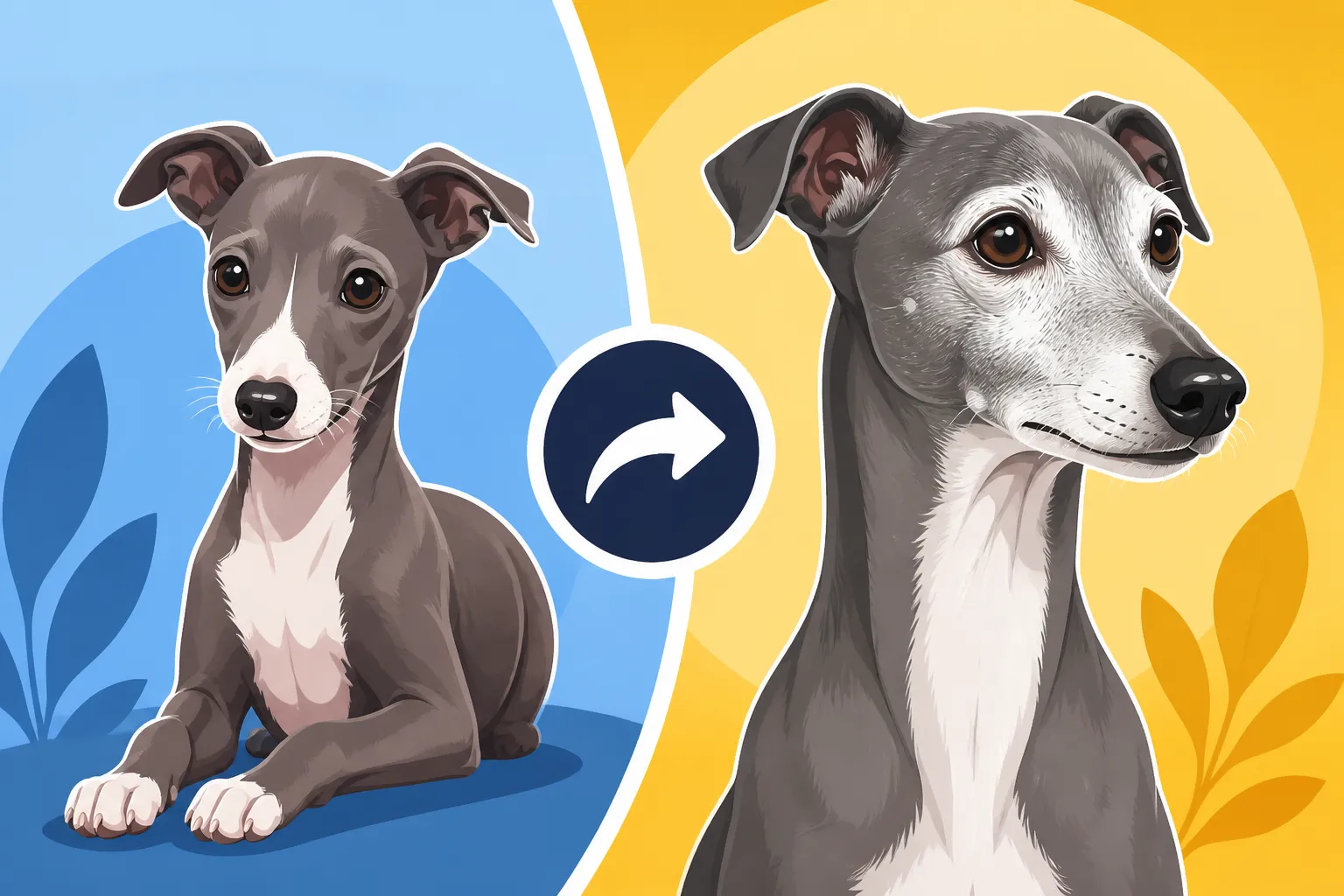
When your beloved Italian Greyhound reaches the age of eleven, it's a significant milestone, but it often comes with a wave of questions and concerns for us owners. We start noticing those subtle shifts, the way they move a little slower, or the new quietness in their once boisterous personality, and it can be disheartening. This guide is here to walk you through the common changes you can expect as your Italian Greyhound transitions into their senior years, offering realistic insights and practical advice to ensure their comfort and happiness.
The Unmistakable Signs of Aging in Your Italian Greyhound
Just like us, Italian Greyhounds don't wake up on their eleventh birthday suddenly "old." Aging is a gradual process, but around this age, you'll likely begin to observe more pronounced changes in their physical capabilities and sensory perceptions. It’s not about them becoming less of who they are, but rather a natural evolution that requires our understanding and adaptation.
Slowing Down and Changing Gaits
One of the first things many Italian Greyhound owners notice is a general slowing down. The lightning-fast sprints might become less frequent, or they might not last as long. What used to be a joyful burst of zoomies could morph into a more sedate trot around the living room. You might notice a bit of stiffness after they've been sleeping, or a slight hesitation before jumping on or off furniture, even if they're still insistent on being close to you. This isn't necessarily a sign of severe pain, but rather the natural wear and tear on joints and muscles over a decade of active life.
Their elegant, high-stepping gait, a hallmark of the breed, might become a little less pronounced, sometimes replaced by a more shuffling walk. Arthritis in an Italian Greyhound's healed leg is a real concern if they've had a past fracture, and even without a history of injury, general joint stiffness can develop. You might observe them trying to compensate for discomfort, perhaps shifting their weight or being less eager for long walks. It's crucial to distinguish between a natural slowing down and actual pain, which an Italian Greyhound can be remarkably adept at hiding. Remember, if you see them hesitating or struggling, it's not a sign of stubbornness, but usually discomfort.
Coat and Skin Transformations
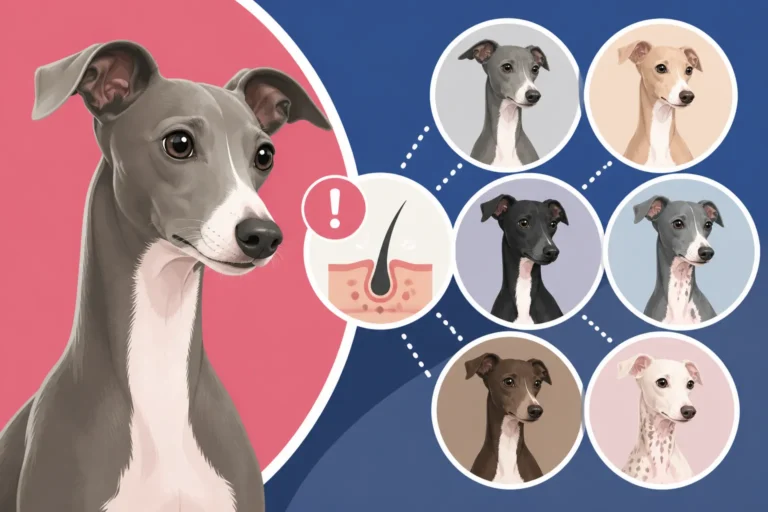
As Italian Greyhounds age, their already fine, delicate coats can undergo some subtle changes. You might notice the hair thinning slightly, especially on their back or chest, which can make them even more susceptible to feeling cold. Their skin, which has always been paper-thin, might become even more fragile and prone to dryness or minor abrasions. It's not uncommon to see a little gray around the muzzle and eyes, though some Iggies keep their youthful coloring remarkably well into their senior years. These changes in coat and skin mean their need for warmth and protection intensifies, and you might find yourself reaching for their favorite sweater or blanket more often, even indoors.
Because their skin can become drier, especially in winter, you might need to adjust their bathing routine or consider a veterinarian-recommended moisturizing shampoo to prevent irritation. While Italian Greyhounds are not known for shedding heavily, a slight increase in shedding can sometimes occur with age-related skin changes. The most important takeaway here is that their fragile nature, already a key characteristic, becomes even more pronounced, demanding gentle handling and a keen eye for any skin issues.
The Subtle Shift in Sight and Sound
Like people, many Italian Greyhounds experience some degree of sensory decline as they age. Their once-sharp eyesight might dim a bit, particularly their night vision. You might notice them bumping into furniture in dimly lit rooms or being a bit more cautious when navigating unfamiliar spaces. While full blindness is less common as a natural age progression, conditions like cataracts in an Italian Greyhound can develop, further impacting their vision. Pay attention to how they manage stairs, for instance, as a gradual loss of vision can make these obstacles more challenging.
Similarly, their hearing might not be as acute as it once was. You might find yourself needing to clap a little louder to get their attention, or they might not respond as quickly to familiar commands. This isn't necessarily defiance, but simply a sign that their ears aren't picking up sounds as efficiently. Deafness in an old Italian Greyhound can develop slowly, making it easy to miss at first. When both sight and hearing start to diminish, it's incredibly important to maintain a consistent routine and use other cues, like touch or scent, to communicate with them, helping them feel secure and understood in their evolving world.
Navigating the Mental and Emotional Landscape of an Aging Iggy
Beyond the physical, your Italian Greyhound's inner world—their mind and emotions—will also likely experience shifts. It can be a heartwarming, sometimes challenging, journey to witness these changes, but understanding them is key to supporting your senior companion.
Changes in Sleep Patterns and Routine
You might notice that your Italian Greyhound starts sleeping more during the day, happily napping in sunny spots or burrowed under blankets for longer stretches. This increased need for rest is completely normal. However, you might also find that their night-time routine shifts. Some senior Iggies experience what's often referred to as "night confusion in an old Italian Greyhound," where they might wake up disoriented, pace, or even vocalize in the middle of the night. This can be a form of canine cognitive dysfunction, similar to dementia in humans, and can be quite distressing for both dog and owner.
Maintaining a consistent daily schedule, especially for feeding and potty breaks, can help alleviate some of this disorientation. Providing a comfortable, secure sleeping area that is easy to access and navigate, perhaps with a soft, familiar blanket that smells like you, can also offer comfort. Their reliance on routine for security often increases with age, so even small changes can sometimes throw them off.
Dealing with Senior Moments and Confusion
Those "senior moments" can be endearing, like forgetting where they left their favorite toy, or more concerning, like getting stuck behind a piece of furniture they've navigated a thousand times. Your Italian Greyhound might seem less engaged in their surroundings at times, or appear to "zone out." These episodes of confusion can be frustrating, especially if they impact their housetraining, leading to accidents indoors, which can feel like a setback after years of reliability.
It's vital to approach these moments with patience and understanding, never frustration. Punishment for age-related mistakes will only cause anxiety and stress. Instead, simplify their environment, keep furniture arrangements consistent, and consider adding additional indoor potty options if accidents become a frequent issue. If you notice a significant decline in cognitive function, it's always worth discussing with your veterinarian, as there may be dietary supplements or medications that can help manage symptoms and improve their quality of life.
Embracing Their Evolving Personality
While many Italian Greyhounds retain their mischievous, affectionate personalities well into old age, some may become a bit more reserved or less tolerant of boisterous activity. They might seek out quiet spaces more often, preferring gentle pets to vigorous play. A senior Iggy who was once the life of the party might now prefer to observe from the comfort of a lap. Their "Velcro dog" tendencies, however, often intensify; they still want to be close, just perhaps in a more sedate, cuddle-focused way.
It's important to respect these changes in temperament. Don't force them into situations that seem to cause stress, such as busy dog parks or interactions with energetic puppies, which can be particularly dangerous given their fragile bones. Instead, cherish the quieter moments, the long naps shared on the sofa, and the deep, soulful gazes that speak volumes. Their need for secure attachment often deepens, and your consistent presence and gentle reassurance will mean the world to them.
Prioritizing Health: Veterinary Care for Your Senior Italian Greyhound
As your Italian Greyhound crosses the eleven-year mark, regular veterinary care becomes even more crucial. Catching potential health issues early can make a significant difference in their comfort and longevity. Proactive care is truly your best friend during these golden years.
Understanding Common Ailments in Older Iggies
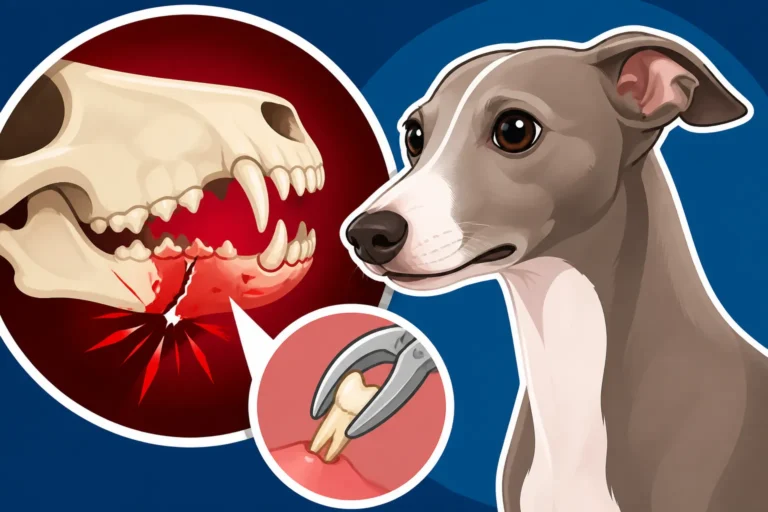
Senior Italian Greyhounds are susceptible to several age-related health conditions. Dental disease, which is already very common in the breed, can become more severe, leading to infections, pain, and even jaw fractures during extractions if not managed properly. Regular dental cleanings are not just about fresh breath; they're vital for their overall health. You might also see an increased risk of kidney disease in an old Italian Greyhound, often detected through routine blood work. Early signs can be subtle, like increased thirst or urination.
Heart conditions, particularly the development of a heart murmur an old Italian Greyhound can develop, are also a concern. Regular auscultation by your vet during wellness exams is important to monitor for this. Arthritis, as mentioned before, becomes more prevalent, and managing their pain and mobility is paramount. Some Iggies may also experience a decline in thyroid function, leading to hypothyroidism in an Italian Greyhound. Remember, Italian Greyhounds are known for how well they hide pain, so observing subtle behavioral changes is key to identifying discomfort.
The Importance of Proactive Veterinary Check-ups
Gone are the days when an annual vet visit might suffice. For Italian Greyhounds over eleven, semi-annual (every six months) wellness exams become highly recommended. These more frequent visits allow your veterinarian to closely monitor their weight, listen to their heart and lungs, check their joints, and perform thorough oral examinations. Early detection of issues like a new heart murmur or the beginning stages of kidney disease can allow for timely intervention, potentially slowing progression and improving quality of life.
These check-ups often include routine bloodwork and urine analysis to screen for underlying conditions before they become symptomatic. This is where How Often an Italian Greyhound Needs a Wellness Exam truly shines, providing a baseline and allowing for comparison over time. Discussing any behavioral changes, new lumps or bumps, or shifts in appetite or thirst, no matter how minor they seem, is crucial during these appointments. Your vet can also advise on appropriate pain management strategies if arthritis or other discomforts are present, ensuring your Iggy remains as comfortable as possible. This proactive approach can feel like a lot, but it’s an investment in their comfort and quality of life, and having pet insurance like Healthy Paws can certainly help manage the financial aspect of more frequent diagnostics and treatments.
Managing Chronic Conditions
If your Italian Greyhound is diagnosed with a chronic condition such as arthritis, heart disease, or kidney insufficiency, managing it becomes a part of your daily routine. This might involve daily medications, special prescription diets, or regular follow-up appointments. It’s a commitment, but it’s how we extend their happy, comfortable lives. For instance, an Iggy with arthritis might benefit from joint supplements or anti-inflammatory medications. If they have a heart condition, a specific cardiac diet or medications to support heart function could be prescribed.
Your veterinarian will work with you to develop a comprehensive management plan, and don't hesitate to ask for clarification on any aspect. Keeping a detailed record of their medications, symptoms, and any changes you observe at home can be incredibly helpful for these discussions. Remember that while a diagnosis can be scary, many age-related conditions can be managed effectively for years, allowing your Italian Greyhound to continue to enjoy their life. Insurance providers like Healthy Paws often have options for covering ongoing care for chronic conditions, which can be a huge relief.
Making Life Easier: Adapting Your Home and Routine for Your Senior Companion
As our Iggies age, their world might need a few adjustments to keep them safe, comfortable, and happy. It's about modifying their environment to meet their changing needs, rather than expecting them to adapt to what used to be.
Creating a Comfortable and Safe Environment
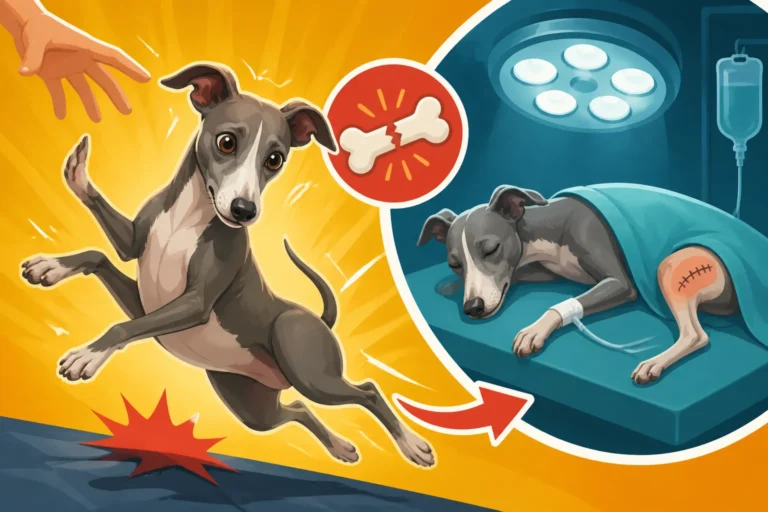
One of the most immediate changes you can make is ensuring their home environment is senior-friendly. This means providing easy access to their favorite spots. Ramps and steps for an Italian Greyhound's furniture become incredibly important, especially for sofas and beds where they love to cuddle. This not only prevents painful jumps that could strain their joints but also significantly reduces the risk of a broken leg, which is still a major concern even in older Iggies. Ensuring non-slip surfaces on hard floors can also help, as senior dogs can lose traction more easily.
Comfortable, supportive bedding is also paramount. A dog bed with orthopedic foam can provide much-needed support for aging joints and prevent pressure sores, which their thin skin makes them prone to. Since Why an Old Italian Greyhound Feels the Cold More, ensure they have plenty of soft blankets to burrow into and consider a heated bed, especially in colder climates. Positioning their food and water bowls in an easily accessible location, perhaps raised slightly, can also alleviate strain on their neck and back.
Adjusting Diet and Exercise
Your senior Italian Greyhound's dietary needs might change. They might have a reduced metabolism, meaning they need fewer calories to maintain a healthy weight. Conversely, some Iggies might lose muscle mass and become too thin, requiring a more calorie-dense diet. Your vet can guide you on the best senior-specific food or dietary adjustments for your individual dog. If dental issues are present, offering softer food for an old Italian Greyhound, or even soaking their kibble, can make mealtime more comfortable and ensure they're getting adequate nutrition. Despite their reputation, Italian Greyhounds are surprisingly cheap to feed due to their small size, but premium senior diets or prescription foods can impact your budget.
Exercise still matters, but the type and intensity will likely need to change. Instead of long, vigorous runs, think shorter, more frequent, gentle walks. These walks are still vital for maintaining muscle tone, joint flexibility, and mental stimulation. Pay close attention to their cues; if they seem tired or stiff, it’s time to head home. Indoor playtime, like gentle games of fetch or puzzle toys, can keep their minds sharp and bodies moving without overexertion. The key is moderation and consistency, tailored to their individual energy levels and physical capabilities.
Maintaining Dental Health Throughout Their Golden Years
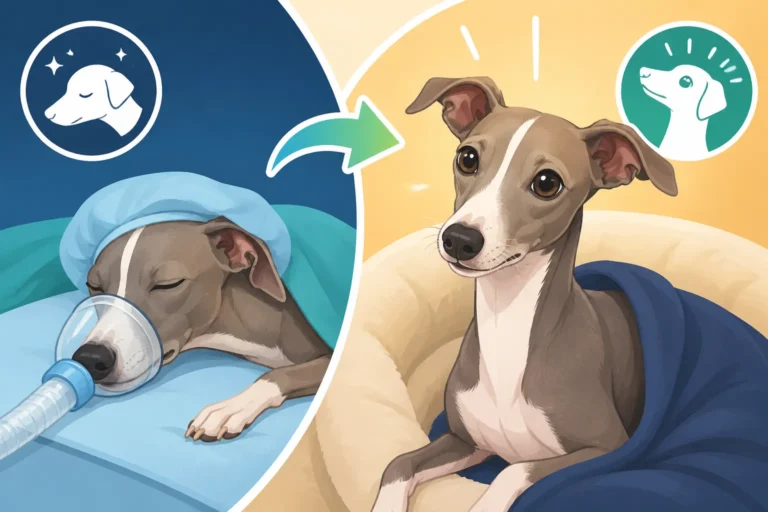
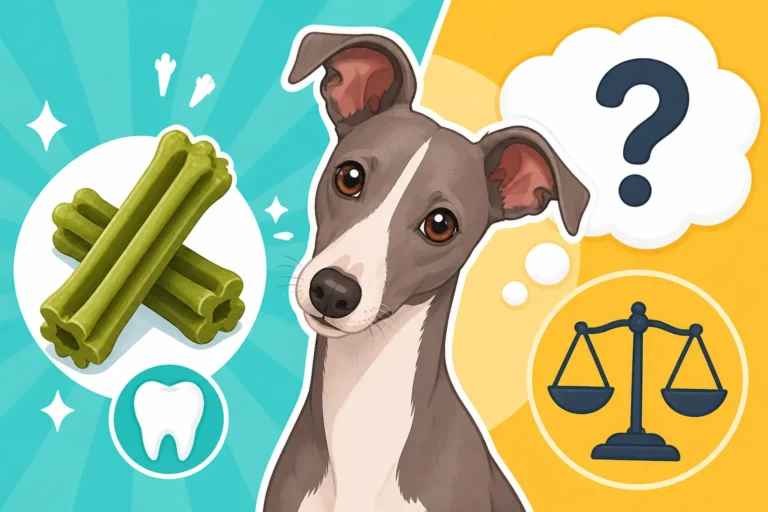
We've touched on it already, but dental health cannot be overstressed for senior Italian Greyhounds. Periodontal Disease Is the Italian Greyhound's Most Common Diagnosis, and it only gets more challenging with age. As they get older, the risk of tooth loss, gum infections, and even jaw fractures during dental procedures increases. This is why regular brushing, if they'll tolerate it, and professional dental cleanings under anesthesia are absolutely critical. It might feel like a repeating expense, but dental work repeats every year of an Italian Greyhound's life for a reason.
Talk to your vet about a dental care plan that includes frequent check-ups, potentially more frequent cleanings, and careful monitoring for any signs of pain or infection. Even if they've lost many teeth, keeping the remaining ones healthy and pain-free will significantly improve their quality of life. A healthy mouth contributes to a healthy body, preventing bacteria from entering the bloodstream and potentially affecting vital organs.
Summary of Care Adjustments for Italian Greyhounds Over Eleven
Here's a quick overview of how care often shifts for Italian Greyhounds once they enter their golden years:
| Aspect of Care | Before Age 11 | After Age 11 |
|---|---|---|
| Veterinary Visits | Annual wellness exams | Semi-annual wellness exams (every 6 months) |
| Diet | Adult formula, consistent portion control | Senior-specific or prescription diet, calorie adjustments, softer food |
| Exercise | Regular walks, bursts of high-speed play | Shorter, more frequent, gentle walks; indoor mental games |
| Home Environment | Accessible furniture (often by jumping) | Ramps/steps for furniture, non-slip flooring, orthopedic beds |
| Dental Care | Regular brushing, annual professional cleaning | Daily brushing, more frequent professional cleanings, vigilant monitoring for pain |
| Warmth & Comfort | Sweaters outdoors, blankets | Sweaters indoors/outdoors, heated beds, extra blankets, draft-free spaces |
| Cognitive Support | Standard mental stimulation | Consistent routine, puzzle toys, vet-prescribed supplements for cognitive health |
Caring for an Italian Greyhound past eleven is a journey of love, patience, and vigilance. By understanding these changes and proactively adapting their care, you can help your cherished companion enjoy their golden years with comfort, dignity, and all the snuggles they deserve.
Disclaimer
This article is for general informational purposes only and does not constitute professional advice. Laws, prices and regulations vary by location and change over time. Consult a qualified professional for guidance on your specific situation.