Weighing an Italian Greyhound Puppy Every Week
Bringing home a tiny Italian Greyhound puppy is an absolute joy, but it's also often coupled with a good deal of worry, especially concerning their delicate health and growth. Many new owners feel overwhelmed by how fragile these little guys seem, and keeping tabs on their well-being can feel like a constant balancing act. This guide will walk you through exactly why weighing your Italian Greyhound puppy every single week is so vital, how to do it accurately, and what those numbers can truly tell you about their precious development, offering peace of mind and proactive health management.
The Critical Importance of Weekly Weight Checks for Italian Greyhound Puppies
When you have a breed as fine-boned and lean as an Italian Greyhound, every ounce truly matters, especially during those first few months of rapid development. These aren't your average sturdy puppies; their delicate structure means that even slight deviations in growth can be significant indicators of underlying issues. Regular weekly weigh-ins aren't just a fun ritual; they're a cornerstone of proactive puppy care, offering an invaluable snapshot of your little one's health and helping you catch problems before they become major concerns. It's truly one of the simplest yet most effective tools in your puppy parenting arsenal.
Early Detection of Health Issues
Italian Greyhound puppies are notoriously susceptible to certain health challenges, and a fluctuating or stagnant weight is often the very first alarm bell. Parasites, for instance, can quickly deplete a puppy's resources, leading to poor weight gain even if they're eating well. Early-stage infections, dental discomfort, or even subtle digestive upset might manifest as a reluctance to eat or an inability to absorb nutrients, showing up on the scale long before overt symptoms like vomiting or diarrhea become apparent. This is especially true for Italian Greyhounds who, with their minimal body fat, have very little reserve to draw upon when ill. Catching these issues early means a quicker diagnosis, less severe treatment, and a faster recovery for your vulnerable pup.
Imagine your puppy, full of beans one day, then a little quieter the next. If you've been weighing them weekly, you might notice a slight dip in their expected gain. This isn't just a number; it's a signal. Perhaps they've picked up a mild intestinal bug, or maybe their kibble isn't sitting quite right. A consistent weight log empowers you to call your vet with concrete data, rather than just a vague feeling that something is "off." This data-driven approach can be a lifesaver, ensuring your vet has the information they need to act swiftly and appropriately, potentially saving you from a more serious health crisis down the line.
The stakes are particularly high with Italian Greyhounds, who are not known for their robust bone structure. Issues like Why an Italian Greyhound's Leg Bones Break So Easily are a constant worry, and ensuring proper nutrition and growth through consistent weight checks supports overall skeletal development. Any health issue that impacts their ability to grow can further compromise their delicate bones.
Monitoring Growth Milestones and Development
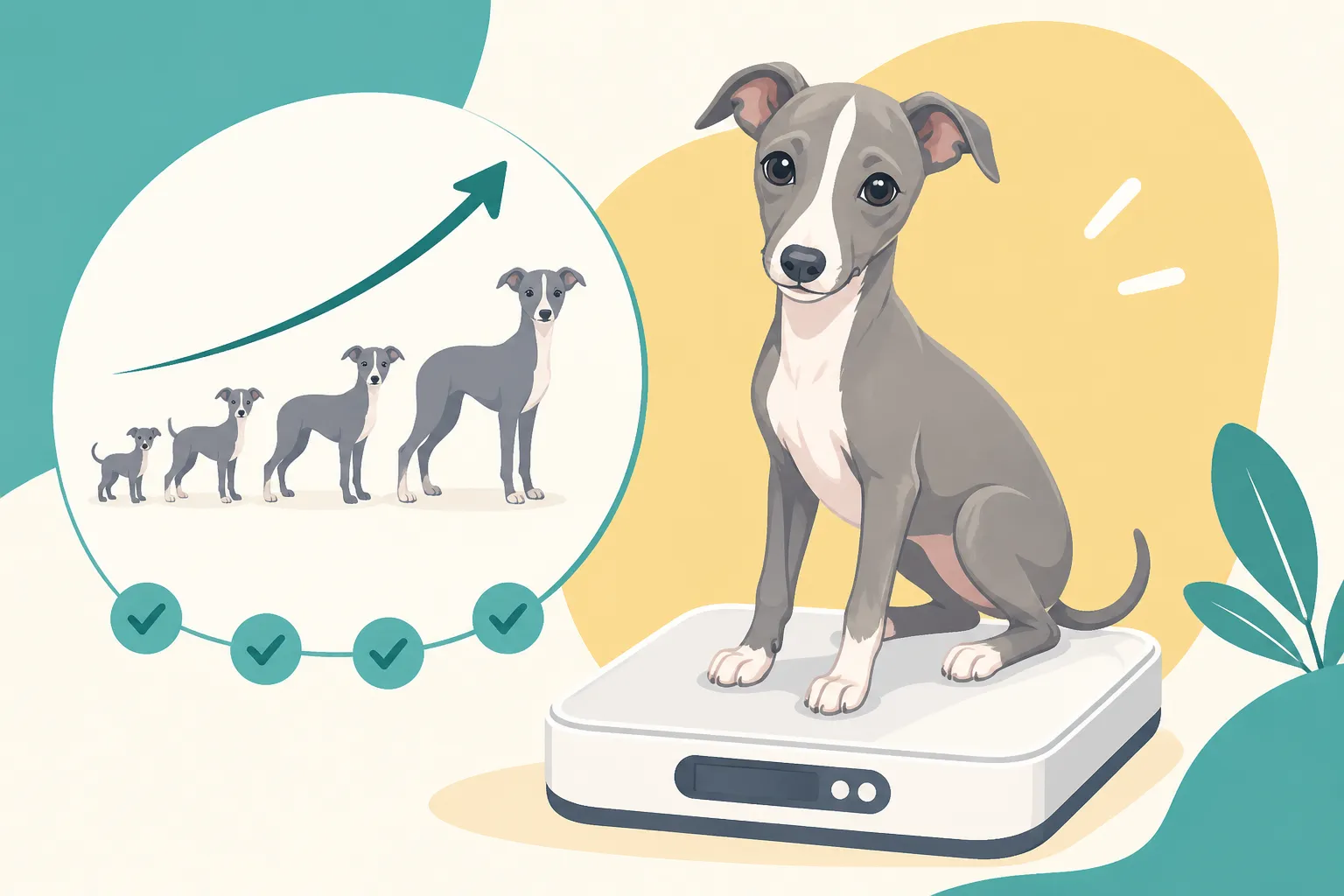
Beyond just detecting problems, weekly weigh-ins are crucial for tracking healthy development. Italian Greyhound puppies grow at an astonishing rate, transforming from tiny, wobbly creatures into sleek, elegant adults in a matter of months. Each week should show a steady, predictable increase in weight, signaling that they are getting adequate nutrition and developing as expected. This consistent progress is a good indicator that their internal systems are maturing, their muscles are strengthening, and their bones are calcifying properly.
Tracking these milestones also gives you a wonderful record of your puppy's journey, making you feel more connected to their growth. It's incredibly reassuring to see that steady upward trend on the scale, knowing your hard work is paying off. Conversely, if you notice they're not hitting the expected weight for their age, it's a prompt to reassess their diet, activity levels, or even consider a vet visit. This constant monitoring helps you ensure they reach their full potential, both in terms of size and overall vitality. Remember, the journey through The First Year With an Italian Greyhound Puppy is filled with growth spurts and critical developmental stages, and weight is a key metric.
Adjusting Feeding and Care
What your Italian Greyhound puppy weighs directly impacts how much food they need, how quickly you might introduce new activities, and even how you manage their environment. Puppy food recommendations are often based on age and anticipated adult weight, but individual metabolism and activity levels can vary wildly. A puppy gaining weight too slowly might need a slight increase in food, or a change in formula, under veterinary guidance. One who's growing too fast might risk putting unnecessary stress on developing joints, though this is less common with a breed known for its slenderness.
Regular weigh-ins provide the data you need to fine-tune their nutritional intake. As they grow, their caloric needs change, and their growth plates continue to mature – a process that isn't complete until around The Age an Italian Greyhound's Bones Finish Hardening. You want to support strong, steady growth without promoting excessive weight that can put undue strain on their still-developing bodies. This also extends to their overall care; a very small or underweight puppy might need extra layers of clothing or a warmer sleeping environment, while a robustly growing one might be ready for more structured play sessions (always mindful of the breed's fragility, of course). It’s all about tailoring their care to their current physical state, and the scale is your guide.
How to Accurately Weigh Your Italian Greyhound Puppy at Home
Getting an accurate weight on a wiggling, curious Italian Greyhound puppy can feel like a feat of strength and patience. However, with the right tools and a consistent approach, it's entirely manageable. The key is to make it a routine, positive experience for your puppy, rather than a stressful ordeal. This isn't just about getting a number; it's about building trust and comfort around handling, which will benefit you and your IG for years to come.
Choosing the Right Scale for Tiny Paws
For the smallest Italian Greyhound puppies, especially those under a pound or two, a simple kitchen food scale or postal scale works wonders. These scales are designed for precision and can measure in grams or ounces, giving you the exact figures needed for monitoring tiny gains. Make sure the scale has a flat, stable surface where your puppy can sit comfortably, perhaps with a small, non-slip mat or towel. As your puppy grows, they will quickly outgrow a typical kitchen scale.
Once your Italian Greyhound puppy starts approaching a few pounds, you'll want to transition to a dedicated baby scale or a small pet scale. These offer a larger platform and higher weight capacity while still providing the accuracy needed for smaller dogs. Brands like Taylor or a good digital baby scale are often perfect. Look for one that measures in tenths of a pound or even ounces. The aim is consistency, so using the same scale each week is ideal. If you have multiple dogs, ensure the scale has a tare function so you can weigh yourself holding the puppy, then subtract your own weight for an accurate reading.
The Weighing Process: Consistency is Key
The secret to reliable weekly weigh-ins is consistency. Try to weigh your puppy at the same time each week, ideally in the morning before breakfast and after they've had a chance to relieve themselves. This helps minimize variables like food in their stomach or recent hydration, giving you the most consistent baseline. Have a designated "weighing spot" that's quiet and free from distractions.
Here's a simple step-by-step approach:
- Prepare the Scale: Place a non-slip mat or a small, lightweight towel on the scale. If using a kitchen scale, a small bowl might also work.
- Tare the Scale: Turn the scale on and zero it out with the mat/towel/bowl on it. This ensures you're only measuring your puppy's weight.
- Calm Your Puppy: Gently place your puppy onto the scale. Use a soft voice, treats, or a favorite toy to keep them still for a few seconds. For very squirmy puppies, you might need an extra set of hands or try placing them in a small, lightweight basket that you can then tare the scale with.
- Record the Weight: Once the number stabilizes, record it immediately. Don't rely on memory!
- Positive Reinforcement: Shower your puppy with praise and a small, high-value treat to make the experience positive. You want them to associate the scale with good things.
Recording and Tracking Your Puppy's Progress
A mere number is just a number until you put it into context. The real power of weekly weigh-ins comes from meticulously recording and tracking the data over time. A simple notebook, a dedicated puppy growth chart, or even a basic spreadsheet can be incredibly effective. Make sure to note the date, the exact weight, and perhaps any quick observations about their appetite or energy levels that week. This creates a visual trend that's easy to review at a glance.
Looking at a graph of your puppy's weight can reveal patterns you might miss with just individual readings. You'll see their steady upward curve, the occasional plateau (which might be normal, or a signal), and any concerning dips. This log will be invaluable to your veterinarian during check-ups, providing them with objective data that supplements their physical exam. Having a clear record allows your vet to make more informed decisions about The Vaccination Schedule an Italian Greyhound Puppy Needs or any dietary adjustments. It’s a testament to your diligent care and a critical component of your puppy’s health history.
Understanding Your Puppy's Weight Gains and What to Do if They Plateau
Watching your Italian Greyhound puppy grow is one of the most rewarding parts of owning one. Each weekly weigh-in offers a glimpse into their development, but knowing what's considered "normal" and when to be concerned is crucial. These delicate little dogs have specific growth patterns, and understanding them helps you act appropriately if the numbers aren't what you expect.
Typical Growth Expectations for Italian Greyhound Puppies
Italian Greyhounds are a smaller breed, so their puppies don't have the dramatic growth spurts of larger dogs. However, they should still show consistent, albeit modest, weekly gains. Generally, an Italian Greyhound puppy might gain a few ounces to half a pound per week, depending on their age and individual genetics. Newborns will gain more relative to their size, while older puppies might slow down slightly as they approach their adult weight.
It's important to understand that growth isn't always a perfectly straight line, and there can be slight variations. However, a consistent trend upwards is what you're looking for. You can often find charts or discuss with your breeder what a healthy weight by month (What an Italian Greyhound Puppy Should Weigh by Month) looks like for their lines. Keep in mind that factors like litter size, individual metabolism, and even the stress of a new environment can affect initial weight gain. The goal is steady progress, ensuring they are not too thin, which is a common concern for a breed known for Why an Italian Greyhound Carries Almost No Body Fat.
Recognizing Red Flags in Weight Gain
While some fluctuation is normal, certain patterns in your puppy's weight gain should definitely raise a red flag. A sudden, unexplained drop in weight, for instance, is always a cause for immediate concern. It could indicate an acute illness, severe stress, or a parasitic burden. Similarly, if your puppy shows absolutely no weight gain for a week, despite appearing to eat normally, it warrants investigation. Even if they seem outwardly well, a lack of growth in such a rapidly developing creature is not to be ignored.
Another less common but still noteworthy red flag is excessive, rapid weight gain. While "chubby" puppies might look adorable, obesity, even in puppyhood, can predispose them to joint problems later in life and isn't healthy for a breed meant to be lean. It’s a rare occurrence with the Italian Greyhound’s high metabolism, but still something to be aware of. The key is to trust your data. If your meticulous record-keeping shows a deviation from the expected growth curve, it's time to take action. Ignoring these early warning signs can lead to more serious health complications, so vigilance is paramount.
When to Contact Your Veterinarian
If you observe any red flags – a significant weight loss, a complete lack of gain for a week, or any other concerning pattern – don't hesitate to reach out to your veterinarian. Even if you're unsure, it's always better to be safe than sorry, especially with a young, vulnerable Italian Greyhound. When you call, be prepared to share your detailed weight log, along with observations about their appetite, energy levels, stool quality, and any other changes you've noticed. This objective data will be incredibly helpful to your vet.
Your vet will likely want to conduct a physical exam, check for parasites, and potentially run blood work to rule out underlying conditions. Remember, veterinarians specializing in sighthounds understand the unique physiology of Italian Greyhounds and can offer tailored advice. This is where having pet insurance, like a plan from Healthy Paws, can provide immense peace of mind. Knowing that you're prepared for unexpected vet visits, especially when your delicate puppy might need quick diagnostics or treatment, allows you to focus solely on their health without the added financial stress. Dealing with Signs an Italian Greyhound Is Underweight can be complex, and a good vet partnership is invaluable.
Beyond the Scale: A Holistic Health Assessment for Your Italian Greyhound Puppy
While the weekly weigh-in is an incredibly powerful tool, it’s just one piece of the puzzle when it comes to your Italian Greyhound puppy’s overall health. True well-being is a tapestry woven from many threads, and a holistic approach means paying attention to their behavior, physical condition, and general demeanor. Combining these observations with your weight data gives you the most comprehensive understanding of your pup's health.
Observing Appetite and Hydration
One of the most immediate indicators of a puppy's health is their interest in food and water. A healthy Italian Greyhound puppy should have a robust appetite and drink regularly throughout the day. If your puppy suddenly becomes finicky, skips meals, or shows a marked decrease in water intake, it’s a significant warning sign. Don't just dismiss it as pickiness; changes in appetite can signal anything from an upset stomach to dental pain or a more serious illness. Observe how they eat: are they chewing comfortably? Do they seem eager for their meal, or do they approach it reluctantly?
Equally important is hydration. Dehydration can quickly become dangerous for small puppies, who have less fluid reserve. Check their gums (they should be moist and pink) and skin elasticity (gently pinch a fold of skin on their neck; it should snap back quickly). If you notice a decrease in appetite or water consumption, especially when coupled with abnormal weight gain or loss, contact your vet. Sometimes, simply ensuring they're eating What an Italian Greyhound Puppy Eats at Four Months appropriately can solve minor issues.
Energy Levels and Playfulness
Italian Greyhound puppies, when healthy, are typically bundles of energetic curiosity. They should be eager to play, engage with toys, and explore their surroundings. While they definitely enjoy their naps (a lot!), they should have periods of lively activity. A sudden decrease in energy, prolonged lethargy, or a reluctance to play are major red flags. This doesn't mean every puppy needs to be a non-stop dynamo, but a noticeable change from their usual self should prompt concern.
Are they initiating play? Are they responding to your attempts to engage them? Are they getting enough exercise for their age, or are they constantly sleeping when they should be awake? Changes in energy can indicate pain, illness, or even emotional distress. Remember that Restricting an Italian Greyhound Under Two is important for bone safety, but they still need appropriate outlets for their energy. If your puppy seems unusually subdued or isn't bouncing back after a rest, it's time to consult your veterinarian. Just like weight, monitoring their energy levels gives you another piece of the puzzle for understanding their overall health.
Coat and Stool Quality
Your Italian Greyhound puppy's outward appearance and excretions can tell you a surprising amount about their internal health. A healthy Italian Greyhound will have a sleek, soft, and shiny coat that lies close to their skin. Dull, dry, or flaky skin, or patchy hair loss (unless it's a color dilution alopecia related issue like in a blue IG), can point to nutritional deficiencies, parasites, allergies, or other dermatological problems. Check for any external parasites like fleas or ticks, especially if your puppy is scratching more than usual.
Stool quality is also a critical indicator. Your puppy's poop should be firm, well-formed, and consistent in color. Diarrhea, constipation, or the presence of blood, mucus, or worms are all reasons to contact your vet. Persistent gastrointestinal issues can quickly lead to dehydration and poor nutrient absorption, impacting their growth and overall well-being. Keeping an eye on these seemingly minor details, alongside your weekly weight checks, provides a comprehensive picture of your puppy's health. Pet insurance from providers like Healthy Paws can be particularly helpful if your puppy develops chronic digestive issues or requires extensive diagnostic tests to pinpoint the cause of poor stool quality.
Puppy Weight Monitoring Chart
Here's a sample chart to help you track your Italian Greyhound puppy's weekly weight. Remember, these are general guidelines, and individual puppies will vary. Always consult your breeder and vet for personalized expectations.
| Week of Age | Approximate Weight Range (lbs) | Notes/Observations |
|---|---|---|
| 8 weeks | 2.5 – 4.5 | Post-weaning, settling into new home |
| 9 weeks | 3.0 – 5.0 | Steady gains expected |
| 10 weeks | 3.5 – 5.5 | Increasing energy, may start teething |
| 11 weeks | 4.0 – 6.0 | Continuing growth, establishing routine |
| 12 weeks | 4.5 – 6.5 | Vaccinations ongoing, socialization is key |
| 13 weeks | 5.0 – 7.0 | More coordinated, exploring more |
| 14 weeks | 5.5 – 7.5 | Approaching adolescent stage |
| 15 weeks | 6.0 – 8.0 | Growth plates still open, cautious play |
| 16 weeks | 6.5 – 8.5 | Nearing adolescent size, but still growing |
Disclaimer: This table provides estimated ranges. Always consult your veterinarian for specific guidance regarding your puppy's individual growth and health.
Disclaimer
This article is for general informational purposes only and does not constitute professional advice. Laws, prices and regulations vary by location and change over time. Consult a qualified professional for guidance on your specific situation.