Whether an Italian Greyhound Reacts to Vaccines
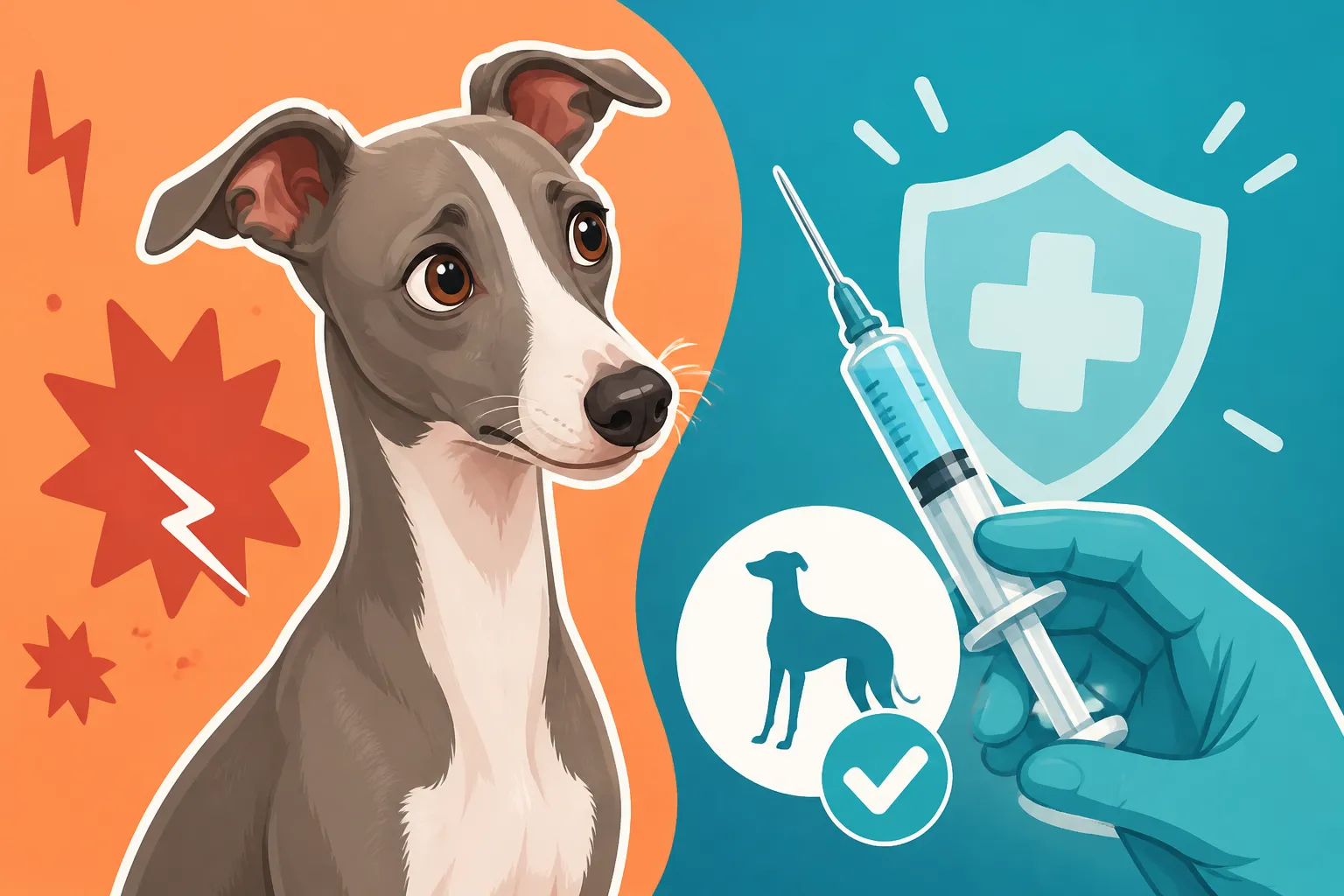
It's a fear every Italian Greyhound owner knows: that sinking feeling after a routine vet visit, especially after vaccinations, wondering if your delicate little dog will be okay. These tiny, elegant creatures, with their sensitive systems and often fragile bones, seem to feel everything more intensely, and vaccine reactions are a common worry. This guide is here to shed light on whether Italian Greyhounds react to vaccines, what those reactions might look like, and how you can best prepare and care for your beloved companion.
Understanding Vaccine Reactions in Our Delicate Italian Greyhounds
Italian Greyhounds are, by nature, a unique breed. They possess a lean build, very little body fat, and often a more sensitive constitution than many other dog breeds. This delicate physiology can sometimes translate into a heightened susceptibility to various medical situations, and vaccine reactions are certainly one of those areas that warrant extra attention. It’s not that Italian Greyhounds are inherently "allergic" to vaccines more often than other dogs, but rather that their smaller size and more refined systems can make any reaction, even a mild one, seem more pronounced or concerning to an owner.
Think about it: a vaccine dose is often standardized for a wider range of dogs, and while vets always adjust based on weight and individual factors, a tiny Italian Greyhound at seven or eight pounds might process that vaccine differently than a sturdy twenty-pound terrier. Their immune systems are still learning, especially when considering The Vaccination Schedule an Italian Greyhound Puppy Needs. We’re talking about introducing foreign antigens to stimulate an immune response, and sometimes, that response is a little more robust than we'd like. The worry isn't just about the immediate sniffles, but the potential for something more serious that could require immediate veterinary attention, turning a routine preventative measure into a stressful emergency.
Common Types of Vaccine Reactions and What to Watch For
Vaccine reactions can manifest in a spectrum of ways, from barely noticeable to truly alarming. Knowing what to look for can help you differentiate between a normal, mild post-vaccination slump and something that needs urgent care. It's always best to err on the side of caution with these little ones.
Mild and Localized Reactions
These are the most common and usually the least concerning reactions. They typically involve the site where the vaccine was administered or a general, transient feeling of being unwell.
- Soreness or Swelling at Injection Site: Just like us after a flu shot, your Italian Greyhound might feel a bit tender or develop a small, firm lump where the needle went in. This is usually harmless and resolves on its own within a few days. It's the body's local inflammatory response.
- Mild Fever: A slight elevation in body temperature is the immune system doing its job. Your Iggy might feel warm to the touch, be a bit more lethargic, or just not quite themselves.
- Lethargy and Reduced Appetite: After a vaccine, your Italian Greyhound might be unusually tired, want to sleep more, and not be as enthusiastic about their food. This usually passes within 24-48 hours. It's their body redirecting energy to build immunity. It's important to keep an eye on their food intake, especially for a breed that already carries very little body fat, as discussed in Why an Italian Greyhound Carries Almost No Body Fat.
- Sneezing or Mild Coughing: If it's an intranasal vaccine (like for kennel cough), some sneezing or a clear nasal discharge is common as the vaccine stimulates local immunity in the respiratory tract.
These mild reactions rarely require veterinary intervention beyond keeping your Italian Greyhound comfortable and observing them closely.
Moderate and Systemic Reactions
These reactions are a bit more concerning and can indicate a more significant immune response. While not immediately life-threatening in all cases, they warrant a call to your vet.
- Facial Swelling (Angioedema): This can range from puffy eyelids or lips to a noticeably swollen muzzle. It happens when histamine is released, causing fluid accumulation.
- Hives (Urticaria): You might notice small, raised bumps on your Italian Greyhound's skin, which can be itchy. This is another allergic manifestation. Given how thin their skin is, hives can sometimes be easier to spot than on other breeds.
- Vomiting or Diarrhea: If your Italian Greyhound experiences more than a single episode of vomiting or loose stools, it could be a systemic reaction. Dehydration can set in quickly with a small dog.
- Persistent Lethargy or Fever: If the mild symptoms mentioned above don't resolve within 48 hours or seem to worsen, it's time to contact your vet. A fever that persists can indicate a more serious reaction or even an infection, though the latter is less common from a vaccine itself.
Your vet might recommend antihistamines or anti-inflammatory medications to help manage these symptoms and ensure your Italian Greyhound recovers smoothly.
Severe and Life-Threatening Reactions
These reactions are rare but require immediate emergency veterinary care. They are typically acute allergic reactions (anaphylaxis) and can escalate very quickly.
- Anaphylactic Shock: This is the most severe and dangerous reaction. Symptoms include sudden collapse, difficulty breathing (gasping, blue gums), severe vomiting and diarrhea, and a rapid drop in blood pressure. The whole body is reacting catastrophically.
- Severe Facial Swelling or Swelling of the Throat: If the swelling progresses to obstruct airways, it becomes an emergency. You might see your Italian Greyhound struggling to breathe, making wheezing sounds, or having a blue tinge to their gums.
- Seizures or Tremors: While rare, neurological signs like seizures after a vaccine are extremely serious and require immediate medical attention. We know that conditions like Epilepsy in an Italian Greyhound exist, so any new neurological symptom is particularly alarming.
If you observe any of these severe signs, do not wait. Get your Italian Greyhound to an emergency veterinarian immediately. Time is critical in these situations.
Minimizing the Risk of Vaccine Reactions in Your Italian Greyhound
While you can't eliminate all risk, there are concrete steps you can take to minimize the chances of your Italian Greyhound experiencing an adverse vaccine reaction. This involves proactive discussions with your veterinarian and careful observation at home.
Discussing Vaccine Protocols with Your Vet
Your veterinarian is your best partner in navigating your Italian Greyhound's health. Don't hesitate to have an open conversation about vaccine protocols.
- Tailored Vaccination Schedules: Not every dog needs every vaccine every year. Discuss core vaccines (like distemper, parvovirus, adenovirus, rabies) which are essential, and non-core vaccines (like kennel cough, leptospirosis, Lyme disease) which depend on your Italian Greyhound's lifestyle and exposure risk. If your Italian Greyhound rarely leaves the house or isn't exposed to certain environments, some non-core vaccines might be unnecessary.
- Staggering Vaccines: For adult Italian Greyhounds, especially if they've had mild reactions in the past, your vet might recommend administering vaccines one at a time, spaced a few weeks apart. This allows you to identify which vaccine might be causing an issue and reduces the overall load on their immune system at once.
- Pre-Medication: If your Italian Greyhound has had a previous mild to moderate reaction, your vet might suggest giving an antihistamine (like diphenhydramine) a short while before vaccination to help blunt the allergic response. Never do this without explicit veterinary guidance on dosage.
- Vaccine Titers: Instead of automatically re-vaccinating for certain diseases, you can ask your vet about running a titer test. This blood test measures the level of antibodies your Italian Greyhound already has from previous vaccinations or natural exposure. If their antibody levels are high enough, they may not need a booster for that particular disease, reducing vaccine frequency and potential exposure to reactions.
After the Shot: Home Care and Observation
The first few hours and days after vaccination are crucial for monitoring your Italian Greyhound.
- Stay at the Clinic (or nearby) for 30 Minutes: This is a fantastic safety measure. Most acute, severe reactions happen within the first 15-30 minutes of vaccination. Staying at the vet's office, or at least very close by, means immediate medical attention is available if something goes wrong.
- Monitor Closely at Home: For the next 24-48 hours, keep a watchful eye on your Italian Greyhound. Look for any changes in behavior, appetite, or physical symptoms. Take their temperature if you have a rectal thermometer and notice lethargy or warmth.
- Keep Them Quiet: Avoid strenuous exercise, dog parks, or overly exciting activities on the day of and day after vaccination. Let their body focus on building immunity. A calm, quiet environment, perhaps in their comfortable What a Crate for an Italian Greyhound Costs if they are crate trained, can be beneficial.
- Ensure Hydration and Comfort: Offer fresh water regularly. While they might be a bit off their food, ensure they have access to it. Make sure they have a warm, soft place to rest, as Italian Greyhounds can feel the cold easily.
It’s always a good idea to have a plan for emergencies, and this is where considering pet insurance like Healthy Paws can come into play. Unexpected vet bills, especially for severe reactions, can be substantial, and having financial support can make a huge difference in critical moments.
When to Seek Veterinary Help for a Vaccine Reaction
Knowing when to call the vet versus when to just observe is a common dilemma. With Italian Greyhounds, who can be stoic and sometimes hide pain, it's particularly important to pay close attention.
Immediate Emergency Care
As mentioned, severe reactions demand immediate attention. Don't waste time calling; just go.
- Difficulty Breathing: Wheezing, gasping, blue or pale gums, collapsing. This is a life-threatening emergency.
- Severe Swelling: If facial swelling progresses rapidly or seems to be affecting their ability to breathe or swallow.
- Collapse or Loss of Consciousness: Any sudden weakness, inability to stand, or fainting.
- Repeated Vomiting or Diarrhea: Especially if accompanied by lethargy or if your Italian Greyhound seems weak.
- Seizures or Uncontrolled Tremors: These are neurological emergencies.
If your Italian Greyhound shows any of these signs, get to the nearest emergency veterinary clinic. Call ahead if you can, but prioritize getting there.
When to Call Your Regular Vet
For less severe but still concerning symptoms, a call to your regular veterinarian is the right course of action.
- Persistent Lethargy or Fever: If your Italian Greyhound is still very tired, refuses to eat beyond 48 hours, or has a fever that isn't resolving.
- Developing Hives or Facial Swelling: Even if mild, these can sometimes worsen, and your vet might want to prescribe medication.
- Significant Pain or Discomfort at the Injection Site: While some soreness is normal, if the site becomes very hot, very swollen, or causes extreme pain when touched, it's worth checking out.
- Unusual Behavior: You know your Italian Greyhound best. If they are acting "off" in a way that worries you and it persists, a vet visit offers peace of mind. Remember, How an Italian Greyhound Hides Pain can make subtle cues hard to interpret.
It's better to make a phone call and be told everything is fine than to wait too long. Your vet would much rather you call with a concern than find out later that something serious was developing. Pet insurance providers, such as Healthy Paws, often cover emergency visits and unexpected illnesses, which can ease the financial stress of deciding when to seek care.
Navigating Vaccination Schedules and Protocols for Life
Vaccinations are a cornerstone of preventative health, and for an Italian Greyhound, ensuring a healthy, long life (which can be Why an Italian Greyhound Lives Fourteen to Fifteen Years) means careful management of their entire health plan, including immunizations. It's not just about the puppy shots; it's a lifelong commitment.
Puppyhood: A Crucial Start
Italian Greyhound puppies require a series of vaccinations to build robust immunity. This is a time when their immune systems are developing, and they are particularly vulnerable to infectious diseases.
- Core Puppy Vaccines: Typically, puppies receive a combination vaccine for distemper, adenovirus, and parvovirus, often starting around 6-8 weeks of age and repeated every 3-4 weeks until they are 16 weeks old. Rabies vaccine is given once, usually around 12-16 weeks of age, depending on local laws.
- Socialization vs. Protection: There's a delicate balance during puppyhood. You want to socialize your Italian Greyhound puppy, but also protect them from diseases until their vaccine series is complete. Discuss safe socialization options with your vet, such as puppy classes that require proof of vaccination for all attendees.
- Nutritional Support: Ensure your puppy is eating well. What an Italian Greyhound Puppy Eats at Four Months is crucial for their overall development and immune system function. A healthy body is better equipped to respond to vaccines without severe reactions.
Adult Italian Greyhounds: Maintaining Immunity
Once your Italian Greyhound is an adult, the vaccination schedule typically shifts to boosters, often given every one to three years for core vaccines, depending on the vaccine type and your vet's protocol.
- Regular Wellness Exams: An annual checkup is essential, not just for vaccines, but for overall health monitoring. During What an Italian Greyhound's Annual Checkup Costs, your vet will assess your Italian Greyhound's general health, discuss any concerns, and determine the appropriate vaccination plan for the coming year.
- Lifestyle Assessment: Discuss your Italian Greyhound's lifestyle with your vet. Do they go to dog parks? Boarding kennels? Travel with you? These factors influence the need for non-core vaccines like Bordetella (kennel cough) or Leptospirosis.
- Considering Titers for Adults: As mentioned earlier, titers can be a great tool for adult Italian Greyhounds to avoid unnecessary re-vaccination. This is particularly relevant for breeds that might have a higher sensitivity or if you're concerned about Autoimmune Disease in an Italian Greyhound.
| Reaction Type | Symptoms | Timeframe After Vaccination | Action Required |
|---|---|---|---|
| Mild/Localized | Soreness, swelling at injection site, mild fever, lethargy, reduced appetite. | 12-48 hours | Observe, provide comfort. Call vet if persistent. |
| Moderate/Systemic | Facial swelling (puffy eyes/lips), hives, vomiting/diarrhea (more than once). | 1-24 hours | Contact regular vet immediately for advice/treatment. |
| Severe/Life-Threatening | Difficulty breathing, collapse, severe swelling (throat), seizures. | Minutes to 1 hour | EMERGENCY VET IMMEDIALY. DO NOT WAIT. |
Senior Italian Greyhounds: A Special Consideration
As Italian Greyhounds age and become senior (typically around age 10-11, as discussed in The Age an Italian Greyhound Is Considered Senior), their immune systems may not be as robust, and their overall health needs might change.
- Comprehensive Health Review: For older Italian Greyhounds, your vet will conduct a thorough health review, including bloodwork, to ensure they are healthy enough for vaccines. Conditions like The Heart Murmur an Old Italian Greyhound Develops or kidney issues can influence vaccine decisions.
- Reduced Vaccine Load: Similar to adults, senior Italian Greyhounds might benefit from a less intensive vaccination schedule, relying on titers for core vaccines and carefully assessing the necessity of non-core ones.
- Monitoring Post-Vaccination: Extra vigilance is crucial for older Italian Greyhounds after vaccination, as their recovery might be slower or any adverse reactions could be more impactful.
Ultimately, the goal is to protect your Italian Greyhound from preventable diseases while minimizing any potential risks. Working closely with a veterinarian who understands the nuances of the breed, combined with your attentive care, is the best approach for a healthy, happy life. While the initial costs of owning one, particularly when you factor in What an Italian Greyhound Costs Over Fifteen Years, can seem daunting, preventative care, including proper vaccination, is truly an investment in their long-term well-being.
Disclaimer
This article is for general informational purposes only and does not constitute professional advice. Laws, prices and regulations vary by location and change over time. Consult a qualified professional for guidance on your specific situation.