Why Children Should Not Carry an Italian Greyhound
The joy an Italian Greyhound brings into a home is immense, but if you have young children, there's a serious concern that often gets overlooked until it's too late: the risk of injury when children carry these delicate dogs. Italian Greyhounds are incredibly fragile, and a simple fall from a child's arms can lead to devastating, expensive, and heartbreaking leg fractures. This guide will walk you through exactly why children should never carry an Italian Greyhound and how to foster safe, loving interactions instead.
The Inherent Fragility of the Italian Greyhound Breed
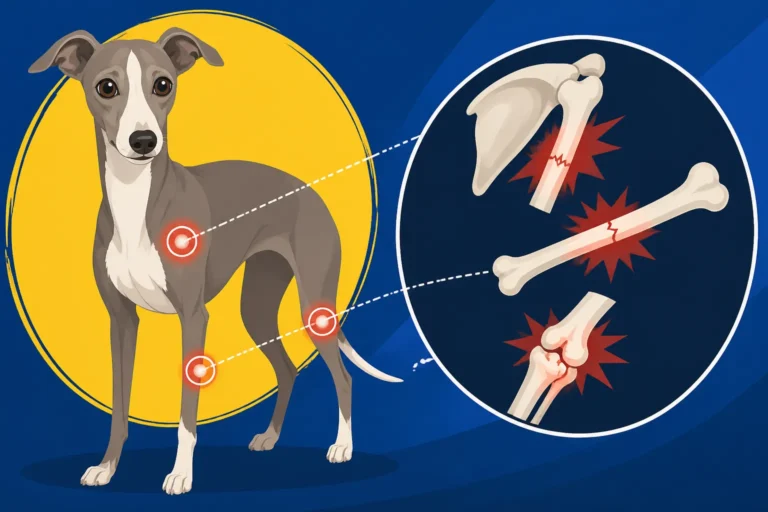
It's no secret that Italian Greyhounds, or Iggys as we affectionately call them, are known for their slender, elegant build. While this contributes to their unique beauty and incredible athleticism, it also makes them exceptionally prone to serious injuries, especially concerning their delicate leg bones. Many owners lament how easily their beloved pet's leg bones break, and it's a stark reality we must all understand.
Why Italian Greyhounds Break Bones So Easily
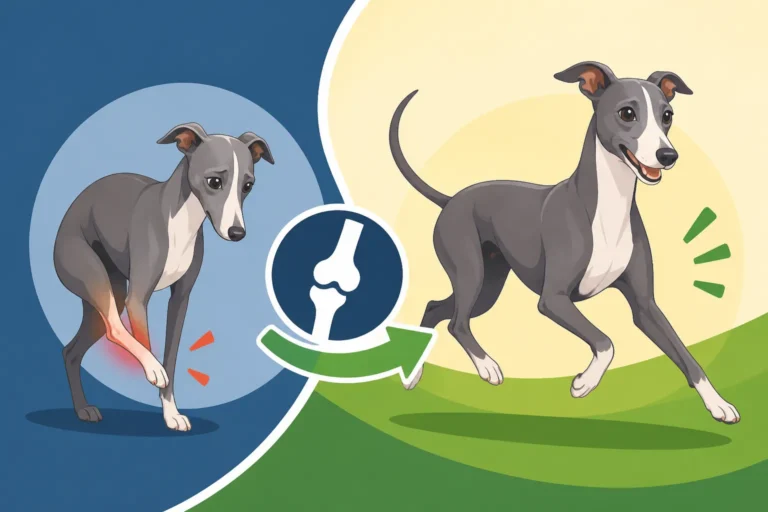
Unlike many other breeds, Italian Greyhounds possess exceptionally fine bone structure. Their long, thin legs are built for speed and agility, not for absorbing impacts from falls. Specifically, the radius and ulna, the two bones in their forearm, are particularly vulnerable. These bones are relatively thin and often have limited muscle padding, making them susceptible to spiral fractures from twisting motions or direct impact. Imagine a delicate porcelain vase – it's beautiful, but one wrong move and it shatters. That's essentially the structural reality for many Iggys. It's not just a myth; it's a biological fact that owners must live with and protect against daily. Understanding Why an Italian Greyhound's Leg Bones Break So Easily is the first step in prevention.
The Impact of Size and Weight Distribution
Italian Greyhounds are toy breed dogs, typically weighing between 7 to 14 pounds and standing around 13 to 15 inches tall at the shoulder. While they might seem robust for their size, their weight is distributed over a very light skeletal frame. This means any sudden force, especially from a fall, concentrates immense pressure on those already delicate bones. When a small dog is dropped, even from a relatively short height, the force of gravity is amplified, and the impact can be equivalent to a much larger dog falling from a greater distance. Their inherent grace and balance can sometimes give a false sense of security, making people forget just how vulnerable they are.
The Risks When Children Handle Italian Greyhounds
Children, bless their hearts, are not always aware of the delicate nature of a pet, especially one as fragile as an Italian Greyhound. Their enthusiasm and developing motor skills can inadvertently create dangerous situations. The reality is that even the most well-meaning child can cause a severe injury.
Unpredictable Movements and Drops
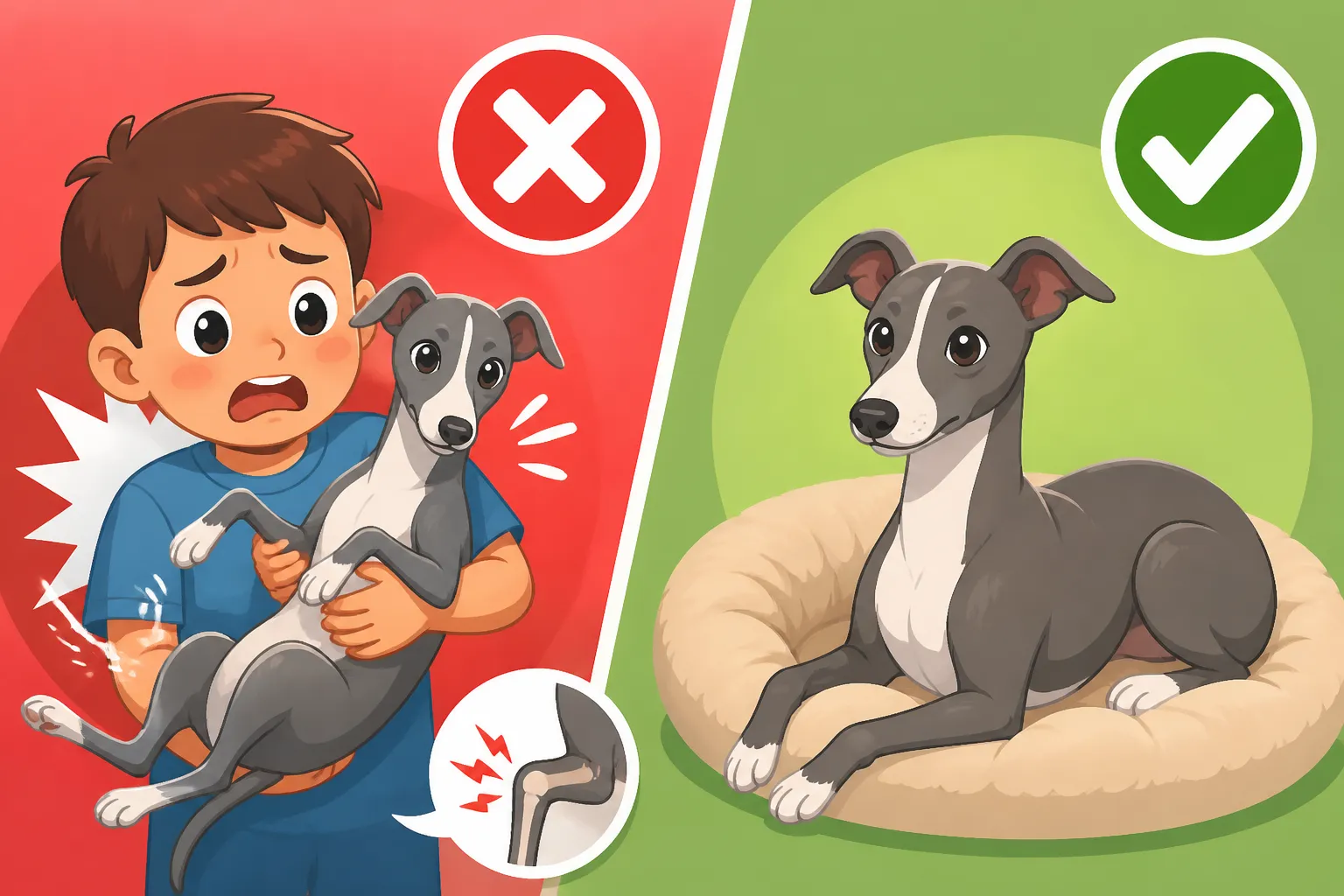
Children, particularly toddlers and preschoolers, have developing coordination and spatial awareness. Their movements can be sudden, jerky, and unpredictable. They might stumble, trip, or simply lose their grip on a wriggling dog. An Italian Greyhound, when feeling insecure or sensing a fall, might also struggle, exacerbating the risk. Imagine a child excitedly trying to pick up the dog, who then wiggles free and falls from waist height. This isn't just an "oops" moment; this is often a trip to the emergency veterinary clinic. A fall from even a small height can result in a catastrophic fracture, leading to extensive surgery and recovery time. Many heartbreaking stories begin with "my child just wanted to hug them."
Lack of Understanding of a Dog's Limits
Young children often don't understand that dogs aren't toys. They don't grasp that an Italian Greyhound can't be carried like a stuffed animal or swung around. They might squeeze too tightly, leading to discomfort or injury, or try to lift the dog by its front legs, putting immense strain on the shoulder joints and spine. They might not realize that a dog can get startled by a loud noise or sudden movement, causing it to jump out of their arms in fear. The age at which an Italian Greyhound is most likely to break a leg is often when they are young, and often when owners are least prepared for their fragility around active households.
The Psychological Impact on the Dog and Child
Beyond the physical danger, being handled incorrectly can be incredibly stressful for an Italian Greyhound. They might become fearful, anxious, or even defensive, leading to nipping or growling as a self-preservation mechanism. This can damage the bond between the child and the dog and create behavioral issues. For the child, witnessing their beloved pet suffer a severe injury, knowing they were the cause, can be a traumatic experience, leading to guilt and fear around animals. It’s crucial to prevent these scenarios from ever unfolding.
Teaching Children Safe Italian Greyhound Interactions
Ensuring the safety of both your Italian Greyhound and your children requires proactive teaching and consistent supervision. It's about setting clear boundaries and fostering respectful, gentle interactions.
The "Four on the Floor" Rule
This is a golden rule for homes with fragile dogs like Italian Greyhounds: all four paws must remain on the floor. This means no picking up the dog, no wrestling, and no rough play. Instead, encourage children to get down to the dog's level for petting and interaction. Teach them to sit on the floor, allowing the Iggy to approach them on its own terms. This fosters a sense of safety and control for the dog and prevents accidental drops. A wonderful alternative to carrying is simply letting the Iggy come for cuddles on the sofa while supervised, or even training them to use Ramps and Steps for an Italian Greyhound's Furniture so they can join family time safely.
Supervised, Gentle Petting
All interactions between young children and an Italian Greyhound should be supervised by an adult. Teach children how to pet gently, using soft strokes along the back or sides, avoiding the head, tail, or delicate legs. Show them how to offer a hand for the dog to sniff before petting, allowing the dog to initiate contact. Reinforce calm behavior in both the child and the dog. Make it a positive experience where the Iggy feels safe and cherished, not scared. For instance, have the child sit quietly on the floor with a favorite book, and let the Iggy come to them for a gentle ear scratch while you supervise.
Alternatives to Carrying and Appropriate Age Levels
Instead of carrying, teach children to invite the Italian Greyhound onto their lap when they are sitting down. This way, if the dog decides to jump off, it's a minimal fall. For walks, teach children how to hold the leash gently (if age-appropriate and supervised) without pulling or yanking. For very young children, it might be best to limit physical interaction to supervised petting and teach them to appreciate the Iggy from a slight distance until they are older and more capable of understanding the dog's fragility. Generally, children under 8-10 years old lack the consistent coordination and judgment necessary to safely carry a small, delicate dog. Even then, it's often still not recommended for a breed like an Italian Greyhound due to their unique skeletal structure. For specifics on How to Pick Up an Italian Greyhound Safely, adults should always be the ones doing it correctly.
Here's a quick guide to safe interaction for different age groups:
| Child's Age Group | Recommended Interaction | Avoid At All Costs |
|---|---|---|
| Toddlers (1-3 years) | Supervised observation, gentle petting on back (while adult holds dog). | Carrying, chasing, loud noises, sudden movements, pulling ears/tail. |
| Preschool (4-6 years) | Supervised petting (four on the floor), sitting quietly near the dog. | Carrying, rough play, independent handling, sudden hugging. |
| Early School (7-9 years) | Supervised gentle petting, playing with toys (no mouth contact), reading to dog. | Lifting/carrying, running with the dog on leash, unsupervised interactions. |
| Pre-Teen (10-12 years) | Supervised lap time (child sitting), responsible leash holding (supervised), training games. | Still generally avoid carrying; discourage roughhousing. |
What to Do If an Accident Occurs
Despite all precautions, accidents can happen. It's vital to know the immediate steps to take if your Italian Greyhound falls or is injured while interacting with a child. Time is often of the essence.
Recognizing Signs of Injury
An Italian Greyhound will almost always cry out if they've broken a leg or sustained a significant injury. Beyond that initial yelp, look for:
- Non-weight bearing: They might hold up the injured leg and refuse to put any weight on it.
- Swelling or deformity: The limb might look obviously bent or swollen.
- Pain response: They might whimper, growl, or snap if you try to touch the affected area.
- Limping: If they do attempt to walk, it will likely be with a severe limp.
- Behavioral changes: Lethargy, hiding, or refusing food can also be signs of pain.
It's important to remember that some Italian Greyhounds are incredibly stoic and may try to hide their pain, so even subtle Signs an Italian Greyhound Has Broken a Leg should be taken seriously. Even if they run on it momentarily, it doesn't mean it's not broken.
Immediate First Aid and Emergency Vet Care
If you suspect an injury, act quickly but calmly. Gently try to stabilize the limb without applying pressure directly to a potential fracture site. A towel or a rolled-up magazine can sometimes serve as a temporary splint if you are confident and experienced, but often, the best course of action is to carefully transfer your Iggy into a carrier or box and get them to an emergency veterinarian immediately. Call ahead to let them know you're coming. Never attempt to "set" a bone yourself or give human pain medication without vet instruction.
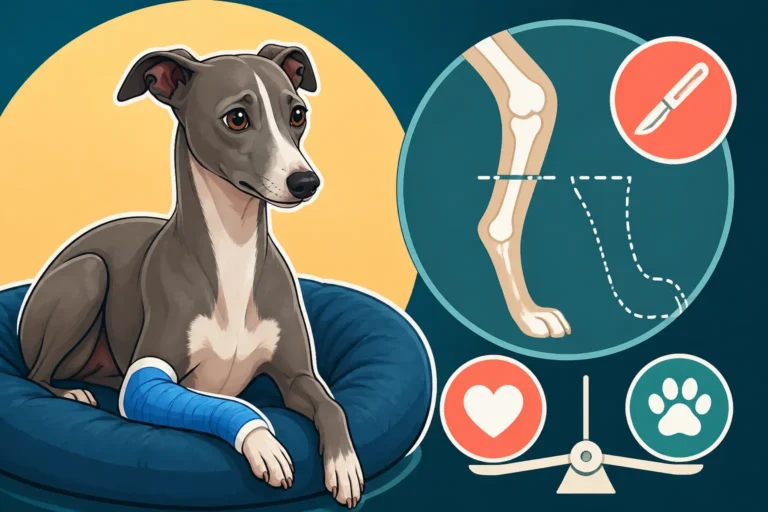
The cost of fracture repair can be significant, often ranging from several thousand dollars, especially if specialty surgery is required. This is where having pet insurance, like a plan from Healthy Paws, can truly be a lifesaver, helping to cover a large portion of unexpected veterinary bills. An unforeseen emergency like this can quickly deplete savings, so planning ahead is crucial. What Fracture Repair Costs on an Italian Greyhound can be a real shock if you're not prepared, highlighting the importance of a robust emergency fund or good insurance.
Long-Term Recovery and Prevention
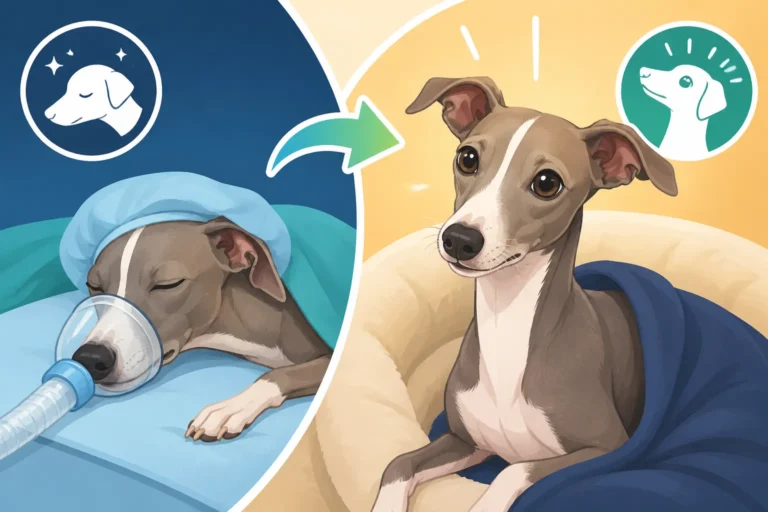
A broken leg means weeks, if not months, of strict crate rest and rehabilitation, which can be challenging for both the dog and the family. Even after successful surgery, there's a possibility that Whether an Italian Greyhound Regains Full Use of the Leg can be a question mark, and arthritis can be a lifelong concern. Preventing such an injury in the first place is always the best approach. Continue to reinforce safe interaction rules with your children, ensuring they understand the grave consequences of accidental drops. Investing in pet insurance from companies like Healthy Paws can help alleviate the financial strain if such an accident unfortunately occurs, allowing you to focus on your Iggy's recovery. Think of it as a crucial part of Budgeting for an Italian Greyhound's Broken Leg Before It Happens. Remember, a visit for What an Italian Greyhound's Emergency Vet Visit Costs will quickly put things into perspective.
No one wants to think about their cherished pet getting hurt, especially not by a family member. By understanding the unique fragility of Italian Greyhounds and proactively teaching children how to interact safely and respectfully, you can significantly reduce the risk of a devastating injury and ensure a happy, healthy home for everyone, two-legged and four-legged alike. It truly is one of the most important things you can do to protect your delicate companion.
Disclaimer
The information provided in this article is for general informational purposes only and is not a substitute for professional veterinary advice. Always consult with a qualified veterinarian for any health concerns or before making any decisions related to your pet's care.