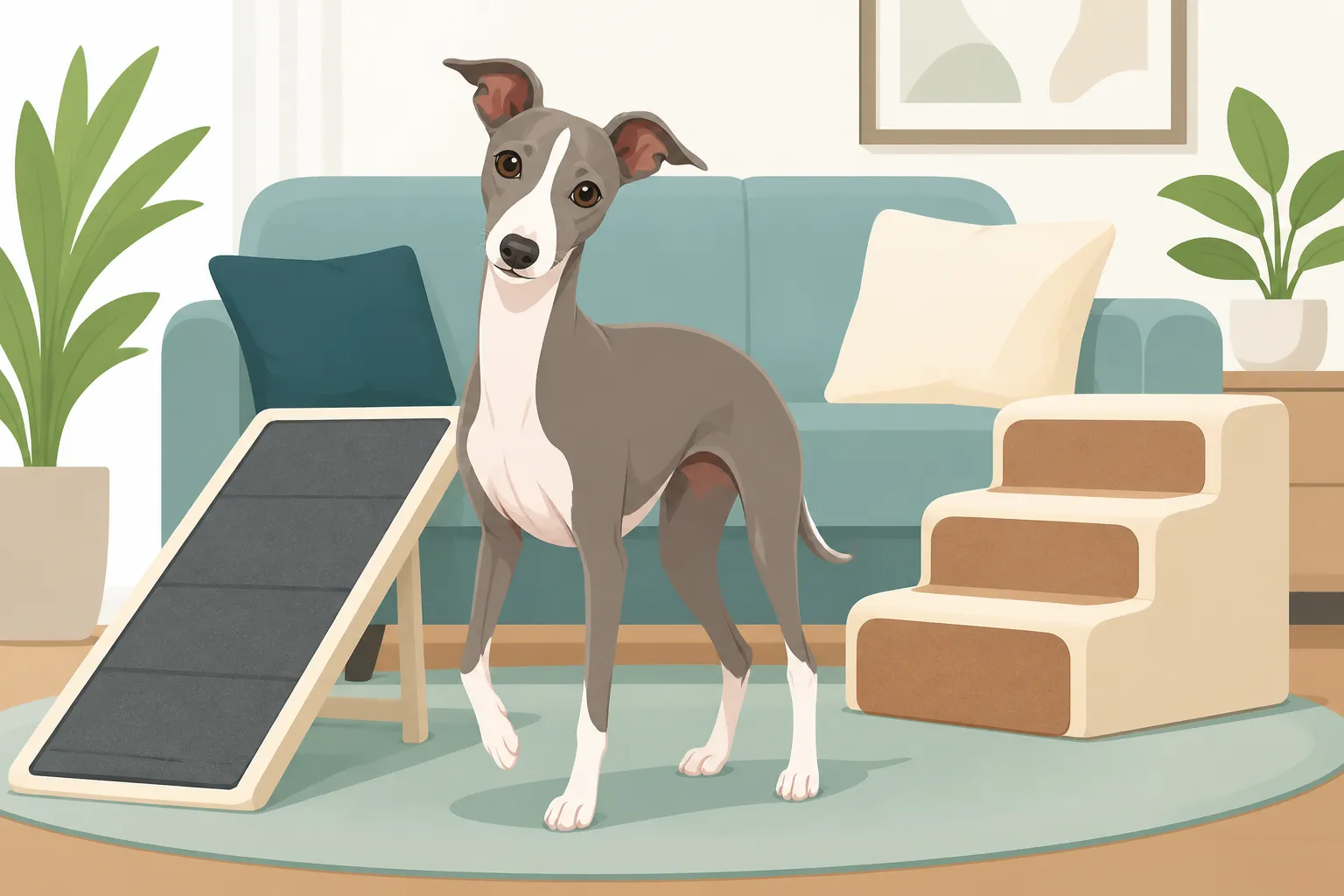
Ramps and Steps for an Italian Greyhound’s Furniture
The sheer joy of watching your Italian Greyhound spring onto the sofa or leap off the bed to greet you is undeniable, but for those of us who share our homes with these delicate creatures, it's also a moment that often makes our hearts skip a beat. The reality is, even a seemingly small jump can lead to devastating injuries, and this guide is dedicated to helping you safeguard your beloved companion by understanding and implementing furniture ramps and steps.
Why Furniture Jumps Are So Dangerous for Italian Greyhounds
It's a truth universally acknowledged among Italian Greyhound owners: these dogs are built for speed and elegance, not for hard landings. Their delicate bone structure, while contributing to their graceful appearance, also makes them incredibly susceptible to fractures from seemingly innocuous activities like jumping off furniture. The fear of a broken leg isn't hyperbole; it's a constant, lurking worry that many of us live with.
The Fragility of Italian Greyhound Bones
Let's be brutally honest: Italian Greyhounds have bones that are, by design, more slender and less dense than many other breeds, especially in their lower limbs. Their long, fine legs, perfect for sprinting, simply aren't engineered to absorb the shock of repeated impacts from significant heights. Think of it like a finely tuned race car – powerful and fast, but not built for off-roading or harsh bumps. This inherent fragility means that what might be a minor jolt for a sturdier breed can easily result in a catastrophic break for an IG. Many owners have faced the agonizing reality of a sudden yelp and a dangling limb, often requiring emergency veterinary care. If you've ever wondered Why an Italian Greyhound's Leg Bones Break So Easily, you'll know it comes down to their unique physiology. It's not a flaw, but a breed characteristic that requires careful management in a home environment.
Moreover, puppies and young IGs are at an even higher risk. Their growth plates are still open, and their bones are still calcifying and hardening. This means that a fall during their first year or two can be particularly damaging. The common advice to be extra vigilant and perhaps consider Restricting an Italian Greyhound Under Two isn't just a suggestion; it's a vital preventative measure that could save your puppy from immense pain and you from significant heartache and expense. Even after their bones have fully developed, the inherent delicacy remains a lifelong consideration.
Common Jumping Scenarios and Injury Risks
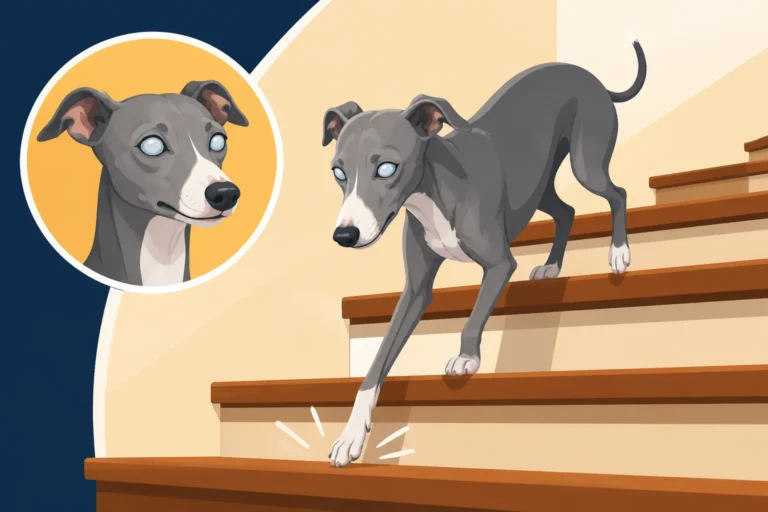
The sofa, the bed, a favorite armchair – these are often prime spots for IGs to cuddle up with their humans. The problem arises when they decide to dismount. A sudden bark at the mailman, an unexpected toy rolling off the edge, or simply the desire to follow you to the kitchen can trigger a jump. Owners often describe The Jump Off the Sofa That Breaks an Italian Greyhound's Leg as quick and unexpected, leaving little time to react. The dog might twist mid-air, misjudge the distance, or land awkwardly on a hard surface, leading to a spiral fracture or a clean break.
Consider the height difference: even a standard sofa can be three times the height of a small Italian Greyhound. That's like a human jumping from a second-story window! When they launch themselves, the force of impact on their slender radius and ulna (the bones in their forelegs) can be immense. Hardwood floors, tile, or even thinly carpeted surfaces offer little to no cushioning, exacerbating the impact. It's not just about the height, but the angle of the landing, the surface, and the speed at which they decide to descend. Even if they can technically land without injury occasionally, the cumulative risk over their lifespan is simply too high to ignore.
The Long Road to Recovery
When an Italian Greyhound breaks a leg, it's not a simple fix. The journey to recovery is often long, arduous, and emotionally draining for both dog and owner. Immediate veterinary attention is crucial, and most breaks require surgical intervention, often involving plates and screws to stabilize the delicate bones. This can be incredibly expensive, quickly becoming Why a Broken Leg Is the Biggest Bill an Italian Greyhound Owner Gets. Post-surgery, there's a lengthy period of strict confinement, often in a crate, followed by gradual rehabilitation. Owners often agonize over questions like How Long an Italian Greyhound Takes to Heal a Fracture or Whether an Italian Greyhound Regains Full Use of the Leg, highlighting the profound impact these injuries have on quality of life for months, sometimes years. Even with the best care, some dogs may never fully regain their prior agility, and the psychological impact of pain and restricted movement can linger. This is why prevention isn't just better than cure; it's practically a moral imperative for IG owners.
Choosing the Right Ramps and Steps for Your Home
Once you’ve accepted the reality of the risks, the next step is proactive prevention. Ramps and steps are not just accessories; they are essential safety equipment for an Italian Greyhound household. Making an informed choice ensures both safety and usability.
Types of Ramps and Steps
The market is flooded with options, and it can feel overwhelming trying to decide what's best. Generally, you'll find two main categories: ramps and steps.
- Ramps: These offer a gradual incline, eliminating any jarring impact from stepping up or down. They are often considered ideal for dogs with existing joint issues, or those prone to anxiety with steps. Ramps come in various materials, including wood, plastic, or foam, and often feature carpeted surfaces for traction. Some are foldable for easy storage or transport, while others are fixed, designed to blend seamlessly with furniture. For older Italian Greyhounds or those recovering from injury, the smooth transition a ramp provides can be invaluable, as it mimics walking on flat ground, just at an incline. Brands like Pet Gear and Solvit offer sturdy, well-regarded options that prioritize stability and grip.
- Steps: These provide individual platforms for your dog to ascend or descend. They can be a good choice for dogs who prefer to "climb" rather than walk an incline, and they often take up less floor space than a ramp. Like ramps, steps are made from various materials, with carpeted treads being common for traction and comfort. You'll find modular steps that can be adjusted in height, or fixed units that come in pre-set sizes. For a smaller Italian Greyhound, ensuring the rise of each step is low enough for their short legs is critical.
Here’s a quick comparison to help you weigh your options:
| Feature | Pet Ramp | Pet Steps |
|---|---|---|
| Space Required | Generally more floor space | Can be more compact |
| Ease of Use | Gradual incline, easier on joints | Requires more coordinated climbing |
| Best For | Older dogs, dogs with mobility issues, very small puppies, anxious dogs | Energetic dogs, those preferring to "climb", limited space |
| Safety | Low impact, consistent traction | Higher impact on joints with each step, risk of misstep |
| Training Curve | Often quicker to learn | May take longer, especially for timid dogs |
| Portability | Many foldable options available | Often lighter, but less likely to fold flat |
Key Considerations for Italian Greyhound Safety
When selecting a ramp or steps, an Italian Greyhound's unique needs must be at the forefront of your decision-making. Ignoring these details can inadvertently introduce new risks.
First and foremost is height and stability. The ramp or steps must match the height of your furniture precisely. A ramp that's too short will be too steep, and one that's too tall will create a gap at the top or be unstable. For steps, make sure the top platform is level with the furniture. Stability is non-negotiable; cheap, flimsy options can wobble, making your IG hesitant or even causing them to fall. Look for non-slip feet or weighted bases. If you’ve ever had to deal with the veterinary bills after an accident, you’ll understand why investing in quality, stable equipment is paramount. Even with pet insurance from providers like Healthy Paws, preventative measures are always the best course of action.
Traction is another critical factor. Italian Greyhounds have delicate paw pads and are not known for their robust grip on slick surfaces. Smooth plastic or bare wood is a recipe for slips and falls. Opt for carpeted treads, rubberized surfaces, or ramps with built-in textured grips. This ensures your dog feels secure and confident using the aid. Without good traction, the fear of slipping can make them avoid using the ramp or steps altogether, defeating the purpose.
Finally, consider the slope of the ramp if you choose that option. It should be gentle enough that your IG doesn't have to strain to walk up or slide down. A general rule of thumb for small dogs is a rise-to-run ratio of no more than 1:2 or 1:3, meaning for every 1 unit of height, there are 2 to 3 units of length. A longer ramp will naturally have a shallower incline, making it much easier and safer for your Italian Greyhound to navigate. For steps, ensure the individual step height is low, typically no more than 4-6 inches for an IG, allowing them to comfortably clear each step without jumping or straining.
Placement and Integration into Your Home
Once you have your chosen ramps or steps, strategic placement and integration are key to their success. Don't just plop them down; consider your dog's habits and your home's layout.
Place ramps or steps at every piece of furniture your Italian Greyhound regularly accesses. This often includes the main sofa, your bed, and perhaps a favorite armchair. If your IG has a particular spot they love to nap on, ensure there's a safe way for them to get there. Consistency is important, as it helps reinforce the habit of using them. For instance, if they always jump off the left side of the bed, place the ramp there, even if it feels slightly less convenient for you.
Consider the aesthetics and traffic flow in your home. While safety is paramount, you can often find options that blend well with your decor. Many wooden ramps come in different finishes, and some fabric-covered steps are designed to look like small ottomans. Position them so they don't create tripping hazards for humans, but are still easily accessible for your dog. If space is tight, a set of compact, stable steps might be better than a long ramp. The goal is to make using the ramp or steps the easiest and most appealing option for your Italian Greyhound, making it a natural part of their daily routine.
Training Your Italian Greyhound to Use Ramps and Steps
Installing ramps and steps is only half the battle. Italian Greyhounds, while intelligent, can also be quite opinionated and sometimes wary of new things. Patient, positive reinforcement training is essential to ensure they actually use their new safety equipment.
Starting Early and Building Positive Associations
The best time to introduce ramps or steps is as early as possible, ideally when your Italian Greyhound is a puppy. Puppies are generally more curious and adaptable, making the training process smoother. Even if you're bringing an older rescue into your home, it's never too late, but it might require more patience.
Begin by simply placing the ramp or steps near the furniture without any pressure. Let your IG investigate it at their own pace. Use high-value treats (think tiny pieces of cooked chicken or cheese) to create positive associations. Toss treats on the ramp or steps, then on the first step, then halfway up, and finally at the top. The goal is to make them view the ramp or steps as a source of good things, not something scary or to be avoided. Never force them onto it. A gentle coaxing with treats and enthusiastic praise will go much further than pushing or scolding, especially with a sensitive breed like the Italian Greyhound, who can easily get discouraged or even scared.
Step-by-Step Training Guide
Here's a practical approach to getting your Italian Greyhound comfortable with their new setup:
- Introduce on Flat Ground (if possible): If you have a portable ramp, initially lay it flat on the floor or with a very slight incline. Lure your dog across it with treats. This helps them get used to the texture and feel before adding height. For steps, simply place treats on each step while they are on the floor.
- Lure Up Gradually: With the ramp or steps in place at the furniture, use a trail of treats, leading one step at a time, or inch by inch up the ramp. Place a treat on the first step, let them eat it, then the next, and so on. Always use a cheerful, encouraging voice.
- Practice Going Down: This is often harder than going up. Stand at the bottom of the ramp/steps with a treat, and lure them down. If they hesitate, place treats on each descending step or portion of the ramp. Ensure their first few descents are slow and controlled.
- Reward Heavily: Every successful use, no matter how small, should be met with enthusiastic praise, petting, and a delicious treat. Make it a celebration!
- Be Patient: Italian Greyhounds are sensitive and can be particular. Some might take to it immediately, while others might need days or even weeks of short, positive training sessions. Don't rush the process. If they seem stressed or reluctant, take a break and try again later. For instance, if your Italian Greyhound tends to be shy around new things or gets nervous easily, pushing them too hard might be counterproductive. Remember, they thrive on positive interaction, so keep it fun and rewarding.
Common issues you might encounter include:
- Fear/Hesitation: Some dogs might be genuinely scared. Start even smaller, maybe just by having the ramp in the room, and rewarding them for merely looking at it. Gradually reduce the distance until they're comfortable approaching.
- Jumping Past the Steps: If your IG tries to bypass the steps by jumping over the first one, ensure the steps are placed snugly against the furniture and the lure is strong enough to keep them on the path.
- Refusal to Go Down: This is common. Make sure the incline isn't too steep or the steps aren't too high. Use the highest value treats you have, and if necessary, have a second person at the top to gently guide them while you lure from the bottom.
Maintaining Consistency and Reinforcement
Once your Italian Greyhound starts using the ramps or steps, consistency is key to solidifying the habit. Always encourage them to use it, especially when getting off the furniture. If you see them about to jump down, gently redirect them to the ramp or steps. Continue to offer praise and occasional treats for correct usage, especially in the early stages.
Make it non-negotiable. If they aren't using the ramp or steps, they don't get on the furniture. This isn't about punishment but about clear boundaries and safety. Over time, using the ramp or steps will become second nature, a routine they don't even think about. This consistent reinforcement is crucial for long-term safety, protecting your Italian Greyhound from potential fractures. Remember, while Italian Greyhounds are incredibly affectionate, they can also be creatures of habit, and building a positive habit around furniture safety is vital for their well-being.
Beyond Ramps and Steps: Other Safety Measures
While ramps and steps are a fantastic foundational safety measure, a truly fracture-proof home for an Italian Greyhound often requires a multi-faceted approach. Think of it as creating layers of protection to minimize all potential hazards.
Furniture Modification and Arrangement
Sometimes, the simplest solutions are the most effective. Consider whether certain pieces of furniture can be modified or rearranged to reduce risk. For instance, if you have a very tall bed, placing it on risers that make it lower to the ground can reduce the impact height even if they do jump accidentally. Or, you might choose to replace a particularly high coffee table that your Italian Greyhound likes to vault over with a lower, sturdier ottoman.
Strategically arranging furniture can also help. If a sofa is against a wall, ensure the ramp is easily accessible from all points your dog might jump from. You could also place soft rugs or dog beds on hard floors directly around common jumping points like the edge of the sofa or bed. This adds a layer of cushioning that could potentially lessen the severity of an impact if an accident does occur. Removing unstable side tables or decorative items that an Italian Greyhound might try to use as an intermediate step, only to fall, is another smart move. Every potential jump point should have a safe alternative or a soft landing zone.
Supervision and Boundary Setting
Even with the best ramps and steps, and a perfectly arranged home, nothing replaces vigilant supervision. Italian Greyhounds are quick, agile, and sometimes, incredibly impulsive. There will be times when they are overly excited or distracted and might forget their training or try to take a shortcut.
Actively managing their access to furniture, especially when you can't directly supervise, is important. For instance, if you're leaving the room for a short period, consider inviting your Italian Greyhound to join you, or crating them for their safety in a comfortable, familiar space. This is especially vital when they are young, as How Many Italian Greyhounds Break a Leg Before Two is a sobering statistic that highlights their vulnerability during their puppy and adolescent phases. Teaching an Italian Greyhound Teaching an Italian Greyhound Not to Jump Down requires consistent reinforcement, but constant supervision acts as your immediate safety net. Establish clear boundaries early on: "ramps are always used for descending." By being present and gently redirecting them, you reinforce the safe behaviors and prevent risky ones from becoming habits.
The Importance of Pet Insurance
Despite all your best efforts to create a safe environment, accidents can, unfortunately, still happen. That unexpected twist during a zoomie, a sudden misstep, or a clumsy moment can result in an injury that no amount of prevention could foresee. This is where pet insurance becomes an absolute lifesaver.
Having a robust pet insurance policy, such as those offered by Healthy Paws, can provide immense peace of mind. Knowing that you're financially prepared for a potential emergency allows you to make medical decisions based on what's best for your Italian Greyhound, rather than being constrained by cost. A broken leg, for example, can incur thousands of dollars in veterinary bills, from initial diagnostics to surgery, medications, and rehabilitation. While you hope to never need it, having a plan in place means you won't have to face the agonizing choice of how to afford life-saving or limb-saving treatment. When considering What Pet Insurance Actually Covers on an Italian Greyhound, you'll find that accidental injuries are typically a primary component, making it an invaluable investment for any Italian Greyhound owner. It's a pragmatic safety net that complements all the proactive measures you take to keep your delicate companion safe and sound.
Disclaimer
This guide provides general information and recommendations for Italian Greyhound owners. While every effort has been made to ensure accuracy and comprehensive coverage, it is not a substitute for professional veterinary advice. Always consult with a qualified veterinarian regarding your Italian Greyhound's specific health concerns, training needs, and appropriate safety measures. Individual dogs may vary in their needs and responses to training.