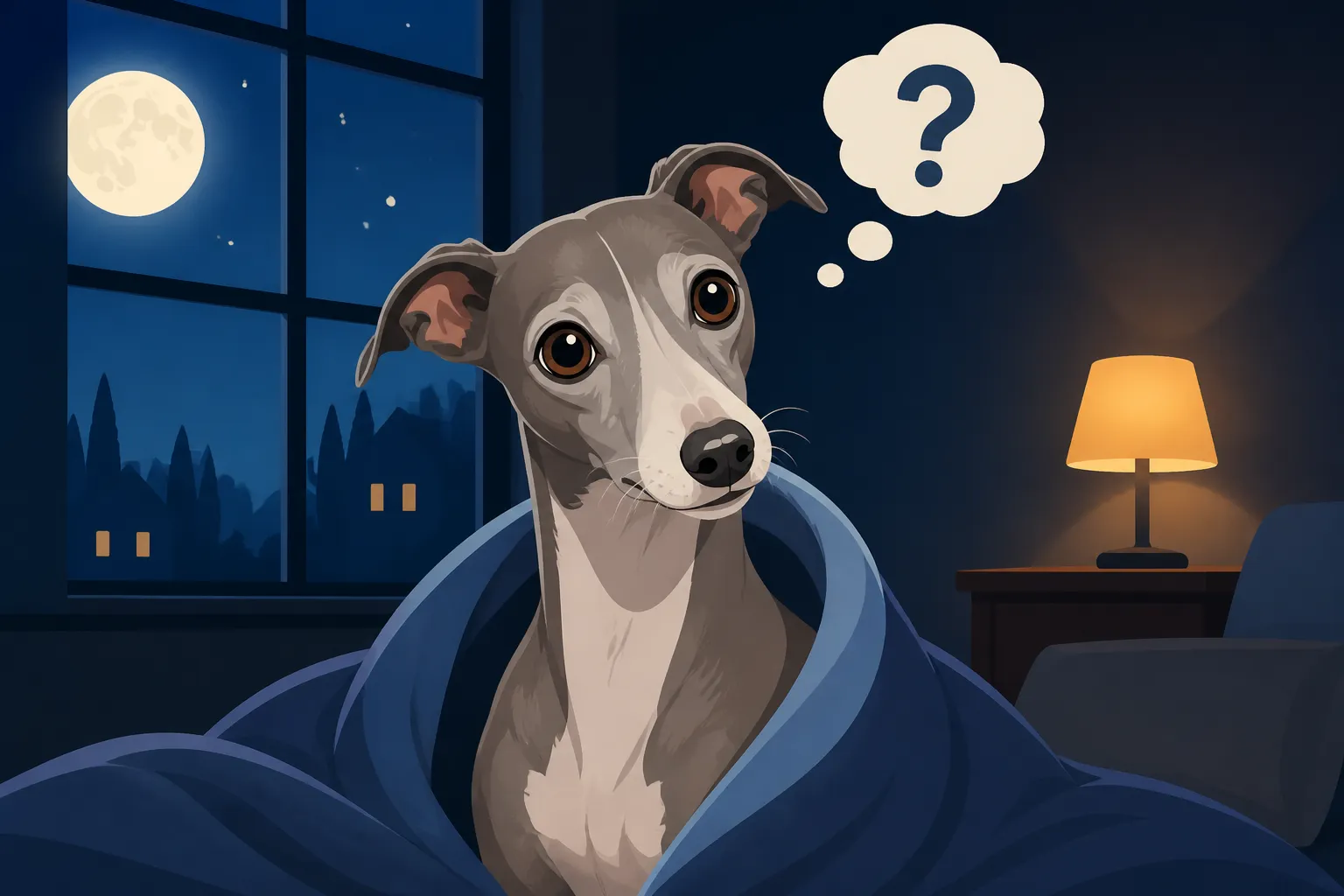
Night Confusion in an Old Italian Greyhound
It's absolutely heartbreaking to watch your once-confident, spry Italian Greyhound start to falter, especially when night falls and they seem to lose their way in their own familiar home. That bewildered pacing, the quiet cries, or the sudden restlessness in the dark hours can be incredibly distressing for both you and your beloved senior companion. This guide is here to shed some light on night confusion in old Italian Greyhounds, exploring what causes it, how to recognize the signs, and practical, empathetic ways to help your cherished dog navigate these challenging changes with as much comfort and dignity as possible.
Understanding Cognitive Changes in Senior Italian Greyhounds
As our beloved Italian Greyhounds age, just like us, their brains undergo changes that can sometimes lead to what we lovingly call "senior moments," but which can often escalate into something more significant like Canine Cognitive Dysfunction (CCD). It's not just "getting old"; it's a specific set of symptoms that impact their memory, learning, and perception. When these changes particularly manifest at night, it creates what we refer to as night confusion or sundowning.
The Science Behind Senior Brains
Think of your Italian Greyhound's brain as a super-efficient, finely tuned machine that, over years of loyal service, starts to show some wear and tear. Neurons, which are the brain's communication lines, don't fire quite as efficiently, and sometimes the pathways get a little tangled. You might notice changes in their sleep-wake cycles; they might sleep more during the day and be awake and agitated at night. This reversal is a classic sign of cognitive decline because the internal clock that helps regulate these cycles isn't functioning correctly anymore. It's not a choice they're making; it's a biological shift that leaves them disoriented. We often talk about Caring for an Italian Greyhound Past Eleven as being a different kind of care than for a younger dog, and this is a prime example of why. Their needs shift dramatically.
Differentiating Normal Aging from CCD
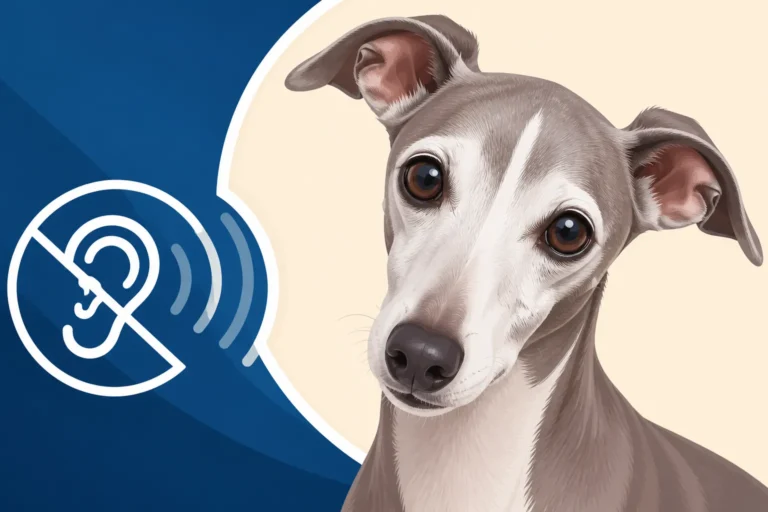
It’s easy to dismiss a senior dog’s quirks as just part of getting old. "Oh, Fifi just forgot where she left her toy," or "Leo sometimes just stares at the wall, it's cute." But there's a line where these behaviors become more than just endearing senior eccentricities. Normal aging might involve a bit of slowing down, maybe not hearing as well as they once did – perhaps you've noticed signs of Deafness in an Old Italian Greyhound. However, CCD involves a noticeable decline in cognitive abilities that affects their daily functioning and quality of life. It’s when your Italian Greyhound consistently struggles with tasks they once mastered, becomes disoriented in familiar surroundings, or shows significant changes in their social interactions and activity levels. This is why it's so important to monitor any shifts and discuss them with your vet.
Recognizing the Signs of Night Confusion
The frustrating thing about night confusion is that it often feels like it comes out of nowhere, or perhaps you've seen subtle signs during the day that you've dismissed. When the sun goes down, and the world gets quieter, these symptoms can become much more pronounced and difficult to manage.
Disorientation and Pacing
One of the most common and distressing signs of night confusion is disorientation. Your Italian Greyhound might pace aimlessly around the house, especially at night. They might get stuck in corners, behind furniture, or just wander from room to room without a clear purpose. Imagine waking up in your own home and not knowing which way to the bathroom or even what room you're in – that’s a bit like what they experience. This pacing isn't just a sign of needing to go outside; it's a profound sense of not knowing where they are or what they're supposed to be doing. You might find them standing by the wrong door, or looking lost even in their favorite spot.
Vocalization and Restlessness
The night can be a scary time for an Italian Greyhound experiencing cognitive decline. Without the comforting sounds and sights of the day, their anxiety can ramp up. This might manifest as increased vocalization – whining, whimpering, or even barking at nothing. It's not a demand for attention in the way it might have been when they were younger; it's often a cry for reassurance and a sign of their confusion and fear. Along with vocalization, you might notice extreme restlessness. They can't seem to settle, constantly shifting positions, digging at their bedding, or moving from their bed to yours and back again. Their internal clock is broken, making restful sleep a distant memory. It's important to remember that How an Italian Greyhound Hides Pain means that they might be suffering from other ailments that exacerbate their anxiety, so a thorough vet check is crucial.
Changes in Sleep-Wake Cycle
As mentioned earlier, a hallmark of CCD, and particularly night confusion, is a disrupted sleep-wake cycle. Your Italian Greyhound might be sleeping more soundly, or more frequently, during the day. Then, when night falls, they're suddenly wide awake, alert, and agitated. This can be incredibly disruptive for both of you. They might try to initiate play at 2 AM, or demand to go outside every hour. This isn't naughtiness; it's their body clock being entirely out of sync. It can leave both of you exhausted and frustrated, but understanding the root cause helps you approach it with patience and compassion.
Strategies for Managing Night Confusion
Once you suspect your Italian Greyhound is experiencing night confusion, the next step is to explore management strategies. This isn't about "curing" aging, but about enhancing their quality of life and making their senior years as comfortable and secure as possible.
Veterinary Consultation and Diagnosis
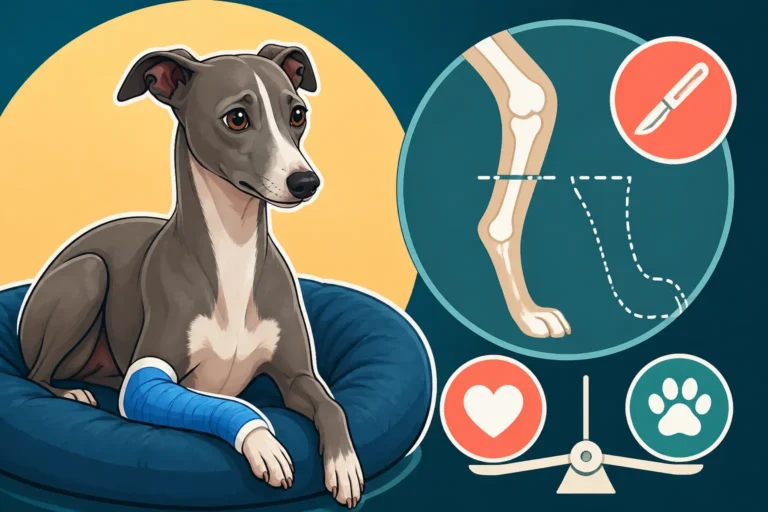
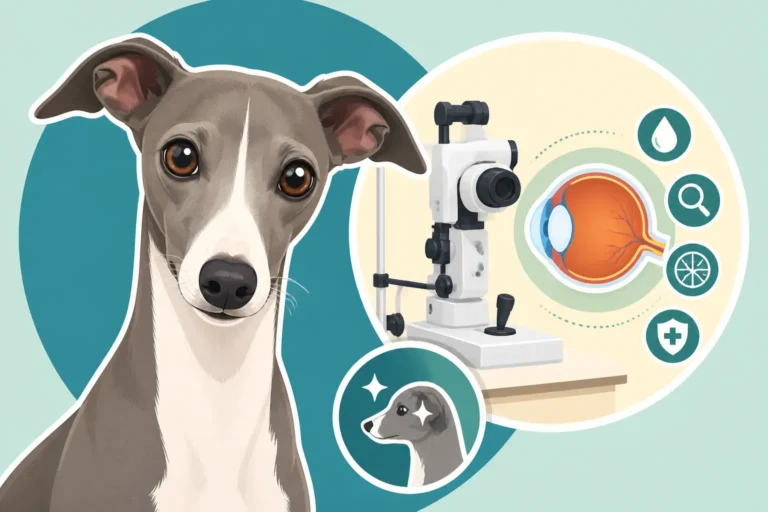
The very first and most critical step is a thorough veterinary examination. It’s absolutely essential to rule out other medical conditions that could be causing similar symptoms. For example, pain from arthritis (which can often occur in a Arthritis in an Italian Greyhound's Healed Leg or just from old age), an undiagnosed urinary tract infection, or even vision and hearing loss can contribute to night-time anxiety and confusion. Your vet will perform a comprehensive physical exam, blood tests, and possibly other diagnostics. If other causes are ruled out, they can then assess for Canine Cognitive Dysfunction. There are scales and questionnaires vets use to help diagnose CCD, and they can discuss potential medications or supplements that might help manage the symptoms. Getting a diagnosis can be costly, and for owners who are concerned about the financial aspect, pet insurance providers like Healthy Paws can sometimes offer assistance with diagnostic tests and ongoing medication costs. When thinking about What an Italian Greyhound Costs Over Fifteen Years, these senior health issues are definitely a major factor.
Routine and Environmental Enrichment
Consistency is king for a dog with CCD. Establishing a predictable daily routine can provide a sense of security and help re-regulate their disrupted body clock. This means consistent meal times, potty breaks, and bedtimes. Try to keep their days active and engaging to encourage deeper sleep at night. Gentle walks, puzzle toys, and short training sessions can stimulate their minds. However, avoid overstimulation, especially in the evenings, which can exacerbate confusion.
Consider introducing calming elements into their routine. A warm bath before bed, gentle massage, or soft music can all help. Keeping their indoor potty area easily accessible and well-lit at night can also reduce anxiety about needing to go out. Remember, for some Iggies, Why an Old Italian Greyhound Feels the Cold More, so ensuring their sleeping area is warm and cozy, perhaps with a soft blanket, is vital.
Medication and Supplements
Your veterinarian might suggest specific medications to help manage the symptoms of CCD, particularly the anxiety and sleep disturbances associated with night confusion. There are prescription drugs available that can improve cognitive function and help regulate sleep cycles. These aren't a magic bullet, but for many dogs, they can significantly improve their quality of life and give you both more restful nights.
In addition to prescription medications, various supplements are marketed for canine cognitive health. These often contain antioxidants, Omega-3 fatty acids, and other ingredients believed to support brain health. Always discuss any supplements with your vet before introducing them, as they can interact with other medications or not be suitable for your Italian Greyhound. Many pet owners consider pet insurance plans, such as those from Healthy Paws, which can sometimes cover a portion of the costs for prescribed medications and therapeutic supplements, making these ongoing treatments more manageable.
Creating a Safe and Comforting Environment
Making your home a safe and soothing haven for your cognitively impaired Italian Greyhound is one of the most proactive things you can do. Small adjustments can make a world of difference in reducing their anxiety and preventing accidents.
Gentle Lighting and Familiar Spaces
As night falls, try to keep some low, ambient lighting throughout the house, especially in areas your Italian Greyhound frequents. Motion-sensor nightlights can be incredibly helpful for illuminating pathways to their bed or their indoor potty area. The goal is to prevent them from suddenly entering a dark, disorienting space. You might consider leaving a soft lamp on in their main sleeping area.
Ensure their sleeping spot is consistently the same and surrounded by familiar, comforting items. A soft, orthopedic bed is essential for an old Italian Greyhound, especially considering their thin build, and a Whether an Old Italian Greyhound Needs a Warmer Bed article might offer more specific ideas for extra comfort. Familiar scents can also be very reassuring; avoid sudden changes in laundry detergents or air fresheners near their space.
Preventing Falls and Accidents
Cognitive decline can affect coordination and spatial awareness, making falls a real risk. Clear pathways of clutter, especially at night. If you have stairs, consider gating them off, or if your Italian Greyhound usually uses ramps or steps to get onto furniture, ensure they are stable and well-lit. For more on this, you might find valuable tips in Whether an Old Italian Greyhound Needs Steps Everywhere. Non-slip mats or runners on hardwood or tile floors can also provide better traction and prevent slips, which can be very frightening for a disoriented dog.
For potty accidents, which often increase with night confusion, lay down absorbent pads in strategic locations, particularly near their sleeping area. This reduces stress for both of you when an accident happens, and protects your flooring. Remember, they aren't doing it on purpose, so patience and easy clean-up are key.
| Symptom Category | Typical Senior Behavior | Canine Cognitive Dysfunction (CCD) |
|---|---|---|
| Pacing/Restlessness | Occasional restlessness due to discomfort, full bladder. | Aimless pacing, getting "stuck," inability to settle, especially at night. |
| Vocalization | Occasional whine for attention or needing to go out. | Frequent, unprovoked whining, crying, or barking, particularly after dark. |
| Sleep Cycle | Napping more, but generally sleeps through the night. | Sleeps excessively during the day, agitated and awake at night. |
| Disorientation | Might occasionally forget a command or object location. | Appears lost in familiar rooms, forgets where they are going, stares blankly. |
| House Training | Occasional accident due to urgency or bladder control. | Frequent accidents, forgetting previous training, going indoors despite access outside. |
| Interaction | Less playful, enjoys quiet time, still recognizes family. | Reduced desire to interact, may seem withdrawn, confusion about family members. |
The Power of Your Presence
Your calm and loving presence is one of the most powerful tools in managing night confusion. When your Italian Greyhound wakes up disoriented or vocalizes at night, approach them gently. Speak in soft, reassuring tones. Don't scold them for pacing or having an accident; they are not doing it intentionally. A gentle pat, a quiet snuggle, or simply sitting near them for a few minutes can often bring them comfort and help them resettle. Sometimes, just seeing your face or feeling your hand can ground them back to the familiar. Maintaining a consistent, positive attitude, even when it's exhausting, reinforces their sense of security. It might seem like a small thing, but for a dog who is losing their bearings, your steady love is their anchor in a confusing world.
Disclaimer
This article is for general informational purposes only and does not constitute professional advice. Laws, prices and regulations vary by location and change over time. Consult a qualified professional for guidance on your specific situation.