Arthritis in an Italian Greyhound’s Healed Leg
You breathed a huge sigh of relief when your Italian Greyhound's leg fracture finally healed. The surgery, the crate rest, the slow recovery – it was a harrowing time. But as weeks turn into months, and then years, a new worry can creep in: what about arthritis? It's a heartbreaking reality for many owners that even a perfectly mended bone doesn't guarantee a lifetime free of joint issues. This guide will walk you through understanding why arthritis can develop in a healed leg, how to spot its subtle signs, and practical ways to manage it, ensuring your beloved companion lives as comfortably as possible.
Why Arthritis Develops After a Leg Fracture in Italian Greyhounds
The delicate build of an Italian Greyhound, while part of their charm, also makes them uniquely susceptible to certain orthopedic challenges. When a bone like the radius, a common fracture site for the breed, breaks, the entire biomechanical system of the limb is compromised, and even with the best veterinary care, the joint may never be quite the same.
The Mechanics of Injury and Healing
Think about how intricately an Italian Greyhound's leg is designed. Each bone, ligament, and piece of cartilage works in perfect harmony for their signature high-stepping gait and incredible bursts of speed. When a fracture occurs, especially in a long bone like the radius – which is often the bone that breaks in an Italian Greyhound – there's significant trauma to the surrounding soft tissues and the adjacent joints. The initial impact alone can cause micro-damage to the joint cartilage, which doesn't regenerate effectively.
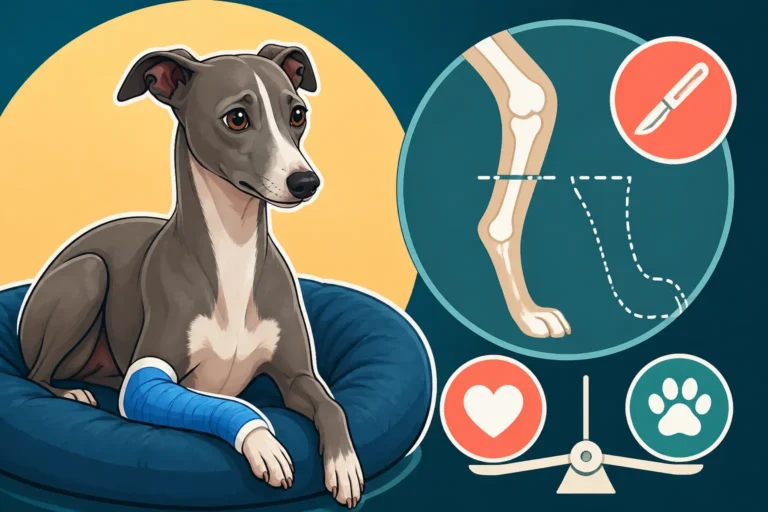
Even after successful fracture repair, whether with a plate and screws or an external fixator, the healing process itself can introduce changes. Bone remodels, but cartilage damage can persist. There might be subtle alterations in how the bone aligns or how the weight is distributed through the joint. Your dog's body, in its incredible effort to repair itself, might lay down scar tissue that slightly restricts movement or creates friction over time. It’s not a failure of the surgery; it's simply the complex reality of biology.
Long-Term Stress and Inflammation
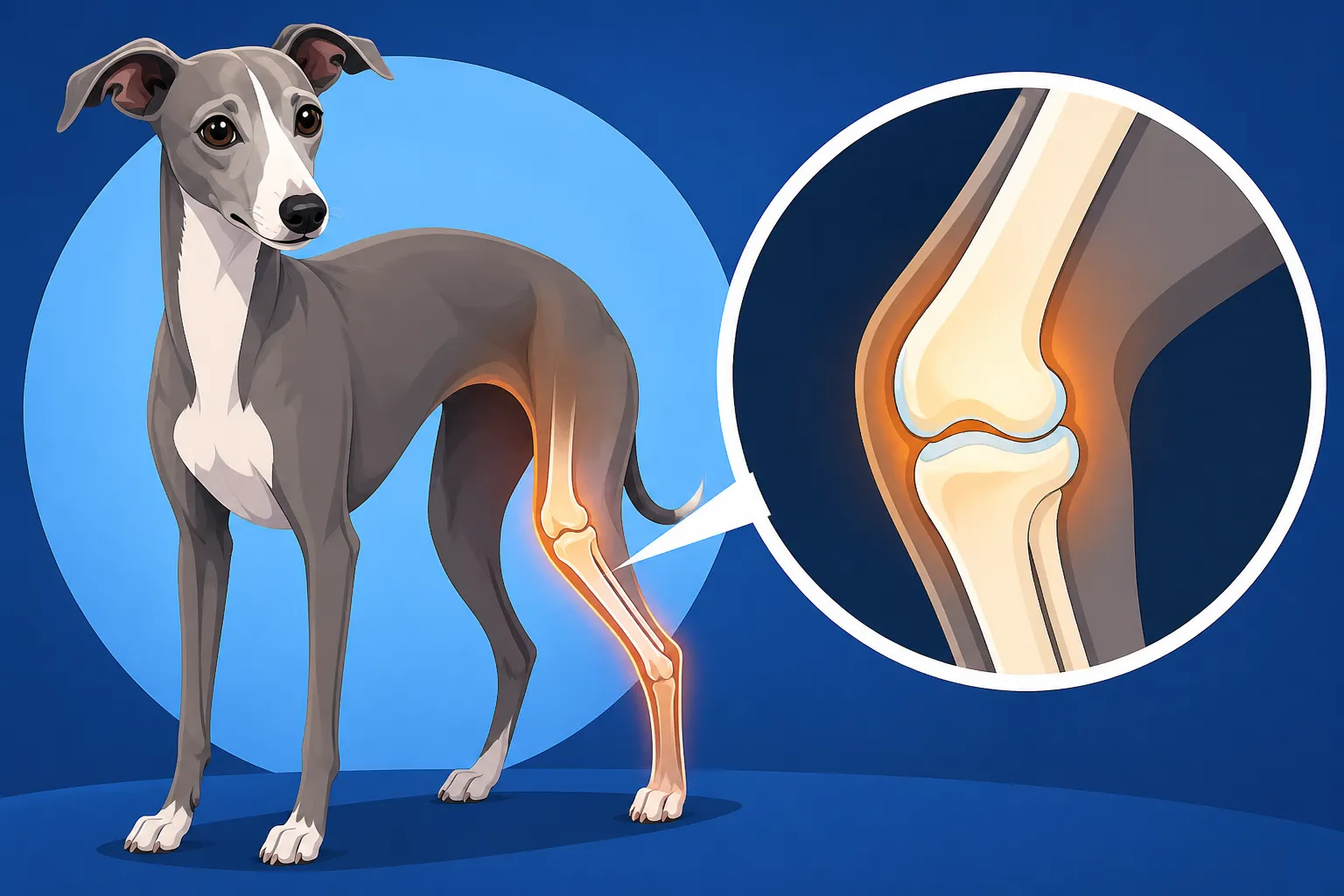
A healed fracture often means a changed gait, even if it's imperceptible to the human eye at first. Your Italian Greyhound might unconsciously shift their weight slightly to favor the healed leg, or perhaps they compensate by putting more pressure on other joints. Over years, this subtle change in load can lead to uneven wear and tear on the joint cartilage, accelerating the degenerative process known as osteoarthritis.
Furthermore, the initial injury and subsequent repair can trigger a persistent low-grade inflammatory response within the joint. Think of it like a quiet ember that never fully goes out. This chronic inflammation slowly erodes cartilage and affects the quality of the synovial fluid, which acts as the joint's natural lubricant. As the cartilage thins and the fluid loses its effectiveness, bone rubs on bone, causing pain, stiffness, and further inflammation. This cycle is what ultimately defines arthritis. Even if How Long an Italian Greyhound Takes to Heal a Fracture feels like a distant memory, the seeds of arthritis might have been sown during that period of trauma and recovery.
Breed Predisposition and Fracture Severity
While Italian Greyhounds are generally a healthy breed with a good lifespan, their delicate bone structure makes them prone to fractures. The severity of the initial break plays a huge role in the likelihood of developing post-traumatic arthritis. A simple, clean break that heals quickly and perfectly might have a lower risk than a comminuted fracture (where the bone shatters into multiple pieces) or a fracture that involves the joint surface itself. The more damage inflicted during the initial injury, and the more complex the repair, the greater the chance of long-term joint complications. It’s why A Broken Leg Is the Emergency Every Italian Greyhound Owner Fears is such a pervasive concern among owners, not just for the immediate crisis but for the potential lifelong impact.
Factors like the dog's age at the time of fracture can also influence the outcome. If your Italian Greyhound sustained a fracture before The Age an Italian Greyhound's Bones Finish Hardening, there's a different set of considerations related to growth plates that can influence long-term joint health. The reality is, even with perfect surgical outcomes, the joint has been through an ordeal, and arthritis can be a silent, slow-developing consequence.
Recognizing the Subtle Signs of Arthritis in Your IG's Healed Leg
Italian Greyhounds are masters of disguise when it comes to pain. Their stoicism, a common trait in sighthounds, means they often don't cry out or show obvious signs of discomfort until the pain is quite advanced. This makes it incredibly challenging for owners to detect the early onset of arthritis, which is often a gradual progression.
Behavioral Changes and Reluctance
The earliest signs of arthritis are almost always subtle shifts in behavior. Your IG might start to hesitate before jumping onto the sofa, whereas before they'd launch themselves without a second thought. They might be less enthusiastic about their morning walk or their beloved zoomies might become shorter and less frequent. Perhaps they're reluctant to use stairs, or they simply move a bit slower getting up from a nap.
Pay close attention to changes in their daily routine. Do they seem stiff after lying down for a while, "warming up" their leg with a few tentative steps before moving normally? Are they less inclined to play with other dogs, or do they yelp unexpectedly if the healed leg is bumped? Some IGs might become more irritable, growling or snapping if touched on the affected area. This is where understanding How an Italian Greyhound Hides Pain becomes critical; you’re looking for nuances, not outright declarations of agony. They might still wag their tail, still eat their food, but their zest for certain activities might diminish.
Physical Indicators
Beyond behavior, there are a few physical cues that can hint at developing arthritis. Stiffness is a hallmark symptom, often most noticeable after periods of rest. Watch your Italian Greyhound closely after they've been sleeping. Do they seem to favor the leg, or does their gait appear uneven for the first few steps? You might notice a subtle lameness that comes and goes, especially after exercise.
Over time, you might also observe muscle atrophy in the affected leg. Because your dog is subconsciously putting less weight on the painful limb, the muscles supporting it can start to waste away. Compare the musculature of the healed leg to the opposite, healthy leg. Another indicator can be increased licking or chewing at the joint, as well as sensitivity to touch in that area. The joint itself might feel slightly warmer to the touch or appear subtly swollen compared to the other side. This careful observation is key to catching arthritis early, and ensuring your IG continues to enjoy Whether an Italian Greyhound Regains Full Use of the Leg for as long as possible.
Seasonal and Environmental Triggers
Just like in humans, arthritis in dogs can be greatly influenced by weather and environment. Many owners report that their Italian Greyhound's arthritic symptoms worsen in cold, damp weather. The stiffness and pain seem to intensify, making them even more reluctant to go outside or even move around indoors. This is due to the cold possibly causing muscles to tense and decreasing blood flow to the joint.
Conversely, some dogs might struggle more in extreme heat due to inflammation. Keeping your home at a comfortable, consistent temperature can make a big difference for an arthritic dog. You might notice they seek out warm spots more often, burrowing under blankets or lying near a heat vent. This is related to general discomfort, as Why an Old Italian Greyhound Feels the Cold More applies to any IG dealing with chronic pain or decreased mobility. Observing these patterns can help you anticipate your dog's needs and adjust their environment accordingly.
| Sign Category | Subtle Signs of Arthritis in Italian Greyhounds | Normal Italian Greyhound Behavior (for comparison) |
|---|---|---|
| Movement | Hesitation before jumping/using stairs, 'warming up' stiffness after rest, subtle lameness after exercise, reduced zoomies. | Agile jumping, quick to rise, smooth gait, frequent playful bursts. |
| Interaction | Increased irritability when touched near affected joint, less interest in play, seeking more solitude. | Affectionate, enjoys petting, eager to play with other dogs/people. |
| Posture/Rest | Shifting weight subtly, favoring one leg, difficulty getting comfortable, excessive licking/chewing at a joint. | Comfortable in various sleeping positions, no obvious favoring of limbs. |
| Environmental | Noticeable worsening of stiffness/pain in cold/damp weather, seeking out warm spots more. | May shiver in cold (normal for IG) but not show specific joint pain. |
Practical Strategies for Managing Arthritis in a Healed IG Leg
Dealing with chronic arthritis can feel overwhelming, especially after you've already navigated the complexities of a fracture. But there are many effective strategies, both medical and holistic, to manage your Italian Greyhound's discomfort and maintain their quality of life. The goal isn't to cure arthritis, but to slow its progression and minimize pain.
Veterinary Care and Diagnostics
Your veterinarian is your primary partner in managing arthritis. If you suspect your Italian Greyhound is developing joint pain, schedule a thorough check-up. Your vet will perform a physical examination, checking for pain, range of motion, and muscle atrophy. They will likely recommend X-rays to assess the joint structure, look for signs of degeneration, and confirm the diagnosis. Sometimes, blood tests might be run to rule out other conditions or to establish baseline health before starting medication.
Treatment often involves a multi-modal approach. Non-steroidal anti-inflammatory drugs (NSAIDs) are commonly prescribed to reduce pain and inflammation. Newer medications, such as Librela, a monoclonal antibody injection, specifically target nerve growth factor involved in pain pathways and can be highly effective with fewer side effects. Additionally, joint supplements containing glucosamine, chondroitin, and MSM can help support cartilage health, though their effectiveness varies. Discuss these options with your vet to find the best regimen for your Italian Greyhound. Remember that the long-term cost of managing chronic conditions can add up, so having pet insurance like Healthy Paws can be incredibly beneficial for covering ongoing vet visits, diagnostics, and medications. This can alleviate the financial strain that comes with complex care, much like the unexpected bills for What Fracture Repair Costs on an Italian Greyhound initially did.
Home Modifications and Support
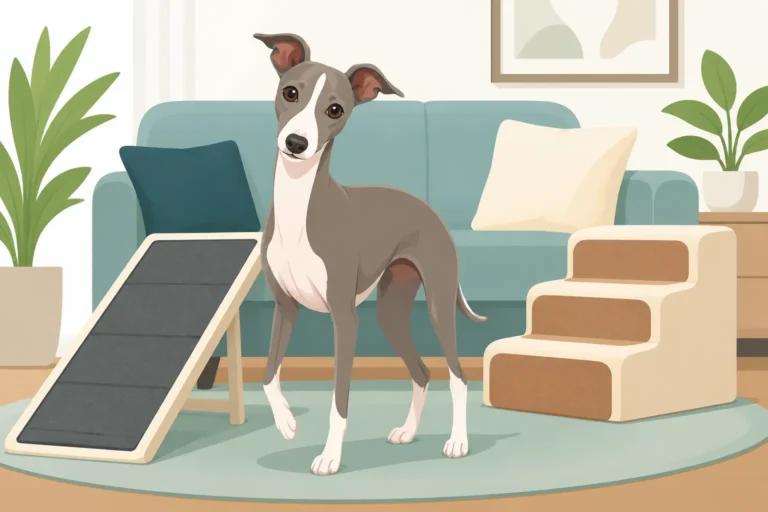
Making simple adjustments to your home environment can significantly improve your Italian Greyhound's comfort. Since jumping can be painful and risky, install ramps or pet steps to allow easy access to sofas, chairs, and beds. This isn't just about preventing new injuries; it's about reducing strain on already compromised joints. Even an orthopedic bed can make a huge difference in how they sleep and how stiff they feel upon waking. These specialized beds, often made with memory foam, distribute weight evenly, reducing pressure on sensitive joints. Consider What an Orthopedic Bed Costs for an Italian Greyhound as an investment in their daily comfort.
Keeping your Italian Greyhound warm is also crucial, especially in cooler months. Their thin skin and minimal body fat mean they get cold easily, which can exacerbate joint pain. Provide cozy sweaters, blankets for burrowing, and ensure their resting spots are away from drafts. Gentle, consistent exercise, such as short, frequent walks on soft surfaces, can help maintain muscle mass and joint flexibility without overstraining the limb. Avoid high-impact activities or prolonged runs that could worsen their condition.
Weight Management and Nutrition
Maintaining an ideal body weight is perhaps one of the most impactful things you can do to manage arthritis. Every extra pound puts additional stress on your Italian Greyhound's joints, accelerating cartilage breakdown and increasing pain. Work with your vet to determine your IG's ideal weight – generally, you should be able to feel their ribs easily without seeing them, and they should have a discernible waist when viewed from above. Regularly checking What an Italian Greyhound Weighs and How to Tell If It Is Right is a good habit.
If your Italian Greyhound is overweight, your vet can help you create a safe and effective weight loss plan, usually involving a controlled diet and appropriate exercise. There are also specialized prescription diets formulated for joint health that include higher levels of omega-3 fatty acids and other joint-supportive ingredients. Incorporating these nutritional changes, alongside prescribed supplements and regular veterinary check-ups, forms a comprehensive approach to managing arthritis. This continuous care, from diet adjustments to medication, is another area where pet insurance such as Healthy Paws can provide much-needed support, easing the burden of ongoing costs and allowing you to focus on your dog's well-being.
Proactive Steps and Long-Term Wellness
Living with an Italian Greyhound who has arthritis in a healed leg requires ongoing vigilance and a willingness to adapt your care routine as their needs change. Arthritis is a progressive condition, meaning it will likely worsen over time, but proactive management can significantly slow this process and maintain a good quality of life.
Ongoing Monitoring and Adaptation
Arthritis management is not a one-time fix; it's a dynamic process. Continue to monitor your Italian Greyhound closely for any changes in their mobility, behavior, or signs of pain. Keep a journal to track good days versus bad days, and note any triggers or activities that seem to worsen their symptoms. This information is invaluable for your veterinarian to adjust treatment plans as needed.
What works today might need tweaking six months from now. As your Italian Greyhound ages, their needs will naturally evolve. Regularly reassess their home environment, their diet, and their exercise routine. You might find they need more frequent, shorter walks, or that a new type of supplement or medication becomes more effective. Embracing the journey of Caring for an Italian Greyhound Past Eleven means being prepared for the increasing likelihood of managing chronic conditions like arthritis, and adapting your care to ensure their golden years are as comfortable as possible.
The Role of Physical Therapy and Hydrotherapy
Beyond medication and home modifications, physical therapy and hydrotherapy can play a vital role in managing arthritis. A certified canine rehabilitation therapist can develop a tailored exercise program designed to strengthen supporting muscles, improve range of motion, and reduce pain without putting undue stress on the joints. These exercises might include gentle stretches, therapeutic massage, balance exercises, or walking over specialized equipment.
Hydrotherapy, which involves exercise in water, is particularly beneficial for arthritic dogs. The buoyancy of the water reduces weight-bearing stress on the joints, allowing your Italian Greyhound to move more freely and build muscle without pain. Many facilities offer underwater treadmills, which allow for controlled, low-impact exercise. These therapies can not only improve physical function but also boost your dog's morale, giving them a sense of activity and independence they might otherwise lose due to pain.
Financial Planning for Chronic Care
The reality of managing a chronic condition like arthritis in an Italian Greyhound is that it can involve significant long-term costs. From ongoing medication and supplements to specialized food, therapeutic services, and regular veterinary check-ups, these expenses can add up. It’s important to budget for these anticipated costs. Many owners find that having pet insurance, such as Healthy Paws, is an indispensable tool for managing the financial aspects of their pet's health. Good policies can cover a substantial portion of vet bills for diagnostics, medications, and rehabilitation therapies, ensuring you can provide the best possible care without constant financial stress. Preparing for these future needs, and understanding options like Whether an Italian Greyhound Needs Joint Support Late, allows you to make decisions based on your dog's well-being rather than your wallet.
Disclaimer
This article is intended for informational purposes only and does not constitute medical advice. Always consult with a qualified veterinarian for any health concerns or before making any decisions about your Italian Greyhound's care, diet, or treatment.