A Broken Leg Is the Emergency Every Italian Greyhound Owner Fears
For Italian Greyhound owners, few thoughts spark more immediate dread than the sudden yelp, the unnatural angle of a tiny leg, and the heartbreaking realization that your beloved companion has broken a bone. It’s a fear rooted in the breed's delicate physiology and their playful, sometimes clumsy nature. This comprehensive guide is here to walk you through everything you need to know about this all-too-common emergency, from prevention to diagnosis, treatment, and recovery, so you can be prepared should the unthinkable happen.
The Fragile Reality: Why Italian Greyhounds Are Prone to Fractures
It’s an unfortunate truth that Italian Greyhounds are notoriously delicate, and their bones are often the first casualty of their exuberance or an unexpected mishap. This isn't a fault of the dog or the owner, but rather a consequence of their unique breed characteristics.
Understanding Their Unique Bone Structure
Italian Greyhounds are sighthounds, bred for speed and agility, which translates into a lean, elegant build with incredibly fine, almost bird-like bones. Specifically, their long, slender limb bones, particularly the radius and ulna in the front legs, are disproportionately thin compared to their length. This anatomical fact makes them inherently more susceptible to fractures than many other breeds. Think of it like a delicate crystal vase compared to a sturdy ceramic mug – both can hold water, but one is far more prone to shattering with a bump.
Unlike some larger breeds that have dense, thick bones built for impact, the Italian Greyhound's bone structure is designed for lightweight speed. While this allows them to perform their characteristic graceful, high-stepping gait, it also means their bones lack the robust density that would offer more protection. You can often feel how fine their leg bones are just by gently touching them. This inherent fragility is a primary reason why you'll often hear discussions about Why an Italian Greyhound's Leg Bones Break So Easily. It’s not just an old wives' tale; it’s a biological reality that every Italian Greyhound owner must acknowledge and manage daily.
Common Scenarios Leading to Breaks
The heartbreaking irony is that Italian Greyhounds often break their legs doing completely normal "dog things," or even just existing in a typical household environment. It’s not always a dramatic accident; sometimes, it's a simple misstep with devastating consequences.
One of the most frequent culprits is jumping off furniture. A sofa that seems perfectly safe for a human or a more robust dog can be a veritable cliff face for an Italian Greyhound. They love to be close to their people, often perching on couches and beds. However, a sudden decision to jump down, especially if they misjudge the distance, land awkwardly, or twist their leg upon impact, can easily result in a spiral fracture of the radius and ulna. This is particularly true for young puppies whose growth plates haven't fully closed. In fact, The Age an Italian Greyhound Is Most Likely to Break a Leg is often during their puppyhood and adolescence when bones are still developing.
Another common scenario involves rough play. While Italian Greyhounds adore playing with each other, or even with other well-matched, gentle dogs, a mismatch in size or play style can be disastrous. A larger, heavier dog can accidentally step on or collide with an Italian Greyhound during play, leading to a break. Even a clumsy human can cause an injury: simply dropping an Italian Greyhound, even from a relatively low height, or accidentally stepping on them, has been the cause of many emergency vet visits. These aren't malicious acts, but rather unfortunate accidents that underscore the need for constant vigilance and creating a safe environment.
Recognizing the Signs of a Broken Leg in Your Italian Greyhound
When a broken leg occurs, those first few moments can be terrifying and confusing. Knowing what to look for can help you react quickly and effectively, minimizing distress for your dog and potentially improving the outcome.
Immediate Visual Cues
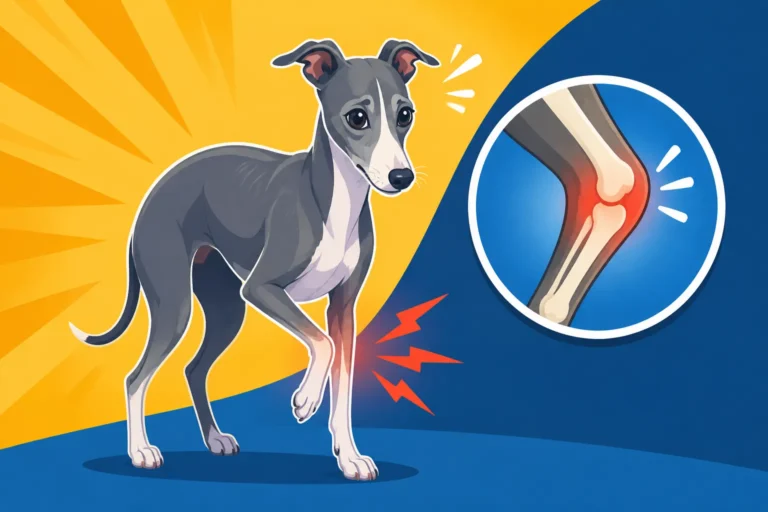
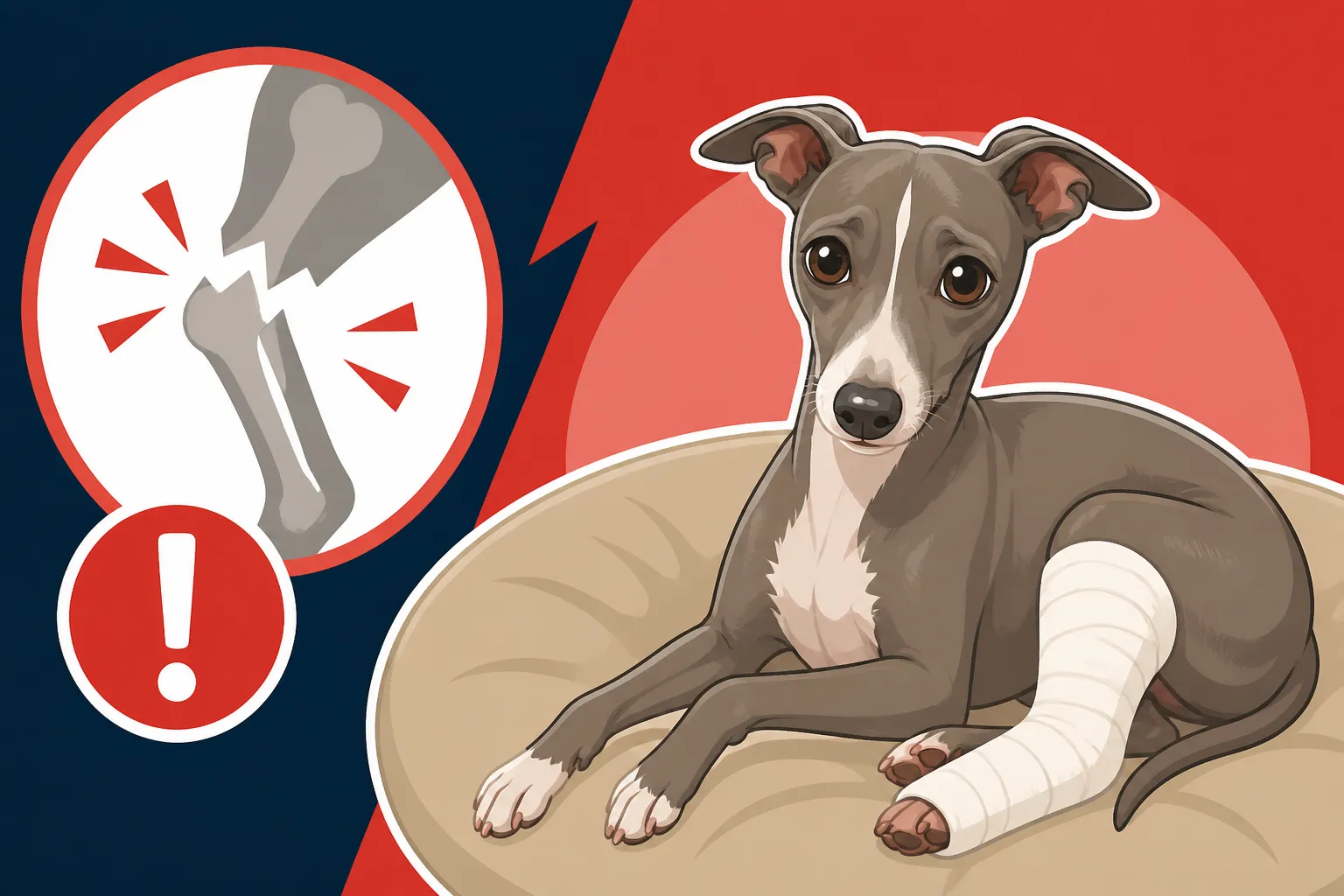
Often, the signs of a broken leg are painfully obvious. The most common and alarming visual cue is immediate lameness, where your Italian Greyhound cannot or will not put any weight on the affected limb. They might hold the leg up, limp severely, or drag it. In more severe cases, you might notice an unnatural angle or bend in the leg, indicating a complete fracture with displacement. Swelling around the injury site can also develop quickly as blood rushes to the area.
Another key indicator is pain. Your Italian Greyhound might yelp, cry, or even scream at the moment of injury. After the initial shock, they might whine, whimper, or show signs of acute distress. They may try to hide, tremble, or become unusually still. While some dogs are stoic, an Italian Greyhound's delicate nature often means their pain is evident. Any sudden, severe lameness coupled with vocalization or visible deformity should be treated as an immediate emergency. It’s crucial not to try and manipulate the leg yourself to "check" for a break, as this can cause further pain and damage. If you're looking for more specific information on what to watch for, you can find detailed descriptions in Signs an Italian Greyhound Has Broken a Leg.
Behavioral Changes and Hidden Pain
What makes diagnosing a broken leg in an Italian Greyhound tricky sometimes is their incredible ability to mask pain. Like many sighthounds, they possess a strong prey drive and an instinct to hide weakness, which can sometimes extend to hiding discomfort. You might see a dog that limps for a moment, then tries to put weight on the leg again, or even runs on it, albeit awkwardly. This can be incredibly deceptive and lead owners to believe the injury is less severe than it is.
Beyond immediate lameness, subtle behavioral changes can also signal a problem. Your usually energetic Italian Greyhound might be reluctant to move, refusing to jump onto furniture they normally access, or shying away from touch. They might refuse food or treats, seem unusually quiet or withdrawn, or even shiver excessively, which can be a sign of pain or shock rather than just being cold. Sometimes, a dog might lick or chew persistently at the injured area, drawing attention to it. Never dismiss these subtle cues, especially if you witnessed a potential accident. Even if they're still moving on it, severe internal damage could be present, necessitating immediate veterinary attention to prevent further complications.
The Crucial First Steps: What to Do (and Not Do) Immediately After a Break
The moments immediately following a suspected broken leg are critical. Your actions (or inactions) can significantly impact your Italian Greyhound's comfort, the extent of the injury, and the overall prognosis. Remaining calm and acting decisively are your best tools.
Safe Handling and Containment
The absolute first priority is to prevent your Italian Greyhound from causing further damage to the injured limb. Their instinct, even with a broken leg, can sometimes be to try and walk or run, especially if they are frightened or in shock. Gently, calmly, and carefully contain your dog in a small, secure space where they cannot move much. A crate or a small, enclosed room is ideal. If you don't have a crate, a small bathroom or laundry room can work. Lay down a soft blanket or bed for comfort.
When moving your Italian Greyhound, lift them slowly and deliberately, supporting their entire body, especially the suspected injured leg. If it's a front leg, support their chest and hindquarters. If it's a back leg, support their abdomen and chest. Avoid pulling or twisting the limb. If possible, have someone else assist you. The goal is to minimize movement of the broken bone to prevent sharp edges from tearing muscle, nerves, or blood vessels, and to reduce pain. Do not attempt to create a homemade splint unless specifically instructed by a vet, as improper application can do more harm than good. Keep them warm with a light blanket, as shock can cause their body temperature to drop.
Preparing for the Emergency Vet Visit
Once your Italian Greyhound is safely contained, immediately call your veterinarian or the nearest emergency veterinary clinic. Describe the incident and your dog's symptoms clearly. They will advise you on the best course of action and prepare for your arrival. Be prepared to answer questions about when the injury occurred, how it happened, and what symptoms you're observing.
While waiting for instructions or traveling to the clinic, continue to keep your dog calm and still. If they are panting heavily or seem very agitated, try to speak to them in a soothing voice. Avoid offering food or water, as they may need sedation or anesthesia for X-rays or immediate treatment. Have their medical records (if easily accessible) ready to take with you, especially if you're going to an unfamiliar emergency clinic. Time is of the essence in these situations. The sooner you get professional help, the better the chances for a successful outcome. Remember, an emergency vet visit, especially for something as serious as a broken leg, needs swift action, and being prepared mentally and practically can make a world of difference.
Navigating the Veterinary Emergency: Diagnosis and Initial Treatment
Arriving at the emergency vet with a suspected broken leg can be incredibly stressful. Understanding the process can help you feel more in control and better advocate for your Italian Greyhound.
Diagnostic Process: X-rays and Assessment
Upon arrival, the veterinary team will immediately assess your Italian Greyhound's overall condition, checking for signs of shock or other injuries. They'll perform a physical examination, gently palpating the leg to locate the pain source and evaluate the extent of swelling and deformity. However, the definitive diagnosis for a broken bone comes from radiographs, commonly known as X-rays.
Your vet will take several X-ray views of the affected limb. These images are crucial for determining the precise location of the fracture, the type of fracture (e.g., simple, comminuted, spiral), and whether the bones are displaced. This information is vital for planning the most appropriate treatment. During this process, your Italian Greyhound may be sedated to ensure they remain still and to minimize pain during positioning for the X-rays. This diagnostic step is not just about confirming a break, but about understanding its specific characteristics, which will dictate whether Whether an Italian Greyhound's Fracture Needs a Plate or another method.
Temporary Stabilization and Pain Management
Once the X-rays confirm a fracture, the immediate focus shifts to stabilizing the limb and managing your dog's pain. Pain management is paramount, not only for your Italian Greyhound's comfort but also to prevent further stress and complications. They will likely receive injectable pain medication, which can include opioids or NSAIDs (non-steroidal anti-inflammatory drugs), to alleviate their discomfort quickly.
Temporary stabilization often involves applying a splint or a soft bandage. This isn't usually a definitive treatment, but rather a way to immobilize the limb for transport to a specialist or until definitive surgery can be performed. Italian Greyhounds, with their delicate skin and bone structure, require careful application of these temporary measures to avoid pressure sores or further injury. The temporary splint helps to keep the bone fragments from moving and causing more soft tissue damage. Your vet will explain the next steps, which almost always involve consulting with or referring you to a board-certified veterinary orthopedic surgeon, as Italian Greyhound fractures are complex and require specialized expertise.
Understanding Fracture Repair Options for Italian Greyhounds
Treating a broken leg in an Italian Greyhound is rarely simple. Due to their unique anatomy, merely casting the leg is often insufficient, and surgical intervention is frequently necessary for a successful recovery.
Surgical Plating: The Gold Standard
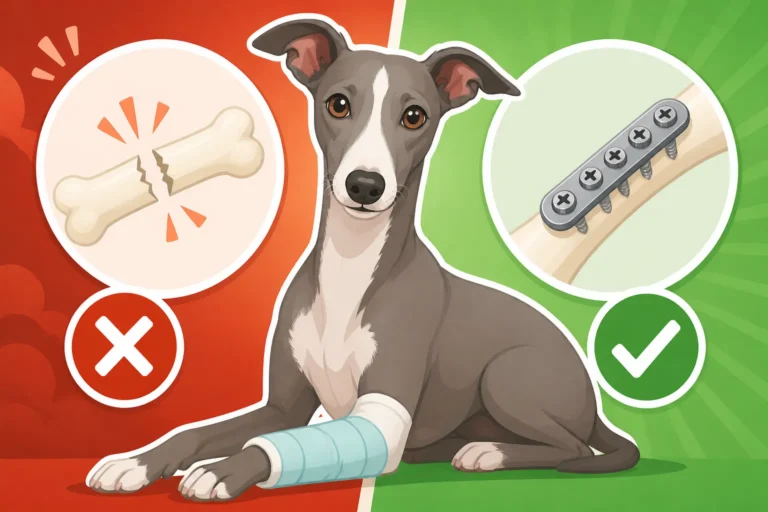
For most Italian Greyhound limb fractures, particularly those involving the radius and ulna, surgical repair using plates and screws is considered the gold standard. This procedure involves a veterinary orthopedic surgeon meticulously realigning the broken bone fragments and then securing them with a small metal plate attached to the bone using multiple screws. This provides rigid internal fixation, stabilizing the fracture completely and allowing the bone to heal in the correct anatomical position.
Why is this method so often recommended? Italian Greyhounds have very little muscle and fat padding over their lower limb bones, meaning casts can easily slip, rub, and cause severe skin irritation or pressure sores. Furthermore, their bones are so fine that casts rarely provide adequate stability for complex fractures, leading to non-union or improper healing. Surgical plating bypasses these issues by fixing the bone internally. This method offers the best chance for complete healing, proper limb function, and minimizing the risk of re-injury. However, it's a highly skilled procedure, requiring a specialist surgeon experienced with toy breeds and sighthounds.
External Fixators and Other Methods
While plating is often preferred, sometimes an external fixator might be used. This involves pins inserted through the skin and bone, connected to an external frame outside the leg. External fixators can be useful for certain types of open fractures or when extensive soft tissue damage is present. They allow for easy wound care while still immobilizing the bone. However, external fixators also require meticulous care to prevent pin-tract infections and can be cumbersome for the dog and owner.
You might also wonder about simple casts, but as mentioned, for an Italian Greyhound, Why a Cast Rarely Holds on an Italian Greyhound is a critical consideration. Their narrow, tapered legs, coupled with their thin skin and active nature, make cast management extremely challenging. In most cases, a cast alone is reserved for very simple, stable fractures or as a temporary measure before surgery. The choice of repair method is a complex decision made by the orthopedic surgeon based on the fracture type, location, severity, and the individual dog's health.
The Cost and Importance of a Specialist Surgeon
Let's be blunt: repairing a broken leg in an Italian Greyhound is expensive. It's a major surgery requiring specialized equipment, anesthesia, a highly skilled surgical team, and extensive post-operative care. What Fracture Repair Costs on an Italian Greyhound can range from several thousand dollars to upwards of ten thousand, depending on the complexity of the fracture, the region, and the duration of hospitalization. This financial burden is one of the main reasons many owners consider pet insurance. Providers like Healthy Paws can be a lifesaver in these unexpected, costly situations, helping to cover a significant portion of the surgical and follow-up expenses.
The importance of choosing a board-certified veterinary orthopedic surgeon cannot be overstated. These are specialists who have undergone extensive additional training beyond veterinary school, focusing specifically on bone and joint disorders. They have the expertise and experience with complex fractures in small, delicate breeds like Italian Greyhounds. While it might be tempting to opt for a less expensive general practitioner, the intricacies of Italian Greyhound bones often demand the precision and specialized knowledge of an orthopedic surgeon to achieve the best possible outcome and minimize complications. Don't be afraid to ask for their credentials and experience with Italian Greyhound fractures; it’s your right as an owner to ensure your beloved pet receives the best care.
The Long Road to Recovery: Post-Surgery Care and Rehabilitation
Once the surgery is complete, the immediate crisis might be over, but the real work of recovery truly begins. This phase is crucial for successful healing and requires immense dedication and patience from the owner.
Strict Crate Rest and Confinement
This is perhaps the most challenging, yet absolutely critical, part of post-operative care for an Italian Greyhound with a mended leg. Your surgeon will prescribe strict crate rest, which means your dog must be confined to a small crate or pen for several weeks, sometimes even months, with only supervised leash outings for potty breaks. This stringent restriction of movement is vital to allow the bone to heal without disruption. Any jumping, running, or twisting could cause the hardware to fail, the bone fragments to shift, or even the newly forming bone callus to break, leading to a disastrous setback and potentially requiring further surgery.
Imagine a tiny, energetic Italian Greyhound, normally a blur of motion, suddenly confined. It's incredibly tough for them, and equally tough for you, the owner. They will likely be frustrated, bored, and may even test the boundaries. This is where your patience, consistency, and creative distraction come into play. Provide plenty of puzzle toys, soft chew toys, and gentle mental stimulation within the confines of their crate. Ensure they have a comfortable, well-padded bed to prevent pressure sores. For a deeper dive into this demanding period, refer to How Long an Italian Greyhound Stays Crated After Surgery. It truly is a marathon, not a sprint.
Rehabilitation and Physical Therapy
Once the initial healing phase is underway and your surgeon gives the green light, physical rehabilitation becomes a vital component of recovery. Just like in humans, proper physical therapy helps to restore strength, range of motion, and muscle mass that may have atrophied during confinement. A certified canine rehabilitation therapist can design a tailored program for your Italian Greyhound.
This program might include passive range of motion exercises (where the therapist gently moves the leg), massage to reduce swelling and improve circulation, therapeutic exercises to strengthen muscles, and hydrotherapy (underwater treadmill) which allows for weight-bearing exercise without full impact. These sessions are gradually intensified as your dog progresses. The goal is not just to heal the bone, but to ensure the leg regains full function and your Italian Greyhound can return to their normal activities as safely as possible. Neglecting rehabilitation can lead to stiffness, weakness, and a less optimal outcome. The commitment to physical therapy significantly increases the chances that Whether an Italian Greyhound Regains Full Use of the Leg is a resounding yes.
Preventing Re-Injury and Long-Term Considerations
Even after complete healing, the focus must shift to preventing re-injury. The surgically repaired leg, while strong, may not be as resilient as it once was, and the risk of breaking the other leg often increases if the dog overcompensates. Creating a "fracture-proof" home environment is crucial for the rest of your Italian Greyhound's life.
This means installing Ramps and Steps for an Italian Greyhound's Furniture, ensuring non-slip rugs on hard floors, and generally minimizing opportunities for high-impact jumps or falls. Continue to supervise play, especially with larger dogs, and always be mindful of where your Italian Greyhound is when you are moving around. Long-term, many Italian Greyhounds who have undergone fracture repair may develop arthritis in the affected joint as they age. Your vet might recommend joint supplements, anti-inflammatory medications, or continued low-impact exercise to manage this. Staying proactive and attentive to their movement and comfort levels is key to their long-term well-being.
Proactive Prevention: Safeguarding Your Italian Greyhound's Delicate Legs
While accidents can and do happen, a significant portion of Italian Greyhound leg breaks are preventable. Being proactive and implementing safety measures in your home and daily routines can drastically reduce the risk of this devastating injury.
Modifying the Home Environment
The single most impactful step you can take is to make your home a safe haven for your Italian Greyhound's delicate legs. This primarily involves addressing their love of heights and their tendency to jump. Invest in dog ramps or steps for all furniture that your Italian Greyhound is allowed on, especially beds and sofas. Teach them to use these aids consistently from a young age. This eliminates the dangerous jumps down that are responsible for so many fractures.
Another critical area is flooring. Hardwood, tile, and laminate floors, while beautiful, offer little traction for an Italian Greyhound's fine paws, leading to slips and falls that can cause injuries. Lay down non-slip rugs or runners, particularly in high-traffic areas and around furniture. Consider gating off stairs if your dog is prone to zooming up and down them. Regularly trim their nails so they have better grip. While the initial investment in ramps, steps, and rugs might seem like a lot, consider What an Italian Greyhound Costs Over Fifteen Years and then compare it to What Fracture Repair Costs on an Italian Greyhound. The cost of prevention pales in comparison to the emotional and financial toll of a broken leg.
Safe Play and Socialization
Italian Greyhounds are playful by nature, but their playtime needs careful supervision. Roughhousing with larger, heavier dogs is a recipe for disaster. A single accidental stomp, body slam, or even a playful nip that causes a sudden twist can result in a fracture. It's often said that Why an Italian Greyhound Puppy Should Not Wrestle Big Dogs is a crucial lesson for new owners. While adult Italian Greyhounds are slightly less fragile than puppies, the risk remains significant.
Encourage play with other Italian Greyhounds or similarly sized and tempered dogs. Supervise all interactions closely, especially at dog parks, which can be chaotic environments. Teach your dog safe play etiquette. If your Italian Greyhound loves to zoom, find secure, enclosed areas with soft surfaces (like grass or sand) where they can safely express their natural speed without risk of collisions or falls on hard ground. Never allow them to jump off high structures or play unsupervised in areas with potential hazards.
Nutritional Support and Weight Management
While diet alone can't make bones unbreakable, proper nutrition plays a vital role in overall bone health. Feed your Italian Greyhound a high-quality, balanced diet formulated for small breeds. Ensure it contains appropriate levels of calcium and phosphorus, as well as Vitamin D, which are essential for strong bones. However, resist the urge to over-supplement calcium, especially in puppies, as this can lead to developmental bone problems. Always consult your vet before adding supplements.
Maintaining a healthy weight is also paramount. An overweight Italian Greyhound puts extra stress on their delicate skeletal system, increasing the risk of fracture if they fall or jump awkwardly. Conversely, an underweight dog might have weaker bones and less protective muscle mass. Regularly monitor your Italian Greyhound's weight and body condition. You should be able to easily feel their ribs, but they shouldn't be visibly protruding. If you're unsure, ask your vet for guidance on their ideal weight. Remember, bone development continues for some time after birth, and The Age an Italian Greyhound's Bones Finish Hardening is generally around 12 to 18 months, making this period particularly critical for growth and careful management. By implementing these preventative measures, you significantly reduce the chances of ever facing the emergency of a broken leg, allowing you and your Italian Greyhound to enjoy many happy, healthy years together.
Disclaimer
Please note that the information provided in this article is for general informational purposes only and does not constitute veterinary medical advice. Always consult with a qualified veterinarian for any health concerns or before making any decisions related to your Italian Greyhound's health and treatment. In case of an emergency, contact your veterinarian or a local emergency veterinary clinic immediately.