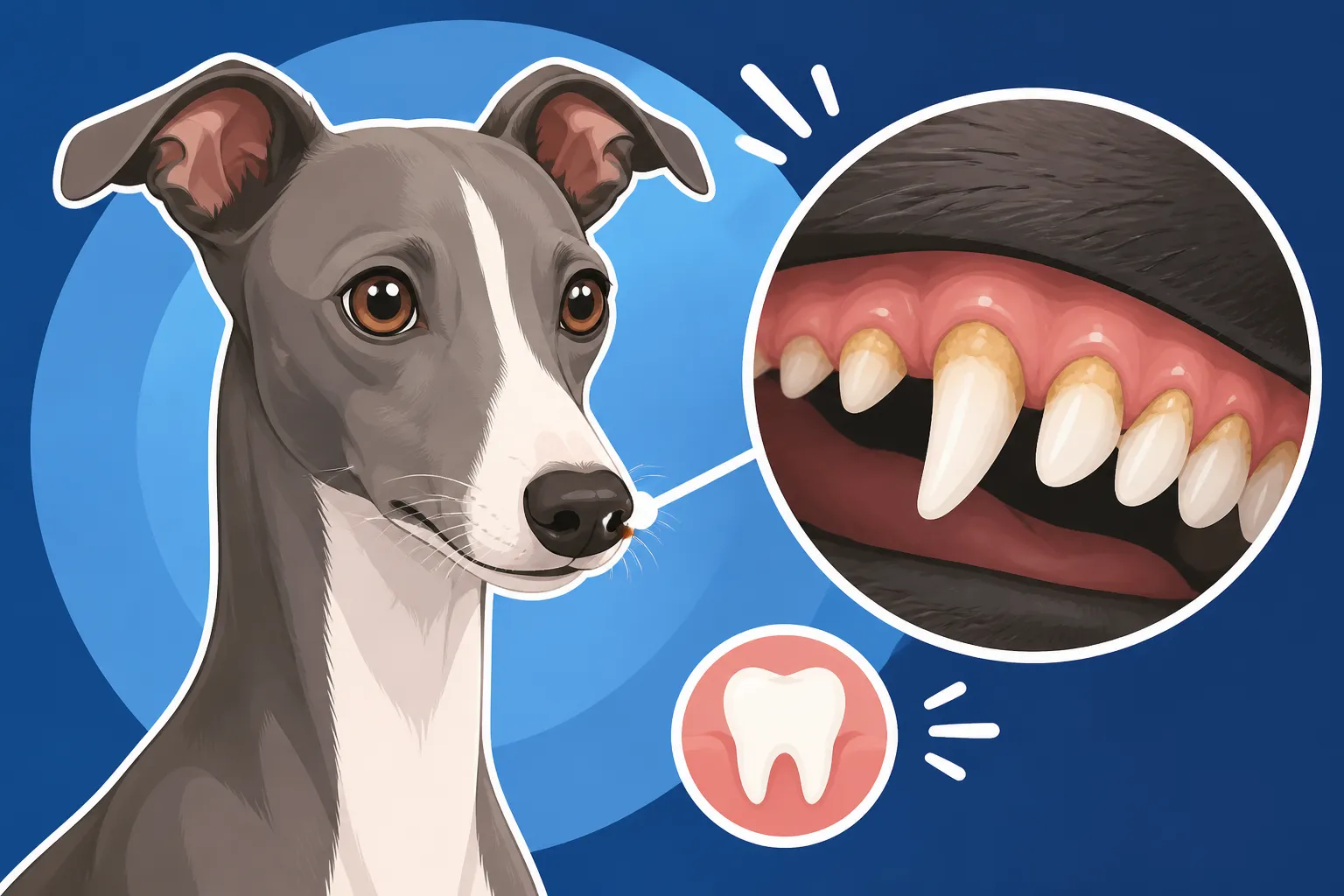
How Early Tartar Appears on an Italian Greyhound
It's a common, disheartening surprise for many Italian Greyhound owners: you blink, and suddenly your beloved pup's pearly whites are developing a tell-tale yellowish film. This isn't just an aesthetic issue; early tartar formation is a significant health concern for our delicate Iggies. This comprehensive guide will explore why Italian Greyhounds are so susceptible to early tartar buildup, what to look for, and crucial steps you can take to protect their precious smiles.
The Unsettling Reality of Early Tartar in Italian Greyhounds
For many of us who adore Italian Greyhounds, their elegant, slender build often overshadows the unique health challenges they face, and dental health is right at the top of that list. It can feel like you just brought your little angel home, and before you know it, those sparkling puppy teeth are already showing signs of trouble. This isn't your imagination; Italian Greyhounds are indeed predisposed to developing tartar at an alarmingly young age compared to many other breeds.
Italian Greyhounds and Their Unique Dental Challenges
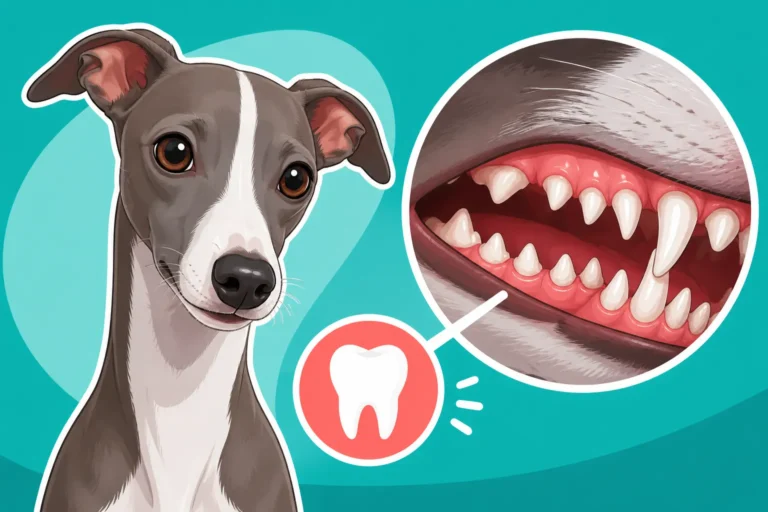
The inherent structure of an Italian Greyhound's mouth sets them up for dental issues from the get-go. Their long, narrow muzzles, while undeniably beautiful, often lead to overcrowded teeth. Imagine trying to fit too many chairs around a tiny table – that's often what's happening inside an Iggy's mouth. When teeth are packed too closely together, they create crevices and areas that are incredibly difficult to clean, even with diligent brushing. Food particles, bacteria, and saliva combine to form plaque, which then hardens into tartar. This overcrowding is a primary reason that Why an Italian Greyhound's Teeth Crowd is such a critical topic for owners to understand. It's a genetic lottery, unfortunately, and our Iggies often draw the short straw in the dental department.
Spotting the First Signs of Tartar Buildup
So, what does this early tartar look like? It often starts as a subtle yellow or light brown discoloration, typically along the gum line, especially on the outer surfaces of the canine teeth and the premolars and molars further back in the mouth. You might not notice it at first glance, but if you gently lift your Iggy's lip and take a closer look, you'll see a faint film or a gritty texture. It’s not just "dog breath" – it's a specific, often unpleasant odor that signals bacterial growth. Don't confuse this with the slightly sour smell of a normal dog's breath; this is distinctly bad breath, a key indicator that What Bad Breath Means in an Italian Greyhound is happening. As it progresses, the discoloration becomes more pronounced, turning a darker brown or even black, and you might start to see visible chunks of hardened calculus.
Why Early Tartar is More Than Just a Cosmetic Concern
It's easy to dismiss a bit of yellowing on teeth as simply an aesthetic issue, especially when your Italian Greyhound is otherwise healthy and playful. However, with Iggies, early tartar is a significant red flag. This isn't just about pretty teeth; it’s about their overall health and comfort. Tartar provides a rough surface for even more bacteria to latch onto, leading to inflammation of the gums – gingivitis. If left unchecked, this inflammation can progress into full-blown periodontal disease, which is painful and irreversible. This progression can significantly impact their quality of life, making eating uncomfortable, and leading to much more serious health problems.
What Makes Italian Greyhounds So Prone to Rapid Tartar Accumulation
It truly feels unfair sometimes, doesn't it? While other breeds seem to go years without needing significant dental intervention, our Italian Greyhounds appear to develop issues almost overnight. Understanding the underlying reasons can help us be more proactive and, frankly, cut ourselves some slack for not magically preventing it.
Anatomy of a Delicate Mouth: Crowding and Jaw Structure
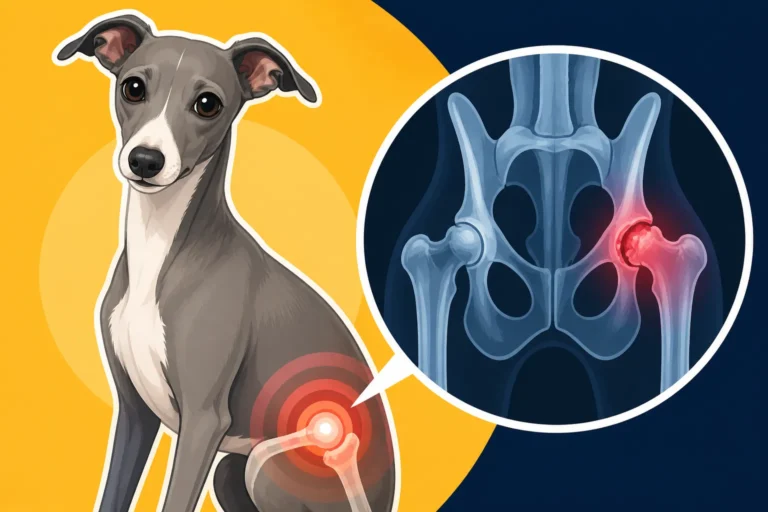
As we touched on earlier, the unique skull and jaw structure of the Italian Greyhound is a major culprit. Their jaws are slender and delicate, meaning the roots of their teeth are often less securely anchored than in larger, more robust breeds. When teeth are crowded, they don't have the natural "self-cleaning" action that can occur with proper spacing. This creates perfect little pockets where plaque and tartar can accumulate undisturbed, feeding bacteria and leading to rapid decay. It's a cruel irony that such a fragile bone structure, which also makes them susceptible to Why an Italian Greyhound's Leg Bones Break So Easily, also contributes to their extensive dental woes. This anatomical predisposition makes preventative care not just important, but absolutely essential.
The Role of Diet and Chewing Habits
While many dog food manufacturers market specific kibbles as "dental health" formulas, the reality for Italian Greyhounds can be a bit different. Hard kibble can help scrape some plaque off the teeth of some dogs, but for Iggies with crowded mouths, it often just crumbles, leaving bits stuck in those tight spaces. Wet food or softer diets can be even worse if not followed by diligent cleaning, as they offer little to no abrasive action.
Furthermore, an Iggy's chewing habits might not be as robust as a power-chewing breed. They might not be as enthusiastic about hard dental chews or toys that could otherwise help mechanically remove plaque. If your Iggy is a dainty eater or just not a big chewer, they're missing out on one of nature's ways of keeping teeth cleaner. Many owners wrestle with how to encourage their Iggies to chew safely without risking a dental fracture or injury to their delicate jaws.
Environmental Factors and Lack of Consistent Home Care
Let's be honest, life gets busy. It's easy to let daily routines slide, and tooth brushing can often be one of the first things to fall by the wayside. For Italian Greyhounds, skipping even a few days can allow plaque to start hardening into tartar. Unlike larger breeds, where weekly brushing might still offer some benefit, an Iggy's predisposition means they truly need consistent, almost daily, home dental care.
Other environmental factors can also play a subtle role. If your Iggy frequently chews on hard toys or objects not designed for dental health, tiny microfractures can occur, providing more surfaces for bacteria to adhere to. Even the water they drink can contribute; some tap water can contain minerals that accelerate tartar formation, though this is a less common factor than the internal biological predispositions. The key takeaway here is that an Italian Greyhound's mouth doesn't forgive neglect, and every day counts when it comes to keeping those teeth clean.
Strategies for Preventing and Managing Early Tartar
Feeling a bit overwhelmed by the challenges? Don't worry, you're not alone. The good news is that while Iggies are prone to tartar, there are concrete, actionable steps you can take to slow down its progression and keep their mouths healthier for longer.
Establishing an Effective Daily Dental Routine
This is the cornerstone of preventing early tartar. Brushing your Italian Greyhound's teeth daily is truly the gold standard. Yes, daily. It might sound like a chore, but once you get into a routine, it becomes quick and easy.
Here’s a brief breakdown:
| Step | Description |
|---|---|
| Choose the Right Tools | Use a soft-bristled toothbrush designed for small dogs, or even a finger brush if that’s easier. Crucially, use enzymatic pet toothpaste – never human toothpaste, which contains fluoride that is toxic to dogs. |
| Start Slowly | Don't expect perfection on day one. Introduce the toothbrush and toothpaste gradually. Let them lick the toothpaste off the brush first. Gently rub their gums with your finger. Build up to short brushing sessions. |
| Focus on Key Areas | Prioritize the outer surfaces of the upper canine teeth and molars, as these are where tartar tends to build up fastest. Don't forget the gum line! |
| Positive Reinforcement | Make it a positive experience with praise and a small, healthy treat afterward. This helps them associate brushing with good things. |
| Consistency is Key | Even if you can only manage 30 seconds, doing it daily is far more effective than an hour-long session once a week. |
For more detailed guidance, be sure to check out Brushing an Italian Greyhound's Teeth Every Day. It provides an in-depth look at making this vital task manageable and even enjoyable for both you and your Iggy.
The Importance of Regular Veterinary Check-ups
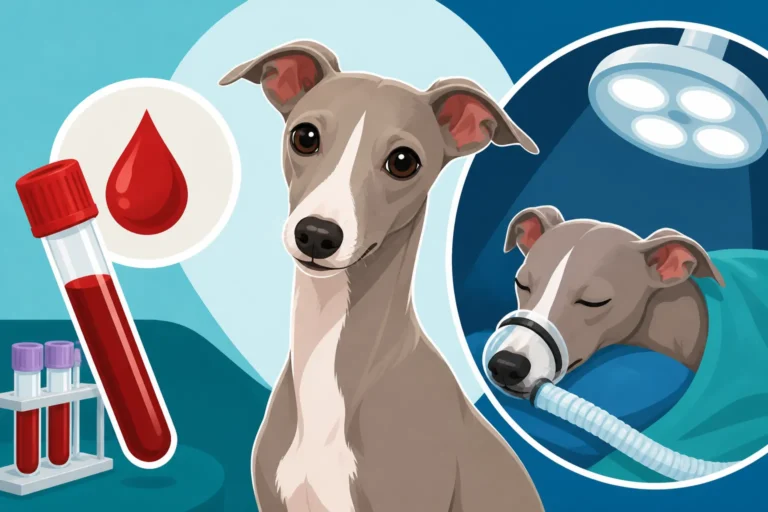
Even with the most diligent home care, professional dental cleanings under anesthesia will likely be necessary at some point for an Italian Greyhound. Many vets recommend starting annual dental evaluations as early as one or two years old for Iggies, rather than waiting for signs of advanced disease. During these check-ups, your vet can identify early signs of tartar, gingivitis, or even more serious issues like retained baby teeth (Retained Baby Teeth in an Italian Greyhound) or fractured teeth.
A professional cleaning allows your vet to thoroughly scale away all plaque and tartar, both above and below the gum line, and polish the teeth. This is something impossible to achieve at home, and it’s critical for preventing the progression to periodontal disease. It's also worth investigating pet insurance options like Healthy Paws, which can help mitigate the financial shock of extensive dental work down the line, especially given how common these issues are in the breed. Understanding How Often an Italian Greyhound Needs a Dental Cleaning is a conversation you should have with your veterinarian sooner rather than later.
Navigating Dental Products and Supplements
Beyond brushing, there are other products that can offer supplementary support, but it's important to approach them with realistic expectations and vet consultation.
- Dental Chews: Some dental chews are formulated with ingredients that help reduce plaque and tartar, or have shapes designed to scrape teeth. Look for products approved by the Veterinary Oral Health Council (VOHC). However, always supervise your Iggy with chews, as some can be too hard and risk tooth fracture, or can be ingested too quickly, leading to digestive upset. They are a supplement, not a replacement for brushing.
- Water Additives: These products contain enzymes or anti-bacterial agents that can help reduce bacteria in the mouth. They are generally safe and easy to use, simply added to your dog's drinking water. Again, they offer a helping hand, but won't solve severe tartar issues alone.
- Oral Gels and Wipes: These can be useful for Iggies who are highly resistant to toothbrushes. Applied directly to the gums and teeth, they can help reduce bacteria and plaque. While not as effective as brushing, they are better than doing nothing at all.
- Dietary Supplements: Some supplements contain ingredients like probiotics or specific enzymes aimed at promoting oral health. Always discuss these with your vet before introducing them, especially if your Iggy has other health conditions.
Remember, no single product is a magic bullet. A multi-faceted approach, with daily brushing at its core, is the most effective way to combat early tartar in Italian Greyhounds.
Understanding the Long-Term Health Implications of Tartar
It's tempting to think of tartar as just a cosmetic issue, but for Italian Greyhounds, neglecting early tartar can quickly lead to a cascade of painful and costly health problems that extend far beyond their mouth.
The Path from Tartar to Periodontal Disease
If early tartar is left to accumulate, it hardens and creates a rough, porous surface that attracts even more bacteria. These bacteria then work their way under the gum line, causing inflammation (gingivitis). As the inflammation worsens, the gums become red, swollen, and prone to bleeding. This is the first stage of periodontal disease. From there, the bacteria begin to destroy the supporting structures of the teeth – the periodontal ligament and the bone. This leads to gum recession, loose teeth, and eventually, tooth loss.
This progression is incredibly painful for your dog, even if they try to hide it (which Italian Greyhounds are excellent at doing). Periodontal Disease Is the Italian Greyhound's Most Common Diagnosis for a reason; it's a constant battle for many owners. Once periodontal disease sets in, it’s irreversible, and the only way to manage it is through repeated professional cleanings, potentially extractions, and ongoing home care to prevent further progression.
Impact on Overall Health Beyond the Mouth
The bacteria thriving in an Italian Greyhound's diseased mouth don't stay confined to the oral cavity. They can enter the bloodstream and travel to major organs, causing systemic infections and inflammation. This is not a theoretical risk; it's a well-documented medical reality.
- Heart Disease: Bacteria from periodontal disease can colonize the heart valves, leading to a condition called endocarditis, which weakens the heart and can be life-threatening.
- Kidney Disease: The kidneys filter waste from the blood, and when constantly bombarded with bacteria from dental infections, they can become damaged over time, leading to chronic kidney disease.
- Liver Disease: Similarly, the liver can be affected by the constant presence of bacterial toxins, compromising its function.
- Jaw Fractures: Because Italian Greyhounds have such delicate jawbones, severe periodontal disease can actually weaken the jaw to the point where simple actions like chewing can lead to a fracture. This is a devastating and painful complication.
This is precisely why How Dental Disease Shortens an Italian Greyhound's Life is not an exaggeration. The impact of poor oral health can shave years off their precious lives and lead to a diminished quality of life filled with discomfort and illness.
The Financial and Emotional Cost of Neglected Dental Health
Beyond the physical pain and systemic health risks to your Iggy, there's a significant financial and emotional toll on you, the owner. Preventing tartar buildup through diligent home care and regular professional cleanings is always more affordable than treating advanced periodontal disease.
Consider the costs:
- Routine Professional Cleaning: A standard cleaning, including anesthesia, bloodwork, and dental X-rays, can range from $500 to $1,000 or more, depending on your location and vet.
- Extractions: If teeth need to be extracted due to severe disease, the cost per tooth can add hundreds of dollars to the bill, easily pushing a single dental procedure into the multi-thousand-dollar range.
- Specialist Care: In complex cases, you might need a veterinary dental specialist, which carries an even higher price tag.
- Ongoing Medications: Managing pain and infection post-surgery or for chronic issues adds to recurring costs.
Proactive care not only saves your Iggy from discomfort but can also prevent costly procedures that even comprehensive pet insurance plans, such as those from Healthy Paws, might have waiting periods or limitations on for pre-existing conditions. The emotional cost of seeing your beloved companion in pain, undergoing multiple surgeries, or facing serious systemic diseases is immeasurable. Ultimately, understanding how early tartar appears and acting swiftly is one of the most loving and responsible things you can do for your Italian Greyhound.
Disclaimer
This article is for general informational purposes only and does not constitute professional advice. Laws, prices and regulations vary by location and change over time. Consult a qualified professional for guidance on your specific situation.