Legg Calve Perthes Turns Up in an Italian Greyhound at Six Months
Finding your playful Italian Greyhound puppy suddenly limping, holding up a back leg, or crying out in pain around six months old can be utterly terrifying and heartbreaking. It’s a common and devastating scenario that leaves many owners feeling helpless and desperate for answers. This comprehensive guide will walk you through understanding Legg-Calve-Perthes disease, a condition often seen in Iggies, from recognizing its subtle signs to navigating diagnosis, treatment options, and long-term care to ensure your beloved companion gets back on their paws.
Understanding Legg-Calve-Perthes Disease: What It Is and Why It Happens
When your energetic Italian Greyhound puppy suddenly starts acting differently, perhaps reluctant to jump or run, or showing a distinct lameness, your mind races through all the possibilities. Could it be a sprain? A fall you didn't see? For many Italian Greyhound owners, especially when these symptoms appear around six months of age, the underlying culprit can be Legg-Calve-Perthes disease, often shortened to LCP. This isn't just a simple pulled muscle; it's a serious condition affecting the hip joint that requires prompt attention.
The Breakdown of the Femoral Head
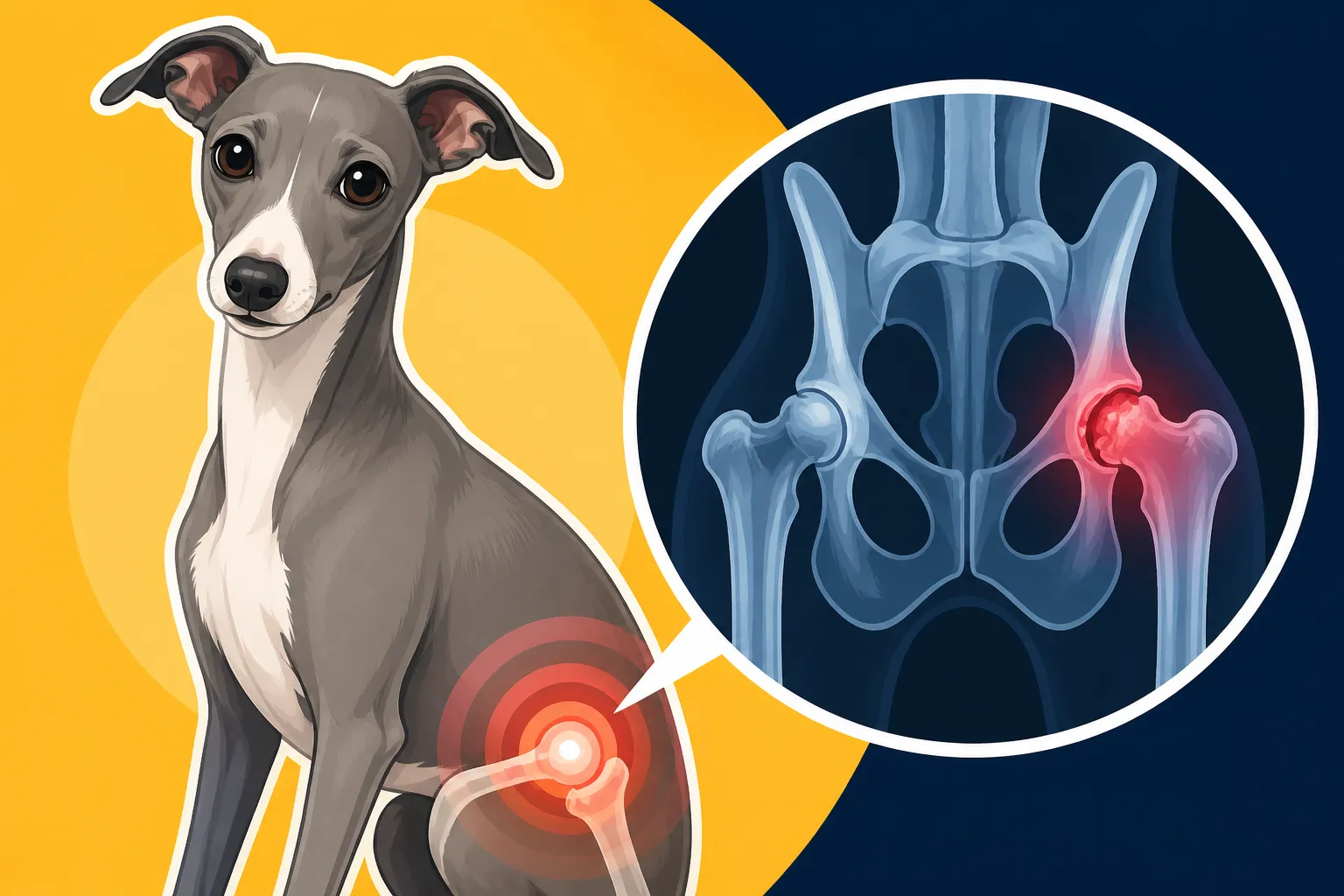
At its core, Legg-Calve-Perthes disease involves the spontaneous degeneration of the head of the femur, which is the ball part of the ball-and-socket hip joint. Imagine the hip joint as a perfectly smooth, well-lubricated ball (the femoral head) sitting snugly in a cup (the acetabulum of the pelvis). In LCP, for reasons that aren't fully understood, the blood supply to this femoral head temporarily falters or is interrupted. Without proper blood flow, the bone cells in the femoral head begin to die, leading to necrosis. This dead bone then weakens, collapses, and starts to deform.
As the femoral head deteriorates, the once smooth, round surface becomes rough, flattened, and irregular. This drastically affects the joint's ability to move freely and without pain. Each movement causes friction, grinding, and inflammation, leading to the severe discomfort and lameness that owners observe. It's a painful process that progressively worsens if left untreated, making even simple actions like standing or walking excruciating for your little companion. The disease typically affects one hip, but in about 10-15% of cases, both hips can be affected, compounding the challenge for both dog and owner.
Why Italian Greyhounds Are Particularly Susceptible
It's a cruel twist of fate that our delicate Italian Greyhounds, known for their athleticism and zest for life, are among the breeds prone to LCP. While the exact cause remains elusive, a strong genetic component is suspected, particularly in smaller toy breeds like Italian Greyhounds, West Highland White Terriers, Miniature Poodles, and Yorkshire Terriers. This isn't something you caused or could have prevented through different care or diet. It’s often an inherited predisposition that manifests as puppies grow.
The disease typically presents in puppies between 4 to 12 months of age, with six months being a very common time for symptoms to become noticeable. This is a crucial developmental stage where their bones are growing rapidly and hardening. Because of their delicate bone structure and genetic lineage, Italian Greyhounds seem to have a higher likelihood of inheriting this predisposition, making it a condition every IG owner should be aware of. If you have an Italian Greyhound puppy, understanding The Age Legg Calve Perthes Shows in an Italian Greyhound is incredibly important for early detection. It's a condition that can catch even the most vigilant owner off guard, transforming a joyous puppyhood into a period of worry and pain if not addressed correctly.
Recognizing the Early Signs of LCP in Your Italian Greyhound Puppy
The sudden change in your Italian Greyhound puppy's demeanor and movement can be incredibly distressing. One day they're zipping around the living room, performing their signature "zoomies," and the next, they're hesitant, favoring a leg, or even crying out. Pinpointing the exact moment LCP begins can be tricky, as its onset is often gradual before progressing to more noticeable symptoms. However, being attuned to subtle shifts in your IG's behavior and mobility is key to early detection.
The Tell-Tale Limp and Muscle Wasting
The most prominent sign of Legg-Calve-Perthes disease is, without a doubt, a noticeable limp or lameness in one of the hind legs. This limp can start intermittently—maybe you only notice it after a long play session, or when your puppy first gets up after a nap. Over time, however, it usually becomes more consistent and severe. Your Italian Greyhound might hold the affected leg up completely, or just put minimal weight on it, often described as a "toe-touching" lameness. This can also appear quite suddenly, making you wonder what happened. If you’re seeing this, you’ll want to look at How Suddenly an Italian Greyhound Starts Limping.
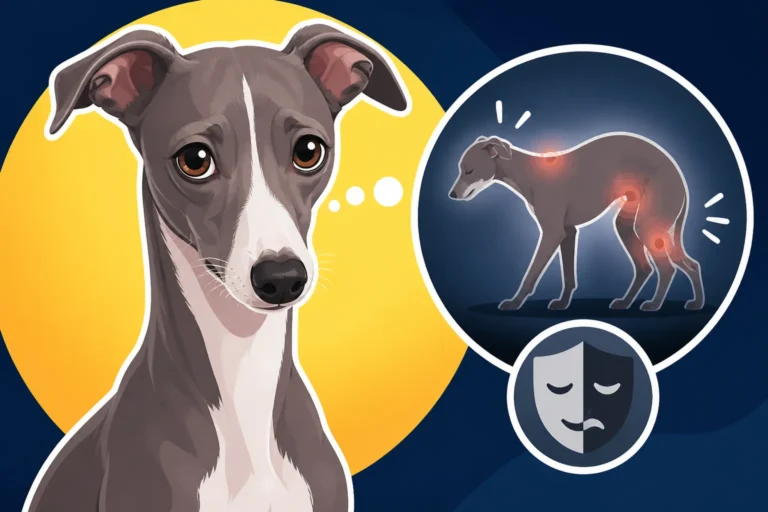
As the disease progresses and your puppy avoids putting weight on the painful limb, you'll start to notice muscle atrophy. The muscles in the affected hind leg, particularly around the thigh, will begin to waste away and appear thinner compared to the healthy leg. This muscle loss is a direct consequence of disuse; without the regular exercise and weight-bearing, the muscles simply lose their mass. It’s a stark visual indicator that something significant is wrong. This is one of the more profound Signs an Italian Greyhound Puppy Has Hip Pain. It's not just about the limp, but the physical changes you can observe as the body adapts to (or tries to avoid) the pain.
Changes in Behavior and Activity Levels
Beyond the physical limp, LCP can manifest through changes in your Italian Greyhound's overall behavior and activity levels. A previously exuberant and playful puppy might become unusually subdued, reluctant to engage in games, or avoid activities like jumping onto furniture or going up stairs. They may hesitate to use their hind legs fully, making movements seem stiff or awkward. You might even notice they have trouble getting comfortable when lying down or when trying to stand up after resting.
Pain is a significant factor here. Your Italian Greyhound might whimper or yelp when the affected hip is touched or manipulated, especially if you try to stretch their leg. They may become less tolerant of being handled, particularly around their hindquarters. It's not uncommon for puppies experiencing LCP to become irritable or withdrawn due to persistent discomfort. They might seek more solitude, or conversely, cling to you for comfort. Recognizing these behavioral shifts is crucial; they're your puppy's way of communicating that they are in pain and need help. Don't dismiss a sudden change in activity level or temperament as just a "mood" or typical puppy behavior.
The Diagnostic Journey: Confirming LCP in Your Six-Month-Old IG
When you first notice the signs of limping and pain in your Italian Greyhound puppy, your immediate thought is to get to the vet. This is absolutely the right move. The diagnostic process for Legg-Calve-Perthes involves a combination of physical examination and imaging to confirm the condition and rule out other potential causes of lameness. It's a thorough process, but a necessary one to ensure your puppy receives the correct treatment plan.
Initial Veterinary Examination and History
Upon arrival at the veterinary clinic, your veterinarian will start by taking a detailed history. They'll ask about when you first noticed the limp, if it's constant or intermittent, if there were any falls or injuries you observed, and if there have been any changes in your puppy's appetite or behavior. Be as specific as possible, detailing any signs of What Legg Calve Perthes Does to an Italian Greyhound that you have seen.
Next, a comprehensive physical examination will be performed. The vet will observe your Italian Greyhound's gait as they walk and stand, looking for lameness, favoring of a limb, or any awkward movements. They will then gently palpate (feel) the affected leg and hip joint, looking for swelling, muscle atrophy, and most importantly, pain response upon manipulation of the hip. They'll test the range of motion in the hip, which can often be limited and painful in dogs with LCP. They might also check the other hip, even if currently asymptomatic, as a small percentage of Iggies can develop LCP bilaterally. This initial assessment helps your vet narrow down the possibilities before moving on to more definitive diagnostic tools.
Radiographs are Key: What X-Rays Reveal
The gold standard for diagnosing Legg-Calve-Perthes disease is a series of X-rays (radiographs) of the hip joint. These images allow the veterinarian to visualize the bones and joint structure and look for the characteristic changes associated with LCP. Your vet will likely take X-rays from multiple angles to get a complete picture. This is precisely How Legg Calve Perthes Is Diagnosed in an Italian Greyhound.
On the X-rays of an Italian Greyhound with LCP, the vet will be looking for several key indicators:
- Flattening or Irregularity of the Femoral Head: Instead of a smooth, round ball, the femoral head might appear flattened, mottled, or even fractured.
- Increased Joint Space: In the early stages, there might be an increased space between the femoral head and the acetabulum as the cartilage and bone degenerate.
- Osteoarthritis: In more advanced cases, secondary changes like bone spurs (osteophytes) and narrowing of the joint space, indicative of osteoarthritis, may already be present.
- Bone Density Changes: Areas of increased or decreased bone density can also be visible, reflecting the necrosis and subsequent remodeling of the bone.
These radiographic findings provide conclusive evidence of LCP and differentiate it from other conditions that might cause similar symptoms, such as hip dysplasia (which is less common in Iggies but still possible), luxating patella, or even simple sprains. Occasionally, your vet might recommend additional imaging like an MRI or CT scan, particularly if the diagnosis isn't clear or if they need to assess the extent of the damage in greater detail, but typically, X-rays are sufficient.
| Diagnostic Tool | What It Involves | What It Reveals |
|---|---|---|
| Physical Examination | Palpation of hip, assessment of gait, range of motion | Pain, lameness, muscle atrophy, limited movement |
| Radiographs (X-rays) | Static images of the hip joint | Flattening/irregularity of femoral head, joint space changes, osteoarthritis |
| Bloodwork (optional) | Blood sample analysis | Rules out other systemic issues, assesses surgical readiness (pre-anesthetic) |
Treatment Options for Legg-Calve-Perthes: Surgical and Non-Surgical Paths
Once your Italian Greyhound has been diagnosed with Legg-Calve-Perthes disease, the good news is that there are effective treatment options available. The primary goal of treatment is to alleviate pain, restore hip function, and allow your dog to live a comfortable, active life. The choice between surgical and non-surgical approaches depends on several factors, including the severity of the disease, your puppy's age, and your financial considerations. It's a discussion you'll have in depth with your veterinarian and potentially a veterinary orthopedic specialist.
Femoral Head Ostectomy (FHO) Surgery: The Common Solution
For most Italian Greyhounds suffering from LCP, surgical intervention is considered the most effective and definitive treatment. The most common surgical procedure performed is a Femoral Head Ostectomy, or FHO. This procedure sounds daunting, but it's a well-established and highly successful surgery for small breeds like Iggies. In essence, the surgeon removes the damaged femoral head (the "ball" part of the joint) entirely.
This eliminates the painful bone-on-bone grinding that occurs when the diseased femoral head rubs against the acetabulum. After the femoral head is removed, the body naturally forms a "false joint" (pseudoarthrosis) where scar tissue and muscle develop to cushion the area. The surrounding muscles hold the remaining femur in place, and with proper rehabilitation, your Italian Greyhound will develop a new, pain-free articulation. This decision, Whether Legg Calve Perthes in an Italian Greyhound Needs Surgery, is often made based on the severity of the bone changes seen on X-rays and the degree of pain your puppy is experiencing. The prospect of surgery can be scary, and understanding What Femoral Head Surgery Costs on an Italian Greyhound is a crucial part of the decision-making process. Pet insurance providers like Healthy Paws can often help mitigate some of these significant veterinary expenses, making necessary surgeries more accessible for owners.
Non-Surgical Management: When It Might Be Considered
While surgery is often recommended, non-surgical (conservative) management may be considered in very mild, early-stage cases, or if surgery is not an immediate option due to other health concerns or financial constraints. However, it's important to be realistic: conservative management for LCP in Italian Greyhounds rarely yields long-term success compared to surgical intervention.
Conservative management typically involves:
- Strict Rest: Limiting all strenuous activity to prevent further damage to the femoral head and allow any inflammation to subside. This usually means kennel rest or very short, leashed walks only.
- Pain Management: Administering anti-inflammatory medications (NSAIDs) to control pain and reduce swelling. Your vet might also prescribe other pain relief medications.
- Weight Management: Ensuring your puppy maintains a lean body weight to minimize stress on the hip joint.
- Physical Therapy: Gentle, passive range-of-motion exercises might be initiated by a veterinary physical therapist to prevent muscle contracture, but aggressive therapy is usually avoided until pain is under control.
This approach requires immense dedication and strict adherence to the prescribed regimen. While it might offer temporary relief, the underlying degeneration of the femoral head typically continues, leading to chronic pain and debilitating osteoarthritis in the long run. Most veterinarians will candidly discuss that conservative management is usually a temporary bridge or a last resort, rather than a definitive solution for LCP, especially as Italian Greyhounds are so active and require pain-free mobility.
Life After LCP Surgery: Recovery and Rehabilitation for Your Italian Greyhound
The decision to go forward with Femoral Head Ostectomy (FHO) surgery for your Italian Greyhound is a big one, but it's often the most rewarding path for long-term pain relief and mobility. However, surgery is just the first step. The recovery and rehabilitation phase are absolutely critical to ensuring your Italian Greyhound regains full use of their leg and bounces back to their energetic self. This period requires patience, dedication, and consistent care from you, often for several weeks to months.
Immediate Post-Operative Care and Pain Management
After the FHO surgery, your Italian Greyhound will likely stay at the veterinary clinic for a day or two for monitoring and initial pain management. They will be sent home with a course of pain medications, which are essential for their comfort during the initial healing phase. It's vital to administer these medications exactly as prescribed, even if your puppy seems to be feeling better. Unmanaged pain can hinder recovery and make them reluctant to use the leg. Your vet will also provide instructions for incision care, which typically involves keeping the area clean and dry and preventing your IG from licking or chewing the stitches (often with an Elizabethan collar, or "cone of shame").
During the first few days, your Italian Greyhound will be tired and sore. Strict rest is paramount. This means confinement to a small, safe area – usually a crate or a small pen – with no jumping, running, or stair climbing. Short, leashed trips outside for potty breaks are generally the only allowed excursions. While it's tempting to coddle your puppy, this controlled environment is crucial for protecting the surgical site and allowing initial healing to occur. Remember, the goal is not to encourage immediate weight-bearing, but rather to minimize pain and swelling as the body begins to form the new pseudoarthrosis.
The Road to Rehabilitation: Physical Therapy is Key
This is where the real work begins, and it's transformative for How an Italian Greyhound Runs After Hip Surgery. Once the initial pain subsides, typically within a few days to a week after surgery, your veterinarian or a veterinary physical therapist will guide you through a structured rehabilitation program. Physical therapy is arguably as important as the surgery itself for a successful outcome. It prevents muscle contracture, builds strength, and improves the range of motion in the new joint.
A typical rehabilitation plan might include:
- Passive Range of Motion (PROM) Exercises: Gently flexing and extending the affected leg to maintain flexibility and encourage blood flow. Your therapist will show you how to do this correctly to avoid causing pain.
- Controlled Leashed Walks: Gradually increasing the duration and intensity of short walks to encourage weight-bearing and muscle development. Starting slow is key.
- Therapeutic Exercises: Specific exercises designed to strengthen the hind leg muscles, such as gentle sit-to-stand repetitions, controlled inclines, or walking over low obstacles.
- Hydrotherapy (Underwater Treadmill): This is often a fantastic option for Italian Greyhounds. The buoyancy of the water reduces weight on the joint, allowing them to exercise with less pain while building muscle and improving gait. Many specialized rehab clinics offer this.
- Massage and Heat/Cold Therapy: To reduce muscle soreness and inflammation.
The duration and intensity of the rehab program will be tailored to your individual Italian Greyhound, but it often spans several weeks to a few months. Consistency is vital. Skipping sessions or pushing too hard too soon can set back recovery. With dedicated rehabilitation, most Italian Greyhounds recover remarkably well from FHO surgery, regaining excellent function and becoming pain-free. They often go on to live full, active lives, chasing squirrels and performing zoomies once again.
| Phase of Recovery | Key Activities | Duration | Importance |
|---|---|---|---|
| Immediate Post-Op | Strict rest, pain meds, incision care, E-collar | First 1-7 days | Protect surgical site, manage pain, minimize swelling |
| Early Rehabilitation | Passive range of motion, short controlled walks, gentle massage | Weeks 2-4 | Restore initial flexibility, encourage gentle weight-bearing |
| Active Rehabilitation | Increased walk duration, therapeutic exercises, hydrotherapy | Weeks 4-12+ | Build muscle strength, improve gait, increase endurance |
| Long-Term Monitoring | Continued exercise, weight management, vet check-ups | Ongoing for life | Maintain joint health, prevent secondary issues |
Managing LCP Without Surgery: When It's an Option and What It Entails
While surgical intervention, specifically FHO, is the most common and generally recommended treatment for Legg-Calve-Perthes disease in Italian Greyhounds, some owners might explore non-surgical or conservative management. This path is generally considered under very specific circumstances, such as in extremely mild, early-stage cases with minimal bone damage, or when surgery is contraindicated due to other severe health issues, or in situations where immediate surgery is not financially feasible. However, it’s crucial to understand that conservative management often comes with significant challenges and a lower likelihood of long-term success compared to surgical repair.
Criteria for Considering Conservative Management
For conservative management to even be a plausible, albeit less ideal, option, certain criteria usually need to be met. Your veterinarian will carefully evaluate these factors:
- Very Early Stage and Mild Disease: The X-rays must show only very minimal changes to the femoral head, with little to no collapse or deformation. If there's significant bone damage or fragmentation, conservative management is unlikely to succeed.
- Minimal Pain: The Italian Greyhound must be experiencing only mild and infrequent pain. If the pain is severe or constant, it indicates significant joint irritation that conservative methods cannot adequately address.
- Owner Dedication: This approach demands an incredibly dedicated owner who can strictly adhere to a rigorous regimen of rest, medication, and controlled activity for an extended period. Any deviation can lead to worsening of the condition.
- Age of Onset: While LCP typically appears in young dogs, conservative management might be briefly attempted if diagnosed very early, though this is rare.
- Bilateral Involvement: If Whether Legg Calve Perthes Takes Both of an Italian Greyhound's Hips, conservative management might be considered to manage one side while the other is surgically addressed, but this is complex and usually temporary.
It's important to have an honest discussion with your vet about the realistic expectations. For most Italian Greyhounds with LCP, especially at six months of age where the disease is usually progressing, conservative management typically leads to chronic pain, severe osteoarthritis, and a significantly reduced quality of life over time. It can be a very frustrating journey for both the dog and the owner, as the goal of restoring pain-free mobility is often unmet.
The Daily Realities of Non-Surgical Treatment
Opting for conservative management means committing to a lifestyle that drastically limits your Italian Greyhound's natural inclinations for running and playing. The core components of this approach are strict rest and diligent pain control.
- Prolonged Crate Rest: Your puppy will need to be confined to a crate or a very small, secure pen for weeks, sometimes months. This means minimal activity beyond short, leashed potty breaks. This is particularly challenging for an energetic Italian Greyhound puppy who naturally wants to explore and play.
- Consistent Pain Medication: Daily administration of non-steroidal anti-inflammatory drugs (NSAIDs) and potentially other pain relievers will be necessary. While these help manage pain, they do not address the underlying bone degeneration. Long-term use of NSAIDs can also have potential side effects on organs like the kidneys and liver, requiring regular monitoring by your vet.
- Weight Control: Maintaining an ideal, lean body weight is crucial to reduce any unnecessary stress on the hip joint. This might mean careful portion control and specialized diets.
- Limited Physical Therapy: Unlike post-surgical rehabilitation, physical therapy in conservative management is often very gentle and aimed primarily at preventing muscle contracture rather than aggressively building strength or improving range of motion. It cannot force the damaged bone to heal properly.
The biggest challenge with conservative management is that while it may temporarily alleviate symptoms, it usually does not prevent the eventual collapse and deformation of the femoral head. As the bone continues to deteriorate, the pain often returns, becoming more severe and persistent. Owners frequently report a decline in their dog's quality of life as they struggle with chronic lameness and discomfort. Ultimately, many who start with conservative management eventually find themselves back at the discussion of FHO surgery, sometimes after enduring months of their pet’s suffering and their own emotional and financial strain, which is why it's so important to fully understand the implications from the outset.
Prognosis and Long-Term Care: What to Expect After an LCP Diagnosis
Receiving an LCP diagnosis for your Italian Greyhound can feel overwhelming, but understanding the prognosis and what long-term care entails can help you feel more prepared. While LCP is a serious condition, with appropriate treatment, most Italian Greyhounds can go on to live full, happy lives. The journey doesn't end after surgery or the initial treatment phase; it transitions into a commitment to ongoing care that supports their joint health and overall well-being.
Life Expectancy and Quality of Life Post-Treatment
For Italian Greyhounds that undergo successful Femoral Head Ostectomy (FHO) surgery and follow a diligent rehabilitation program, the prognosis is generally excellent. The vast majority of these dogs become pain-free and regain excellent use of their limb. Many owners report their Iggies returning to their normal playful, zippy selves, enjoying walks, runs, and even jumping (though controlled jumping on and off furniture is always advised for Italian Greyhounds due to their delicate bone structure). In fact, an Italian Greyhound that has had LCP surgery, with proper recovery, can still expect to enjoy a normal lifespan, often living for Why an Italian Greyhound Lives Fourteen to Fifteen Years.
The key to this positive outcome lies in early diagnosis and appropriate intervention. The earlier the surgery is performed, before extensive muscle atrophy or severe compensatory changes occur, the better the long-term results typically are. While the affected leg might never look exactly the same as the healthy one (due to muscle loss that may not fully regenerate or a slightly altered gait), the functionality and comfort level are vastly improved. The quality of life for an Italian Greyhound after a successful FHO is dramatically better than one suffering from chronic, untreated LCP.
Managing Potential Secondary Issues and Ongoing Support
Even after successful LCP treatment, whether surgical or, in rare cases, conservative, it's important to be aware of potential long-term considerations. The primary secondary concern is the development of osteoarthritis in the affected hip joint, and sometimes, compensatory arthritis in other joints as the body adjusts its weight distribution. While FHO removes the primary source of pain, some degree of arthritis can still develop over the years.
Long-term care strategies to support your Italian Greyhound's joint health might include:
- Weight Management: Maintaining a lean body weight is crucial to minimize stress on all joints, particularly the surgically repaired one and any compensating joints.
- Regular, Moderate Exercise: Consistent, low-impact exercise like daily walks helps maintain muscle mass and joint flexibility without overstressing the joint. Avoid high-impact activities or sudden, jarring movements as much as possible.
- Joint Supplements: Your veterinarian might recommend joint supplements containing glucosamine, chondroitin, and MSM. While not a cure, these can support cartilage health and reduce inflammation.
- Comfortable Bedding: Providing soft, orthopedic beds can help prevent pressure sores and provide comfort, especially as your Italian Greyhound ages.
- Environmental Modifications: Continue using ramps or steps for furniture access to protect all joints, not just the one affected by LCP.
- Regular Veterinary Check-ups: Annual or bi-annual wellness exams are important to monitor joint health, catch any signs of developing arthritis early, and adjust pain management or supplements as needed. Your vet can also screen for other common Italian Greyhound health issues, like Periodontal Disease Is the Italian Greyhound's Most Common Diagnosis.
By being proactive and committed to these long-term care strategies, you can significantly enhance your Italian Greyhound's comfort and mobility, allowing them to truly thrive for many years after their LCP diagnosis and treatment.
Preventative Measures and Breeder Responsibility: Minimizing Risk
While Legg-Calve-Perthes disease isn't something you can entirely prevent as an owner, there are important steps you can take, especially when choosing a puppy, to minimize the risk. Given the suspected genetic component of LCP, responsible breeding practices play a crucial role. For potential Italian Greyhound owners, understanding these aspects can guide you toward making informed decisions and give your puppy the best possible start in life.
The Role of Responsible Breeding Practices
Because LCP is strongly suspected to have a genetic basis, particularly in breeds like the Italian Greyhound, ethical breeders are vital in reducing its prevalence. Responsible breeders will take measures to avoid passing on this predisposition.
- Health Screening: Although there isn't a specific DNA test for LCP, breeders should be transparent about the health history of their breeding lines. They should be willing to discuss any instances of LCP in previous litters or in the parents' lineage. This falls under the umbrella of What an Italian Greyhound Breeder Should Have Tested.
- Selective Breeding: Reputable breeders will not breed dogs that have been diagnosed with LCP, nor will they typically breed dogs that have produced offspring with LCP, even if the parent themselves never developed symptoms. The goal is to remove affected animals and carriers from the breeding pool.
- Transparency: A good breeder will be open about the health of their puppies and adult dogs, providing health guarantees and supporting new owners if a puppy develops a genetic condition like LCP. They won't shy away from discussing potential health concerns specific to the Italian Greyhound breed.
It’s crucial for prospective Italian Greyhound owners to do their homework when selecting a breeder. Ask thorough questions about health testing, lineage, and any history of LCP in their lines. A breeder who dismisses health concerns or cannot provide detailed information about the health of their dogs should raise a red flag. Look for breeders who are actively involved in the Italian Greyhound community, participate in conformation or performance events, and prioritize the health and temperament of their dogs above all else.
Limiting Early Stress and Supporting Healthy Growth
Once you bring your Italian Greyhound puppy home, while you can't prevent a genetic predisposition from manifesting, you can certainly support their healthy growth and minimize any unnecessary stress on their developing joints.
- Controlled Exercise: During the rapid growth phase (up to The Age an Italian Greyhound's Bones Finish Hardening), avoid excessive, high-impact exercise, or prolonged strenuous activities. While Italian Greyhounds love to run, their delicate bones are still maturing. Short, frequent play sessions are better than long, intense ones.
- Nutritional Support: Feed a high-quality puppy food appropriate for small breeds, ensuring it provides balanced nutrition for healthy bone development. Avoid over-supplementing with calcium, as this can actually disrupt bone growth. Consult your vet before adding any supplements to your puppy's diet.
- Weight Management: Keep your Italian Greyhound puppy at a lean, healthy weight. Excess weight puts undue stress on developing joints and can exacerbate any underlying orthopedic issues. You can learn more about this in Weighing an Italian Greyhound Puppy Every Week.
- Injury Prevention: Take precautions around the house to prevent falls and jumps from high places. Italian Greyhounds are prone to broken legs, and any trauma can potentially trigger or worsen an existing, undiagnosed orthopedic condition. Consider using ramps or steps for furniture access and supervising playtime, especially with larger dogs.
By choosing a puppy from a responsible breeder and providing a supportive environment focused on controlled growth and injury prevention, you are giving your Italian Greyhound the best possible chance to avoid LCP and other orthopedic challenges. While not a guarantee, these steps are fundamental to raising a healthy and happy Italian Greyhound.
Disclaimer
The information provided in this article is for general informational purposes only and is not a substitute for professional veterinary advice, diagnosis, or treatment. Always seek the advice of your veterinarian or other qualified animal health provider with any questions you may have regarding a medical condition. Never disregard professional veterinary advice or delay in seeking it because of something you have read in this article.