Signs an Italian Greyhound Puppy Has Hip Pain
It's incredibly distressing to see your lively Italian Greyhound puppy suddenly develop a limp or show signs of discomfort, especially when they're usually bundles of energetic joy. Those delicate frames, while beautiful, can sometimes hide underlying issues that manifest as pain, and pinpointing the exact problem, especially with something as nebulous as hip discomfort, can feel like a daunting task. This comprehensive guide is here to walk you through the subtle and not-so-subtle signs that might indicate your Italian Greyhound puppy is experiencing hip pain, helping you understand what to look for and when it's time to call the vet.
Understanding Hip Pain in Italian Greyhound Puppies
Italian Greyhounds are known for their elegant, slender build and boundless energy. However, their unique anatomy can make them susceptible to certain orthopedic conditions, even at a young age. When you notice your spirited puppy suddenly favoring a leg or hesitating before a jump, it's natural for your mind to race through all the possibilities, from a simple sprain to something more serious.
Why IGs are Susceptible to Hip Issues
Our beloved Italian Greyhounds are built for speed and agility, with long, fine bones and a streamlined physique. This sighthound heritage, while contributing to their beauty and athletic prowess, also means they have a relatively delicate skeletal structure compared to many other breeds. Their light bone density and lean muscle mass mean that certain areas, like the hips, might not have the robust cushioning found in heavier-boned dogs. This isn't to say they are inherently fragile, but rather that their specific build requires careful consideration, especially during their crucial development stages. Unlike some larger breeds known for classic hip dysplasia, IGs typically face different challenges, though hip issues can still arise. Understanding Why an Italian Greyhound's Leg Bones Break So Easily can give you insight into their overall skeletal delicacy.
Common Causes of Hip Pain in Young IGs
While true hip dysplasia, common in breeds like German Shepherds, is less prevalent in Italian Greyhounds, they are not entirely immune to conditions affecting the hip joint. A more common and concerning cause of hip pain in Italian Greyhound puppies, particularly between three to eighteen months of age, is Legg-Calvé-Perthes disease (LCPD). This condition involves the spontaneous degeneration of the head of the femur (the ball of the hip joint), leading to collapse and deformation. It's incredibly painful and can severely impact a puppy's mobility. Trauma, such as an awkward fall or a collision during boisterous play, can also lead to hip discomfort, although this is usually more acute and directly linked to an event. If you've been doing your research, you might have heard about Legg Calve Perthes Turns Up in an Italian Greyhound at Six Months, which is a critical time for monitoring.
Early Behavioral Indicators of Hip Discomfort
Catching hip pain early in an Italian Greyhound puppy can be challenging because IGs are famously stoic. They often try to hide pain, a survival instinct that makes them incredibly resilient but also means owners need to be extra vigilant. What might seem like a minor behavioral shift could actually be a significant indicator.
Changes in Movement and Gait
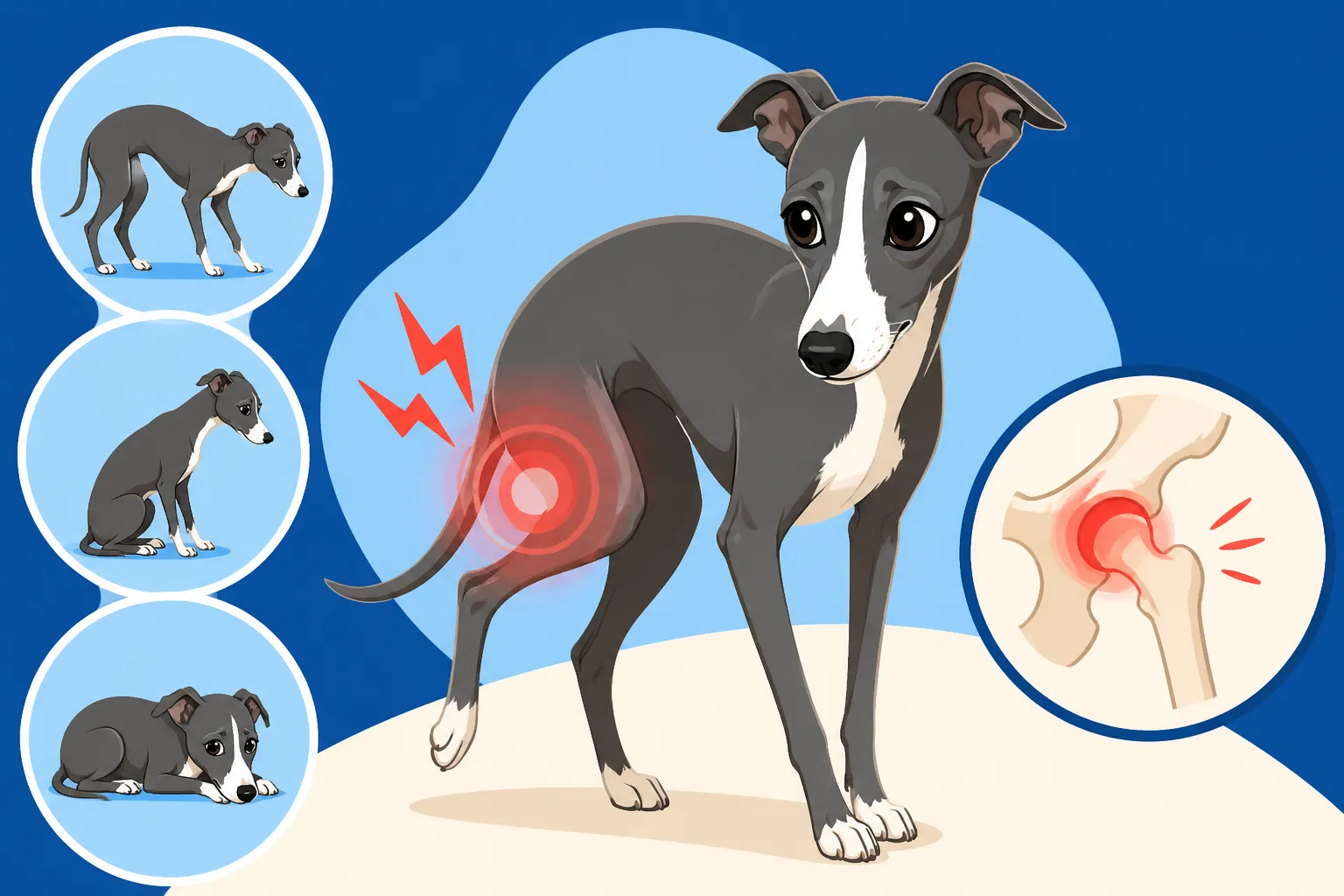
One of the most obvious signs that your Italian Greyhound puppy might be experiencing hip pain is a change in the way they move. You might notice a subtle limp, especially after they've been resting or first waking up. This limp might lessen as they "warm up" but could return with exertion. Another common sign is what's often referred to as a "bunny hop" gait, where they move both hind legs simultaneously, particularly when running. This is their way of trying to minimize the impact on the painful hip. They might also appear stiff, struggling to fully extend their legs, or show an unusual reluctance to shift their weight onto one hind leg. Observing them walk and run on different surfaces, like grass, carpet, and hard floors, can sometimes reveal these subtle differences in their gait.
Reluctance to Play or Exercise
Italian Greyhounds are typically very playful and active, especially as puppies. If your puppy suddenly seems less enthusiastic about their usual games, or starts avoiding activities they once loved, hip pain could be the culprit. This might look like them shying away from jumping on and off furniture (even if they usually need Ramps and Steps for an Italian Greyhound's Furniture to do so safely), or opting out of chasing after toys. They might prefer to lie down more frequently, and when they do get up, their movements might be slow and deliberate, rather than their characteristic bursts of speed and graceful turns. It's heartbreaking to see a normally lively pup become withdrawn, and this change in activity level should never be ignored. Consider if your puppy seems to be thinking about whether to move, rather than just doing it.
Physical Manifestations and Palpation Clues
Beyond behavioral changes, there are physical signs you can observe and feel that might point to hip pain. These are often more concrete indicators, but require a gentle and careful approach when examining your puppy. Remember, if your puppy is in pain, they might react defensively, so always prioritize their comfort and safety.
Visible Signs of Pain or Swelling
While actual visible swelling around the hip joint can be subtle and difficult to detect without veterinary expertise, there are other physical clues. You might notice a difference in muscle mass, particularly in the hindquarters. If one hip is consistently painful, your puppy might use that leg less, leading to muscle atrophy (wasting) in the thigh muscles on the affected side. This can make the leg appear thinner. They might also carry one leg slightly differently, perhaps holding it closer to their body or splaying it out slightly. When they sit, they might do so unevenly, leaning heavily to one side, or avoid a full 'frog-leg' sit, opting for a 'lazy sit' with one leg extended out to the side. Sometimes, the puppy will lick excessively at the painful area, trying to self-soothe.
Reactions to Touch and Handling
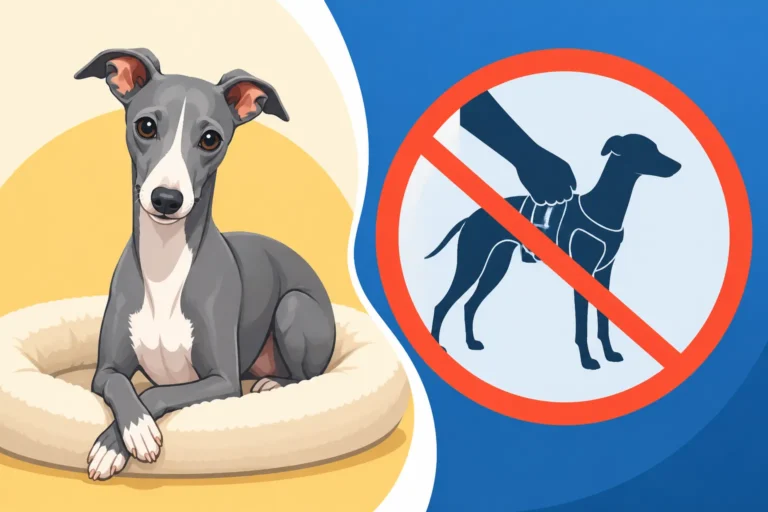
Gently palpating your Italian Greyhound puppy's hips and hind legs can provide valuable clues. Start by observing their general demeanor when you approach them. If they flinch, yelp, or attempt to nip when you touch their hip area, it’s a strong indicator of pain. Carefully run your hands down their spine, over their hips, and down each leg, paying close attention to any resistance, muscle spasms, or signs of discomfort. Compare both sides of their body – does one hip feel warmer? Is there any tension in the muscles around one hip that isn't present on the other? When you gently try to manipulate their leg (flexing and extending the hip joint), do they vocalize or pull away? This sensitivity to touch is a clear signal that something is amiss and requires immediate veterinary attention. Remember, How an Italian Greyhound Hides Pain can make these signs subtle, so patience and careful observation are key.
Here's a quick comparison of normal puppy behavior versus potential signs of hip pain:
| Behavior Category | Normal Italian Greyhound Puppy | Potential Sign of Hip Pain |
|---|---|---|
| Gait/Movement | Fluid, agile, confident running and jumping. | Limping (especially after rest), "bunny hop" gait, stiffness. |
| Activity Level | Enthusiastic play, eager to run and chase. | Reluctance to play, avoiding jumps, prefers lying down. |
| Sitting/Resting | Sits squarely, stretches hind legs comfortably. | Sits unevenly, 'lazy sit' with leg splayed, difficulty getting up. |
| Physical Appearance | Even muscle development in hindquarters. | Muscle atrophy in one hind leg, licking at hip area. |
| Reaction to Touch | Tolerates gentle handling, enjoys petting. | Flitches, yelps, pulls away, or nips when touched near hips. |
| Sound | Happy barks, playful growls. | Whimpers or cries during movement or when touched. |
Differentiating Hip Pain from Other Ailments
Because Italian Greyhounds are prone to various orthopedic issues, it’s vital to consider other possibilities when your puppy is showing signs of limping or pain. The delicate nature of their bones means that a number of injuries could present similarly, making a professional diagnosis absolutely essential.
Ruling Out Leg Injuries
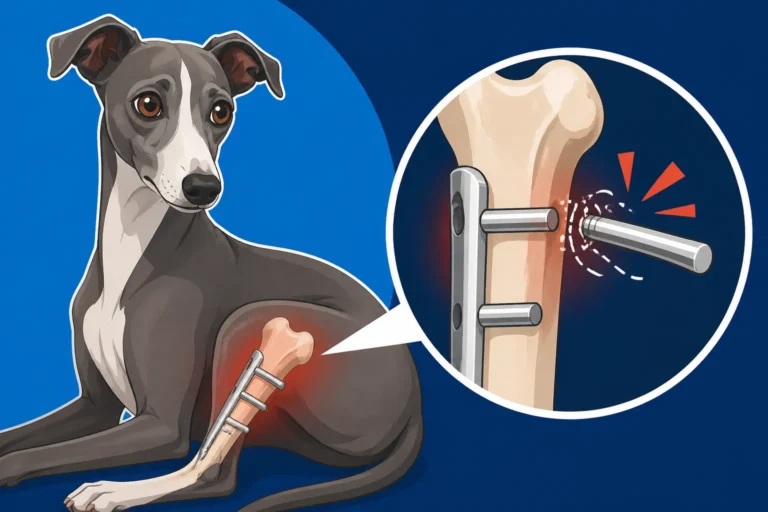
Given the Italian Greyhound's fine bone structure, a broken leg is often the first fear that springs to an owner's mind when their puppy suddenly can't use a limb. A Broken Leg Is the Emergency Every Italian Greyhound Owner Fears for good reason. A fracture, especially of the radius or ulna in the foreleg, is alarmingly common, but hind leg fractures can also occur. The signs of a fracture are usually more acute and dramatic than hip pain – sudden, severe lameness, obvious swelling, or an unnatural angle of the limb. However, a less severe sprain or strain could mimic some aspects of hip pain, causing a limp and reluctance to bear weight. The key difference often lies in the specific location of tenderness and the nature of the pain. Hip pain is usually generalized around the joint, whereas a fracture or sprain will be very localized to the bone or ligament itself.
Considering Neurological Issues
While less common to present primarily as hip pain, certain neurological conditions can sometimes affect a puppy's hind limb coordination and strength, which might be mistaken for orthopedic pain. Issues like disc disease (though rare in young IGs) or even certain types of nerve impingement could cause weakness, dragging of the feet, or an altered gait. However, these typically come with additional neurological signs such as wobbliness, loss of balance, or changes in reflex responses. If your puppy’s lameness is accompanied by a general lack of coordination or inability to control their hindquarters, a neurological assessment might be warranted alongside orthopedic checks. It's crucial for your veterinarian to perform a thorough examination to rule out all possibilities and correctly diagnose the root cause of your puppy's discomfort.
When to Seek Veterinary Attention
When you notice any of these signs, even if they seem minor or intermittent, it's absolutely critical not to delay in contacting your veterinarian. Early intervention can make a world of difference in your puppy's prognosis and overall quality of life.
The Importance of Early Diagnosis
Waiting to see if the problem resolves on its own can often lead to a worsening of the underlying condition, increasing your puppy's pain and potentially complicating treatment. For conditions like Legg-Calvé-Perthes, early diagnosis and intervention can significantly impact the long-term outcome. If it is LCPD, What Legg Calve Perthes Does to an Italian Greyhound is severe joint degeneration, and addressing it promptly can prevent irreversible damage to the joint and surrounding tissues. A veterinarian can accurately diagnose the issue through physical examination, palpation, and diagnostic imaging such as X-rays. Early diagnosis also means you can implement pain management strategies sooner, ensuring your puppy is as comfortable as possible. This proactive approach can often reduce the need for more invasive or extensive treatments down the line.
What to Expect at the Vet
When you bring your Italian Greyhound puppy in for hip pain, your vet will start with a comprehensive physical examination. This will include observing your puppy's gait, carefully palpating their hips and legs, and assessing their range of motion. They'll ask you detailed questions about when you first noticed the signs, how they've progressed, and any specific incidents that might have occurred. It's helpful to have notes on these observations.
To confirm a diagnosis, X-rays are usually necessary. These images allow the vet to visualize the bones and joints, looking for signs of LCPD, fractures, or other abnormalities. Your puppy might need light sedation for X-rays to ensure they lie still and comfortable for clear images, which is always a consideration for delicate breeds like IGs, though modern protocols make it quite safe. If the diagnosis is Legg-Calvé-Perthes, surgery, specifically a femoral head ostectomy (FHO), might be recommended. This procedure involves removing the damaged femoral head, allowing a "false joint" to form, which can alleviate pain and restore mobility. While the thought of surgery is scary, understanding Whether Legg Calve Perthes in an Italian Greyhound Needs Surgery can help prepare you for the discussion. Having pet insurance like Healthy Paws can be an absolute lifesaver when facing unexpected diagnostic tests or surgical costs, offering peace of mind during a stressful time.
Managing and Supporting a Puppy with Hip Pain
Once a diagnosis is made, your vet will outline a treatment plan. While the focus of this article is on recognizing the signs, knowing how you might support your puppy briefly can reinforce the need for early action.
Comfort Measures at Home
Regardless of the specific diagnosis, ensuring your puppy's comfort at home is paramount. This means providing soft, supportive bedding that cushions their joints and prevents pressure sores, something particularly important for Why an Italian Greyhound Carries Almost No Body Fat. Heated beds can also be soothing for painful joints, especially during colder months. Restricting activity is often a crucial part of recovery, preventing further injury or exacerbation of pain. This might mean kennel rest, leash walks only, or creating a safe, carpeted space where they can't jump or run wildly. Installing Ramps and Steps for an Italian Greyhound's Furniture is a proactive step that can prevent many injuries and provide easier access to their favorite spots without stressing their hips. Your vet will provide specific instructions on activity levels based on your puppy's condition.
Long-term Considerations
Recovery from hip pain, whether due to LCPD or another issue, often involves a commitment to long-term care. This could include a rehabilitation program with physical therapy, which helps strengthen surrounding muscles and improve joint mobility. Pain management medications, such as anti-inflammatories, might be prescribed to keep your puppy comfortable during recovery. Regular follow-up appointments with your vet are essential to monitor progress and adjust treatment as needed. It's also wise to consider the long-term financial implications of such care, and pet insurance from providers like Healthy Paws can significantly mitigate these costs over the years. Understanding the average What an Italian Greyhound Weighs and How to Tell If It Is Right can help you ensure your puppy maintains a healthy weight, which is crucial for joint health and overall well-being. Ultimately, your dedication to their care will greatly influence their ability to live a happy, comfortable life.
Disclaimer
The information provided in this guide is for informational purposes only and does not constitute veterinary medical advice. Always consult with a qualified veterinarian for any health concerns or before making any decisions about your pet's health or treatment.