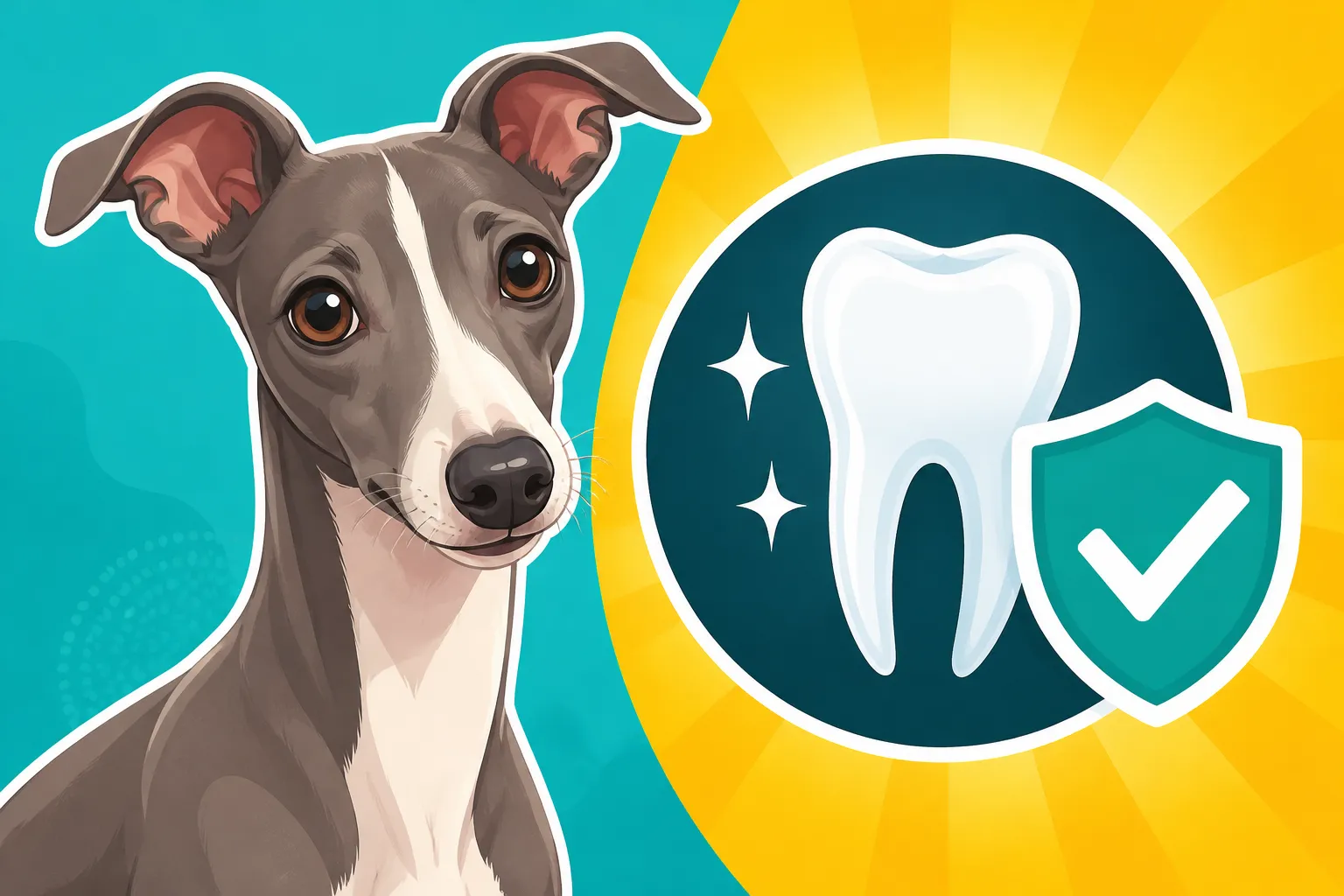
Whether an Italian Greyhound Can Keep Its Teeth for Life
It's a common dream for Italian Greyhound owners to imagine their beloved pups living a long, happy life with a full set of pearly whites, enjoying their kibble and chew toys without a care. Unfortunately, the reality for most Iggies is that their delicate mouths are prone to significant dental issues, making the prospect of keeping all their teeth for life a challenging, often impossible, endeavor. This guide will delve into why Italian Greyhounds face such unique dental challenges and what you can realistically do to support their oral health throughout their lives.
The Unique Dental Challenges of Italian Greyhounds
Italian Greyhounds are exquisite creatures, known for their slender build, elegant gait, and delicate features. However, these very characteristics, particularly their refined head and muzzle, contribute to a predisposition for dental problems that many other breeds don't face to the same degree. It’s a frustrating truth for owners who are doing everything right.
The Unique Anatomy of an Italian Greyhound's Mouth
Take a moment to look closely at your Italian Greyhound's mouth. What you'll notice is a relatively small jaw, even for their size, with teeth that often appear crowded. Unlike some larger breeds with ample space for robust teeth, Italian Greyhounds often have teeth that are simply too large for their delicate jaws. This crowding creates nooks and crannies where food particles and bacteria can easily get trapped, forming plaque and tartar at an alarming rate. Imagine trying to clean between teeth that are practically pressed against each other – it’s a difficult task even for a diligent owner. This inherent anatomical challenge is a primary reason why you might feel like you're constantly fighting an uphill battle. The delicate nature of their bone structure also means that their jaw can be more fragile than in other breeds, a factor that becomes particularly relevant during dental procedures. This is also linked to the wider issue of Why an Italian Greyhound's Muzzle Cannot Hold Its Teeth effectively over time.
Genetic Predisposition to Periodontal Disease
Beyond the physical crowding, Italian Greyhounds, like many sighthounds and small breeds, have a genetic predisposition to periodontal disease. This isn't just about bad breath; periodontal disease is a progressive inflammation of the gums and supporting structures of the teeth. It starts with plaque, which hardens into tartar, leading to gingivitis (inflamed gums). If left unchecked, it progresses to periodontitis, where the infection spreads below the gum line, damaging the bone and ligaments that hold the teeth in place. For our Iggies, this progression can be rapid and relentless. You might diligently brush, offer dental chews, and provide excellent nutrition, only to find significant tartar buildup and gum inflammation by their next vet visit. It feels unfair, but it's often a biological reality that we, as owners, need to be prepared for and actively manage. It’s a sad fact that Periodontal Disease Is the Italian Greyhound's Most Common Diagnosis.
The Impact of Diet and Chewing Habits
While genetics and anatomy play a huge role, diet and chewing habits also contribute. Owners often wonder Whether Dry Food Keeps an Italian Greyhound's Teeth Clean. The truth is, while some kibble designs are marketed for dental health, the actual abrasive action of kibble is minimal compared to what's needed to scrape away plaque effectively. Italian Greyhounds aren't typically vigorous chewers in the same way a Labrador might be. Their delicate jaws mean that very hard chews or bones can actually be a risk for tooth fractures, not a dental solution. Soft, sticky foods can adhere more easily to teeth, accelerating plaque formation. Finding the right balance is key: a high-quality, balanced diet is essential for overall health, but don't rely solely on food to keep their teeth clean. You’ll need a multi-faceted approach, as even the best diet won't magically solve their dental challenges.
The Unfortunate Reality: Why "Teeth for Life" Is a Myth for Most Iggies
While it's not impossible for an Italian Greyhound to keep all their teeth, it's certainly not the norm. The combination of their unique anatomy and genetic predispositions means that most Iggies will experience some degree of tooth loss throughout their lives, despite the best efforts of their loving owners. It’s a tough pill to swallow, but understanding this reality helps us prepare and provide the best possible care.
Early Onset of Tartar and Plaque Buildup
One of the most disheartening aspects for Italian Greyhound owners is just how quickly tartar can accumulate. It's not uncommon to see significant plaque and tartar buildup on an Italian Greyhound's teeth by the age of two or three, sometimes even earlier. What starts as a yellowish film on the tooth surface, particularly on the canines and molars, quickly hardens into a rough, brown deposit. This tartar acts as a magnet for more bacteria, creating a vicious cycle. Owners often feel like they're falling behind even before they've truly started. This rapid accumulation means that preventative measures need to begin early and be consistently rigorous. It highlights why starting dental care when they are puppies is so important, even if you feel like you're brushing barely-used teeth. As a matter of fact, How Early Tartar Appears on an Italian Greyhound is often startlingly early.
The Progression of Periodontal Disease
Once tartar forms, it provides a rough surface for bacteria to cling to, leading to gingivitis—inflammation of the gums. You might notice redness, swelling, or even bleeding when you try to brush. If left untreated, the inflammation extends below the gum line, forming pockets where bacteria thrive, attacking the ligaments and bone supporting the teeth. This is where periodontitis truly begins to cause irreversible damage. Teeth can become loose, painful, and eventually fall out or require extraction. This process isn't always obvious from the outside. A dog might show minimal signs of pain until the disease is quite advanced, making it crucial for vets to examine below the gum line during professional cleanings. The stages of disease can vary wildly, but for an Italian Greyhound, progression from mild gingivitis to severe periodontitis can occur in a relatively short timeframe, often leading to The Age an Italian Greyhound Starts Losing Teeth much younger than you might expect for other breeds.
Common Dental Issues Beyond Tartar
While periodontal disease is the primary culprit, Italian Greyhounds can suffer from other dental issues too. Fractured teeth are a concern, especially if they chew on very hard items like real bones, antlers, or even hard plastic toys that are not size-appropriate. Given their delicate jaw structure, a fractured tooth can be incredibly painful and often leads to infection, requiring extraction. Abscesses, collections of pus due to infection around the tooth root, are another painful complication. These can cause facial swelling, pain, and systemic infection if not addressed promptly. Sometimes, retained deciduous (baby) teeth can be an issue. If baby teeth don't fall out when the adult teeth erupt, they can trap food and accelerate plaque buildup, leading to problems for both sets of teeth. In such cases, your vet may recommend pulling them, as discussed in When an Italian Greyhound's Baby Teeth Must Be Pulled. These additional issues only compound the challenges of maintaining an Italian Greyhound's oral health for life.
Proactive Measures: What You Can Do to Extend Dental Health
While the "teeth for life" dream might be unrealistic for many Italian Greyhounds, that doesn't mean you're helpless. Far from it! There are significant proactive steps you can take to slow the progression of dental disease, minimize discomfort, and help your Iggy keep as many healthy teeth as possible for as long as possible. It requires commitment, but it's absolutely worth the effort.
Daily Home Dental Care Routines
The single most effective thing you can do at home is daily tooth brushing. Yes, daily! Just like humans, regular brushing mechanically removes plaque before it hardens into tartar. Using a soft-bristled toothbrush designed for pets and a pet-safe enzymatic toothpaste (never human toothpaste!) is crucial. Start young, make it a positive experience with lots of praise and treats, and aim for consistency. Even a minute or two of brushing can make a difference. If daily brushing isn't feasible, try to do it several times a week. For those struggling, dental wipes or oral rinses can be a supplementary measure, though they are less effective than brushing. The goal is to establish a routine that becomes as normal as their mealtime. Many owners find that Brushing an Italian Greyhound's Teeth Every Day helps dramatically. It’s also important to know Which Toothbrush Fits an Italian Greyhound's Mouth and to choose one that is comfortable and effective for their small mouth.
Choosing Effective Dental Chews and Toys
Not all dental chews are created equal, and some can even be detrimental. Look for chews that are specifically VOHC (Veterinary Oral Health Council) approved, as these have been scientifically proven to reduce plaque and/or tartar. Avoid anything that is too hard, as Italian Greyhounds have delicate teeth and jaws prone to fractures. If you can't indent it with your thumbnail, it's likely too hard. Rawhide, while popular, can be a choking hazard and difficult to digest, so approach with caution. Soft rubber toys designed to massage gums can be beneficial, but again, they won't replace brushing. The key is to find chews that encourage gnawing and scraping action without posing a risk of fracture. It’s a common question, Whether Dental Chews Do Anything for an Italian Greyhound, and the answer is that some can, but they are never a standalone solution.
The Role of Regular Veterinary Check-ups
Even with diligent home care, professional veterinary oversight is indispensable. Your vet can assess your Italian Greyhound's oral health during routine wellness exams, identifying early signs of dental disease that you might miss. They can also advise on the frequency of professional cleanings. For many Iggies, this means yearly or even bi-annual cleanings under anesthesia. Don't skip these check-ups; they are your first line of defense. Early detection means less invasive treatments and can potentially save more teeth in the long run. If you are ever concerned about unusual mouth odors or changes in eating habits, your vet is the best resource for pinpointing What Bad Breath Means in an Italian Greyhound. Regular check-ups are also a great time to discuss whether pet insurance, such as through a provider like Healthy Paws, could help manage the often-significant costs associated with long-term dental care.
Understanding Professional Dental Care and Its Importance
It’s often a point of anxiety for owners, but professional dental cleanings are not just important; they are absolutely critical for Italian Greyhounds. While home care helps immensely, it cannot remove hardened tartar below the gum line, nor can it address existing infections or perform necessary extractions. Ignoring professional dental care is akin to ignoring a chronic health condition; it will only worsen over time, leading to more pain and more complex (and expensive) problems.
What an Italian Greyhound's Dental Cleaning Involves
A professional dental cleaning for an Italian Greyhound is a far more comprehensive procedure than simply scraping off visible tartar. It begins with a thorough oral exam, including dental X-rays, which are essential for evaluating the health of the teeth below the gum line and identifying issues like root abscesses, bone loss, or unerupted teeth. This is where the real problems often hide. The veterinary team will then use specialized ultrasonic and hand scaling tools to remove plaque and tartar from above and below the gum line, followed by polishing the teeth to smooth the surface and make it harder for new plaque to adhere. During this process, they will also probe the gum pockets to check for signs of periodontal disease. This meticulous work is why What Happens During an Italian Greyhound's Dental can be an involved process, sometimes taking hours depending on the severity of the dental disease.
The Necessity of Anesthesia for Thorough Cleanings
One of the biggest concerns owners have about professional dental cleanings is the need for anesthesia. It's true that any anesthetic procedure carries some risk, but for Italian Greyhounds, thorough dental care requires anesthesia. This isn't just for compliance; it's for safety and effectiveness. Anesthesia allows the veterinary team to perform a detailed oral exam, take X-rays, and meticulously clean every tooth surface, including below the gum line, without causing stress or pain to your dog. It also prevents the risk of your dog moving unexpectedly, which could lead to injury from sharp instruments. Modern veterinary anesthesia protocols are very safe, especially with pre-anesthetic bloodwork, IV fluids, and continuous monitoring. The risks of untreated dental disease, including chronic pain, systemic infections affecting the heart, kidneys, and liver, far outweigh the risks of a properly managed anesthetic procedure. This is why Why an Italian Greyhound's Dental Requires Anesthesia is non-negotiable for proper care.
Managing Extractions and Jaw Health
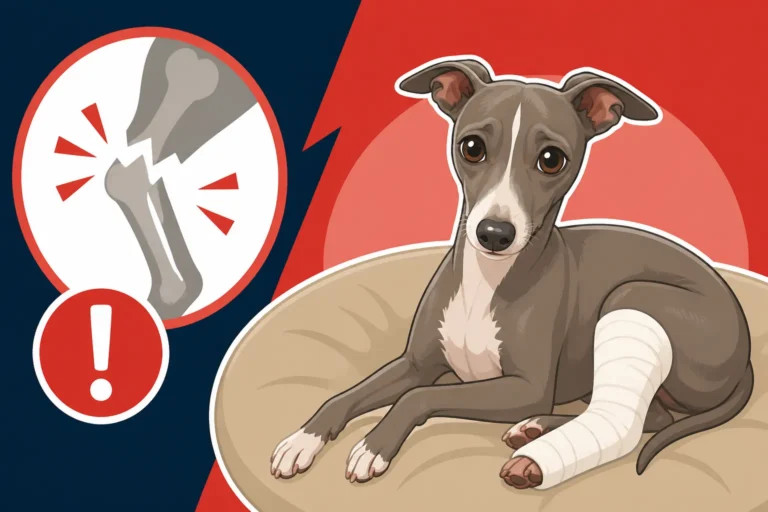
Despite the best preventative and professional care, many Italian Greyhounds will eventually require tooth extractions. This can be heartbreaking, but removing diseased, painful teeth is often the kindest thing you can do for your pet. If your Iggy needs multiple extractions, the veterinary team will discuss what to expect, including pain management during recovery. Given their delicate jaws, special care must be taken during extractions to prevent jaw fracture, a serious complication that can occur, especially with extensive bone loss. This is why Why an Italian Greyhound's Jaw Can Break During Extraction is a genuine concern, and why choosing an experienced veterinary dentist is paramount. Pet insurance like Healthy Paws can be incredibly beneficial here, as extensive dental work, especially with extractions, can add significantly to What a Dental Cleaning Costs for an Italian Greyhound and often makes What Extractions Add to an Italian Greyhound's Dental Bill a substantial amount. Even after extractions, many Iggies adapt remarkably well and often feel much better once the source of chronic pain is gone.
Living with an Italian Greyhound's Dental Realities
Embracing the reality of your Italian Greyhound's dental health challenges is part of being a responsible owner. It means understanding that "teeth for life" might not be their journey, but a life free from dental pain and infection is absolutely achievable. This long-term commitment will ensure your beloved companion maintains a good quality of life, even if their smile changes over the years.
Adapting to Tooth Loss: Eating and Comfort
It might seem daunting, but Italian Greyhounds adapt remarkably well to tooth loss. If they have significant extractions, particularly of multiple teeth, you might need to adjust their diet to softer foods. Many Iggies with few or no teeth thrive on wet food, soaked kibble, or even a home-cooked, vet-approved diet. They can often use their strong tongues and remaining gums to manage food surprisingly well. It's important to monitor their weight and ensure they're getting adequate nutrition. Keep an eye on their comfort levels; if you notice them dropping food, shying away from their bowl, or favoring one side of their mouth, it could indicate discomfort or a new dental issue. Providing soft bedding can also help ensure their comfort as they age, especially if they are losing weight and becoming bonier. If you’re ever wondering How an Italian Greyhound Eats With No Teeth, you’ll be pleasantly surprised by their resilience.
The Lifetime Commitment to Dental Health
Caring for an Italian Greyhound's dental health is not a one-time fix; it's a lifetime commitment. From puppyhood, establishing daily home care routines and scheduling regular veterinary check-ups is paramount. As they age, this commitment deepens. Regular professional cleanings, possibly even once a year or more for some individuals, become a routine part of their care. You'll need to stay vigilant for signs of discomfort or changes in their eating habits. This ongoing dedication might seem like a lot, but consider it an investment in their comfort and longevity. Untreated dental disease doesn't just cause oral pain; it can lead to systemic infections that negatively impact organs like the heart and kidneys, ultimately shortening their lifespan. Knowing this can help you appreciate How Dental Disease Shortens an Italian Greyhound's Life. Many owners find financial planning, possibly with pet insurance plans like those offered by Healthy Paws, helpful for managing the cumulative What an Italian Greyhound's Lifetime Dental Costs.
Quality of Life Considerations
Ultimately, our goal as Italian Greyhound owners is to ensure our pets have the best possible quality of life. This includes being free from chronic pain, and dental pain can be insidious and constant. A dog suffering from severe dental disease might appear withdrawn, less playful, or irritable, without outwardly showing clear signs of mouth pain. Addressing their dental needs, even if it means extractions, invariably improves their overall well-being. A happy Iggy is one that can eat comfortably, play without pain, and enjoy cuddles without wincing when their face is touched. While the idea of your Italian Greyhound not keeping all their teeth for life might be disappointing, focusing on preventing pain and infection through consistent, proactive dental care will ensure they live a full, joyful life, regardless of how many teeth they have. This long-term care becomes even more crucial as you start Caring for an Italian Greyhound Past Eleven, when other health issues may also begin to surface.
Dental Health Management Table for Italian Greyhounds
To summarize the various aspects of managing your Italian Greyhound's dental health, here's a quick overview:
| Aspect | Recommendation | Frequency | Benefits | Potential Drawbacks/Considerations |
|---|---|---|---|---|
| Daily Brushing | Use a pet-specific toothbrush and enzymatic toothpaste. Start young. | Daily | Reduces plaque buildup, freshens breath. | Requires consistency, some Iggies resist. |
| VOHC Dental Chews | Select VOHC-approved chews, size-appropriate, avoid excessively hard items. | Daily/Several times a week | Helps scrape plaque, satisfies chewing instinct. | Not a substitute for brushing, potential for fractures if too hard. |
| Oral Rinses/Wipes | Supplementary only, not a replacement for brushing. | Daily | Helps reduce bacteria, freshens breath. | Less effective than mechanical brushing. |
| Vet Check-ups | Annual physical exams with oral assessment. | Annually | Early detection of disease, professional advice. | May not catch all sub-gingival issues. |
| Professional Cleanings (Anesthetic) | Includes full oral exam, X-rays, scaling (above/below gum), polishing. | Annually to Bi-annually (as needed) | Removes hardened tartar, treats sub-gingival disease, prevents systemic issues. | Requires anesthesia, cost, recovery time. |
| Diet Adjustment | Softened food or wet food if significant tooth loss. | Ongoing | Ensures comfortable eating, adequate nutrition. | May require special meal preparation. |
| Pet Insurance | Consider plans that cover dental illness (not just accidents). | Enroll early | Helps manage significant costs of professional dental care and extractions. | Waiting periods, exclusions for pre-existing conditions. |
Disclaimer
The information provided in this guide is for general informational purposes only and is not a substitute for professional veterinary advice. Always consult with a qualified veterinarian regarding your Italian Greyhound's specific dental health needs, diagnosis, and treatment. Dental care, especially under anesthesia, carries inherent risks that should be discussed thoroughly with your vet.