Whether an Italian Greyhound Outlives a Whippet
One of the most profound desires we have as dog owners is simply to have our beloved companions with us for as long as possible. When you’re considering a sighthound breed like an Italian Greyhound or a Whippet, a common question that comes up is which one might bless you with more years of cuddles and quirky antics. It’s not just idle curiosity; knowing the typical lifespan and the factors that influence it can really help you prepare for the commitment ahead. This guide will dive deep into the expected lifespans of both Italian Greyhounds and Whippets, examining the health factors and care considerations that play a crucial role in how long each breed thrives, helping you understand what to expect from these wonderful, elegant dogs.
Understanding the Italian Greyhound's Lifespan
Italian Greyhounds, often affectionately called "Iggys," are known for their delicate beauty, zippy speed, and profound attachment to their people. While they might look fragile, they are generally considered quite long-lived for a purebred dog. However, their unique physical characteristics and some breed-specific predispositions mean their longevity comes with its own set of considerations.
The Typical Lifespan of an Italian Greyhound
When you welcome an Italian Greyhound into your home, you're usually signing up for a good, long run. The general consensus among breeders and veterinarians is that an Italian Greyhound typically lives between 14 to 15 years. This is an impressive figure, especially when compared to many other purebred dogs, some of whom might only reach 10-12 years. Many Iggys gracefully cross into their senior years, still full of personality and demanding their favorite spot on the sofa, sometimes even reaching 16 or 17 with exceptional care.
This extended lifespan is one of the many reasons why these tiny sighthounds are so cherished. It means more years to enjoy their playful bursts of energy, their deep soulful gazes, and their unparalleled talent for burrowing under blankets. Of course, individual dogs will always vary, and genetics, diet, exercise, and veterinary care all play a part in whether your particular Italian Greyhound enjoys the longer end of this spectrum. To learn more about their potential, check out our guide on Why an Italian Greyhound Lives Fourteen to Fifteen Years
Common Health Challenges Affecting Italian Greyhound Longevity
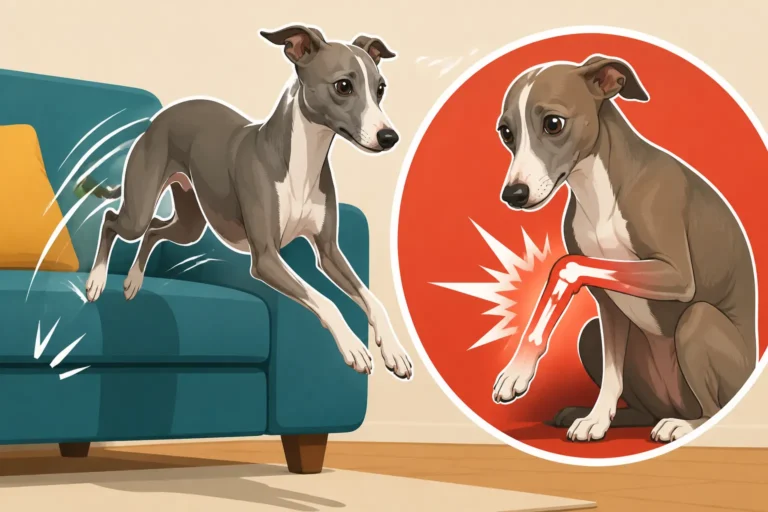
Despite their generally good health and long lives, Italian Greyhounds do have some specific vulnerabilities that owners need to be aware of, as these can impact their overall longevity and quality of life. The most notorious of these is their propensity for fractures. Their slender, delicate leg bones, particularly the radius and ulna in the front legs, are surprisingly fragile, especially in their younger, more boisterous years. A seemingly innocuous jump off a sofa or a tumble during play can lead to a devastating break. While most fractures are treatable, they require extensive veterinary care, often involving surgery and prolonged recovery. A severe or complicated fracture, or one that gets infected, can, in rare cases, lead to more serious complications that impact long-term health or even necessitate difficult decisions.
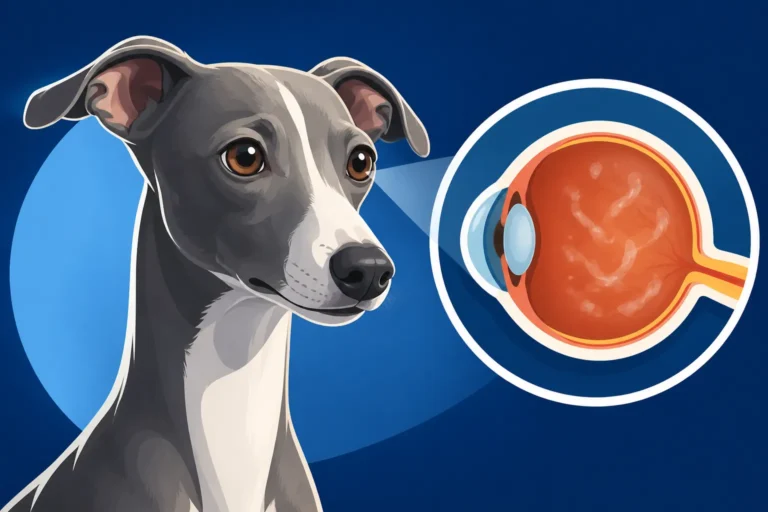
Another significant health concern for Italian Greyhounds, which is more chronic but equally impactful on their quality of life and potentially their lifespan, is Periodontal Disease Is the Italian Greyhound's Most Common Diagnosis. Their small mouths and closely set teeth make them highly susceptible to plaque and tartar buildup, leading to gum disease, infections, and eventual tooth loss. Untreated dental disease isn't just about bad breath; it can allow bacteria to enter the bloodstream, affecting vital organs like the heart, kidneys, and liver, potentially shortening their overall life. Regular, diligent dental care, including daily brushing and professional cleanings, is paramount for their long-term health. Beyond these, Iggys can also be prone to certain eye conditions, like Progressive Retinal Atrophy, though responsible breeders screen for these.
Factors That Can Shorten an Italian Greyhound's Life
While Italian Greyhounds are built for longevity, certain factors can regrettably cut their lives short. Accidents are a leading cause of premature death in this breed, primarily due to their fragile bone structure and high prey drive. An Italian Greyhound bolting into the street because it saw a squirrel, or falling from a height, are tragic but preventable scenarios. This highlights the critical importance of keeping them on leash in unfenced areas and implementing safety measures like ramps or stairs for furniture. Neglecting these precautions can have devastating consequences.
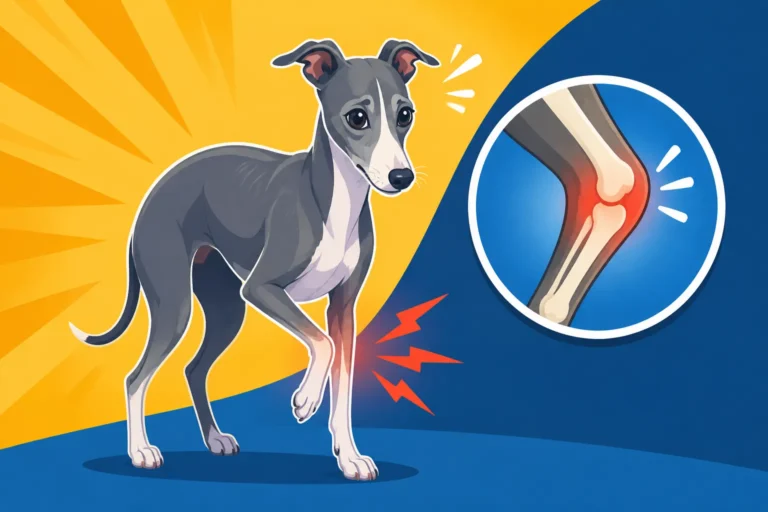
Poor nutrition and lack of appropriate exercise can also play a role. While Italian Greyhounds don't need hours of strenuous activity, they do need regular, safe exercise to maintain muscle tone and bone density. An overweight Italian Greyhound is not only at higher risk for joint issues but also for complications during surgery should a fracture occur. Furthermore, an unhealthy diet can contribute to dental problems and other systemic issues. Lastly, overlooking routine veterinary care, such as vaccinations, parasite prevention, and annual check-ups, can allow preventable diseases to take hold, impacting their long-term health. For a deeper understanding of potential risks, you might find our article on What Most Italian Greyhounds Die Of.
Exploring the Whippet's Lifespan
Whippets are often described as "Greyhounds in miniature," embodying much of the same grace, speed, and gentle nature, but in a more compact, manageable size. While they share some sighthound characteristics with their Italian Greyhound cousins, their slightly larger and sturdier build often means a slightly different set of health considerations and a comparable, though distinct, average lifespan.
The Expected Years for a Whippet
Whippets are another wonderfully long-lived sighthound breed, often outlasting many other breeds of similar size. On average, you can expect a Whippet to live between 12 to 15 years. This places them firmly in the category of breeds known for their longevity, providing many years of companionship. It’s not uncommon to hear of Whippets living to 16 or even 17, especially with devoted care and a bit of good genetic fortune. They typically remain quite active and playful well into their senior years, albeit with a bit more napping time, of course.
Their robust health and generally sturdy conformation contribute significantly to this impressive lifespan. While still elegant and athletic, they are less prone to the severe fracture risks that Italian Greyhounds face, largely due to their slightly heavier bone structure and muscle mass. This can mean fewer life-threatening accidents related to bone fragility, allowing them to enjoy their years with fewer critical interventions.
Health Considerations That Influence Whippet Longevity
While Whippets are generally a very healthy breed, they are not entirely without their health considerations. Like many sighthounds, they can be sensitive to certain anesthetic drugs due to their low body fat. This isn't necessarily a lifespan reducer, but it requires careful planning with an experienced veterinarian for any surgical procedures. Responsible vets know to tailor anesthetic protocols specifically for sighthounds, which is crucial for their safety during dentals or other operations.
Cardiac issues, particularly a condition called mitral valve disease, can sometimes be seen in older Whippets. Regular veterinary check-ups that include heart auscultation can help detect murmurs early, and your vet may recommend further diagnostics like echocardiograms if a concern arises. Eye conditions are less common but can occur, so reputable breeders will often screen their breeding stock. While not as prone to fractures as Italian Greyhounds, Whippets are still active dogs, and injuries from exuberant play or accidents can happen, though they are typically less severe than an Italian Greyhound's break. Maintaining a healthy weight and providing a safe environment can mitigate many potential issues. For comprehensive care, considering pet insurance like Healthy Paws can provide peace of mind for unexpected vet visits.
How a Whippet's Lifestyle Impacts Its Lifespan
A Whippet's active, energetic lifestyle is central to its well-being and, by extension, its lifespan. These dogs thrive on regular opportunities to sprint and stretch their legs in a secure area. While they are famously calm and cuddly indoors, they have an undeniable need for speed. Consistent exercise helps maintain their lean muscle mass, cardiovascular health, and keeps their minds stimulated. A sedentary Whippet is more prone to obesity, which can lead to a host of health problems, including joint issues, heart strain, and a reduced lifespan.
Beyond physical activity, a balanced, high-quality diet tailored to their energy levels is vital. Overfeeding or feeding low-quality food can quickly lead to weight gain or nutritional deficiencies. Mental stimulation through training, puzzle toys, and social interaction also contributes to their overall health and happiness, helping to prevent behavioral issues that might indirectly impact their well-being. Whippets are sensitive souls and thrive on companionship, so adequate attention and a loving home environment are also key to their long, happy lives.
A Direct Comparison: Italian Greyhound vs. Whippet Lifespan
When we look at the Italian Greyhound and the Whippet side-by-side, both breeds offer the promise of many years of joy. However, there are nuances in their average lifespans and the health challenges they face that are worth considering for prospective owners.
Average Lifespan: Who Comes Out Ahead?
Let's put the numbers straight:
| Breed | Average Lifespan | Common Lifespan Range |
|---|---|---|
| Italian Greyhound | 14-15 years | 12-17 years |
| Whippet | 12-15 years | 10-17 years |
As you can see, the Italian Greyhound often comes out slightly ahead on the average, sometimes living a year or two longer than the average Whippet. This might surprise some, given the Italian Greyhound's delicate appearance. However, both breeds are undeniably long-lived, far surpassing many larger dog breeds and even some small ones. The overlap in their upper range is significant, meaning an exceptionally well-cared-for Whippet can certainly live as long as, or even longer than, an average Italian Greyhound. Ultimately, both breeds offer an excellent chance for a long companionship, with Italian Greyhounds perhaps having a slight edge on the average end.
Shared and Divergent Health Concerns
Both Italian Greyhounds and Whippets share some common sighthound traits that influence their health, but they also have distinct vulnerabilities. Both breeds are prone to dental disease. Their fine bone structure often means crowded teeth, making them prime candidates for early onset plaque and tartar buildup. This is why consistent dental hygiene, as discussed in Periodontal Disease Is the Italian Greyhound's Most Common Diagnosis, is non-negotiable for both. Similarly, both breeds have low body fat, which makes them sensitive to cold and certain anesthetics, necessitating careful veterinary protocols. This is a shared characteristic that responsible owners and vets must always be mindful of.
Where they diverge significantly is in the risk of serious accidental injury. Italian Greyhounds are notoriously prone to leg fractures due to their extremely delicate bones. This risk is highest in puppies and young adults. A broken leg is a devastating event, and as discussed in A Broken Leg Is the Emergency Every Italian Greyhound Owner Fears, it can lead to massive vet bills and a long recovery. While Whippets are agile and can certainly get hurt, their bones are sturdier, and serious fractures are much less common. Whippets, being a bit larger, might face a slightly higher, albeit still low, risk of certain cardiac conditions in old age, but are generally remarkably robust. Being prepared for potential emergencies, no matter the breed, is wise; exploring options like Healthy Paws pet insurance can help cover unexpected medical costs for either breed.
Lifestyle and Care: Maximizing Longevity for Both Breeds
The daily care and lifestyle provided by their owners profoundly impact the lifespan of both Italian Greyhounds and Whippets. For Italian Greyhounds, creating a safe, fracture-proof environment is paramount. This means using ramps or stairs for furniture, supervising play, and never allowing them off-leash in unsecured areas. Their delicate build also means they need to be kept warm, requiring sweaters indoors in cool climates and coats for outdoor excursions. Proper nutrition is essential, ensuring they maintain a healthy, lean weight without being overly thin, which can also increase fracture risk.
Whippets, while sturdier, also benefit immensely from a thoughtful lifestyle. They need regular opportunities to run safely, whether in a fenced yard or at a dog park designed for sighthounds. Their exercise needs are higher than Iggys, but they also crave indoor comfort and cuddling. A balanced, species-appropriate diet is critical for their athletic bodies. Both breeds thrive on a consistent routine, mental stimulation, and most importantly, constant companionship. They are "Velcro dogs" who adore their people, and emotional well-being plays a huge role in their overall health and longevity. Caring for an Italian Greyhound and understanding What an Italian Greyhound Costs Over Fifteen Years, including the necessary preventative measures, is a lifelong commitment.
Practical Steps to Extend Your Sighthound's Life
Whether you choose an Italian Greyhound or a Whippet, as an owner, you have significant influence over their quality of life and, ultimately, how long they stay by your side. Proactive care, a safe environment, and attention to their unique needs can truly add years to their lives.
Proactive Veterinary Care and Early Detection
Regular veterinary check-ups are the bedrock of a long and healthy life for any dog, and sighthounds are no exception. For both Italian Greyhounds and Whippets, annual wellness exams are crucial. Your veterinarian can monitor their weight, assess their dental health, listen to their heart and lungs, and discuss any changes in behavior or appetite. For Italian Greyhounds, particular attention should be paid to their legs for any signs of discomfort or previous injury, and their dental health should be meticulously checked at every visit. Our guide on How Long an Italian Greyhound Lives on Average, emphasizes the importance of these routine visits.
As they age, these check-ups become even more vital. Around the age of seven or eight, your vet might recommend additional diagnostic screenings like blood work to check organ function, particularly kidneys and liver, and urinalysis. This allows for early detection of age-related conditions, such as kidney disease or hypothyroidism, which can often be managed effectively if caught early. Discussing your sighthound's anesthetic sensitivities with your vet before any procedure is also key to ensuring their safety. Pet insurance, like Healthy Paws, can be incredibly beneficial for covering the costs of these routine screenings and any unexpected medical issues that arise, ensuring you can always provide the best care without financial strain.
Nutrition, Exercise, and Mental Well-being
A balanced diet tailored to your sighthound's age, activity level, and any specific health needs is paramount. Both Italian Greyhounds and Whippets are lean dogs and tend to have sensitive stomachs. High-quality dog food, portioned correctly to maintain a healthy, lean body condition, is essential. Avoid overfeeding, as obesity can lead to a host of problems, including joint issues and increased anesthetic risk. For older dogs, you might consider specific senior formulas or supplements as recommended by your vet, as detailed in Caring for an Italian Greyhound Past Eleven.
Exercise needs differ slightly but are equally important for both. Italian Greyhounds need regular, moderate exercise, often consisting of brisk walks and short, safe bursts of play indoors or in a securely fenced yard. They are not endurance athletes, but consistent activity helps maintain muscle and bone health. Whippets, on the other hand, truly need opportunities to gallop. Daily sprints in a safe, enclosed area are crucial for their physical and mental health. Both breeds also need mental stimulation to prevent boredom and stress. This can come through training, puzzle toys, and plenty of interaction with their human families. They are incredibly social and bond deeply, so consistent companionship is vital for their mental well-being.
Creating a Safe Environment
For both breeds, safety is paramount, but the focus shifts slightly. For Italian Greyhounds, the primary concern is preventing leg fractures. This means:
- No unsupervised high jumps: Use ramps or pet stairs for beds and sofas.
- Gated stairs: Especially for puppies and younger dogs, as discussed in Why an Italian Greyhound's Radius Is the Bone That Breaks.
- Secure outdoor areas: Their high prey drive means they should never be off-leash in an unfenced area. Our article Why an Italian Greyhound Cannot Be Trusted Off Leash, Ever, provides more on this.
- Supervised play: Especially with larger dogs who might accidentally injure them.
For Whippets, while their bones are sturdier, their speed and prey drive still necessitate a very secure environment. A high, solid fence is crucial for their zoomies, and they, too, should never be trusted off-leash in open areas. Both breeds need soft, warm bedding to protect their thin skin and joints, especially as they age and may become more prone to pressure sores. Providing a calm, predictable home environment reduces stress, which contributes to overall health. For an Italian Greyhound, especially, ensuring they are always warm is key, as their lack of body fat makes them prone to shivering and discomfort in cooler temperatures. Taking all these measures seriously can add precious years to your beloved sighthound's life.
Disclaimer
This article is for general informational purposes only and does not constitute professional advice. Laws, prices and regulations vary by location and change over time. Consult a qualified professional for guidance on your specific situation.