Why an Italian Greyhound Lives Fourteen to Fifteen Years
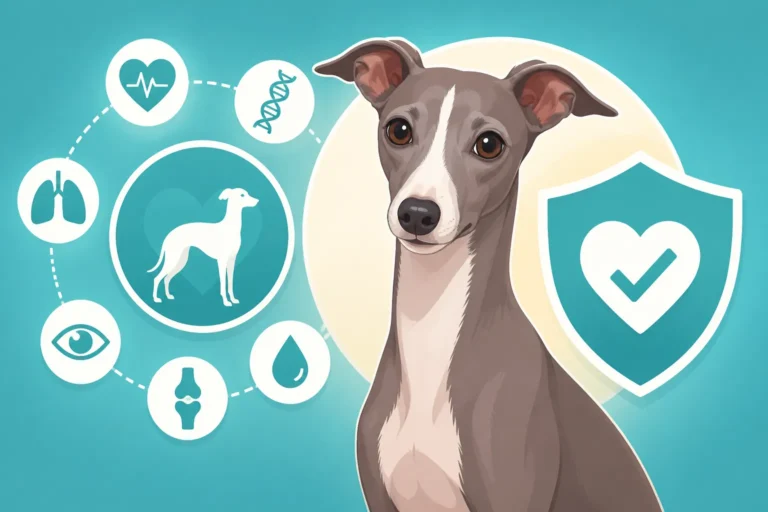
It’s a common worry for any dog owner: how long will our beloved companion be with us? For those of us with Italian Greyhounds, this question can feel even more poignant given their delicate appearance. While they might seem fragile, Italian Greyhounds often enjoy remarkably long and healthy lives, frequently reaching 14 to 15 years, and sometimes even beyond. This comprehensive guide will explore the unique factors contributing to their impressive longevity and how dedicated care can help them thrive well into their golden years.
Understanding the Italian Greyhound Lifespan
When you welcome an Italian Greyhound into your home, you're not just getting a dog; you're gaining a family member with the potential for a long and vibrant life. It's a wonderful aspect of the breed that offers a great deal of comfort to their devoted human companions.
The Average Longevity of the Breed
Most purebred Italian Greyhounds, when properly cared for, live happily for 14 to 15 years. This places them among the longer-lived dog breeds, particularly when compared to many larger or giant breeds that often have lifespans in the single digits or early teens. For instance, while a Great Dane might live 7-10 years and a Labrador Retriever around 10-12 years, our Iggies consistently beat those numbers. It's a testament to their overall health and genetic makeup.
Of course, this is an average, and individual experiences can vary. Some Italian Greyhounds, unfortunately, face unforeseen health challenges or accidents that can shorten their lives. Others, with a combination of good genetics, meticulous care, and a bit of luck, can sail past 15 years and become true seniors, enjoying life well into their late teens. We all hope for those extra years with our furry shadows, and understanding what contributes to that longevity is the first step in making it a reality.
The key to reaching these impressive ages often lies in a blend of genetics, preventative care, nutrition, and a safe, loving environment. It's not just about avoiding major illnesses, but about fostering an environment where they can truly flourish. Every decision, from the food bowl to their sleeping arrangements, plays a subtle but significant role in adding those precious years to their lives.
Factors Contributing to a Longer Life
There's no single secret to the Italian Greyhound's impressive lifespan; instead, it's a tapestry woven from several beneficial threads. One significant factor is their small size, which generally correlates with longer lifespans across dog breeds. Smaller dogs often experience less strain on their organs and joints compared to their larger counterparts, reducing the incidence of age-related orthopedic issues and certain cancers.
Beyond size, the breed's historical development has played a crucial role. Bred primarily as companions, Italian Greyhounds haven't been subjected to the same intense selective breeding for exaggerated physical traits that can lead to inherent health problems in some other breeds. Their elegant, streamlined physique is largely functional, contributing to their agility and overall robustness. This natural design means fewer predispositions to some of the severe structural issues seen elsewhere.
Finally, their strong bond with humans means they typically live indoors, protected from many outdoor hazards. This sheltered lifestyle, combined with the dedicated care of their owners, significantly enhances their chances of a long life. It's a partnership: their inherent good health meets our unwavering commitment.
Genetics and Breed Health Advantages
The genetic blueprint of the Italian Greyhound is a major contributor to their ability to live long, healthy lives. Their lineage, carefully preserved and refined over centuries, has largely favored a healthy, functional structure.
Inherently Healthy Genetic Pool
The Italian Greyhound is a very old breed, tracing its roots back thousands of years. Unlike some modern breeds that have undergone rapid and sometimes extreme modifications for specific appearances or working traits, the Italian Greyhound has largely retained its original elegant, yet robust, structure. They were primarily bred as companions, lapdogs for nobility, and aesthetically pleasing animals. This focus on companionship meant that breeders weren't pushing for extreme features that could compromise health. They valued agility, grace, and temperament, which inherently selected for healthier individuals.
While all purebred dogs can be prone to certain genetic conditions, the Italian Greyhound's genetic pool is, on the whole, quite sound. They are not plagued by widespread, debilitating structural problems like severe hip or elbow dysplasia that are common in many larger breeds. Their slender build and light bone structure, though making them prone to fractures, also mean their joints often wear less over time, delaying or even preventing the onset of debilitating arthritis until very late in life. This foundation of general good health is a huge head start towards a long life.
Responsible breeders continue to prioritize health, carefully screening their breeding stock to avoid passing on known hereditary conditions. This vigilance helps to maintain the integrity of the breed's health, ensuring that future generations continue to benefit from this naturally healthy genetic heritage.
Size-Related Health Benefits
It's a common observation in the canine world: smaller dogs generally live longer than larger dogs. The Italian Greyhound fits perfectly into this pattern, with their compact size (typically 7-14 pounds) offering several significant health advantages that contribute to their longevity. Their lightweight frame puts less stress on their joints, spine, and internal organs over the course of their lives.
Consider the wear and tear on a German Shepherd's hips and elbows compared to an Italian Greyhound's. The sheer difference in body mass means the IG's joints endure significantly less impact and pressure, delaying the onset of degenerative conditions like arthritis. This reduced load also extends to their cardiovascular and respiratory systems, which aren't required to work as hard to support a massive body.
Furthermore, smaller dogs tend to have a lower incidence of certain cancers that are more prevalent in larger breeds, such as osteosarcoma, a type of bone cancer often seen in big, fast-growing dogs. While Italian Greyhounds aren't immune to cancer, their general risk profile for some types is more favorable due to their size. This fundamental biological advantage is a key reason why we get to enjoy our Iggies for so many years.
Avoiding Brachycephalic Issues
One of the Italian Greyhound's greatest, often unsung, health advantages is their classic sighthound head structure. Unlike brachycephalic (flat-faced) breeds such as Pugs or Bulldogs, Italian Greyhounds possess long, elegant muzzles and open nostrils. This anatomical feature is far more than just a matter of aesthetics; it is crucial for their respiratory health and overall well-being.
Brachycephalic breeds often suffer from Brachycephalic Obstructive Airway Syndrome (BOAS), a collection of physical abnormalities that restrict airflow. This can lead to chronic breathing difficulties, overheating, exercise intolerance, and a heightened risk during anesthesia. These issues not only severely impact their quality of life but can also significantly shorten their lifespan due to chronic stress on the heart and lungs, and increased susceptibility to heatstroke.
In contrast, an Italian Greyhound's well-formed muzzle allows for unobstructed breathing, efficient cooling, and comfortable exercise. They can run, pant, and regulate their body temperature far more effectively. This natural respiratory efficiency reduces strain on their cardiovascular system throughout their lives, helping them stay active and healthy for longer. It's a simple, yet profoundly impactful, genetic gift that contributes greatly to their impressive longevity.
The Importance of Proactive Veterinary Care
While Italian Greyhounds are generally healthy, they still require diligent veterinary care to ensure they reach their full lifespan potential. Proactive care is not just about reacting to illness; it's about preventing it and addressing issues before they become serious.
Regular Check-ups and Preventative Measures
Annual veterinary check-ups are absolutely non-negotiable for Italian Greyhounds, even if they appear perfectly healthy. These routine visits allow your vet to catch subtle changes that you might not notice at home, especially since Iggies are notoriously good at hiding pain or discomfort. During these exams, your vet will perform a thorough physical assessment, checking everything from their teeth and ears to their heart and joints. Early detection of issues, even minor ones, can make a huge difference in treatment success and long-term prognosis.
Preventative measures, such as appropriate vaccinations and year-round parasite control (for fleas, ticks, and heartworm), are also critical. Your vet can recommend a vaccination schedule tailored to your Italian Greyhound's lifestyle and geographic location, avoiding unnecessary over-vaccination while ensuring protection against prevalent diseases. Similarly, consistent parasite prevention protects them from illnesses carried by these pests. Many owners are also choosing to invest in pet insurance, like policies from Healthy Paws, which can help cover the costs of these essential preventative visits and unexpected illnesses, making comprehensive care more accessible throughout an Italian Greyhound's long life.
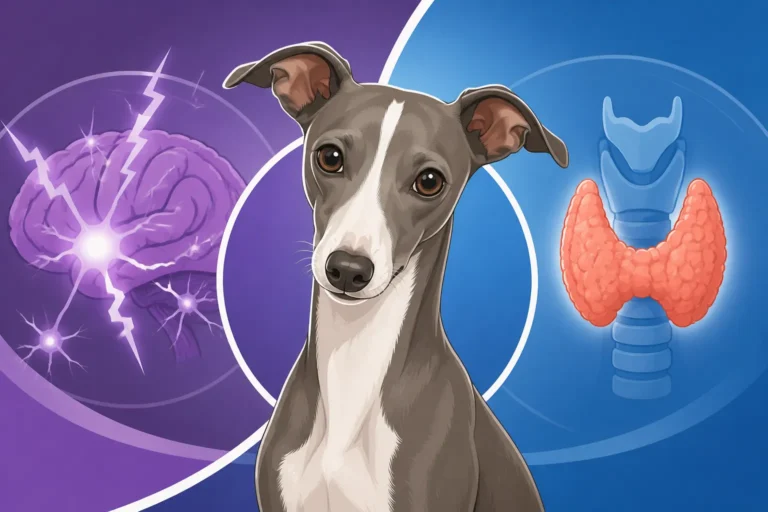
Bloodwork, especially as your Italian Greyhound ages, can provide valuable insights into organ function, detecting conditions like kidney disease or thyroid issues before clinical signs become obvious. These proactive steps are the bedrock of a long and healthy life, ensuring your Italian Greyhound's underlying health is supported year after year.
Addressing Common Breed-Specific Concerns Early
Even with a generally healthy genetic makeup, Italian Greyhounds do have a few predispositions that require particular attention from owners and veterinarians. Being aware of these and addressing them proactively is crucial for their long-term health and lifespan.
One of the most significant concerns for the breed is dental disease. Italian Greyhounds, with their small mouths and crowded teeth, are highly susceptible to plaque and tartar buildup, which can rapidly progress to severe periodontal disease. This isn't just about bad breath; dental disease can lead to painful tooth loss, jaw infections, and even systemic health problems as bacteria from the mouth can enter the bloodstream and affect vital organs like the heart and kidneys. Regular dental cleanings, often starting earlier than with other breeds, and daily brushing are paramount. You can learn more about How Common Dental Disease Is in an Italian Greyhound and how to manage it.
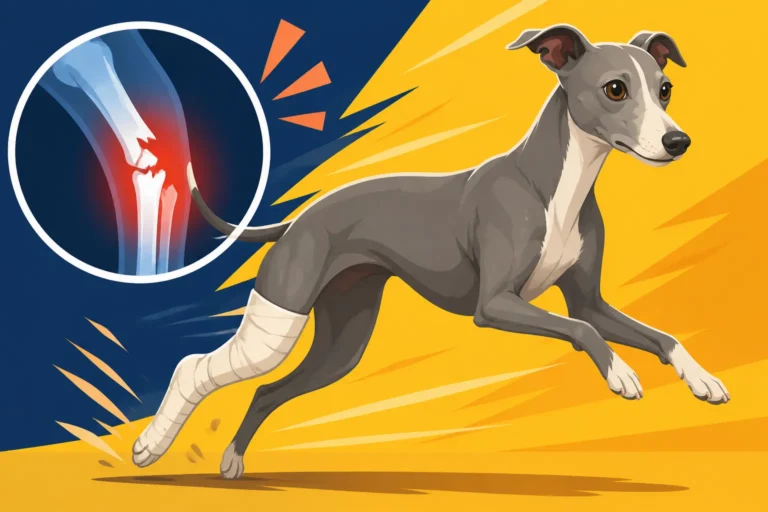
Another major breed-specific challenge, though not a disease, is their propensity for fractures, particularly of the radius and ulna in their front legs. Their fine, delicate bones, especially during puppyhood and adolescence, are surprisingly fragile. A seemingly innocent jump off a sofa can lead to a devastating break. While fractures are usually treatable, they require extensive and often costly veterinary intervention, prolonged recovery, and can sometimes lead to long-term complications or even amputation in severe cases. Preventing these injuries through careful supervision and environmental management, rather than waiting to react, is key. Understanding Why an Italian Greyhound's Leg Bones Break So Easily is essential for every owner.
Lastly, while less common than dental issues or fractures, Italian Greyhounds can be prone to certain eye conditions, such as Progressive Retinal Atrophy (PRA) or cataracts. Responsible breeders screen for these, but regular eye exams by a veterinary ophthalmologist can help detect problems early. Catching these conditions early allows for management strategies that can preserve vision or prepare owners for eventual blindness, ensuring a good quality of life. For more detail, refer to The Eye Diseases an Italian Greyhound Breeder Screens For. Proactive monitoring and early intervention for these specific concerns are vital pillars supporting an Italian Greyhound's potential for a long and comfortable life.
Nutrition and Weight Management for Longevity
What goes into your Italian Greyhound's bowl might seem like a simple decision, but it has profound implications for their health and lifespan. Proper nutrition and vigilant weight management are cornerstones of longevity for this unique breed.
Tailored Diet for a Sighthound Metabolism
Italian Greyhounds, being sighthounds, possess a unique metabolism. They are built for short bursts of intense speed, not sustained endurance, and their bodies are naturally very lean, carrying minimal body fat—often around 17% compared to 25-30% in many other breeds. This means their dietary needs differ from those of chunkier, less active breeds. They require a high-quality diet rich in easily digestible proteins and healthy fats to maintain muscle mass and provide energy, without excess carbohydrates that can lead to unhealthy weight gain.
Choosing the right food involves looking for brands that use whole ingredients and are free from excessive fillers or artificial additives. A diet tailored to their sighthound physiology helps support their energy levels, maintain a healthy coat, and keep their immune system strong. Overfeeding, even slightly, can quickly tip them into an unhealthy weight range, so portion control based on their activity level and ideal body condition is crucial. For detailed insights into their unique dietary needs, check out Feeding an Italian Greyhound That Carries Seventeen Percent Body Fat.
This isn't about feeding them a "special" or expensive food for the sake of it, but rather understanding their intrinsic physiological needs. They burn energy efficiently, and their lean frames need sustenance that supports that athleticism without adding unnecessary bulk. A consistent, high-quality diet throughout their life helps keep their metabolism humming along optimally, contributing directly to their overall health and vitality.
The Dangers of Being Overweight or Underweight
Maintaining an Italian Greyhound at their ideal weight is perhaps one of the most critical aspects of their care for ensuring a long life. Both being overweight and underweight pose significant health risks, each with its own set of dangers for this delicate breed.
An overweight Italian Greyhound is at increased risk for a cascade of health problems. The extra pounds put undue stress on their already fine-boned structure, exacerbating the risk of conditions like arthritis, even in older age. More seriously, obesity increases the likelihood of developing serious metabolic diseases such as diabetes, heart disease, and liver problems. Their small frames are simply not designed to carry excess weight, and the strain on their organs can significantly shorten their lifespan and diminish their quality of life. Even a pound or two extra on an Italian Greyhound is equivalent to many pounds on a larger dog, and it truly makes a difference to their overall health.
Conversely, an underweight Italian Greyhound also faces challenges. While they are naturally lean, being too thin means they lack adequate fat reserves to protect their delicate bones, particularly important in a breed prone to fractures. They may also have compromised immune systems, struggle to maintain body temperature (especially given their lack of insulating fat), and lack the energy required for healthy activity. It’s a fine balance, and knowing What an Italian Greyhound Weighs and How to Tell If It Is Right is key. Your vet can help you assess your Italian Greyhound's body condition score, which is a more accurate indicator than just a number on a scale, ensuring they are neither too bony nor carrying any unnecessary padding.
Markdown Table: Ideal Italian Greyhound Body Condition
To help you monitor your Italian Greyhound's weight, here's a general guide based on a body condition score (BCS) system commonly used by veterinarians. An ideal score is around 4-5.
| Body Condition Score (BCS) | Appearance | Ribs | Waist/Tuck-Up | Energy Level | Health Implications |
|---|---|---|---|---|---|
| 1 (Emaciated) | Bones prominent, severe muscle loss | Easily felt/seen | Extreme | Very low | Severe malnutrition, organ damage, poor immunity, very high fracture risk |
| 2 (Very Thin) | Ribs, spine, pelvis easily visible, little fat | Easily felt/seen | Marked | Low | Increased fracture risk, poor immunity, chronic illness |
| 3 (Thin) | Ribs easily felt, slight visible tuck-up | Easily felt | Obvious | Normal | Generally acceptable, but monitor closely |
| 4 (Ideal) | Ribs easily felt with minimal fat cover | Easily felt | Present | High | Optimal for health and longevity |
| 5 (Ideal) | Ribs felt with slight fat cover, good muscle tone | Easily felt | Present | High | Optimal for health and longevity |
| 6 (Overweight) | Ribs difficult to feel, fat deposits | Difficult to feel | Less obvious | Lower | Increased risk of arthritis, heart disease, diabetes |
| 7 (Obese) | Ribs very difficult to feel, significant fat | Hard to feel | Absent | Very low | Significant health risks, shortened lifespan |
Regularly assessing your Italian Greyhound's BCS, along with routine weigh-ins at the vet, will help ensure they maintain the optimal weight for a long and healthy life.
Exercise, Mental Stimulation, and Environmental Safety
Beyond genetics and nutrition, an Italian Greyhound's daily life experiences—how they move, what they think about, and the safety of their surroundings—play a huge role in their overall health and contribute significantly to their lifespan.
Balanced Exercise for Health and Happiness
Italian Greyhounds are sighthounds, which means they are built for speed and quick bursts of energy. While they are often described as "45 mph couch potatoes," this doesn't mean they don't need regular exercise. They absolutely do! However, their exercise needs are unique. They thrive on opportunities for short, intense sprints, often referred to as "zoomies," followed by long periods of rest. A brisk 20-30 minute walk twice a day is usually sufficient for their aerobic needs, but the chance to really stretch their legs and run at full speed in a safe, enclosed area is vital for their physical and mental well-being.
It’s crucial to provide safe spaces for these sprints. A secure, fenced yard or a leash-free park designed for small dogs is ideal. Allowing them to run safely reduces frustration and keeps their muscles toned. However, their delicate bone structure means high-impact activities, especially repeated jumping from heights, should be strictly avoided. A single misstep from a couch or bed can lead to a serious fracture. Recognizing Where an Italian Greyhound Can Run Safely and avoiding dangerous situations is paramount. Many owners find that ramps and steps for furniture can help mitigate these risks.
The balance is key: enough exercise to keep their sighthound bodies fit and happy, but always with an eye toward preventing injury. Fractures are a major concern for the breed, and even a fully healed break can lead to complications or early arthritis. Avoiding The Jump Off the Sofa That Breaks an Italian Greyhound's Leg and similar incidents through proactive management contributes directly to their long-term health and mobility.
Mental Enrichment and Stress Reduction
Italian Greyhounds are intelligent, sensitive, and deeply attached to their people. Their mental and emotional well-being is just as crucial as their physical health for a long and fulfilling life. As true "Velcro dogs," they thrive on companionship and can suffer from stress and anxiety if left alone for extended periods. This isn't just a behavioral issue; chronic stress can have a tangible impact on a dog's physical health, weakening their immune system and exacerbating other health problems.
Providing plenty of mental stimulation helps keep their minds sharp and prevents boredom-related stress. This can include puzzle toys that dispense treats, short training sessions (they are surprisingly quick learners despite their independent streak), and interactive play with their owners or other compatible dogs. Their deep connection to their humans means they feel safest and most content when near you. Understanding The Velcro Dog: What Constant Company Means With an Italian Greyhound is fundamental to meeting their emotional needs.
Creating a calm, predictable home environment also helps reduce stress. They are sensitive to loud noises, sudden movements, and harsh corrections. A gentle approach to training and daily interactions will foster a secure bond and reduce anxiety. Just as with humans, a dog’s mental state directly influences their physiological responses, and reducing stress can bolster their overall health, allowing their bodies to function optimally for a longer duration.
Creating a Safe Home Environment
Given their delicate nature, especially concerning bone fractures, creating a safe home environment for an Italian Greyhound is one of the most critical aspects of care for their long-term well-being. This isn't just about puppy-proofing; it's about making permanent adjustments that protect them throughout their lives.
One of the primary concerns is preventing falls and jumps from furniture. Investing in Ramps and Steps for an Italian Greyhound's Furniture is highly recommended for couches, beds, and any other elevated surfaces your Italian Greyhound might access. This eliminates the temptation to jump down, which is a common cause of leg breaks. Even seemingly small drops can be dangerous for their slender bones. Similarly, ensuring adequate traction on floors is important. Hardwood or tile floors can be slippery, leading to slips and falls that could result in injury. Strategically placed rugs or runners can provide grip and make moving around the house safer, especially as they age.
Italian Greyhounds also have very thin skin and almost no body fat, making them highly susceptible to cold. A warm environment is crucial for their comfort and health, reducing stress on their bodies. Providing cozy, soft bedding, plenty of blankets for burrowing, and ensuring your home temperature is comfortable for them, particularly during colder months, is essential. They often require sweaters or pajamas indoors if your home is cool. Detailed guidance on Keeping an Italian Greyhound Warm Is Daily Work, Not a Winter Job can help you make the right choices to protect your beloved companion from the chill, which in turn prevents discomfort and helps preserve their energy for healthy activities.
The Role of Responsible Breeding
The journey of a long-lived Italian Greyhound often begins long before they even arrive in your home. The choices made by a responsible breeder are foundational to the health and longevity of their puppies.
Health Screening and Genetic Testing
A truly responsible Italian Greyhound breeder prioritizes the health of their lines above all else. This means conducting thorough health screenings and genetic testing on all breeding dogs before they are ever bred. These tests are designed to identify any hereditary conditions that could be passed on to puppies, allowing breeders to make informed decisions and minimize the risk of producing offspring with serious health problems.
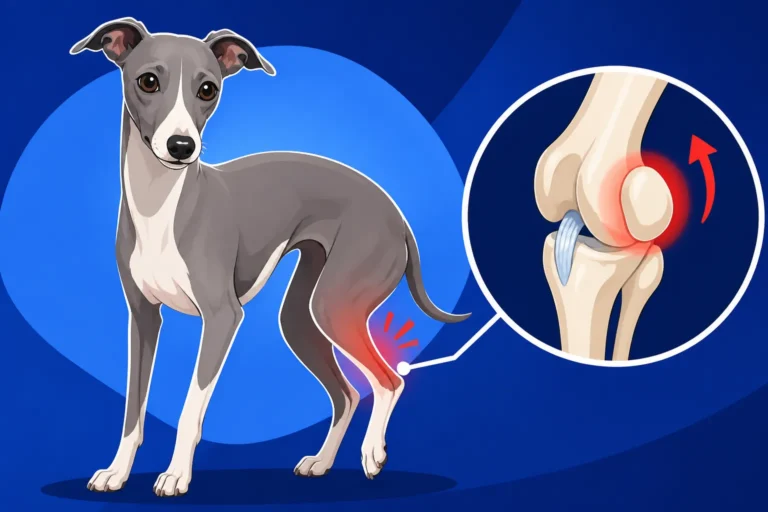
For Italian Greyhounds, specific screenings often include OFA (Orthopedic Foundation for Animals) certifications for patellar luxation (slipping kneecaps) and sometimes Legg-Calve-Perthes disease, although the latter is less common than in some other toy breeds. Eye certifications, typically performed by a board-certified veterinary ophthalmologist through organizations like CERF (Canine Eye Registry Foundation) or OFA Eye Certification, are also crucial to screen for conditions such as Progressive Retinal Atrophy (PRA) or cataracts, which can impact an Italian Greyhound's quality of life and lifespan. Some breeders also screen for thyroid issues, as hypothyroidism can occur in the breed. If you’re ever considering bringing an Italian Greyhound into your family, knowing What an Italian Greyhound Breeder Should Have Tested will help you choose a reputable source.
Beyond specific genetic tests, a good breeder will meticulously review pedigrees to understand the health history of previous generations, looking for patterns of longevity and avoiding lines known for recurrent health issues. This commitment to genetic health significantly increases the likelihood that a puppy will inherit strong, healthy genes, setting them up for a long and vibrant life. It's an investment in the future health of the breed and a testament to the breeder's ethical standards.
Breeder Support and Puppy Rearing Practices
A responsible breeder's role extends far beyond just producing healthy puppies. Their rearing practices in the crucial first eight weeks of a puppy's life, and their ongoing support to new owners, are incredibly influential on a dog's long-term well-being and, ultimately, their lifespan. Puppies raised in a clean, stimulating, and loving environment with proper nutrition and early veterinary care tend to be more robust and resilient.
Good breeders ensure puppies receive appropriate early socialization, which contributes to a stable temperament and reduces the likelihood of behavioral issues driven by fear or anxiety. These emotional factors, if unaddressed, can lead to chronic stress that impacts physical health. They also provide initial veterinary care, including appropriate deworming and first vaccinations, giving puppies a healthy start.
Furthermore, a reputable breeder acts as a lifelong resource, offering guidance and support to new owners. They are there to answer questions about everything from nutrition and training to health concerns, often providing invaluable breed-specific insights gleaned from years of experience. This ongoing mentorship helps owners navigate the challenges and joys of Italian Greyhound ownership, ensuring consistent, high-quality care throughout the dog's life. This long-term relationship, sometimes even supported by pet insurance providers like Healthy Paws who recognize the value of preventative care, means that owners are never truly alone in caring for their Italian Greyhound, contributing to an informed approach that supports longevity.
The Emotional and Social Well-being Connection
For Italian Greyhounds, health isn't just physical. Their deeply emotional and social nature means that their mental state has a profound impact on their physical health and, consequently, their lifespan. They are dogs that thrive on connection and can literally waste away from loneliness.
Companionship and Human Connection
If there's one defining characteristic of the Italian Greyhound, it's their unwavering need for companionship and human connection. They are not dogs that do well left alone for long hours, day after day. Their affectionate, "Velcro" nature means they crave proximity to their people, often following them from room to room, seeking physical touch, and burrowing under blankets right next to them. This isn't just cute behavior; it's a fundamental need for their emotional and physiological well-being.
Loneliness or prolonged isolation can be profoundly stressful for an Italian Greyhound. Chronic stress can manifest in various ways, including behavioral issues like destructive chewing or excessive barking, but it also takes a toll on their physical health. It can suppress the immune system, making them more susceptible to illness, and exacerbate existing conditions. A happy, emotionally secure Italian Greyhound is a healthier Italian Greyhound.
Ensuring your Italian Greyhound receives ample attention, cuddles, and inclusion in family activities is not just about making them happy; it's a crucial component of their overall health strategy. They flourish when they feel loved, safe, and integrated into the family unit. This constant emotional support contributes to a more robust immune system and a reduced susceptibility to stress-related ailments, directly enhancing their potential for a long and vibrant life.
Managing Stress and Anxiety
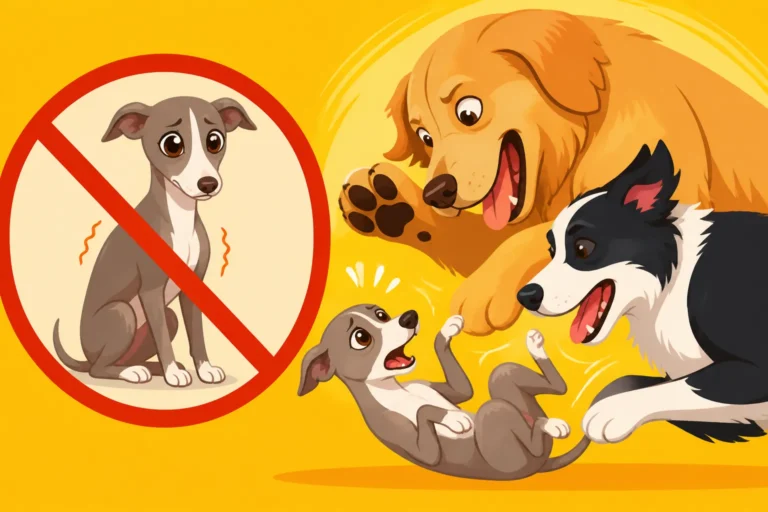
Italian Greyhounds are often described as sensitive souls, and this sensitivity means they can be particularly susceptible to stress and anxiety, which, if not managed, can negatively impact their long-term health. A chaotic household, harsh training methods, or prolonged periods of separation can all contribute to chronic stress in an Italian Greyhound.
For example, yelling or using punitive training methods can be deeply distressing for them. An Italian Greyhound that is frequently shouted at or handled roughly may become withdrawn, anxious, or even develop fear-based aggression. This constant state of alert or fear generates stress hormones that, over time, can lead to a range of physical health problems, from digestive upsets to a weakened immune response. It’s important to remember that Why Raising Your Voice Sets an Italian Greyhound Back a Month is not just about training effectiveness, but about their overall emotional and physical welfare.
Instead, a gentle, consistent, and positive reinforcement approach to training and daily interactions is crucial. Providing a predictable routine, a quiet retreat space, and a steady supply of comfort and affection helps to build their confidence and reduce anxiety. When an Italian Greyhound feels secure and loved, their stress levels remain low, allowing their bodies to function optimally. This calm emotional state contributes significantly to their physical resilience and ability to live a long, healthy life, free from the debilitating effects of chronic stress. Owners who understand their Italian Greyhound's sensitive nature and actively work to reduce their stress are often rewarded with a more robust and longer-lived companion.
When Italian Greyhounds Become Seniors
While we always hope our Italian Greyhounds will live forever, the reality is they will eventually enter their senior years. This transition requires a mindful adjustment in care to ensure they continue to enjoy a high quality of life and reach the upper end of their impressive lifespan.
Recognizing the Signs of Aging
Just like humans, Italian Greyhounds exhibit various signs as they enter their golden years, typically starting around 8-10 years of age, though some remain spry well past that. Recognizing these subtle changes early allows you to adapt their care proactively. One of the most common signs is a general decrease in activity levels. They might nap more frequently, show less enthusiasm for long walks, or prefer cuddling to vigorous play. Their once boundless "zoomies" might become shorter and less frequent.
You might also notice changes in their physical appearance. Their muzzle can start to gray, and their eyes may develop a cloudy appearance due to lenticular sclerosis (a normal age-related change that doesn't usually affect vision significantly). Hearing and vision can diminish, leading to a bit of confusion, especially in unfamiliar environments or at night. They might also start to lose some muscle mass, even if their weight remains stable. Understanding that The Age an Italian Greyhound Is Considered Senior can vary, but generally starts to manifest in these subtle shifts, is the first step in providing tailored care.
Cognitive changes can also occur, though less commonly than in some other breeds. These might include disorientation, altered sleep-wake cycles, or changes in interaction with family members. Observing these shifts isn't a cause for panic, but rather an indicator that it's time to discuss age-specific care with your veterinarian.
Adapting Care for the Golden Years
As your Italian Greyhound transitions into their senior years, their care regimen should evolve to support their changing needs. This proactive adaptation is key to maintaining their comfort, health, and quality of life for as long as possible. One of the most important adjustments is increasing the frequency of veterinary check-ups. Instead of annual visits, your vet might recommend semi-annual exams to closely monitor for age-related conditions such as arthritis, heart murmurs, kidney disease, or dental issues, which can become more prevalent in older dogs. Early detection allows for timely intervention and better management.
Dietary changes may also be necessary. Many senior Italian Greyhounds benefit from a diet formulated for older dogs, which might have different calorie counts or nutrient ratios to support joint health, cognitive function, and organ health. If dental issues are present, softer foods or food moistened with water can make eating more comfortable. Providing easily accessible water is also crucial, as older dogs can be prone to dehydration. For comprehensive advice on keeping your elder dog comfortable, refer to Caring for an Italian Greyhound Past Eleven.
Comfort and accessibility in the home become paramount. Soft, orthopedic beds can ease pressure on aging joints, and ramps or steps to furniture become even more critical to prevent falls. They may also feel the cold more acutely, requiring extra blankets or even a heated bed, particularly during colder months. Continuing gentle exercise, even just short, slow walks, helps maintain muscle mass and joint flexibility. These thoughtful adjustments allow your Italian Greyhound to age gracefully and comfortably, extending their companionship into those cherished later years, and can even be supported by pet insurance plans from providers like Healthy Paws that include senior care benefits.
Disclaimer
This guide is intended for informational purposes only and does not constitute medical advice. Always consult with a qualified veterinarian for any health concerns or before making any decisions about your Italian Greyhound's health and care.