Why Raising Your Voice Sets an Italian Greyhound Back a Month
If you've ever found yourself raising your voice at your sweet, delicate Italian Greyhound, you're certainly not alone. Many of us, in moments of frustration or exasperation—perhaps after finding yet another "surprise" on the rug or witnessing a daring counter-surfing attempt—have let our volume creep up. But with an Italian Greyhound, this common human reaction often backfires spectacularly, leaving both you and your sensitive pup feeling worse and setting back your training progress by weeks, if not months. This guide will explore exactly why these gentle sighthounds react so poorly to harsh words, how it damages your relationship, and what positive, effective strategies you can use instead to foster a confident, well-behaved companion.
The Italian Greyhound's Sensitive Nature and What It Means for Training
Italian Greyhounds are not like many other dog breeds. Their history, their physical build, and their inherent temperament all contribute to a deeply sensitive disposition that makes them particularly vulnerable to harsh training methods, including simply raising your voice. Understanding this fundamental aspect of their character is the first step toward building a successful and loving relationship.
A History of Companionship, Not Hardness
For centuries, Italian Greyhounds have been treasured companions, often found gracing the laps of nobility and royalty. They weren't bred for hard labor, guarding, or even intense hunting in the same way larger hounds were. Instead, their role was to provide comfort, warmth, and affectionate company. This long history of close human interaction, coupled with their delicate bone structure and thin skin, has cultivated a breed that thrives on gentleness and positive connection. When you consider this background, it becomes clear why a sharp word or a loud tone feels so alien and frightening to them. They perceive the world, and especially their human family, as a source of safety and affection, and anything that disrupts that expectation can be deeply unsettling. They haven't been genetically programmed to shrug off stern commands; rather, they're predisposed to seek harmony and gentle approval.
The Fight, Flight, or Freeze Response in IGs
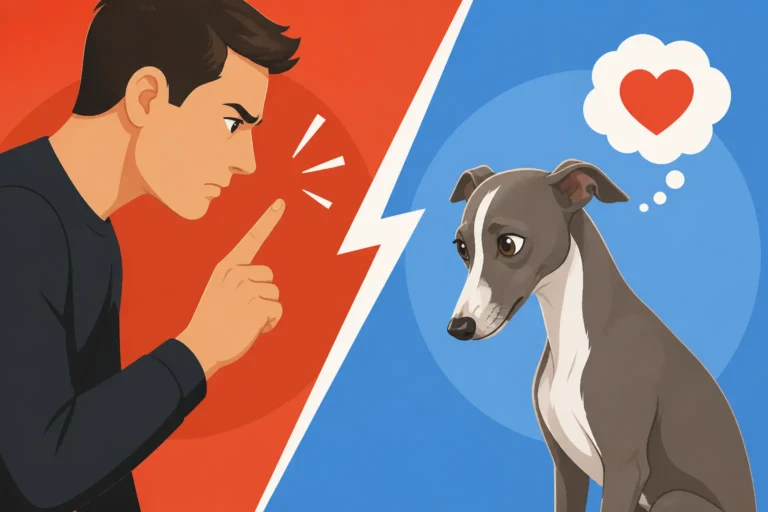
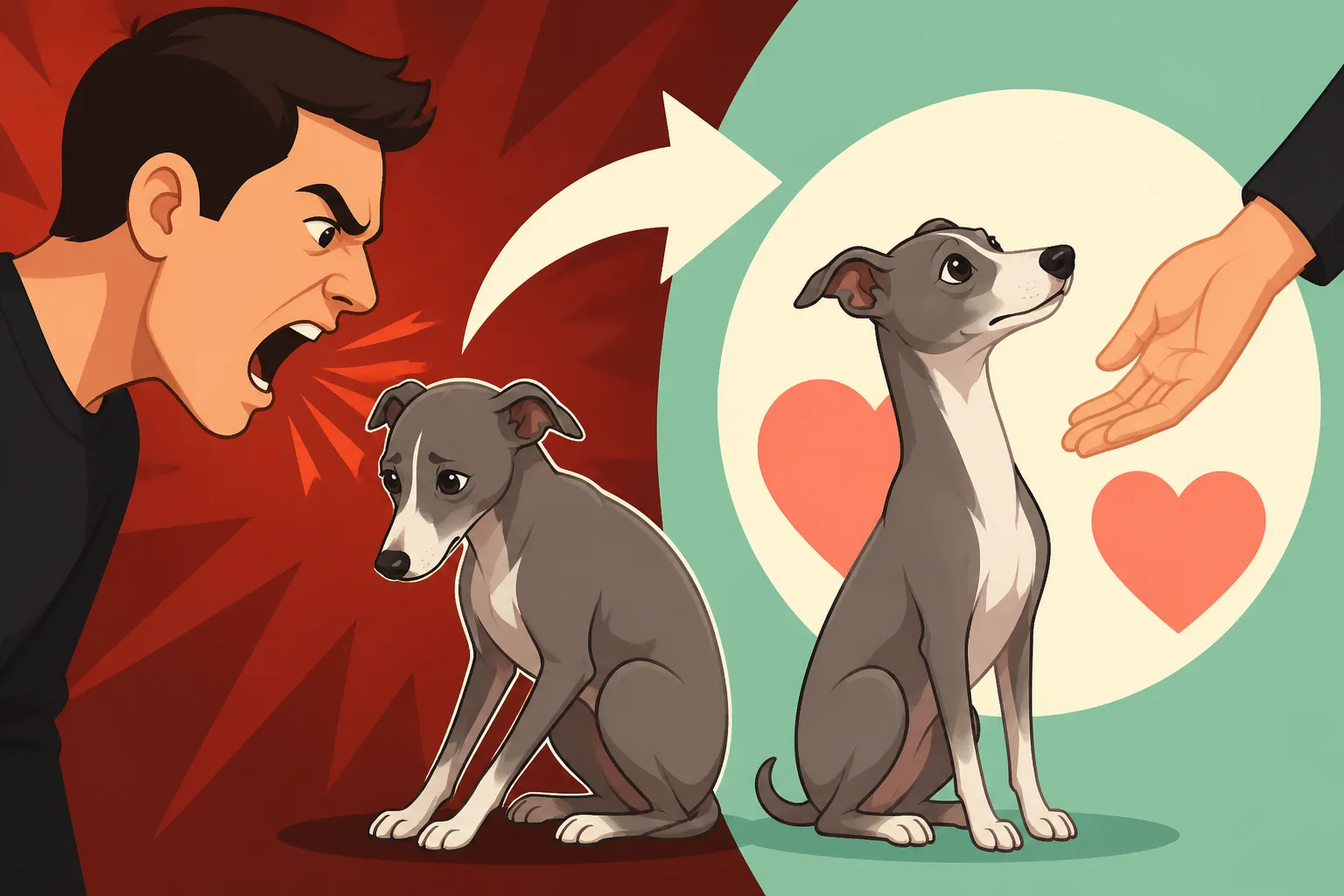
When faced with something startling or perceived as a threat, dogs, like many animals, instinctively react with a "fight, flight, or freeze" response. For an Italian Greyhound, particularly one confronted with a raised human voice, the most common reactions are often flight or freeze. They are physically vulnerable, with incredibly slender bones that are prone to injury—a fact every IG owner lives with daily. A Broken Leg Is the Emergency Every Italian Greyhound Owner Fears They rarely choose to "fight" in the aggressive sense because their build simply isn't suited for it, and their temperament is generally sweet. Instead, you'll likely see them cower, try to bolt away, or become completely immobile, often looking utterly bewildered and scared. This isn't defiance; it's a deep-seated survival instinct kicking in. Your raised voice, to them, isn't just a louder command; it's a sudden, unpredictable shift in your demeanor that signals danger, causing an immediate physiological stress response that makes learning and cooperation impossible.
Why They're Not "Stubborn" – They're Scared
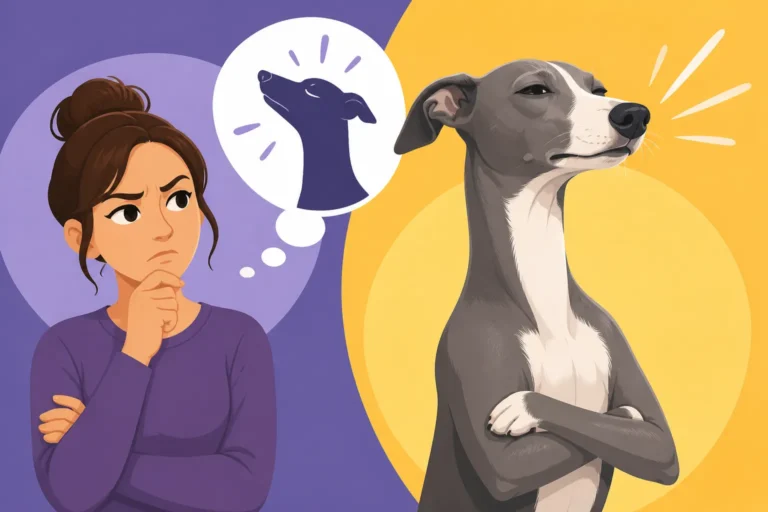
It's easy to misinterpret an Italian Greyhound's reaction to a raised voice as stubbornness. You might think, "They know what I want, they're just choosing to ignore me!" But in nearly all cases, this isn't true. When an IG shuts down, retreats, or refuses to respond after being yelled at, it's almost always a sign of fear or extreme anxiety, not willful disobedience. Their tiny brains, overwhelmed by the sudden negativity, simply can't process commands or learn in that state. Imagine trying to solve a complex math problem while someone is shouting at you; your focus would be shattered, and your ability to think clearly would vanish. It's the same for your IG. They might look away, flatten their ears, tuck their tail, or even urinate submissively. These are classic signs of fear and stress, not a dog deciding to be difficult. Understanding this distinction is crucial to shifting your approach and seeing real progress in their training. They aren't trying to be defiant; they're trying to cope with a frightening situation.
How a Raised Voice Impacts an Italian Greyhound's Learning
The consequences of yelling at an Italian Greyhound extend far beyond the immediate moment. It actively impedes their ability to learn, unravels the progress you've made, and can deeply damage the unique bond you share. This delicate breed processes information and experiences differently, and negative vocalizations are particularly detrimental to their development and emotional well-being.
The Instant Shut-Down
One of the most noticeable and frustrating reactions an Italian Greyhound has to a raised voice is the "instant shut-down." It’s as if a switch flips, and they mentally — and sometimes physically — check out. Their body language might become rigid or collapse, their eyes might glaze over or dart away, and they’ll cease to respond to any cues, even those they know perfectly well. This isn't them being dramatic; it's a coping mechanism. Their sensitive nervous system becomes overloaded, and to protect themselves from what they perceive as an attack, they disengage. In this state, absolutely no learning can occur. Any attempts to continue training or even to re-engage them will be met with further anxiety and withdrawal, reinforcing their belief that you are a source of unpredictable discomfort rather than a trusted guide. This shut-down makes it nearly impossible to teach them anything new, and even old, established commands can become tainted by the negative association.
Erosion of Trust and Relationship Breakdown
The bond with an Italian Greyhound is incredibly special. They are often described as "velcro dogs" because of their intense desire to be close to their people, seeking constant affection and reassurance. The Velcro Dog: What Constant Company Means With an Italian Greyhound This close relationship is built on trust, consistency, and a sense of security. When you raise your voice, even if it's not directed at them in anger but simply in frustration, it chips away at that trust. They learn that their safe person, their constant companion, can suddenly become unpredictable and scary. This erosion of trust can manifest in many ways: they might become more hesitant to approach you, less eager to engage in play, or more prone to hiding when you enter a room. A breakdown in trust makes all aspects of life harder, from simple cuddles to complex training. It creates a barrier between you, making your IG less likely to look to you for guidance, less responsive to cues, and generally more anxious and withdrawn in your presence.
Creating Negative Associations with Training
Imagine you're trying to teach your Italian Greyhound something new, like a polite "sit." You're making progress, using treats and praise, and then suddenly, they get distracted, or they have an accident in the house. In a moment of frustration, you yell. Even though the yelling was perhaps about the accident, your sensitive IG might associate the feeling of being yelled at with the entire training session or the act of learning itself. Now, every time you bring out a leash, or a treat pouch, or even just say their name in a specific tone, they might recall that unpleasant, frightening experience. What a Raised Voice Does to an Italian Greyhound This creates a negative association with training, turning what should be a fun, engaging activity into a source of stress and avoidance. They may become reluctant to participate, or worse, develop a generalized anxiety around all forms of instruction, making future training endeavors significantly more challenging and time-consuming. Instead of seeing you as the giver of treats and praise, they start to see you as the potential source of fear, which is the last thing any IG owner wants.
Common Training Scenarios Where Yelling Backfires (and What to Do Instead)
It's almost inevitable that you'll encounter situations that test your patience with an Italian Greyhound. Their unique quirks and predispositions can lead to behaviors that are maddening in the moment. However, understanding why yelling is the wrong response and having a positive alternative ready can make all the difference in navigating these challenges successfully.
Housetraining Accidents
Ah, the infamous Italian Greyhound housetraining challenge. This is probably the number one reason many owners reach their wit's end and resort to yelling. You've just taken them out, they did nothing, and five minutes later, there's a puddle on your rug. It's incredibly frustrating! But yelling or punishing them after the fact is completely ineffective, and here's why: dogs live in the moment. By the time you discover the accident, your IG has no idea why you're upset. They only associate your loud voice and angry demeanor with your presence, not with the act of urinating or defecating that happened minutes ago. This only teaches them to fear you or to hide their accidents, making them sneak off to potty in a secret spot rather than giving you any warning.
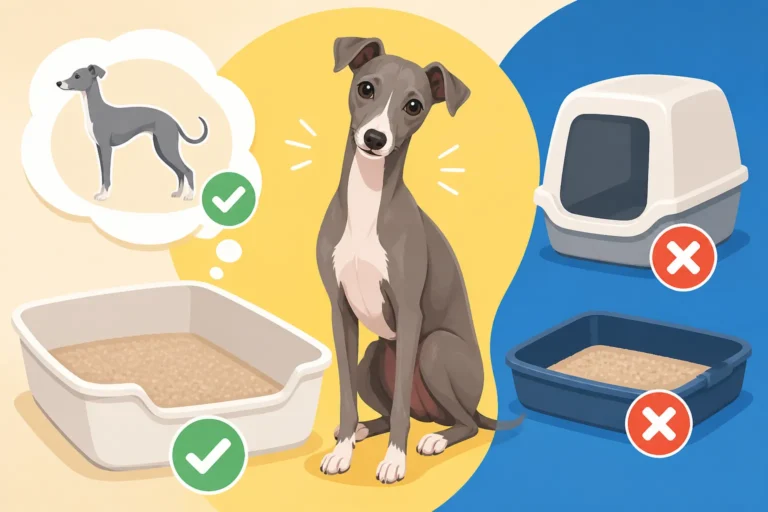
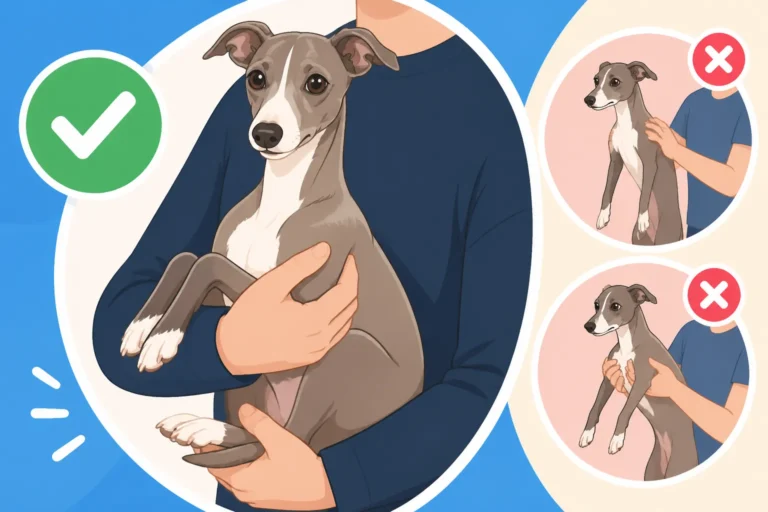
Instead, focus entirely on positive reinforcement. Celebrate wildly when they go potty outside with high-value treats and enthusiastic praise. This helps them understand that outside is where the good things happen. For accidents inside, simply clean them up thoroughly with an enzymatic cleaner to eliminate odors. If you catch them in the act, a sharp, neutral clap or "outside!" can interrupt them, then immediately scoop them up and take them to their designated potty spot outside. If they finish there, massive praise! If they don't, no big deal, just try again soon. Consistency with frequent potty breaks, especially for puppies, is key. How Long Housetraining an Italian Greyhound Takes Consider an Setting Up an Indoor Bathroom for an Italian Greyhound if outdoor access is challenging in bad weather, as Italian Greyhounds often refuse to go out in rain or cold. Why an Italian Greyhound Refuses to Go Out in Rain
Door Dashing and Prey Drive
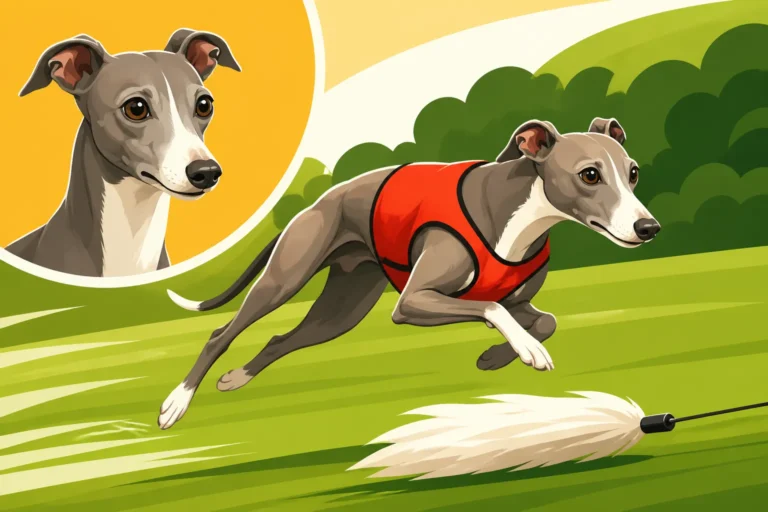
The Italian Greyhound's sighthound instincts are powerful, and their prey drive is incredibly strong. How Strong an Italian Greyhound's Prey Drive Is A squirrel, a blowing leaf, or even a sudden movement across the street can trigger an instant bolt. If your IG manages to slip past you at the door, your first instinct might be to yell their name, scream, or chase them. But this is the absolute worst thing you can do. Yelling at a bolting IG will either make them run faster out of fear, or they'll interpret your frantic calls and chasing as an exciting game, encouraging them to continue the "chase me" behavior. Given how fast they can run and how fragile they are, a loose IG is in immense danger. What Speed an Italian Greyhound Reaches
Instead, prevention is paramount. Always use a well-fitting harness (not just a collar, which they can easily slip) and a leash, even for a quick trip outside. Practice "door manners" by teaching them to sit and wait patiently before the door opens, rewarding them heavily for staying. Use a baby gate or keep them behind you as you open the door. If they do get out, resist the urge to yell or chase. Crouch down, call them in a happy, excited voice, show them a high-value treat, or even pretend to run away from them (in a safe direction) to engage their chase drive in reverse. Sometimes, falling to the ground and acting injured can pique their curiosity enough to come back. The goal is to make coming back to you more rewarding and less frightening than running away. What to Do When an Italian Greyhound Gets Loose
Counter Surfing and Resource Guarding
Italian Greyhounds are surprisingly agile and can jump much higher than you'd expect, especially when motivated by food. An Italian Greyhound Climbs Higher Than You Expect Finding your dinner gone from the counter or watching them sneak a forbidden treat can be incredibly annoying. Similarly, some IGs might show mild resource guarding over a coveted toy or a cozy spot, growling or snapping if approached. Yelling at them in these situations usually fails to solve the problem and can exacerbate it. For counter surfing, yelling after the fact, when they've already got their paws on the goodies, teaches them nothing other than that you're sometimes angry. For resource guarding, yelling can make them feel even more threatened and intensify their need to protect their perceived valuable item, potentially escalating to a bite.
For counter surfing, focus on management first. Don't leave tempting items on counters or tables. Use baby gates to block access to the kitchen when you can't supervise. Teach a strong "leave it" command with less tempting items first, gradually increasing the difficulty. When they succeed, reward them generously. You can also make the counter an unpleasant place by setting up booby traps (like empty soda cans stacked to fall when touched – only when you're supervising closely so they aren't actually hurt, just startled). The goal is for them to associate the counter itself with unpleasantness, not with your anger.
For resource guarding, avoid confronting them directly when they are guarding. Instead, work on building positive associations. Approach them, toss a better treat near them, and then walk away. Repeat this many times. This teaches them that your approach means good things happen, rather than a threat to their resources. If the behavior is severe, professional help from a positive reinforcement trainer is highly recommended. You want to avoid any situation that requires yelling, as it will only increase their stress and fear around you and their precious items.
The Power of Positive Reinforcement for Italian Greyhounds
If raising your voice is detrimental, what's the alternative? For Italian Greyhounds, the answer lies firmly in positive reinforcement training. This method leverages their innate desire for connection and comfort, transforming training into a joyful, confidence-building experience rather than a source of anxiety.
Why Gentle Methods Work Best
Positive reinforcement means rewarding behaviors you want to see, rather than punishing those you don't. For a breed as exquisitely sensitive as the Italian Greyhound, this approach is not just effective; it's essential for their emotional well-being and for truly unlocking their potential as companions. When an IG is praised, given a tasty treat, or offered a favorite toy for performing a desired action (like sitting, staying, or pottying outside), they learn quickly and enthusiastically. They inherently want to please you and thrive on your approval. Gentle methods, characterized by calm voices, clear body language, and consistent rewards, communicate to your IG that you are a benevolent leader and a source of safety. This reinforces their trust in you, making them more engaged, more confident, and ultimately, more willing to learn and cooperate. It’s a dance of mutual respect and understanding, rather than a forced march of compliance.
Building a Language of Love, Not Fear
Think of training as a conversation. With positive reinforcement, you're speaking a language of love, encouragement, and understanding. You're communicating what you want them to do, rather than scolding them for what they shouldn't do. For an Italian Greyhound, who is so deeply attuned to human emotion, this makes all the difference. When you reward a successful "sit" with a tiny piece of cheese and a happy "Good boy!", your IG registers that interaction as positive, reinforcing the behavior. They learn to associate your voice and gestures with good things, building a foundation of positive emotional responses.
Conversely, a raised voice, even without physical punishment, communicates fear and disappointment. This creates a psychological barrier, making them hesitant to try new things or even respond to familiar cues, because they don't want to risk eliciting that negative reaction again. A gentle approach builds their confidence, helping them feel secure enough to experiment with behaviors and understand what's expected. It also deepens your emotional bond, making your IG a more joyful and less anxious member of your family. Many IG owners swear by positive reinforcement programs, like those offered by BAXTER & Bella, which focus on these gentle, trust-building techniques.
The Role of Consistency and Patience
While Italian Greyhounds are intelligent and eager to please in the right environment, they are also creatures of habit and can be easily confused by inconsistency. Positive reinforcement requires unwavering consistency and a good deal of patience. If one day you reward a "sit" with a treat, and the next day you ignore it, your IG will become confused about the expectation. Similarly, if you sometimes yell and sometimes use a calm voice, you're sending mixed signals that can undermine their trust and learning.
Consistency means everyone in the household uses the same cues, the same rewards, and the same gentle tone. It means not getting discouraged if a behavior isn't perfected overnight; some IGs take longer than others to grasp certain concepts, especially if they have any prior negative associations or if you're dealing with notorious IG challenges like housetraining. Housetraining an Italian Greyhound Is the Hardest Part of Owning One Remember, your IG wants to do the right thing; they just need clear, calm, and consistent guidance from you. Patience is your most valuable tool, allowing your IG the time and space to learn without the pressure of fear or frustration.
Practical Strategies for Managing Your Own Frustration
Let's be real: owning an Italian Greyhound can be intensely rewarding, but it's not without its moments of frustration. When you're dealing with accidents, counter-surfing, or selective hearing, it's natural to feel your patience wearing thin. The key isn't to never feel frustrated, but to manage that frustration in a way that doesn't harm your sensitive companion.
Taking a Breath and Stepping Away
This is perhaps the most crucial strategy when you feel yourself getting worked up. When your Italian Greyhound does something that pushes your buttons, stop. Take a deep breath. Count to ten. If possible, remove yourself from the situation for a moment. Put your IG safely in their crate with a chew toy, or in a puppy-proofed room, and step into another room to compose yourself.
This isn't just about protecting your IG from a raised voice; it's about giving yourself a chance to reset. When we're angry or frustrated, our decision-making is clouded, and we're more likely to react impulsively rather than strategically. Stepping away allows you to gain perspective, calm your nervous system, and then approach the situation with a clear head and a positive plan. Remember, yelling only sets you back. A few minutes of self-care for you means long-term progress for your dog. It's a testament to your commitment to their well-being, acknowledging that you're a human with emotions, but choosing not to let those emotions dictate a counterproductive response.
Setting Up for Success, Not Failure
Many frustrating situations with Italian Greyhounds can be prevented with proactive management. Instead of waiting for them to make a mistake and then reacting, try to set up their environment and your routine in a way that makes it easy for them to succeed and hard for them to fail.
For example, if housetraining is a struggle, increase the frequency of potty breaks exponentially. Take them out every 30-60 minutes, especially after waking, eating, and playing. Use leashes and gates to keep them in the same room as you when indoors, so you can supervise closely and interrupt any potential accidents immediately. Restricting an Italian Greyhound Under Two If your IG is a known counter-surfer, clear all tempting food items from reachable surfaces. If they get zoomies in the house and might crash into something, clear paths and supervise closely. Providing ample, enriching chew toys can also redirect destructive chewing away from your furniture. Which Toys an Italian Greyhound Plays With
Think of it as creating a "yes" environment where the desired behaviors are the easiest and most accessible options. This proactive approach significantly reduces the opportunities for them to do something "wrong," thereby reducing your own frustration and eliminating the urge to resort to yelling. It's about working smarter, not harder, and giving your Italian Greyhound every chance to be the good dog you know they are. Consider resources like Amazon's wide selection of baby gates, playpens, and interactive toys to help manage their environment effectively.
Seeking Professional Guidance
Sometimes, despite your best efforts, you might encounter a training challenge that feels insurmountable, or perhaps you're struggling to implement positive reinforcement consistently. This is where professional guidance can be invaluable. Don't view seeking help as a failure; view it as an intelligent investment in your relationship with your Italian Greyhound.
Look for trainers who specialize in positive reinforcement and have experience with sighthounds or sensitive breeds. A good trainer won't use harsh methods, choke chains, prong collars, or intimidation. Instead, they'll teach you effective, humane techniques, help you understand your IG's body language, and develop a customized training plan that respects their sensitive nature. They can also provide strategies for managing your own stress and frustration, offering practical tips for breaking down complex behaviors into manageable steps. A professional can identify underlying anxieties or behavioral patterns you might miss and offer tailored solutions. Programs like BAXTER & Bella, an online dog training program, offer comprehensive positive reinforcement curricula that can be accessed from home, providing structured guidance for those who might not have local specialized trainers. They can help you reframe your approach and build confidence in your ability to communicate effectively with your beloved Italian Greyhound.
| Training Approach | Yelling/Punishment-Based | Positive Reinforcement-Based |
|---|---|---|
| Primary Mechanism | Fear of consequence, intimidation | Desire for reward, clear communication, trust |
| Immediate Impact | Shut-down, cowering, bolting, increased anxiety | Engagement, eagerness to learn, confidence, focus |
| Long-Term Impact | Erosion of trust, potential aggression, behavioral suppression, hiding behaviors, learned helplessness | Stronger bond, reliable behaviors, confident and joyful dog, proactive engagement |
| Learning Outcome | Confusion, poor retention, negative associations with owner | Clear understanding, faster learning, positive associations with training and owner |
| Common Misinterpretations | Stubbornness, defiance, "bad dog" | Dog is scared, overwhelmed, needs clearer instruction |
| Owner's Role | Authority figure, punisher, source of fear | Guide, teacher, source of safety and rewards |
Disclaimer
This article is for general informational purposes only and does not constitute professional advice. Laws, prices and regulations vary by location and change over time. Consult a qualified professional for guidance on your specific situation.