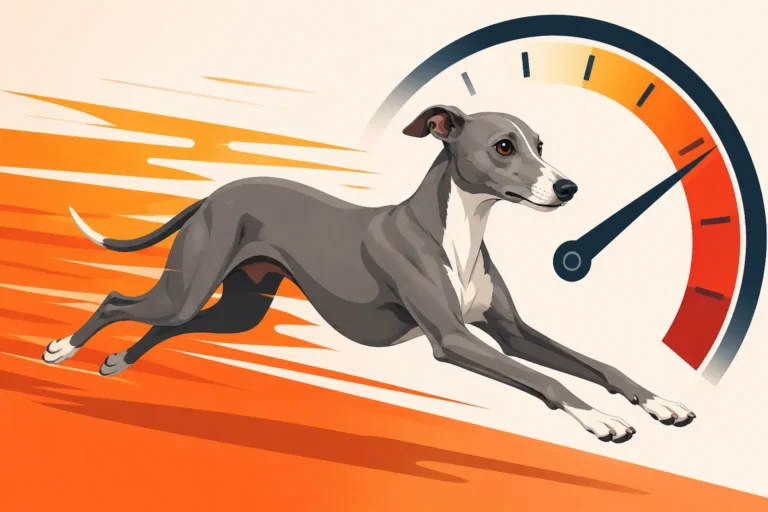
An Italian Greyhound Climbs Higher Than You Expect
If you've ever walked into your living room to find your tiny Italian Greyhound perched precariously on the back of the sofa, or perhaps even worse, spotted them making a daring leap from a height you swore they couldn't reach, you're not alone. Many Italian Greyhound owners are consistently surprised by their dogs' incredible agility and unexpected climbing prowess, which can be both amusing and incredibly anxiety-inducing. This comprehensive guide will delve deep into why these graceful sighthounds love to seek out high places, the potential dangers involved, and practical strategies to manage this unique behavior for their safety and your peace of mind.
Understanding the Italian Greyhound's Instinct to Climb
It’s easy to look at an Italian Greyhound, with their delicate build and slender legs, and assume they're meant for quiet elegance on the ground. However, their physical attributes and ancient instincts tell a different story. They are far more athletic than many first-time owners anticipate, and this athleticism often translates into a surprising ability to scale heights.
The Sighthound Advantage: Agility and Spring
Italian Greyhounds are sighthounds, bred for speed and agility, not necessarily for climbing trees like a squirrel, but certainly for an impressive vertical leap. Their lean, muscular bodies are perfectly designed for explosive bursts of movement. They have incredibly strong hindquarters that act like powerful springs, propelling them upwards with remarkable ease. This isn't just about running fast; it's about being able to clear obstacles quickly. While a Bulldog might struggle to get on the sofa, an Italian Greyhound can often launch themselves onto it from a standstill, seemingly defying gravity.
Think about it from their perspective: their ancestors, even if smaller than a traditional Greyhound, would have needed to be quick and agile to navigate varied terrains. This inherent athleticism hasn't been bred out of them; in fact, it’s a hallmark of the breed. When you see your Italian Greyhound effortlessly springing onto a tall bed or even briefly touching the kitchen counter with their paws, it's not just a cute trick; it's a display of their natural, powerful athleticism. This capability, while impressive, needs to be understood and managed, especially when considering Why an Italian Greyhound's Leg Bones Break So Easily. Their delicate bones are not designed for uncontrolled landings from significant heights.
Curiosity and the Drive for High Vantage Points
Beyond pure athleticism, Italian Greyhounds are also highly intelligent and incredibly curious dogs. They want to know what’s happening in their world, and often, the best way to get a full view is from an elevated position. This isn't just about being nosy; it's an innate drive for a good vantage point, a trait many sighthounds share. From a higher perch, they can survey their territory, whether that's a vast field or simply your living room, with a keen eye.
This desire for elevation is often amplified by their love for warmth and comfort. You might find your Italian Greyhound sunbathing on a windowsill, even a narrow one, simply because it’s the warmest spot in the house. Or perhaps they’ve snuggled into the back of a sofa, not just for the soft cushions, but to observe the household goings-on from a slight elevation. They’re like tiny, elegant gargoyles, constantly observing. This isn't naughtiness; it's often a combination of instinct, comfort-seeking, and pure intellectual curiosity. They want to be involved, to see everything, and to claim the best, coziest, warmest spot in the house, even if it means getting up high to do it.
Common Climbing Targets in Your Home
It's one thing to imagine your Italian Greyhound climbing a small step; it's quite another to discover them on surfaces you never imagined they could reach. Their lightweight bodies and incredible spring mean that what seems like an insurmountable obstacle to other breeds is merely a minor challenge for an Italian Greyhound.
Furniture: Sofas, Chairs, and Beds
The most obvious climbing targets in any home are the pieces of furniture designed for human comfort: sofas, armchairs, and beds. For an Italian Greyhound, these aren't just places to relax; they're potential launchpads to even greater heights. They quickly learn to leverage cushions, throw blankets, and pillows to gain an extra few inches, turning a simple sofa into a multi-tiered climbing frame.
The danger here isn't usually getting onto the furniture, but rather the uncontrolled descent. A sudden noise, a treat being dropped, or simply a miscalculation can lead to a clumsy jump or fall. Young Italian Greyhounds, full of boundless energy and lacking spatial awareness, are particularly at risk. This is why The Age an Italian Greyhound Is Most Likely to Break a Leg is often during their puppyhood and adolescence, when their bones are still developing and they are most prone to these risky leaps. Even senior Iggies, whose eyesight or joint health might be declining, can misjudge a familiar jump and suffer serious injury. Imagine your Italian Greyhound, startled by a door knock, trying to launch off the armrest of a tall armchair – the potential for a bad landing is significant.
Counters, Tables, and Shelves: The Unexpected Heights
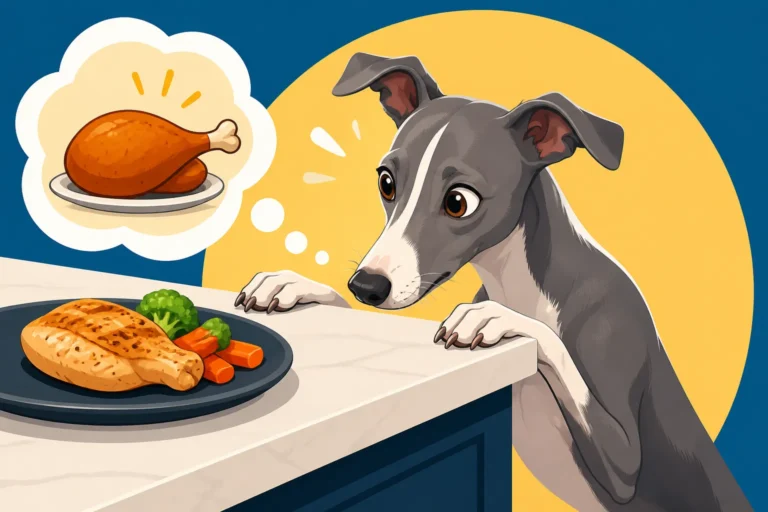
This is where the surprise truly sets in for many owners. You leave the kitchen for a moment, only to return and find your Italian Greyhound nose-deep in something on the dining table or, even more astonishingly, perched on the kitchen counter. They don't just jump straight up like a cat; they're strategists. They use adjacent chairs, stools, low cabinets, or even a conveniently placed trash can as a stepping stone.
Food motivation is a huge driver here. If they smell something tempting on a surface, they will often find a way to get to it. This can range from harmlessly sniffing a cooling pie to consuming something genuinely dangerous, like human medication or toxic foods accidentally left within reach. Even low shelves are fair game. A shelf intended for books or decorative items can become an inviting platform for a curious IG seeking a sunbeam or an interesting new smell. Consider the frustration of returning home to find paw prints across your clean kitchen surfaces, a testament to their stealthy climbing. It's a vivid reminder that an Italian Greyhound’s vertical reach is far greater than their small stature might suggest.
Windowsills and Bookcases: Seeking Out-of-Reach Spots
Beyond the primary furniture, Italian Greyhounds will often eye other elevated spots in the home. Windowsills are a particular favorite, especially if they catch the sun. It offers warmth, a soft spot to nap (if padded), and a prime view of the outside world. Many Italian Greyhounds are adept at launching themselves onto a windowsill, even a narrow one, and balancing with surprising grace. The height of the fall from some windowsills can be substantial, leading to serious injury.
Bookcases and low shelving units also present an inviting challenge. If there's enough surface area and a way to get there (perhaps via a nearby chair or another piece of furniture), a curious Italian Greyhound might explore these heights. They might not be looking for books, but rather a hidden toy, a new vantage point, or simply the thrill of the climb. I’ve heard countless stories of owners finding their Italian Greyhounds napping precariously on the top shelf of a short bookcase, looking utterly content, completely oblivious to the panic they’ve instilled in their human. These unexpected perching spots demonstrate just how important it is to Setting Up a House an Italian Greyhound Cannot Break a Leg In by thinking through every potential climbing opportunity.
The Dangers of Uncontrolled Climbing
While an Italian Greyhound's agility can be impressive, their tendency to climb and jump from heights comes with significant risks that every owner must be aware of. Their delicate build, which makes them so graceful, also makes them particularly vulnerable to injury.
Fracture Risks from Falls
This is, without a doubt, the most pressing concern for any Italian Greyhound owner. Their bones are notoriously fragile, especially the long bones in their forelegs. A seemingly innocuous jump off a sofa or a misstep from a chair can result in a devastating fracture. The radius and ulna in their front legs are particularly susceptible, accounting for a large percentage of reported breaks. When an Italian Greyhound lands awkwardly, the impact can be too much for these slender bones, leading to an immediate and painful injury. This is why it’s so critical to understand Why an Italian Greyhound's Radius Is the Bone That Breaks.
I've known owners who have faced the heartbreak of a broken leg from a simple jump off a human's lap or a short flight of stairs. The sound of that yelp, the immediate lameness, and the subsequent rush to the emergency vet is a nightmare scenario. Healing these fractures often requires specialized orthopedic surgery, extensive aftercare, and can be incredibly costly. It's not just the initial injury; it's the lengthy recovery process, the strict crate rest, and the potential for long-term complications like arthritis. Preventing these falls through careful environmental management is paramount.
Ingesting Harmful Items
An Italian Greyhound's curiosity, combined with their climbing ability, creates a dangerous recipe for ingesting harmful items. While you might diligently keep toxic substances locked away in low cabinets, you might not think twice about leaving a bottle of painkillers on your bedside table or a chocolate bar on the coffee table. These are precisely the items an Italian Greyhound might target when exploring elevated surfaces.
They're smart enough to knock things off shelves or pull items closer with their paws if they can't quite reach. Medications, human foods (like grapes, xylitol, chocolate, onions, or avocados), small objects that can cause choking or intestinal blockages (like batteries, coins, or small toys), and even toxic houseplants can all become accessible. A real-life example I heard once was an IG who managed to pull a pill bottle off a high shelf in a bathroom cabinet that wasn't latched properly, leading to an emergency trip to the veterinary hospital. The potential consequences range from mild upset stomach to severe poisoning or even death. This risk factor alone is a strong argument for maintaining a truly "Italian Greyhound-proof" home, especially at unexpected heights.
Property Damage and Scratches
While certainly less life-threatening than a fracture or poisoning, the aesthetic damage an Italian Greyhound can inflict with their climbing adventures shouldn't be overlooked. Those tiny, sharp nails, while normally kept trimmed, can easily leave unsightly scratches on wooden furniture, walls, and even delicate fabrics.
Imagine the scenario: your IG decides the top of your antique dresser is the perfect sunbathing spot. Getting up there, they might scramble, leaving claw marks down the side. Or, when attempting to "counter surf," their paws might scuff painted walls or leave greasy paw prints on clean surfaces. They might knock over decorative items, expensive lamps, or breakables placed on shelves. I've had friends bemoan scratched windowsills and marred tabletops, a direct result of their Iggies trying to get a better view or simply exploring. It's a constant reminder that their agility doesn't come with built-in caution, and your home environment needs to be set up with their vertical capabilities in mind, not just their horizontal speed.
Preventative Measures and Environmental Setup
The best offense against uncontrolled Italian Greyhound climbing is a strong defense: proactively setting up your home to minimize risks and provide safe alternatives. It's about thinking like an Italian Greyhound and anticipating their next aerial adventure.
Securing the Home: Removing Temptations
The first and most crucial step is to meticulously "Iggy-proof" your home, not just at floor level, but significantly higher than you might initially imagine. This means keeping counters clear of any food, medications, small objects, or anything else that could be tempting or dangerous. Secure trash cans with sturdy lids or place them in cabinets your dog can’t open. Small decorative items, candles, and breakables should be moved from low shelves and coffee tables to higher, out-of-reach locations.
Consider the "stepping stone" effect. If a chair is pushed too close to a counter or a low table is near a bookshelf, your Italian Greyhound might use it as an intermediate step to reach greater heights. Tucking chairs under tables, using child locks on cabinets, and generally tidying up vertical pathways can make a huge difference. For example, if you habitually leave your purse on a chair near a console table, your IG might quickly discover that your wallet or a pack of gum inside is now within reach. This requires a shift in your own habits, but it's vital for their safety.
Providing Safe Climbing Alternatives
Since climbing is an instinctual behavior driven by curiosity and a desire for comfort, simply telling them "no" isn't always enough. Providing safe alternatives for their elevated needs can be incredibly effective. Ramps and pet stairs are indispensable tools for Italian Greyhound owners, especially for accessing sofas and beds. Instead of allowing them to jump on and off, teach them to use a ramp, which significantly reduces the impact and strain on their delicate joints and bones. You can find a variety of reliable options on platforms like Amazon, from foldable ramps to stylish pet stairs that blend with your decor.
Consider creating designated "perching" spots. This could be a sturdy, low platform with a soft, warm bed, or even a specialized cat tree that has wide, carpeted platforms (ensure it’s stable and not too tall, of course!). These spots offer the elevated vantage point they crave without the danger of a fall. Italian Greyhounds adore warmth and softness, so making these safe perches extra cozy with blankets or a Heated Bed Costs for an Italian Greyhound can make them irresistible. By giving them appropriate places to satisfy their climbing instincts, you redirect their energy away from risky maneuvers on your furniture or counters. Teaching them to use these new aids also strengthens your bond and provides them with a sense of security.
Training Your Italian Greyhound Not to Climb
While environmental management is key, training plays a crucial role in shaping your Italian Greyhound's climbing habits. It's about teaching them appropriate boundaries and reinforcing good choices, always with a gentle, consistent approach that respects their sensitive nature.
Positive Reinforcement and Redirection
Italian Greyhounds respond best to positive reinforcement. Scolding or harsh corrections will only make them fearful or cause them to shut down, which is often counterproductive. Why Raising Your Voice Sets an Italian Greyhound Back a Month is a lesson many IG owners learn quickly. Instead, focus on rewarding the behaviors you do want to see.
Teach a "paws on the floor" or "off" command. When your Italian Greyhound attempts to jump on a forbidden surface, calmly say "off" and gently guide them down. As soon as all four paws are on the floor, immediately reward them with a high-value treat and praise. Consistency is paramount. Every time they even think about jumping, redirect their attention to an appropriate toy or a safe designated spot. You might need to physically block them at first, then praise and reward for staying down. Make staying on the floor or using their ramp/stairs more rewarding than climbing where they shouldn't. This not only reinforces good behavior but also builds a positive association with listening to you.
Managing Access and Supervised Play
Sometimes, the best training is prevention through management. When you can't actively supervise your Italian Greyhound, especially puppies or new rescues, restrict their access to areas where they might be tempted to climb dangerously. Baby gates are fantastic for blocking off rooms with high furniture, open stairs, or kitchens with tempting counters. A sturdy pet playpen can also serve as a safe, contained space where they can't get into trouble when you step out of the room.
Crating your Italian Greyhound for short periods when you’re unable to supervise them is also a safe and effective strategy. Crating an Italian Greyhound Overnight can help reinforce good habits and prevent accidents while you sleep or are away from home. Remember, Italian Greyhounds are incredibly intelligent and often independent thinkers; they might "look stubborn and are not" Why an Italian Greyhound Looks Stubborn and Is Not, but are simply assessing whether a rule applies when you're not actively enforcing it. Training resources like BAXTER & Bella offer comprehensive online programs that can guide you through positive reinforcement techniques and help address specific behavioral challenges, including jumping and climbing. Their structured approach can provide the consistency needed to develop safe habits for your agile companion.
Addressing Specific Climbing Scenarios
While general training and environmental setup are vital, some climbing scenarios require specific strategies due to their unique risks or temptations. Tackling these head-on can greatly enhance your Italian Greyhound's safety.
Counter Surfing Strategies
Counter surfing is arguably one of the most frustrating and dangerous climbing behaviors. The allure of forbidden human food is incredibly strong, and Italian Greyhounds are surprisingly adept at reaching these elevated surfaces. The key here is absolute consistency and making the reward of climbing the counter less appealing than the deterrents.
Firstly, unwavering vigilance: never leave food unattended on counters or tables, not even for a second. This means cleaning up immediately after cooking or eating. If there’s nothing to gain, the motivation to climb significantly diminishes. For persistent counter surfers, a "booby trap" method can be effective, provided it's used safely and responsibly. This involves creating a harmless deterrent that makes a startling noise if disturbed. For example, stacking empty soda cans or a few lightweight cookie sheets near the edge of a counter. If your Italian Greyhound jumps up, the noise of the falling objects might startle them enough to create a negative association with the counter. This is not about fear or punishment, but about creating an unpleasant consequence for the undesirable action that doesn't involve you. Ensure no items can fall on them and cause injury. Over time, they associate the counter with the startling noise and are less likely to attempt a climb.
Bed and Sofa Safety
Beds and sofas are prime comfort zones for Italian Greyhounds, but their height can be a major source of injury. While we love having our Iggies cuddle with us, ensuring their safe access is critical. The most effective strategy is to consistently use ramps or pet stairs for all furniture your Italian Greyhound is allowed on. Teach them from a young age that these are the only acceptable ways to get up and down.
If your furniture is particularly high, or if you have a very young puppy or an older dog with mobility issues, consider making a strict rule that they are always lifted on and off. This takes effort on your part, but it completely eliminates the risk of a misjudged jump. It's crucial to understand How High an Italian Greyhound Can Safely Land – and the answer is usually not very high at all without risk. Even seemingly small drops can cause significant injuries due to their delicate bone structure. In my own home, my older Italian Greyhound is always lifted onto and off the bed, especially first thing in the morning when he's still a bit sleepy and prone to clumsy movements. This small habit has saved us countless worries and potential vet bills over the years.
When to Seek Professional Help
Despite your best efforts in training and environmental management, there might be times when your Italian Greyhound's climbing behavior becomes exceptionally problematic or leads to unfortunate consequences. Knowing when to reach out for professional assistance is a vital part of responsible pet ownership.
Persistent and Dangerous Climbing Behavior
If you've implemented all the preventative measures, consistently applied positive reinforcement training, and your Italian Greyhound continues to engage in high-risk climbing behaviors, it might be time to consult a professional. This could be a certified professional dog trainer specializing in positive methods or, for more complex issues, a veterinary behaviorist. They can help identify if there are underlying factors contributing to the behavior, such as separation anxiety, boredom, or even a compulsive disorder.
Sometimes, an Italian Greyhound's drive to climb can be rooted in anxiety, seeking a higher vantage point as a means of feeling safer, or it could simply be extreme boredom leading them to find their own "entertainment." A professional can observe your dog's behavior in your home environment, pinpoint triggers, and develop a customized training plan that addresses the root cause rather than just the symptom. They can teach you advanced management techniques and provide guidance tailored to your specific situation, helping to create a safer environment and a happier, less stressed Italian Greyhound.
Post-Injury Management
The unfortunate reality for many Italian Greyhound owners is dealing with a broken leg. If your Italian Greyhound does sustain an injury from a fall, immediate veterinary attention is paramount. Do not delay. A veterinarian, preferably one experienced with sighthound fractures, needs to assess the injury, often through X-rays, to determine the extent of the damage and the best course of action. You’ll want to be familiar with Signs an Italian Greyhound Has Broken a Leg so you can act quickly.
Post-injury, managing climbing behavior becomes even more critical. The recovery period for a fracture is typically long and involves strict crate rest, often for many weeks. How Long an Italian Greyhound Stays Crated After Surgery can feel like an eternity, but it's essential for proper healing. During this time, you'll need to completely rethink your home environment to prevent any further climbing attempts or re-injury. This might involve setting up a secure, ground-level pen, removing all furniture access, and even carrying your dog everywhere they need to go, including for potty breaks. Physical therapy and follow-up vet appointments will be part of the routine, and preventing future falls will be a top priority to ensure a full and lasting recovery.
Comparison of Safe vs. Unsafe Climbing Solutions
Understanding the difference between enabling safe climbing and preventing dangerous climbing is crucial for Italian Greyhound owners. Here's a quick overview to help you make informed choices for your home and your dog's well-being.
| Feature | Safe Climbing Solution | Unsafe Climbing Scenario |
|---|---|---|
| Purpose | Satisfy natural instinct, provide comfort & vantage | Driven by curiosity, food motivation, or misjudgment |
| Equipment | Pet ramps, stairs, sturdy low platforms, cat trees | Any unstable object (stack of boxes), high, unsupported areas |
| Surface | Carpeted, non-slip, wide, stable | Smooth, narrow, wobbly, high, or precarious |
| Training Involved | Positive reinforcement for using safe options | Reactive "off" commands, often ignored |
| Supervision | Allows for independent access in safe areas | Requires constant, vigilant supervision to prevent attempts |
| Risk of Injury | Very low, designed to prevent falls and strain | High risk of fractures, sprains, or other trauma |
| Environmental Role | Integrated into home as a designated safe space | Explores forbidden, uncleared surfaces |
| Example | IG uses a carpeted ramp to get on the sofa | IG jumps off a high kitchen counter to steal food |
This article is for general informational purposes only and does not constitute professional advice. Laws, prices and regulations vary by location and change over time. Consult a qualified professional for guidance on your specific situation.