Why an Italian Greyhound Looks Stubborn and Is Not
It’s a tale as old as time for many Italian Greyhound owners: you ask your sweet, delicate companion to do something they clearly understand, and they just… don't. Maybe they look at you, maybe they turn their head, or maybe they just wander off as if you never spoke. It feels like stubbornness, a wilful defiance that can be incredibly frustrating, leaving you wondering if your smart little dog is secretly ignoring you on purpose. This guide is here to shed light on why your Italian Greyhound might appear to be stubborn, but in reality, their unique nature, keen instincts, and surprising sensitivity are often at play, guiding their responses in ways you might not expect.
Unpacking the Sighthound Psyche: Instincts Over Obedience
Many owners come to Italian Greyhounds from a background with other breeds known for being highly biddable or eager to please. Think retrievers, shepherds, or even many terrier types. These dogs are often bred to work with humans, taking direction and thriving on explicit commands. Italian Greyhounds, however, carry the ancient lineage of sighthounds, and their brains are wired a little differently. This isn't stubbornness; it's instinct.
The Power of Prey Drive
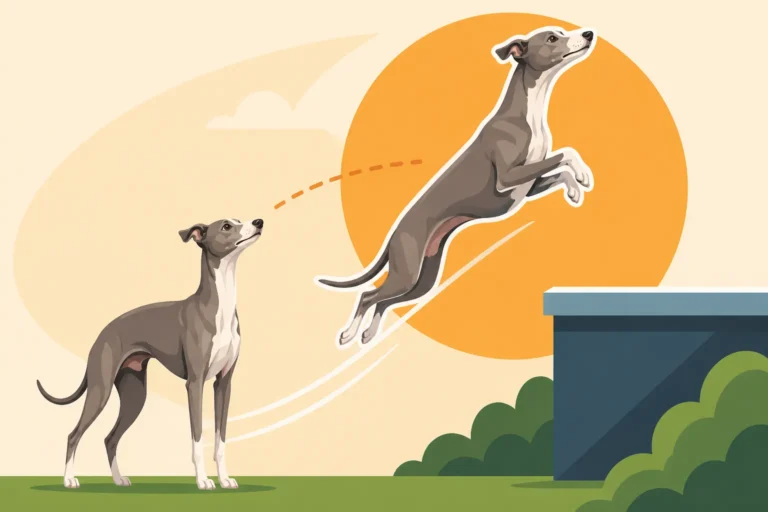
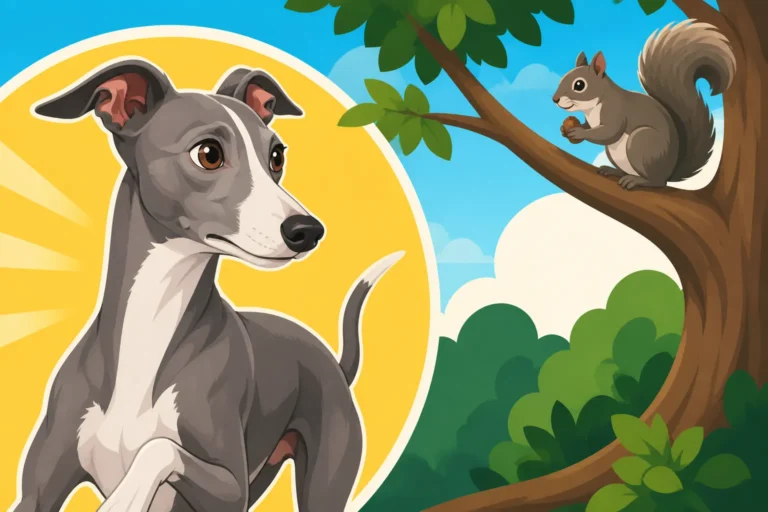
One of the most defining characteristics of an Italian Greyhound is their incredibly strong prey drive. They were originally bred to spot, chase, and capture small game. While today they're primarily companions, that instinct hasn't vanished. Imagine you're calling your IG in from the backyard, and suddenly a squirrel darts across the fence line. In that moment, your dog isn't being stubborn by ignoring your "come" command; they're simply responding to an innate, powerful urge that overrides almost everything else. Their focus narrows, their hearing shifts, and the world shrinks to just them and that fleeting target. Understanding What an Italian Greyhound Chases helps explain these moments. It’s not disrespect; it’s a biological imperative kicking in.
It's a common scenario: you’re at the park, on a long line, and your IG is trotting along, seemingly enjoying the walk. Then, a leaf blows just right, or a distant bird flutters, and suddenly your hand is yanked, and your dog is at the end of the line, straining with all their might. To an outsider, it might look like your dog is stubbornly refusing to walk nicely on the leash. But what's happening internally is a massive surge of adrenaline and a laser focus on what their sighthound eyes perceived. They are built for the chase, and in that instant, the impulse to run is far more compelling than any command they've learned, no matter how many times you've practiced. This is why the advice is often Why an Italian Greyhound Cannot Be Trusted Off Leash, Ever.
Independent Thinkers, Not People-Pleasers
Unlike some breeds that live to please their owners, Italian Greyhounds often have a more independent streak. They enjoy your company, crave your affection, and love to snuggle, but they aren't necessarily driven by a desire to perform tasks for your approval. If a command doesn't make sense to them, or if there's no immediate, high-value reward, they might just decide it's not worth their time. This isn't a sign of low intelligence; it's a sign of a dog that thinks for itself. They're smart enough to weigh their options.
Think of it this way: if you ask your Italian Greyhound to sit, and they've learned that a sit reliably earns a delicious treat, they'll likely sit. But if you're out of treats, or if they're distracted, or if they simply don't see the immediate benefit, they might pause, consider, and then decide to go sniff that interesting patch of grass instead. You might interpret this as them being "stubbornly defiant," but they’re just making an executive decision based on their priorities in that moment. It's a pragmatic approach to life.
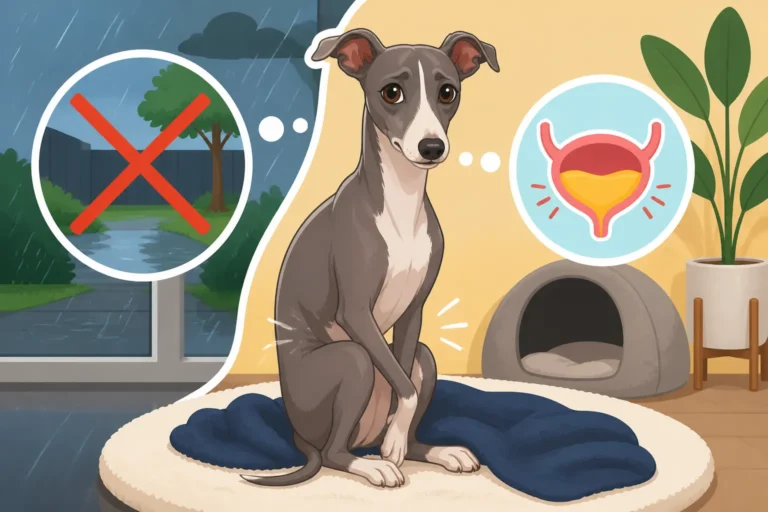
This independence extends to their daily routines as well. You might have a perfectly trained Italian Greyhound who knows exactly where to potty, but then a sudden cold snap hits, or it starts raining. Suddenly, your perfectly trained dog might refuse to step outside, looking at you as if you're suggesting they venture into an arctic wasteland. This isn't them being stubborn; it's them prioritizing their comfort and delicate constitution. The Italian Greyhound That Refuses to Go Out in the Cold is a well-known phenomenon, not a personal insult. They are simply communicating their profound dislike for discomfort in the most direct way they know how.
The Role of Sensitivity: Physical and Emotional Comfort
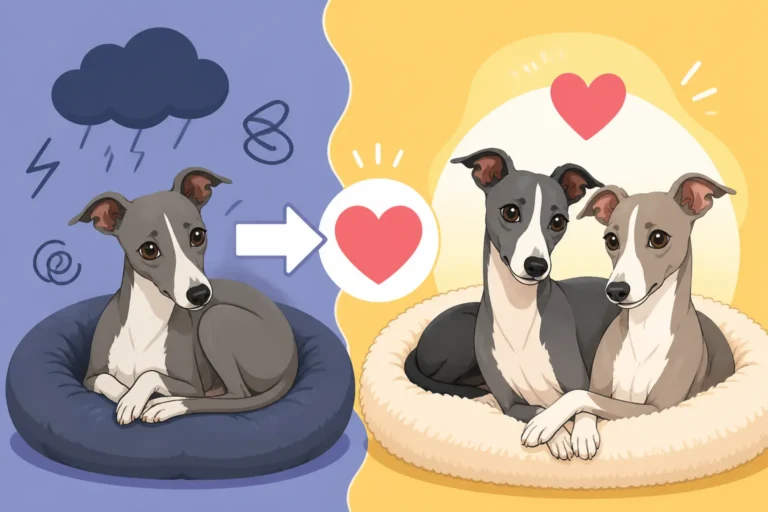
Italian Greyhounds are often described as delicate, and this isn't just about their slender bones. They are highly sensitive creatures, both physically and emotionally. This sensitivity plays a huge role in how they react to the world and how they respond to training. What might seem like stubbornness could actually be a reaction to discomfort, fear, or misunderstanding.
Physical Discomfort and Environmental Factors
Their thin skin, minimal body fat, and fine coat mean they are highly susceptible to cold. A chilly breeze, a damp sidewalk, or even just a slight drop in indoor temperature can make them shiver uncontrollably. Asking an Italian Greyhound to perform a command outdoors when they are deeply uncomfortable can often be met with a blank stare or a refusal to move. They're not being difficult; they're prioritizing their well-being. They simply can't focus on a "stay" when their entire body is screaming "I'm freezing!"
Consider the nuance: you're trying to practice leash manners on a walk, and it starts to sprinkle. Your IG might suddenly dig in their heels, refusing to budge, or try to dart for cover. You might think, "Why are you being so stubborn? It's just a little rain!" But for an Italian Greyhound, especially one who dislikes getting wet, this is a genuine sensory assault. Their delicate skin gets chilled, and they are built for speed, not for enduring the elements. What you see as a stubborn refusal is actually a strong aversion and an attempt to communicate their distress. Providing them with proper rain gear or a cozy sweater can sometimes turn that "stubborn" refusal into cooperation. Even indoor spaces need to be considered. If a room is drafty, your IG might "stubbornly" refuse to lie on their bed, instead opting to burrow under a blanket on the sofa, simply seeking warmth.
Emotional Sensitivity and Training Methods
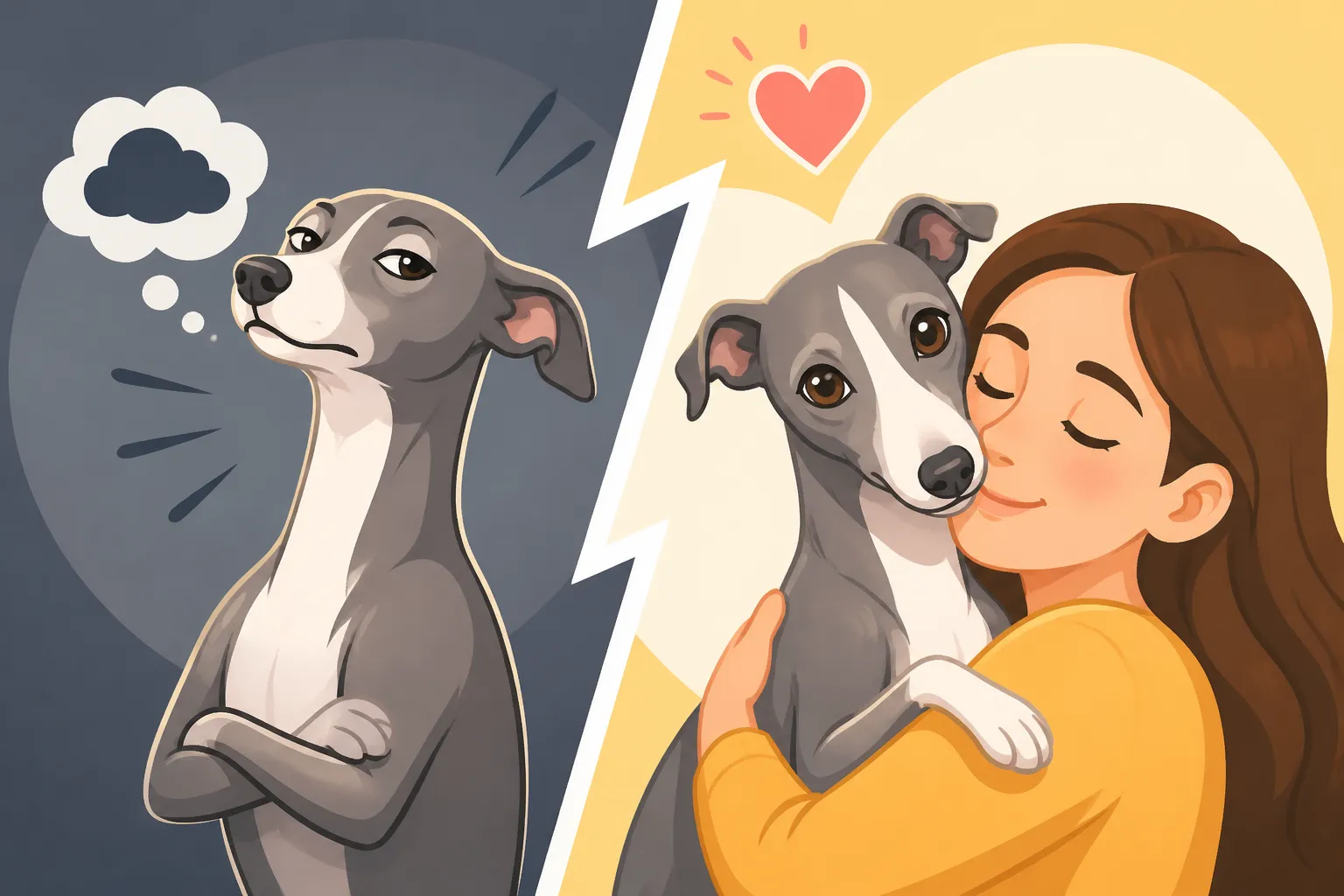
Italian Greyhounds are notoriously sensitive souls. They don't respond well to harsh corrections, loud voices, or intimidation. What might work as a firm correction for another breed can completely shut down an Italian Greyhound, making them anxious, fearful, or causing them to withdraw. When an IG "shuts down," they might appear unresponsive, as if they're deliberately ignoring you, but in reality, they're overwhelmed and trying to protect themselves emotionally. This often leads to them looking "stubborn."
For example, if you're trying to teach a new trick and you get frustrated, raising your voice or showing impatience, your IG might suddenly "forget" everything they know. They might turn away, lie down, or even try to hide. This isn't defiance; it's a fear response. They associate your frustration with an unpleasant experience and are trying to disengage. This is why Why Raising Your Voice Sets an Italian Greyhound Back a Month is so true for this breed. Positive reinforcement, patience, and gentle encouragement are the keys to unlocking their cooperation.
A Table: Perceived Stubbornness vs. Italian Greyhound Reality
To help clarify these distinctions, here's a quick look at common "stubborn" behaviors and the likely underlying Italian Greyhound trait.
| Perceived Stubborn Behavior | Underlying Italian Greyhound Trait / Reason |
|---|---|
| Ignores "come" outside | Strong prey drive activated by sight/scent; independent thinking. |
| Refuses to go potty in cold/rain | Physical discomfort due to minimal body fat and thin coat. |
| Doesn't respond to commands in new places | Overwhelmed by new environment; high emotional sensitivity; selective hearing. |
| Shuts down with loud voice/firm tone | Emotional sensitivity; fear of conflict; withdraws from perceived threat. |
| Won't get off the comfy sofa | Prioritizes comfort and warmth; not inherently driven to "please." |
| Doesn't "fetch" consistently | Less driven by retrieving; play is often more self-directed (zoomies). |
| Marks indoors despite being house-trained | Small bladder capacity; sensitivity to elements outside; anxiety. |
The Art of Communication and Motivation
Since Italian Greyhounds aren't always motivated by pleasing their owners or following commands for commands' sake, understanding what does motivate them and how to communicate effectively is paramount. It’s less about asserting dominance and more about building a partnership based on trust and mutual understanding.
Finding Their "Currency"
Every dog has a currency – what they value most. For many IGs, this currency is often high-value food treats, comfortable spaces, or certain types of play. If your IG seems "stubborn," it might be because you haven't found the right motivator, or the motivator you're using isn't high-value enough for the situation. A dry piece of kibble might work for a "sit" in the quiet living room, but it's likely useless if you're asking for a recall in a park with squirrels. You need to know Which Rewards an Italian Greyhound Works For.
Consider elevating your rewards. Instead of basic kibble, try tiny pieces of cooked chicken, cheese, or specialized high-value training treats. These dogs are often incredibly food-motivated when the food is good. Using a consistent positive reinforcement approach, perhaps with a clicker, can help them connect actions with rewards quickly and clearly. Brands like Amazon offer a wide array of high-quality training treats and clickers specifically designed to make positive reinforcement effective. The clearer the communication and the higher the reward, the less "stubborn" your Italian Greyhound will appear.
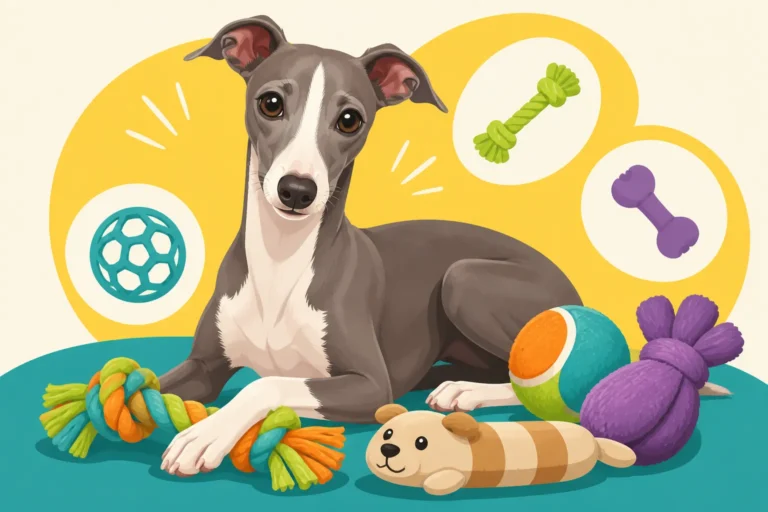
Moreover, motivation isn't just about food. For some Italian Greyhounds, a favorite squeaky toy, a quick game of chase in a safe, enclosed area, or even just effusive verbal praise and gentle pets can be incredibly motivating. Observe your dog: what do they really get excited about? Tailor your rewards to their individual preferences. Remember, How Short an Italian Greyhound's Training Session Should Be is also important; they have short attention spans for repetitive tasks, so keep it fun and brief.
Clear and Consistent Communication
Sometimes, what we perceive as stubbornness is simply a breakdown in communication. Italian Greyhounds are intelligent, but they don't speak human. They learn through consistency, repetition, and clear associations. If your commands are inconsistent, if different family members use different words for the same action, or if you only ask for a behavior when you're frustrated, your IG might genuinely be confused, not defiant.
It's vital to use short, clear commands, delivered in a calm, encouraging tone. Practice in low-distraction environments first, gradually increasing the challenge. Think about their perspective: if you're constantly repeating a command they understand but aren't performing, they might learn that they don't have to respond immediately. Patience is truly a virtue with this breed. If you find yourself hitting a wall, resources like BAXTER & Bella offer online puppy training programs that emphasize positive reinforcement and clear communication strategies, which can be a game-changer for Italian Greyhound owners struggling with perceived stubbornness. These programs teach you how to set your dog up for success, minimizing those moments where they appear to be ignoring you.
Furthermore, remember that consistency is key not just in the commands, but in the environment. If you sometimes let them jump on the sofa and sometimes scold them for it, they won't understand the rule. Establish clear boundaries and stick to them. This helps them understand what is expected of them, reducing confusion and the subsequent "stubborn" behavior that often stems from it.
Building a Partnership, Not a Dictatorship
Ultimately, living successfully with an Italian Greyhound means embracing their unique traits and working with them, rather than trying to force them into a mold that doesn't fit their sighthound nature. It's about building a strong bond based on trust, respect, and understanding.
Adapting Your Expectations and Environment
Part of owning an Italian Greyhound is accepting that they are not a "cookie-cutter" dog. They won't always be the first to respond to a command, and they will absolutely prioritize their comfort and safety over performing a trick. Instead of viewing these traits as flaws, consider them part of their charm and unique personality. Adapt your expectations: perhaps your IG won't win obedience trials, but they might be a world-class snuggle buddy and companion.
Your home environment can also play a huge role in minimizing "stubborn" behaviors. For instance, if your IG "stubbornly" has accidents indoors, it might be due to their small bladder capacity or their aversion to inclement weather. Setting up an Indoor Potty Setup Costs for an Italian Greyhound with a designated potty area can alleviate this. Providing ramps or steps to furniture can prevent them from "stubbornly" jumping off, which often leads to injuries. These proactive measures show you understand their needs and are willing to accommodate them, fostering a happier, more cooperative relationship.
Patience, Persistence, and Positive Reinforcement
The old adage "patience is a virtue" applies tenfold to Italian Greyhounds. They thrive on positive reinforcement and will often try harder when they feel safe, loved, and rewarded. Harsh corrections or punishment can be counterproductive, leading to fear, anxiety, and a complete shutdown. This is why understanding How an Italian Greyhound Responds to Correction is critical. If your IG "looks stubborn," take a moment to assess the situation: are they cold? Scared? Confused? Or is there a squirrel in the distance?
Focus on making training a positive and rewarding experience. Celebrate small victories, be consistent, and never give up. Remember that Italian Greyhounds are incredibly intelligent, even if they choose not to show it on demand. With the right approach, you can teach them a wide array of commands and tricks. It just takes a nuanced understanding of their sighthound soul and a willingness to meet them where they are. They might seem stubborn at times, but beneath that selective hearing and independent spirit is a loving, loyal companion just waiting for you to understand their unique language.
Disclaimer
This article is for general informational purposes only and does not constitute professional advice. Laws, prices and regulations vary by location and change over time. Consult a qualified professional for guidance on your specific situation.