How an Italian Greyhound Responds to Correction
It’s tough when your Italian Greyhound isn’t quite getting what you’re asking, and the frustration can lead to trying corrections that just don't seem to work, or worse, backfire entirely. These delicate, intelligent pups respond so differently than many other breeds; traditional "discipline" can actually damage your bond rather than fix the issue. This guide is all about understanding why Italian Greyhounds react the way they do to correction, and how to foster good behavior through methods that truly align with their unique personality and sensitive nature.
The Unique Sensitivity of an Italian Greyhound
Italian Greyhounds are a breed deeply rooted in companionship, bred over centuries to be lapdogs and beloved household members rather than working dogs. This history has etched a profound sensitivity into their very being, making them remarkably attuned to human emotions and intentions. They are not built for harshness or confrontation, and any form of sharp correction can be profoundly unsettling for them.
Why Iggys Are So Emotionally Fragile
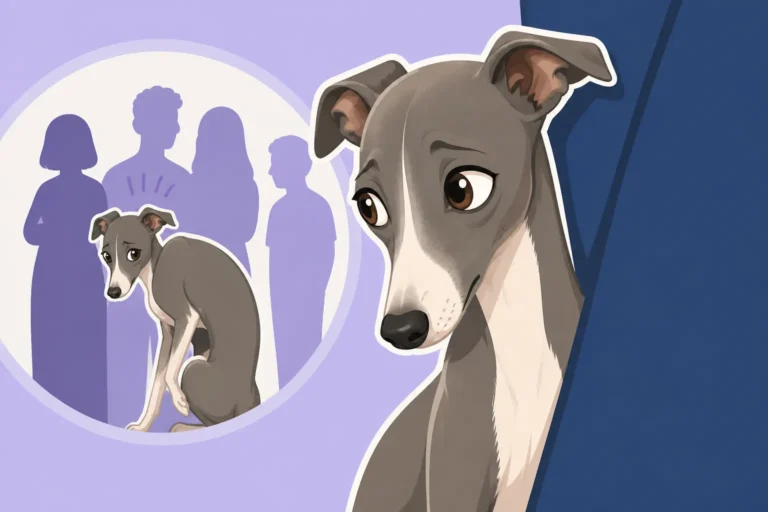
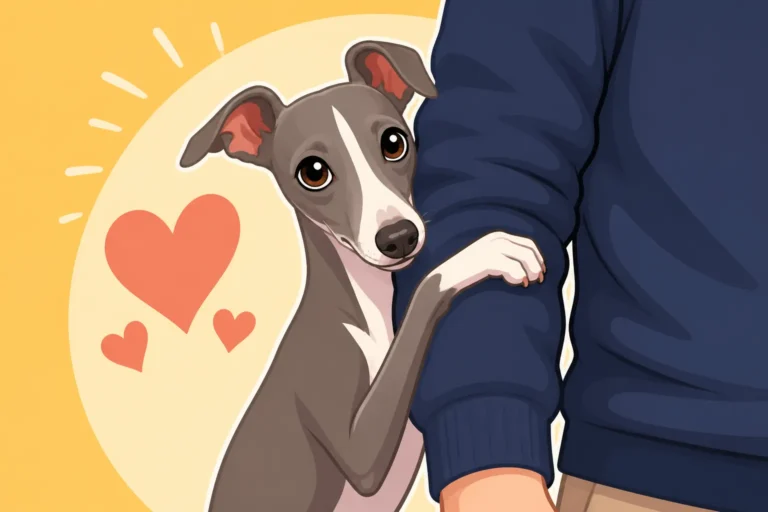
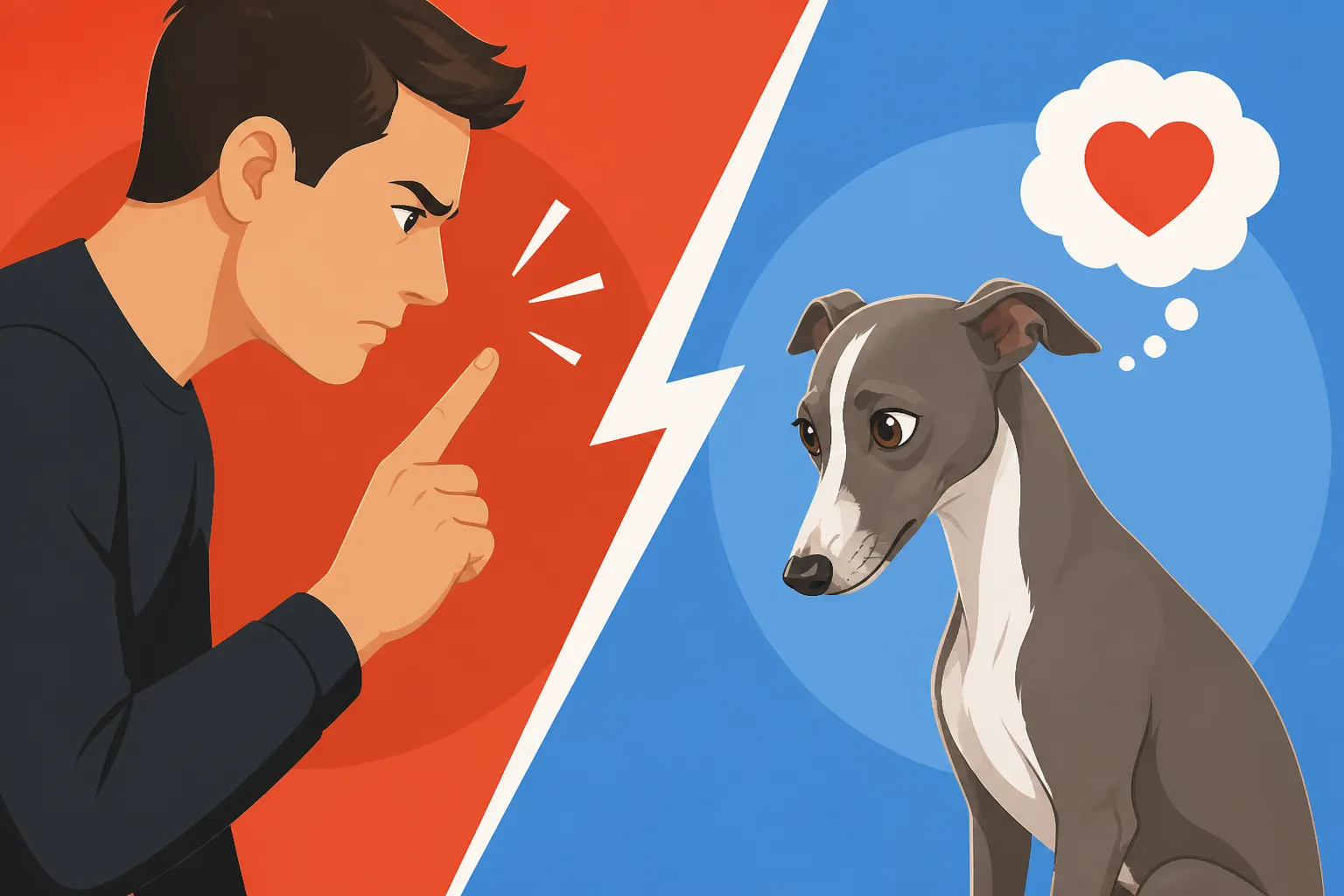
Their fine-boned structure and thin skin are often physical indicators of a much deeper, emotional fragility. An Italian Greyhound isn't just physically delicate; they are emotionally tender. A raised voice, a sudden, sharp gesture, or even a stern look can be perceived as a major threat. They internalize these signals quickly, often leading to anxiety, fear, or a desire to simply escape the perceived discomfort. Owners frequently discover that what might be a minor correction for another breed can send their Iggy into a spiral of withdrawn behavior or frantic appeasement gestures, like ducking their head or trembling. It's not manipulation; it's a genuine reaction to feeling unsafe or misunderstood. This isn't a dog that will shrug off a scolding and come back for more; they’ll remember it, and it will likely impact their trust in you.
How Their History Shaped Their Temperament
Consider their lineage: these dogs were never guard dogs, never hunters expected to withstand rough handling or loud commands. Instead, they graced the laps of nobility, valued for their elegant beauty and gentle presence. They learned to thrive on affection, soft voices, and positive interaction. This historical context explains why they respond so poorly to confrontational training methods. Their survival and success depended on being charming and agreeable, not on being tough or resilient to sternness. Because of this, your Italian Greyhound truly desires to please you, but they do so out of love and connection, not out of fear of punishment. When that connection is threatened by harshness, they often Why an Italian Greyhound Shuts Down Under Pressure instead of learning.
The Detrimental Effects of Traditional Corrections
Many traditional dog training methods, especially those rooted in dominance theory or punishment, are not only ineffective for Italian Greyhounds but can also be deeply damaging. What might work for a more robust, thick-skinned breed can unravel the delicate trust you've built with your Iggy.
Why Physical Corrections and Yelling Backfire
Physical corrections, no matter how minor, are an absolute no-go for an Italian Greyhound. Their bodies are fragile, and even a light tap can cause pain or injury, let alone instill terror. But beyond the physical, the emotional damage is profound. An Iggy doesn't understand "alpha rolls" or harsh leash corrections as teaching moments; they understand them as betrayal. Similarly, yelling or raising your voice only teaches your Italian Greyhound to be fearful of you. Instead of associating a behavior with a consequence, they simply associate you with negative, frightening sounds. This can lead to them hiding, becoming hand-shy, or developing anxiety-related issues like submissive urination. I often tell people, Why Raising Your Voice Sets an Italian Greyhound Back a Month because it truly takes that long, if not longer, to rebuild the bond of trust that was broken. They remember these moments vividly, much more so than they remember a positive reinforcement.
The Problem of Suppressing Behavior Rather Than Teaching Alternatives
When you correct an Italian Greyhound harshly, you might temporarily stop an undesirable behavior. However, you haven't actually taught them what to do instead. You've only taught them to fear the consequence. For instance, if you yell at your Iggy for having an accident inside, they don't learn not to potty inside; they learn that it's dangerous to potty in front of you. This often leads to sneaky elimination, where they'll find hidden spots in the house to relieve themselves to avoid your wrath. This is a common hurdle when Housetraining an Italian Greyhound Is the Hardest Part of Owning One. They might even start to hide their waste, which creates a whole new set of problems. They become masters of avoidance rather than masters of good behavior. They are also incredibly smart, and if they feel a particular action brings your displeasure, they might just decide to ignore you entirely when they know they’re doing something you disapprove of. This might make them seem Why an Italian Greyhound Looks Stubborn and Is Not, when in reality, they’re just trying to avoid a negative reaction.
Embracing Positive Reinforcement: The Iggy's Preferred Language
When it comes to Italian Greyhounds, positive reinforcement isn't just a method; it's the method. It leverages their innate desire to please and their love of connection, turning training into a cooperative, joyful experience that strengthens your bond. This approach is about rewarding good choices, making desired behaviors more likely to happen again, and truly shaping your dog's understanding of what you want from them.
Making Good Behavior Rewarding
The core of positive reinforcement is simple: when your Italian Greyhound does something you like, reward them! This means using high-value treats (think tiny pieces of cooked chicken, cheese, or specialty training treats), enthusiastic verbal praise, and gentle petting. For an Iggy, praise and affection are often just as valuable as food, because their world revolves around their person. If your Iggy sits when asked, immediately say "Yes!" or "Good!" and give them a treat. The timing is crucial; the reward needs to happen within a second or two of the desired behavior so they can clearly connect their action with the positive outcome.
Let's say your Italian Greyhound usually barks excessively at the mail carrier. Instead of yelling "No!" when they start barking (which they might interpret as you barking along with them!), work on teaching a "quiet" command or redirecting them. When the mail carrier approaches and your Iggy is quiet for even a moment, reward that silence generously. Over time, they learn that being quiet gets them good things, and the barking fades. Consistency is key here. Every family member needs to be on board with the same rewards and signals.
Utilizing Clicker Training for Precision and Clarity
Clicker training is an incredibly powerful tool for Italian Greyhounds because it provides a precise, clear marker for exactly the moment they perform the desired behavior. The click acts as a bridge, telling your dog, "That exact thing you just did? That's what I want!" This is especially helpful for such sensitive dogs, as it removes any ambiguity or emotional tone from your voice, which they can easily misinterpret.
To start, simply "charge" the clicker: click, then immediately give a high-value treat. Repeat this 10-20 times in a short session until your Iggy associates the click with something good. Then, you can use it to capture behaviors. For example, if you want to teach "sit," wait for your Iggy to naturally sit, click the moment their bottom touches the floor, and then give the treat. Soon, they’ll offer the sit more frequently, and you can add your verbal cue ("Sit"). Many online resources, including those from organizations like BAXTER & Bella, offer fantastic step-by-step guides for getting started with clicker training. It's a game-changer for Iggys because it makes learning fun, clear, and stress-free.
Building a Foundation of Trust, Not Fear
With an Italian Greyhound, your relationship is everything. They are "Velcro dogs" by nature, deeply attached to their humans. Because of this, every interaction, every training session, every moment spent together contributes to the foundation of trust you build. If that foundation is built on fear or inconsistency, the cracks will show in their behavior and their emotional well-being.
Consistency and Predictability Are Key
Italian Greyhounds thrive on routine and predictability. They feel most secure when they know what to expect from their environment and, most importantly, from you. Inconsistent training, where a behavior is sometimes rewarded and sometimes corrected, is incredibly confusing for them and erodes their trust. Imagine trying to learn a new language where the rules kept changing – you’d quickly become frustrated and give up!
This means everyone in the household needs to use the same commands, the same rewards, and have the same expectations. If one person allows counter surfing but another scolds it, your Iggy will be bewildered. Establish clear rules and stick to them. A consistent routine for potty breaks, meal times, and exercise also helps an Iggy feel secure and reduces anxiety-driven behaviors. For instance, knowing that they will always get a walk after breakfast, or a snuggle session before bed, can do wonders for their overall confidence and responsiveness. When they know what to expect from you, they are more willing to engage and less likely to feel the need to push boundaries.
Creating a Safe and Positive Learning Environment
A fearful dog cannot learn effectively. For an Italian Greyhound, a safe learning environment means one free from loud noises, sudden movements, or the threat of punishment. Training sessions should be short, fun, and always end on a positive note, even if it means asking for an easy command they already know, like "sit," and rewarding it enthusiastically. This builds their confidence and ensures they look forward to learning with you.
Consider the physical environment too. If your Iggy is prone to breaking a leg, ensuring they have ramps or steps to access furniture means they won't feel the need to jump, reducing a huge source of potential stress for both of you. Ramps and Steps for an Italian Greyhound's Furniture are not just for safety; they contribute to a low-stress living environment. Using soft, comfortable bedding helps them feel secure in their resting places. If they feel safe and loved, they are far more likely to absorb what you are teaching them and respond positively. A safe home environment also lessens potential accidents, reducing the chances you'll be frustrated and inadvertently use a sharp tone.
Gentle Guidance for Common Iggy Challenges
Even with the best intentions and positive reinforcement, Italian Greyhounds present some unique challenges. Their high prey drive, delicate bladders, and intense desire for comfort can sometimes lead to behaviors that require understanding and gentle, consistent guidance.
Addressing Housetraining Setbacks with Patience
Housetraining an Italian Greyhound is notoriously difficult. Their small bladders, combined with their aversion to cold, wet, or windy weather, mean accidents happen. When they do, the worst thing you can do is punish them. As discussed earlier, this teaches them to hide their accidents, making the problem harder to solve. Instead, focus on prevention and positive reinforcement for successes.
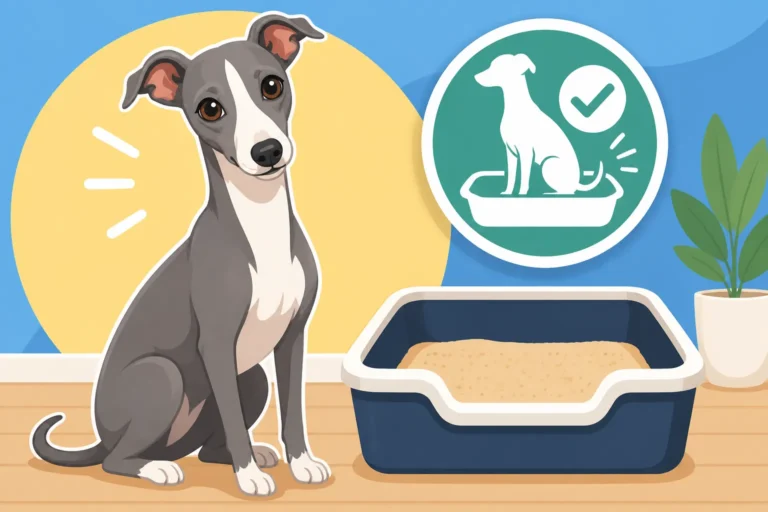
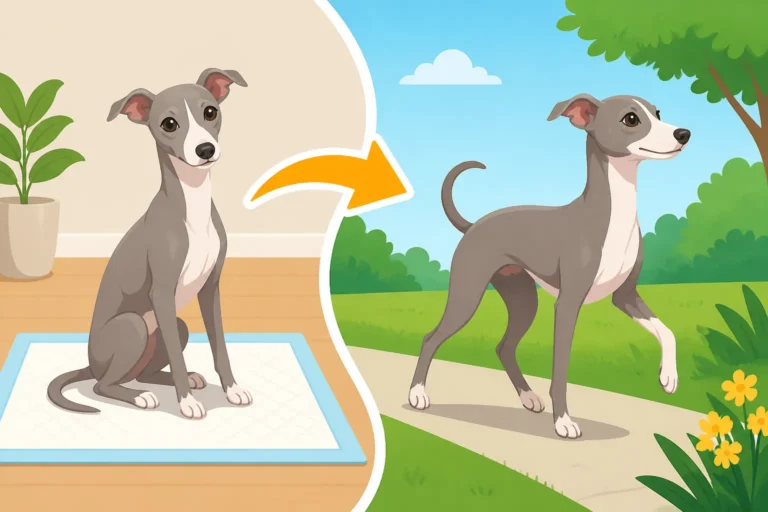
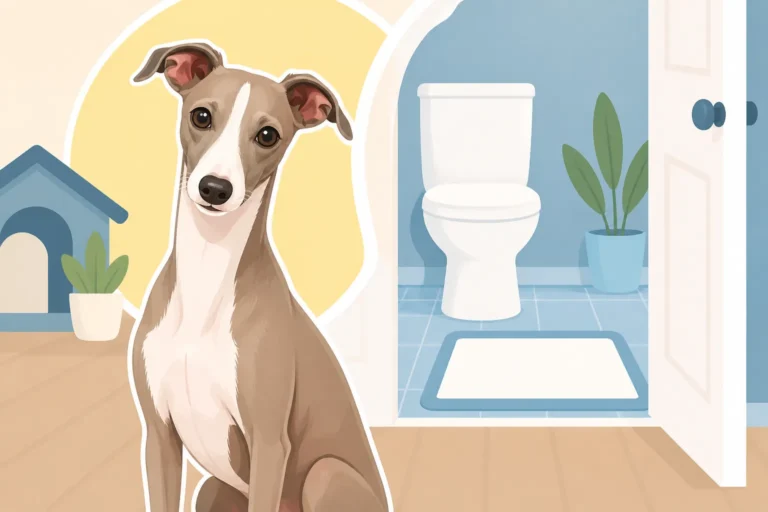
If you find a puddle, simply clean it up with an enzymatic cleaner (available widely on Amazon) to remove odors that might attract them back to the same spot. Do not scold. Instead, dramatically increase the frequency of potty breaks, especially after waking, eating, and playing. Take them to the exact spot you want them to use outside, and reward them lavishly with treats and praise the moment they finish their business. Consider an indoor potty solution, like real grass patches or a litter box, especially for cold or rainy days. Setting Up an Indoor Bathroom for an Italian Greyhound can be a lifesaver. Patience, consistency, and celebrating every outdoor success are the keys to overcoming this common Iggy hurdle. Remember, it can take How Long Housetraining an Italian Greyhound Takes much longer than with other breeds.
Managing High Prey Drive and Selective Hearing
Italian Greyhounds possess a strong prey drive, a remnant of their sighthound heritage. This means that a squirrel, a leaf blowing in the wind, or a distant bird can trigger an immediate chase response. When their prey drive kicks in, it's as if they become temporarily deaf to your commands. Trying to "correct" them in this state is futile; their instincts are simply too powerful.
Instead of correction, focus on management and training in low-distraction environments first. Always keep your Italian Greyhound on a leash or long line when outside a securely fenced area. No amount of training can reliably overcome their instinct to chase once it's activated, making them prone to bolting. Why an Italian Greyhound Cannot Be Trusted Off Leash, Ever is a truth many owners learn the hard way. Practice recall in a quiet, fenced yard, making it a super fun game with high-value treats and enthusiastic praise. Once they reliably come to you in low-distraction settings, gradually introduce mild distractions. Use a secure harness, not just a collar, as Iggys can easily slip out of flat collars due to their narrow heads. If you encounter a strong distraction on a walk, use positive interrupters – a fun noise, a treat tossed away from the distraction – to redirect their attention before they lock onto the prey.
Understanding Their Motivation for Better Training Outcomes
To truly communicate with and train an Italian Greyhound effectively, you need to understand what motivates them. It’s not about asserting dominance or making them submit; it's about tapping into their core drives: comfort, connection, and the pursuit of positive experiences. When you align your training with these motivations, you’ll find a much more willing and eager participant.
The Desire for Comfort and Warmth
Italian Greyhounds are notoriously sensitive to cold due to their minimal body fat and thin coats. This isn't just a preference; it's a physical need. If your Iggy is shivering, they are not in a state to learn or perform. They prioritize warmth and comfort above almost all else. This means that expecting them to perform complex commands or even go potty outside in inclement weather without proper protection is often a losing battle.
This strong desire for comfort can be a powerful motivator. Use it to your advantage! A warm, cozy blanket or a comfortable bed can be a reward in itself. If you're working on "stay," a successful stay that ends with them getting to curl up on a soft blanket next to you is far more reinforcing than a simple treat alone. Consider providing them with a special sweater or jacket for outdoor excursions, making the experience more pleasant and increasing their willingness to cooperate. Many Iggy owners find that a comfortable, warm sweater from places like Amazon can make all the difference in their willingness to venture outdoors in cooler temperatures. Recognizing their need for warmth and incorporating it into their daily life and training regimen will greatly improve their responsiveness.
Their Deep Need for Connection and Attention
More than almost anything else, an Italian Greyhound wants to be with you. They are the quintessential "Velcro dogs," following you from room to room, craving physical closeness and constant interaction. This profound need for connection is the most potent motivator you have as an owner. Withholding attention as a punishment is often counterproductive, as it can cause anxiety rather than encourage learning.
Instead, leverage their desire for your attention as a reward. When your Iggy does something you like, give them your full, undivided positive attention – a gentle scratch behind the ears, a soft voice, or a few minutes of cuddle time. If they are jumping up for attention, instead of pushing them away or scolding, turn your back until all four paws are on the floor, then immediately turn around and reward them for the calm behavior. This teaches them that calm earns attention, while frantic behavior does not. You’ll notice that Why an Italian Greyhound Follows You Room to Room isn't just a quirk; it's a fundamental aspect of their personality that you can harness for effective, positive training. They are not Whether an Italian Greyhound Is Stubborn; they are simply intensely focused on what brings them security and joy, which usually means you.
The Role of Play and Enrichment
While treats and affection are powerful, don't underestimate the power of play and mental enrichment for your Italian Greyhound. Many Iggys enjoy playing with soft toys, chasing a lure, or engaging in puzzle games that challenge their minds. Play can be a fantastic reward for good behavior and helps burn off their sometimes surprising bursts of energy, reducing the likelihood of destructive behaviors born out of boredom.
If your Iggy is getting into mischief because they're bored, providing stimulating activities can act as a "correction" by channeling their energy constructively. Interactive toys where they have to figure out how to get a treat, or a short game of fetch with a soft ball, can be highly motivating. Think about what What an Italian Greyhound Does When Bored – often it’s something you don’t want them to do! Channeling that energy into an approved activity not only rewards them but prevents the undesirable behavior from occurring in the first place. Incorporating these elements into your training makes it a holistic, positive experience for your sensitive companion.
Practical Approaches to Reinforcing Desired Behaviors
Beyond the theory, what does positive reinforcement look like in day-to-day interactions with your Italian Greyhound? It's about being proactive, understanding their cues, and consistently shaping their world to make good choices the most appealing ones.
Proactive Management and Environment Shaping
One of the most effective "corrections" for an Italian Greyhound is to prevent the undesirable behavior from happening in the first place. This is where proactive management and shaping your environment come in. If your Iggy tends to counter surf, instead of waiting for them to jump up and then trying to correct them, remove tempting items from the counter. If they chew on furniture, provide appropriate chew toys. By removing the opportunity for misbehavior, you eliminate the need for correction altogether.
For example, if you know your Italian Greyhound struggles with being left alone, don't just leave them for hours and hope for the best. Work on gradually increasing their alone time, starting with just a few minutes, and provide high-value, long-lasting chews or puzzle toys to keep them occupied and associate alone time with positive things. You might even consider crate training, but only if the crate is a safe, comfortable den, never a place of punishment. Ensuring your home is safe and set up for an Iggy also means preventing accidents. For example, if you know they'll jump off the sofa, installing a ramp or training them to wait to be lifted down can prevent injuries that lead to stress and vet bills. Why an Italian Greyhound Will Not Wait to Be Lifted Down sometimes, and prevention is key.
Training Alternatives and Redirection
Instead of saying "no," focus on teaching an alternative behavior that you do want. For instance, if your Italian Greyhound jumps on guests, instead of pushing them down, teach them to "sit" for greetings. When a guest arrives, have treats ready. As your Iggy approaches, ask for a sit. The moment their bottom hits the floor, reward them lavishly and have the guest offer a gentle pet. This teaches them that sitting is the way to get attention, which is what they truly crave.
Redirection is also a powerful tool. If your Iggy is fixated on something inappropriate, like chewing your shoes, calmly interrupt the behavior and immediately offer an appropriate chew toy. When they take the toy, praise them. You're not punishing them for the wrong choice; you're redirecting their energy to the right choice and rewarding that. This gentle approach maintains trust and helps them understand what is acceptable. This is also how you teach them Which Rewards an Italian Greyhound Works For, by showing them the good things that come from positive engagement.
Summary of Effective Italian Greyhound Communication
Here’s a quick overview of how Italian Greyhounds typically respond to different types of communication and correction:
| Method of Interaction | Italian Greyhound Response | Long-Term Outcome |
|---|---|---|
| Harsh Verbal Correction | Fear, withdrawal, avoidance, anxiety, submissive urination | Damaged trust, hiding behavior, decreased responsiveness |
| Physical Punishment | Terror, injury, shattered trust, aggression (rarely), flight | Permanent fear of handler, severe behavioral issues |
| Ignoring Undesired Behavior | Can sometimes work for attention-seeking, but often insufficient | Behavior may continue if not replaced with an alternative |
| Positive Reinforcement | Eagerness, engagement, joy, confidence, desire to please | Stronger bond, reliable behavior, happy and well-adjusted dog |
| Clicker Training | Clear understanding, rapid learning, reduced frustration | Precise communication, enthusiastic participation |
| Proactive Management | Sense of security, fewer opportunities for mistakes | Prevention of problem behaviors, less need for "correction" |
Italian Greyhounds flourish in an environment of kindness, clear communication, and unwavering patience. They are sensitive, intelligent dogs who respond best to positive reinforcement, gentle guidance, and the consistent love of their human companions. Embracing these methods will not only result in a well-behaved dog but a happy, confident, and deeply bonded member of your family.
Disclaimer
This article is for general informational purposes only and does not constitute professional advice. Laws, prices and regulations vary by location and change over time. Consult a qualified professional for guidance on your specific situation.