Why an Italian Greyhound Follows You Room to Room
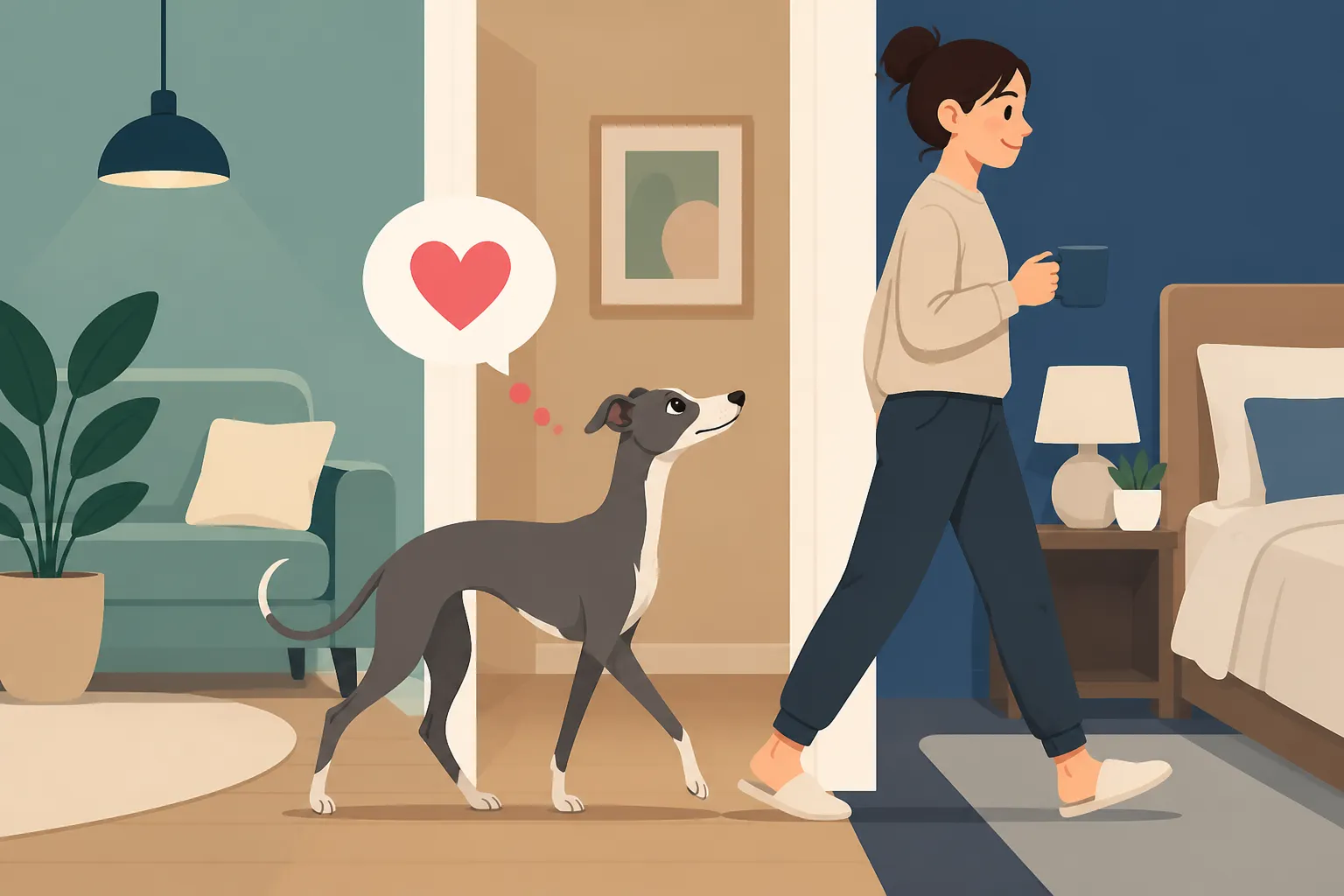
It's incredibly endearing when your Italian Greyhound acts like your shadow, following your every move from kitchen to bathroom to bedroom. This "Velcro dog" tendency is a hallmark of the breed, but it can also raise questions: Is it normal? Is it healthy? This comprehensive guide will delve into the deep-seated reasons why Italian Greyhounds are so prone to following their people from room to room, offering insights into their unique breed traits and providing practical advice for understanding and managing this constant companionship.
The Instinctual Drive for Closeness in Italian Greyhounds
Italian Greyhounds aren't just being cute when they're glued to your side; there are often deep, instinctual reasons behind this constant companionship. Understanding these roots can help us appreciate their unique needs and behaviors.
Pack Mentality and Social Bonding
Like many dog breeds, Italian Greyhounds retain a strong pack mentality, but with IGs, this often manifests in an intensified need for proximity to their chosen "pack leader"—you! They thrive on social connection and view their human family as their entire world. In the wild, being part of a pack offers safety and security, and your Italian Greyhound translates this instinct into staying physically close to you. They aren't just following; they're actively participating in the pack's movements, seeking reassurance and connection. This means that every time you get up to grab a snack, your IG sees it as a subtle shift in the pack dynamic and adjusts their position accordingly. It’s a constant reaffirmation of their place and security within your home. This intense bond is part of what makes them such beloved companions, but it also explains why they find it so difficult to be truly independent.
Physical Vulnerability and Comfort Seeking
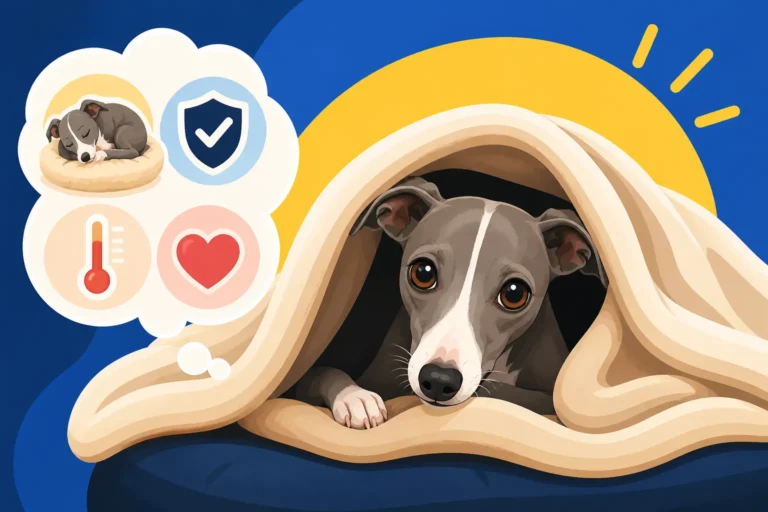
Let's face it, Italian Greyhounds are delicate creatures. With their fine bones, thin skin, and incredibly lean bodies, they don't have much natural insulation. This makes them prone to feeling the cold, even indoors. Why an Italian Greyhound Gets Cold on the Table is a topic many owners grapple with, and this same sensitivity drives their desire to be near warm bodies. Your presence isn't just emotional comfort; it's often physical warmth too. They'll burrow under blankets, into your lap, or right up against your legs on the sofa, simply because they are trying to stay comfortable. This isn't just a preference; it's a physiological need. Imagine always feeling a slight chill; you'd seek out the warmest spot too, wouldn't you? For an Italian Greyhound, that spot is almost always next to you. This explains why you might find your IG Why an Italian Greyhound Burrows Under Blankets even on a mild day.
The Need for Security and Safety
Italian Greyhounds are often described as sensitive and somewhat timid dogs. Their small size makes them feel vulnerable, and your presence provides a sense of profound security. They see you as their protector, the one who can keep them safe from perceived threats—whether that's a loud noise outside, an unfamiliar visitor, or even just the sudden movement of a household item. Following you around allows them to keep an eye on you, ensuring their "safety net" is always within reach. It’s their way of managing their environment and staying safe. If they can see you, they know they're not alone and are generally less anxious. This isn't necessarily a sign of true anxiety in all cases; it's often just their baseline comfort level, especially in a breed that can be prone to nervous tendencies.
The Human-Canine Bond and Learned Behavior
Beyond instinct, the close bond Italian Greyhounds form with their humans, combined with certain learned behaviors, greatly contributes to their room-to-room shadowing. It's a dance between their natural inclination and the responses they receive from us.
Reinforcement of Attention and Affection
Let's be honest, who can resist the adorable gaze of an Italian Greyhound asking for attention? When your IG follows you, you probably pet them, talk to them, or even pick them up. This positive reinforcement teaches them that following you leads to desirable outcomes – cuddles, scratches, or a kind word. Over time, they learn that your movement means potential interaction, and they're quick to capitalize on it. This creates a feedback loop: they follow, they get attention, they learn to follow more. It’s a natural process, but it certainly strengthens the "Velcro dog" tendency. This isn't a bad thing, as Italian Greyhounds genuinely thrive on connection, but it's important to recognize how our reactions shape their behavior.
Routine and Expectation
Dogs are creatures of habit, and Italian Greyhounds are no exception. If your routine involves you moving from the living room to the kitchen for coffee, and your IG joins you every time, they quickly learn to anticipate this pattern. They start to associate certain cues – your standing up, the jingle of keys, the sound of water running – with your next destination and will preemptively move to be by your side. They learn the "language" of your household, and often, that language involves staying within arm's reach of you. This is also how they learn routines like How an Italian Greyhound Behaves When You Pack a Bag, recognizing that certain actions mean you might be leaving, which can heighten their desire to be near you. They're just very observant and eager to be part of whatever you're doing.
Attachment to One Person
Many Italian Greyhounds, while affectionate with the whole family, tend to form an especially strong bond with one primary person. This often leads to them being that person's devoted shadow above all others. This intense loyalty is a beautiful aspect of the breed, but it also means that if you are "their person," expect little privacy! This deep attachment can stem from who feeds them most often, who plays with them, or simply who they feel the strongest connection with. Why an Italian Greyhound Attaches to One Person is a common trait, and it means that for that chosen individual, the "Velcro" effect can be particularly pronounced. They literally want to be where you are, always.
Differentiating Normal Clinginess from Anxiety
It's crucial for Italian Greyhound owners to understand the difference between their dog's naturally affectionate and "Velcro-like" personality and genuine separation anxiety. While both involve a desire for closeness, the underlying emotions and behaviors are distinct.
Signs of Separation Anxiety Versus Clinginess
A naturally clingy Italian Greyhound will follow you, seek physical contact, and might whine a little if you leave the room, but they generally settle down relatively quickly if they know you're still in the house. When you leave the house, they might be sad, but they don't go into a full-blown panic.
Separation anxiety, on the other hand, is a much more intense and distressing condition. It's characterized by genuine panic and extreme distress when the dog is separated from their primary attachment figure, even if that separation is brief. This isn't just "missing you"; it's a fear-based response.
Here's a quick comparison of behaviors to help you distinguish:
| Behavior Aspect | Normal "Velcro" Clinginess | Separation Anxiety |
|---|---|---|
| When you leave the room | Follows, settles when you return. | Pacing, whining, barking, destructive behavior. |
| When you leave the house | May seem sad, rests, awaits your return. | Destructive chewing, howling, barking, urination/defecation. |
| Behavior upon return | Happy greeting, then settles quickly. | Exaggerated, frantic greeting, takes long to calm. |
| Tolerance of solitude | Can amuse themselves, naps, generally calm. | Unable to settle, constant vocalization, panic. |
| Focus | Primarily on you, but can redirect. | Hyper-focused on your departure/absence. |
For more detailed information on problematic behavior, you might want to read Signs an Italian Greyhound Has Separation Anxiety. If you're seeing persistent, intense, and destructive behaviors when you're away, it's definitely time to take things more seriously than just a "Velcro dog."
When to Seek Professional Help
If you suspect your Italian Greyhound is experiencing true separation anxiety rather than just being a loyal companion, seeking professional help is paramount. A veterinarian can rule out any underlying medical conditions that might be contributing to anxious behaviors. Once health issues are excluded, a certified professional dog trainer or a veterinary behaviorist can provide tailored strategies. They can help you implement desensitization and counter-conditioning protocols, often involving very gradual increases in alone time and positive associations with your departure.
Don't wait for the problem to escalate. Early intervention can make a significant difference. Resources like online training platforms from reputable sources, like BAXTER & Bella, sometimes offer programs or modules specifically designed to address common anxiety issues and build confidence in dogs. While it takes time and consistency, many Italian Greyhounds can learn to cope better with alone time with the right guidance.
Strategies for Managing the "Velcro" Trait
Living with a "Velcro dog" Italian Greyhound is part of the charm for many owners, but there are times when you might need a little space, or simply want to encourage a bit more independence for your dog's own well-being. Here's how to manage it.
Encouraging Independence and Self-Sooting
While their desire to be near you is strong, you can gently encourage your Italian Greyhound to be more independent. Start with small steps. Instead of always letting them follow, occasionally ask them to "stay" in one room while you quickly go to another, returning immediately with a small, high-value treat. Gradually increase the time and distance. Providing enriching activities that they can do independently is also key. Think puzzle toys filled with delicious treats, or durable chews that can occupy them for a while. These give them a positive outlet and a task that doesn't involve your direct interaction.
Another approach is to teach a "place" command. Designate a specific bed or mat (perhaps a cozy, heated one from Amazon for ultimate comfort) as their "place" and reward them for settling there, even if you are moving around the house. This gives them a job and a safe space that isn't always right next to your feet. The goal isn't to discourage their affection, but to build their confidence in being comfortable without constant physical contact.
Creating Safe Spaces for Alone Time
Every Italian Greyhound needs a designated safe space where they can feel secure and relax, even when you're present. This might be a soft crate, a cozy dog bed in a quiet corner, or a snuggle sack. Ensure this spot is always positive and comfortable, perhaps with their favorite blanket or a chew toy. When you need to leave the house, even for short periods, this safe space becomes even more important. Leaving an Italian Greyhound Crated can be a very effective strategy for some IGs, as it provides a den-like sense of security and prevents destructive behaviors driven by anxiety.
Make sure their safe space is warm and draft-free, especially for a breed as sensitive to cold as the Italian Greyhound. You might even consider a self-warming pet bed or a small dog cave bed to enhance their comfort. Introducing these spaces gradually and positively, perhaps by feeding meals or giving special treats there, will help your IG associate it with good things. This dedicated area gives them a feeling of control and predictability, which is incredibly reassuring for a sensitive dog.
Training for Alone Time
Successfully training an Italian Greyhound to cope with alone time requires patience and consistency. Start by practicing very short absences. Step out of sight for a few seconds, then return before your dog becomes distressed. Gradually increase the duration. It's crucial not to make a big fuss when you leave or return; this helps to normalize your comings and goings. Save the enthusiastic greetings for when your dog has been calm for a few minutes after your return.
Consider using a pet camera (many options available on Amazon) to monitor their behavior when you're gone. This can give you valuable insight into whether they are truly resting or becoming anxious. White noise machines or calming music can also help muffle outside sounds that might trigger anxiety. For advanced help with this, resources that teach structured training plans, like those offered by BAXTER & Bella, can be invaluable. The key is to make alone time a neutral or even positive experience, gradually building their tolerance. It's a journey, not a quick fix, but with consistent effort, your Italian Greyhound can learn that your departure isn't the end of their world. It’s also important to manage expectations; while you want them to be comfortable alone, How Long an Italian Greyhound Copes Alone might be shorter than you think, and they are generally not a breed that thrives on being left for extended periods.
Disclaimer
This article is for general informational purposes only and does not constitute professional advice. Laws, prices and regulations vary by location and change over time. Consult a qualified professional for guidance on your specific situation.