The Indoor Zoomies an Italian Greyhound Gets
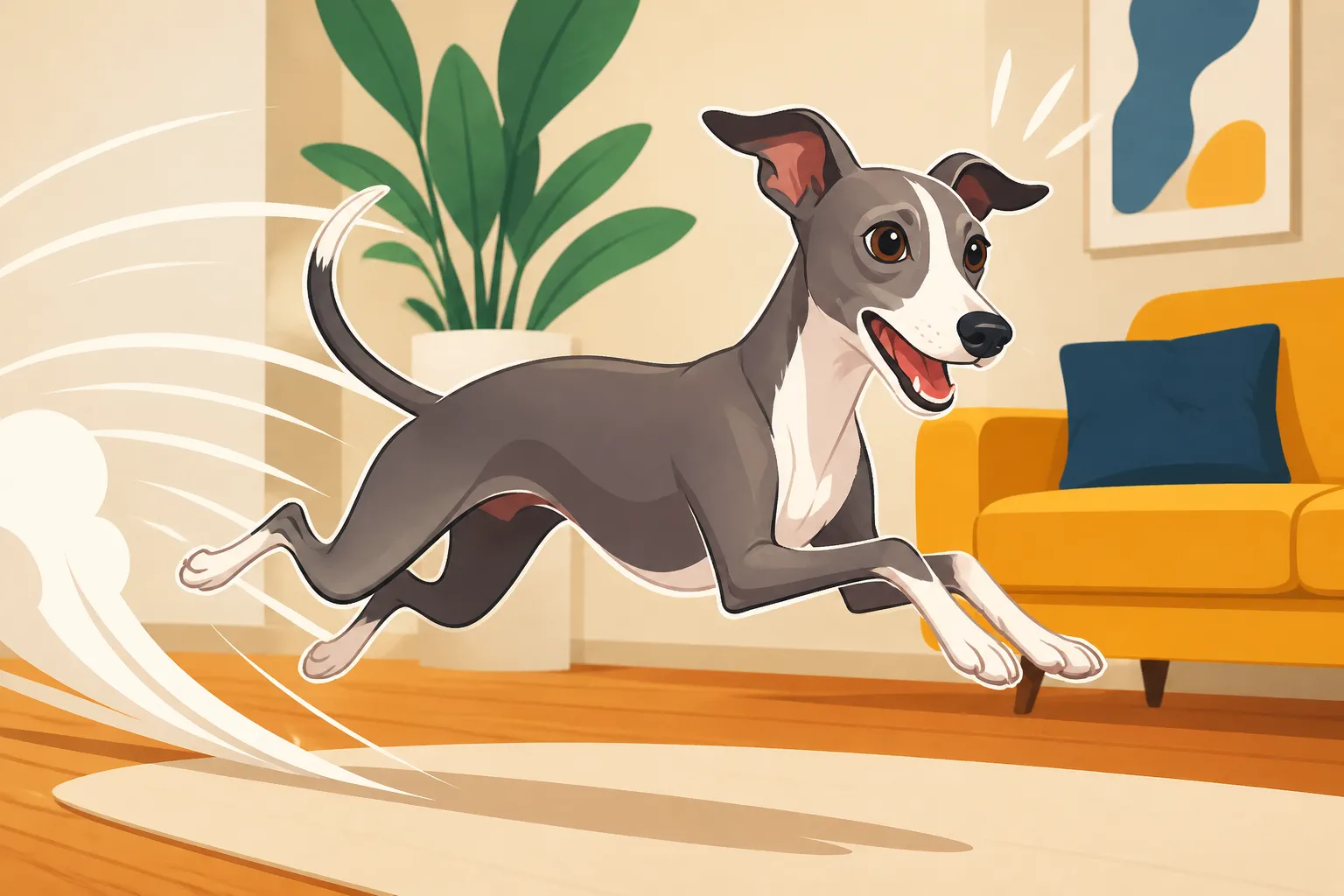
If you've ever owned an Italian Greyhound, you know the moment: your perfectly calm, curled-up companion suddenly springs to life, tearing through your living room at warp speed, ricocheting off furniture like a furry pinball. These sudden, explosive bursts of energy, affectionately known as "zoomies" or FRAPs (Frenetic Random Activity Periods), are a hallmark of the breed, and while often hilarious, they can also be a source of anxiety for owners worried about their delicate dogs. This guide will delve into the world of Italian Greyhound zoomies, helping you understand why they happen, what triggers them, and how to manage them safely in your home.
What Exactly Are "Zoomies" in an Italian Greyhound?
For Italian Greyhound owners, zoomies aren't just a quaint term; they're a very real, often spectacular, display of boundless energy. It's more than just a dog running around; it's a specific set of behaviors that signals a sudden, overwhelming need to just go. And for a breed as finely tuned as an Italian Greyhound, these episodes are a truly unique experience.
The Sudden Burst of Energy
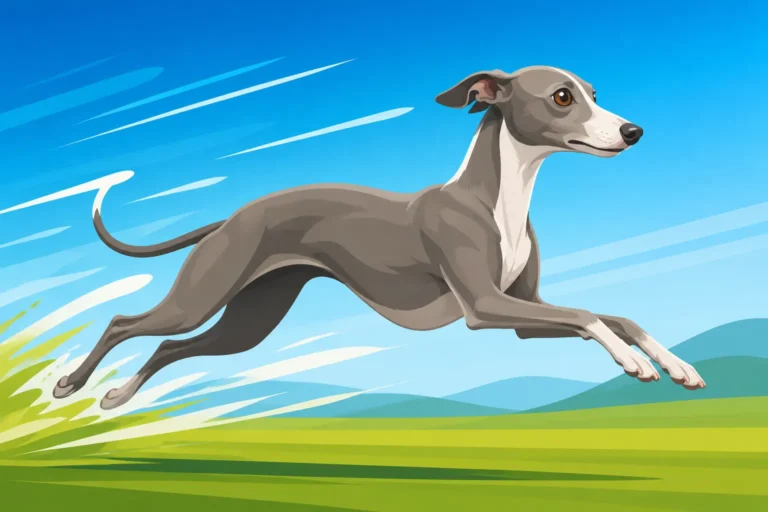
One moment your Italian Greyhound is a graceful, elegant statue, perhaps draped over a sofa arm or nestled deep in a blanket burrito. The next, a switch flips. It’s an instantaneous transformation from zero to sixty. Their eyes widen, their body tenses, and then – whoosh – they're off! This isn't a gradual acceleration like a dog warming up for a run in the park; it's an immediate, high-octane explosion. They might bolt from one end of the house to the other, spin in tight circles, or even bark excitedly as they race around. It feels almost involuntary, a pure, unadulterated release of pent-up joy or energy.
It's easy to worry, especially when your dog is flying at top speed around corners in a house full of hard surfaces and furniture. Their speed is truly incredible for such a small dog, and their ability to stop on a dime and change direction is equally astonishing, if not a little heart-stopping. You might find yourself bracing for impact, holding your breath, or even trying to intervene, only to realize they're already gone, leaving a swirling vortex of air and a slightly bewildered look on your face.
The Italian Greyhound's Unique Body Language During Zoomies
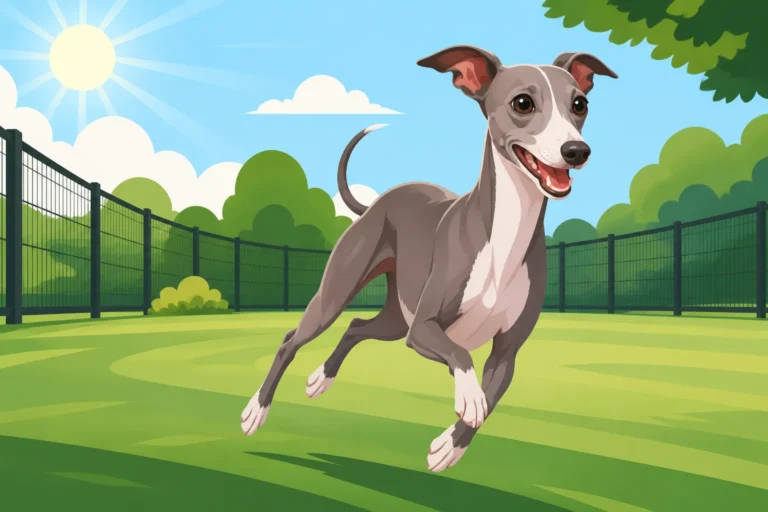
While many dogs get zoomies, an Italian Greyhound's display is often distinct. Their sleek, athletic build and long legs make for a truly impressive show. They don't lumber or bounce; they flow across the floor, often with an almost horizontal posture, their tail tucked or streaming behind them, ears sometimes pinned back, and a wide-eyed, almost crazed, grin on their face. It’s pure, unadulterated canine glee.
Sometimes, their zoomies include "air snaps" or play bows as they try to engage you or another dog in their frenzy. They might dart under coffee tables, leap over ottomans, or even make a daring ascent onto the back of a sofa before launching themselves off again. Their delicate yet incredibly agile bodies are designed for speed and quick turns, making these indoor spectacles particularly dramatic. Understanding that this is a natural, albeit sometimes dangerous, outlet for them is key to managing it.
Why They Happen Indoors So Often
You might wonder why your Italian Greyhound doesn't just do these crazy sprints outdoors. The truth is, sometimes they do, but outdoor spaces, especially unfenced ones, come with their own set of risks for a sighthound with a high prey drive. Indoors, within the confines of a home, zoomies become a practical, albeit less ideal, arena for energy release. Plus, Italian Greyhounds are notoriously sensitive to weather. A chilly breeze, a patch of wet grass, or a little snow can be enough to send them scurrying back inside, reserving their most frantic energy for the comfort and warmth of your living room.
Think about it from their perspective: the house is their safe haven, where they spend the majority of their time. If they're not getting enough sustained exercise outside, or if the weather isn't cooperating for a good romp, that energy has to go somewhere. The living room, with its open spaces and soft carpets (hopefully!), becomes their personal racetrack. It's a natural consequence of their energetic nature and environmental preferences.
Common Triggers for Italian Greyhound Zoomies
Understanding what sets off an Italian Greyhound's zoomies can help you anticipate them and create a safer environment. While every dog is an individual, there are some pretty common scenarios that turn these otherwise calm canines into speed demons.
Post-Bath Bliss or Annoyance
This is a classic. Many dogs, not just Italian Greyhounds, get a serious case of the post-bath zoomies. For an Italian Greyhound, who might find the entire bathing process a somewhat harrowing experience, it's often a mix of relief and an urgent need to shake off the indignity and the wetness. They'll race around, shaking vigorously, trying to rub themselves dry on anything and everything – your legs, the sofa, the bathmat.
The feeling of being clean and perhaps a little chilly after a bath can trigger this frantic desire to warm up and release residual stress. It's not always pure joy; sometimes it's a frantic effort to return to their normal, dry, and scent-free selves (from their perspective, anyway). Having a towel ready for a good rub-down and then a safe, padded area for them to zoom can help mitigate the chaos.
Excitement and Anticipation
Italian Greyhounds are often keenly attuned to routines and cues. The jingle of keys, the sound of a specific treat bag crinkling, or the arrival of a favorite person can send them into a pre-emptive zoomie frenzy. This is pure, unadulterated excitement bubbling over. They're literally so thrilled they can't contain themselves.
Imagine you've been sitting quietly for hours, and suddenly your favorite person walks through the door, or you hear the promise of a walk – that surge of anticipation can be overwhelming. Their sleek bodies are just built to express that joy through movement. These zoomies are often accompanied by happy barks and bounces, making it clear they're delighted. It’s hard to be mad at a dog expressing such pure happiness, even if it means a momentary whirlwind in your home.
Pent-Up Energy Release
Sometimes, zoomies are simply a sign that your Italian Greyhound has a build-up of unspent energy. Maybe the weather has been terrible, and outdoor walks have been cut short. Perhaps you've had a busy day and playtime has been minimal. Suddenly, often in the late afternoon or evening, that stored energy needs an outlet. This is where you'll see those truly explosive, sustained bouts of running.
Italian Greyhounds, despite their small size, are sighthounds, and they have an inherent need to run and expend energy. If that need isn't met through regular exercise, either a good long walk or a secure off-leash run in a fenced yard (Whether an Italian Greyhound Needs a Fenced Yard), it will manifest indoors. It's their way of saying, "I've got to move, and this is the only space I have!" Regular, appropriate exercise is key to minimizing these kinds of zoomies, though it won't eliminate them entirely. Think about their ancestors chasing prey across open fields; that drive is still there, even if they're living in your apartment.
Evening Energy Surges
Many Italian Greyhounds seem to have a particular burst of energy in the evening, often right before bedtime. This "witching hour" can be perplexing, as you'd think they'd be winding down. But just like human children who get a second wind before bed, some dogs have an internal clock that cues a final surge of activity.
This could be a combination of factors: the house becoming quieter, a shift in human activity signaling an end to the day, or simply a natural metabolic cycle. It's important to remember that they spend a good portion of the day napping, so these evening bursts are often just them shaking off the last vestiges of sleep and readying for a final romp before the deep sleep of night. These zoomies can often be the most challenging to manage, as you're likely winding down yourself.
Why Indoor Zoomies Are Different for Italian Greyhounds
Owning an Italian Greyhound means accepting that their unique physical characteristics make them different from many other breeds, especially when it comes to energetic behaviors like zoomies. What might be a harmless burst of fun for a sturdy terrier could be a genuine risk for an IG.
Their Delicate Build and Fragile Bones
This is the number one concern for any Italian Greyhound owner, and with good reason. Their delicate, fine-boned structure is part of what makes them so elegant, but it also makes them incredibly prone to fractures. Why an Italian Greyhound's Leg Bones Break So Easily is a constant worry, and indoor zoomies are a prime scenario where accidents can happen. A misstep, a collision with furniture, or a bad landing can result in a serious injury.
Their long, thin leg bones, particularly the radius and ulna in the front legs, are especially vulnerable. They don't have the heavy bone density of many other breeds. When they're rocketing around your home, they're not thinking about physics or bone integrity; they're just running. This inherent fragility means that every zoomie session carries a small but ever-present risk. This is why many experienced Italian Greyhound owners are so meticulous about home safety.
The Need for Safe Spaces
Given their delicate nature, creating designated "zoomie-safe" zones is paramount. This isn't just about moving a few lamps; it's about actively managing their environment to minimize hazards. Hardwood or tile floors, for example, can be incredibly dangerous. Their slight frames and slender legs offer little traction on slippery surfaces, making slips and falls a real possibility during high-speed antics. How High an Italian Greyhound Can Safely Land is often much lower than their enthusiasm suggests.
Ideally, your Italian Greyhound should have access to carpeted areas or rugs during their zoomie sessions. Thinking about their habits, where do they usually run? Can you add non-slip runners or rearrange furniture to create clear, padded pathways? It's about proactive prevention rather than reactive panic. Consider using baby gates to block off particularly dangerous rooms, like kitchens with hard floors, during prime zoomie times.
Controlling the Environment
Beyond just safe flooring, think about all the other potential hazards in your home. Sharp furniture corners, heavy objects that could be knocked over, stairs, or even open doorways leading outside are all potential dangers during a frantic zoomie session. Setting Up a House an Italian Greyhound Cannot Break a Leg In requires a keen eye and a bit of foresight.
For example, many owners use Ramps and Steps for an Italian Greyhound's Furniture to prevent jumping, but during zoomies, these might be ignored. It's a dance between encouraging safe exercise and preventing accidents. Keeping valuable or breakable items out of reach and securing unstable furniture can help. Even soft items like throw pillows or blankets, if scattered haphazardly, can become trip hazards when your IG is moving at top speed. It's a continuous process of observation and adjustment.
Managing and Guiding Italian Greyhound Zoomies Safely
So, your Italian Greyhound is going to get the zoomies. It's an inevitable part of their charming, quirky personality. The goal isn't to stop them entirely, but to manage them in a way that keeps your precious pup safe and your sanity intact.
Creating a "Zoomie-Safe" Zone
The first step is to establish a dedicated space where your Italian Greyhound can release energy without excessive risk. This typically means an area with good traction and minimal obstacles. If you have a large, carpeted living room, that's often ideal. If not, consider investing in large area rugs, like those found on Amazon, or interlocking foam mats to cover slippery floors in their primary play areas.
Remove anything that could be easily knocked over, or that has sharp edges at their eye level. Think about lamps, decorative items, and even fragile plant pots. If you have multiple floors, try to encourage zoomies only on the ground floor or block off stair access during these high-energy periods, particularly for younger Italian Greyhounds. You might even consider having a "zoomie blanket" on the floor that gives them an extra soft landing spot for those dramatic stops and spins. This dedicated safe space allows them to express themselves freely while minimizing the chances of injury, which is a constant worry for Restricting an Italian Greyhound Under Two.
Redirecting Energy with Play
While zoomies are often spontaneous, you can sometimes preempt or redirect them with structured play. This doesn't mean stopping the zoomie mid-sprint, but rather providing alternative outlets for that energy before it reaches critical mass, or engaging them in a more controlled way once they're already in motion.
Interactive toys like flirt poles, soft squeaky toys, or even a simple game of fetch with a lightweight toy can be incredibly effective. A flirt pole, for example, allows your Italian Greyhound to engage their prey drive and run at full speed in a more directed, controlled manner. You're still giving them that exhilarating chase, but you're guiding their movements and keeping them away from dangerous furniture or slippery zones. The key is to keep play sessions short and engaging to match their attention span and prevent overexertion. This also feeds into What an Italian Greyhound Does All Day, providing mental and physical stimulation.
Another approach is to introduce more frequent, shorter bursts of structured play throughout the day. Instead of waiting for the evening surge, try a quick five-minute play session mid-day. This can help chip away at their energy reserves, making the spontaneous zoomies less intense or frequent. Interactive feeders or puzzle toys can also provide mental stimulation that helps to tire them out without the need for frantic running. Online training resources, like those offered by BAXTER & Bella, can provide excellent ideas for structured indoor games that are safe and mentally stimulating for an Italian Greyhound.
Consistency and Routine
Dogs thrive on routine, and Italian Greyhounds are no exception. Establishing a consistent schedule for walks, play, and quiet time can help regulate their energy levels and make zoomie episodes more predictable. If they know when their exercise and play times are, they might be less prone to sudden, explosive energy releases out of frustration or boredom.
For instance, if your Italian Greyhound gets a good, brisk walk (weather permitting) or a session of supervised running in a secure area in the morning and early evening, they might have less pent-up energy to discharge indoors. How Much Exercise an Italian Greyhound Needs might be less than a larger sighthound, but it's still significant. Consistency also helps them understand boundaries. If you consistently discourage unsafe behaviors during zoomies (like jumping on delicate furniture or running through a hazardous area) and redirect them to their safe zone, they'll learn over time. It’s not about punishing the zoomie, but about guiding it.
This also extends to anticipating typical zoomie times, like after meals or after waking up from a long nap. By knowing these patterns, you can proactively engage them in a structured activity or ensure they are in their safe zone before the zoomie switch flips.
When Zoomies Might Signal Something More
While zoomies are generally a normal and often amusing part of Italian Greyhound behavior, there are times when these frantic activity periods might signal something deeper or require a closer look. It's important to differentiate between typical bursts of energy and behaviors that could indicate stress or other issues.
Over-Stimulation and Stress
Sometimes, what looks like a zoomie might actually be a dog trying to cope with over-stimulation or stress. Imagine a house full of new guests, loud noises, or an unfamiliar environment. An Italian Greyhound, being a sensitive breed, can become overwhelmed. This excess energy, rather than being joyful, can be a manifestation of anxiety or an attempt to decompress.
In these situations, the zoomie might seem more frantic, less joyful, and could be accompanied by other stress signals like excessive panting, yawning, lip licking, or trying to hide afterward. If you notice a pattern of zoomies occurring in specific stressful contexts, it's worth considering how you can reduce those stressors for your Italian Greyhound. Providing a quiet, safe retreat, like a crate covered with a blanket, can give them a much-needed escape. This is why some owners consider Crating an Italian Greyhound Overnight or during high-stress times.
Excessive or Destructive Zoomies
While intensity varies, if your Italian Greyhound's zoomies are consistently extremely long, overly frequent, or involve destructive behaviors (like chewing on furniture, pulling at curtains, or frantically digging at carpets), it could be a sign of insufficient mental or physical stimulation. It's their way of saying, "I have too much energy and no appropriate outlet!"
A healthy zoomie usually lasts a few minutes, maybe ten at most, and then the dog crashes. If your Italian Greyhound is zooming for extended periods multiple times a day, and these sessions are leading to damage in your home or injury to themselves, it's time to re-evaluate their daily routine. Are they getting enough walks, play, and mental enrichment? Perhaps they need more dedicated training sessions or puzzle toys to engage their minds. A dog that is truly bored and under-stimulated will often find destructive ways to cope, and excessive zoomies can sometimes be part of that picture. What an Italian Greyhound Chews often indicates boredom or anxiety.
Consulting Your Vet or Trainer
If you have any persistent concerns about your Italian Greyhound's zoomie behavior – perhaps they seem unusually intense, are causing repeated injuries, or are accompanied by other worrying signs (like sudden lameness after a zoomie, or changes in appetite/thirst) – don't hesitate to consult your veterinarian. While zoomies are normal, a sudden change in behavior or an increase in intensity could sometimes be linked to an underlying health issue or even pain. For instance, sometimes a dog experiencing discomfort might act out with frantic energy as a coping mechanism.
Additionally, a certified professional dog trainer or behaviorist can offer valuable insights and strategies tailored to your specific situation. They can observe your Italian Greyhound's behavior in your home environment and help you identify specific triggers, implement effective management techniques, and ensure you're meeting all your dog's needs in a way that promotes safety and well-being. They can offer guidance on everything from Teaching an Italian Greyhound Not to Jump Down to general obedience. It's always best to seek professional advice when you're feeling overwhelmed or concerned about your dog's welfare.
Disclaimer
This article is for general informational purposes only and does not constitute professional advice. Laws, prices and regulations vary by location and change over time. Consult a qualified professional for guidance on your specific situation.