How Fast an Italian Greyhound Runs
One of the most common questions I get about Italian Greyhounds is about their speed. People see their delicate frames and might assume they're not particularly fast, or they hear "Greyhound" and imagine a tiny replica of a racing dog capable of astounding speeds. The truth is, these little athletes are built for remarkable bursts of speed, and understanding just how quickly they can move is absolutely crucial for their safety and your peace of mind as an owner. This guide will explore the Italian Greyhound's surprising velocity, what makes them so quick, and how to safely manage their innate need to run.
Understanding the Italian Greyhound's Build for Speed
Don't let their dainty appearance fool you; Italian Greyhounds are sighthounds through and through, meaning every aspect of their anatomy is geared towards speed, agility, and keen vision for spotting movement. They might be small, but they pack a powerful, athletic punch, much like their larger Greyhound and Whippet cousins.
The Sleek, Aerodynamic Form
Take a moment to truly observe an Italian Greyhound. You'll notice immediately their incredibly sleek, refined build. They possess a deep chest that houses large lungs, essential for efficient oxygen exchange during intense bursts of activity. This deep chest tapers into a significantly tucked-up abdomen, creating a "wasp waist" that contributes to their aerodynamic profile. There’s very little fat to weigh them down, which is why Why an Italian Greyhound Carries Almost No Body Fat is a topic often discussed among owners. Their short, smooth coat offers minimal wind resistance, allowing them to slice through the air with surprising efficiency.
Their body shape isn't just for show; it's a testament to centuries of selective breeding that prioritized speed and agility. This deep chest and lean body are critical for powerful strides, enabling maximum reach and propulsion. Unlike many other toy breeds that might be bred for cuteness or companionship alone, the Italian Greyhound's form retains its functional sighthound heritage, making them true miniature athletes rather than just lapdogs.
Powerful Legs and Flexible Spine
The secret to an Italian Greyhound's speed lies not just in their aerodynamic body but also in their powerful, finely chiseled legs and incredibly flexible spine. Their long, slender legs, while appearing delicate, are surprisingly strong, providing excellent leverage for powerful pushes off the ground. The angles of their shoulders and hips are designed to allow for an expansive reach and follow-through, maximizing each stride.
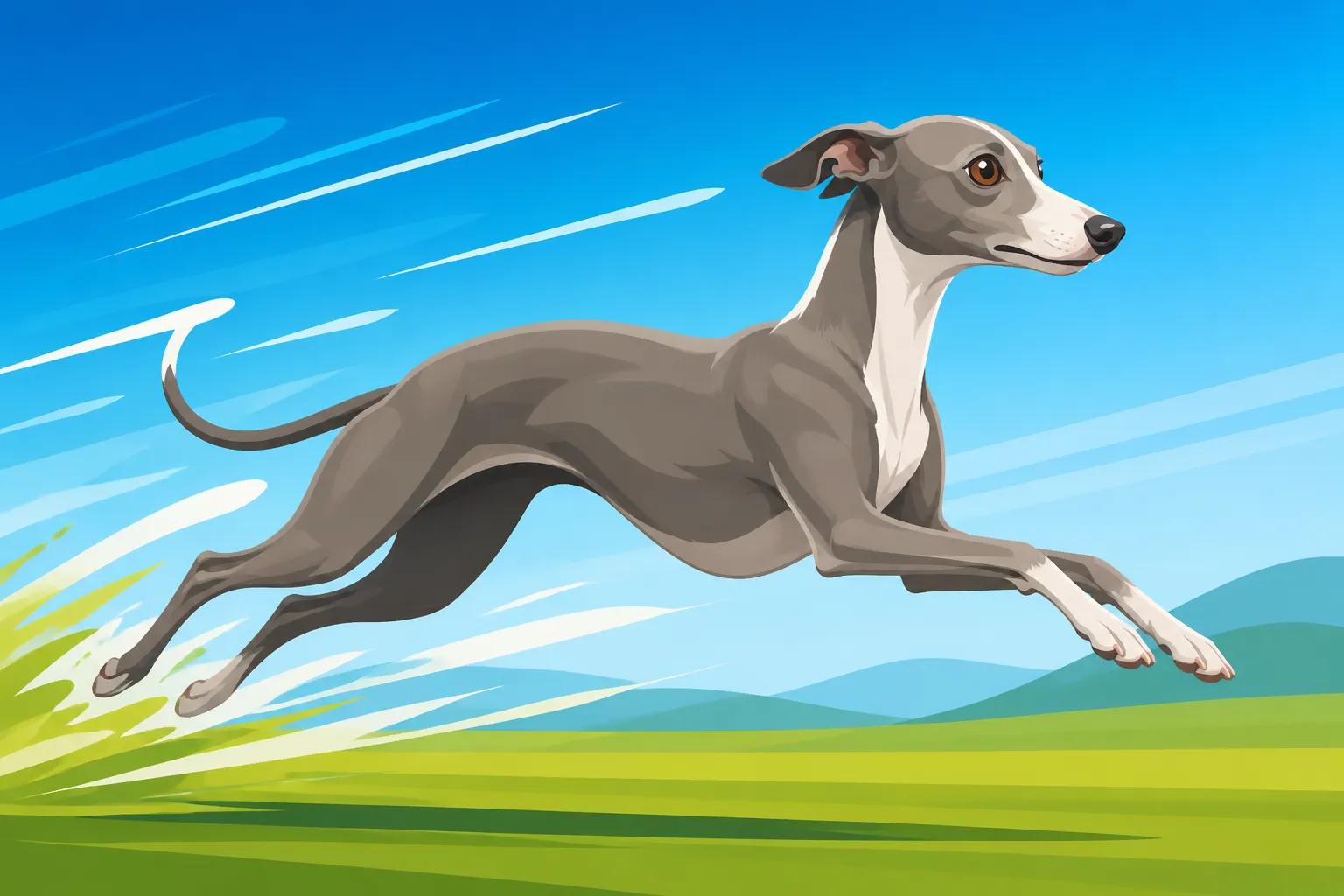
But perhaps the most significant factor is their unique sighthound gait, facilitated by a highly flexible spine. When an Italian Greyhound runs at full tilt, their back arches and extends in a way that allows their hind legs to reach far forward under their body, and then stretch back significantly. This "double suspension gallop" means that at two points during each stride, all four paws are off the ground simultaneously. This incredible flexibility and extension are what enable them to cover so much ground with each powerful leap, propelling them forward with astonishing acceleration and speed. It's a marvel of canine engineering to witness.
Actual Speed Capabilities of an Italian Greyhound
So, how fast can an Italian Greyhound run? The answer often surprises people who are used to more sedate small breeds. They are not just fast for their size; they are genuinely fast dogs, capable of leaving many larger breeds in their dust, at least over short distances.
Burst Speed vs. Sustained Speed
An Italian Greyhound's forte is definitely burst speed. Think of them as tiny cheetahs – built for explosive acceleration and incredibly quick sprints. When they see something that triggers their prey drive, like a squirrel darting across the yard or a blowing leaf, they can go from a standstill to top speed in a matter of seconds. In these short, intense bursts, an Italian Greyhound can easily reach speeds of up to 25 miles per hour (around 40 kilometers per hour). This is a formidable speed for any dog, let alone one weighing under 15 pounds. This burst of speed is precisely why Why an Italian Greyhound Cannot Be Trusted Off Leash, Ever is a common mantra among owners. Their instinct takes over, and they are gone before you can even react.
However, Italian Greyhounds are not endurance runners. While they love to run and can enjoy longer walks, they are not built for sustained, high-speed running over long distances like a Husky or even a larger Greyhound might be. Their deep chests and efficient respiratory systems support sprints, but they tire more quickly than a true long-distance runner. They'll perform a few exhilarating laps around the yard or a field, then often return for a cuddle or a nap, ready to recharge for their next brief explosion of energy.
Factors Influencing Individual Speed
Just like people, not every Italian Greyhound will be an Olympic sprinter. Several factors can influence an individual Italian Greyhound's top speed and overall athleticism:
- Age: Puppies are often full of boundless energy and quick bursts, but their bones are still developing. It's crucial to understand The Age an Italian Greyhound's Bones Finish Hardening to prevent injuries. As they mature, their speed and coordination become more refined. Senior Italian Greyhounds, while still capable of a good run, will naturally slow down a bit.
- Health and Fitness: A healthy, well-conditioned Italian Greyhound will undoubtedly be faster and more agile than one who is overweight or has underlying health issues. Regular exercise contributes significantly to maintaining their muscle tone and cardiovascular health. Any lameness or pain, such as from conditions like Legg Calve Perthes Turns Up in an Italian Greyhound at Six Months or patellar luxation, would severely impact their ability to run.
- Motivation and Temperament: Some IGs are simply more driven to run than others. A highly motivated Italian Greyhound with a strong prey drive will exhibit their top speeds more readily, especially when chasing something exciting. Others might be more content with a leisurely trot. Their temperament, how confident or shy they are, can also play a role in how freely they express their speed.
- Environment: The surface they run on also plays a role. A clear, level patch of grass or a safely enclosed lure coursing track will allow them to reach their full potential much more safely than uneven ground, pavement, or a cluttered indoor space.
Comparing Italian Greyhound Speed to Other Breeds
To truly appreciate an Italian Greyhound's speed, it helps to put it into perspective against other dog breeds. They occupy a unique niche, combining the agility of a sighthound with the compact size of a toy breed.
Italian Greyhounds vs. Larger Sighthounds
When we think of fast dogs, our minds often jump straight to Greyhounds, which can famously reach speeds exceeding 40 mph. Whippets, often called "poor man's racehorses," are also incredibly fast, clocking in at around 35 mph. So, how does our little Italian Greyhound compare?
While Italian Greyhounds don't quite hit the speeds of a full-sized Greyhound or Whippet, their burst speed of 25 mph is still incredibly impressive, especially considering their size. A Whippet is essentially a medium-sized version of a Greyhound, built for similar, slightly scaled-down speed. An Italian Greyhound is even further scaled down. Their stride length is naturally shorter, but their frequency of strides is incredibly high, making up for some of that difference. They are absolutely miniature versions of their sighthound relatives when it comes to running mechanics, and it's fascinating to observe How an Italian Greyhound Differs From a Whippet in action. They share that same lean, muscled build and explosive power, just in a more compact package.
| Breed | Average Top Speed (Approx.) | Primary Running Style | Key Physical Trait for Speed |
|---|---|---|---|
| Greyhound | 40-45 mph | Full sprint, track racing | Longest stride, deep chest, flexible spine |
| Whippet | 30-35 mph | Agile sprint, lure coursing | Athletic build, powerful hindquarters |
| Italian Greyhound | 20-25 mph | Burst sprint, quick turns | Lightweight, aerodynamic, flexible spine |
| Beagle | 15-20 mph | Sustained trot, scent tracking | Sturdy build, good endurance |
| Pug | 5-10 mph | Brisk walk, short bursts | Brachycephalic, compact body |
Italian Greyhounds vs. Common Companion Breeds
Now, let's compare them to some other popular companion breeds. A Beagle, for instance, known for its endurance and scent-tracking abilities, might hit 15-20 mph, but that's a sustained trot rather than an explosive sprint. Many other toy breeds, like Chihuahuas or Pomeranians, are much slower, rarely exceeding 10-12 mph, and aren't built for significant speed at all.
This comparison highlights just how unique the Italian Greyhound is. They are a true anomaly in the toy group – a dog that fits comfortably on a lap but can effortlessly outrun many dogs twice their size over short distances. This combination of speed and small stature is what makes them so special, but also presents unique challenges for owners, especially concerning their safety outdoors. Their quickness means they can get into trouble, or simply get lost, in the blink of an eye.
The Instinct to Chase: Prey Drive and Speed
An Italian Greyhound's speed isn't just a physical attribute; it's deeply intertwined with their innate sighthound prey drive. This instinct is what truly unleashes their full running potential, making it a critical aspect for every IG owner to understand and manage.
What an Italian Greyhound Chases
The moment an Italian Greyhound spots something small and fast-moving – a squirrel, a rabbit, a blowing plastic bag, or even a large insect – their sighthound instincts kick in. What an Italian Greyhound Does When It Sees a Rabbit is a classic example. They lock onto the movement, and in an instant, they transform from a cuddly companion into a focused, driven hunter. This isn't about malice or aggression; it's a hardwired behavioral trait. They are visually stimulated and will pursue anything that mimics prey behavior.
This intense focus means they often ignore everything else around them, including your calls. They don't typically chase large dogs or people in the same way, as those don't fit the "prey" profile. Their prey drive is specifically geared towards small, fleeing objects. Even indoors, they might chase dust bunnies or laser pointers with the same intensity, showcasing that burst of speed in the living room.
Why an Italian Greyhound Stops Hearing You at a Sprint
This is perhaps the most frustrating and potentially dangerous aspect of an Italian Greyhound's speed and prey drive: once they initiate a chase, they are notoriously difficult to recall. Why an Italian Greyhound Stops Hearing You at a Sprint isn't because they're being disobedient or spiteful; it's because their brain has entered a primal, instinct-driven state. The surge of adrenaline and the intense focus on the "prey" override all learned commands and environmental awareness.
Imagine being completely absorbed in something vital for your survival; you probably wouldn't register someone calling your name from the sidelines. For an Italian Greyhound in full pursuit, their world narrows to the object of their chase. Their exceptional speed means they can cover vast distances incredibly quickly, putting them in danger from traffic, other animals, or simply getting lost far from home. This is why off-leash excursions in unsecured areas are a huge risk and almost universally advised against by experienced Italian Greyhound owners.
Safety Considerations for a Fast Italian Greyhound
Given their remarkable speed and strong prey drive, safety is paramount for Italian Greyhound owners. You have a little rocket on your hands, and managing that speed responsibly is a daily commitment.
The Importance of a Secure Environment
Because an Italian Greyhound can go from zero to twenty-five in a flash, a secure environment is non-negotiable. This means a properly fenced yard is crucial. When considering Which Fence Height Contains an Italian Greyhound, remember they are agile and can jump higher than you might expect. A standard picket fence might not be enough; they can often scale or squeeze through gaps. Double-checking gates and ensuring there are no weak spots is vital. Even a quick dash through an open door can lead to them being out of sight within seconds. This is why many owners swear by a habit of always having their IG on a leash or in a secure carrier when the door opens, even just for a moment.
When out and about, a leash is your Italian Greyhound's lifeline. Even the most perfectly trained IG can succumb to their instincts. A sudden flutter of a bird, a squirrel scampering up a tree, or even a leaf blowing just right can trigger that chase response. A sturdy, escape-proof harness, rather than just a collar, is highly recommended for walks. Collars can easily slip off their slender necks when they pull.
Safe Running Opportunities and Exercise
While outdoor, off-leash running in open spaces is generally ill-advised unless the area is truly escape-proof, Italian Greyhounds absolutely need opportunities to stretch their legs and satisfy their need for speed. How Much Exercise an Italian Greyhound Needs is more about quality bursts than long, drawn-out jogs.
Here are some safe options:
- Securely Fenced Dog Parks: If your dog park is truly enclosed with high fencing and you're confident in its safety, this can be an option. However, be extremely wary of larger, rough-playing dogs, as Italian Greyhounds are delicate and prone to injury. Always supervise closely.
- Lure Coursing: This is hands-down the best outlet for an Italian Greyhound's natural abilities. Lure coursing involves chasing an artificial lure (often a plastic bag) across a field. It's done in a controlled, fenced environment and allows them to run at top speed without the risk of actual prey or traffic. It's a joy to watch them unleash their inner athlete in such a safe setting.
- Long Lines in Open Fields: If you find a very large, open field that is away from roads and other hazards, a long line (a 30-50 foot lead) can provide a sense of freedom while still keeping your dog attached to you. This requires constant vigilance and quick reflexes to manage the line.
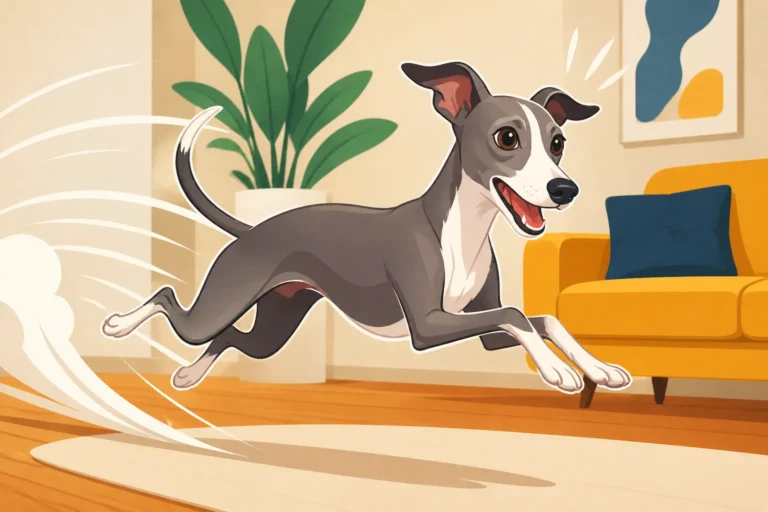
- Indoor Zoomies: Don't underestimate the power of The Indoor Zoomies an Italian Greyhound Gets! Many IGs get bursts of energy where they race around the house, skidding on rugs and leaping over furniture. Make sure breakable items are out of the way, and consider adding non-slip runners on hard floors to prevent injuries.
Another important consideration is using a What a GPS Tracker Costs for an Italian Greyhound if you are worried about escapes. These devices can provide an extra layer of security, allowing you to quickly locate your dog if they ever get loose. Many attach directly to their harness and can be a real game-changer for anxious owners.
Managing the Italian Greyhound's Need for Speed in Daily Life
Integrating an Italian Greyhound's intrinsic speed and athletic needs into your daily routine requires thoughtful planning and the right tools. It's about respecting their nature while ensuring their well-being.
Appropriate Leash and Harness Choices
Given an Italian Greyhound's unique body shape – deep chest, slender neck, and narrow head – finding a secure harness is paramount. A standard collar can easily slip off during a sudden lunge or if they try to back out of it when startled. Many owners prefer a martingale collar for its ability to tighten without choking, or more commonly, a secure harness designed specifically for sighthounds. Look for harnesses with a second strap around the waist or a design that sits further back on the body, preventing them from backing out. Brands like Ruffwear or custom sighthound harnesses often get high marks for their secure fit. For training, a front-clip harness can also help to redirect pulling without putting pressure on their delicate neck. When shopping, whether you're looking on a platform like Amazon or a specialized pet retailer, always check the sizing charts carefully and read reviews from other Italian Greyhound owners to ensure a good fit.
Equally important is the leash. A sturdy, comfortable leash that gives you good control is essential. Retractable leashes are generally not recommended for Italian Greyhounds. The sudden jolt they provide when the leash locks can be dangerous for their fragile necks, and they offer less control when your IG spots a squirrel and accelerates. A standard 6-foot nylon or leather leash provides the best balance of freedom and control for everyday walks.
Indoor Exercise and Enrichment
Even with a secure outdoor space or regular trips to a safe running spot, there will be times when outdoor exercise isn't feasible. Rain, extreme cold, or simply needing a quick energy burn means you'll need indoor alternatives. And let's face it, Why an Italian Greyhound Refuses to Go Out in Rain or cold weather is a real thing, making indoor enrichment even more critical.
- Indoor Games: Fetch down a long hallway, chasing a flirt pole (a toy on a stick, like a giant cat toy), or even just engaging in vigorous play sessions can satisfy some of their energy needs.
- Puzzle Toys: Mental stimulation is just as important as physical. Puzzle feeders that dispense treats as your IG manipulates them can keep their minds engaged and burn off mental energy.
- Training Sessions: Short, fun training sessions can be a great way to bond and provide mental exercise. Positive reinforcement methods work best for these sensitive dogs. Consider online resources or programs, such as those offered by BAXTER & Bella, which provide comprehensive training guidance that can be adapted for intelligent and sometimes opinionated breeds like Italian Greyhounds. These programs often emphasize positive techniques that are ideal for building confidence and cooperation, rather than relying on harsh corrections that can be counterproductive for an IG.
- Comfort and Warmth: After a burst of activity, IGs love to burrow and snuggle. Providing warm, soft beds and blankets allows them to recuperate comfortably. This also links back to Keeping an Italian Greyhound Warm Is Daily Work, Not a Winter Job. Their low body fat means they chill easily, even indoors.
Remember, an Italian Greyhound's speed is a part of their charm and heritage, but it requires diligent management from their owners. With proper safety measures and outlets for their athletic needs, you can enjoy the incredible energy and grace of these tiny, fleet-footed companions.
Disclaimer
This article is for general informational purposes only and does not constitute professional advice. Laws, prices and regulations vary by location and change over time. Consult a qualified professional for guidance on your specific situation.