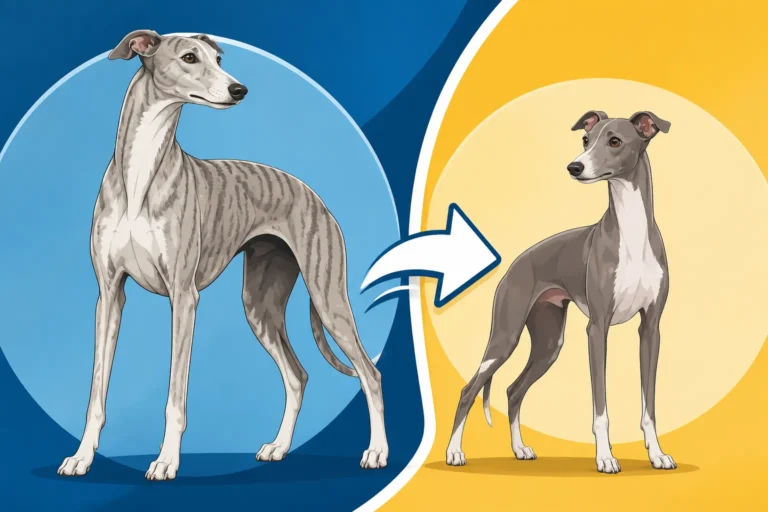
How an Italian Greyhound Differs From a Whippet
If you're drawn to the elegant, slender build of a sighthound but aren't sure whether an Italian Greyhound or a Whippet is the right fit for your home, you're not alone. Many prospective owners find themselves weighing these two beautiful breeds, often mistaking one for a miniature version of the other. This guide will meticulously break down the crucial differences in their size, temperament, exercise needs, health, and general care, helping you understand which of these graceful companions will truly thrive in your lifestyle.
A Tale of Two Sizes: Physical Distinctions
It’s easy to look at an Italian Greyhound and a Whippet and see them as simply different sizes of the same dog. While they share that iconic sighthound silhouette—sleek, athletic, and undeniably elegant—their physical differences are quite pronounced and impact everything from their health vulnerabilities to their cold tolerance. Understanding these distinctions is crucial, not just for breed identification, but for daily care.
Height and Weight: More Than Just "Small" vs. "Medium"
The most obvious difference between an Italian Greyhound (IG) and a Whippet lies in their overall size. An Italian Greyhound is a true toy breed, typically standing about 13 to 15 inches tall at the shoulder and weighing a delicate 7 to 14 pounds. They are fine-boned and incredibly dainty, designed for laps and indoor comfort. Think of them as the perfect petite companion, able to curl up almost anywhere and often feeling like a warm, furry shadow following you from room to room.
Whippets, on the other hand, are medium-sized dogs. They generally stand 18 to 22 inches tall and weigh between 25 and 45 pounds. While still slender and athletic, they have a more substantial presence than their smaller cousins. A Whippet is often described as a "poor man's racehorse" or a "miniature Greyhound," possessing the same powerful, arched back and deep chest built for incredible bursts of speed, but in a more manageable package than a full-sized Greyhound. This size difference affects everything from how much space they take up on your sofa to the impact of any falls or tumbles.
Build and Bone Structure: Delicate vs. Durable
This is perhaps the most critical distinction when considering daily life and potential veterinary bills. Italian Greyhounds possess an incredibly fine, almost fragile bone structure, particularly in their front legs. Their long, slender radius bones are notoriously prone to fractures, especially in puppies and young adults. A simple jump off the sofa, a misstep while playing, or even being accidentally dropped can lead to a devastating break. Why an Italian Greyhound's Leg Bones Break So Easily delves into the specifics of this vulnerability, and it's something every potential IG owner must be acutely aware of. This delicacy means Italian Greyhounds often require a much more "puppy-proofed" home environment, including ramps or steps for furniture, and strict supervision, especially around children or larger pets.
Whippets, while still sleek and agile, have a significantly more robust build. Their bones are stronger and thicker than an Italian Greyhound's, making them far less susceptible to accidental fractures in everyday life. While no dog is immune to injury, a Whippet is much more likely to shrug off a clumsy landing or a playful tumble than an IG. They are still elegant and graceful, but their athleticism comes with a greater degree of durability. This difference in bone density means a Whippet can generally enjoy more vigorous play, even with larger dogs, without the constant concern for broken bones that Italian Greyhound owners often carry. You won't find nearly as many stories of Whippets suffering fractures from routine household activities compared to Italian Greyhounds.
Coat and Cold Tolerance: Built for Comfort or Speed?
Both breeds share a short, smooth, single coat that offers minimal insulation, a common trait among sighthounds. However, the Italian Greyhound's smaller body mass and extremely low body fat content make them significantly more susceptible to cold than a Whippet. An IG will shiver indoors even when you feel perfectly comfortable, and venturing outside in cool or cold weather without adequate protection is simply not an option. Keeping an Italian Greyhound Warm Is Daily Work, Not a Winter Job isn't an exaggeration for IGs; it's a daily reality. Owners often invest in an extensive wardrobe of sweaters, coats, and even pajamas to keep their IGs cozy year-round, even inside the house. You might find a great selection of these on Chewy, perfect for keeping your tiny sighthound snug.
Whippets, while still sensitive to cold compared to double-coated breeds, have a larger body mass and slightly more robust constitution that gives them a bit more tolerance. They will still need a coat for cold outdoor excursions and prefer a warm indoor environment, but they are generally less prone to shivering indoors and can handle slightly cooler temperatures for brief periods. A Whippet might enjoy a brisk winter walk with a warm coat, whereas an Italian Greyhound might refuse to even step outside without multiple layers and potentially booties. This difference impacts their exercise routine in colder climates, where an Italian Greyhound might need more indoor enrichment to compensate for limited outdoor time.
Temperament and Personality: Lap Dog vs. Companion
Beyond their physical appearance, the temperamental differences between Italian Greyhounds and Whippets are quite distinct and can significantly influence their suitability for various households. While both are affectionate and gentle, their expressions of these traits vary, shaping their roles within a family.
Affection and Clinginess: The Velcro Factor
Italian Greyhounds are often referred to as "Velcro dogs," and for good reason. They thrive on constant physical contact and attention from their human companions. An IG will want to be in your lap, under your blankets, or snuggled right up against you on the sofa almost constantly. They are incredibly devoted and bond very deeply with their primary caregiver, often displaying a degree of separation anxiety if left alone for extended periods. This intense need for proximity means they follow you from room to room, even to the bathroom, preferring to be literally intertwined with your daily life. The Velcro Dog: What Constant Company Means With an Italian Greyhound is a reality that, for the right owner, is incredibly endearing, but for others, might feel a bit overwhelming.
Whippets are also extremely affectionate and enjoy cuddling, but they tend to be a bit more independent than Italian Greyhounds. While they love to be near their family and will happily share a sofa or bed, they generally aren't quite as insistent on constant physical contact. A Whippet might contentedly nap at your feet or in their own bed nearby, rather than needing to be directly on top of you. They are wonderful companions who form strong bonds, but their affection often comes with a slightly more relaxed, less demanding presence. They can often cope better with being left alone for reasonable periods, though like all dogs, they need proper stimulation and companionship.
Sensitivity and Training Approach: Gentle Hands for Both
Both breeds are highly sensitive and respond best to positive reinforcement and gentle training methods. Harsh corrections or loud voices can easily cause an Italian Greyhound to shut down, becoming anxious or fearful. They are intelligent but can be notoriously stubborn, especially when it comes to housetraining. Their small bladder and reluctance to go out in inclement weather often make Housetraining an Italian Greyhound Is the Hardest Part of Owning One a common lament among owners. Patience, consistency, and a reward-based approach are absolutely essential, as is understanding their inherent desire for comfort.
Whippets are similarly sensitive and intelligent, excelling in various dog sports when motivated by positive methods. They are generally considered easier to housetrain than Italian Greyhounds, though consistency is still key. While they can have their stubborn moments, their desire to please and their generally more robust confidence can make them a bit more resilient to minor setbacks in training. Both breeds will wither under harshness, but a Whippet might recover a little faster from a stern tone than a very delicate IG. When selecting treats for training, you'll find a wide variety of gentle options suitable for sensitive stomachs on Chewy.
Social Dynamics: Strangers, Kids, and Other Pets
Italian Greyhounds tend to be reserved, even shy, around strangers. They often take time to warm up to new people and can be overwhelmed by boisterous children or unfamiliar environments. Their delicate build also makes them vulnerable to accidental injury from rambunctious play, so strict supervision is necessary if they are around young children or larger, more energetic dogs. They can coexist peacefully with other pets, especially other IGs or calm, dog-savvy cats, but introductions need to be careful and managed. Their natural prey drive, however, means small, fast-moving critters outside are fair game.
Whippets are generally more outgoing and confident than Italian Greyhounds. While some can be a little reserved initially, they typically warm up to strangers more readily. They are known for being excellent with respectful children and can integrate well into multi-pet households, often enjoying play with other dogs of appropriate size and temperament. Their higher energy levels mean they might enjoy a good romp with a dog friend more than a typical IG. Like IGs, Whippets possess a strong prey drive, so secure fencing and leashed walks are paramount.
Exercise and Activity Levels: Zoomies and Sprints
Both Italian Greyhounds and Whippets are sighthounds, meaning they were bred for speed and chasing prey by sight. This shared heritage means both breeds have an innate need to run, but the intensity and duration of that need, as well as the practicalities of managing it, differ significantly.
Daily Exercise Requirements: Indoors vs. Outdoors
An Italian Greyhound needs daily exercise, but it’s often more about short bursts of energy followed by long naps. They love to sprint in a securely fenced yard or a safe, enclosed area, performing their characteristic "zoomies" with incredible speed. However, their small size and sensitivity to cold mean they are perfectly capable of getting adequate exercise indoors. A good game of fetch in a living room or simply tearing around the house can satisfy their physical needs for the day. Longer outdoor walks are enjoyable, but usually only in mild weather and with appropriate outerwear. What an Italian Greyhound Does All Day often involves alternating between intense play and deep slumber, perfectly content in a cozy indoor environment.
Whippets, while also loving their indoor comforts and naps, require more substantial daily exercise outdoors to truly thrive. They need opportunities for full-speed sprints to stretch their powerful legs and satisfy their instinct to run. A large, securely fenced yard is ideal, or regular trips to a safe, enclosed park where they can truly open up and fly. While they are calm and quiet indoors, neglecting their outdoor exercise needs can lead to restless behavior. They are fantastic companions for active individuals or families who enjoy walks, runs, or dog sports. A Whippet can easily handle longer walks or jogs in moderate weather, whereas an IG would likely be flagging after a mile.
Prey Drive and Off-Leash Reliability: A Crucial Distinction
Both Italian Greyhounds and Whippets possess a strong prey drive, a defining characteristic of sighthounds. This means that if they see something small and fast-moving – a squirrel, a rabbit, or even a blowing leaf – their instinct to chase can override any training, no matter how well-honed their recall. For an Italian Greyhound, this prey drive, combined with their incredible speed for their size, means that Why an Italian Greyhound Cannot Be Trusted Off Leash, Ever is a rule that Italian Greyhound owners live by. A brief moment of inattention, a slipped collar, or an open gate can send them on a pursuit that they are unlikely to return from, putting them at extreme risk from traffic or getting lost.
Whippets also have a significant prey drive, and off-leash excursions in unsecured areas are equally risky. However, there's a subtle difference in their overall trainability and focus that some owners report makes a Whippet slightly more amenable to off-leash work in very specific, highly controlled environments (like a dedicated, fully fenced sighthound park) once a strong recall is established. This is still a high-risk endeavor for a sighthound, and most Whippet owners, like IG owners, err on the side of caution, always keeping their dogs leashed or contained. The key takeaway for both breeds is that their instinct to chase is incredibly powerful and should never be underestimated. For leashes, harnesses, and secure outdoor gear, you'll find a comprehensive range on Chewy for both slender sighthound builds.
Housing Needs: Apartment Living and Yard Requirements
Given their diminutive size and indoor exercise capabilities, Italian Greyhounds are excellent apartment dwellers. As long as they get their daily indoor zoomies and regular potty breaks (often requiring indoor solutions like pee pads or litter boxes in bad weather), they can live quite happily in a smaller space. However, Setting Up a House an Italian Greyhound Cannot Break a Leg In means careful attention to potential jumping hazards like high furniture or stairs, and ensuring a warm, draft-free environment.
Whippets, despite their larger size, are also remarkably adaptable to apartment living, provided their outdoor exercise needs are consistently met. Their calm demeanor indoors makes them excellent housemates, often content to lounge on the sofa after a good run. A securely fenced yard is always a bonus for a Whippet, allowing them to burn off energy safely, but it's not strictly necessary if their owners are committed to regular walks, park visits, or other outdoor activities. The crucial difference is that an Italian Greyhound can manage without a yard more easily due to its smaller size and indoor activity, whereas a Whippet needs more robust outdoor exercise regardless of apartment living.
Health Considerations: Inherited Traits and Unique Vulnerabilities
Both Italian Greyhounds and Whippets are generally considered healthy breeds with relatively long lifespans. However, each breed has its own set of unique health concerns and sensitivities that prospective owners should be aware of.
Bone Fragility and Injury Risk: The Italian Greyhound's Achilles Heel
As mentioned earlier, the Italian Greyhound's most significant health vulnerability is its fragile bone structure, particularly the radius and ulna in the front legs. Fractures are an all-too-common occurrence, especially in young IGs before their growth plates fully close. These aren't just minor breaks; they often require specialized orthopedic surgery, which can be incredibly expensive and emotionally taxing. The healing process can be long and delicate, sometimes even requiring follow-up surgeries. A Broken Leg Is the Emergency Every Italian Greyhound Owner Fears is a stark reality that shapes much of an IG owner's preventative care.
Whippets, by contrast, are far less prone to accidental fractures from routine activities. Their sturdier build means they can jump and play with more abandon without the constant fear of a catastrophic injury. While any dog can break a bone in a severe accident, it's not an inherent predisposition or common occurrence in Whippets in the way it is for Italian Greyhounds. This difference can significantly impact veterinary costs and the general stress levels of ownership. Both breeds should have comprehensive vet care, but the "accident" category looks very different for IGs.
Dental Health: A Common Sighthound Challenge
Both Italian Greyhounds and Whippets, like many smaller breeds and sighthounds, are predisposed to dental issues, particularly periodontal disease. Their fine bone structure often leads to crowded teeth, making them excellent traps for plaque and tartar. Left unchecked, this can lead to painful infections, tooth loss, and even systemic health problems. Periodontal Disease Is the Italian Greyhound's Most Common Diagnosis highlights the severity of this issue. Regular dental care, including daily brushing, is paramount for both breeds to mitigate these risks.
The difference isn't so much in the propensity for dental disease, but perhaps in the scale of the issue. Italian Greyhounds, with their tiny mouths, tend to have more severely crowded teeth and can develop tartar at a very young age. This often means they require professional dental cleanings under anesthesia more frequently than many other breeds, sometimes starting as early as two or three years old. Whippets also need good dental hygiene, but their slightly larger mouths might offer a bit more space, potentially delaying the onset or severity of advanced periodontal disease compared to IGs. Regardless, diligent home care and regular veterinary check-ups are essential for both.
Anesthesia Sensitivity: A Sighthound Trait
Another shared trait between Italian Greyhounds and Whippets, and indeed most sighthound breeds, is a unique sensitivity to certain anesthetic medications. Due to their lean body mass and low body fat, they metabolize drugs differently and can be more prone to hypothermia and a slower, more prolonged recovery from anesthesia. Why Anesthesia Is Handled Differently in an Italian Greyhound outlines the specific protocols vets should follow to ensure their safety during procedures like dental cleanings or surgeries.
This sensitivity means that any procedure requiring sedation or general anesthesia for either an Italian Greyhound or a Whippet requires a veterinarian experienced with sighthounds. They will typically use different types and dosages of anesthetic agents, implement robust warming measures, and provide close monitoring during recovery. While it's a concern for both breeds, the smaller size of the Italian Greyhound can sometimes make temperature regulation even more critical. Owners of both IGs and Whippets should always ensure their vet is aware of and experienced with sighthound anesthetic protocols.
Grooming and Maintenance: Sleek and Simple
One of the many appealing aspects of both Italian Greyhounds and Whippets is their incredibly low-maintenance grooming needs. Their short, smooth coats make them a breeze to keep clean and tidy, freeing up more time for cuddles and playtime.
Coat Care and Shedding: Minimal Effort for Both
Both Italian Greyhounds and Whippets have a very short, fine, single coat that requires minimal upkeep. There's no lengthy brushing, no intricate clipping, and certainly no expensive trips to a professional groomer for coat maintenance. A quick wipe down with a damp cloth or a rub with a grooming mitt once a week is usually sufficient to remove loose hairs and keep their coats gleaming. You might occasionally give them a bath if they get particularly dirty, but generally, they are very clean dogs with very little "doggy odor."
While both shed, their shedding is typically minimal and easy to manage. The fine hairs are usually not as noticeable as the coarser hair from double-coated breeds and are easily vacuumed or wiped away. You won't find tumbleweeds of fur in your home, nor will you need special grooming tools. This makes them excellent choices for those who appreciate a clean house and don't want to dedicate significant time or money to grooming. Their short coats also mean they don't drag in as much outdoor debris, further simplifying upkeep.
Nail Trims and Ear Care: Routine Essentials
Despite their low-maintenance coats, both Italian Greyhounds and Whippets still require regular attention to their nails and ears. Their nails grow quickly and, if left untrimmed, can become long, uncomfortable, and even painful, affecting their gait and potentially leading to foot problems. Due to their often dark nails and the presence of a 'quick' (the living part of the nail with blood vessels and nerves), nail trims can be a little tricky. Regular, short trims with clippers or a dremel are essential, ideally starting from puppyhood to get them accustomed to the process. Many owners find nail care easier with specific tools available on Chewy.
Their ears, while generally healthy, also need occasional inspection and cleaning. Italian Greyhounds typically have "rose ears" that fold back, while Whippets have similar ear carriage, though sometimes a bit larger. These folded ears can sometimes trap dirt or wax, so a quick wipe with a veterinarian-approved ear cleaner can help prevent infections. Neither breed is particularly prone to ear infections, but a routine check during your weekly grooming session is a good preventative measure. Keeping up with these basic maintenance tasks ensures both breeds remain comfortable and healthy.
Ideal Owners and Lifestyle Match: Choosing Your Companion
Deciding between an Italian Greyhound and a Whippet ultimately comes down to matching the breed's specific needs with your lifestyle, expectations, and home environment. Both are wonderful companions, but they suit different rhythms of life.
Time Commitment and Home Environment: What Each Breed Needs
An Italian Greyhound thrives in a home where someone is present most of the time. Their intense desire for companionship and propensity for separation anxiety means they are not ideal for households where everyone works long hours outside the home. They need a warm, cozy environment, free from drafts, and a home that has been carefully adapted to their fragile nature, potentially with ramps or gated stairs. They are often happiest with other IGs or calm, gentle dogs that can provide company.
Whippets, while also loving companionship, are generally more independent and can tolerate being left alone for reasonable periods if they've had sufficient exercise and mental stimulation. They fit well into active families or individuals who enjoy outdoor activities but also appreciate a calm, quiet dog indoors. Their sturdier build means less worry about everyday accidents, making them a bit more flexible for busy households. A Whippet might also be a better fit for a home with slightly older, more considerate children who understand how to interact gently with dogs.
Cost and Lifetime Expenses: Beyond the Initial Purchase
While the initial purchase price of a well-bred Italian Greyhound or Whippet can be substantial, it's the ongoing lifetime costs that truly add up. For Italian Greyhounds, the ever-present risk of a broken leg means that comprehensive pet insurance or a dedicated emergency fund is practically non-negotiable. What Fracture Repair Costs on an Italian Greyhound can be financially devastating if you're unprepared. Additionally, the frequent dental cleanings and constant need for warm clothing contribute to their overall expenses. Fifteen Years of Owning an Italian Greyhound, Priced Out provides a realistic look at these long-term commitments.
Whippets generally have fewer catastrophic orthopedic issues, which can translate to lower emergency veterinary costs. However, they still require quality food, routine veterinary care, regular dental cleanings, and appropriate leashes and collars for their strong prey drive. While they might need fewer sweaters than an IG, they still appreciate a warm coat for cold weather outings. Both breeds are generally healthy, but their specific vulnerabilities mean owners must budget for their unique needs. When considering your overall dog expenses, whether for food, toys, or preventative care, remember to factor in the specific breed needs, which you can research and purchase from trusted sites like Chewy.
Ultimately, both Italian Greyhounds and Whippets are extraordinary sighthounds with immense charm and loving natures. The choice between them depends on whether you seek an exquisitely delicate "Velcro" companion who requires careful handling and constant warmth, or a slightly larger, more robust athlete who still loves a good cuddle but has a bit more independent spirit. Understanding these key differences will help you welcome the perfect sighthound into your life.
Comparison Table: Italian Greyhound vs. Whippet
| Feature | Italian Greyhound (IG) | Whippet |
|---|---|---|
| Size | Toy breed; 13-15 inches, 7-14 lbs | Medium breed; 18-22 inches, 25-45 lbs |
| Bone Structure | Extremely delicate, prone to fractures | Sturdier, less prone to everyday fractures |
| Cold Tolerance | Very poor; needs clothing indoors and out, shivers easily | Poor; needs coat for cold outdoors, better indoor tolerance |
| Affection | "Velcro dog," highly clingy, intense bonding | Affectionate, enjoys cuddling, but more independent |
| Separation Anxiety | More prone due to intense bonding | Less prone, can cope better with reasonable alone time |
| Training | Sensitive, stubborn, housetraining can be challenging | Sensitive, intelligent, generally easier to housetrain |
| Social with Strangers | Reserved, often shy, takes time to warm up | Generally more outgoing, warms up more readily |
| Children | Best with older, gentle children or no children | Good with respectful children |
| Exercise Needs | Short bursts of speed, indoor zoomies, shorter walks | Needs regular, full-speed outdoor sprints, longer walks |
| Prey Drive | High; never off-leash in unsecured areas | High; never off-leash in unsecured areas |
| Housing | Excellent apartment dog, needs warm, adapted environment | Excellent apartment dog if exercise needs are met |
| Fracture Risk | High, especially in young dogs | Low to moderate, not an inherent predisposition |
| Dental Issues | Very prone to crowded teeth, frequent cleanings likely | Prone to dental issues, regular cleanings often needed |
| Anesthesia Sensitivity | High, requires sighthound-specific protocols | High, requires sighthound-specific protocols |
| Grooming | Low maintenance; minimal shedding | Low maintenance; minimal shedding |
Disclaimer
This article is for general informational purposes only and does not constitute professional advice. Laws, prices and regulations vary by location and change over time. Consult a qualified professional for guidance on your specific situation.