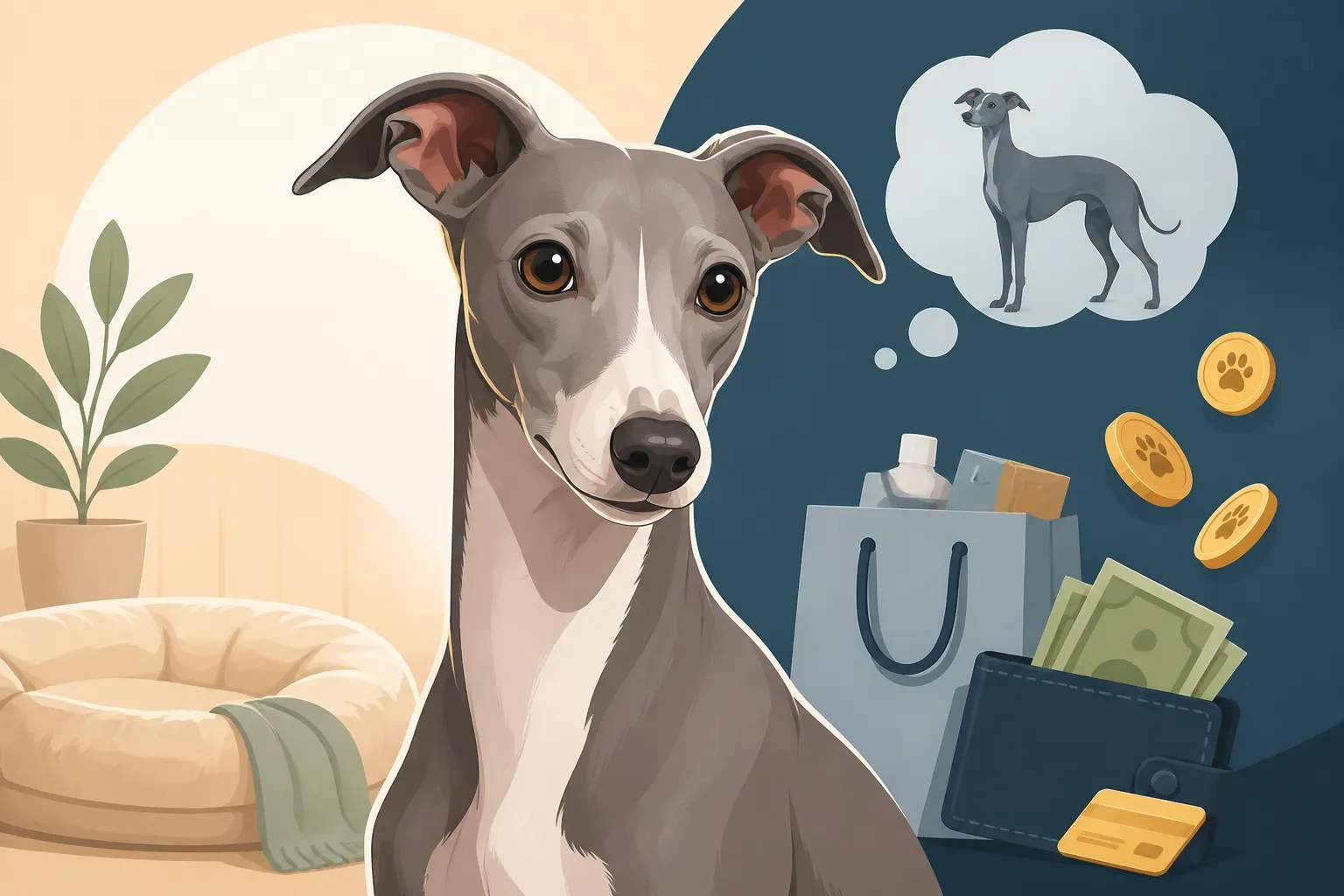
Fifteen Years of Owning an Italian Greyhound, Priced Out
Bringing an Italian Greyhound into your life is an unparalleled joy, filling your home with graceful antics, snuggles, and endless affection. But let's be real: behind those adoring eyes and delicate frames, there's a significant financial commitment, especially when you consider their remarkable lifespan. Many prospective owners, and even current ones, get caught off guard by the true long-term costs of owning one of these exquisite dogs. This guide is here to break down what you can realistically expect to spend over the fifteen or so years your Italian Greyhound might grace your life, helping you prepare for every stage.
The Initial Investment: Bringing Your Italian Greyhound Home
The very first step on your Italian Greyhound journey involves some significant upfront costs, whether you're welcoming a tiny puppy or adopting an older dog. It's not just about the purchase price; it's about setting them up for a safe and healthy start.
Puppy Purchase or Adoption Fees
When you decide to add an Italian Greyhound to your family, the first major financial decision is whether to buy from a breeder or adopt from a rescue. Both paths have their own set of costs and considerations.
Reputable Italian Greyhound breeders invest a lot of time, effort, and money into producing healthy, well-socialized puppies. Their dogs undergo extensive health testing before breeding, screening for common issues such as eye conditions, patellar luxation, and sometimes even genetic markers for certain diseases. This diligent approach helps minimize the risk of expensive health problems down the line for you, the owner. The cost for a puppy from such a breeder reflects this investment, covering things like stud fees, prenatal and postnatal care for the mother, puppy vaccinations, initial vet checks, microchipping, and careful socialization. While prices can vary based on location, pedigree, and the breeder's reputation, they are typically a substantial sum. It's crucial to understand that a higher upfront cost from a responsible breeder can often save you much more in vet bills over the dog's lifetime. You want to look for a breeder who is transparent about their health testing, as discussed in What an Italian Greyhound Breeder Should Have Tested.
On the other hand, adopting an Italian Greyhound from a rescue organization often involves a more modest adoption fee. These fees usually cover a portion of the costs incurred by the rescue, such as spay/neuter surgery, vaccinations, microchipping, and any necessary veterinary care the dog received while in their care. Rescue organizations do incredible work rehabilitating and rehoming Italian Greyhounds, offering a chance for dogs of all ages to find loving homes. The benefit here is not only the lower initial financial outlay but also the opportunity to provide a home to a dog already in need. Rescues often have a good understanding of the dog's temperament and history, which can be invaluable.
Setup Costs for a New Puppy or Dog
Once you've secured your Italian Greyhound, whether from a breeder or rescue, there's a laundry list of essential items you'll need to purchase to welcome them home safely and comfortably. Think of these as the foundational expenses that create their immediate environment.
Every Italian Greyhound needs a comfortable and secure place to call their own. This typically includes a sturdy crate or soft-sided carrier for safe travel and initial housetraining, along with several cozy beds. Given their thin skin and minimal body fat, Italian Greyhounds adore soft, plush bedding and often burrow under blankets. You'll also need food and water bowls, a leash, and a proper harness – a well-fitting harness is vital to prevent them from slipping out, as their slender necks can make traditional collars risky. Initial toys, nail clippers, and perhaps a soft brush for their fine coat round out the basic grooming kit.
For a new puppy, puppy pads or an indoor potty solution might be a temporary necessity, especially while they're learning the ropes of housetraining or when weather prevents outdoor excursions. Your first vet visit will involve a general check-up, possibly additional vaccinations, deworming, and ensuring their microchip is registered.
Perhaps one of the most critical and often overlooked initial investments for an Italian Greyhound owner is providing safe access to furniture. Italian Greyhounds love to be near their people, often preferring to snuggle on sofas and beds. However, their delicate bones are highly prone to fractures from jumps, even short ones. Investing in ramps or steps for all elevated surfaces is not just a convenience; it's a vital safety measure that can prevent devastating injuries and massive veterinary bills. This investment from day one is paramount, and you can learn more about securing your home in Ramps and Steps for an Italian Greyhound's Furniture. Getting these in place before your little one arrives is a huge step toward preventing accidents.
Ongoing Annual Expenses: The Regular Budget Lines
Beyond the initial setup, owning an Italian Greyhound means budgeting for recurring annual expenses. These are the costs that consistently factor into your financial planning throughout their life, from their puppy days well into their senior years.
Food and Nutrition
Feeding an Italian Greyhound involves finding a balance between quality, appropriateness for their size, and managing costs. While they are small dogs, their nutritional needs are important for their overall health and energy levels.
Italian Greyhounds, despite their energetic bursts, are surprisingly efficient eaters. They don't require the vast quantities of food that larger breeds do, which can make their monthly food bill quite reasonable compared to, say, a Labrador. You'll need to choose a high-quality dog food, whether it's kibble, wet food, or even fresh food options like those offered by Ollie, ensuring it meets all their dietary requirements. Given their lean build, some owners might worry they aren't eating enough, but Italian Greyhounds are typically very good at self-regulating their intake once they are on a consistent schedule. However, they can be picky eaters, so finding a food they enjoy and thrives on might take a little trial and error. The good news is, as detailed in Why an Italian Greyhound Is Cheap to Feed, their small size generally translates to lower food costs.
Beyond their regular meals, treats play a role in training and bonding. Choose healthy, low-calorie options to avoid weight gain, as even a little extra weight can put strain on their delicate joints. Some owners also opt for supplements, particularly for joint health as their Iggies age, or for skin and coat health, but these should always be discussed with your veterinarian to ensure they are necessary and safe.
Routine Veterinary Care
Regular preventive healthcare is the cornerstone of a long and healthy life for your Italian Greyhound. These routine visits and treatments are non-negotiable and should be factored into your annual budget.
Each year, your Italian Greyhound will need a comprehensive wellness exam with your veterinarian. These check-ups are crucial for catching any potential health issues early, discussing diet and exercise, and ensuring they are up-to-date on necessary vaccinations. Beyond the core vaccines, your vet will also recommend annual parasite prevention, including heartworm medication and flea/tick control, especially if you live in an area with high prevalence. These preventative measures are vital not just for your dog's health but also for public health, as some parasites can transmit to humans. For more on ensuring your IG gets proper care, read How Often an Italian Greyhound Needs a Wellness Exam.
While Italian Greyhounds are generally a healthy breed, specific health screenings might be recommended as they age or if your vet notes any concerns. These proactive steps, though an annual cost, are far less expensive than treating a full-blown illness that could have been prevented or caught earlier. Establishing a good relationship with a vet who understands sighthounds is also incredibly beneficial, as their unique physiology (such as how they metabolize certain anesthetics) requires specialized knowledge.
Dental Care: A Major Italian Greyhound Expense
If there's one area where Italian Greyhound owners consistently face significant costs, it's dental care. This breed is notoriously prone to dental disease, and proactive care is essential to prevent painful and expensive issues down the line.
Italian Greyhounds are predisposed to periodontal disease due to their small mouths and crowded teeth, which create prime breeding grounds for plaque and tartar. This isn't just a cosmetic issue; unchecked dental disease can lead to tooth loss, painful infections, and even systemic health problems affecting the heart, kidneys, and liver. As explained in Periodontal Disease Is the Italian Greyhound's Most Common Diagnosis, it's a diagnosis many IG owners will face.
The most effective way to combat this is through daily tooth brushing at home, which, while challenging to start, can significantly reduce the frequency and severity of professional dental cleanings. However, even with diligent home care, most Italian Greyhounds will require professional dental cleanings under anesthesia every one to two years. These procedures involve scaling, polishing, and sometimes extractions if teeth are severely damaged or diseased. The cost of a professional cleaning can vary widely based on your location and the extent of work needed, especially if extractions are required. It's not uncommon for an Italian Greyhound to need multiple extractions over their lifetime, and these procedures add significantly to the bill. Be prepared for this recurring expense, as outlined in Dental Work Repeats Every Year of an Italian Greyhound's Life. While it's a major cost, it's absolutely vital for their health and comfort.
Clothing and Comfort: Keeping Iggies Warm
Italian Greyhounds are not built for cold weather. Their fine coats and almost non-existent body fat mean they get cold very easily, making clothing and special bedding an absolute necessity, not just a fashion statement.
From early autumn through late spring, and even on chilly summer evenings, your Italian Greyhound will likely need a wardrobe of sweaters, coats, and pajamas. This isn't just for outdoor walks; many Iggies need a sweater indoors if your home is kept below a certain temperature, as elaborated in Keeping an Italian Greyhound Warm Is Daily Work, Not a Winter Job. Their comfort often depends on these extra layers, preventing shivering and discomfort. Investing in well-fitting clothing that allows for movement but also covers their slender bodies is important. You'll likely need several outfits to rotate through for different weather conditions and for washing.
Beyond clothing, their comfort at home is paramount. Italian Greyhounds adore burrowing and seek out warmth, so multiple soft, plush beds strategically placed around the house are a must. Many owners opt for heated beds or snuggle sacks, especially during colder months, to provide an extra layer of warmth and security. Orthopedic beds can also be beneficial, particularly for older Iggies or those prone to developing calluses on their bony joints. As discussed in The Bedding a Thin Skinned Italian Greyhound Actually Needs, providing adequate comfort is crucial for preventing pressure sores and ensuring they get proper rest. These items represent a recurring expense as they wear out or as your dog's needs change.
Pet Insurance: A Financial Safety Net
Given the breed's specific health vulnerabilities, especially their propensity for broken legs, pet insurance is a consideration that many Italian Greyhound owners find invaluable. It's a way to mitigate the shock of unexpected, high-cost veterinary bills.
Understanding Coverage Types
Pet insurance plans vary widely, offering different levels of protection to suit various budgets and needs. Understanding these options is key to choosing the right plan for your Italian Greyhound.
Typically, you'll find accident-only plans, which cover emergencies like broken bones, foreign object ingestion, or injuries. Then there are accident and illness plans, which are more comprehensive, covering accidents plus common illnesses, infections, allergies, and chronic conditions. Some providers, like Healthy Paws, focus on comprehensive accident and illness plans. Finally, some companies offer wellness plans or riders that cover routine care like annual exams, vaccinations, and dental cleanings. For an Italian Greyhound, an accident and illness plan is often the most recommended, given their delicate build and the potential for costly injuries.
When evaluating policies, pay close attention to the deductible (the amount you pay before coverage kicks in), the reimbursement percentage (what portion of the vet bill the insurance pays), and the annual limits. It's also crucial to understand waiting periods – the time frame after enrollment before certain conditions are covered – and, critically, how pre-existing conditions are handled. If your Italian Greyhound has already been diagnosed with a condition before you enroll, it will likely not be covered. This makes enrolling them as puppies or young adults advantageous. To dive deeper into what insurance can cover, check out What Pet Insurance Actually Covers on an Italian Greyhound.
Major Providers and Considerations
The market for pet insurance is competitive, with many providers offering various plans. Researching and comparing these options is an essential step in securing your Italian Greyhound's financial future.
When considering providers, look for those with a good reputation for customer service and claims processing. While I can't name specific current rates, major providers offer a range of plans. Some companies may allow you to customize your deductible and reimbursement percentage to fit your budget. It's important to read the fine print regarding specific breed exclusions or limitations, though Italian Greyhounds are generally well-covered.
For a breed like the Italian Greyhound, prone to dental issues and fractures, understanding how these specific conditions are covered is paramount. Some plans might have limits on dental work or orthopedic surgeries. The value of pet insurance truly shines during an unexpected emergency, potentially saving you from a devastating financial decision during an already stressful time. While it's another monthly expense, the peace of mind it offers, knowing you can provide the best care without financial strain, is often considered priceless by many Italian Greyhound owners.
Emergency and Unexpected Vet Bills: The Big Ones
While routine care is predictable, it's the sudden, high-cost emergencies that can truly strain a budget. Italian Greyhounds, with their unique physiology, are unfortunately prone to a few specific issues that can lead to astronomical vet bills.
Fractures: The Italian Greyhound's Achilles' Heel
Perhaps the single biggest financial risk for an Italian Greyhound owner is the possibility of a broken leg. Their slender, delicate bones are remarkably fragile, making fractures a distressingly common occurrence.
A broken leg in an Italian Greyhound isn't just an "oops" moment; it's a full-blown emergency that almost always requires specialist veterinary care and surgery. These delicate bones, particularly the radius and ulna in the foreleg, snap with surprising ease from seemingly innocuous activities like jumping off a sofa, slipping on a hard floor, or even a playful tumble. As we explore in A Broken Leg Is the Emergency Every Italian Greyhound Owner Fears, it's a fear many owners live with.
The process typically involves an emergency vet visit, X-rays to assess the break, and then often a referral to an orthopedic specialist. Surgical repair, which usually involves plating the bone or applying an external fixator, is complex and expensive. Post-operative care includes strict crate rest, pain management, regular bandage changes, and potentially physical therapy. The recovery period is long, typically several months, and requires immense dedication from the owner to prevent re-injury or complications. Some Italian Greyhounds, sadly, even break the same leg again or the other leg, adding to the cumulative cost and stress, as discussed in Whether an Italian Greyhound Breaks the Same Leg Twice. The financial impact of a single fracture can be equivalent to several years of routine care costs, making it the biggest potential bill an IG owner might face.
Other Potential Health Issues
Beyond fractures, Italian Greyhounds can, like any breed, encounter various other health issues that may require significant financial outlay. Being aware of these possibilities allows for better financial preparedness.
While not as common as fractures or dental disease, Italian Greyhounds can be susceptible to other conditions. Legg-Calve-Perthes disease, a condition affecting the hip joint in young dogs, is one such concern. If your Italian Greyhound puppy suddenly develops a limp, it could be a sign, as noted in Legg Calve Perthes Turns Up in an Italian Greyhound at Six Months. Patellar luxation, where the kneecap slips out of place, is another orthopedic issue that may require surgery if severe. Various eye conditions, some inherited, can also occur, ranging from progressive retinal atrophy to cataracts. Additionally, Italian Greyhounds can be affected by endocrine disorders like hypothyroidism or neurological conditions like epilepsy, both of which require ongoing medication and veterinary management, as highlighted in Epilepsy and Thyroid Disease in an Italian Greyhound.
The costs associated with these conditions can involve specialized diagnostics (MRI, CT scans, genetic testing), long-term medication, and potentially complex surgeries and rehabilitation. For instance, any procedure requiring anesthesia in an Italian Greyhound needs careful consideration due to their unique metabolic system and lack of body fat, leading to specialized protocols and monitoring, which can add to the cost, as explained in Why Anesthesia Is Handled Differently in an Italian Greyhound. These unexpected bills underscore the importance of either a robust emergency fund or comprehensive pet insurance.
Lifestyle and Miscellaneous Costs
Beyond the core health and food expenses, there are various lifestyle and miscellaneous costs that accumulate over fifteen years of Italian Greyhound ownership. These are often smaller individual expenses but add up significantly.
Training and Socialization
A well-behaved Italian Greyhound is a joy to live with, but getting there requires an investment in time, patience, and often, professional guidance. Training and socialization are key to a happy dog and a harmonious home.
Puppy classes and basic obedience training are invaluable for Italian Greyhounds. They are intelligent dogs, but can also be sensitive and, at times, stubborn. Positive reinforcement methods work best, as they are very responsive to gentle, consistent training. Harsh corrections or raised voices can easily set an Italian Greyhound back, making them anxious or shut down, as mentioned in Why Raising Your Voice Sets an Italian Greyhound Back a Month. Investing in good training early can prevent behavioral issues later on, saving you potential headaches and specialized behavioral consultation fees.
Beyond formal classes, you'll need appropriate training tools. A well-fitting harness is paramount for safety during walks, as Italian Greyhounds are expert escape artists from traditional collars. Many owners opt for a Martingale collar for supervised walks, as it tightens slightly to prevent slipping without choking. However, a good front-clip harness or a secure walking harness designed for sighthounds is often preferred for daily use. You can explore options for safe walking gear in Which Harness Suits an Italian Greyhound's Neck. These items will need replacing over time, adding to ongoing costs.
Grooming Supplies and Occasional Services
One of the pleasant surprises for many Italian Greyhound owners is how low-maintenance their grooming needs are compared to many other breeds. However, there are still essential supplies and occasional services to budget for.
Italian Greyhounds have very short, fine coats that shed minimally and don't typically require professional grooming. This is a nice cost-saving aspect compared to breeds that need regular haircuts. You'll need a mild shampoo for occasional baths, a soft brush for their coat (though a quick wipe-down with a damp cloth is often sufficient), and ear cleaning solution. Regularly checking and cleaning their folded ears helps prevent infections.
However, nail trims are a crucial and ongoing grooming task. Italian Greyhounds' nails grow quickly and, if left untrimmed, can cause discomfort, lead to splayed feet, and even impact their gait. Many owners learn to trim their dog's nails at home using clippers or a Dremel tool. If you're uncomfortable doing it yourself, regular vet visits can include nail trims, which will incur a small fee each time. Proper nail, ear, and foot care is essential for their comfort and health, as discussed in Nails, Ears and Feet on an Italian Greyhound. These small, consistent efforts prevent larger, more expensive problems.
Pet Sitting and Boarding
Life happens, and sometimes you need to travel without your Italian Greyhound. Budgeting for quality pet care while you're away is an important consideration for this sensitive and specific breed.
Italian Greyhounds are often referred to as "Velcro dogs" due to their strong attachment to their human companions. They also have very specific needs regarding warmth and delicate handling. Because of these factors, traditional boarding kennels can sometimes be a less-than-ideal option. Many Italian Greyhound owners find that pet sitters who come to their home or dedicated pet sitters who specialize in sighthounds are a better fit. These options ensure their IG stays in a familiar environment, maintains their routine, and receives personalized attention and warmth. The cost for these services can vary widely based on your location and the duration of care needed. As highlighted in Why Italian Greyhound Owners Use Sitters Instead of Kennels, finding the right care for your IG while you're away is crucial for their well-being and your peace of mind.
Toys and Enrichment
Keeping an Italian Greyhound physically and mentally stimulated is important for their happiness and can prevent boredom-related destructive behaviors. This means budgeting for a rotating supply of toys and enrichment items.
While they may be delicate, Italian Greyhounds love to play. They enjoy soft toys they can carry, squeaky toys, and puzzle toys that challenge their minds. Their strong prey drive also means they might enjoy flirt poles or chase toys. Because they have strong teeth and can be power chewers on soft items, you'll need to regularly replace toys that get worn out or destroyed.
Enrichment also extends to providing them with safe spaces to express their natural behaviors. Indoor zoomies are a common sight, so ensuring they have non-slip surfaces and clear paths indoors is important. Providing interesting things to sniff and explore during walks, or even short training sessions with new tricks, contributes to their mental well-being. These items, while not as expensive individually as a vet bill, represent a steady stream of small purchases over fifteen years.
Factoring in Longevity: The Fifteen-Year Outlook
One of the most wonderful aspects of Italian Greyhounds is their incredible longevity. But a long life, while a blessing, also means a longer period of financial commitment, particularly as they enter their senior years.
Italian Greyhounds Live a Long Time
Unlike many purebred dogs, Italian Greyhounds boast an impressive lifespan, often gracing our lives for well over a decade. This extended companionship means appreciating the joy they bring, but also acknowledging the long-term financial reality.
The average lifespan of an Italian Greyhound is a remarkable fourteen to fifteen years, and it's not uncommon for some to live even longer. This makes them one of the longer-lived purebred dogs. This longevity is a huge gift, giving you many years of cherished memories and companionship. However, it also means that all the ongoing annual expenses we've discussed – food, routine vet care, dental cleanings, parasite prevention, and clothing – will continue for a significantly longer period than with many other breeds. As outlined in Why an Italian Greyhound Lives Fourteen to Fifteen Years, their long lives are something to celebrate, but also to plan for financially. What might seem like a manageable annual cost in a spreadsheet can become quite substantial when multiplied by 15 or more.
Senior Care Considerations
As your Italian Greyhound gracefully enters their golden years, typically around age eleven, their care needs often shift and can become more intensive, leading to increased expenses.
Caring for an Italian Greyhound past eleven often means more frequent veterinary visits, as older dogs are more susceptible to age-related health conditions. You might see a rise in diagnostics as your vet monitors for issues like kidney disease, liver changes, or the development of heart murmurs, which are common in senior dogs. Arthritis often becomes a concern, especially in dogs with a history of fractures or orthopedic issues, requiring pain management medications or joint supplements. Their dental needs, already significant, may become even more pronounced, potentially requiring more frequent cleanings or extractions. For more insights into senior care, consult Caring for an Italian Greyhound Past Eleven.
Beyond medical care, their daily needs might change. They might need softer food if they've lost teeth or have a sensitive stomach. Their sensitivity to cold often increases, meaning more layers, warmer beds, and careful monitoring of indoor temperatures. You might need to add more ramps or non-slip rugs to help them navigate your home safely as their mobility decreases. All these adjustments, while made out of love, come with financial implications. The cumulative cost of these specialized senior care needs can make their final years some of the most expensive.
Budgeting Strategies for Italian Greyhound Owners
Understanding the potential costs is the first step; the next is to develop practical strategies to manage these expenses effectively throughout your Italian Greyhound's long life.
Creating a Realistic Budget
Taking a proactive approach to your finances can make all the difference in providing the best possible care for your Italian Greyhound without undue stress.
Start by creating a detailed budget that breaks down both initial and ongoing costs. Factor in the average annual costs for food, routine vet care, dental cleanings, pet insurance, and essential supplies like clothing and bedding. Don't forget to allocate funds for unexpected expenses. Many Italian Greyhound owners find it prudent to set aside an emergency fund specifically for their dog, which can be a lifesaver if a fracture or sudden illness occurs. Having a dedicated fund for unforeseen medical crises, as discussed in Budgeting for an Italian Greyhound's Broken Leg Before It Happens, means you're not caught off guard. Consider setting up a separate savings account and contributing a small amount to it each month, specifically for your dog. This ensures funds are available when needed most.
Saving Money Without Sacrificing Care
While some expenses are unavoidable, there are smart ways to save money on Italian Greyhound care without compromising their health or well-being.
Prevention is often cheaper than cure. Daily tooth brushing, while requiring effort, can reduce the frequency and cost of professional dental cleanings. Regular exercise and a balanced diet help maintain a healthy weight, reducing strain on delicate joints and preventing obesity-related health issues. Learning basic grooming tasks like nail trims at home can save you small but recurring fees.
When it comes to supplies, consider buying in bulk from online retailers like Chewy for food, treats, and even some medications, often at a discount. Look for sales on clothing and bedding, and consider durable, high-quality items that will last longer. If considering a new puppy, choosing a reputable breeder who conducts thorough health testing can mitigate the risk of inherited conditions that could lead to significant vet bills down the line. However, never cut corners on essential veterinary care or nutrition to save money, as this can lead to more expensive problems later.
The Priceless Value of Companionship
After detailing all the potential expenses, it's vital to remember what truly matters: the profound bond and unique companionship an Italian Greyhound offers.
Yes, Italian Greyhounds come with their fair share of financial considerations, from the initial purchase to potential emergency surgeries, and the ongoing costs of their lengthy lives. There will be times when you question the bills, and moments of worry over their delicate nature. But ask any Italian Greyhound owner, and they will almost universally tell you that every penny, every worry, and every effort is unequivocally worth it. Their affectionate, quirky, and deeply devoted personalities enrich lives in ways that money simply cannot buy. The joy of their excited greetings, their quiet presence curled up beside you, their playful zoomies, and their unwavering love are truly priceless. Investing in an Italian Greyhound is an investment in fifteen years of unparalleled love and companionship, making every expense a small price to pay for such a cherished family member.
| Expense Category | Typical Annual Cost Shape (Rough Estimate, Varies Widely) | Notes |
|---|---|---|
| Initial Costs | Significant | Puppy/adoption fee, crate, beds, bowls, leash, harness, initial vet visit, ramps/steps. |
| Food & Treats | Low to Moderate | Quality kibble, wet food, or fresh food; treats. Varies with brand and diet choice. IG's small size keeps this lower than large breeds. |
| Routine Vet Care | Moderate | Annual check-ups, vaccinations, heartworm/flea/tick prevention. Increases with age. |
| Dental Care | Moderate to High | Annual to biannual professional cleanings, potential extractions. A major recurring expense for IGs. |
| Pet Insurance | Moderate | Monthly premiums for accident & illness coverage. Varies by deductible/reimbursement. |
| Clothing & Comfort | Low to Moderate | Sweaters, coats, pajamas, cozy beds, blankets, heated beds. Essential for warmth. |
| Emergency Fund/Unexpected | Variable (can be Extremely High) | Fractures, unexpected illnesses, specialized diagnostics. Essential to budget for or have insurance. |
| Training/Enrichment | Low | Toys, puzzle feeders, occasional training classes. |
| Grooming Supplies | Very Low | Shampoo, nail clippers, ear cleaner. IGs don't need professional grooming. |
| Pet Sitting/Boarding | Variable (can be Moderate) | Costs for care when you travel. Varies by service type and frequency. |
| Senior Care (After ~11 yrs) | Moderate to High (often increasing) | More frequent vet visits, medications for age-related conditions, specialized diets, increased comfort items. |
Disclaimer
This article is for general informational purposes only and does not constitute professional advice. Laws, prices and regulations vary by location and change over time. Consult a qualified professional for guidance on your specific situation.