What an Italian Greyhound’s Pre Dental Bloodwork Costs
It's a familiar scenario for many Italian Greyhound owners: you've been told your beloved little companion needs a dental cleaning, and then the vet mentions "pre-anesthetic bloodwork." Suddenly, what seemed like a routine procedure has an additional, sometimes unexpected, line item. This guide is here to demystify what that pre-dental bloodwork entails, why it’s absolutely crucial for our delicate Iggys, and how to navigate those associated costs with confidence and peace of mind.
Why Pre-Dental Bloodwork Is Non-Negotiable for Italian Greyhounds
Our Italian Greyhounds are truly special creatures, aren't they? Their unique physiology, from their slender build to their notoriously sensitive systems, means that what might be standard practice for other breeds often needs extra consideration for an Iggy. Pre-anesthetic bloodwork isn't just an upsell; it's a vital safeguard, especially when facing something as significant as a dental procedure under general anesthesia.
Anesthesia Sensitivity and Breed-Specific Concerns
If you've owned an Italian Greyhound for any length of time, you're likely aware of their reputation for being "different" at the vet's office. This isn't just an old wives' tale; it's rooted in their unique physiology. Italian Greyhounds, like many sighthounds, have a lower percentage of body fat compared to other breeds. This might seem like a minor detail, but it profoundly impacts how their bodies process and recover from anesthetic agents. Many anesthetic drugs are stored in fat, and with less fat, our Iggys can metabolize these drugs differently, potentially leading to a slower, more prolonged recovery or even an increased risk of complications.
Furthermore, their thin skin and fine bones mean they can lose body heat much faster than other dogs, making them more susceptible to hypothermia during anesthesia. This is a big reason why vets often take extra precautions like warming blankets and careful monitoring when an Italian Greyhound goes under. Why a Nine Pound Italian Greyhound Gets Cold on the Table goes into more detail about this. The bloodwork helps the veterinary team understand your dog's internal health before any medication is administered, allowing them to select the safest possible anesthetic protocol tailored specifically to your Iggy. Without this insight, it's like flying blind, which is a risk no responsible owner, or vet, wants to take with such a delicate breed.
Uncovering Hidden Health Issues Before Anesthesia
Our Italian Greyhounds are masters of disguise when it comes to pain or illness. They're stoic by nature, and by the time outward symptoms appear, a problem might already be quite advanced. This is precisely why pre-dental bloodwork is so incredibly valuable. It provides a snapshot of your dog's internal organ function – particularly the liver and kidneys, which are responsible for processing and eliminating anesthetic drugs from the body. If these organs aren't functioning optimally, administering anesthesia could put an immense strain on them, potentially leading to serious complications or even organ damage.
Imagine scheduling a dental cleaning, only for the bloodwork to reveal that your Iggy has early-stage kidney disease. Without that blood test, your vet might proceed with a standard anesthetic protocol that could inadvertently worsen the kidney condition. With the bloodwork results in hand, however, they can adjust the anesthetic agents, fluid therapy, and monitoring to protect those kidneys, ensuring the dental procedure is as safe as possible. It's a proactive step that allows the vet to catch potential problems before they become crises, giving you the best chance for a smooth procedure and recovery.
Tailoring the Anesthesia Protocol for Optimal Safety
Every Italian Greyhound is an individual, and their internal chemistry can vary. The results of the pre-dental bloodwork empower your veterinary team to create a customized anesthesia plan that minimizes risks. This isn't a one-size-fits-all situation. Based on the blood values, your vet can choose specific anesthetic drugs that are less taxing on certain organs, adjust dosages, or modify the pre-anesthetic medications. They might also decide on specific intravenous fluid rates to support organ function throughout the procedure.
For instance, if the bloodwork indicates a low red blood cell count (anemia), the vet might decide to delay the dental cleaning until the anemia can be addressed, as anemic animals are at higher risk under anesthesia. If certain liver enzymes are elevated, they might opt for different drugs that are primarily metabolized by the kidneys, or vice-versa. This level of personalized care is especially critical for Italian Greyhounds, whose smaller size and unique metabolic characteristics already present a higher anesthetic challenge than many other breeds. The bloodwork isn't just about identifying problems; it's about optimizing safety by informing every step of the anesthetic process, from induction to recovery. Why Anesthesia Is Handled Differently in an Italian Greyhound offers more insights into this critical topic.
What's Included in Pre-Dental Bloodwork for an Italian Greyhound
When your vet talks about pre-dental bloodwork, they're typically referring to a panel of tests designed to give a comprehensive overview of your Italian Greyhound's internal health. It's a deeper dive than just a routine check-up, specifically targeting the systems most impacted by anesthesia.
Basic Panels: CBC and Chemistry Profile
At a minimum, most veterinarians will recommend a Complete Blood Count (CBC) and a Chemistry Panel. These two tests form the foundation of pre-anesthetic screening and offer a wealth of information:
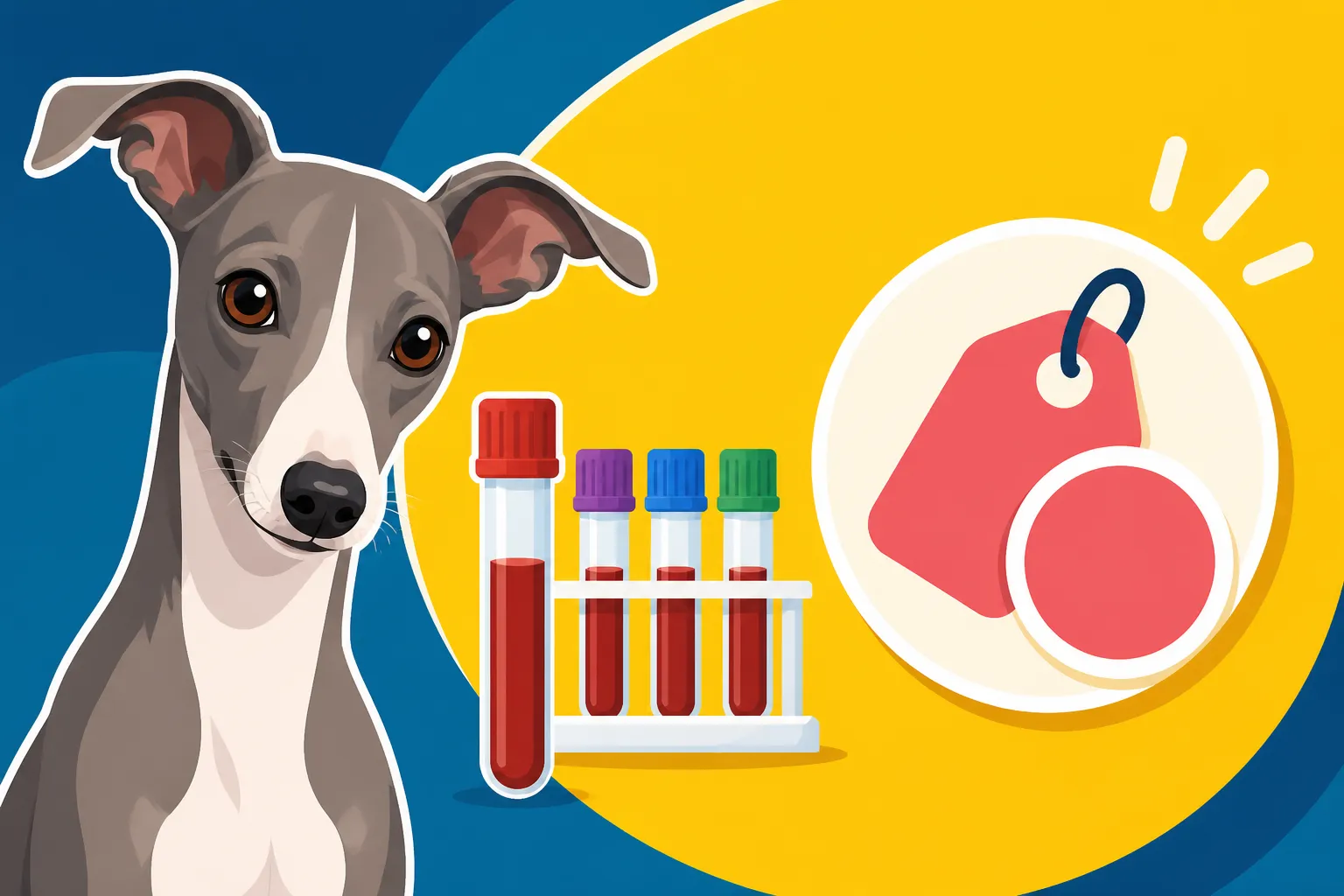
- Complete Blood Count (CBC): This test evaluates the different types of cells in your Iggy's blood. It looks at red blood cells, which carry oxygen; white blood cells, which fight infection and indicate inflammation; and platelets, which are crucial for blood clotting.
- What it tells us for anesthesia: A low red blood cell count (anemia) can impact oxygen delivery during surgery. An elevated white blood cell count might signal an underlying infection or inflammation that needs to be addressed before a procedure, especially one like a dental where infection is often present. Platelet counts are vital to ensure your Iggy's blood will clot properly, preventing excessive bleeding during extractions or other dental work.
- Chemistry Panel (Organ Function): This panel measures various chemicals and enzymes in the blood, providing insights into the function of vital organs like the liver, kidneys, and pancreas, as well as electrolyte balance and blood glucose levels.
- What it tells us for anesthesia: Elevated liver enzymes could indicate liver stress or disease, affecting how drugs are metabolized. Abnormal kidney values mean these organs might struggle to filter anesthetic agents from the body. Blood glucose levels are important, as very high or low levels can cause complications. Electrolyte imbalances can affect heart function, which is critical during anesthesia. Identifying any of these issues beforehand allows the vet to adjust the anesthetic protocol to protect these organs and maintain stability throughout the procedure.
These basic panels are a crucial first step in understanding your Italian Greyhound's internal health and mitigating the risks associated with general anesthesia.
Additional Tests Often Recommended
While the basic CBC and chemistry panels are standard, your veterinarian might recommend additional tests, especially depending on your Italian Greyhound's age, medical history, or any specific concerns. These can offer an even more detailed picture and further enhance the safety of the procedure.
- Thyroid Panel: Hypothyroidism, an underactive thyroid, can be an issue in some Italian Greyhounds. While not directly related to anesthesia metabolism, an untreated thyroid condition can affect overall metabolism and recovery from illness or stress. For older Iggys, or those showing subtle signs like unexplained weight gain, lethargy, or coat changes, a thyroid screen might be a wise addition. Hypothyroidism in an Italian Greyhound is a good resource if you suspect your dog might have thyroid issues.
- Urinalysis: A urinalysis provides valuable information about kidney function, hydration status, and can detect urinary tract infections or other kidney issues that might not be apparent on a basic blood chemistry panel alone. It complements the blood work by giving a more complete view of the urinary system's health, which is vital for filtering out drugs. For senior Iggys, a urinalysis is often part of a comprehensive screening to check for conditions like Kidney Disease in an Old Italian Greyhound.
- Additional Specific Organ Function Tests: In some cases, if initial bloodwork flags a specific concern, your vet might recommend more targeted tests, such as bile acids for more definitive liver function assessment, or specific cardiac biomarkers if a heart murmur is detected.
Age and Health Considerations
The level of pre-dental bloodwork can also be tailored based on your Italian Greyhound's life stage and overall health.
- Puppies and Young Adults (under 2-3 years): For very young, healthy Italian Greyhounds with no prior health concerns, a basic CBC and a limited chemistry panel might be sufficient. These young dogs are generally more robust and less likely to have undiagnosed organ issues. However, even in youth, unexpected congenital issues can sometimes be caught.
- Adults (3-7 years): For this age group, a more comprehensive CBC and chemistry panel are usually recommended. This covers most common age-related organ changes that might begin to appear.
- Seniors (8+ years): This is where a truly comprehensive panel is almost always recommended, often including a full CBC, comprehensive chemistry panel, thyroid panel, and urinalysis. Older Italian Greyhounds are more prone to developing age-related conditions like kidney disease, liver dysfunction, or other metabolic issues that could significantly increase anesthetic risk. Caring for an Italian Greyhound Past Eleven details many considerations for our senior companions, and pre-anesthetic screening is certainly one of them. Your vet wants to ensure that every possible internal factor is considered before putting an older Iggy under.
By customizing the bloodwork panels, your vet ensures that your Italian Greyhound receives the most appropriate and safest care possible, regardless of their age or health status.
Understanding the Cost Factors for Italian Greyhound Pre-Dental Bloodwork
Let's be real: vet bills can add up, and understanding why things cost what they do is a big part of managing pet ownership. Pre-dental bloodwork is no exception, and several factors play into the final figure you'll see on your invoice. It's not just a flat fee; it reflects the complexity of the tests, the clinic's overhead, and the expertise involved.
Regional and Clinic Variations
Just like everything else, the cost of veterinary services, including bloodwork, isn't uniform across the board. Where you live can have a significant impact:
- Geographic Location: Vets in major metropolitan areas, like Los Angeles or New York City, often have higher operating costs (rent, staff salaries, etc.), which naturally translate to higher service fees compared to clinics in smaller towns or rural areas. If you live in a bustling city, you can generally expect to pay more.
- Type of Clinic: A high-tech, 24-hour emergency and specialty hospital might charge more for diagnostic services than a small, local general practice. While both provide excellent care, the former often has more advanced equipment, a larger staff, and specialized expertise, which contributes to their pricing structure. A general practice vet, particularly one experienced with sighthounds, is usually a great option. Why an Italian Greyhound's Vet Should Know Sighthounds touches on the importance of finding the right vet.
- In-House vs. Send-Out Labs: Some veterinary clinics have their own in-house lab equipment to run basic bloodwork panels quickly. This can sometimes be more cost-effective due to efficiency. Other clinics send all or some of their samples to an external reference laboratory. While send-out labs might take a bit longer for results, they often offer a wider range of tests and highly specialized analysis. The cost from an external lab may include a small markup from the clinic for handling and interpretation.
It's always a good idea to call around to a few reputable clinics in your area and ask for an estimated cost for pre-anesthetic bloodwork for an Italian Greyhound, specifying the age and general health of your dog, as this will help them give you a more accurate quote.
Package Deals vs. A La Carte Pricing
When it comes to dental procedures, many veterinary clinics offer different pricing structures that can influence the cost of the bloodwork:
- Bundled Dental Packages: A common practice is for clinics to offer "dental packages" that include a pre-anesthetic exam, bloodwork, the anesthesia itself, scaling and polishing, and sometimes even basic pain medication for post-op care. These bundles can sometimes offer a slight discount compared to paying for each service individually. They streamline the process and help owners understand the overall cost upfront.
- A La Carte Services: Alternatively, some clinics itemize every single service. This means the bloodwork will be listed as a separate charge, distinct from the exam, anesthesia, and dental cleaning. While it gives a detailed breakdown, it might not always be the most budget-friendly option if a package is available.
- Customization: Regardless of whether it's a package or a la carte, remember that the specific type of bloodwork (basic vs. comprehensive, with or without thyroid/urinalysis) will also impact the price. A full senior panel, for instance, will naturally cost more than a basic young adult panel because more tests are being run. Always clarify exactly what tests are included in any quote you receive.
The Value of Peace of Mind
It's easy to look at a line item for bloodwork and feel a pang in your wallet. However, it's crucial to reframe this cost not as an expense, but as an invaluable investment in your Italian Greyhound's safety and well-being. Think about it this way:
- Preventing Complications: The cost of thorough pre-anesthetic bloodwork is almost always significantly less than the cost of treating an anesthetic complication, which could involve emergency veterinary visits, additional diagnostics, extended hospitalization, or even specialist care. These emergency situations can quickly escalate into bills of several thousands of dollars. What an Italian Greyhound's Emergency Vet Visit Costs can give you an idea of those unexpected expenses.
- Informed Decisions: The results provide critical information that allows your vet to make the safest choices for your Iggy, reducing risk and giving you peace of mind that you've done everything possible to ensure a successful outcome.
- Early Detection: Sometimes, the bloodwork might even uncover an unrelated health issue that, if caught early, can be managed much more effectively and less expensively than if it were to progress undetected. For example, early detection of Periodontal Disease Is the Italian Greyhound's Most Common Diagnosis might warrant earlier dental work, preventing more costly extractions down the line.
While the immediate cost can feel like a pinch, the long-term benefits of ensuring your Italian Greyhound is a good candidate for anesthesia, and of potentially catching underlying issues early, far outweigh that initial investment.
How to Prepare for the Expense of Your Italian Greyhound's Pre-Dental Bloodwork
The best way to tackle any vet bill, planned or unplanned, is to be prepared. For Italian Greyhound owners, especially, understanding the financial landscape of their care is key to a long and happy life together. Pre-dental bloodwork is one of those routine-but-critical costs you should factor in.
Budgeting and Emergency Funds
We all know that owning an Italian Greyhound means budgeting for their unique needs, and vet care is a huge part of that. Beyond the daily food from a brand like Ollie, or supplies from Chewy, you need to think ahead for medical costs.
- Proactive Savings: The most straightforward way to manage these costs is to start an emergency fund specifically for your Italian Greyhound. Even setting aside a small amount each month can grow into a substantial buffer for routine procedures like dental work and the associated bloodwork, or for unexpected emergencies like A Broken Leg Is the Emergency Every Italian Greyhound Owner Fears.
- Anticipating Regular Care: Dental cleanings for Italian Greyhounds aren't usually a one-and-done event. Dental Work Repeats Every Year of an Italian Greyhound's Life for many Iggys, meaning pre-dental bloodwork will also be a recurring expense. Factor this into your annual budget rather than treating it as a surprise. Knowing that your Iggy will likely need annual or bi-annual cleanings helps you plan for the bloodwork costs consistently. What an Italian Greyhound's Annual Dental Costs gives a deeper dive into these repeating expenses.
- Understanding Lifetime Costs: When you look at the Fifteen Years of Owning an Italian Greyhound, Priced Out, you'll see how quickly these smaller, recurring costs add up. Being mindful of these figures from the start helps you avoid financial strain when your vet recommends essential diagnostics.
Pet Insurance and Wellness Plans
This is where planning truly meets practicality for many Iggy owners. Pet insurance can be a lifesaver, and wellness plans are designed for predictable costs.
- Pet Insurance: While pet insurance policies generally focus on unexpected accidents and illnesses, some plans, especially comprehensive ones, may cover diagnostic tests like pre-anesthetic bloodwork if it's deemed medically necessary for a covered condition or procedure. Companies like Healthy Paws are popular for their comprehensive coverage, but it's crucial to read the fine print. Ask specific questions about what's covered under "diagnostics" or "pre-surgical screening" before your Iggy needs it. Remember that most policies have waiting periods, so don't wait until the week before the dental to sign up. What Pet Insurance Actually Covers on an Italian Greyhound is a must-read for understanding your options.
- Veterinary Wellness Plans: Many veterinary clinics offer their own in-house wellness plans. These are not insurance, but rather membership programs where you pay a monthly fee, and in return, you get a set of preventive services included or discounted. These often encompass annual exams, vaccinations, and, yes, sometimes even pre-anesthetic bloodwork for routine procedures. These plans can be an excellent way to budget for predictable care and can help mitigate the upfront cost of your Iggy's dental screening. It's like having a consistent subscription that covers your routine health needs.
Always compare different providers and plans, considering your Italian Greyhound's age, health status, and your own financial comfort level. Getting quotes from several sources will help you find the best fit.
Asking the Right Questions
Don't ever feel embarrassed or shy about discussing costs with your veterinary team. They understand that vet care is an investment, and transparency is key to building trust.
- Get a Detailed Estimate: Before any procedures are done, ask for a written estimate that clearly breaks down all the costs, including the specific blood tests, consultation fees, and the dental procedure itself. This helps you understand exactly what you're paying for.
- Inquire About Payment Options: Most clinics offer various payment solutions. These might include:
- Payment Plans: Some clinics work with third-party medical credit providers that offer deferred interest or low-interest payment plans.
- Clinic-Specific Options: A few clinics might have their own in-house payment arrangements for established clients, though this is less common for routine procedures.
- Care Credit: This is a popular option that many pet owners use for veterinary expenses.
- Clarify What's Included: Reconfirm what tests are part of the "pre-dental bloodwork" and why each one is recommended for your particular Italian Greyhound. This empowers you to make informed decisions and ensures there are no surprises on the final bill.
- Discuss Alternatives (if appropriate): While pre-anesthetic bloodwork is highly recommended for Italian Greyhounds, if there are different tiers of bloodwork available (e.g., a basic vs. a comprehensive panel), ask your vet to explain the pros and cons of each for your specific dog. This allows you to understand the balance between cost and comprehensive risk assessment.
Being proactive and communicative about costs with your veterinary team ensures that your Italian Greyhound receives the best possible care without undue financial stress on you.
| Bloodwork Panel Type | What It Typically Includes | Key Benefits for Italian Greyhounds | Typical Scenarios for Recommendation |
|---|---|---|---|
| Basic Panel | CBC (red, white cells, platelets), Basic Chemistry (e.g., kidney, liver enzymes, glucose) | Screens for major organ dysfunction & blood cell abnormalities that affect anesthetic safety. | Healthy young adults (under 3-4 years) with no prior health concerns. |
| Comprehensive Panel | Full CBC, Comprehensive Chemistry (more organ values, electrolytes, proteins) | Deeper look at organ function, electrolyte balance; catches more subtle issues. | Adults (3-7 years), or younger Iggys with a minor health history. |
| Senior Panel | Comprehensive Panel, Thyroid Panel, Urinalysis | Essential for detecting age-related conditions (kidney disease, hypothyroidism, etc.) increasing anesthetic risk. | Italian Greyhounds 8+ years old, or those with known senior health issues. |
| Specific Add-ons | Bile Acids (liver), Cardiac Markers (heart) | Targeted diagnostics if initial bloodwork or physical exam suggests a specific organ concern. | Any age Iggy if initial screening or symptoms point to a specific organ problem. |
Disclaimer
This article is for general informational purposes only and does not constitute professional advice. Laws, prices and regulations vary by location and change over time. Consult a qualified professional for guidance on your specific situation.