Why an Italian Greyhound’s Vet Should Know Sighthounds
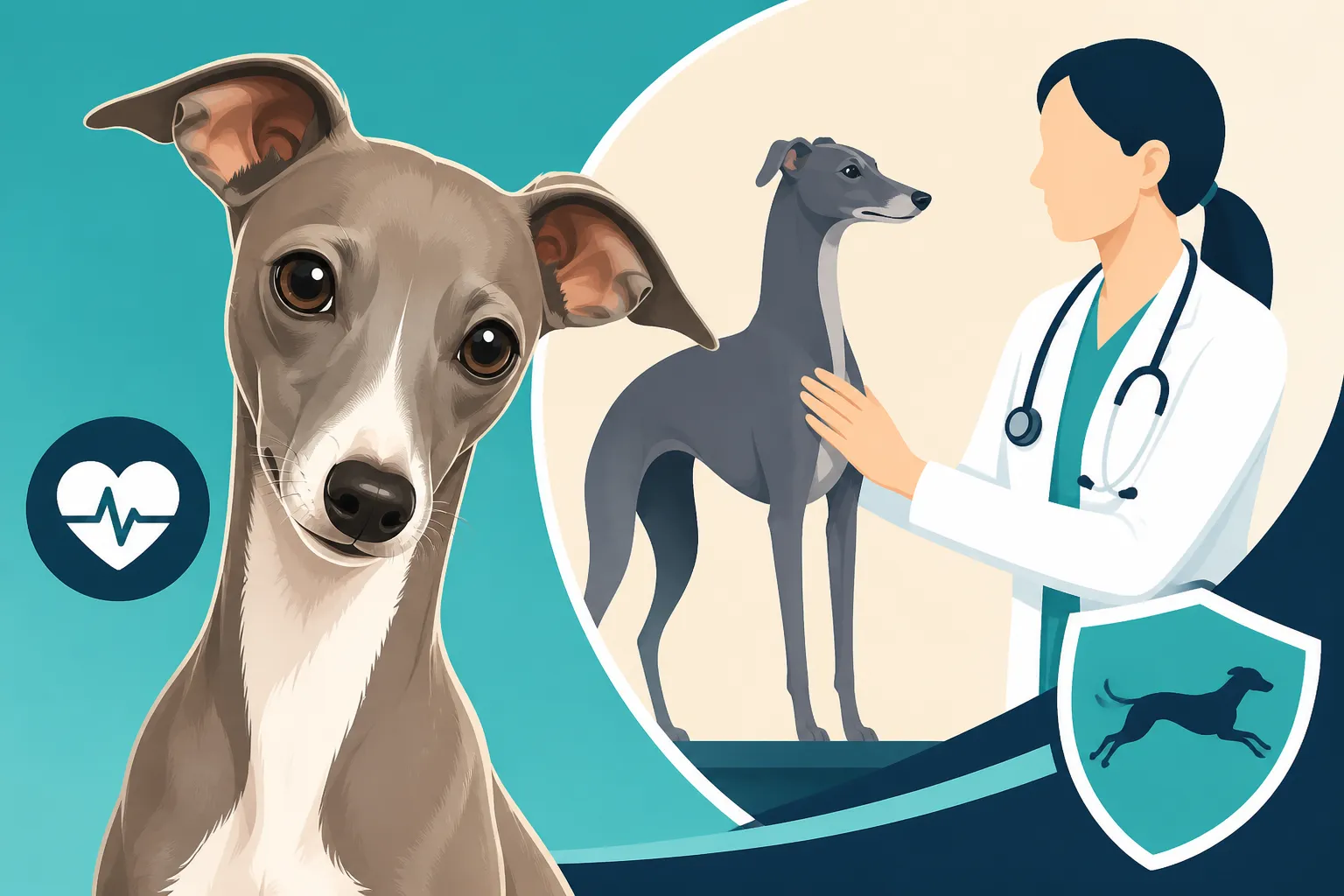
As Italian Greyhound parents, we often face a unique challenge: finding a veterinarian who truly gets our quirky, delicate, and endlessly loving companions. It's frustrating when you feel like you're constantly educating your vet on the nuances of sighthound care, from their paper-thin skin to their sensitive reactions to medication. This guide will walk you through precisely why specialized sighthound knowledge is non-negotiable for your Italian Greyhound's vet and what to look for to ensure your beloved companion receives the best possible care.
The Unique Physiology of Italian Greyhounds Demands Specialized Knowledge
Italian Greyhounds aren't just small dogs; they possess a distinct physiology that sets them apart from most other breeds. This isn't about being "fragile" in a derogatory sense, but about having specific biological traits that require a tailored approach to veterinary medicine. Without a vet who understands these inherent differences, your IG could be at risk for misdiagnosis, improper treatment, or unnecessary stress.
Unique Metabolism and Drug Sensitivities
One of the most critical distinctions of Italian Greyhounds, and sighthounds in general, is their unique metabolism. They have very little body fat, often described as having Why an Italian Greyhound Carries Almost No Body Fat, and this significantly impacts how their bodies process medications, especially anesthesia. Many common anesthetics and sedatives, metabolized by fat stores in other breeds, linger longer in their system, leading to prolonged recovery times or, in severe cases, dangerous complications. It's not uncommon for an IG to wake up from a routine dental cleaning feeling groggy and disoriented for far longer than a bulldog or a poodle.
Furthermore, certain drugs, like some barbiturates, can have profoundly different and potentially life-threatening effects on sighthounds. A vet experienced with IGs will be acutely aware of these sensitivities and will opt for sighthound-safe anesthetic protocols, often using gas anesthesia that can be quickly reversed. They'll also monitor your IG's temperature meticulously, understanding that Why a Nine Pound Italian Greyhound Gets Cold on the Table under sedation, and use warming techniques throughout the procedure and recovery. This knowledge isn't just helpful; it's a matter of life and death for these sensitive dogs.
Fragile Bones and Delicate Build
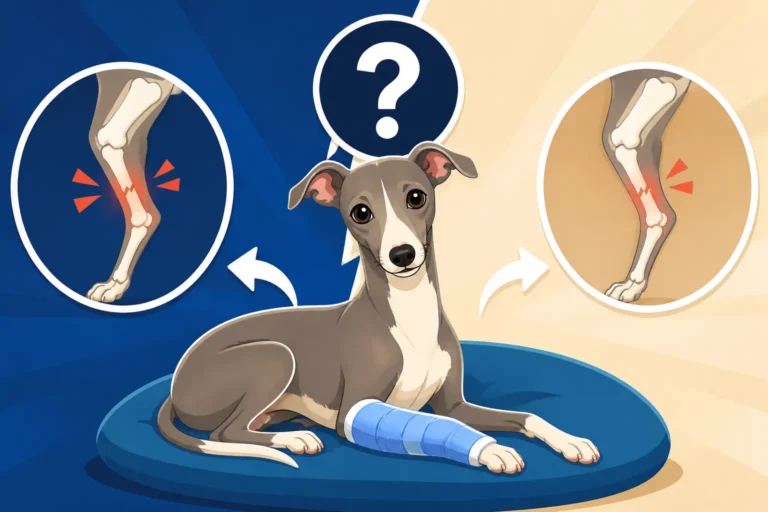
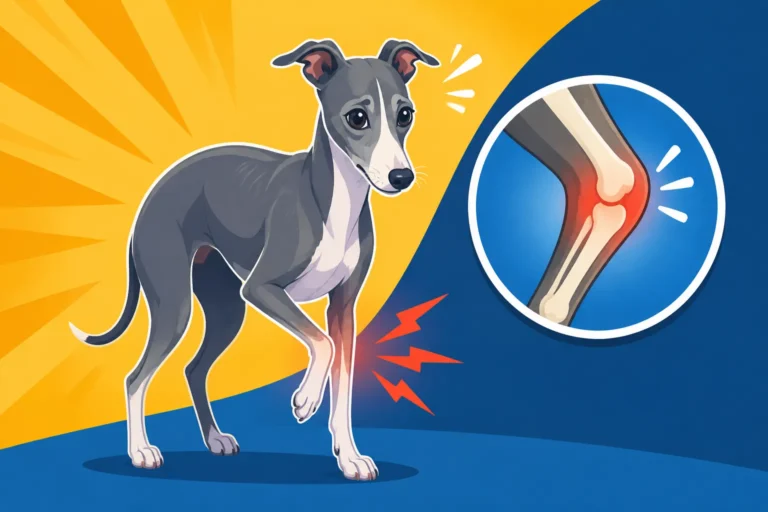
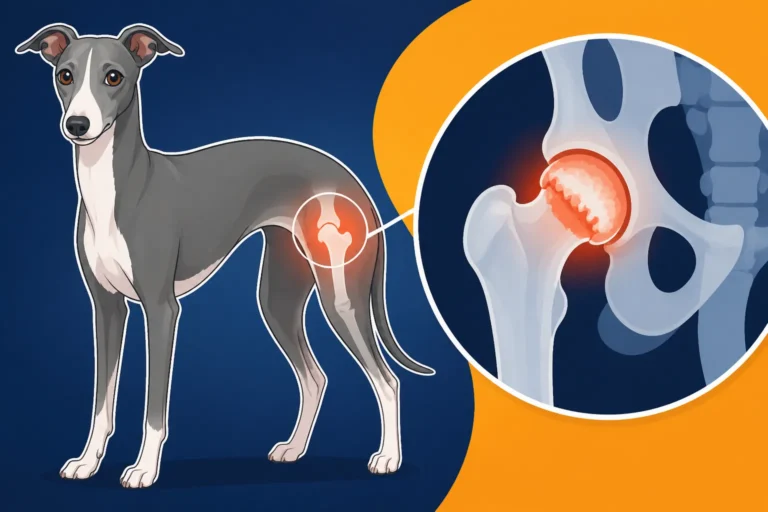
The Italian Greyhound's elegant, fine-boned structure is part of its charm, but it also presents a significant vulnerability. Their long, slender limbs, particularly the radius and ulna, are notoriously prone to fractures, often from seemingly innocuous activities like jumping off a sofa or a minor fall. This is why Why an Italian Greyhound's Radius Is the Bone That Breaks is such a common concern for owners. A standard vet might treat a fracture as they would in any other breed, perhaps applying a cast. However, IGs' bones heal differently, and their skin is so thin that casts can cause pressure sores and complications.
An experienced sighthound vet understands that many Italian Greyhound fractures, especially those involving the radius and ulna, almost always require surgical intervention, often involving plates and screws, rather than just casting. They will know the urgency of referral to a board-certified orthopedic surgeon who specializes in these types of delicate repairs. They'll also appreciate the intense post-operative care required, including strict crate rest and physical therapy, to ensure proper healing and prevent re-injury. The financial implications alone, which can be staggering, make it crucial to have a vet who understands these realities from the outset. Many owners find that investing in pet insurance like Healthy Paws early on can alleviate some of this financial stress, especially when facing the high costs of specialist orthopedic care.
Sensitive Temperament and Stress Response
Beyond the physical, Italian Greyhounds are known for their sensitive, somewhat shy personalities. They are often described as "Velcro dogs" due to their intense attachment to their owners, and they can be highly prone to anxiety in unfamiliar environments. A bustling vet clinic with loud dogs, strange smells, and hurried movements can be incredibly stressful for an IG, leading to elevated heart rates, increased fear, and even a shutdown response. This is why Why Raising Your Voice Sets an Italian Greyhound Back a Month applies just as much to vet visits as it does to training.
A vet practice that understands sighthound temperament will make concerted efforts to minimize stress. This might include quiet waiting areas, allowing IGs to wait in the car until their appointment time, or using gentle, calm handling techniques. They’ll also be attuned to subtle signs of stress in your IG, rather than dismissing them as mere "shyness." Building trust with a vet team who respects their sensitive nature can make all the difference in ensuring a less traumatic and more effective veterinary experience.
Navigating Specific Medical Challenges with Sighthound Expertise
When it comes to the nitty-gritty of medical care, an Italian Greyhound vet isn't just vaguely "sighthound-aware"; they're proficient in specific diagnostic and treatment protocols unique to these breeds. This expertise covers everything from routine procedures to emergency interventions, ensuring that your IG receives care that is not only effective but also safe and appropriate for their distinct needs.
Anesthesia Protocols and Recovery
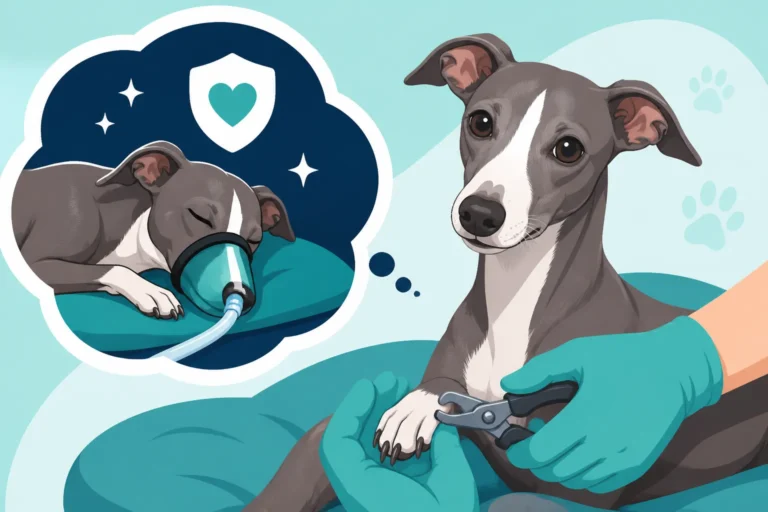
As touched on earlier, anesthesia is a major concern for Italian Greyhound owners. A vet with specific sighthound knowledge will already have specialized protocols in place for Why Anesthesia Is Handled Differently in an Italian Greyhound. This isn't just about avoiding certain drugs; it's about a holistic approach to managing their unique physiological response. They'll likely use short-acting injectable agents for induction, followed by inhaled gas anesthesia, which allows for precise control over the depth of sedation and a quicker wake-up.
Beyond the drugs themselves, monitoring during and after anesthesia is paramount. Sighthound-savvy vets will employ advanced monitoring equipment, closely tracking blood pressure, heart rate, oxygen saturation, and especially body temperature. They know that Whether an Italian Greyhound Gets Cold Under Sedation is a given, and will use heated blankets, warm IV fluids, and other measures to maintain core body temperature, which is vital for preventing complications. Post-anesthesia, they’ll ensure a quiet, warm recovery area with dedicated staff to observe for any delayed effects or unusual reactions, offering comfort and reassurance as your IG slowly comes around. This meticulous attention to detail can drastically reduce risks associated with sedation, whether for a quick stitch-up or a lengthy surgery.
Orthopedic Challenges and Referral Pathways
The fragility of an Italian Greyhound's bones means that orthopedic issues are not just common, but often complex. If your IG suffers a fracture, which sadly is a common emergency, a knowledgeable vet won't hesitate. They'll know that A Broken Leg Is the Emergency Every Italian Greyhound Owner Fears, and that rapid, correct intervention is critical. They won't attempt to manage a severe limb fracture with a simple cast if it's unlikely to succeed, understanding that this could lead to non-union or chronic issues. Instead, they will immediately recommend referral to a board-certified veterinary orthopedic surgeon.
This isn't to say your general vet isn't skilled, but orthopedic surgery for these fine-boned dogs requires a specialist's touch. A sighthound-aware vet will have a network of trusted specialists and understand the nuances of the referral process. They can explain what a consultation with an orthopedic surgeon entails, what questions to ask, and help you navigate the often-daunting world of specialized surgery. They’ll also advise on crucial preventative measures, like installing Ramps and Steps for an Italian Greyhound's Furniture to prevent those risky jumps, or understanding The Age an Italian Greyhound's Bones Finish Hardening to gauge vulnerability. The costs associated with these specialist procedures can be substantial, and having pet insurance like Healthy Paws can truly be a lifesaver, covering a significant portion of expensive surgeries and follow-up care.
Dental Care and Oral Health Risks
Italian Greyhounds are predisposed to significant dental problems, making Periodontal Disease Is the Italian Greyhound's Most Common Diagnosis a constant battle for many owners. Their long, narrow muzzles are often too small for their 42 adult teeth, leading to overcrowding, which traps food particles and accelerates plaque and tartar buildup. This makes them prone to early onset periodontal disease, tooth loss, and even jaw fractures during dental extractions.
A vet familiar with Italian Greyhounds will emphasize proactive dental care from a young age. They’ll educate you on the importance of daily brushing and regular professional dental cleanings under anesthesia. They'll know The Age an Italian Greyhound Starts Losing Teeth can be alarmingly young without intervention. During dental cleanings, they'll perform full mouth X-rays to assess root health and bone loss, and be prepared for multiple extractions. Crucially, they’ll use techniques that minimize the risk of jaw fracture during extractions, knowing the delicacy of an IG's jawbone. Many owners find that the recurring cost of dental work, often annually, is another area where pet insurance like Healthy Paws can provide much-needed financial relief, ensuring your IG gets the consistent care needed to maintain oral health.
What to Look for in a Sighthound-Savvy Veterinary Practice
Finding the right veterinary practice for your Italian Greyhound isn't always easy, but knowing what questions to ask and what qualities to prioritize can make the process much smoother. You're looking for a partner in your IG's health, not just a service provider.
Experience with Sighthounds is Key
The first and most obvious thing to look for is direct experience. Don't be afraid to ask during your initial inquiry: "Do you have specific experience with Italian Greyhounds or other sighthounds?" A truly sighthound-savvy vet or practice won't just say "yes"; they'll be able to elaborate. They might mention:
- Anesthesia protocols: They should be able to articulate how their anesthetic approach differs for sighthounds, specifically mentioning drug choices, warming methods, and monitoring.
- Fracture management: They should immediately mention referral to an orthopedic specialist for certain types of fractures and discuss their understanding of IG bone fragility.
- Dental health: They should emphasize early intervention, regular cleanings, and careful techniques for extractions.
- General temperament: They should understand the breed's sensitivity and outline steps they take to reduce stress during visits.
If a vet seems dismissive of your concerns or claims that "all small dogs are the same," that's a red flag. You want a vet who understands that an IG isn't just a tiny Labrador; they're a unique breed with unique needs. Consider calling local Italian Greyhound rescue organizations or breed clubs, as they often have invaluable recommendations for vets in your area who truly understand the breed.
Openness to Learning and Communication
Even if a vet doesn't have a huge client base of Italian Greyhounds, their willingness to learn and communicate openly is incredibly important. A good vet will acknowledge areas where they might need to research or consult with specialists, rather than pretending to know everything. They should be open to discussing specific concerns you have and willing to collaborate on your IG's care.
Look for a practice where:
- They listen to your observations: As the owner, you know your IG best. A good vet will value your insights, especially when it comes to subtle changes in behavior or health.
- They explain things clearly: You should feel comfortable asking questions and expect clear, understandable answers about treatment plans, risks, and costs.
- They offer educational resources: A progressive practice might have pamphlets, website articles, or be able to direct you to reputable sighthound health resources.
- They have a calm, reassuring environment: For a sensitive breed like the IG, a quiet waiting room, gentle staff, and a patient approach can make a huge difference in their comfort level.
Proactive vs. Reactive Approach
A sighthound-savvy vet will naturally adopt a more proactive approach to your Italian Greyhound's health. They understand the breed's predispositions and will actively guide you on preventative care, rather than just reacting to problems as they arise.
This includes:
- Early dental care: Discussing daily brushing and the schedule for How Often an Italian Greyhound Needs a Dental Cleaning from puppyhood.
- Bone health discussions: Advising on appropriate exercise, safe environments, and Restricting an Italian Greyhound Under Two to protect fragile growth plates.
- Temperature regulation: Offering advice on keeping your IG warm both indoors and out, understanding that Why an Old Italian Greyhound Feels the Cold More as they age.
- Regular wellness checks: Emphasizing the importance of annual or bi-annual wellness exams to catch issues early, especially for issues like Epilepsy and Thyroid Disease in an Italian Greyhound which can affect IGs.
A proactive vet helps you mitigate risks and plan for potential challenges, giving you peace of mind and your Italian Greyhound a healthier, happier life.
Here's a quick comparison of what you might encounter:
| Aspect of Care | General Vet Approach | Sighthound-Savvy Vet Approach |
|---|---|---|
| Anesthesia | Standard protocols for small breeds; may not adjust for lean body mass. | Sighthound-specific protocols, careful drug selection, advanced warming, and monitoring. |
| Fracture Management | May attempt casting for radius/ulna fractures; less emphasis on immediate specialist referral. | Immediate referral to orthopedic specialist; understands surgical necessity for common IG fractures. |
| Dental Care | Focus on annual cleanings; may not emphasize early intervention or specific IG jaw fragility. | Proactive daily brushing recommendations; early and frequent cleanings; careful extraction techniques due to jaw delicacy. |
| Temperament | May treat mild anxiety as typical dog behavior; less adaptation for stress reduction. | Recognizes breed-specific sensitivity; employs quiet, gentle handling; adapts clinic environment to minimize stress. |
| Preventative Care | General wellness advice. | Proactive discussions on fracture prevention, cold weather protection, and early dental/health screening. |
Advocating for Your Italian Greyhound at the Clinic
Even with the best sighthound-savvy vet, you, as the owner, remain your Italian Greyhound's primary advocate. Being prepared, asking informed questions, and knowing when to seek additional opinions are crucial steps in ensuring your IG receives the highest standard of care.
Preparing for Vet Visits
A well-prepared owner can significantly contribute to a smoother vet visit for both their Italian Greyhound and the veterinary team. Before you even leave the house, think about what will make the experience less stressful for your sensitive companion.
- Comfort is Key: Dress your IG in a comfortable sweater or coat, especially if it's chilly outside or the clinic is air-conditioned. Bring their favorite small blanket or towel for the exam table. A familiar scent can be incredibly calming.
- Detailed Notes: Write down all your observations, no matter how minor. Note changes in appetite, energy levels, potty habits, or any new lumps or bumps. Include when symptoms started, how often they occur, and any triggers you've noticed. This helps the vet get a complete picture quickly.
- Medication List: Keep an up-to-date list of all medications, supplements, and preventatives your IG is taking, including dosages and frequency. This is vital for avoiding drug interactions and ensuring accurate assessments.
- Questions in Advance: Prepare a list of questions you want to ask. It's easy to forget things in the moment, especially if you're feeling anxious. This ensures all your concerns are addressed.
By taking these steps, you not only make the visit more efficient but also demonstrate to your vet that you are an engaged and informed owner, fostering a better partnership in your IG's care.
Asking the Right Questions
Don't be shy about asking specific, pointed questions, especially if you're concerned your vet might not have extensive sighthound experience. Here are some examples:
- "What specific anesthetic drugs do you use for sighthounds, and why do you choose those for their metabolism?"
- "If my Italian Greyhound were to break a leg, what would be your immediate course of action, and which orthopedic specialists do you typically refer to for delicate bone repairs?"
- "What are your recommendations for preventing dental disease in Italian Greyhounds, given their predisposition to overcrowding?"
- "How do you ensure my Italian Greyhound stays warm during and after surgical procedures?"
- "What signs of stress in an Italian Greyhound do you look for during an exam, and how do you adjust your approach if you see them?"
A good vet will appreciate your proactive involvement and answer these questions thoroughly. If you get vague answers or a sense of impatience, it might be a sign to explore other options. Remember, you're paying for their expertise, and your IG's health is too important to leave to chance. Being an informed client also helps you understand discussions around financial aspects, such as how pet insurance like Healthy Paws can cover the potentially high costs of specialized sighthound care.
Considering Second Opinions
It's perfectly acceptable, and often advisable, to seek a second opinion, especially for complex diagnoses, major surgeries, or if you feel uneasy about a proposed treatment plan. No ethical veterinarian will be offended by you seeking additional input, particularly when it comes to a breed with such specific needs.
- When to Seek One: Consider a second opinion if the diagnosis is unclear, the proposed treatment is invasive or costly, your IG isn't responding to treatment, or if you simply feel a lack of confidence in the initial assessment.
- Specialists are invaluable: For issues like persistent lameness, unexplained neurological symptoms, or complex internal medicine cases, consulting with a board-certified specialist (e.g., orthopedic surgeon, internal medicine specialist, neurologist) is often the best course of action.
- Documentation: Always ask for copies of your IG's medical records, lab results, and imaging studies to share with the second opinion vet. This saves time and ensures a comprehensive review of the case.
Ultimately, your goal is to ensure your Italian Greyhound receives the most appropriate and effective care available. Finding a vet who understands the unique aspects of the breed and actively partners with you in their health journey is one of the greatest gifts you can give your cherished companion, helping them to live a long and healthy life, potentially even reaching How Long an Italian Greyhound Lives on Average.
Disclaimer
The information provided in this guide is for general informational purposes only and is not a substitute for professional veterinary advice. Always consult with a qualified veterinarian for any health concerns or before making any decisions related to your Italian Greyhound's medical care.