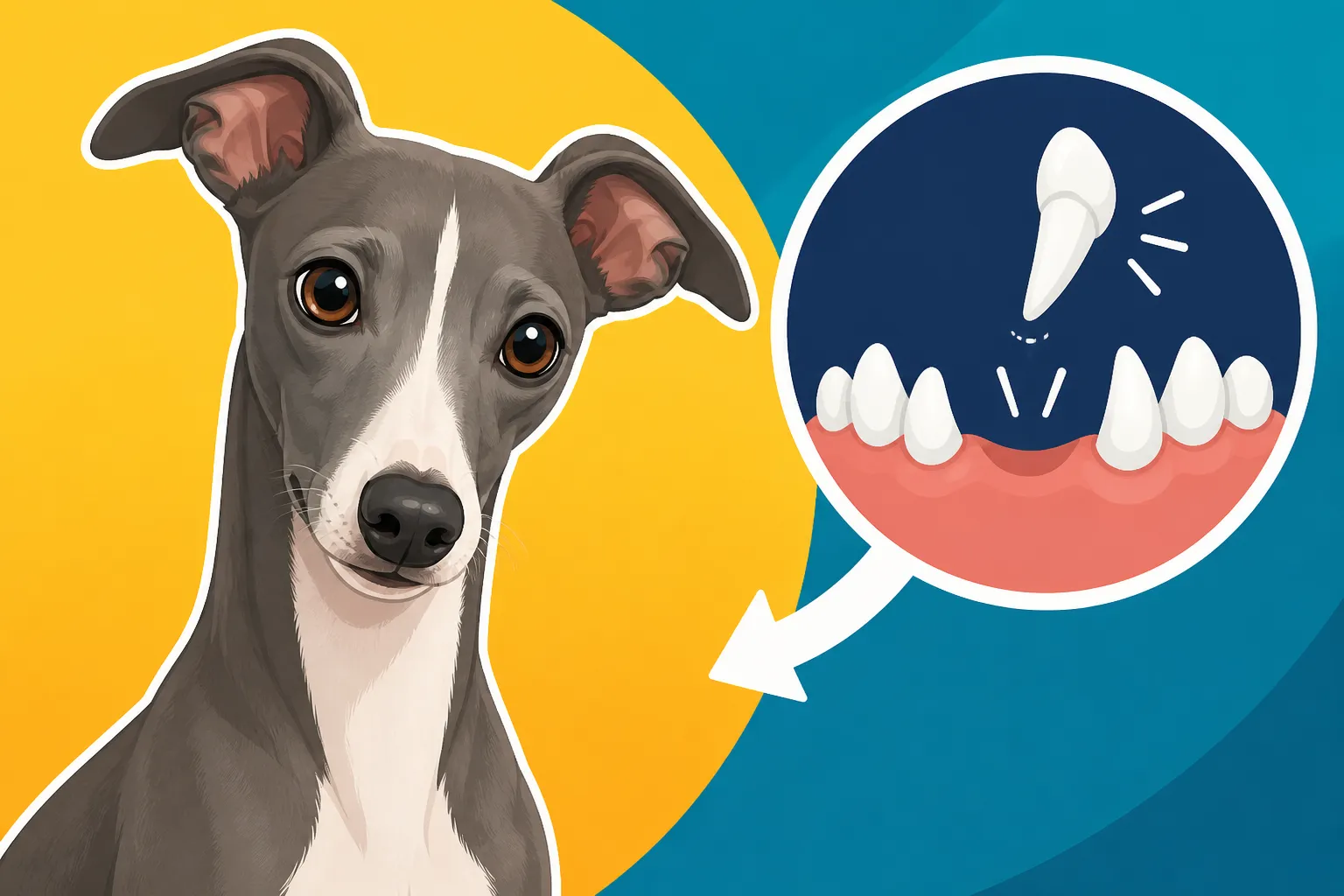
The Age an Italian Greyhound Starts Losing Teeth
One of the most heartbreaking realities of owning an Italian Greyhound is grappling with their notoriously fragile dental health. It's a common, frustrating issue that leaves many owners wondering why their beloved companion seems to be losing teeth so much faster than other breeds. This comprehensive guide will delve into the unfortunate truth about when Italian Greyhounds start losing teeth, why it happens, and what proactive steps you can take to preserve their precious pearly whites for as long as possible.
Understanding the Italian Greyhound's Unique Dental Challenges
If you've spent any time researching or owning Italian Greyhounds, you've likely heard whispers – or full-blown warnings – about their teeth. It's not just an old wives' tale; the breed truly faces an uphill battle when it comes to oral hygiene. This isn't a reflection of poor care from loving owners, but rather a combination of specific anatomical and genetic factors that set them apart from many other dog breeds.
Why Their Mouths Are Prone to Issues
The delicate, refined head of an Italian Greyhound, a hallmark of their elegance, unfortunately comes with a significant drawback for their oral health. Their long, narrow muzzles, while undeniably beautiful, simply do not have enough space to comfortably accommodate all 42 adult teeth that a typical dog possesses. Imagine trying to fit a full set of adult human teeth into a child's mouth – that's somewhat analogous to what's happening inside an Italian Greyhound's oral cavity. This overcrowding leads to teeth pushing against each other, rotating, and creating tiny crevices and overlapping surfaces where food particles, bacteria, and plaque can easily accumulate. These tight spaces are incredibly difficult to clean effectively, even with diligent brushing, providing a perfect breeding ground for tartar and subsequent gum disease. It's a frustrating design flaw that no amount of love can entirely overcome, leading to an answer for "Why an Italian Greyhound's Teeth Crowd."
Beyond the sheer lack of space, the bone structure supporting these teeth can also be less robust than in broader-mouthed breeds. The jaws themselves are delicate, a factor that veterinarians must consider during any dental procedure, especially extractions. This inherent fragility means that even minor dental issues can escalate rapidly, compromising the structural integrity of the jaw. The close proximity of tooth roots and the thin bone surrounding them can make infections more aggressive and damage more severe. It's a precarious balance that requires constant vigilance from owners and veterinarians alike.
The Genetic Predisposition to Dental Disease
While overcrowding is a major physical factor, there's also a strong genetic component to the Italian Greyhound's dental woes. They are, sadly, genetically predisposed to developing periodontal disease at an accelerated rate. This isn't just about bad luck; it's deeply ingrained in their breed's lineage. Many Italian Greyhounds, even with perfect home care and regular veterinary cleanings, will still succumb to some degree of gum inflammation and tooth loss simply because their bodies are wired that way. It's a frustrating truth that often leaves owners feeling helpless despite their best efforts. This predisposition means that what might be a minor plaque buildup in a different breed can quickly become a severe infection in an Italian Greyhound, leading to bone loss around the teeth.
It’s crucial for prospective and current Italian Greyhound owners to understand that this isn’t a sign of neglect. Instead, it highlights the need for a highly proactive and often intensive dental care regimen, starting from puppyhood. This genetic vulnerability also explains why "How Common Dental Disease Is in an Italian Greyhound" is usually answered with "very common," making it the breed's most frequent health issue. Some researchers suggest that the genes responsible for their fine bone structure and smaller stature may also influence the density and health of their jawbone and tooth enamel, though more specific research is always ongoing. What we do know is that early and aggressive intervention is often the only way to slow the inevitable progression of this breed-specific challenge.
Puppy Teeth: The First Set and Their Departure
Just like human babies, Italian Greyhound puppies are born without teeth, and then develop a set of deciduous, or "baby," teeth. This initial set serves them well for their first few months, allowing them to learn to chew and explore the world with their mouths. However, the transition from baby teeth to adult teeth in Italian Greyhounds can be fraught with complications that foreshadow their adult dental struggles.
When Italian Greyhound Puppies Lose Their Baby Teeth
Italian Greyhound puppies typically begin losing their baby teeth and erupting their adult teeth between 3 and 6 months of age, much like most other dog breeds. The process usually starts with the incisors (front teeth), followed by the canines and then the premolars. By around 6 to 7 months, most puppies should have a full set of adult teeth. During this period, you might find tiny, sharp baby teeth around the house or notice a bit of blood on their chew toys. Many times, puppies simply swallow their baby teeth as they come loose, which is perfectly normal and no cause for concern.
However, for Italian Greyhounds, this seemingly straightforward process can often be more complicated. Because their adult teeth are often larger than the spaces available, the baby teeth sometimes don't fall out as easily as they should. This can lead to issues that need prompt attention. The delicate nature of their jaws and the potential for overcrowding means that monitoring this stage closely is paramount for setting them up for the best possible adult dental health. Any delay or deviation from this typical timeline can signal a problem that requires a vet's intervention.
The Problem of Retained Baby Teeth
This is where the Italian Greyhound's specific dental challenges often first manifest. It's incredibly common for Italian Greyhounds to have "retained baby teeth." This means that the deciduous tooth doesn't fall out naturally, even though the adult tooth is attempting to erupt right alongside it. Instead of pushing the baby tooth out, the adult tooth often emerges next to it, creating a double-row of teeth. The most frequently retained teeth are the canines, giving the puppy a rather formidable, if concerning, double-fang appearance.
Retained baby teeth are far more than a cosmetic issue. They exacerbate the already problematic overcrowding in an Italian Greyhound's mouth, trapping food and bacteria in the tight spaces between the baby and adult teeth. This significantly increases the risk of early onset periodontal disease, as plaque and tartar have even more surfaces to cling to. If left unaddressed, these retained teeth can lead to misalignment of the permanent teeth, gum inflammation, and premature tooth decay. Vets will often recommend that When an Italian Greyhound's Baby Teeth Must Be Pulled – typically during their spay or neuter surgery – to prevent long-term complications. It’s a vital intervention that can help mitigate some of the breed's inherent dental weaknesses right from the start. Ignoring them is setting your Italian Greyhound up for a lifetime of discomfort and expensive dental treatments.
Adult Teeth and the Onset of Periodontal Disease
Once those adult teeth are in, you might breathe a sigh of relief, thinking the puppy dental drama is over. Unfortunately, for Italian Greyhounds, it's often just the beginning of a lifelong battle against periodontal disease. Their adult teeth, while strong, are still subject to the same anatomical and genetic predispositions that made puppyhood such a minefield.
The Rapid Accumulation of Tartar in Italian Greyhounds
The primary culprit behind adult tooth loss in Italian Greyhounds is the incredibly rapid accumulation of plaque and tartar. Due to their crowded mouths, unique saliva composition (though more research is needed here), and genetic factors, plaque hardens into tartar at an astonishing rate compared to many other breeds. You might start noticing yellowish or brownish buildup on your Italian Greyhound's teeth, especially on the outside surfaces of the upper molars and canines, as early as 1 to 2 years of age. For some, How Early Tartar Appears on an Italian Greyhound can be shockingly soon after their adult teeth have fully emerged, sometimes even before their first birthday.
This tartar isn't just unsightly; it's a hardened, porous substance that provides an ideal surface for bacteria to colonize. These bacteria then release toxins that inflame the gums (gingivitis), which is the first stage of periodontal disease. If left unchecked, this inflammation progresses, causing the gums to recede and the supporting bone structure around the teeth to erode. As the bone deteriorates, the teeth lose their anchor and eventually become loose, leading to painful infections and, ultimately, tooth loss. This accelerated process means that consistent, aggressive preventative care is not just recommended, but absolutely essential for this breed.
Early Signs of Periodontal Disease and Tooth Loss
While the process of tartar buildup and gum inflammation can be insidious, there are often subtle signs that an Italian Greyhound is starting to experience periodontal disease. Owners might first notice persistent bad breath, often referred to as "doggy breath," which is a key indicator of bacterial overgrowth in the mouth. This isn't just a pleasant odor; it's a warning sign. You might also observe redness or swelling along the gum line, especially where the gums meet the teeth. Some Italian Greyhounds might become more reluctant to chew on hard toys or might shift their chewing to one side of their mouth if they have discomfort.
As the disease progresses, the signs become more pronounced. You could see bleeding gums, difficulty eating, or a visible change in their interest in food. It's not uncommon for owners to first notice actual tooth loss around the age of 3-5 years in Italian Greyhounds, though some can start losing teeth even younger. This is a stark contrast to many other breeds who often maintain a full set of teeth well into their senior years. The small, delicate lower incisors are often the first to go, simply because they have very little root structure and are easily overwhelmed by infection. If you have pet insurance like Healthy Paws, understanding what their policies cover for dental care can be crucial here, as costs can quickly accumulate once tooth loss begins. Catching these early signs and intervening quickly is the best way to slow the progression and potentially save some teeth.
Preventing Early Tooth Loss: Proactive Care is Key
Given the Italian Greyhound's inherent vulnerabilities, prevention isn't just better than cure; it's practically the only way to manage their dental health effectively. Waiting until problems arise is often too late, as the disease can advance rapidly. This section will focus on the most impactful strategies you can employ to give your Italian Greyhound the best chance at keeping their teeth.
Daily Brushing and Professional Dental Cleanings
The single most effective tool in your arsenal against early tooth loss is daily tooth brushing. Yes, daily! For Italian Greyhounds, brushing just a few times a week might not be enough to combat the rapid plaque buildup. Think of it like this: if you skipped brushing your own teeth for days, imagine the state of your mouth. It's the same for them, only their biological predisposition makes it even more critical. You need to use a dog-specific toothbrush and toothpaste (never human toothpaste!) and aim to thoroughly brush all surfaces of their teeth, paying special attention to the gum line. It might seem daunting at first, but with patience and positive reinforcement, most Iggys can learn to tolerate, or even enjoy, their daily brushing routine. For guidance, learn about Brushing an Italian Greyhound's Teeth Every Day.
Beyond daily home care, regular professional dental cleanings under anesthesia are absolutely non-negotiable for Italian Greyhounds. While the thought of anesthesia can be worrying, especially for a delicate sighthound, a skilled veterinarian who understands the breed will prioritize their safety. These cleanings allow the vet to remove tartar above and below the gum line, where brushing cannot reach, and to thoroughly examine each tooth for signs of disease, cracks, or loose roots. For many Italian Greyhounds, these professional cleanings may be needed annually, sometimes even every six to nine months, to stay ahead of the curve. This is often the answer to "How Often an Italian Greyhound Needs a Dental Cleaning." Without this two-pronged approach – daily home care and regular professional intervention – it is unfortunately highly unlikely an Italian Greyhound can truly Whether an Italian Greyhound Can Keep Its Teeth for Life.
Nutritional Strategies and Dental Chews
While not as impactful as brushing or professional cleanings, certain nutritional strategies and dental products can offer supplemental support for your Italian Greyhound's oral health. Feeding a high-quality kibble designed to promote dental health can be beneficial. These kibbles often have a larger, more abrasive texture that helps scrape plaque off the tooth surface as the dog chews. However, it's important to remember that kibble alone is rarely sufficient to prevent dental disease in a predisposed breed like the Italian Greyhound. Many owners are often told that dry food keeps teeth clean, but for an Italian Greyhound, this is a dangerous misconception; dry food alone will simply not cut it.
Dental chews can also play a role, but it's crucial to choose them wisely. Look for chews that are specifically designed for dental health, have been vetted by veterinary dental associations, and are appropriate for your Italian Greyhound's size and chewing style. Avoid extremely hard chews (like bones or antlers) as these can easily fracture an Italian Greyhound's delicate teeth, leading to emergencies and costly extractions. Softer, enzymatic chews can help reduce plaque and tartar, but they should always be given under supervision and should not replace brushing. Products like VetriScience Perio Support chews or certain Greenies varieties, when given judiciously, can be a helpful addition to a comprehensive dental care plan, especially when considering brands like Healthy Paws for insurance which might offset some costs related to preventive or emergent dental care. Water additives are another option, though their effectiveness can vary. The key is to view these as supplements to brushing and professional cleanings, not replacements.
| Age Range (Italian Greyhound) | Typical Dental Milestones/Concerns | Recommended Action |
|---|---|---|
| 0-3 months | Baby teeth fully erupted | Gentle mouth handling, introduce brushing |
| 3-6 months | Baby teeth start falling out, adult teeth erupting | Monitor for retained baby teeth |
| 6-12 months | Full set of adult teeth, tartar begins to accumulate | Establish daily brushing routine, vet check for retained teeth |
| 1-3 years | Early plaque/tartar, gingivitis onset likely | Consistent daily brushing, first professional dental cleaning advised |
| 3-5 years | Periodontal disease progresses, potential early tooth loss | Regular professional cleanings (annually/bi-annually), diligent home care |
| 5+ years | Increased risk of advanced periodontal disease, significant tooth loss | Frequent professional cleanings, potential extractions, pain management |
The Impact of Early Tooth Loss and Long-Term Management
When an Italian Greyhound starts losing teeth prematurely, it's more than just a cosmetic concern. It profoundly impacts their quality of life, from how they eat to their overall systemic health. Understanding these implications helps drive home the importance of early intervention and thoughtful long-term management.
How Tooth Loss Affects Eating and Overall Health
Imagine trying to eat your favorite meal with a painful toothache or missing several teeth. That's the reality for many Italian Greyhounds experiencing tooth loss due to periodontal disease. Pain is a huge factor; infected gums and exposed tooth roots can be excruciating, making chewing uncomfortable or even unbearable. This discomfort can lead to a decrease in appetite, picky eating, or even complete food refusal, which is particularly concerning for a breed that already carries almost no body fat and needs to maintain a healthy weight. Owners often ask How an Italian Greyhound Eats With No Teeth, and the answer is usually with much difficulty, often requiring significant diet changes to softer foods.
Beyond eating, the bacteria associated with periodontal disease don't just stay in the mouth. They can enter the bloodstream through inflamed gums and travel to vital organs, impacting the heart, kidneys, and liver. This systemic inflammation can contribute to more serious health issues over time, potentially shortening their overall lifespan. This is why you'll often hear discussions about How Dental Disease Shortens an Italian Greyhound's Life. Chronic pain and inflammation also reduce an Italian Greyhound's energy levels and general zest for life. It's not just about losing teeth; it's about preserving their vibrant spirit and ensuring their comfort and health into their senior years.
Managing an Italian Greyhound with Significant Tooth Loss
If, despite all your best efforts, your Italian Greyhound experiences significant tooth loss, management shifts to ensuring their comfort and maintaining their remaining health. This often involves dietary adjustments, moving from dry kibble to softer foods like wet dog food, cooked meat and vegetables, or specially formulated dental diets that are easier to chew. For Italian Greyhounds with very few or no teeth, soft pureed foods or adding water to kibble to soften it completely becomes necessary. You might also need to invest in special bowls that make eating easier, reducing the need for extensive chewing.
Regular veterinary check-ups remain critical, even if many teeth have been extracted. The vet will monitor the health of the remaining teeth, check for any ongoing gum inflammation, and ensure there are no other issues arising from the tooth loss. Sometimes, even with extensive extractions, ongoing pain management might be necessary to keep your Italian Greyhound comfortable. It's a sad but common occurrence that during severe dental extractions, especially in the delicate lower jaw, an Italian Greyhound's jaw can actually break. This underscores the need for highly experienced veterinary dental surgeons when these procedures become necessary. Embracing this reality and providing compassionate, adaptive care will ensure your Italian Greyhound can still live a happy, comfortable life, even without a full set of teeth.
Disclaimer
Please remember that the information provided in this article is for educational purposes only and should not be considered a substitute for professional veterinary advice. Always consult with a qualified veterinarian for any health concerns or before making any decisions about your Italian Greyhound's care.