Whether the Italian Greyhound Is a Healthy Breed
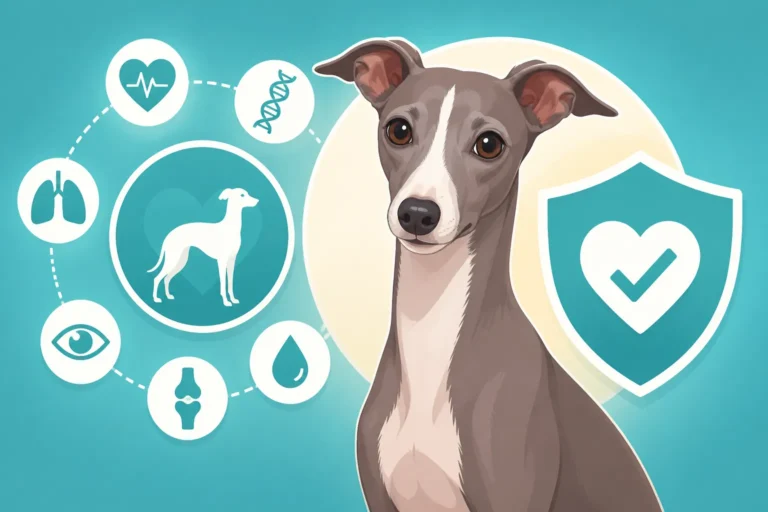
The graceful, elegant Italian Greyhound often captivates admirers with its delicate build and spirited personality. But beneath that seemingly fragile exterior, many prospective owners worry: is this truly a healthy breed, or is it destined for a life of constant vet visits and health challenges? This comprehensive guide aims to address those concerns head-on, offering a realistic look at the Italian Greyhound's health landscape and how to ensure your slender friend enjoys a long, vibrant life.
The Delicate Balance: Perception Versus Reality of Italian Greyhound Health
It's a common misconception that Italian Greyhounds are perpetually fragile, one wrong move away from a veterinary emergency. While they do have certain predispositions, it’s not as dire as some might imagine. Understanding the reality of their health means separating the myths from the genuine considerations unique to this delightful breed.
The 'Fragile' Myth and What It Really Means
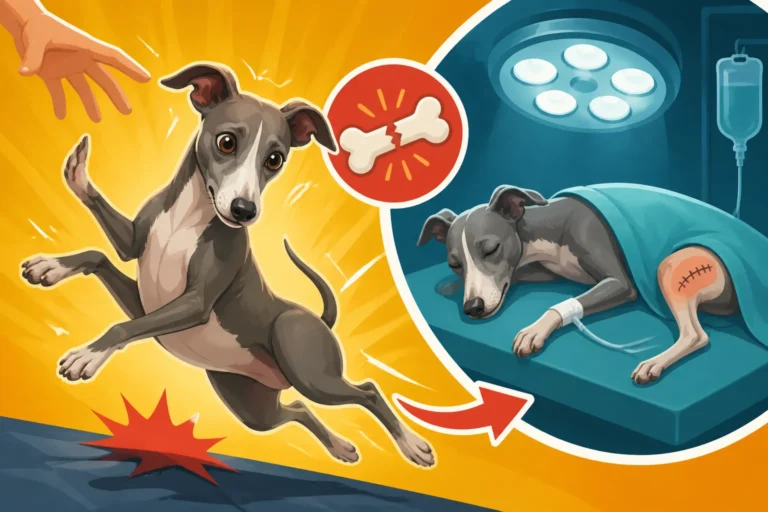
When people first encounter an Italian Greyhound, their initial thought is often, "Wow, they look so delicate!" And it's true, they possess fine bones and remarkably thin skin, which certainly contribute to this perception. Their elegant, almost ethereal build isn't just for show; it's a hallmark of the sighthound family. This delicate structure means they are indeed more susceptible to certain types of injuries than, say, a stocky Bulldog or a robust Labrador Retriever. Owners often live with a constant, nagging worry about A Broken Leg Is the Emergency Every Italian Greyhound Owner Fears, and for good reason—their long, slender legs, particularly the radius and ulna in the forearm, are notoriously prone to fractures.
However, labeling them as simply "fragile" doesn't tell the whole story. Italian Greyhounds are also incredibly athletic, agile, and surprisingly resilient. They love to run, jump, and play with an intensity that belies their delicate appearance. The key isn't that they are inherently weak, but that their specific physical characteristics require owners to be mindful and proactive in preventing accidents. Understanding their natural inclinations, like their propensity for high-speed "zoomies" and their love of leaping from furniture, is crucial for creating a safe environment and minimizing risks. It's less about them being weak and more about managing their environment to suit their unique physique.
Overall Breed Health: A Mixed Bag
Compared to many other purebred dogs, Italian Greyhounds generally enjoy a surprisingly long lifespan, often reaching into their mid-teens, and sometimes even longer. This is certainly a positive indicator of their overall health. They don't typically suffer from the widespread issues like severe hip or elbow dysplasia that plague many larger breeds, nor are they as prone to certain cancers or heart conditions that commonly affect other popular breeds. For a detailed look at their longevity, explore Why an Italian Greyhound Lives Fourteen to Fifteen Years.
However, this doesn't mean they are without their specific health challenges. Like any breed, they have a genetic blueprint that makes them predisposed to certain conditions. These aren't necessarily life-threatening in the way a severe genetic heart defect might be, but they do require consistent care, vigilance, and sometimes significant financial investment. The "mixed bag" aspect comes from balancing their general longevity and freedom from some common canine ailments with a handful of breed-specific issues that absolutely require an owner's attention. It's a trade-off: fewer of the "big" chronic diseases, but a higher likelihood of issues like dental disease and orthopedic injuries that, while manageable, can be costly and concerning.
Common Health Challenges in Italian Greyhounds
Owning an Italian Greyhound means being aware of a few key health areas that frequently require attention. These aren't necessarily guarantees, but they are common enough to warrant understanding and proactive management.
Navigating the Minefield of Bone Fractures
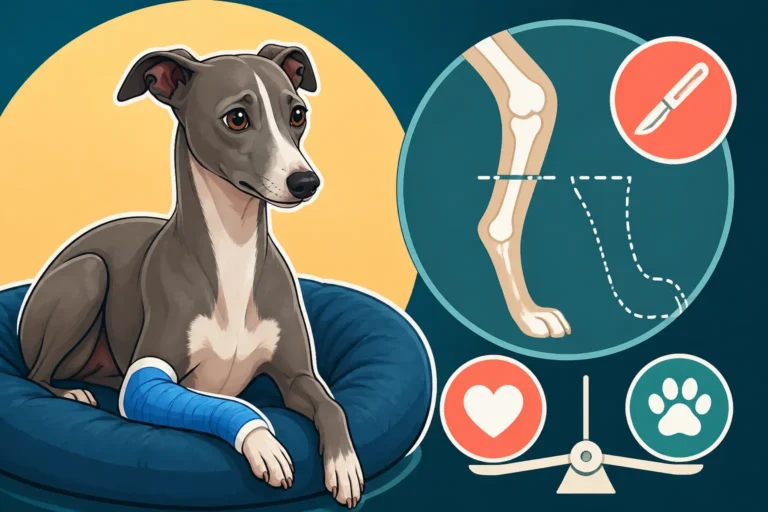
Ask any Italian Greyhound owner about their biggest fear, and a broken leg will almost certainly be at the top of the list. It's not just a cliché; it's a harsh reality that many IG owners face, often multiple times throughout their dog's life, especially during their younger, more boisterous years. The age an Italian Greyhound is most likely to experience this kind of injury is typically before two years old, when their bones are still developing and growth plates haven't fully closed. These fractures commonly occur from seemingly innocuous activities like jumping off furniture, slipping on a slick floor, or rough play.
The emotional toll of a broken leg is immense, but the financial strain can be equally devastating. Surgical repair, often involving plates and screws, can run into thousands of dollars, easily making it the biggest veterinary bill an owner will ever receive. This is precisely where having a robust pet insurance plan can be a lifesaver. Providers like Healthy Paws offer comprehensive coverage that can alleviate much of the financial stress, allowing you to focus on your dog's recovery without worrying about astronomical bills. Without insurance, some owners are unfortunately forced to make heartbreaking decisions based on cost. For a deeper dive into the financial aspect, read What Fracture Repair Costs on an Italian Greyhound. Prevention is truly the best medicine here, which means creating a safe home environment by restricting access to high furniture, using ramps, and supervising play, particularly with larger dogs.
The Ever-Present Threat of Dental Disease
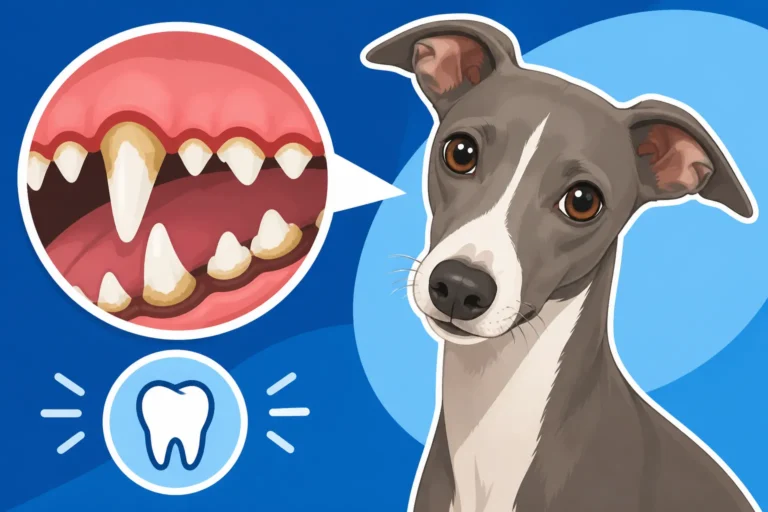
If there's one health issue that almost every Italian Greyhound owner will face, it's dental disease. It is, without a doubt, Periodontal Disease Is the Italian Greyhound's Most Common Diagnosis, and it starts early. Their charming, petite mouths are simply too crowded for their 42 adult teeth. This crowding leads to an accelerated buildup of tartar and plaque, which quickly progresses to gingivitis and then full-blown periodontal disease, causing pain, infection, and eventually tooth loss. Why an Italian Greyhound's Teeth Crowd is a direct result of their refined head structure.
The frustration is real: you might brush their teeth diligently, but still find yourself scheduling annual or even semi-annual professional dental cleanings under anesthesia. Ignoring it isn't an option, as dental disease doesn't just affect the mouth; the bacteria can travel through the bloodstream to vital organs, potentially shortening your IG's life. Regular professional cleanings, often involving extractions of severely affected teeth, are essential. This ongoing cost is another area where pet insurance, such as a plan from Healthy Paws, can significantly ease the financial burden over the lifespan of your dog, covering a substantial portion of these routine yet critical procedures. It's a lifelong commitment to their oral hygiene, but one that is absolutely vital for their overall health and comfort.
Eye Conditions and Genetic Predispositions
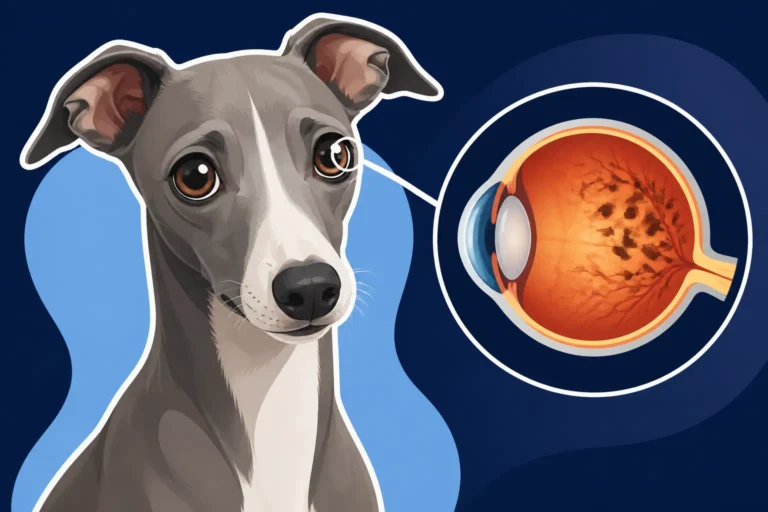
While not as common or immediately dramatic as a broken leg, certain eye conditions are a concern in Italian Greyhounds. One of the most talked-about is Progressive Retinal Atrophy (PRA), a group of genetic diseases that cause the degeneration of the retina, leading to blindness. Unfortunately, there's no cure for PRA, but responsible breeders utilize DNA testing to ensure they don't breed affected or carrier dogs together, thus reducing the incidence in future generations. Learning about The Eye Diseases an Italian Greyhound Breeder Screens For is vital for prospective owners.
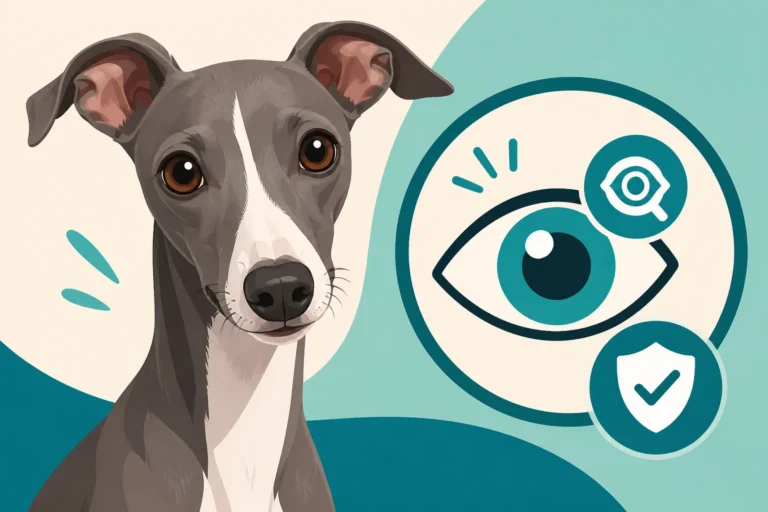
Beyond PRA, Italian Greyhounds can also be prone to cataracts, which cause clouding of the eye lens and can impair vision. These can be age-related or inherited. Less commonly, glaucoma (increased pressure within the eye) and vitreous degeneration can also occur. The good news is that many of these conditions can be screened for by a board-certified veterinary ophthalmologist. Regular eye exams, especially if there's any family history of eye issues, are a smart preventative measure. While the thought of your dog losing its sight is frightening, many Italian Greyhounds adapt remarkably well to blindness, especially if the loss is gradual, with their other senses compensating beautifully. For a deeper understanding of one specific condition, check out Progressive Retinal Atrophy in an Italian Greyhound.
Less Common but Significant Concerns
While fractures and dental issues tend to dominate the discussion around Italian Greyhound health, there are other conditions, though less prevalent, that potential and current owners should be aware of. Early detection and understanding of these issues can make a significant difference in management and outcome.
Orthopedic Issues Beyond Fractures
Beyond the dreaded leg fractures, Italian Greyhounds can sometimes face other orthopedic challenges that aren't as widely known but are equally impactful. Two notable conditions are Legg-Calve-Perthes disease and Patellar Luxation.
Legg-Calve-Perthes disease (LCP) is a condition that affects the hip joint. In essence, the blood supply to the head of the femur (the ball part of the hip joint) is interrupted, causing the bone tissue to die and ultimately deform. This leads to excruciating pain, limping, and muscle atrophy, typically showing up in young puppies between 4 to 12 months of age. It's truly heartbreaking to see a vibrant puppy suddenly struggling to walk. If your Italian Greyhound puppy starts limping and showing signs of hip pain, don't delay a vet visit. Often, the definitive treatment for LCP is a Femoral Head Ostectomy (FHO) surgery, which involves removing the diseased femoral head. While it sounds drastic, dogs can recover remarkably well, forming a "false joint" that allows them to live a pain-free life. More information can be found in Legg Calve Perthes Turns Up in an Italian Greyhound at Six Months.
Patellar Luxation, or a slipping kneecap, is another orthopedic concern. This occurs when the patella (kneecap) moves out of its normal groove in the femur. It can range in severity from mild (where the kneecap slips occasionally but usually pops back into place on its own) to severe (where it's permanently dislocated, causing significant lameness). Owners might notice their dog "skipping" a step while running, holding a leg up for a few strides before seemingly returning to normal. While many mild cases don't require surgical intervention, more severe or painful cases often do. Surgery aims to deepen the groove and tighten or loosen surrounding tissues to keep the kneecap properly aligned. Both LCP and patellar luxation can be hereditary, which emphasizes the importance of choosing a breeder who screens their breeding stock. You can learn more about this condition in Patellar Luxation in an Italian Greyhound.
Skin and Coat Challenges: Color Dilution Alopecia
Italian Greyhounds come in a stunning array of colors, and certain dilute colors, like blue (a dilute black) or fawn (a dilute red), can unfortunately be associated with a genetic condition called Color Dilution Alopecia (CDA). This isn't just about aesthetics; it's a genuine dermatological issue. CDA primarily affects blue or fawn Italian Greyhounds, where the hair follicles in these dilute color areas become abnormal, leading to brittle, sparse, or entirely absent hair growth. Typically, it starts showing up between six months and two years of age.
Owners might notice their blue Italian Greyhound developing thinning hair, particularly along the back, ears, and neck, which can progress to complete baldness in affected areas. The skin in these regions can also become dry, flaky, and prone to secondary bacterial infections due as the hair shafts are damaged, which can lead to discomfort, itching, and odor. While CDA doesn't generally cause systemic health problems, it does require careful skin care to prevent irritation and infection, often involving special shampoos, moisturizers, and sun protection. Unfortunately, there's no cure for CDA, and the hair loss is usually permanent. Responsible breeders of blue or fawn Italian Greyhounds should be aware of this condition and avoid breeding affected dogs. Further details can be found in Color Dilution Alopecia in a Blue Italian Greyhound and What Color Dilution Alopecia Does to an Italian Greyhound.
Endocrine and Neurological Conditions
While less frequent than some of the more common issues, Italian Greyhounds can also be susceptible to certain endocrine and neurological conditions. These require careful diagnosis and long-term management, often with daily medication.
Hypothyroidism, an underactive thyroid gland, is one such endocrine condition. It's not exclusive to IGs, but it can occur. The thyroid gland produces hormones that regulate metabolism, so when it's not functioning correctly, it can lead to a range of symptoms. Owners might notice their Italian Greyhound becoming lethargic, gaining weight despite no change in diet, having a dull or sparse coat, or showing signs of being unusually cold. A simple blood test can diagnose hypothyroidism, and it's typically managed with daily thyroid hormone replacement medication, which is generally inexpensive and very effective at resolving symptoms. Early diagnosis is key to maintaining a good quality of life. For more information, see Hypothyroidism in an Italian Greyhound.
Epilepsy is another condition that can affect Italian Greyhounds, though it's less common than in some other breeds. Epilepsy is a neurological disorder characterized by recurrent, unprovoked seizures. These seizures can vary widely in presentation, from subtle "absence" seizures where the dog appears to zone out, to more dramatic grand mal seizures involving full-body convulsions. The age of onset for idiopathic (primary) epilepsy, meaning there's no identifiable cause, often falls between six months and three years of age. Witnessing your dog have a seizure can be incredibly frightening for an owner. Diagnosis involves ruling out other potential causes of seizures, such as liver shunts, brain tumors, or toxins. If a diagnosis of epilepsy is made, it is often managed with daily anticonvulsant medication, which helps control the frequency and severity of seizures, allowing the dog to live a relatively normal life. It's a condition that requires careful monitoring and a close working relationship with your veterinarian. You can find out more in Epilepsy in an Italian Greyhound.
Lifespan and Quality of Life
One of the most appealing aspects of the Italian Greyhound is their impressive longevity. While managing their specific health challenges is crucial, it’s comforting to know that, with proper care, they often remain cherished companions for a significant portion of your life.
A Long Life Awaits: Average Lifespan Expectations
If you're looking for a dog that will be by your side for many years, the Italian Greyhound certainly fits the bill. On average, Italian Greyhounds live between 14 to 15 years, and it's not uncommon to hear of them living even longer, sometimes approaching 17 or 18 years! This makes them one of the longer-lived purebred dog breeds, a truly wonderful trait for those seeking a long-term companion. Factors contributing to this impressive lifespan include their relatively small size, a generally healthy genetic makeup free from many major widespread breed-specific diseases, and typically very dedicated owners who are attentive to their specific needs.
Of course, genetics play a role, but so does lifestyle. A well-nourished Italian Greyhound, kept at a healthy weight, receiving regular veterinary care, and living in a safe, loving environment is far more likely to achieve their full lifespan potential. This longevity means a greater investment of time, love, and resources, but it also means more years of joy and companionship. The possibility of having your Italian Greyhound by your side for over a decade is a testament to the breed's vitality. For a deeper look into this aspect, consider reading How Long an Italian Greyhound Lives on Average.
The Importance of Preventative Care and Early Intervention
Achieving that impressive lifespan isn't just a stroke of luck; it's the result of consistent, diligent preventative care and a proactive approach to their health. Regular veterinary check-ups are paramount. These aren't just for vaccinations; they're an opportunity for your vet to perform a thorough physical examination, catch subtle changes early, and discuss any concerns you might have. Blood work, especially as they age, can provide vital insights into organ function and metabolic health, allowing for early intervention before problems become severe.
Appropriate nutrition, tailored to their lean physique and activity level, is also critical. An overweight Italian Greyhound is not only less agile but also at a higher risk for orthopedic issues and other health problems. Daily dental care at home, coupled with professional cleanings, can prevent the cascade of problems associated with periodontal disease. Furthermore, providing a safe environment, free from hazards like slippery floors and high jumps, can significantly reduce the risk of debilitating fractures. This proactive stance, combined with a good pet insurance policy from a provider like Healthy Paws, allows owners to consistently choose the best possible care for their Italian Greyhound without the added stress of crushing financial decisions, empowering them to prioritize their dog's well-being above all else.
Anesthesia Considerations for Sighthounds
One area where Italian Greyhounds require specialized veterinary attention is anesthesia. Due to their unique physiology, administering anesthesia to a sighthound is not the same as with other breeds, and it's something every IG owner needs to be acutely aware of. Italian Greyhounds, like other sighthounds, have very little body fat. This lack of insulating fat means they can get cold very quickly under sedation, leading to hypothermia, which can complicate recovery. For this reason, vets often take extra precautions to keep them warm during procedures, using heated blankets and circulating warm water pads. For more on this, check out Why a Nine Pound Italian Greyhound Gets Cold on the Table.
Furthermore, sighthounds metabolize certain anesthetic drugs differently. Some commonly used sedatives can stay in their system longer, leading to a much slower and more prolonged recovery. This isn't necessarily dangerous if managed correctly, but it requires a veterinarian who is experienced with sighthound physiology and adjusts drug protocols accordingly. Before any procedure requiring anesthesia, it's crucial to discuss these considerations with your vet and ensure they are well-versed in sighthound-specific protocols. Never hesitate to ask about their experience with Italian Greyhounds and what measures they take to ensure a safe anesthetic experience. This critical conversation ensures your precious companion receives the safest possible care. For a deeper understanding of these specific considerations, read Why Anesthesia Is Handled Differently in an Italian Greyhound.
The Role of Responsible Breeding and Genetic Screening
While daily care and veterinary attention are paramount, the foundation of a healthy Italian Greyhound often starts long before they even arrive in your home. Responsible breeding practices are crucial in minimizing the incidence of inherited health conditions.
What to Look for in a Breeder
Choosing a responsible breeder is perhaps the single most important decision you'll make when bringing an Italian Greyhound into your life. A truly dedicated breeder isn't just selling puppies; they are stewards of the breed, committed to producing healthy, well-adjusted dogs. This commitment is reflected in their rigorous health testing protocols. You should expect a breeder to openly discuss and provide documentation for health screenings performed on both parent dogs. This includes, but isn't limited to, OFA (Orthopedic Foundation for Animals) certifications for patellar luxation, CERF (Canine Eye Registry Foundation) or OFA Eye certifications from a board-certified veterinary ophthalmologist for eye diseases like PRA and cataracts, and potentially DNA tests for conditions like PRA if those genetic markers are known in their lines.
Beyond testing, a good breeder will be knowledgeable about the health history of their lines, willing to answer all your questions thoroughly, and eager to educate you on the specific health needs of the breed. They won't have puppies available at all times and will likely have a waiting list, which is a good sign. They will also provide a health guarantee and a comprehensive contract. Be wary of breeders who offer multiple litters simultaneously, don't ask you many questions, or seem unwilling to share health clearances. Asking Which Health Tests an Italian Greyhound Breeder Should Run is a foundational step in your inquiry. Remember, a reputable breeder invests significant time and resources into ensuring the health of their puppies, and this will be reflected in the price, but it's an investment that pays dividends in a healthier, happier dog down the line. To further understand what to expect, explore What an Italian Greyhound Breeder Should Have Tested.
Understanding Genetic Risks
Understanding genetic risks is about being informed, not paranoid. Every breed, including the Italian Greyhound, carries a certain genetic blueprint that can predispose them to specific conditions. The beauty of modern veterinary science and responsible breeding is the ability to identify and, in some cases, mitigate these risks. Genetic testing allows breeders to identify carriers of certain recessive genes (like those for PRA or CDA) and make informed decisions about breeding pairs. For example, by not breeding two carriers together, they can prevent producing puppies affected by these diseases.
As a prospective owner, knowing the genetic predispositions helps you understand what to watch out for throughout your dog's life. It empowers you to discuss specific concerns with your veterinarian and enables early detection of potential issues. It also highlights the critical difference between a responsible breeder who prioritizes genetic health and one who does not. While it's impossible to guarantee a dog will never develop any health issue, engaging with breeders who actively screen and strive to reduce genetic health problems significantly increases your chances of bringing home a healthy puppy. This proactive approach to understanding and managing genetic risks is a cornerstone of responsible dog ownership for Italian Greyhounds.
| Health Condition | Common Symptoms | Typical Onset Age (Approx.) | Management/Treatment |
|---|---|---|---|
| Bone Fractures | Sudden lameness, pain, leg held up or dragging, swelling | Under 2 years (especially) | Immediate vet care, splinting/casting, often surgical repair (plates/screws), restricted activity. |
| Periodontal Disease | Bad breath, red/swollen gums, visible tartar, difficulty eating, loose teeth | Starts as early as 1-2 years | Daily tooth brushing, professional dental cleanings (under anesthesia), extractions as needed. |
| Progressive Retinal Atrophy (PRA) | Night blindness, bumping into objects in low light, dilated pupils, eventual total blindness | Mid-to-late life (can vary) | No cure; supportive care, environmental adjustments. Responsible breeding avoids affected lines via DNA testing. |
| Legg-Calve-Perthes Disease | Progressive lameness, hip pain, muscle atrophy in affected leg | 4-12 months | Pain management, exercise restriction, often Femoral Head Ostectomy (FHO) surgery. |
| Patellar Luxation | "Skipping" steps, intermittent lameness, holding leg up | Any age (often young) | Mild cases managed with exercise/weight control; severe cases often require corrective surgery. |
| Color Dilution Alopecia (CDA) | Sparse, brittle, or absent hair in dilute color areas (blue, fawn), flaky skin | 6 months – 2 years | Skin moisturizers, medicated shampoos, sun protection, antibiotics for secondary infections. No cure for hair loss. |
| Hypothyroidism | Lethargy, weight gain, dull/sparse coat, cold intolerance | Middle age | Daily thyroid hormone replacement medication. |
| Epilepsy | Seizures (ranging from subtle to full-body convulsions), drooling, disorientation | 6 months – 3 years | Daily anticonvulsant medication to control frequency and severity of seizures. |
Disclaimer
The information provided in this guide is for general informational purposes only and does not constitute veterinary advice. Always consult with a qualified veterinarian for any health concerns or before making any decisions about your pet's health or treatment.