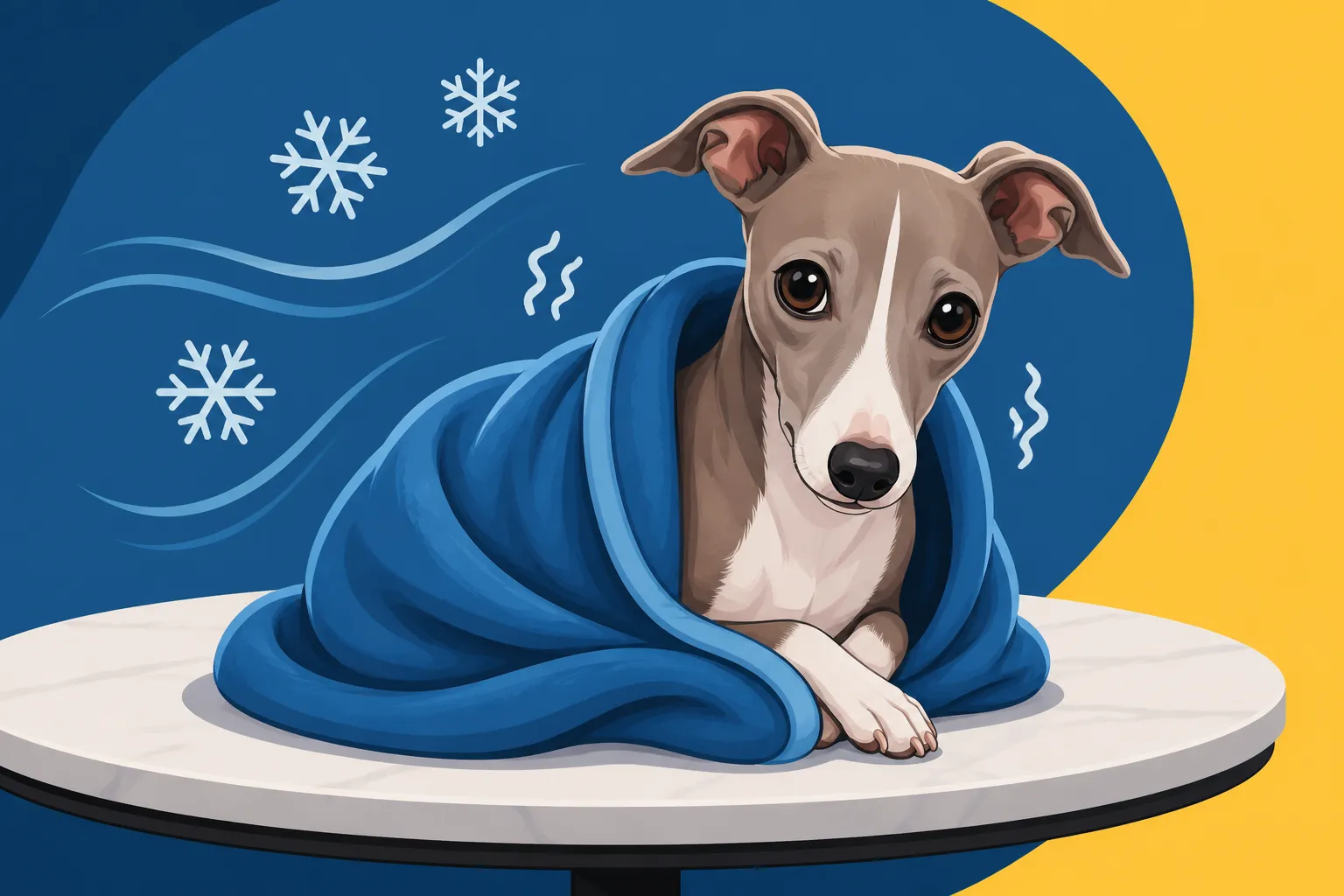
Why a Nine Pound Italian Greyhound Gets Cold on the Table
It's a scene all too familiar to Italian Greyhound parents: you're at the vet's office, your precious nine-pound companion is scheduled for a routine dental cleaning or a minor surgical procedure, and the vet tech brings them out shivering, even wrapped in a blanket. Your heart sinks. You know your Italian Greyhound feels the cold easily, but why does it seem so much worse when they're "on the table" at the clinic? This comprehensive guide will explore the unique physiological reasons why Italian Greyhounds are particularly susceptible to getting cold, especially during veterinary procedures involving anesthesia, and what you and your veterinary team can do to keep them safe and warm.
The Italian Greyhound's Unique Physiology: A Delicate Balance
Italian Greyhounds are truly one-of-a-kind. Their elegant, slender build is part of their charm, but it's also a significant factor in their inability to regulate body temperature as effectively as many other breeds. Understanding their inherent physical characteristics is the first step in appreciating why keeping them warm is a constant, year-round endeavor.
Minimal Body Fat and Thin Skin
If you've ever cuddled an Italian Greyhound, you know they feel incredibly warm, almost like a hot water bottle. That's because there's very little between your hand and their body heat. Unlike many breeds that boast a thick undercoat or ample subcutaneous fat to act as insulation, Italian Greyhounds are streamlined for speed. This means they literally carry almost no body fat, a characteristic that makes them exceptional sprinters but terrible at retaining warmth.
Think about it: a Husky has layers of fat and a dense double coat designed for Arctic temperatures. Your Italian Greyhound, with their single layer of fine, short fur and parchment-thin skin, has none of that natural protection. Their skin is so delicate it can easily tear from a minor scrape, a stark reminder of how little barrier there is between their internal organs and the outside world. This lack of natural insulation means that any external cold source, be it a chilly breeze or a cold examination table, can rapidly draw heat away from their body. This unique physiological trait means that keeping them warm isn't just about comfort; it's about their fundamental health.
High Surface Area to Volume Ratio
This might sound like a complicated scientific term, but it's actually quite simple to grasp when you look at an Italian Greyhound. Imagine pouring a hot liquid into a tall, slender vase versus a short, wide bowl. The vase, with its greater surface area relative to its volume, will cool down much faster because more of its warm liquid is exposed to the cooler air.
The same principle applies to your Italian Greyhound. Their long, slender legs, graceful neck, and deep chest create a large surface area for their relatively small body mass. This body architecture, while beautiful, is a significant disadvantage when it comes to heat retention. A compact, stocky dog like a Bulldog has a much smaller surface area to volume ratio, making it easier for them to hold onto their body heat. For an Italian Greyhound, every exposed inch of their lean frame is a potential conduit for heat loss, making them exquisitely sensitive to even slight drops in ambient temperature. This is especially true when they are at rest or lying down, as even more of their delicate frame is exposed to cooler air or surfaces.
Rapid Metabolism and Energy Consumption
Italian Greyhounds are known for their bursts of energy – those famous "zoomies" that send them tearing around the house at lightning speed. This high-energy lifestyle is powered by a very efficient, rapid metabolism. While a fast metabolism can generate heat, it's typically geared towards immediate energy output, not sustained internal warmth production to counteract external cold.
In simple terms, your IG burns through calories quickly, and if they're not actively generating heat through movement or shivering (which they often try to avoid or are too cold to do effectively), that rapid metabolism isn't necessarily working to keep them toasty. In a cold environment, their bodies have to work even harder to maintain core temperature, expending valuable energy that could be used for other vital functions. This constant metabolic demand, coupled with their poor insulation, means they are always on the edge of getting chilly, even indoors. This is one of the reasons that knowing What an Italian Greyhound Weighs and How to Tell If It Is Right is crucial, as an underweight IG will struggle even more with thermoregulation.
The Impact of Anesthesia on Body Temperature Regulation
When your Italian Greyhound goes "on the table" for a veterinary procedure, their natural physiological vulnerabilities are compounded by the effects of anesthesia. This is where the real challenge of keeping them warm begins, and why it's a critical concern for any responsible vet.
Anesthetic Agents and Thermoregulation
It's not just the cold operating room that makes your Italian Greyhound shiver under anesthesia; the drugs themselves play a major role. Anesthetic agents, such as isoflurane or propofol, directly interfere with the hypothalamus, which is the part of the brain responsible for regulating body temperature – essentially, your dog's internal thermostat.
When the hypothalamus is suppressed, the body loses its ability to respond appropriately to changes in temperature. It can no longer initiate compensatory mechanisms like shivering to generate heat or constricting blood vessels to conserve it. Imagine trying to keep your house warm when the thermostat is broken and the furnace won't turn on, no matter how cold it gets outside. That's essentially what happens to an Italian Greyhound under anesthesia. Their body temperature can drop steadily, unnoticed by their own physiological systems, unless external measures are taken. This suppression of natural thermoregulation is a primary reason Why Anesthesia Is Handled Differently in an Italian Greyhound.
Vasodilation and Heat Loss
Another critical effect of many anesthetic drugs is vasodilation, which means the blood vessels, particularly those close to the surface of the skin, widen. While this can be beneficial in some medical situations, it's detrimental for heat retention. When blood vessels dilate, more warm blood flows closer to the skin's surface.
For an Italian Greyhound, whose skin is already thin and offers minimal insulation, this vasodilation acts like a heat radiator. The warm blood quickly loses its heat to the cooler environment through the skin. This effect, combined with their large surface area to volume ratio, creates a "perfect storm" for rapid heat loss. The body's internal heat is actively shunted to the periphery where it escapes into the surrounding air, leading to a swift drop in core body temperature. It's like turning on a fan to cool down, except your dog has no control over it.
Reduced Muscle Activity and Shivering Reflex
Shivering is one of the body's most effective natural ways to generate heat. It's an involuntary muscle contraction that rapidly expends energy to produce warmth. However, anesthesia paralyzes muscles and, more importantly, suppresses this vital shivering reflex.
When your Italian Greyhound is under general anesthesia, their muscles are relaxed and inactive. They cannot shiver, even if their body temperature is plummeting. This eliminates a crucial defense mechanism against hypothermia. Without the ability to shiver, their body has no internal mechanism to counteract the heat loss caused by the anesthetic drugs and the cold environment. This makes proactive external warming absolutely essential during any procedure where they will be sedated, highlighting why it's so important to understand Whether an Italian Greyhound Gets Cold Under Sedation.
Environmental Factors: The "Cold Table" and Beyond
Beyond their inherent physiology and the effects of anesthesia, the physical environment of a veterinary clinic can exacerbate an Italian Greyhound's susceptibility to cold. The term "on the table" encapsulates many of these external factors that contribute to rapid heat loss.
Conductive Heat Loss from Cold Surfaces
Picture a typical veterinary examination or operating table: often made of stainless steel. While sterile and easy to clean, stainless steel is an excellent conductor of heat. When your Italian Greyhound's delicate, thin-skinned body comes into direct contact with such a cold surface, heat rapidly transfers from their warmer body to the cooler table. This is known as conductive heat loss.
For a tiny nine-pound Italian Greyhound, with minimal fat to insulate against the cold, this transfer of heat can be incredibly efficient and quick. Even a short time spent on a cold surface can lead to a significant drop in body temperature. This principle extends beyond the operating table; cold floors, unheated recovery cages, or even hard, cool bedding can all contribute to conductive heat loss. This is why a good clinic will always use warm blankets or heated pads, ensuring that direct contact with cold surfaces is minimized.
Convective and Evaporative Heat Loss
The air circulating in a clinic, and even moisture on the dog's coat, can also steal heat from an Italian Greyhound. Convective heat loss occurs when cooler air moves over the body's surface, carrying away heat. This can be from air conditioning vents, open doors, or simply drafts within the room. Because Italian Greyhounds lack a thick, insulating coat, these moving air currents have direct access to their skin, accelerating heat loss.
Evaporative heat loss is another silent culprit. This occurs when moisture on the skin or fur turns into a gas, taking heat with it. In a clinical setting, this can happen from:
- Alcohol or surgical scrub solutions: Used to disinfect the surgical site, these liquids evaporate quickly and draw heat away from the body.
- Respiratory tract: Every breath an Italian Greyhound exhales is warm, moist air, leading to heat and moisture loss.
- Wet fur: If your Italian Greyhound has just had a bath, or if there's any dampness on their coat, the evaporation of that water will cool them rapidly.
Combined, convection and evaporation can cause a substantial drop in core temperature, especially when other heat-loss mechanisms are also at play. This highlights why thorough drying and draft-free environments are so crucial.
Ambient Room Temperature in Clinical Settings
Veterinary operating rooms and treatment areas are often kept cooler than a typical comfortable room temperature. This isn't out of malice, but for practical reasons: it helps to maintain a sterile environment by inhibiting bacterial growth and can make staff more comfortable during long procedures while wearing surgical gowns and masks.
However, what's comfortable for a human surgeon or beneficial for sterility can be detrimental to a small, thinly-skinned Italian Greyhound under anesthesia. A room temperature of 68-70°F (20-21°C), which is perfectly fine for a person, can quickly become too cold for an anesthetized Italian Greyhound that cannot regulate its own temperature. These environments are simply not designed with a tiny, heat-sensitive sighthound in mind, making external warming measures not just a luxury, but a necessity to counteract the cold ambient air that surrounds them. This is especially important when you consider that The Room Temperature an Italian Greyhound Is Comfortable At is typically higher than most human preferences.
Monitoring and Preventing Hypothermia in a Clinical Setting
Given their extreme susceptibility, proactive measures to monitor and prevent hypothermia are absolutely critical for Italian Greyhounds undergoing any veterinary procedure involving sedation or anesthesia. A good veterinary team understands these specific needs and implements a range of warming protocols.
Pre-Anesthetic Warming Protocols
The battle against hypothermia often begins even before the anesthetic drugs are administered. Many progressive veterinary clinics employ pre-anesthetic warming protocols, recognizing that it's much easier to maintain a normal body temperature than to try and warm a hypothermic patient. These protocols can include:
- Warm blankets: Wrapping your Italian Greyhound in warm, freshly laundered blankets immediately upon arrival and during the initial pre-medication phase. These might be warmed in a specific blanket warmer.
- Heated cages: Placing them in a recovery cage equipped with a heated floor or a circulating warm air system before the procedure.
- Warm intravenous (IV) fluids: Administering IV fluids that have been warmed to body temperature. Cold IV fluids can quickly drop a small dog's core temperature.
- Bair Huggers: These are forced-air warming blankets that gently circulate warm air around the patient's body. Getting them warmed up and comfortable before the induction of anesthesia sets a positive tone for the entire procedure and helps prevent that initial, rapid drop in temperature.
Intra-Operative Monitoring and Active Warming Techniques
During the actual procedure, continuous monitoring and active warming are paramount. The veterinary team should be constantly vigilant about your Italian Greyhound's temperature.
- Temperature Monitoring: This usually involves a rectal thermometer or, for more invasive procedures, an esophageal probe, providing a constant, accurate reading of core body temperature.
- Heated Surgery Tables: Many modern surgical tables have built-in heating elements that can be adjusted to keep the patient warm from below.
- Circulating Water Blankets: These blankets contain channels through which warm water is circulated, providing constant, even warmth across the patient's body.
- Forced-Air Warming Devices (Bair Huggers): These are continued throughout the surgery, gently blowing warm air over the un-prepped parts of the dog's body.
- Heated IV Fluid Lines: Some clinics use specialized lines that warm the IV fluids as they travel from the bag to the patient, ensuring no cold fluids enter the bloodstream.
These active warming techniques are essential to counteract the effects of anesthesia and the cool operating room environment. A dedicated veterinary team understands the unique requirements of a sighthound like an Italian Greyhound and will prioritize maintaining a stable core temperature. Ensuring your vet is familiar with and implements these methods can make a huge difference in the outcome and recovery, which is where having good pet insurance like Healthy Paws can provide peace of mind regarding the cost of advanced care. This thorough approach is part of Warming an Italian Greyhound Through Surgery best practices.
Post-Operative Recovery and Continued Care
The effort to keep your Italian Greyhound warm doesn't end when the surgery does. The recovery period is just as crucial, as they are still metabolizing anesthetic drugs and may still be prone to hypothermia.
- Warm Recovery Area: Italian Greyhounds should be moved to a warm, quiet recovery area immediately after surgery. This might be a heated kennel or a cozy spot with plenty of warm blankets.
- Continued Warming: The use of warm blankets, SnuggleSafe discs, or even low-setting heating pads (always with a barrier to prevent burns) should continue until they are fully awake and their body temperature has stabilized.
- Close Monitoring: The veterinary staff should continue to monitor their temperature at regular intervals until they are fully recovered and able to maintain their own warmth.
- Slow Wake-Up: Due to their low body fat, Italian Greyhounds often metabolize anesthetic drugs more slowly, leading to a prolonged wake-up period. Keeping them warm helps their body function optimally as it processes the drugs.
A proactive and vigilant approach to warmth throughout the entire surgical process, from pre-op to full recovery, is paramount for the health and well-being of your Italian Greyhound.
Owner's Role in Keeping Your IG Warm at Home
While veterinary professionals are responsible for keeping your Italian Greyhound warm during clinic visits, your role as an owner in maintaining their comfort and health at home is continuous. Italian Greyhounds simply cannot tolerate cold the way other dogs can, and it's a daily responsibility to ensure they are adequately protected.
Essential Clothing and Cozy Bedding
If you own an Italian Greyhound, you know their wardrobe can rival a human's! Sweaters, coats, and even pajamas aren't just fashion statements; they are absolute necessities.
- Indoors: Even in a moderately warm home, many Italian Greyhounds benefit from wearing a lightweight sweater, especially during colder months or if they tend to seek out warm spots. They shiver easily, and a good sweater provides that extra layer of insulation their bodies lack. You'll quickly learn When an Italian Greyhound Needs a Sweater Indoors.
- Outdoors: For walks in cooler weather, a well-fitting coat is non-negotiable. Look for coats specifically designed for sighthounds, as their deep chests and narrow waists require a different cut than standard dog clothing. In very cold or wet conditions, multiple layers might be necessary.
- Bedding: Forget flimsy dog beds. Italian Greyhounds thrive on soft, plush, and insulating bedding. Orthopedic foam beds are excellent for protecting their delicate joints and bony prominences (like elbows), but also provide crucial insulation from cold floors. Ensure they have access to plenty of blankets – Italian Greyhounds are champion burrowers and love to create warm, cozy nests. Consider a covered bed or a "snuggle sack" that allows them to tunnel in for maximum warmth. Knowing Which Bed Protects an Italian Greyhound's Elbows is key, and coincidentally, these beds often offer superior warmth.
Managing Indoor Temperatures and Drafts
Your home environment needs to be tailored to your Italian Greyhound's unique needs, not just human comfort levels.
- Temperature Settings: While you might be comfortable at 72°F (22°C), your Italian Greyhound might appreciate it a few degrees warmer, especially if they are resting. Pay attention to their behavior: if they are curled tightly, shivering, or constantly seeking warm laps, they're telling you they're cold.
- Eliminate Drafts: Italian Greyhounds are masters at finding drafts. Seal leaky windows or doors, use draft stoppers, and consider blocking off areas with strong airflow. Even a subtle draft from under a door can chill their small bodies quickly.
- Designated Warm Spots: Provide specific warm spots for them. This could be a sunny patch on the floor, a bed near a gentle heat vent (but not directly on it to avoid overheating), or even a safe, low-wattage heated bed. Many owners find that Whether a Heated Bed Is Safe for an Italian Greyhound is a common question, and with proper precautions (low setting, always with a blanket barrier, and never unsupervised initially), they can be a fantastic comfort.
Recognizing and Responding to Signs of Cold
Learning to "read" your Italian Greyhound's subtle cues is vital. Shivering is an obvious sign, but there are others:
- Curling Up Tightly: If they are huddled in a very tight ball, tucked under blankets, it's often an attempt to conserve heat.
- Cold Extremities: Feel their ears, paws, or the tip of their tail. If they are noticeably cold, your IG is likely feeling the chill.
- Lethargy or Sluggishness: Being cold saps energy. A cold Italian Greyhound might be less active or reluctant to move.
- Seeking Warmth: Constantly trying to burrow under blankets, into your lap, or pressing against you for body heat.
- Reluctance to Go Outside: They might resist going out for potty breaks if the weather is too cold for their comfort.
If you suspect your Italian Greyhound is too cold, act quickly. Wrap them in a warm blanket, offer a warm, cozy bed, or bring them close to your body. Gradually warm them up, avoiding sudden extreme heat which can be dangerous. Your attentiveness to these details will ensure your delicate companion remains healthy and happy.
Nutritional Considerations for Maintaining Body Temperature
While clothing and environmental controls are crucial for keeping an Italian Greyhound warm, what goes into their bowl also plays an important, though often overlooked, role in their ability to maintain core body temperature. A healthy, well-fed dog is better equipped to handle temperature fluctuations.
Adequate Caloric Intake and Healthy Weight
It's a common misconception that because Italian Greyhounds are naturally lean, they need very little food. While they are indeed smaller dogs, their high metabolism and active nature mean they still require a sufficient amount of high-quality calories to fuel their bodies, generate internal heat, and maintain a healthy weight.
- Fuel for Metabolism: Calories are essentially units of energy. When their bodies metabolize food, they produce heat as a byproduct. If an Italian Greyhound isn't consuming enough calories, their body won't have the necessary fuel to generate this internal warmth efficiently.
- Avoiding Being Underweight: While lean is good, underweight is dangerous for an Italian Greyhound. An IG that is too thin will have even less body mass to insulate them and will struggle even more profoundly with cold. You should be able to feel their ribs easily, but they shouldn't be sharply protruding. Consult your vet to ensure your Italian Greyhound is at an ideal body condition score. This directly impacts how much heat their body can generate and retain. Always make sure you're providing them with How Much an Adult Italian Greyhound Eats to support their energetic needs.
Consistent Feeding Schedules and Quality Food
The type and timing of food can also subtly influence an Italian Greyhound's ability to stay warm.
- Steady Energy Source: Consistent feeding schedules, typically twice a day for adult IGs, provide a steady stream of nutrients and energy throughout the day. This avoids long periods where their body might be running low on fuel, which could impact their metabolic heat production.
- Nutrient-Dense Diet: Feeding a high-quality, easily digestible diet ensures that your Italian Greyhound is absorbing all the necessary nutrients efficiently. A diet rich in appropriate fats and proteins provides concentrated energy, which is essential for maintaining a robust metabolism and, consequently, better thermoregulation. Avoid filler-heavy foods that offer little nutritional value.
Hydration for Optimal Body Function
While water doesn't directly contribute to body heat, proper hydration is absolutely fundamental for every single metabolic process in the body, including those involved in thermoregulation.
- Cellular Function: Water is essential for all cellular functions. A dehydrated body cannot function optimally, and this includes its ability to generate and regulate heat.
- Circulatory System: Adequate hydration helps maintain blood volume and efficient circulation. A robust circulatory system is vital for distributing warmth throughout the body, ensuring that heat generated metabolically reaches all tissues.
- Electrolyte Balance: Water helps maintain electrolyte balance, which is critical for nerve and muscle function. Any disruption here can indirectly affect the body's overall ability to respond to and manage temperature changes.
Ensuring your Italian Greyhound always has access to fresh, clean water is a simple yet crucial part of their overall health and their ability to stay warm. A healthy diet, coupled with proper hydration, supports their delicate physiology, allowing them to better cope with their natural susceptibility to cold.
The Link Between Hypothermia and Anesthesia Complications
When an Italian Greyhound gets too cold "on the table," it's more than just an uncomfortable experience; severe hypothermia during and after anesthesia can lead to a cascade of serious medical complications, some of which can be life-threatening. This is why vigilance in warming protocols is so critical.
Prolonged Recovery and Drug Metabolism
One of the most immediate and noticeable effects of hypothermia during anesthesia is a significantly prolonged recovery period. When an Italian Greyhound's body temperature drops, their metabolic rate slows down dramatically. This directly impacts how quickly their liver and kidneys can process and eliminate anesthetic drugs from their system.
- Slower Drug Elimination: The drugs linger in their body for much longer, meaning it takes more time for them to wake up, become alert, and regain full coordination.
- Increased Stress: A prolonged, sluggish wake-up can be very disorienting and stressful for the dog, potentially leading to anxiety or even prolonged disorientation.
- Higher Risk of Aspiration: During the extended recovery phase, especially if they are still groggy, there's a higher risk of aspiration (inhaling vomit), which can lead to serious pneumonia.
The slower their body metabolizes the drugs, the longer they remain sedated, and the longer they are at risk for other post-operative complications. This is why maintaining normothermia (normal body temperature) is a primary goal during and after surgery.
Increased Risk of Infection and Surgical Site Complications
Hypothermia doesn't just make an Italian Greyhound groggy; it directly impairs their immune system and affects wound healing.
- Compromised Immune Function: A cold body diverts blood flow away from the skin and towards core organs, reducing oxygen and nutrient delivery to peripheral tissues. This can weaken the immune response, making the surgical site more susceptible to bacterial infection.
- Delayed Wound Healing: Reduced blood flow and oxygen to the wound area, coupled with impaired immune function, can significantly delay the healing process. This means a longer recovery time and potentially a higher chance of surgical site dehiscence (where the wound opens up).
- Increased Blood Loss: Hypothermia can also affect blood coagulation, making blood vessels more fragile and increasing the risk of bleeding during surgery. This can make the procedure more complicated and require additional interventions.
All these factors underscore why a seemingly simple issue like getting cold can have such far-reaching and dangerous consequences for a delicate breed like an Italian Greyhound.
Cardiovascular Stress and Coagulation Issues
Severe hypothermia puts tremendous strain on an Italian Greyhound's cardiovascular system, which can be particularly concerning for older IGs or those with underlying heart conditions.
- Heart Rate and Rhythm Disturbances: A significant drop in body temperature can cause the heart rate to slow down (bradycardia) and can even lead to dangerous cardiac arrhythmias (irregular heartbeats). This puts the heart under immense stress, especially if it's already compromised.
- Blood Pressure Fluctuations: Hypothermia can also lead to changes in blood pressure, making it difficult for the body to maintain adequate perfusion (blood flow) to vital organs.
- Coagulation Problems: As mentioned, cold can interfere with the body's blood clotting mechanisms, increasing the risk of excessive bleeding during surgery and making it harder to control.
These cardiovascular complications can be life-threatening and require immediate intervention. Therefore, preventing hypothermia in your Italian Greyhound during any anesthetic procedure is not just about comfort; it's a critical component of ensuring their safety, a smooth recovery, and minimizing the risk of serious post-operative issues. When unexpected complications arise, knowing you have comprehensive coverage from a provider like Healthy Paws can truly alleviate some of the financial burden and allow you to focus on your pet's recovery. This is why Bloodwork Before an Italian Greyhound's Anesthesia is so important, as it helps vets assess overall health before the procedure.
Comparing Heat Loss Mechanisms and Prevention Strategies
Understanding the various ways Italian Greyhounds lose heat and the specific strategies employed to combat them can help you advocate for your pet's best care.
Mechanism of Heat Loss Description How it Affects Italian Greyhounds (IGs) Clinical Solutions (Vet's Role) ## Unveiling the Enigma: Why Your Italian Greyhound Gets Chilly on the Vet's Table
It's a scenario that every Italian Greyhound parent has likely experienced: your delicate, beloved companion is off to the vet for a routine check-up, a dental cleaning, or perhaps a minor surgical procedure. When they're brought out from recovery, wrapped in blankets, they might still be shivering, their small body struggling to retain warmth. It's a truly heartbreaking sight, and it leaves many of us wondering, "Why does my Italian Greyhound get so cold, especially on the vet's table?" It's not just a quirk; it's a complex interplay of their unique physiology, the effects of anesthesia, and the clinical environment. This guide will delve deep into these factors, offering comprehensive insights into why your Italian Greyhound struggles with cold and what can be done to keep them safe, warm, and comfortable.
The Intrinsic Vulnerability of the Italian Greyhound Build
The Italian Greyhound's svelte, elegant physique is a hallmark of the breed, a testament to centuries of selective breeding for grace and speed. However, this very beauty is also the source of their profound sensitivity to cold. Their body is simply not equipped with the natural insulation found in many other dog breeds.
The Minimalist Approach: Little Body Fat and Paper-Thin Skin
If you've ever gently stroked your Italian Greyhound, you'll have noticed how close their skin feels to their skeletal structure. There's almost no padding. This isn't an accident; Italian Greyhounds were specifically bred for their lithe, athletic frame, designed for bursts of speed and agility. This means they naturally carry very little subcutaneous fat, which in most animals, acts as a crucial layer of insulation beneath the skin. Think of it like the insulation in your house walls – without it, heat escapes rapidly.
Their fur, a single, fine layer, offers minimal protection compared to a dog with a dense double coat. The skin itself is famously delicate, often described as "paper-thin." This lack of protective fat and thick fur means that there's very little barrier between your Italian Greyhound's internal warmth and the outside environment. Every cool breeze, every cold surface, can quickly draw heat away from their core. This is a fundamental reason Why an Italian Greyhound Carries Almost No Body Fat and how it impacts their ability to stay warm. Their bodies are essentially natural heat radiators, efficient at shedding warmth rather than retaining it.
The "Vase" Effect: High Surface Area to Volume Ratio
To understand this concept, imagine a small glass of hot water versus a large, insulated thermos of hot water. The small glass, having a large amount of its warm surface exposed to the cooler air relative to its total volume, will cool down very quickly. The thermos, with less exposed surface area for its volume, will retain heat much longer.
Your Italian Greyhound's body embodies the "small glass" effect perfectly. Their long, slender legs, extended neck, and deep but narrow chest create a significantly larger surface area relative to their small body mass. This elegant, elongated conformation, while aesthetically pleasing, means that more of their body is constantly exposed to the ambient temperature. Heat can dissipate rapidly from these exposed surfaces. In contrast, a more compact, stocky dog breed (like a Pug) has a smaller surface area to volume ratio, making it inherently better at conserving body heat. For an Italian Greyhound, this physical design is a constant challenge in cold conditions, turning every chilly moment into a battle to maintain their core temperature.
The Engine Room: Rapid Metabolism vs. Sustained Warmth
Italian Greyhounds are often described as having a high metabolism, which is true. They are energetic little rockets capable of incredible bursts of speed, and this requires a fast-burning internal engine. Metabolism does produce heat as a byproduct of converting food into energy. However, for Italian Greyhounds, this rapid metabolism is often geared towards quick energy deployment (like during their famous "zoomies") rather than sustained, continuous heat generation for insulation purposes.
When they are at rest, or not actively expending energy, their metabolic heat production might not be enough to counteract the significant heat loss occurring due to their lack of fat, thin skin, and high surface area. In a cold environment, their bodies must work even harder, burning through calories at an accelerated rate just to maintain a stable core temperature. This constant demand for metabolic energy, combined with their poor heat retention, means they're always in a delicate balance. If external warming isn't provided, their internal engine can struggle to keep up, leading to a rapid drop in body temperature. Ensuring How Much an Adult Italian Greyhound Eats is therefore important for providing the fuel for this metabolic engine.
Anesthesia's Double-Edged Sword: Suppressing Natural Warmth
The clinical environment introduces a potent factor that exacerbates an Italian Greyhound's natural tendency to get cold: anesthesia. While essential for pain-free procedures, anesthetic agents profoundly disrupt the body's natural ability to regulate its own temperature.
The Hypothalamic Override: Anesthetics and Thermoregulation
When your Italian Greyhound is given anesthetic drugs, such as isoflurane (a common inhalant anesthetic) or propofol (an intravenous induction agent), these medications don't just put them to sleep; they directly interfere with the hypothalamus in the brain. The hypothalamus is the body's central thermostat, responsible for sensing temperature changes and initiating responses like shivering or panting to maintain a stable internal temperature.
Anesthetic agents essentially "turn down" or even temporarily "switch off" this thermostat. The body loses its ability to recognize that it's getting cold and, consequently, cannot activate its natural warming mechanisms. It's like your house's heating system suddenly becoming unresponsive, no matter how much the temperature drops outside. This suppression of the body's innate thermoregulatory system means that any heat loss becomes unchecked, leading to a steady and often rapid decline in core body temperature. This is a primary reason Why Anesthesia Is Handled Differently in an Italian Greyhound, requiring specific warming protocols.
The Blood Vessel Dilemma: Vasodilation and Heat Release
Another significant physiological effect of many anesthetic drugs is vasodilation. This is the widening of blood vessels, particularly those close to the skin's surface. While vasodilation can sometimes be medically beneficial, it's a major contributor to heat loss in an anesthetized Italian Greyhound.
When blood vessels dilate, more warm blood flows to the skin's surface. Given the Italian Greyhound's paper-thin skin and lack of insulating fat, this warm blood rapidly loses its heat to the cooler ambient environment. Their body essentially becomes an even more efficient radiator, actively dissipating heat. This process, combined with the compromised hypothalamic function, creates a vicious cycle: the body can't sense it's losing heat, and the drugs actively promote that heat loss. The result is a swift and substantial drop in core body temperature, making robust external warming absolutely critical. This effect is especially pronounced for a breed already prone to cold, explaining Whether an Italian Greyhound Gets Cold Under Sedation so easily.
The Shivering Shutdown: Loss of Muscle Activity
Shivering is an involuntary muscular response designed to generate heat. When the body gets cold, muscles rapidly contract and relax, burning energy and producing warmth. It's a crucial defense mechanism against hypothermia. However, a key effect of general anesthesia is muscle relaxation and the suppression of these involuntary reflexes.
Under anesthesia, your Italian Greyhound's muscles are completely relaxed. They cannot shiver, even if their core body temperature is plummeting. This eliminates one of the most effective natural ways their body has to combat cold. Without the ability to shiver, there's no internal mechanism to counteract the heat loss caused by vasodilation, environmental factors, and the direct effects of the anesthetic drugs. This loss of the shivering reflex highlights why active, external warming is not just a comfort measure, but a life-saving intervention for an Italian Greyhound during any procedure requiring anesthesia.
The "Cold Table" and Beyond: Environmental Challenges
Beyond the inherent physiology and the effects of medication, the physical environment of a veterinary clinic itself presents a range of challenges for keeping an Italian Greyhound warm. The very design of these spaces, while practical for medical purposes, can be detrimental to a small, heat-sensitive dog.
Conductive Heat Robbery: The Impact of Cold Surfaces
Imagine lying on a cold stone floor in the middle of winter. You'd quickly feel the chill seeping into your bones. The same principle, known as conductive heat loss, is at play when an Italian Greyhound is placed on a cold surface. Veterinary examination and operating tables are frequently made of stainless steel. While sterile and easy to clean, stainless steel is an excellent conductor of heat.
When your Italian Greyhound's delicate, warm body comes into direct contact with a cooler steel surface, their body heat rapidly transfers to the table. For a tiny nine-pound dog with virtually no insulating fat, this heat transfer is incredibly efficient and quick. Even a short period on a cold table, without any barrier or warming, can lead to a significant drop in core body temperature. This conductive heat loss also extends to cold floors, unheated recovery cages, or even hard plastic carriers. Good clinics recognize this and prioritize using heated tables, thick padding, or warm blankets to minimize this direct transfer of precious body heat.
The Silent Drain: Convective and Evaporative Heat Loss
Beyond direct contact, the air moving around an Italian Greyhound, and any moisture on their skin, can also actively steal heat.
- Convective Heat Loss: This occurs when cooler air currents move across the body's surface, carrying heat away. In a veterinary clinic, this can come from air conditioning vents, drafts from doors opening and closing, or simply the general airflow in a room. Because Italian Greyhounds lack a thick, insulating coat, these moving air currents have direct access to their thin skin, accelerating the rate of heat loss significantly.
- Evaporative Heat Loss: This is a subtle but powerful mechanism where heat is lost as liquid turns into gas. In a clinical setting, several factors contribute:
- Surgical Prep Solutions: Alcohol or other antiseptic solutions used to clean the surgical site evaporate quickly from the skin, taking a considerable amount of heat with them.
- Respiration: Every breath an Italian Greyhound exhales is warm and moist. As this warm, moist air leaves their body, it carries heat and water vapor, contributing to internal heat loss.
- Damp Fur: If a dog is damp from a bath, cleaning, or even just body fluids, the evaporation of this moisture will cause a cooling effect.
Combined, convection and evaporation can cause a substantial drop in core temperature, especially when other heat-loss mechanisms are already active. This is why thorough drying and ensuring a draft-free environment are critical during and after procedures.
The Operating Room Chill: Ambient Room Temperature
While human comfort often dictates the temperature in many environments, veterinary operating rooms and treatment areas are frequently kept cooler than what might be considered comfortable for a person, let alone a heat-sensitive Italian Greyhound. This is often for practical and safety reasons:
- Sterility: Cooler temperatures can help to inhibit bacterial growth, maintaining a more sterile environment.
- Staff Comfort: Veterinary staff, particularly surgeons, are often wearing multiple layers of gowns, masks, and gloves, and a cooler room helps prevent them from overheating during strenuous or lengthy procedures.
However, a room temperature that might be fine for a human (e.g., 68-70°F or 20-21°C) can be dangerously cold for a small, anesthetized Italian Greyhound who cannot regulate their own temperature. These environments are simply not designed to cater to the unique needs of a tiny sighthound. This makes the implementation of proactive, external warming measures not merely a kindness, but a critical medical necessity to counteract the cold ambient air that relentlessly surrounds them. This is an important consideration for owners to understand, as The Room Temperature an Italian Greyhound Is Comfortable At is likely higher than what they experience in many clinical settings.
Guarding Against the Chill: Clinical Prevention Strategies
Recognizing the extreme susceptibility of Italian Greyhounds to hypothermia, responsible veterinary teams employ a range of sophisticated strategies to monitor and prevent dangerous drops in body temperature. These protocols are crucial for ensuring the safety and successful recovery of your delicate companion.
Pre-Anesthetic Warming: Setting the Stage for Success
The battle against hypothermia begins long before the first dose of anesthetic is administered. Proactive pre-anesthetic warming significantly improves outcomes by starting the procedure with the patient already at a stable, warm temperature. It’s far easier to maintain warmth than to try and reheat a cold patient.
- Warm Blankets: Upon arrival, Italian Greyhounds should be immediately wrapped in warm, freshly laundered blankets, often heated in a special blanket warmer. This provides immediate comfort and begins to conserve body heat.
- Heated Cages: Placing the Italian Greyhound in a recovery cage equipped with a heated floor, warm air circulation, or a heated mat (with appropriate layering to prevent burns) during the pre-medication phase helps to gradually warm them and prevent an initial chill.
- Warmed IV Fluids: Administering intravenous fluids that have been warmed to body temperature is crucial. Cold IV fluids can rapidly decrease the core temperature of a small patient, especially given their low body mass.
- Forced-Air Warming Devices (Bair Huggers): These devices, which gently blow warm air over the patient, can be used even before anesthesia induction to pre-warm the dog and ensure they enter the procedure as warm as possible. This proactive approach helps to mitigate that initial, rapid drop in temperature that often occurs after anesthetic induction.
Intra-Operative Vigilance: Monitoring and Active Warming Techniques
During the actual surgical or dental procedure, continuous vigilance and active warming measures are paramount. The veterinary team should be meticulously monitoring your Italian Greyhound's temperature and providing constant warmth.
- Continuous Temperature Monitoring: This typically involves placing a rectal thermometer or, for more complex procedures, an esophageal probe that provides a constant, accurate reading of the patient's core body temperature. This allows the team to react immediately to any drops.
- Heated Surgery Tables: Many modern surgical tables come equipped with built-in heating elements that can be precisely adjusted to maintain a warm contact surface, preventing conductive heat loss.
- Circulating Water Blankets: These specialized blankets contain channels through which warm water is circulated, providing constant and even warmth across the patient's body. They are placed directly under or over the patient.
- Forced-Air Warming Devices (Bair Huggers): These are often continued throughout the surgery, gently blowing warm air over any exposed parts of the dog's body, preventing convective heat loss.
- Heated Fluid Lines: Some clinics utilize specialized lines that warm the IV fluids as they travel from the bag to the patient, ensuring only body-temperature fluids enter the bloodstream.
These multi-pronged active warming techniques are essential to counteract the combined effects of anesthesia, the cool operating room environment, and the Italian Greyhound's inherent vulnerability. A dedicated veterinary team understands the unique requirements of a sighthound and will prioritize maintaining a stable core temperature, which is why Warming an Italian Greyhound Through Surgery is so critical for their well-being.
Post-Operative Care: Sustained Warmth for Recovery
The effort to keep your Italian Greyhound warm does not end when the procedure is over. The recovery period is just as critical, as they are still metabolizing anesthetic drugs and remain susceptible to hypothermia.
- Warm Recovery Environment: Italian Greyhounds should be moved immediately to a warm, quiet recovery area. This might be a heated kennel, a cozy space with a warm floor, or a bed piled high with warm, dry blankets.
- Continued Warming Measures: The use of warm blankets, SnuggleSafe discs (microwaveable warming pads), or low-setting heating pads (always with a thick towel barrier to prevent burns) should continue until they are fully awake, alert, and their body temperature has completely stabilized.
- Close Monitoring: Veterinary staff should continue to monitor their temperature at regular intervals, often every 15-30 minutes, until they are fully recovered and reliably able to maintain their own warmth.
- Slow Recovery from Anesthesia: Due to their low body fat and unique metabolism, Italian Greyhounds can metabolize anesthetic drugs more slowly, leading to a prolonged and sometimes groggy wake-up period. Keeping them warm supports their body's ability to process these drugs more efficiently, contributing to a smoother and faster return to consciousness. Having pet insurance like Healthy Paws can be incredibly beneficial here, as complications or extended recovery care due to hypothermia can sometimes lead to unexpected vet bills.
Your Essential Role: Keeping Your Italian Greyhound Warm at Home
While veterinary care focuses on critical moments, your daily actions at home are equally vital in protecting your Italian Greyhound from the cold. Their inherent vulnerability means that warmth isn't just about comfort; it's a fundamental aspect of their ongoing health and well-being, demanding year-round attention.
The Non-Negotiable Wardrobe and Cozy Retreats
For an Italian Greyhound, clothing isn't a luxury; it's a necessity. Their delicate bodies require external layers to compensate for their lack of natural insulation.
- Indoor Attire: Even in a seemingly warm home, many Italian Greyhounds benefit from wearing a lightweight sweater, particularly during cooler months or if your home has drafts. They are prone to shivering even when you feel comfortable, and a sweater provides that crucial extra layer. You'll quickly learn to recognize When an Italian Greyhound Needs a Sweater Indoors by their behavior.
- Outdoor Gear: For any outdoor excursion in cool or cold weather, a well-fitting, insulated coat is non-negotiable. Look for coats specifically tailored for sighthound breeds, which accommodate their deep chests and slender waists better than generic dog apparel. In very cold or wet conditions, consider layering a lighter sweater under a waterproof coat, or even adding boots to protect their delicate paws from ice and salt.
- Superior Bedding: Generic dog beds often fall short for Italian Greyhounds. Invest in orthopedic foam beds which offer vital support for their bony joints and provide excellent insulation from cold floors. Crucially, Italian Greyhounds are champion burrowers. Provide an abundance of soft, plush blankets – fleece is often a favorite – so they can create deep, warm nests to snuggle into. A "snuggle sack" or cave bed can also be a fantastic option, appealing to their instinct to burrow for warmth.
Curating a Warm Home Environment and Banishishing Drafts
Your home needs to be a haven of warmth for your Italian Greyhound, carefully managed to counteract their cold sensitivity.
- Temperature Control: While your comfort setting might be 72°F (22°C), your Italian Greyhound may prefer it a few degrees warmer, especially when resting or sleeping. Observe their behavior closely: persistent shivering, curling into a tight ball, or constantly seeking your lap for warmth are all clear indicators that they're feeling cold.
- Eliminate Drafts: Italian Greyhounds have an uncanny ability to find the tiniest drafts. Seal leaky windows and doors, use draft stoppers, and consider strategically closing vents in unused rooms. Even a subtle draft from under an interior door can quickly chill their small, unprotected bodies.
- Designated Warm Zones: Create specific, inviting warm spots for them. This could be a bed in a sunny patch (be mindful of overheating), a spot near a gentle heat vent (ensure they can't lie directly on it), or a safe, low-wattage heated pet bed. Many owners ponder Whether a Heated Bed Is Safe for an Italian Greyhound; with careful selection (thermostatically controlled, low setting) and always using a blanket barrier, they can be a cherished comfort, especially for older IGs who are particularly susceptible, as discussed in Why an Old Italian Greyhound Feels the Cold More.
Deciphering the Cues: Recognizing and Responding to Cold
Learning to interpret your Italian Greyhound's subtle signals is paramount. Shivering is the most obvious sign, but there are others that indicate they're feeling the chill:
- Tight Curling: Huddling into an unusually tight ball, tucking paws and tail, is a classic heat-conserving posture.
- Cold Extremities: Gently feel their ears, paws, or the tip of their tail. If they are noticeably cold to the touch, your IG is likely too cold overall.
- Lethargy and Reluctance to Move: Cold saps energy. A chilled Italian Greyhound might be less active, sluggish, or hesitant to leave their warm spot.
- Persistent Seeking of Warmth: Constantly trying to burrow under blankets, climb into your lap, or press tightly against your body for heat are clear distress signals.
- Resistance to Outdoors: If they suddenly become reluctant to go outside for potty breaks, especially in mild weather, it might be that the temperature is simply too uncomfortable for their delicate bodies.
If you suspect your Italian Greyhound is too cold, intervene promptly. Wrap them immediately in a warm blanket, offer a heated bed, or bring them close to your body for direct warmth. Always warm them gradually, avoiding sudden exposure to extreme heat, which can be dangerous. Your attentiveness and proactive approach to managing their environment will ensure your Italian Greyhound remains healthy, comfortable, and truly thrives.
The Role of Nutrition in Sustaining Core Warmth
While we often focus on external layers and heated environments, the fuel your Italian Greyhound consumes also plays a vital, albeit indirect, role in their ability to generate and maintain body heat. A well-nourished body is always better equipped to handle thermal challenges.
Fueling the Furnace: Adequate Caloric Intake and Healthy Weight
Calories are simply units of energy, and your Italian Greyhound's body needs this energy to power all its metabolic processes, including the generation of heat. While IGs are naturally slender, it's crucial they receive enough high-quality calories to support their high metabolism and active lifestyle, without becoming underweight.
- Metabolic Heat Production: When your Italian Greyhound's body metabolizes food, heat is a natural byproduct. If they aren't consuming enough calories, their internal furnace won't have the necessary fuel to generate sufficient warmth, making them even more susceptible to external cold.
- Avoiding "Too Thin": There's a fine line between a healthy, lean Italian Greyhound and one that is underweight. An IG that is too thin will have even less body mass and minimal fat reserves to provide any insulation or metabolic buffer against the cold. You should be able to easily feel their ribs, but they shouldn't be visibly protruding or sharp. Regular veterinary checks can confirm they are at an ideal body condition score. This is particularly important for managing What an Italian Greyhound Weighs and How to Tell If It Is Right.
Sustained Energy Release: Consistent Feeding and Quality Diet
The type and timing of food can influence how effectively your Italian Greyhound maintains their warmth.
- Steady Energy Supply: Consistent feeding schedules, typically two meals a day for adults, ensure a steady and reliable supply of nutrients and energy. This prevents long periods where their body might be running low on fuel, which could compromise their ability to produce metabolic heat.
- Nutrient-Dense Food: Opt for a high-quality, easily digestible diet. Foods rich in appropriate proteins and healthy fats provide concentrated energy and essential nutrients that support a robust metabolism. A healthy, efficient metabolism is key to generating consistent internal warmth. Avoid foods with excessive fillers or poor-quality ingredients that offer little nutritional value and can lead to inefficient energy conversion.
The Unsung Hero: Hydration for Optimal Function
While water doesn't directly provide heat, proper hydration is absolutely fundamental for every single metabolic and physiological process in your Italian Greyhound's body, including those involved in thermoregulation.
- Cellular Efficiency: Water is essential for every cell to function correctly. A dehydrated body simply cannot perform at its best, and this includes its ability to generate and regulate heat effectively.
- Circulatory Health: Adequate hydration maintains blood volume, which is crucial for efficient circulation. A strong, healthy circulatory system is vital for distributing the warmth generated metabolically throughout the entire body, ensuring that all tissues receive enough heat to function optimally.
- Electrolyte Balance: Water helps maintain the body's electrolyte balance, which is critical for nerve and muscle function. Any imbalance can indirectly impair the body's overall ability to perceive and respond to temperature changes.
Always ensure your Italian Greyhound has constant access to fresh, clean water. A balanced, high-quality diet coupled with excellent hydration supports their delicate physiology, allowing them to better cope with their natural susceptibility to cold and empowering their bodies to contribute to their own warmth.
Beyond the Shivers: Hypothermia's Serious Complications
When an Italian Greyhound experiences significant hypothermia during an anesthetic procedure, it's far more than just uncomfortable; it can lead to a cascade of serious medical complications that affect every bodily system, some of which can be life-threatening. This understanding underscores why preventative warming is not just good practice, but a critical component of patient safety.
The Dragged-Out Awakening: Prolonged Recovery and Drug Metabolism
One of the most common and concerning effects of hypothermia during anesthesia is a significantly prolonged recovery period. When an Italian Greyhound's core body temperature drops, their entire metabolic rate slows down dramatically. This directly impacts how efficiently their liver and kidneys, the primary organs responsible for detoxification, can process and eliminate anesthetic drugs from their system.
- Extended Drug Action: The anesthetic agents linger in the body for much longer, meaning it takes a considerably greater amount of time for the Italian Greyhound to fully wake up, regain consciousness, become alert, and recover their full motor coordination. This extended state of grogginess can be disorienting and distressing for the dog.
- Increased Risk of Aspiration: During a prolonged and sluggish recovery, especially if the dog is still nauseous or uncoordinated, there is a heightened risk of aspiration pneumonia – inhaling vomit or saliva into the lungs – which can be a severe, life-threatening complication.
- Stress on the System: A drawn-out recovery puts additional stress on an already compromised system, potentially leading to anxiety, prolonged disorientation, and a slower overall return to normal function.
The slower their body metabolizes and eliminates the drugs, the longer they remain sedated, and the longer they are vulnerable to other post-operative complications. This is why maintaining normothermia (normal body temperature) is not just a comfort measure, but a primary medical goal during and after any anesthetic event.
Weakened Defenses: Increased Risk of Infection and Surgical Site Issues
Hypothermia doesn't just affect drug metabolism; it significantly impairs the immune system and compromises the body's ability to heal, making an Italian Greyhound much more vulnerable to complications at the surgical site.
- Compromised Immune Function: A cold body responds to infection less effectively. Hypothermia causes vasoconstriction (narrowing of blood vessels) in the periphery, diverting blood flow away from the skin and towards core organs. This reduces the delivery of oxygen, nutrients, and crucial immune cells to the surgical site, weakening the body's local defenses against bacterial contamination.
- Delayed Wound Healing: Reduced blood flow and oxygen to the wound area, coupled with impaired immune function, can significantly delay the healing process. This means longer recovery times, increased discomfort, and a higher risk of surgical site infections or even dehiscence (where the wound edges separate).
- Increased Blood Loss: Hypothermia can also interfere with the complex cascade of blood clotting. It can make blood vessels more fragile and impair the function of platelets and clotting factors, leading to an increased risk of excessive bleeding during surgery, which can complicate the procedure and potentially require additional interventions.
All these factors underscore why a seemingly simple issue like getting cold can have such far-reaching and dangerous consequences for a delicate and vulnerable breed like an Italian Greyhound.
Cardiovascular Strain and Coagulation Cascade Disruptions
Perhaps one of the most critical and potentially life-threatening complications of severe hypothermia is the immense strain it places on the Italian Greyhound's cardiovascular system. This is particularly dangerous for older Italian Greyhounds or those with pre-existing heart conditions.
- Heart Rate and Rhythm Disturbances: A significant drop in body temperature can cause a dangerous slowing of the heart rate (bradycardia) and can even lead to severe cardiac arrhythmias (irregular heartbeats), including ventricular fibrillation, which can be fatal. This puts the heart under immense stress, especially if its function is already compromised.
- Blood Pressure Fluctuations: Hypothermia can also lead to unpredictable fluctuations in blood pressure. Both dangerously low (hypotension) and dangerously high (hypertension) blood pressure can occur, making it difficult for the body to maintain adequate blood flow (perfusion) to vital organs like the brain, kidneys, and heart itself.
- Disrupted Coagulation: As previously mentioned, cold can directly interfere with the intricate cascade of blood clotting. This means that if bleeding occurs during surgery, the body's ability to form clots and stop the bleeding is impaired, increasing the risk of significant blood loss.
These cardiovascular complications can be devastating and require immediate, aggressive intervention. Therefore, understanding and actively preventing hypothermia in your Italian Greyhound during any anesthetic procedure is not just about ensuring their comfort; it is a fundamental aspect of safeguarding their life, promoting a smooth recovery, and minimizing the risk of severe post-operative medical crises. This is a situation where having robust pet insurance coverage, like that offered by Healthy Paws, can provide significant peace of mind, knowing that if such complications arise, the financial burden of advanced, potentially life-saving care can be managed.
Disclaimer
Always consult with a qualified veterinarian regarding your Italian Greyhound's health and specific medical needs. This article provides general information and should not be considered a substitute for professional veterinary advice, diagnosis, or treatment. If you have concerns about your Italian Greyhound's temperature, especially during or after a veterinary procedure, contact your veterinarian immediately.