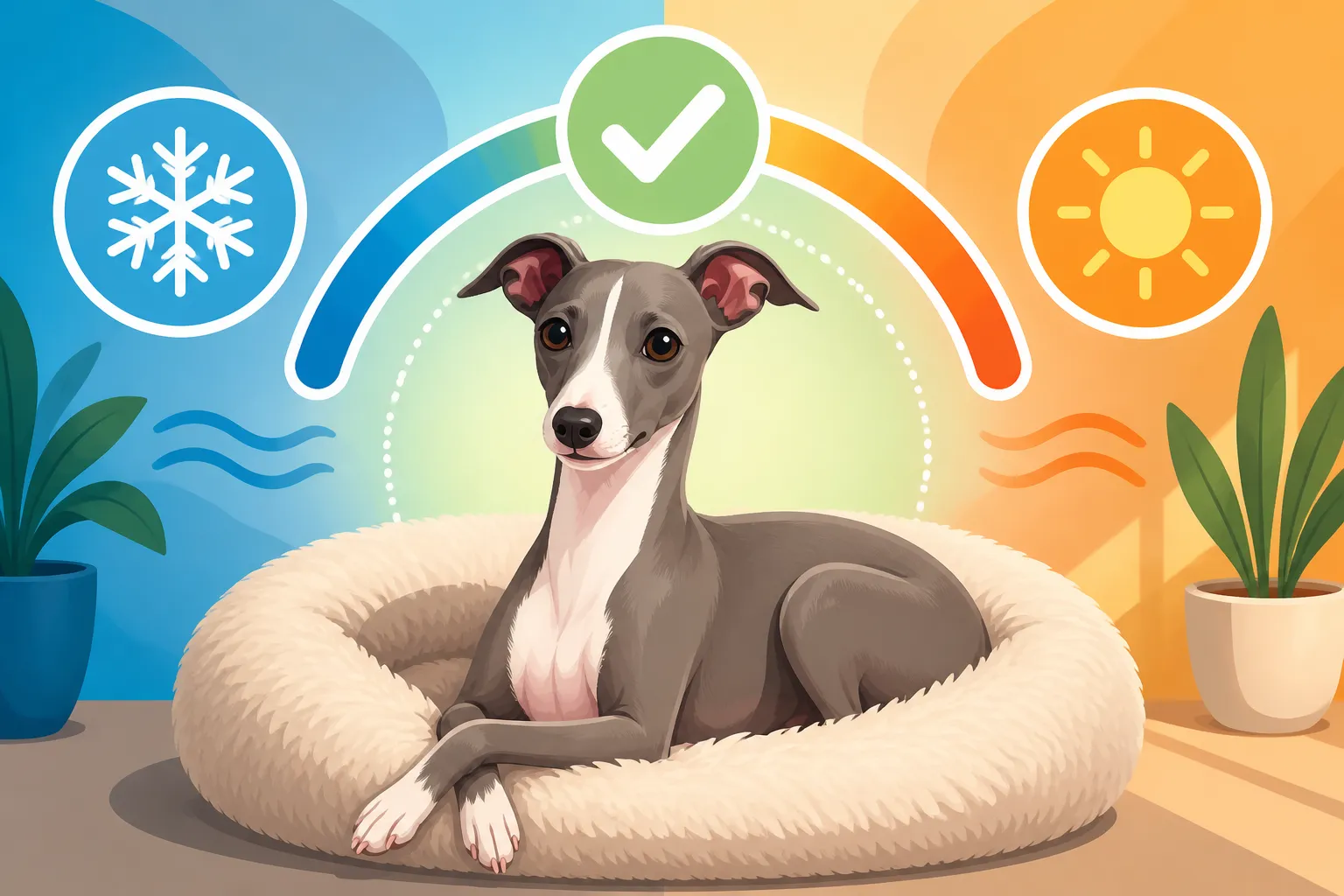
The Room Temperature an Italian Greyhound Is Comfortable At
Few things are as instantly noticeable as an Italian Greyhound shivering, even when you think your home is perfectly warm. It’s a common frustration for new and seasoned Iggy owners alike, trying to pinpoint that sweet spot where your delicate companion is truly comfortable without feeling like you need to live in a sauna. This guide is here to demystify your Italian Greyhound's temperature needs, helping you create an environment where they can truly thrive, cozy and content.
Understanding Your Italian Greyhound's Unique Thermoregulation Challenges
Let's be real, Italian Greyhounds are built for speed and elegance, not for fending off a chill. Their physical characteristics, which we adore for their sighthound beauty, are precisely what make them so susceptible to cold. It’s not just about a low tolerance for winter; it's a year-round management task to ensure their comfort.
The Lack of Body Fat and Thin Skin Predicament
Imagine being wrapped in a very thin sheet on a cool evening – that’s pretty much how an Italian Greyhound experiences the world. They possess an incredibly lean physique, with very little subcutaneous fat to act as insulation. Unlike many other breeds with a robust fat layer or a dense double coat, Iggies are essentially pure muscle and bone, covered by paper-thin skin and a fine, single layer of fur. This combination means they simply don't have the natural internal "heater" or outer "blanket" that other dogs do. Every degree drop in temperature is felt intensely. This isn't a personality quirk; it's pure physiology. They lose heat rapidly through their skin, and without that protective fat layer, there's nothing much to slow that process down.
This inherent lack of insulation means that what feels perfectly mild to us, even a crisp autumn day or a mildly air-conditioned room, can feel quite chilly to them. You might be comfortable in a t-shirt, but your Italian Greyhound might already be seeking out a sunny patch or burrowing under a blanket. It's a constant battle for their tiny bodies to maintain a core temperature, especially when stationary. Why an Italian Greyhound Cannot Hold Its Own Heat is a topic many Iggy owners grapple with, and it fundamentally comes down to this unique physical makeup.
The Shivering Threshold and Its Meaning
When your Italian Greyhound starts shivering, it's not just a cute little tremor; it's a clear biological signal that their body is working overtime to generate warmth. It means they've crossed their personal comfort threshold, and their muscles are rapidly contracting and relaxing to produce heat. This process expends energy, which over time, can lead to fatigue or even a lowered immune response if they're consistently cold. It's their body's last resort to stay warm, and it's a sign that you need to intervene. When an Italian Greyhound Starts Shivering is a good indicator that their environment isn't meeting their needs.
Think of it this way: if you were so cold your teeth started chattering uncontrollably, you wouldn't just ignore it, right? You'd grab a blanket, put on a sweater, or move to a warmer spot. Your Italian Greyhound is doing the equivalent. Consistent shivering, even if seemingly minor, suggests that the ambient temperature or their current level of protection isn't sufficient. It's a distress signal, and understanding it means you can take proactive steps to prevent them from reaching that point in the first place, rather than just reacting to it. This sensitivity also means they are more prone to getting really cold in situations like vet visits where they might be shaved for a procedure or kept in a cooler environment.
Ideal Indoor Temperatures for Italian Greyhounds
Finding the "just right" temperature for an Italian Greyhound is a bit of an art, blending their inherent needs with your own comfort and practical living. It's rarely a one-size-fits-all number, but we can certainly narrow down a comfortable range.
The "Comfort Zone" Range
For most Italian Greyhounds, an indoor temperature range of 70-75°F (21-24°C) is generally considered their sweet spot. This is where you'll typically find them relaxed, not shivering, and not panting. Many human homes are kept slightly cooler, often in the 68-72°F range, which can already be a tad too brisk for an Iggy, especially if they're not wearing a sweater or snuggled under a blanket. When the mercury dips below 70°F, even by a degree or two, you'll start to notice them actively seeking out sunbeams, burrowing deeper into bedding, or nudging you for cover.
Above 75°F, while it might seem like ideal Iggy weather, you start to run the risk of them getting too warm, particularly if they're active or if there's direct sunlight hitting them. Their fine coats don't offer much protection from heat either, and they can overheat if not careful. The goal is to find that comfortable middle ground where their body isn't working too hard to regulate its own temperature. This range allows them to simply be, without expending unnecessary energy on staying warm or trying to cool down.
Factors Influencing Individual Comfort
While the 70-75°F range is a good guideline, it's crucial to remember that every Italian Greyhound is an individual. Several factors can subtly shift their personal comfort needs:
- Age: Puppies, with their developing thermoregulation systems, and senior Iggies, often with less muscle mass and a slower metabolism, tend to feel the cold more acutely. A 14-year-old Italian Greyhound might shiver at 72°F when a 3-year-old is perfectly content. Why an Old Italian Greyhound Feels the Cold More explains this perfectly; older dogs often need extra consideration in their environment.
- Health Status: An Italian Greyhound recovering from an illness, experiencing a fever, or dealing with chronic conditions might have altered temperature sensitivities. For instance, a dog with an underactive thyroid (hypothyroidism), though less common in Iggies, might feel the cold more.
- Activity Level: An Iggy zooming around the living room will generate more body heat than one curled up for a nap. If your dog is a couch potato for most of the day, they'll need a warmer ambient temperature or extra layers compared to a more active companion.
- Coat Density (minor variation): While generally fine, some Iggies might have a slightly denser coat than others, offering a minuscule bit more insulation, but this is a very minor factor.
- Personal Preference: Just like people, dogs have individual preferences. You might have one Iggy who lives for blankets and another who prefers to drape themselves over the back of the sofa, even in cooler temps. Observing your own dog's behavior is always the best guide.
Understanding these nuances helps you tailor your home environment, ensuring maximum comfort for your specific Italian Greyhound, rather than just aiming for a generic number on the thermostat.
| Factor | Human Comfort (Approx.) | Italian Greyhound Comfort (Approx.) | Signs of Being Too Cold (IG) | Signs of Being Too Warm (IG) |
|---|---|---|---|---|
| Temperature | 68-72°F (20-22°C) | 70-75°F (21-24°C) | Shivering, hunching, seeking warmth, burrowing, lethargy, cold ears/paws | Panting, restlessness, seeking cool surfaces, rapid breathing, excessive thirst |
| Activity Level | Lower temp for active | Higher temp for sedentary | More noticeable when resting | More noticeable when active |
| Age | Varies | Puppies/Seniors need warmer | More severe in young/old | Less common in young/old, but possible |
| Clothing Needs | Sweaters/layers often | Often needs sweaters/layers indoors | Often, especially below 70°F | Rarely, may exacerbate overheating |
Strategies for Maintaining Optimal Indoor Warmth
Since we can't always crank the thermostat to tropical levels (and wouldn't want to in summer anyway!), we need smart strategies to keep our Italian Greyhounds toasty. It's about creating microclimates of warmth within your home and equipping your Iggy with the right gear.
Layering and Clothing Solutions
Clothing isn't just a fashion statement for Italian Greyhounds; it's a vital part of their temperature regulation, even indoors. A lightweight sweater or a soft fleece can make all the difference in a home kept at typical human comfort levels. Think of it as their personal, wearable thermostat. For colder homes or during winter, you might consider thicker sweaters or even pajamas. When an Italian Greyhound Needs a Sweater Indoors is almost a daily occurrence for many owners, even when the heating is on.
When choosing clothing, fit is paramount. Italian Greyhounds have unique body shapes – deep chests, tucked waists, and long, slender necks. Generic dog sweaters often don't fit well, leaving gaps or being too bulky. Look for brands that specifically cater to sighthounds or offer customizable options. Online retailers like Chewy often have a good selection of various brands, and if you're looking for something specific, a quick search on Amazon for "sighthound sweater" can yield some great results from specialized small businesses. We want snug, not tight, to trap body heat effectively. For bedtime in a cooler house, a cozy pair of dog pajamas can prevent heat loss overnight, ensuring they remain comfortable while they sleep deeply. What an Italian Greyhound Wears Indoors in Winter often surprises new owners with how much it involves.
Strategic Bedding and Resting Spots
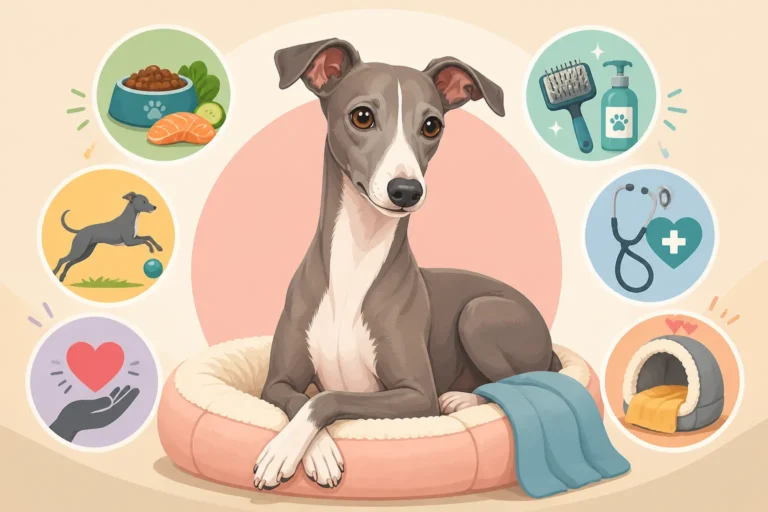
Where your Italian Greyhound sleeps and rests is just as important as the ambient temperature. They are champion burrowers, a natural instinct to create a warm, protected nest. Providing them with beds that cater to this instinct is key. Orthopedic foam beds, particularly those with raised bolsters or deep sides, offer insulation from cold floors and a sense of security. Beyond that, a pile of soft, easily maneuverable blankets is an absolute must. You'll often find your Iggy meticulously arranging their blankets to create a perfect little cave. The Bedding a Thin Skinned Italian Greyhound Actually Needs is more than just comfort; it's about protection from pressure points and sustained warmth.
Heated beds or self-warming pads can be a game-changer, especially for older Iggies or those prone to extreme cold. These can provide targeted warmth without overheating the entire house. However, it's essential to use them safely, ensuring they have an escape route if they get too warm, and always check for proper functioning. You can find excellent heated beds on Amazon or Chewy, but always read reviews regarding safety and temperature control. Some Iggies also adore "snuggle sacks" or "sleeping bags" designed for dogs, allowing them to truly nestle down. Whether a Heated Bed Is Safe for an Italian Greyhound is a common question, and with proper selection and supervision, they can be wonderfully beneficial.
Smart Home Adjustments
Beyond clothing and bedding, there are several adjustments you can make to your home environment to keep your Iggy warm and safe.
- Eliminate Drafts: Italian Greyhounds are incredibly sensitive to drafts. Use draft stoppers under doors, check windows for leaks, and consider heavy curtains in colder months. Even a small stream of cold air can make a significant difference to their comfort.
- Strategic Heating: If you have zone heating, consider keeping the primary living areas where your Iggy spends most of their time a few degrees warmer. If using a space heater, ensure it's a safe model, placed out of reach, and never left unsupervised. Radiant heaters that warm objects rather than the air can be particularly effective and cozy for an Iggy's favorite spot.
- Sunlight Utilization: Harness the power of natural sunlight! During sunny days, open curtains and blinds to let the sun stream in. Iggies are masters of finding and basking in sun puddles, absorbing warmth directly.
- Internal Layout: Consider where your Iggy's bed is placed. Is it against an exterior wall? Moving it to an interior wall might offer better insulation. Ensure their primary resting spots aren't directly in the path of cold air vents or frequently opened doors.
By integrating these strategies, you can create a multifaceted approach to warmth, ensuring your Italian Greyhound is comfortable throughout the day and night, without necessarily having to bake yourself out of your own home. It’s all about creating pockets of cozy, safe warmth for your beloved companion.
Recognizing Signs of Discomfort or Overheating
Understanding the ideal temperature range is one thing, but being able to read your Italian Greyhound's subtle cues is another. They can't tell us directly if they're too hot or too cold, so learning their body language is crucial for their well-being.
When Your Italian Greyhound Is Too Cold
Shivering is the most obvious sign, but it's not the only one. If your Italian Greyhound is too cold, you might notice them:
- Hunching or Curling Tightly: They'll make themselves as small as possible, tucking their paws and tail, trying to conserve every bit of body heat. This is often their first response before shivering begins.
- Seeking Warmth Relentlessly: They might constantly try to burrow under blankets, nudge you to lift a blanket over them, or try to squeeze onto your lap or under your clothing. They'll gravitate towards sunbeams, heating vents, or even the warm side of a laptop.
- Lethargy or Reduced Movement: While some might pace restlessly trying to warm up, many will become less active, conserving energy instead of expending it. They might seem a bit dull or unwilling to play.
- Cold Extremities: Gently feel their ears and paws. If they feel unusually cold to the touch, it's a clear sign their body is constricting blood flow to their extremities to keep their core warm.
- Stiff or Tentative Movements: If they're stiff from cold, they might move reluctantly, or seem a bit more hesitant to jump or stretch.
- Piloerection (Goosebumps): Sometimes, their fine hair might stand on end, giving them "goosebumps," especially along their back. This is an attempt to trap more air for insulation.
It's important to act quickly when you see these signs. Offer a sweater, a warm blanket, or lead them to a warmer spot. Prolonged cold exposure can stress their system and, in severe cases, lead to hypothermia. Many Italian Greyhounds are masters at Why an Italian Greyhound Still Runs on a Broken Leg or hiding discomfort, so their cold signals might be subtle at first, don't dismiss them.
When Your Italian Greyhound Is Too Warm
While less common due to their inherent susceptibility to cold, Italian Greyhounds can absolutely overheat, especially in direct sun, during strenuous exercise in warm weather, or if dressed too heavily indoors. Signs your Iggy is too warm include:
- Panting Heavily: This is their primary way to cool down. If they're panting excessively without recent strenuous activity, they're likely too hot.
- Restlessness: They might move from one spot to another, unable to settle, trying to find a cooler patch of floor or shade.
- Seeking Cool Surfaces: You might find them sprawled out on tile floors, against a cool wall, or trying to lie in a draft to cool down.
- Rapid Breathing: Beyond panting, their overall respiratory rate might increase significantly.
- Bright Red Gums/Tongue: While panting often makes the tongue appear red, an unusually bright red color can indicate overheating.
- Lethargy and Weakness: In more severe cases, they might become sluggish, disoriented, or even collapse. This is an emergency.
If you suspect your Italian Greyhound is overheating, move them immediately to a cooler environment, offer fresh water, and if their condition doesn't improve quickly, contact your vet. Their thin skin also means they can get sunburned, particularly on their sparse bellies or ears, so How an Italian Greyhound Handles Summer Heat isn't just about ambient temperature; it's about sun protection too. Always be mindful of their environment and what they are wearing, making adjustments throughout the day as temperatures fluctuate.
Special Considerations for Puppies and Seniors
Just like with humans, the very young and the very old in the Italian Greyhound world have unique and often heightened needs when it comes to temperature regulation. Their bodies are simply not as efficient at maintaining a stable internal temperature, requiring us to be extra vigilant.
Protecting Fragile Puppies
Italian Greyhound puppies are bundles of adorable energy, but they are also incredibly vulnerable to changes in temperature. Their tiny bodies have a much larger surface area to volume ratio compared to adult dogs, meaning they lose heat much faster. Their thermoregulatory systems are not fully developed, making them struggle to warm themselves up if they get too cold. A chilly puppy is often a quiet, lethargic puppy, which can quickly become a serious health concern.
When you bring home an Iggy puppy, ensuring consistent warmth is paramount. Their sleeping area should be particularly cozy, perhaps with a soft, warm bed and plenty of blankets for burrowing. A snuggle sack or a covered bed can mimic the warmth and security they had with their littermates. Avoid placing their crate or bed in drafty areas, near exterior doors, or under air conditioning vents. Even mild chills can stress their delicate systems, potentially impacting their immune response and overall development. Regular checks on their ears and paws can tell you if they're staying adequately warm. For very young puppies, a safe, low-level heating pad specifically designed for pets (placed under part of their bedding so they can move off it if too warm) can be beneficial, but always ensure they have space to move away from the heat source. Maintaining a warm, stable environment supports their rapid growth and helps them conserve energy for learning and playing. Weighing an Italian Greyhound Puppy Every Week is essential not just for growth tracking, but also as an indicator of general health and energy levels, which can be impacted by consistent cold.
Supporting Senior Iggies
As Italian Greyhounds gracefully age, their bodies undergo changes that make them much more sensitive to cold. Senior Iggies often have less muscle mass, which contributes to their reduced ability to generate and retain body heat. Their metabolism can slow down, and their circulation may not be as robust as it once was. This means what felt comfortable to them in their prime might now leave them shivering and stiff.
For an older Italian Greyhound, the 70-75°F range might need to be pushed a little higher, or you'll need to double down on their warmth accessories. They will almost certainly need sweaters or coats indoors, especially if your home drops below 72-73°F. Why an Old Italian Greyhound Feels the Cold More isn't just anecdotal; it's a physical reality for them. Providing multiple warm, easily accessible beds in various locations – perhaps one near a sunny window, another tucked away in a quiet corner with a heated pad – gives them options to find their ideal spot. Soft, orthopedic bedding is also critical for aging joints, and the insulation it provides is an added bonus. Consider a heated bed for their primary sleeping spot.
Beyond just warmth, maintaining comfort for senior Iggies often involves a holistic approach. Ensuring they have easy access to food and water, considering softer food if their teeth are bothering them, and making sure their movement isn't restricted by cold-induced stiffness are all part of Caring for an Italian Greyhound Past Eleven. Their comfort is paramount, and a little extra effort in temperature regulation can significantly improve their quality of life in their golden years.
Disclaimer
This article is for general informational purposes only and does not constitute professional advice. Laws, prices and regulations vary by location and change over time. Consult a qualified professional for guidance on your specific situation.