How an Italian Greyhound Handles Summer Heat
Summer is a beautiful time for many, but for an Italian Greyhound owner, it often brings a unique set of worries. Their slender build and minimal body fat make them incredibly sensitive to extreme temperatures, and just as they shiver in the cold, they can quickly overheat in the warmth. This guide will walk you through understanding why your Italian Greyhound struggles with heat and give you practical, empathetic strategies to keep them safe and comfortable all summer long.
Why Your Italian Greyhound Struggles So Much with Heat
You might think that because your Italian Greyhound loves to sunbathe for a few minutes, they're built for the heat. But don't let their sun-worshipping fool you! Italian Greyhounds are extremely delicate when it comes to temperature regulation, and high temperatures can pose a serious health risk. Their physical characteristics, which make them so elegant and agile, are actually their biggest vulnerabilities when the mercury rises.
Minimal Body Fat and Thin Skin
One of the most defining features of an Italian Greyhound is their incredibly lean physique. They are truly built for speed and grace, not for insulation or temperature buffering. Unlike many other breeds, they carry almost no body fat. While this is part of their breed standard, it means they lack the natural insulation that helps other dogs maintain a stable body temperature in both cold and heat. Think of it like a human with a very low body fat percentage – they feel the cold much more acutely, and conversely, they can struggle to dissipate heat when it gets too warm. Their Why an Italian Greyhound Carries Almost No Body Fat makes them prone to both extremes.
Coupled with this, their skin is remarkably thin. This thin skin, while lovely to touch, offers little protection against the elements. It's not just about sunburn, though that's a concern for certain colors, especially those with little pigmentation. It also means they can't effectively "trap" cooler air against their skin or shield themselves from radiating heat. This combination of minimal fat and thin skin means their core temperature can rise quickly when exposed to environmental heat, making them much more susceptible to heat stress and heatstroke than a stockier, furrier dog.
Inefficient Panting and Respiratory Challenges
Panting is how dogs cool themselves. It's their primary mechanism for evaporative cooling, much like sweating for humans. However, Italian Greyhounds, while not a brachycephalic (flat-faced) breed, can still be less efficient at cooling through panting compared to some other dogs. Their narrower muzzles and delicate respiratory systems mean that when they pant, they might not be exchanging air as effectively or evaporating moisture at the rate needed to rapidly bring down a rising body temperature.
Consider a hot day when your IG has been running around in the yard, even for a short burst. You might notice their panting becomes quite rapid and shallow, almost frantic. This isn't just normal exertion; it can quickly escalate to a dangerous struggle. If they are already in a state of stress or excitement, their body temperature can climb even faster, putting extra strain on their cardiovascular system. Owners often worry about their Iggies shivering in cold weather, but the struggle to breathe comfortably in intense heat is just as serious, if not more so, given the potential for rapid deterioration.
Recognizing the Signs of Heat Stress and Heatstroke
As vigilant Italian Greyhound owners, it's absolutely crucial to know the early warning signs that your delicate companion is struggling with the heat. What might be mild discomfort for a more robust dog can quickly become a life-threatening emergency for an Italian Greyhound. Don't wait for extreme symptoms; early intervention can make all the difference.
Early Warning Signs: Beyond Just Panting
Every dog pants when hot, but with an Italian Greyhound, you need to pay close attention to the quality and intensity of that panting. Normal panting is usually rhythmic and relatively calm. When heat stress begins, you'll see a shift.
- Excessive and Rapid Panting: This isn't just a bit more panting; it's fast, shallow, and almost breathless. Your dog might look like they're struggling to catch their breath.
- Bright Red Gums or Tongue: Healthy gums are usually a soft pink. If they become very red or almost brick-colored, it indicates increased blood flow and a dangerously rising body temperature.
- Drooling or Thick Saliva: As dogs pant more, they produce more saliva. If the saliva becomes thick, foamy, or stringy, it suggests dehydration and severe overheating.
- Lethargy and Weakness: Your normally energetic IG might become sluggish, reluctant to move, or stumble. They might just want to lie down and not respond to calls.
- Warm to the Touch: While all dogs feel warm, if your IG's skin, especially on their belly or inner thighs, feels excessively hot, it’s a clear sign of trouble.
- Restlessness or Disorientation: They might pace anxiously, unable to get comfortable, or appear confused and unable to follow simple commands.
It’s easy to dismiss some of these as simply being "a bit warm," but for an Italian Greyhound, these are flashing red lights. If you notice any combination of these, it's time to act immediately to cool them down.
Advanced Symptoms: A Medical Emergency
If early signs are missed or ignored, heat stress can quickly progress to full-blown heatstroke, which is a severe medical emergency requiring immediate veterinary attention. These symptoms are much more dramatic and indicate that your Italian Greyhound's body is no longer able to regulate its temperature effectively.
- Vomiting and Diarrhea: This is often a sign of organ damage as the body's systems begin to shut down under extreme heat. The diarrhea might be bloody.
- Ataxia (Loss of Coordination): Your dog might stagger, fall over, or be unable to stand. This indicates neurological impairment.
- Seizures: Uncontrolled muscle activity and convulsions are a very grave sign and mean the brain is being severely affected by the high temperature.
- Collapse or Loss of Consciousness: Your Italian Greyhound may become unresponsive or collapse entirely. This is a critical state.
- Bluish-Purple Gums (Cyanosis): This indicates a lack of oxygen in the blood, a dire symptom that shows the respiratory and circulatory systems are failing.
If you see any of these advanced symptoms, you need to initiate first aid cooling measures immediately and get to the nearest emergency veterinary clinic without delay. Every minute counts when heatstroke sets in. Knowing What an Italian Greyhound's Emergency Vet Visit Costs might prepare you for the financial aspect, but the immediate priority is always saving their life.
Keeping Your Italian Greyhound Cool Outdoors
The great outdoors beckons in summer, but it poses the biggest challenges for keeping your Italian Greyhound safe from the heat. Their love for a good zoomie or a quick chase means you, as their owner, must be extra vigilant and proactive in managing their outdoor time. It's not about avoiding going outside entirely, but about being smart and strategic.
Timing is Everything: Avoiding Peak Heat
This is the golden rule for Italian Greyhounds in summer. Forget midday walks or playtime in the bright afternoon sun. The hottest part of the day, typically between 11 AM and 4 PM, should be strictly avoided for any significant outdoor activity.
- Morning Patrols: Schedule your walks and potty breaks for the early morning, ideally before 9 AM. The air will be cooler, and the ground surfaces (pavement, asphalt) will not have had a chance to heat up to dangerous levels.
- Evening Strolls: Once the sun starts to dip and temperatures begin to fall, generally after 6 PM, it can be safe to venture out again. Test the pavement with the back of your hand; if it's too hot for you to hold your hand there for more than five seconds, it's too hot for your IG's delicate paws.
- Shorter Excursions: Even during cooler parts of the day, keep outdoor sessions brief. Italian Greyhounds might love to sprint, but prolonged exercise can still lead to overheating. A quick trot around the block is very different from an extended run at the dog park. Remember, How Far an Italian Greyhound Should Walk Daily needs to be adjusted significantly for weather.
Think of it this way: your Italian Greyhound is like a tiny, elegant athlete. They can perform incredible bursts of speed, but they don't have the stamina or heat tolerance of a retriever. Respecting their physical limits and the environment is key.
Hydration and Cooling Accessories: Your Summer Toolkit
Beyond timing, you need to equip yourself with tools and habits to support your IG's comfort and safety.
- Water, Water, Everywhere: Always carry fresh water and a collapsible bowl whenever you take your Italian Greyhound outside. Offer water frequently, even if they don't seem thirsty. Dehydration accelerates heat stress. For those longer excursions, or just to have on hand, having a portable water bottle and bowl combination from somewhere like Chewy can be a lifesaver.
- Cooling Vests and Bandanas: These aren't just fashion statements; they can provide crucial cooling. Dampen a cooling vest or bandana with cool water before putting it on your IG. The evaporation of the water helps draw heat away from their body. Make sure they fit snugly but aren't restrictive. Brands available on Amazon often offer a variety of sizes designed for slender dogs.
- Pavement Protection: As mentioned, hot pavement can burn paw pads quickly. Consider dog boots for very short necessary walks on hot surfaces if you absolutely cannot avoid them, or stick to grass or shaded dirt paths. Even better, bring them indoors to an indoor potty setup (What an Indoor Potty Setup Costs for an Italian Greyhound) if the ground is too hot.
- Shade Seeking: If you must be outside, always seek shade. A shaded spot under a tree is far better than direct sun exposure. Even a few minutes in direct sunlight can quickly elevate an IG's core temperature.
- Elevated Beds for Outdoor Lounging: If your Italian Greyhound enjoys being in a supervised, shaded outdoor area, an elevated pet bed can help. These beds allow air to circulate underneath, preventing heat from radiating up from the ground, offering a cooler spot to rest than a flat blanket on concrete.
Understanding Your IG's Outdoor Limits
It's vital to recognize that some days, it's simply too hot for any outdoor activity for your Italian Greyhound beyond a very quick potty break on a cool patch of grass. If the air is still and humid, or if temperatures soar above 85°F (around 30°C), it's best to keep them indoors. Their delicate nature means When an Italian Greyhound Starts Shivering when cold, but they are equally sensitive to the other extreme. Instead of outdoor adventures, focus on indoor games and activities to keep them stimulated and happy. Exercising an Italian Greyhound Indoors in Winter offers ideas that can be adapted for summer heat.
Keeping Your Italian Greyhound Cool Indoors
Just because you're indoors doesn't mean your Italian Greyhound is immune to heat. Without proper management, even your home can become uncomfortably warm, especially for a breed as heat-sensitive as an Italian Greyhound. Proactive measures are key to ensuring their comfort and safety.
Creating a Cool Sanctuary
Your home needs to be a refuge from the summer heat. This might mean adjusting your usual habits to prioritize your Italian Greyhound's comfort.
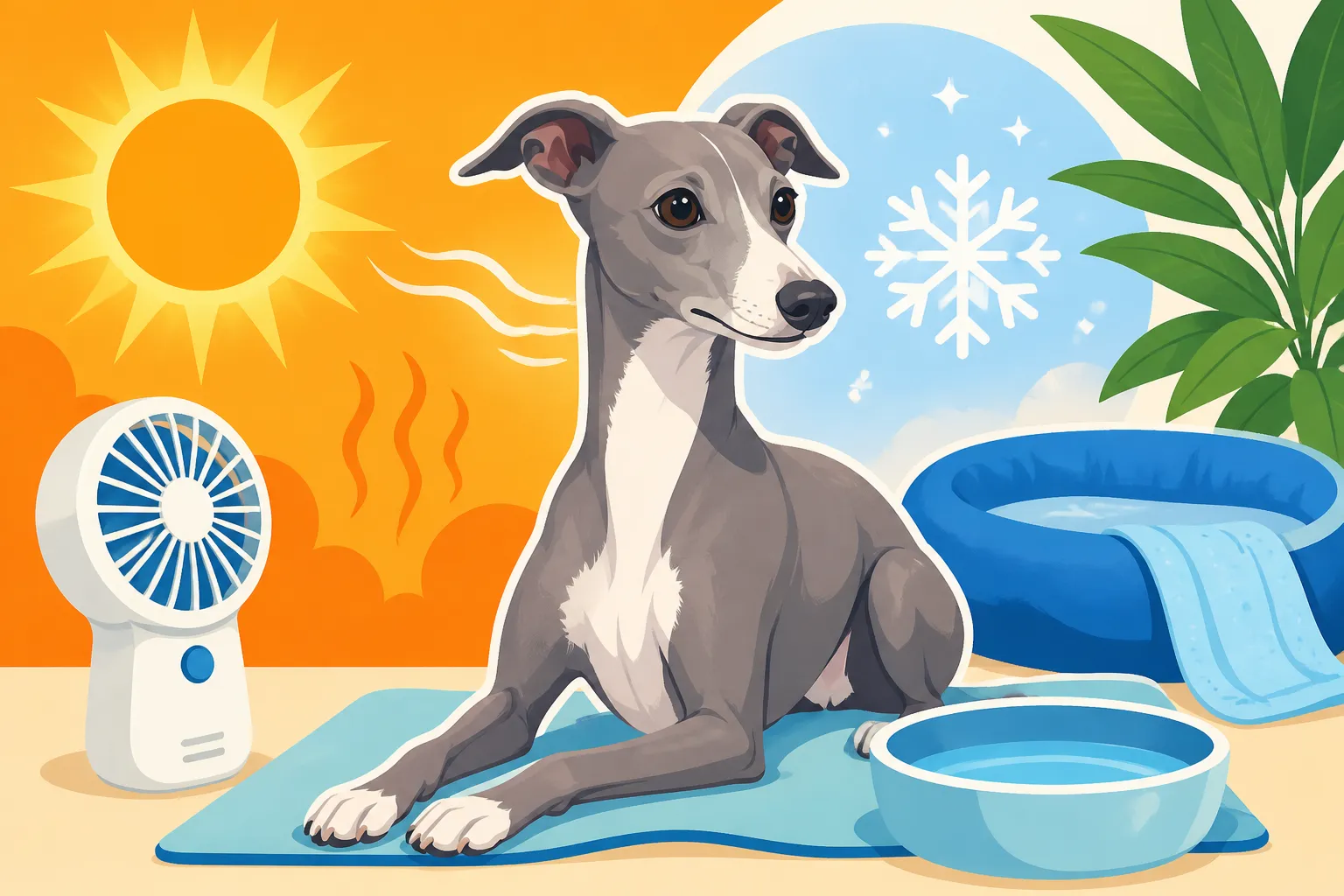
- Air Conditioning is Your Best Friend: If you have air conditioning, use it! Set your thermostat to a comfortable, cool temperature, ideally between 70-75°F (21-24°C). Don't try to save a few dollars by letting the house get too warm when you have an IG. Remember, their bodies struggle to cool themselves.
- Fans and Air Circulation: If central air isn't an option or you want to supplement it, strategically placed fans can make a big difference. Floor fans or oscillating fans can help move air around, creating a cooler environment. Just make sure the cords are safely tucked away so your curious IG doesn't chew on them. Small, portable fans can be found on Amazon, often with battery options for versatility.
- Draw Blinds and Curtains: Sunlight streaming through windows can quickly heat a room, creating a greenhouse effect. Keep blinds, shades, or curtains drawn during the hottest parts of the day to block out direct sun and keep your indoor spaces cooler.
- Cooling Mats and Beds: These are fantastic inventions for heat-sensitive dogs. Cooling mats are often gel-filled and absorb body heat, providing a cool spot for your IG to lie down. Look for options from retailers like Chewy that are puncture-resistant, as Iggies can have sharp little nails. Elevated dog beds, even indoors, can also help by allowing air to circulate underneath, preventing heat retention from the floor.
Your Italian Greyhound is a true "velcro dog," always wanting to be by your side. This means that wherever you are, their comfort should be a consideration. The Velcro Dog: What Constant Company Means With an Italian Greyhound means their environment is your environment.
Hydration and Indoor Activities
Even when relaxing indoors, hydration remains paramount.
- Constant Access to Fresh Water: Always ensure multiple bowls of fresh, cool water are available throughout your home. Consider adding ice cubes to their water bowl to keep it extra refreshing, or even a pet fountain to encourage drinking, as the moving water can be enticing.
- Wet Food or Hydrating Toppers: While not a substitute for water, increasing the moisture content in their diet can help with overall hydration. Some Italian Greyhound owners choose to incorporate wet food or rehydrated fresh food options, like those from Ollie, into their regular kibble, especially in the summer. Always ensure any dietary changes are introduced gradually.
- Frozen Treats: Homemade frozen treats are a hit in summer! You can freeze low-sodium chicken broth, mashed banana, or even watered-down plain yogurt in ice cube trays for a refreshing and hydrating snack. This is a safe way to cool them down from the inside out.
- Indoor Play for Mental Stimulation: Since outdoor exercise might be limited, focus on indoor games that don't overexert your IG. Puzzle toys, scent games, or short training sessions can keep their minds active without causing them to overheat. Avoid vigorous indoor zoomies during the hottest hours, even if it's air-conditioned. What an Italian Greyhound Does All Day can be adapted to be lower energy during the heat.
A well-regulated indoor environment provides the safest haven for your Italian Greyhound during the sweltering summer months, allowing them to relax without the constant worry of heat stress.
What to Do in an Italian Greyhound Heat Emergency
No matter how careful you are, accidents can happen, or circumstances can change quickly. Knowing exactly what to do if your Italian Greyhound shows signs of severe heat stress or heatstroke is critical. Panic is natural, but action is essential.
Immediate First Aid: Cooling Them Down Safely
If you suspect your Italian Greyhound is overheating or suffering from heatstroke, immediate action to lower their body temperature is vital, even before you get to the vet.
- Move to a Cooler Area: Get your IG out of the heat and into the coolest possible environment immediately. This means indoors with air conditioning or in the shade, ideally with a fan directed at them.
- Apply Cool (Not Cold) Water: Gently wet your Italian Greyhound's body with cool water. Focus on areas where blood vessels are close to the surface: the armpits, groin, belly, and paw pads. Use a towel soaked in cool water or a gentle stream from a hose. Crucially, do NOT use ice-cold water or ice packs. This can constrict blood vessels, preventing heat from escaping, and can also cause their body temperature to drop too rapidly, leading to shock.
- Increase Airflow: A fan, either handheld or electric, can significantly enhance the evaporative cooling effect of the water. Position it to blow air directly over their wet body.
- Offer Small Amounts of Water: If your IG is conscious and able to swallow, offer small sips of cool (not cold) water. Do not force them to drink, as they could aspirate it.
- Monitor Temperature (If Possible): If you have a rectal thermometer and know how to use it safely, take their temperature. The goal is to bring it down gradually, aiming for around 103°F (39.4°C) before ceasing active cooling, but continue other efforts while heading to the vet.
While these steps are being performed, have someone else call the emergency vet to let them know you are on your way. Speed is of the essence.
When to Seek Veterinary Attention
Always err on the side of caution. If your Italian Greyhound exhibits any advanced symptoms of heatstroke (vomiting, diarrhea, collapse, seizures, severe disorientation), or if their condition does not improve quickly with initial cooling measures, you must get them to a veterinarian immediately. This isn't a situation to "wait and see."
- Call Ahead: Before you leave, call your veterinary clinic or the nearest emergency animal hospital. Describe your dog's symptoms and what first aid you've administered. This allows them to prepare for your arrival and prioritize your IG's treatment.
- Transport Carefully: During transport, continue cooling measures as safely as possible. Keep the car's air conditioning on full blast. If you have a wet towel, drape it over them (ensuring it doesn't cover their face or restrict breathing).
- Professional Care: At the clinic, the veterinary team will assess your Italian Greyhound's condition, continue cooling if necessary, monitor vital signs, and provide supportive care such as intravenous fluids, oxygen, and medications to treat any complications. They'll also be able to check for internal damage that isn't visible. Having a first aid kit (What to Keep in a First Aid Kit for an Italian Greyhound) might prepare you for general emergencies, but severe heatstroke requires more than basic first aid.
Remember, Italian Greyhounds are incredibly delicate. Their small size and unique physiology mean they are at higher risk for severe complications from heatstroke. Your quick thinking and immediate action are their best chance for recovery. Understanding How an Italian Greyhound Hides Pain can sometimes make it hard to spot problems, but with heatstroke, symptoms are usually undeniable.
Italian Greyhound Summer Safety Checklist
To help you keep your Italian Greyhound safe and cool all summer long, here's a handy checklist you can use as a quick reference. This isn't exhaustive, but it covers the main points to remember for their delicate health.
| Category | Action Item | Importance Level | Notes |
|---|---|---|---|
| Outdoor Safety | Avoid peak heat hours (11 AM – 4 PM) | Essential | Schedule walks early morning or late evening. |
| Test pavement temperature | High | If too hot for your hand, it's too hot for paws. | |
| Always carry water & bowl | Essential | Offer frequently; dehydration is dangerous. Retailers like Chewy offer convenient portable solutions. | |
| Seek shade immediately | High | Direct sun exposure is highly risky for Iggies. | |
| Limit exercise duration | Essential | Keep walks brief, no prolonged strenuous activity. | |
| Consider cooling vest/bandana | Medium | Dampen with cool water; helps with evaporative cooling. Amazon has various sizes. | |
| Never leave in a car (even with windows open) | CRITICAL | Car interiors heat up incredibly fast, even on mild days. This is a fatal mistake. | |
| Indoor Comfort | Maintain cool indoor temperature | Essential | Use AC or fans. Aim for 70-75°F (21-24°C). |
| Provide multiple water bowls | Essential | Keep water fresh and cool, consider ice cubes. | |
| Offer cooling mats or elevated beds | High | Provides a cool spot to rest, preventing heat transfer from floor. | |
| Keep blinds/curtains drawn | Medium | Blocks direct sunlight and prevents indoor temperature rise. | |
| Offer hydrating treats | Medium | Frozen broth, fruit, or wet food can boost hydration. Look at fresh food options from Ollie. | |
| Engage in low-energy indoor play | High | Puzzle toys, scent games replace outdoor exercise. | |
| Emergency Prep | Know signs of heat stress/heatstroke | Essential | Early detection is key; differentiate from normal panting. |
| Know vet's emergency number | Essential | Have it saved and visible. | |
| Know basic cooling first aid | Essential | Cool (not cold) water on pulse points, fan, move to shade/AC. Do NOT use ice. |
This summer, empower yourself with knowledge and proactive measures. Your Italian Greyhound relies on you to be their advocate and protector against the heat. Their well-being in summer truly depends on your vigilance and care.
Disclaimer
This article is for general informational purposes only and does not constitute professional advice. Laws, prices and regulations vary by location and change over time. Consult a qualified professional for guidance on your specific situation.