Why Air Conditioning Bothers an Italian Greyhound
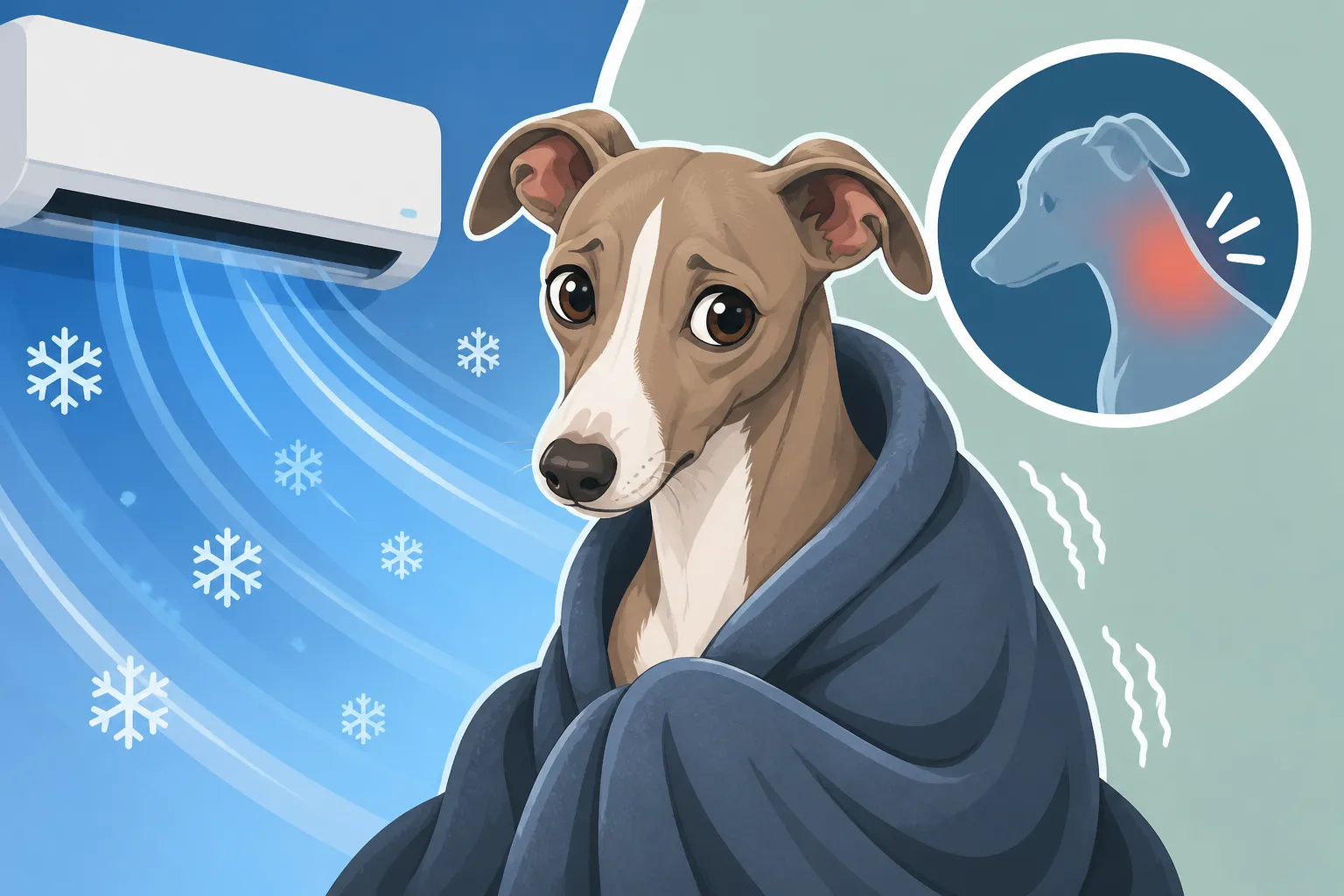
It's a common scenario in Italian Greyhound households: you're perfectly comfortable, perhaps even a little warm, but your tiny Italian Greyhound is shivering, huddled in a ball, or burrowed deep under every blanket within reach. This isn't just a quirky habit; for Italian Greyhounds, air conditioning can be a genuine source of discomfort and even distress. This guide is here to help you understand precisely why your delicate companion reacts so strongly to cooler indoor temperatures and, more importantly, what you can do to keep them cozy and content.
The Unique Physiology of an Italian Greyhound's Cold Sensitivity
Italian Greyhounds, affectionately known as Iggies, aren't just being dramatic when they shiver at temperatures that feel mild to us. Their very physiology makes them exceptionally vulnerable to the cold, and air conditioning, while a blessing for humans during warmer months, can turn your home into an arctic tundra for your sensitive pup. Understanding these unique biological traits is the first step toward creating a more comfortable environment for them.
Minimal Body Fat and Thin Skin
One of the most striking characteristics of an Italian Greyhound is their incredibly lean build. They are a sighthound breed, naturally built for speed and agility, not for insulating against the cold. Unlike many other breeds that have a generous layer of subcutaneous fat to act as a natural insulator, Iggies carry almost no body fat. We're talking about a body fat percentage that hovers around 17% or even lower in some athletic individuals, which is incredibly low for a dog. Think about how humans might feel in a cold room without enough body fat – now imagine that feeling amplified because your entire body surface is exposed to the elements without a thick coat.
This minimal fat reserve means there's simply nothing to act as a barrier between their internal body temperature and the ambient air. When the air conditioning kicks on, their body heat dissipates rapidly into the cooler environment. It’s like trying to keep a glass of ice water from warming up in a hot room; the external temperature quickly impacts the internal one. This isn't a problem that can be "trained" away or overcome; it's a fundamental aspect of their physical design that demands careful management, especially when battling the chill of modern climate control.
Sparse, Single-Layer Coat
Adding to their vulnerability is their coat – or lack thereof. Italian Greyhounds possess a very short, fine, and single-layered coat. They don't have an insulating undercoat, which is present in breeds designed for colder climates to trap warm air close to the skin. Their sleek, almost velvety fur might be beautiful to look at and soft to touch, but it offers about as much protection from the cold as a thin silk scarf offers a human in winter.
When the air conditioning circulates cool air, it has direct access to their skin. There’s no thick buffer of fur to slow down the cooling process. This is why you'll often see them seeking out sunbeams, burrowing under blankets, or insisting on being under your clothes – they are instinctively trying to find any source of warmth and create their own insulated microclimate. Their skin, which is also very thin and delicate, can feel the slightest change in temperature, making them exquisitely sensitive to drafts and ambient coolness. For an Italian Greyhound, a fan blowing cool air can feel like a biting wind.
High Metabolism and Rapid Heat Loss
Italian Greyhounds are often described as bundles of energy, and indeed, they have a naturally high metabolism. While a high metabolism generates internal heat, it also means their bodies work faster, and in a cool environment, they can lose that heat just as quickly as they generate it. Their sleek, athletic build means a large surface area relative to their body mass, which is great for dissipating heat during strenuous activity in warmer weather, but a disadvantage when trying to retain warmth in a cool environment.
This combination of a high metabolism, minimal body fat, and a sparse coat creates a perfect storm for rapid heat loss. What feels like a refreshing breeze to us can quickly make an Iggy's internal temperature drop, triggering their shivering reflex as their body attempts to generate heat through muscle contractions. It's an automatic, involuntary response, not a sign of being "dramatic" or "needy," but a clear signal that their body is struggling to maintain its core temperature. This inherent challenge is a big part of Why an Italian Greyhound Cannot Hold Its Own Heat.
Common Air Conditioning Scenarios That Cause Discomfort
It's not always about cranking the AC down to arctic levels. Sometimes, even seemingly minor shifts in temperature or subtle drafts can send an Italian Greyhound into a shivering fit. Recognizing these common scenarios can help you proactively adjust your environment to their needs.
Direct Drafts and Vents
One of the most insidious ways air conditioning bothers an Italian Greyhound is through direct drafts from vents. Imagine sitting directly in front of an air vent for hours, even if the air isn't freezing. For a human, it might be slightly annoying; for an Iggy, it can be truly miserable. Their small size means they are often directly in the path of floor-level vents, or even ceiling vents can create a downward flow of cool air that chills them to the bone.
Think about your Italian Greyhound's favorite napping spots: are they under a window with a vent nearby? Is their bed against a wall that houses an air conditioning duct? Even lying on the sofa, they might be directly in the path of a vent. The constant stream of cool air, even if it feels moderate to you, rapidly strips away their body heat due to their thin skin and lack of insulation. This isn't just about feeling cold; prolonged exposure to a direct draft can make muscles stiff and uncomfortable. We often don't even realize how much air is circulating until we see our Iggies desperately trying to escape it.
Ambient Room Temperature Differences
What's a comfortable indoor temperature for a human can be downright chilly for an Italian Greyhound. Most people set their air conditioning between 70-74°F (21-23°C) during warmer months. While this is pleasant for us, it's often too low for an Italian Greyhound to maintain their body temperature comfortably without external aid. Remember their minimal body fat and sparse coat? That 70°F air is constantly drawing warmth away from their small bodies.
Consider this: a temperature where you might wear a light t-shirt indoors is a temperature where your Italian Greyhound might need a full-on sweater. Their ideal comfort zone is often several degrees warmer than ours, perhaps closer to 75-78°F (24-25°C). The struggle is real for many Iggy owners trying to balance their own comfort with their dog's well-being. It's a constant negotiation, especially when family members have different temperature preferences. You might not even feel cold, but your Iggy is telling you they are, through their body language, their attempts to burrow, or their tell-tale shivers. This really highlights The Room Temperature an Italian Greyhound Is Comfortable At.
Extended Periods in Cooled Environments
It's one thing for an Italian Greyhound to be in a cool room for a short while, but quite another to spend an entire day, or even several hours, in a continuously air-conditioned space. The cumulative effect of sustained exposure to cooler temperatures can lead to a deeper chill that's harder for them to shake off.
If you leave your Italian Greyhound home alone all day with the AC running, they might spend hours trying to find a warm spot that doesn't exist. They might curl into tighter balls, shiver intermittently, or even develop stiffness from being constantly cold. This prolonged exposure can also exacerbate underlying issues if they have any joint discomfort. It’s not just about the immediate shiver; it's about their overall thermal regulation being challenged over an extended period, which can be exhausting for their small bodies. You might come home to find a dog that is literally frozen stiff, even if the thermostat reads a perfectly reasonable 72 degrees.
Practical Strategies for Keeping Your Italian Greyhound Comfortable
The good news is that living with air conditioning and an Italian Greyhound doesn't have to be an impossible balancing act. With a few thoughtful adjustments and proactive measures, you can keep your home cool for yourself while ensuring your delicate companion stays warm and snug.
Strategic Clothing and Bedding
This is perhaps the most immediate and effective way to combat the chill of air conditioning. Think of it as giving your Italian Greyhound the insulation their body naturally lacks.
- Sweaters and Pajamas: Invest in a wardrobe of well-fitting sweaters and even pajamas for your Iggy. Brands like Chilly Dogs, Gold Paw Series, or even items found on Amazon or Chewy often carry styles specifically designed for sighthound body shapes, ensuring a snug fit that traps body heat effectively. A good sweater acts as a crucial barrier against cool air, especially when your Italian Greyhound is lounging or sleeping indoors. For daytime lounging in an air-conditioned house, a lighter cotton sweater might be perfect, while for cooler evenings or deep sleeps, a fleece pajama set can make all the difference. When an Italian Greyhound Needs a Sweater Indoors is more often than you think!
- Insulated and Burrow Beds: Your Iggy's bed isn't just a place to sleep; it's a vital piece of their personal climate control system. Look for beds designed for warmth. Orthopedic foam beds provide excellent insulation from cool floors, and many Iggies adore "snuggle sacks" or cave beds, which are essentially beds with an attached blanket flap they can burrow into. These allow them to create a warm, dark, and enclosed space that mimics being under blankets, helping them retain their body heat even in a cool room. You can also find heated beds that offer a gentle, consistent warmth. Just ensure any heated bed is designed for pets and used safely. The Bedding a Thin Skinned Italian Greyhound Actually Needs is usually more robust than for other breeds.
- Blanket Forts and Layering: Beyond their designated bed, Iggies thrive on blankets. Provide a variety of soft, plush blankets in their favorite spots. You'll often find them arranging these into elaborate "nests" or burrowing deep within them. Layering blankets can provide extra insulation, and it gives them options for how much warmth they need. Consider a dedicated basket of blankets in each main living area, so they always have access to their self-made warmth.
Modifying Your Home Environment
Sometimes, a few strategic tweaks to your home setup can make a world of difference without requiring you to turn off the AC entirely.
- Adjusting Thermostat and Creating Warm Zones: While you might prefer your home at 70°F, try nudging the thermostat up a few degrees, perhaps to 74-75°F, and see if that makes a difference for your Iggy without making you uncomfortable. If a slight adjustment isn't enough, consider creating "warm zones" in your home. This might be a specific room where the AC vent is closed or directed away, or a corner that naturally receives more sunlight. Equip these zones with extra cozy beds and blankets.
- Vent Deflectors: These are inexpensive, clear plastic covers that attach to your air vents and redirect the airflow. By deflecting cool air upwards or sideways, you can prevent direct drafts from hitting your Italian Greyhound's lounging spots. This is especially helpful for floor vents near sofas or beds where your Iggy loves to sleep.
- Draft Stoppers: Even with windows and doors closed, drafts can seep in, especially around older frames. Use draft stoppers at the bottom of doors to keep cool air from circulating low to the floor where your Italian Greyhound spends most of their time.
- Strategic Furniture Placement: If your Italian Greyhound consistently sleeps in a spot directly under an AC vent, try moving their bed or adding a small barrier to block the direct flow of air. Sometimes, simply shifting a piece of furniture can protect them from an unseen draft.
Thoughtful Travel and Outdoor Management
The issue of air conditioning extends beyond your home walls. Wherever you and your Italian Greyhound go, consider the climate control.
- Car AC: Just like in your home, direct blasts of cold air in the car can chill your Iggy quickly. While driving, ensure your Italian Greyhound is not sitting directly in the path of a powerful vent. Use a car seat or booster that elevates them slightly, and always have a blanket or small sweater ready for them, even on seemingly warm days, as car AC can be very efficient.
- Summer Walks and Cool Surfaces: Even in summer, early morning or late evening walks can expose your Italian Greyhound to cooler air, especially if there's a breeze. They might still appreciate a light coat for these times. Also, be mindful of cool surfaces. While grass or dirt can be pleasant, concrete or tile floors that have been chilled by AC can quickly draw heat from their bodies when they lie down. Always offer a soft, insulated mat or bed.
Recognizing the Signs of Cold and When to Act
Your Italian Greyhound can't tell you in words that they're cold, but they certainly communicate it through their body language and behavior. Learning to recognize these cues is essential for their comfort and well-being.
Subtle vs. Obvious Signs of Discomfort
Sometimes, the signs are clear as day, while other times, you might need to look a little closer.
- Obvious Signs:
- Shivering: This is the most unmistakable sign. It can range from a slight tremor to full-body shakes. Their muscles are contracting rapidly to generate heat.
- Hunching or Tucking Tail: An Iggy that is cold will often try to make themselves as small as possible, hunching their back, tucking their tail tightly between their legs, and curling into a tight ball. This reduces their exposed surface area, helping to conserve heat.
- Seeking Warmth: They will actively seek out warm spots. This might mean burrowing under blankets, trying to get under your clothes, sitting in a patch of sunlight, or leaning heavily against you or another warm body.
- Lethargy or Sluggishness: If they've been cold for a while, they might become less active, moving slowly or seeming subdued as their body diverts energy to staying warm.
- Subtle Signs:
- Cold Ears or Paws: Gently feel their ears or paws. If they feel notably cool to the touch, it’s a good indication their body is trying to conserve heat by reducing blood flow to their extremities.
- Reluctance to Move: If your Iggy is usually energetic but is hesitant to leave their warm bed or move from under a blanket, they might be feeling too cold.
- Excessive Snuggling: While Iggies are known as "Velcro dogs," an increase in intense snuggling, especially if they are trying to get under you rather than just beside you, could be a sign they are seeking warmth.
- Stiffness or Muscle Tension: Prolonged cold can make muscles stiff. You might notice them walking a bit stiffly or being reluctant to stretch out fully.
It's important to remember that Iggies, like many sighthounds, are quite stoic about discomfort. They might not vocalize their coldness. Therefore, observing their body language carefully, even for subtle changes, is crucial. Pay attention to how they settle, how they walk, and where they choose to rest. If you typically notice your Iggy Why an Italian Greyhound Sleeps Under the Covers, it's a good bet they often feel chilly!
When to Consult Your Vet
While occasional shivering from cold air conditioning is usually a sign that you need to adjust their environment, there are times when it's wise to involve your veterinarian.
- Persistent or Unexplained Shivering: If your Italian Greyhound is shivering frequently, even when you believe the environment is adequately warm, or if the shivering is accompanied by other symptoms like vomiting, diarrhea, lethargy, or loss of appetite, it's time for a vet visit. Shivering can also be a sign of pain, fear, or underlying medical conditions, so it's important to rule out other causes.
- Difficulty Warming Up: If your Iggy seems to struggle to get warm even after you've provided blankets and sweaters, or if their body temperature feels consistently low, veterinary attention is warranted.
- Changes in Behavior with Cold: Any significant change in their usual behavior – becoming withdrawn, unusually clingy, or showing signs of discomfort when touched – that correlates with being in a cold environment should be discussed with your vet. This is especially true for senior Italian Greyhounds, as Why an Old Italian Greyhound Feels the Cold More and may develop Arthritis in an Italian Greyhound's Healed Leg or other conditions exacerbated by cold.
- Pre-existing Conditions: If your Italian Greyhound has a pre-existing health condition, especially one affecting their metabolism or circulation, their sensitivity to cold from air conditioning could be more pronounced or even pose a risk. Always discuss environmental management with your vet for dogs with specific health needs.
By being observant and proactive, you can ensure your Italian Greyhound remains a happy, warm, and comfortable companion, no matter how much you rely on your air conditioning. It’s all about understanding their unique needs and making small, but significant, adjustments to their world.
Here's a quick comparison of human comfort versus Italian Greyhound comfort:
| Factor | Typical Human Comfort Zone | Italian Greyhound Comfort Zone (Approximate) | Recommended Action for Iggies |
|---|---|---|---|
| Ambient Temperature | 68-75°F (20-24°C) | 74-78°F (23-26°C) or higher when inactive | Set AC higher, use fans for human comfort, create warm zones. |
| Draft Sensitivity | Generally low, feels like a breeze | High, feels like a chilling wind | Use vent deflectors, block drafts under doors, avoid placing beds near vents. |
| Clothing Needs (Indoors) | Minimal (t-shirt/light clothing) | Often necessary (light sweater/pajamas), even in summer AC | Provide sweaters, full-body pajamas; consider brands like Gold Paw Series or items from Chewy/Amazon. |
| Bedding Needs | Standard bedding | Insulated, orthopedic, or burrow beds; ample blankets | Offer snuggle sacks, cave beds, or heated beds. Ensure plenty of soft blankets for burrowing. |
| Response to Cold | Goosebumps, mild discomfort, seek layers | Shivering, hunching, seeking intense warmth, lethargy (if prolonged) | Immediate action to provide warmth, observation for persistent shivering or other symptoms. |
Disclaimer
This article is for general informational purposes only and does not constitute professional advice. Laws, prices and regulations vary by location and change over time. Consult a qualified professional for guidance on your specific situation.