When an Italian Greyhound Is Too Thin
It’s a common sight: someone spots an Italian Greyhound, and their immediate reaction is concern – “Oh my goodness, that dog is so skinny!” But here’s the thing many don’t realize: Italian Greyhounds are built like tiny, elegant athletes, designed for speed and agility, not bulk. Their naturally lean, almost bony appearance is perfectly normal for the breed. However, there is a fine line between a healthy, slender IG and one that is genuinely too thin and potentially unwell. This guide will help you understand that crucial difference, identify the signs of unhealthy weight loss, and equip you with the knowledge to ensure your beloved companion is thriving, not just surviving.
Understanding the Italian Greyhound's Naturally Lean Build
Italian Greyhounds are sighthounds, bred for centuries to be incredibly agile and fast. Their unique physiology means they carry very little body fat, and their bone structure is much more prominent than what you’d see in many other breeds. This is completely normal and healthy for them, but it often leads to misunderstandings and sometimes, well-meaning but misguided advice from those unfamiliar with the breed. You might constantly find yourself defending your dog's healthy weight to concerned strangers!
What "Too Thin" Really Looks Like on an IG
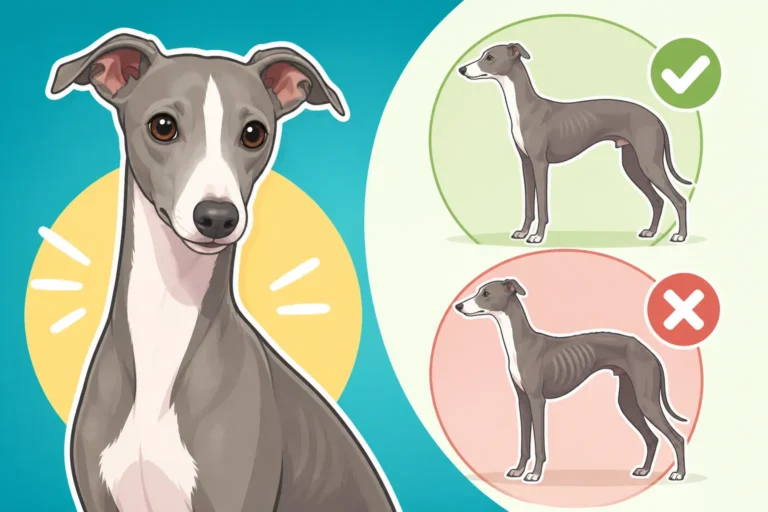
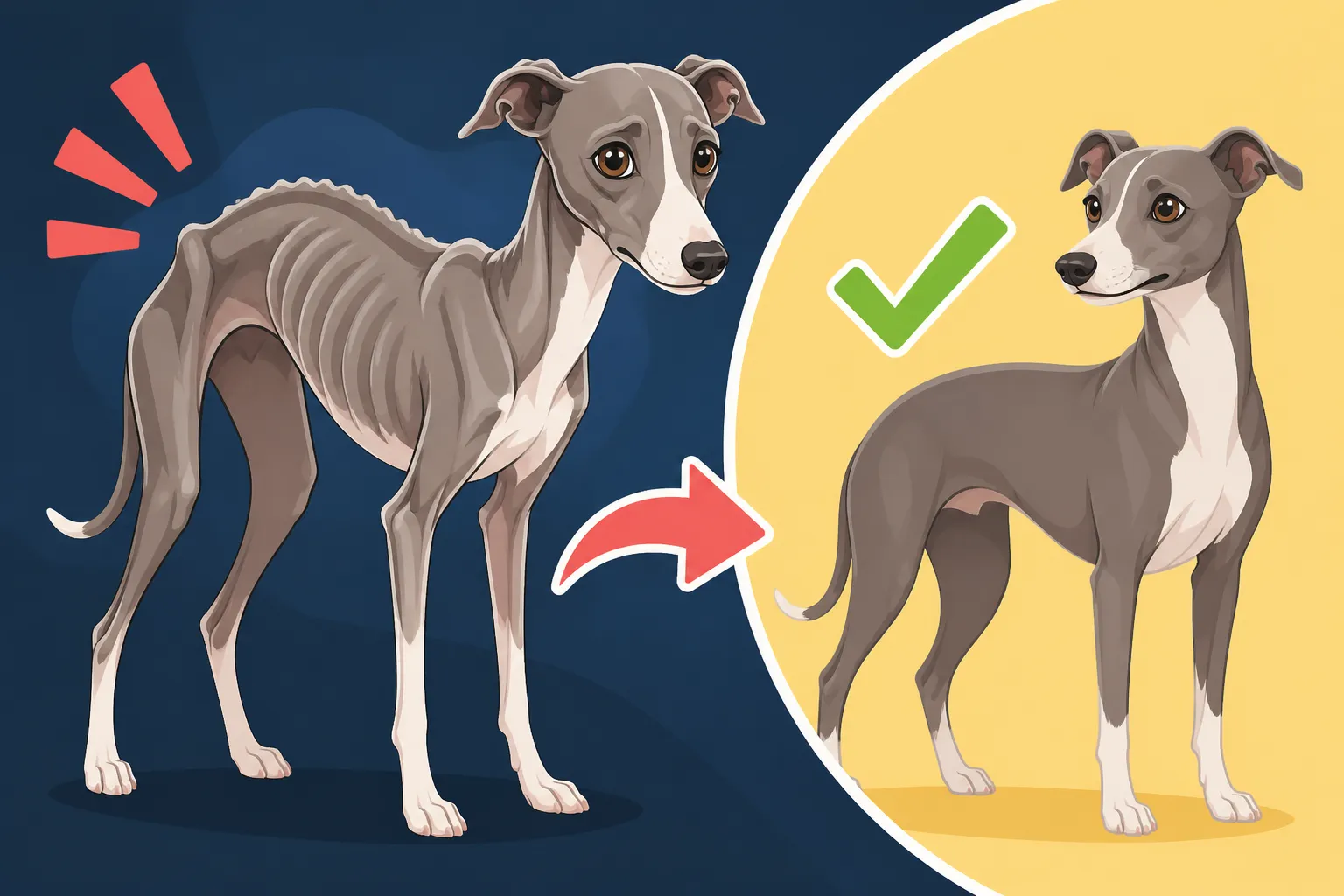
When you look at an Italian Greyhound, you should see ribs, hip bones, and vertebrae. This isn't a sign of starvation; it's just how they're built. Their skin is very fine, and their short coat offers no camouflage for their lean frame. For a truly healthy Italian Greyhound, you should be able to easily feel their ribs, but they shouldn't protrude sharply or be visible from across the room without any effort. Think of a well-conditioned marathon runner—lean, defined, but not gaunt. How to Feel an Italian Greyhound's Ribs is a great resource if you're unsure.
What crosses the line into "too thin" is when those bones become extremely prominent, almost like coat hangers, and there's a hollow appearance to their flanks and temples. Their muscles might start to waste away, making them look even more angular and fragile. You might notice their spine sticking up sharply, or their hip bones looking like distinct points rather than just being easily palpable. This isn't just about aesthetics; it indicates a potential lack of essential body fat that protects organs and provides energy reserves, making them vulnerable to illness and even increasing their risk of injury, especially a broken leg (A Broken Leg Is the Emergency Every Italian Greyhound Owner Fears).
The Importance of a Body Condition Score
To move beyond subjective observations, veterinarians and experienced breeders use a Body Condition Score (BCS) system. This is a standardized, objective way to assess an animal's fat reserves, usually on a scale of 1 to 9, where 1 is emaciated and 9 is morbidly obese. For an Italian Greyhound, a BCS of around 4 or 5 is generally considered ideal. This means their ribs are easily palpable without excess fat covering them, there's a visible waist when viewed from above, and an abdominal tuck when viewed from the side.
A score of 1 or 2, however, is a clear indicator that your IG is too thin. At this stage, you'd not only see ribs, spine, and hip bones clearly, but there would be virtually no fat covering them at all. Muscle mass might be visibly reduced, and their overall appearance would be gaunt and unhealthy. Regular monitoring of your IG’s BCS can help you catch subtle changes before they become serious. If you’re ever unsure, your vet can give you a professional assessment.
Here’s a quick guide to help you assess your Italian Greyhound's body condition:
| Score | Description | Italian Greyhound Appearance |
|---|---|---|
| 1 | Severely Underweight (Emaciated) | Ribs, vertebrae, pelvic bones easily visible from a distance. No discernible body fat. Obvious loss of muscle mass. |
| 2 | Underweight | Ribs, vertebrae, pelvic bones easily visible. No palpable fat. Minimal muscle mass. |
| 3 | Thin | Ribs easily palpable and slightly visible. Top of lumbar vertebrae visible. Pelvic bones becoming prominent. Minimal fat. |
| 4 | Ideal/Lean (Slightly Under BCS 5) | Ribs easily palpable with minimal fat covering. Waist easily noted. Abdominal tuck apparent. |
| 5 | Ideal/Moderate (Common "Healthy IG" Look) | Ribs palpable without excess fat. Waist and abdominal tuck present. |
| 6 | Slightly Overweight | Ribs palpable with slight excess fat cover. Waist discernible but not prominent. Abdominal tuck still present. |
| 7 | Overweight | Ribs difficult to feel under moderate fat cover. Waist absent or barely visible. |
| 8 | Obese | Ribs very difficult to feel under thick fat cover. Waist absent. Obvious abdominal distention. |
| 9 | Severely Obese | Massive fat deposits, pronounced abdominal distention. |
Your goal for an Italian Greyhound is generally within the 4-5 range, acknowledging their inherent leanness.
Common Reasons an Italian Greyhound Might Be Underweight
Once you've determined your Italian Greyhound is truly too thin, the next step is figuring out why. It's rarely a simple answer, and often involves a bit of detective work. Italian Greyhounds can be sensitive souls, and many factors, from their dinner bowl to their emotional state, can impact their weight.
Dietary Habits and Pickiness
Many Italian Greyhounds are notoriously picky eaters. They might turn their nose up at perfectly good food, decide they don't like a brand they've eaten for months, or simply not eat enough to maintain their lean body mass. Sometimes, it's not pickiness but simply not enough calories being offered for their high metabolism. Think about it: these dogs are constantly in motion, even indoors, with their indoor zoomies (The Indoor Zoomies an Italian Greyhound Gets). That burns a lot of energy! Why an Italian Greyhound Eats Less Than You Expect is a common frustration for new owners.
Food aversions can develop if they've had a negative experience, like an upset stomach, or if the food has gone stale. Sometimes, it’s as simple as the shape of the kibble being uncomfortable for their delicate mouths. Free-feeding, where food is left out all day, can also be a problem. While some IGs will self-regulate, others will graze inconsistently, never consuming enough in one sitting to meet their daily needs. Also, if you have multiple pets, is your IG actually getting their portion, or is another pet sneaking bites? I’ve seen IGs who, bless their hearts, are just too polite to compete for food.
Underlying Health Concerns
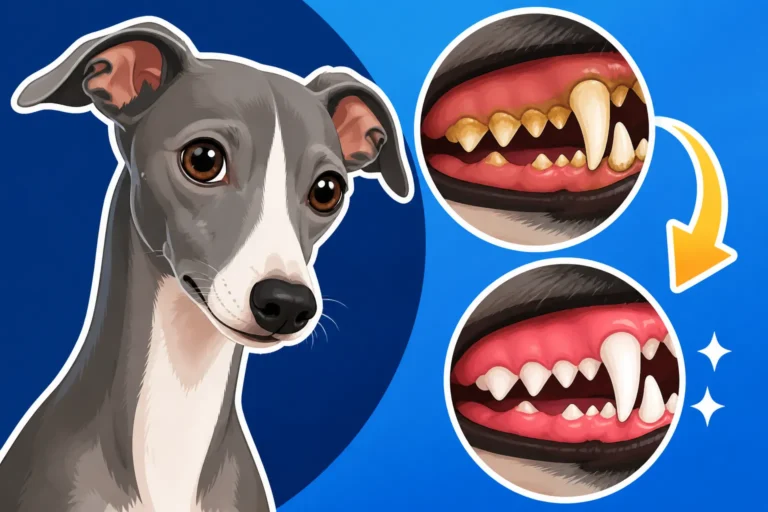
This is often the most worrying reason for weight loss, and it's why a vet visit is paramount if your IG is losing weight without a clear dietary reason. Dental pain is a huge culprit; Periodontal Disease Is the Italian Greyhound's Most Common Diagnosis, and a sore mouth can make eating excruciating, leading to a gradual decline in appetite and weight. You might not see obvious signs beyond a reluctance to chew hard kibble.
Parasites, though less common with regular preventative care, can also steal nutrients and lead to weight loss. More serious conditions like kidney disease, liver issues, or even certain cancers can manifest as a loss of appetite and subsequent weight drop. Hypothyroidism in an Italian Greyhound can also affect metabolism, though it more commonly leads to weight gain and coat issues, it's still worth considering. Sometimes, it’s a chronic gastrointestinal issue that prevents them from properly absorbing nutrients, even if they are eating. If your Italian Greyhound has suddenly started limping and losing weight, conditions like Legg Calve Perthes Turns Up in an Italian Greyhound at Six Months could also contribute to overall stress and reduced appetite.
Stress and Environmental Factors
Italian Greyhounds are sensitive, emotional creatures. Stress can absolutely impact their appetite and weight. A significant change in routine, moving to a new home, the loss of a family member (human or animal), or even a perceived threat like a new pet can cause anxiety that leads to reduced food intake. They're also known as "Velcro dogs" for a reason; separation anxiety can be a real issue. If your IG is experiencing this, they might be too stressed to eat when you're gone.
Temperature can also play a role. Italian Greyhounds get cold easily Why a Nine Pound Italian Greyhound Gets Cold on the Table, and if their environment is consistently chilly, their bodies might burn more calories just to stay warm, leading to weight loss if their food intake doesn't increase to compensate. Similarly, if they are constantly shivering due to cold, their metabolism will be in overdrive. Ensure they have cozy, warm spots to rest, especially in colder months.
Healthy Ways to Help Your Italian Greyhound Gain Weight
Once you've ruled out underlying health issues with your vet and identified potential reasons for the weight loss, it's time to implement a plan to help your IG safely gain weight. Remember, slow and steady wins the race; rapid weight gain can be unhealthy.
Adjusting Their Diet Safely
The first step is often to look at the calorie content of their current food. Small breed formulas are often calorie-dense, which is a good starting point. You might need to increase the amount you're feeding, but do so gradually. Instead of adding a huge amount all at once, add a small quarter cup per day and monitor for a week or two. Splitting their daily food into several smaller meals throughout the day can also help, as it's less overwhelming than one large meal and can aid digestion. For instance, if you usually feed twice a day, try three or even four smaller meals.
Consider adding calorie-rich, easily digestible supplements. Cooked, unseasoned chicken or lean ground beef can be highly palatable and add protein and fat. Cooked sweet potato or pumpkin (plain, not pie filling!) can provide extra carbohydrates and fiber. Some owners find success with high-quality wet food mixed in with kibble or served on its own. Brands like Ollie offer fresh, human-grade food options that are often highly palatable and calorie-dense, which can be a game-changer for picky eaters or those needing extra nutrition. Always introduce new foods slowly to avoid upsetting their sensitive stomachs. Whether an Italian Greyhound Has a Sensitive Stomach is a good point to keep in mind.
Enhancing Palatability and Mealtime Routine
Sometimes, it's not just about what they eat, but how they eat it. Warming food slightly can enhance its aroma and make it more appealing. A splash of low-sodium chicken broth (ensure it's onion and garlic-free) or a bit of plain yogurt can also entice a reluctant eater. Experiment with different types of bowls—some IGs prefer a shallow dish, while others might like a raised feeder.
Create a positive, quiet mealtime environment. For IGs prone to stress, a busy, noisy environment might make them anxious about eating. Feed them in a calm, consistent location, free from distractions. If you have other pets, consider feeding your IG separately to ensure they feel secure and can eat at their own pace without competition. You might also want to try feeding them at consistent times each day to establish a routine. If your IG is a champion at getting a picky Italian Greyhound to eat, sometimes adding a lick mat with a smear of peanut butter (xylitol-free!) or plain canned pumpkin can make mealtime a more engaging and less stressful experience.
You can find a wide variety of feeding bowls, lick mats, and even specialized food puzzle toys that can make mealtime more interesting and less stressful on sites like Chewy or Amazon, which often carry brands specifically designed for small, delicate breeds.
Regular Vet Check-ups and Monitoring
Even if you suspect dietary pickiness, it's always best to involve your veterinarian in any significant weight change. They can perform a thorough examination and run diagnostic tests to rule out underlying medical conditions. This might include blood work, fecal tests, or even dental evaluations. For instance, sometimes a heart murmur an old Italian Greyhound develops can be an underlying cause of decreased energy and appetite, or other age-related issues.
Once medical causes are ruled out, your vet can help you formulate a weight-gain plan tailored to your Italian Greyhound's specific needs, taking into account their age, activity level, and any other health considerations. They can also advise on appropriate supplements and monitor their progress. Keep a journal of their food intake, weight, and any changes in behavior. This data will be invaluable for your vet to assess the effectiveness of your plan. Remember, how an Italian Greyhound hides pain is remarkable, so regular professional check-ups are crucial.
When to Worry and Seek Veterinary Advice
While we've touched on it, it bears repeating: significant, unexplained weight loss or an inability to gain weight despite efforts is always a cause for concern and warrants immediate veterinary attention. Don't procrastinate on this, as early intervention can make a huge difference.
Recognizing Red Flag Symptoms
Beyond just being thin, look for other accompanying symptoms that signal a serious problem. These red flags include:
- Sudden or rapid weight loss: A quick drop in weight over a few days or weeks, rather than a gradual decline.
- Persistent lack of appetite: Refusing to eat for more than 24 hours, or consistently eating only tiny amounts.
- Vomiting or diarrhea: Especially if chronic, as this can lead to dehydration and nutrient loss.
- Lethargy or decreased energy: Your normally zippy IG is unusually tired, sluggish, or less interested in play.
- Changes in thirst or urination: Excessive drinking or urinating can point to kidney issues or other metabolic diseases.
- Persistent cough or difficulty breathing: Can indicate cardiac or respiratory problems that impact overall health.
- Changes in gum color: Pale gums can signal anemia.
- Visible discomfort or pain: Reluctance to move, yelping, or guarding certain body parts.
Any combination of these symptoms with weight loss should send you straight to the vet. These are not just signs of being "too thin" but rather indicators of a deeper, potentially serious health issue at play. Signs an Italian Greyhound Is Underweight often extend beyond just their visual appearance.
Preparing for a Vet Visit
When you call your vet, be prepared to give them as much information as possible. Before your appointment, jot down:
- When you first noticed the weight loss.
- Any other symptoms you’ve observed (vomiting, diarrhea, lethargy, coughing, changes in thirst/urination).
- Your IG's current diet (brand, type, amount, frequency).
- Any recent changes in diet, routine, or environment.
- A list of any medications or supplements your IG is taking.
- Their vaccination and deworming history.
- How often they have dental cleanings or check-ups.
- Any "odd" behaviors you've noticed, even if they seem minor or unrelated.
This detailed information will help your veterinarian narrow down the potential causes quickly and effectively, leading to a faster diagnosis and treatment plan. Remember, your vet is your partner in your Italian Greyhound's health journey. Don't hesitate to seek their expertise when you are concerned about your pet's well-being. They'll appreciate you being proactive!
Disclaimer
This article is for general informational purposes only and does not constitute professional advice. Laws, prices and regulations vary by location and change over time. Consult a qualified professional for guidance on your specific situation.