Why an Italian Greyhound Eats Less Than You Expect
It can be incredibly puzzling, even a little worrying, when you bring home your graceful Italian Greyhound and find they just don't seem to eat as much as you'd expect. You might have visions of them gobbling down meals like other dogs, only to discover their bowl often remains half-full, or they pick at their food with a delicate disinterest. This isn't usually a sign that something's wrong; it's just one of the many unique quirks of living with this exquisite breed. This guide will help you understand why your Italian Greyhound's appetite might be smaller than anticipated and how to ensure they're still getting all the nutrition they need.
Understanding the Italian Greyhound's Unique Metabolism and Body Type
Italian Greyhounds are a breed unlike many others when it comes to their physical build and, consequently, their dietary needs. Their history as sighthounds, bred for speed and agility, has given them a very specific physiological makeup that influences how much they need—and want—to eat.
The Sighthound Build and Its Energy Needs
Think about the sleek, aerodynamic shape of an Italian Greyhound. They are built for short, explosive bursts of speed, not for sustained endurance that requires a huge caloric intake to maintain. Their bodies are incredibly efficient machines. They have lean muscle mass and notably low body fat, often around 17% or even less. This low body fat means they don't have a lot of stored energy reserves, but it also means they don't need a huge amount of fuel to carry excess weight or generate warmth for long periods. Compare this to a stockier breed like a Labrador, which has a much higher muscle-to-fat ratio and a larger body mass to maintain, requiring significantly more calories.
Because Iggies are so small and have such a specific body composition, their basal metabolic rate—the calories they burn just by existing—is lower than you might assume for a dog of their perceived energy level. They are often described as "big dogs in small packages," but when it comes to food, their small size really does translate to smaller requirements. Owners are often surprised by Feeding an Italian Greyhound That Carries Seventeen Percent Body Fat when they first encounter this aspect of their care.
Activity Levels and Calorie Burn
While Italian Greyhounds are famous for their bursts of energy, often referred to as "zoomies," these intense, short-lived sprints are usually followed by equally intense and lengthy naps. This isn't a breed that's typically working or exercising for hours on end, burning through massive amounts of calories. A quick sprint around the yard or a spirited chase after a toy might last five minutes, followed by an hour curled up under a blanket.
Their daily walks, while important for mental stimulation and light exercise, are usually shorter and less strenuous than those of many other breeds. An Italian Greyhound's idea of a "good walk" might be a brisk twenty minutes, not a five-mile hike. Even when they seem incredibly active indoors, their lean bodies are so efficient that they don't burn calories at the same rate as a high-energy terrier or a robust herding dog. Unless they are actively participating in sports like lure coursing, their overall daily calorie expenditure is relatively modest. If you've ever seen your IG shiver even when indoors, you know When an Italian Greyhound Starts Shivering – they simply don't have the natural insulation to warrant massive food intake to stay warm in mild conditions.
Common Dietary Habits and Why They Seem "Picky"
Beyond their efficient metabolism, Italian Greyhounds have a few other traits that make them seem like less enthusiastic eaters. These can be related to their physical makeup or their sensitive personalities.
Small Stomachs and Delicate Digestion
An Italian Greyhound's internal plumbing is scaled to match their external physique. They have relatively small stomachs, meaning they physically cannot ingest large quantities of food in one sitting. Trying to get them to eat a big bowl of kibble all at once might be met with polite refusal simply because there isn't room, or it might lead to an upset tummy later.
Many Iggies also have what owners often describe as "delicate" digestion. Rich foods, sudden changes in diet, or even certain ingredients can sometimes lead to gas, loose stools, or vomiting. Because of this, they might self-regulate, eating less of something that doesn't quite agree with them. What appears to be pickiness might actually be their body's way of saying, "This is enough," or "This isn't quite right for me." It's not uncommon for owners to offer smaller, more frequent meals throughout the day, rather than two large ones, to accommodate their limited capacity and sensitive systems.
Environmental Factors and Stress on Appetite
Italian Greyhounds are incredibly sensitive creatures, and their emotional state and environment can have a significant impact on their appetite. They are often described as "Velcro dogs" who thrive on routine and the presence of their people. Any disruption can throw them off.
Consider these scenarios:
- Stress: A new environment, visitors in the house, a change in your daily schedule, or even loud noises like a thunderstorm can cause an Italian Greyhound to feel anxious. An anxious dog often has a reduced appetite. They might be more focused on seeking comfort or hiding than on eating.
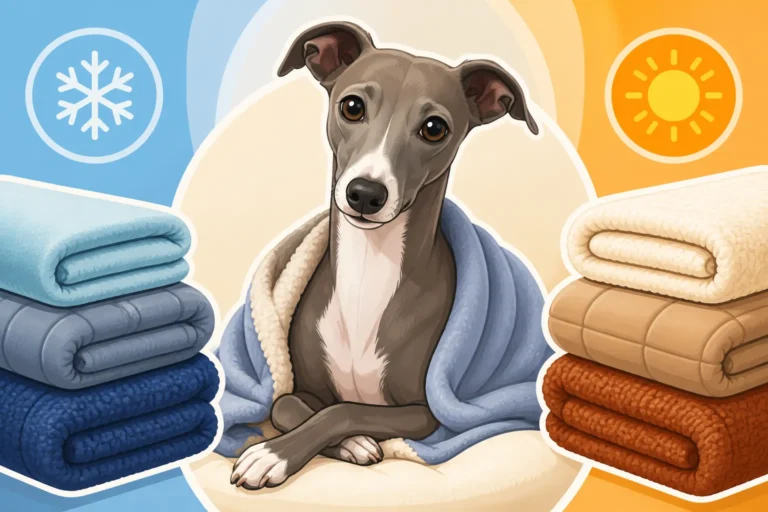
- Temperature: As previously mentioned, Iggies get cold very easily due to their thin skin and lack of body fat. If they are feeling chilly, even indoors, they might be more inclined to burrow under a blanket or cuddle with you than to stand by their food bowl. Conversely, in very hot weather, some dogs also have a reduced appetite.
- Social Dynamics: Some Italian Greyhounds prefer to eat in peace, away from the hustle and bustle, while others might feel more secure eating near their humans. If their eating spot isn't comfortable or feels vulnerable, they might hold off.
- Dental Health: This is a big one for Iggies. Periodontal Disease Is the Italian Greyhound's Most Common Diagnosis. Their tiny mouths are often crowded, making them prone to dental issues from a very young age. Even minor discomfort from tartar buildup, gingivitis, or a loose tooth can make chewing painful and reduce their desire to eat. What looks like picky eating could actually be a subtle sign of oral pain. If you notice persistent bad breath or reluctance to chew, it's worth getting their teeth checked. How Common Dental Disease Is in an Italian Greyhound is surprisingly high in this breed.
What "Enough" Food Actually Looks Like for an Italian Greyhound
Given their unique needs and habits, how do you actually tell if your Italian Greyhound is eating enough? It's all about understanding their ideal body condition, which is often much leaner than what many people expect for a dog.
Visual and Manual Assessment: Ribs and Tuck-Up
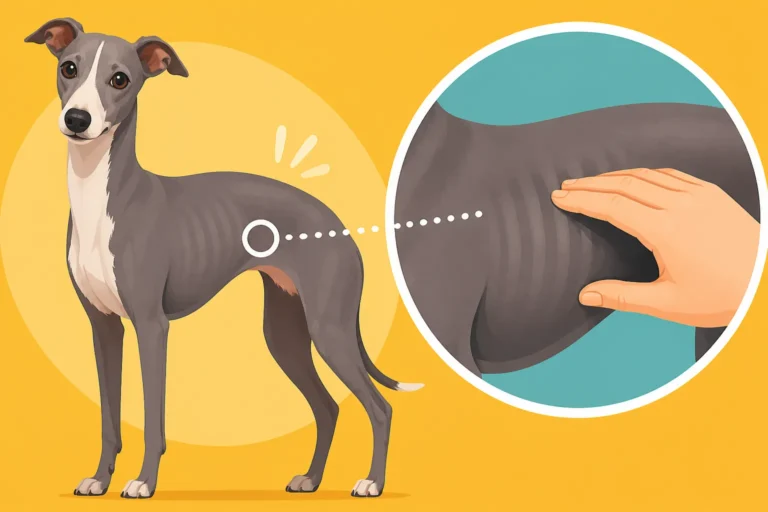
For an Italian Greyhound, seeing a few ribs is not a sign of starvation; it's generally a sign of good health. Their ideal body condition is very lean. You should typically be able to easily feel their ribs when you run your hands along their sides, and often, you can visually see the last few ribs. Their spine should also be easily palpable, with just a thin layer of muscle and fat over it, not protruding sharply but definitely discernible.
One of the most defining features of a healthy Italian Greyhound is their pronounced "tuck-up." This is where their abdomen noticeably tucks up sharply from the bottom of their rib cage towards their hind legs. It gives them their distinctive arched, aerodynamic profile. A lack of a clear tuck-up, or a noticeable bulging stomach, is usually a sign they are carrying too much weight. How Much of an Italian Greyhound's Ribs Should Show is a crucial piece of information for new owners.
Here's a simplified guide to assessing your Italian Greyhound's body condition:
| Body Condition Score | Appearance | Palpation (Feeling) | Implication for Health |
|---|---|---|---|
| Too Thin | Ribs, spine, hip bones very prominent, no fat | Ribs/spine/hips easily seen and felt with no effort | Underweight, possibly unhealthy, vet check needed |
| Ideal | Last few ribs visible, obvious tuck-up, hourglass | Ribs easily felt with slight pressure, spine discernible | Healthy weight, proper for Italian Greyhounds. This is What an Italian Greyhound Should Weigh. |
| Slightly Heavy | Ribs not easily seen, tuck-up less defined | Ribs felt with moderate pressure, less hourglass | Overweight, increased health risks, consider diet adjustment |
| Overweight | No ribs visible, no tuck-up, barrel-shaped body | Ribs hard to feel, fat rolls, no waist | Obese, significant health risks including joint problems and Why an Overweight Italian Greyhound Is at Fracture Risk. |
If your IG is active, has a shiny coat, clear eyes, and consistent energy (for an IG, that is!), and falls into the "ideal" category visually and by touch, then they are likely eating exactly enough, even if it seems like a small amount to you.
Quality Over Quantity and Brand Considerations
Because Italian Greyhounds eat less, the quality of the food you offer becomes even more paramount. Every bite needs to be packed with the right nutrients. Opting for a high-quality, nutrient-dense dog food—whether it's kibble, wet food, or a fresh-cooked diet—is far more important than trying to get them to eat a larger volume of a lower-quality product. Look for foods with real meat as the first ingredient, and avoid excessive fillers, artificial colors, or preservatives.
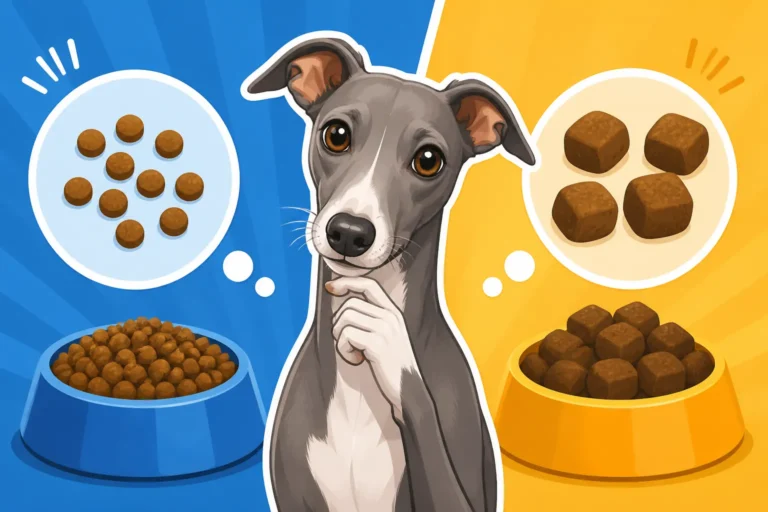
Many owners find success with smaller kibble designed for small breeds, as it's easier for their delicate mouths to manage. You can find excellent options and compare different brands on sites like Chewy, which offers a vast selection, or Amazon, which provides quick delivery for many premium foods. Some owners even gravitate towards fresh-cooked or raw diets, noting their Iggies often show more enthusiasm for these. Brands like Ollie deliver human-grade, fresh meals directly to your door, which can be an excellent option for a picky eater, though always discuss significant diet changes with your vet first. Whether an Italian Greyhound Needs Small Breed Kibble is often a question new owners ask.
Remember, the goal isn't to fill them up to the brim, but to provide concentrated, appropriate nutrition. Your veterinarian can help you determine the specific caloric intake recommended for your dog's age, activity level, and individual needs.
Managing a "Finicky" Eater and Avoiding Overfeeding
If you're still concerned about your Italian Greyhound's eating habits, there are strategies you can employ to encourage healthy intake without pushing them to eat more than their body actually needs. The key is balance and observation.
Strategies for Encouraging Healthy Eating Habits
- Establish a Routine: Dogs thrive on routine, and Iggies are no exception. Offer meals at consistent times each day. This can help regulate their appetite and digestive system.
- Small, Frequent Meals: Instead of one or two larger meals, consider splitting their daily allowance into three smaller meals. This aligns better with their small stomach capacity and can prevent them from feeling overwhelmed by a big portion.
- Don't Free-Feed: Leaving food out all day can lead to grazing, but for a picky IG, it can also make the food seem less appealing. Offer the food for 15-20 minutes, and if they don't eat it, pick it up until the next mealtime. This teaches them that food is available at specific times, which can encourage them to eat when it's offered.
- Add Interest (Sensibly): Sometimes, a little enticement can go a long way. A splash of warm water, a tiny bit of low-sodium chicken broth, or a spoonful of plain canned pumpkin (check with your vet for safe additions) can make the food more aromatic and appealing. You might also consider a high-quality food topper or a fresh food add-in.
- Quiet and Calm Eating Area: Ensure your Italian Greyhound has a peaceful, secure place to eat where they won't be disturbed by other pets, children, or household commotion. Their sensitive nature means a stressful mealtime environment can put them off their food.
- Patience and Positive Reinforcement: Never try to force your Italian Greyhound to eat, and avoid scolding them for not finishing their meal. This can create negative associations with mealtime. Instead, offer praise when they do eat.
- Consider Bowl Type: Some Iggies prefer elevated bowls, which can make eating more comfortable, especially for their long necks. Others might simply prefer a quiet corner.
Remember, the total amount an Italian Greyhound eats in a day will typically be less than you expect for a dog. A general guideline, but always one to verify with your vet, is found in articles like How Much an Adult Italian Greyhound Eats.
When to Consult a Vet About Low Appetite
While it's normal for Italian Greyhounds to eat less than many other breeds, there are definitely times when a reduced appetite signals a genuine problem. Iggies are notorious for How an Italian Greyhound Hides Pain, so changes in their eating habits can be a subtle but important clue that something is amiss.
You should contact your veterinarian if you observe any of the following:
- Sudden or Significant Weight Loss: If your IG is losing weight rapidly, or if they drop below their ideal body condition, it's a red flag.
- Complete Refusal to Eat: While they might pick at food, a complete refusal to eat anything for more than 24 hours (or even less for a puppy) warrants immediate veterinary attention.
- Lethargy or Behavioral Changes: If their reduced appetite is accompanied by a lack of energy, hiding, irritability, or any other out-of-character behavior, seek veterinary advice.
- Vomiting or Diarrhea: These symptoms, especially when combined with a lack of appetite, can indicate an underlying illness.
- Signs of Oral Pain: Pawing at their mouth, dropping food, excessive drooling, or severe bad breath could point to dental issues that need professional care. Signs an Italian Greyhound's Mouth Hurts is an important topic to be aware of.
- Changes in Drinking Habits: Any significant increase or decrease in water intake alongside reduced food intake is concerning.
Trust your gut. As an Italian Greyhound owner, you know your dog best. If something feels "off" even if you can't pinpoint it, a quick call or visit to your vet is always the safest course of action. It's better to be overly cautious than to miss a subtle sign of illness in your delicate companion.
Disclaimer
This article is for general informational purposes only and does not constitute professional advice. Laws, prices and regulations vary by location and change over time. Consult a qualified professional for guidance on your specific situation.