How Many Cups a Day an Adult Italian Greyhound Eats
Figuring out how much to feed your Italian Greyhound can feel like a surprisingly complex puzzle, especially when you consider their unique, delicate build and boundless energy. It's not like feeding a generic dog; IGs have very specific needs that, if misunderstood, can lead to health issues. This guide will walk you through everything you need to know about determining the right daily food intake for your adult Italian Greyhound, ensuring they stay healthy, energetic, and at their ideal weight.
Understanding the Italian Greyhound's Unique Metabolism and Build
Italian Greyhounds are a breed unlike many others you might encounter. Their sleek, refined appearance isn't just for show; it's a reflection of a metabolism and body structure honed over centuries. Owners often struggle to reconcile their dog's delicate frame with their surprisingly high energy levels, leading to confusion about appropriate feeding amounts.
Why IGs Are Different from Other Breeds
When you look at an Italian Greyhound, you immediately notice their fine bones, deep chest, and tucked-up waist. They are sighthounds, bred for speed and agility, and their physiology reflects this. Unlike a sturdy Bulldog or a fluffy Golden Retriever, an IG carries very little body fat – sometimes as low as Why an Italian Greyhound Carries Almost No Body Fat. This means they don't have the same insulating layers as other dogs, making them prone to feeling cold, but it also means their metabolism is geared towards efficiency and rapid energy conversion. They burn through calories quickly, even when lounging, due to their active nature and lean muscle mass. This high metabolic rate means they need consistent, nutrient-dense fuel, but in quantities that don't overwhelm their small stomachs or lead to excessive weight gain on their delicate frames.
It's common for new Italian Greyhound owners to worry their dog is "too thin" because they can see and feel ribs more easily than on other breeds. This visual difference can make owners tempted to overfeed, believing their dog needs more weight. However, adding too much weight to an Italian Greyhound can actually be detrimental, putting strain on their already delicate bone structure and increasing the risk of injuries. Their bodies are designed to be light and agile, and maintaining that ideal leanness is crucial for their long-term health and mobility.
The Importance of a Body Condition Score
Because their ideal weight might look "thin" by conventional dog standards, relying on a Body Condition Score (BCS) is far more accurate than just looking at a number on a scale. A BCS helps you assess your dog's fat reserves and muscle mass. For an Italian Greyhound, you should generally be able to easily feel their ribs without pressing hard, and they should have a distinct "tuck" at their waist when viewed from above and the side. Their spine should also be palpable with minimal fat covering.
If you're unsure about how to assess your Italian Greyhound's body condition, imagine gently running your hands along their sides. You should feel the individual ribs, like running your fingers over the knuckles of your hand. If you have to press firmly to feel them, your IG might be carrying too much weight. Conversely, if their ribs, spine, and hip bones are visibly protruding without any fat cover, they might be underweight. Getting comfortable with this hands-on assessment is far more valuable than simply comparing your dog's weight to an arbitrary number. Many vets will use a 1-to-9 scale, where a 4 or 5 is generally considered ideal for an Italian Greyhound, indicating a lean but not emaciated physique.
Factors Influencing Your Italian Greyhound's Daily Food Intake
There isn't a one-size-fits-all answer to how many cups an Italian Greyhound should eat each day. Like people, every dog is an individual, and their caloric needs can vary significantly based on several key factors. Ignoring these nuances can lead to either an underweight, undernourished pup or one carrying too much weight, both of which can lead to health problems.
Activity Level and Age
The most obvious factor influencing food intake is how active your Italian Greyhound is. A young, energetic IG who zips around the house doing zoomies multiple times a day, goes for regular walks, and perhaps even participates in activities like Lure Coursing and Racing With an Italian Greyhound will naturally burn more calories than an older, more sedate Italian Greyhound. A dog that spends most of its day napping on the sofa or curled up under blankets will require less fuel.
Age also plays a crucial role. Puppies are bundles of energy and growing rapidly, so their caloric needs per pound of body weight are much higher than an adult's. They typically eat more frequently and require food specifically formulated for growth. As Italian Greyhounds enter their senior years, perhaps around The Age an Italian Greyhound Is Considered Senior, their metabolism often slows down, and their activity levels may decrease. This means their daily food intake usually needs to be adjusted downwards to prevent unwanted weight gain, even if they still seem eager for mealtime. Caring for an Italian Greyhound Past Eleven often involves careful dietary management.
Food Type and Caloric Density
Not all dog foods are created equal, and their caloric density—how many calories are in a given volume (like a cup)—can vary wildly. A high-quality, protein-rich kibble designed for small, active breeds will generally pack more nutritional punch and calories per cup than a generic, filler-heavy formula. Wet food, while often very palatable, usually has a much lower caloric density per cup because of its high moisture content, meaning your dog would need to eat a significantly larger volume to get the same number of calories as dry kibble.
When you buy dog food, whether it's from a specialty store, a large retailer like Chewy, or even fresh food delivered from services like Ollie, always check the feeding guidelines printed on the package or available on their website. These guidelines typically provide a starting point based on your dog's weight and sometimes age or activity level. However, remember these are just guidelines. They are calculated for an "average" dog and often lean slightly on the generous side, so consider them a maximum rather than a strict target. It's crucial to understand that even within "small breed kibble," the actual calorie count can vary. Some owners might also wonder Whether an Italian Greyhound Needs Small Breed Kibble, and generally, yes, the kibble size is important for their small mouths, but the caloric density is also paramount.
Individual Variations and Health Considerations
Just like people, some Italian Greyhounds have faster metabolisms than others, or are simply more efficient at utilizing nutrients. You might have two IGs of the same age and activity level, and one thrives on a cup a day while the other needs a little more or a little less. Paying attention to your individual dog's energy levels, coat condition, and, most importantly, their body condition is key.
Certain health conditions can also impact an Italian Greyhound's nutritional needs and appetite. For example, a dog with Hypothyroidism in an Italian Greyhound might have a slower metabolism and be prone to weight gain, requiring a more restricted diet. Dental issues, which are very common in the breed (How Common Dental Disease Is in an Italian Greyhound), can make eating dry kibble painful, leading to reduced intake. A sudden loss of appetite or a significant, unexplained weight change (either up or down) always warrants a visit to your veterinarian to rule out underlying medical issues. It's not just about how much they eat, but how they're eating and what their body is doing with that food.
Practical Guidelines for Feeding Your Adult Italian Greyhound
Once you understand the unique needs of your Italian Greyhound and the factors that influence their diet, you can move on to practical application. It's about finding that sweet spot between enough fuel for their energetic days and not overfeeding their delicate frames.
Starting Points and Adjustments
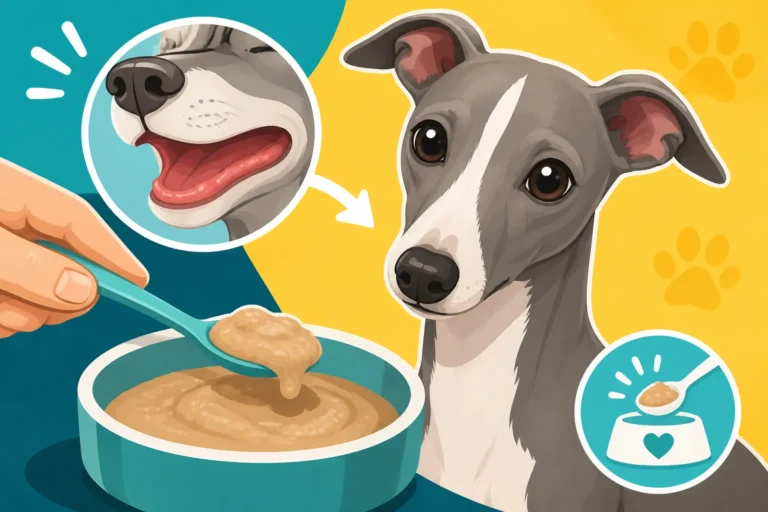
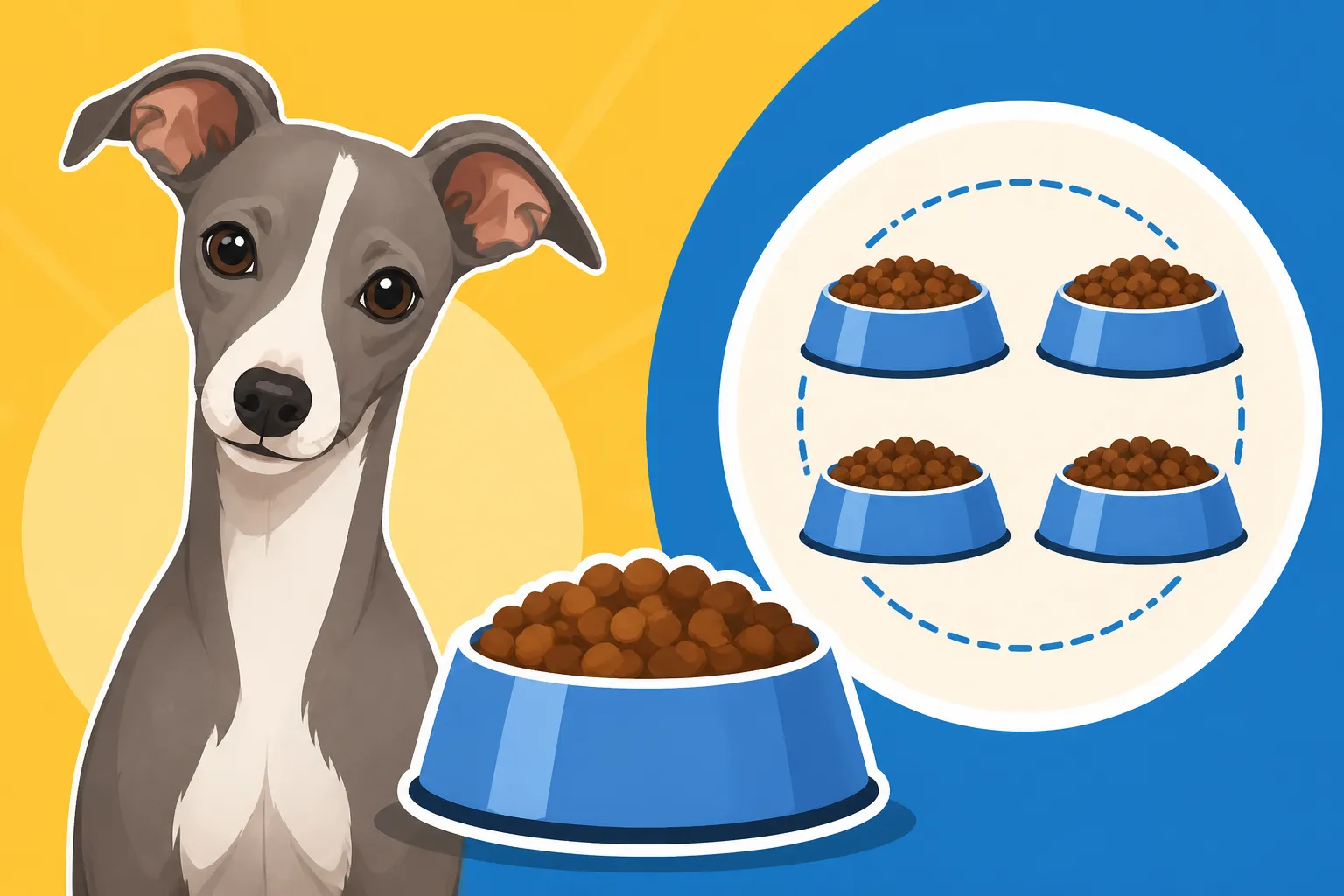
For most adult Italian Greyhounds, a good starting point is often between 1/2 to 1 full cup of high-quality dry kibble per day, divided into two meals. So, if your dog needs 3/4 cup a day, you'd offer 3/8 cup in the morning and 3/8 cup in the evening. This split helps manage hunger and metabolism throughout the day. If you're using a wet or fresh food, the volume will likely be higher, so always defer to the specific product's feeding guide.
The real trick is to start with a recommendation (either from the food bag or your vet) and then observe. Feed that amount for two to three weeks, closely monitoring your dog's weight and body condition. Are their ribs easy to feel but not visibly prominent? Do they have a clear waist? Are their energy levels good? If they're gaining too much weight, slightly reduce the portion. If they seem too thin, or if you're noticing Signs an Italian Greyhound Is Underweight, you might need to slightly increase it. Making gradual adjustments—think 1/8 of a cup at a time—is much better than drastic changes, which can upset their digestion.
Measuring Food Accurately
This might sound obvious, but "a cup" can mean different things depending on your scoop. Using a standard measuring cup, the kind you use for baking, is far more accurate than the plastic scoop that often comes with dog food bags. Even better, invest in a small kitchen scale and weigh your dog's food. Most high-quality kibbles will provide feeding recommendations by weight (grams or ounces) in addition to volume, and this is by far the most precise method.
Why is precision so important for an Italian Greyhound? Even a slight overestimation in food quantity each day, say an extra half-ounce of kibble, can add up significantly over weeks and months for such a small dog. An extra 50 calories a day for a 10-pound dog is a much larger percentage of their total intake than for a 60-pound dog, making weight gain much easier. Plus, consistently accurate feeding helps you quickly identify if a change in weight is due to food or a potential health issue. Many owners find their specific food brand on Amazon and then verify the exact weight per cup directly from the manufacturer's website.
The Role of Treats and Supplements
We all love to spoil our IGs with treats, and they certainly know how to work their charm for an extra bite! However, treats contribute to your dog's daily caloric intake, and it's easy to forget just how many calories those little morsels add up to, especially for a small breed. A general rule of thumb is that treats should make up no more than 10% of your dog's total daily calories. If you're using treats frequently for training, opt for very small, low-calorie options, or break larger treats into tiny pieces.
Most high-quality commercial dog foods are formulated to be nutritionally complete and balanced, meaning your adult Italian Greyhound shouldn't need additional vitamin or mineral supplements unless specifically recommended by your veterinarian. Unnecessary supplementation can sometimes do more harm than good, especially if it throws off the delicate balance of nutrients in their diet. If you're considering a supplement for skin, coat, or joints, always discuss it with your vet first to ensure it's appropriate and won't interact negatively with your dog's food or any medications.
| Factor | Description | Impact on Food Intake | Where to Find Guidance |
|---|---|---|---|
| Activity Level | Daily exercise, play, training sessions. | Higher activity = more calories needed. Lower activity = fewer calories needed. | Observe your dog, consult vet. |
| Age | Puppy, adult, or senior stage. | Puppies need more for growth. Seniors often need less due to slowed metabolism. | Food bag guidelines, vet. |
| Body Condition Score | Ideal lean body mass vs. underweight/overweight. | Adjust up for underweight Signs an Italian Greyhound Is Underweight, down for overweight Signs an Italian Greyhound Is Overweight. | Hands-on assessment, vet. |
| Food Type | Dry kibble, wet food, fresh food. | Caloric density varies. Wet/fresh often requires higher volume for same calories as kibble. | Food packaging, manufacturer's website (e.g., Chewy's product pages). |
| Metabolism | Individual differences in how efficiently calories are burned. | Some IGs naturally need more or less than average. | Observe your dog, regular vet check-ups How Often an Italian Greyhound Needs a Wellness Exam. |
| Health Conditions | Illnesses, medications, dental issues. | Can increase or decrease appetite and nutrient absorption. | Veterinarian consultation. |
Monitoring Weight and Making Adjustments
Maintaining an ideal weight for your Italian Greyhound is one of the most proactive things you can do for their long-term health and well-being. It's not just about aesthetics; being at a healthy weight significantly reduces the risk of joint problems, metabolic diseases, and can even influence their overall lifespan. Regular monitoring is non-negotiable for this delicate breed.
Signs Your Italian Greyhound is Underweight or Overweight
As we discussed, seeing and feeling your Italian Greyhound's ribs is normal. However, if their ribs, hip bones, and vertebrae are sharply visible and feel prominent with no fat covering, your IG is likely underweight. Their muscles might also appear wasted, and they could seem lethargic or have a dull coat. This can be particularly concerning in a breed that already carries so little body fat, as being underweight offers no buffer against illness or injury. If you notice these signs, and your dog is eating their normal amount, it's time for a vet visit to rule out underlying health issues. You'll find more details on Signs an Italian Greyhound Is Underweight.
Conversely, an overweight Italian Greyhound will have ribs that are difficult to feel without significant pressure, a less pronounced waist tuck, and possibly fat deposits over their spine and tail base. They might appear more rounded, and their energy levels could dip. While a few extra pounds might not seem like much on a larger dog, for an Italian Greyhound, it puts undue stress on their delicate joints, back, and can increase their risk of Why an Overweight Italian Greyhound Is at Fracture Risk. It can also exacerbate conditions like patellar luxation if present. Pay close attention to Signs an Italian Greyhound Is Overweight to catch weight gain early. Learning How to Feel an Italian Greyhound's Ribs is a skill every IG owner should master.
When to Consult Your Veterinarian
If you've been diligently monitoring your Italian Greyhound's food intake and body condition but are consistently struggling to maintain an ideal weight, or if you notice sudden, unexplained weight loss or gain, it's always best to consult your veterinarian. They can provide an objective assessment of your dog's body condition, discuss their specific caloric needs based on their age, health, and lifestyle, and help rule out any underlying medical conditions that might be affecting their metabolism or appetite. For example, a dog suddenly losing weight might have a gastrointestinal issue or an endocrine problem, while one gaining weight despite a controlled diet might have a thyroid imbalance.
Your vet can also help you fine-tune your dog's diet, recommending specific food formulations or even a prescription diet if necessary. They can advise on appropriate portion sizes in grams or cups for your dog's particular food and help you create a sustainable feeding plan. Remember, their expertise is invaluable in ensuring your Italian Greyhound thrives, and a healthy weight is a cornerstone of a long and happy life. Knowing What an Italian Greyhound Should Weigh is helpful, but a vet can help you understand the nuances for your unique dog.
Disclaimer
This article is for general informational purposes only and does not constitute professional advice. Laws, prices and regulations vary by location and change over time. Consult a qualified professional for guidance on your specific situation.