Which Italian Greyhound Colors Sunburn Fastest
Oh, the sun! We all love a bit of sunshine, and our Italian Greyhounds are no exception, often seeking out that warm patch on the floor or a sunny spot in the yard. But for these delicate, thin-skinned creatures, sunshine isn't always a friend. Many Italian Greyhound owners worry deeply about protecting their pups from the sun's harsh rays, especially knowing how easily their skin can burn. This guide will dive deep into understanding which Italian Greyhound colors are most susceptible to sunburn and, more importantly, how you can keep your beloved companion safe and comfortable all year round.
The Science Behind Sunburn and Coat Color in Italian Greyhounds
It might seem obvious that some dogs burn more easily, but understanding the why is crucial for effective protection. Just like with people, an Italian Greyhound's skin produces melanin, a pigment that helps protect against UV radiation. The amount and type of melanin largely dictate both their coat color and their natural resilience to the sun. Italian Greyhounds, regardless of color, have notoriously thin skin, often described as "paper thin," and a very sparse coat compared to many other breeds. This combination already puts them at a disadvantage.
Think about it: many breeds have thick, dense coats that act as a natural barrier against the sun. Our Iggies? Not so much. Their short, fine hair offers minimal protection, especially in areas like their ears, belly, groin, and the insides of their legs, where the hair is even sparser. When you combine this inherent lack of physical protection with variations in melanin, you start to see why certain colors are practically asking for a sunburn. It's not just about the color of the hair, but the pigment in the skin beneath that hair, and how much of it there is to absorb or reflect UV light.
Identifying the Highest-Risk Italian Greyhound Coat Colors
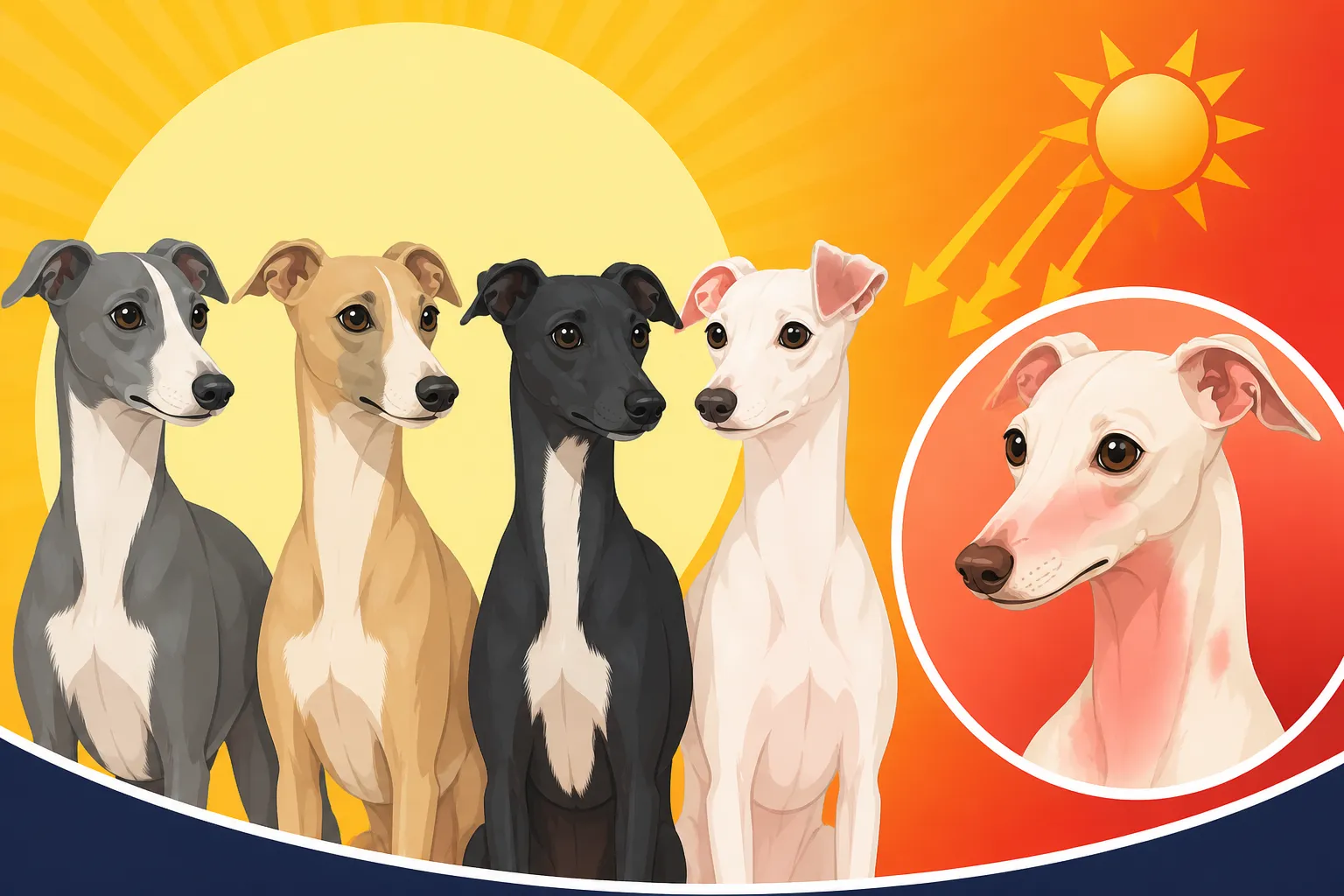
When it comes to sunburn risk, a general rule of thumb applies: lighter colors with less pigment are more vulnerable. This is consistent across many species, including humans. For Italian Greyhounds, this translates to specific coat colors and patterns being particularly high-risk.
White and Cream Italian Greyhounds
These are, without a doubt, at the top of the sunburn vulnerability list. A solid white or very pale cream Italian Greyhound has minimal melanin in their skin. This means there's very little natural defense against the sun's ultraviolet (UV) radiation. Imagine walking outside without sunscreen – that's essentially what their skin is doing. Their delicate pink skin, often visible right through their fine coat, is a prime target for burning. Owners of white and cream Iggies must be extra diligent with sun protection, even on days that seem only mildly sunny.
Blue and Dilute Colors
While blues and dilutes (like fawn, which is a dilute red) might seem darker than white, they still carry a significant sunburn risk, sometimes even greater than expected. Blue Italian Greyhounds, for example, have a dilute black pigment. While they might not show the bright pink skin of a white IG, their skin still has less protective pigment than a true black or dark seal Italian Greyhound. Furthermore, blue Italian Greyhounds are often prone to a condition called Color Dilution Alopecia in a Blue Italian Greyhound, which can cause thinning hair or bald patches, leaving their skin even more exposed. This thinning can occur on their back, flanks, and neck, directly exposing delicate skin to the sun.
Italian Greyhounds with Extensive White Markings
Many Italian Greyhounds are bi-color or even tri-color, sporting white patches on their chest, feet, or face. If your IG has large areas of white, particularly on their back, shoulders, or head, those specific areas are just as vulnerable as a solid white Italian Greyhound. It's important to think of sun protection as needing to cover all the light-colored, exposed skin, not just the overall coat color. A predominantly black or seal Italian Greyhound with a large white blaze on its nose, for instance, could still get a painful sunburn right on that unprotected muzzle.
Here's a quick look at how different colors generally stack up regarding sunburn risk:
| Italian Greyhound Coat Color | General Sunburn Risk Level | Key Vulnerabilities |
|---|---|---|
| White, Cream | High | Minimal melanin, pink skin easily exposed, often sparse coat. |
| Blue, Fawn (Dilutes) | Moderate to High | Diluted pigment offers less protection, potential for hair thinning (CDA) exacerbates risk. |
| Red, Sable | Moderate | More pigment than dilutes, but still short, fine coats and thin skin. |
| Black, Seal, Dark Brindle | Low to Moderate | Highest melanin content provides best natural protection, but thin skin is still a factor. |
| Bi-color (with white patches) | Varies | White patches are high risk; darker areas offer more protection. |
Even an Italian Greyhound with a darker coat can get sunburned, especially if they spend extended time in intense sun, or if they have particularly thin areas of fur. Cuts, Scrapes and an Italian Greyhound's Paper Thin Skin highlights just how delicate their skin is, making any prolonged sun exposure a potential hazard.
Practical Sun Protection for Your Italian Greyhound
Now that we know which Iggies are most at risk, let's talk about how to protect them. Prevention is always better than treatment when it comes to sunburn.
Limiting Sun Exposure During Peak Hours
This is the most straightforward, yet often overlooked, strategy. The sun's UV rays are strongest between 10 AM and 4 PM. If you can, plan your walks and outdoor playtime for early mornings or late afternoons. Even if it's not scorching hot, UV rays can still be damaging. On particularly bright, cloudless days, even short bursts of sun exposure during these peak hours can be enough to cause a burn on a sensitive Italian Greyhound. Think about their daily routine and how you can shift it to avoid the harshest sunlight. If you live in a climate where How an Italian Greyhound Handles Summer Heat is a major concern, this schedule adjustment also helps prevent heatstroke.
Applying Dog-Specific Sunscreen
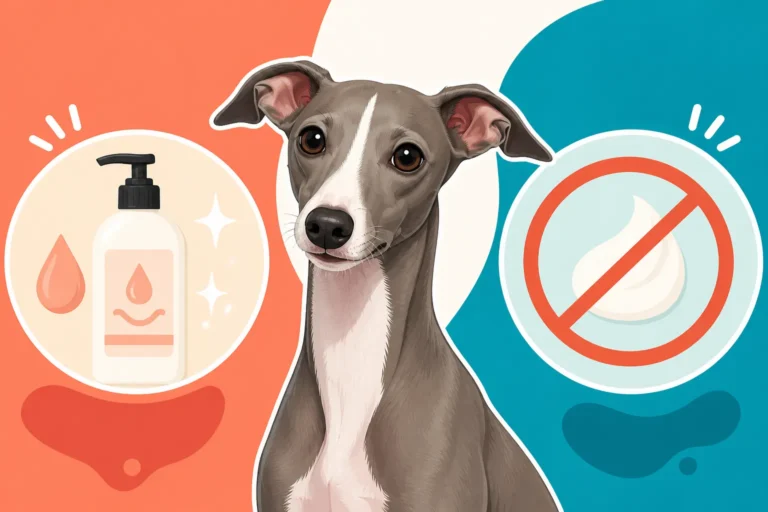
Yes, dog sunscreen is a thing, and it can be a lifesaver for your Italian Greyhound! Never use human sunscreen, as many ingredients are toxic if ingested by dogs, and let's face it, they will lick it. Look for sunscreens specifically formulated for pets. Brands like EPI-PET and Petkin offer options that are non-toxic and often zinc oxide-free (which is important, as zinc oxide can be toxic to dogs).
When applying, focus on those high-risk areas: the tips of their ears, the bridge of their nose, their belly, groin, and any areas where their fur is particularly sparse or they have white markings. A good tip is to apply it about 15-20 minutes before going out to allow it to absorb. If your Italian Greyhound is prone to licking, try to distract them with a treat or a toy for a few minutes after application. You can often find these specialized sunscreens on pet supply sites like Chewy or on larger online retailers like Amazon. Remember to reapply every few hours if they are outside for an extended period, especially after swimming or vigorous activity. For more specific guidance, check out Where to Put Sunscreen on an Italian Greyhound.
Protective Clothing and Gear
This is where your Italian Greyhound's famous wardrobe comes in handy! Beyond keeping them warm, lightweight, UV-protective clothing can be an excellent barrier against the sun. Look for fabrics designed to block UV rays, often labeled UPF (Ultraviolet Protection Factor).
- UV Shirts and Vests: These are great for covering their backs and sides, which are often heavily exposed. Many athletic brands that cater to dogs now offer these.
- Hats and Visors: While some Iggies might tolerate these, they can be useful for protecting sensitive noses and ear tips.
- Boots: While primarily for hot pavement or cold weather, dog boots can also protect paw pads from scorching surfaces, preventing indirect burns.
Even simple, light-colored cotton shirts can offer some protection, though not as much as dedicated UPF clothing. The key is to create a physical barrier between their delicate skin and the sun. Think about Keeping an Italian Greyhound Warm Is Daily Work, Not a Winter Job – while that focuses on cold, the principle of appropriate clothing applies to sun protection too.
Providing Ample Shade
Make sure your Italian Greyhound always has access to shade when outdoors. This might seem obvious, but sometimes we overestimate the amount of shade available or how long it will last.
- Outdoor Play Areas: Ensure there are shady spots under trees, awnings, or dedicated shade structures like gazebos.
- Dog Runs/Yards: If your IG spends time in a fenced yard, make sure there's always a shaded retreat. A simple pop-up canopy or a strategically placed umbrella can make a huge difference.
- Car Travel: Never leave your Italian Greyhound in a car, even with windows cracked, but also be mindful of sun coming through windows. Use sun shades on car windows during travel to prevent direct sun from hitting them for extended periods, especially on long trips.
Recognizing and Treating Sunburn on Your Italian Greyhound
Despite our best efforts, sometimes sunburn happens. Knowing how to spot it and what to do next is essential. An Italian Greyhound's thin skin means even a mild burn can be quite uncomfortable.
Signs of Sunburn
Sunburn on an Italian Greyhound looks a lot like it does on humans, but it's important to know where to look.
- Redness: The most obvious sign. Their skin will appear pinker or redder than usual, especially in areas like the ears, nose, belly, and inner thighs.
- Tenderness/Pain: Your IG might flinch or pull away when you touch the affected areas. They might be reluctant to lie on their back or have their ears handled.
- Warmth to the Touch: The burned skin will feel noticeably warmer than the surrounding areas.
- Flaking or Peeling Skin: In more severe cases, or a few days after the burn, the skin might start to flake or peel, similar to how human skin does.
- Blisters: While less common in dogs than humans, severe burns can result in blistering. If you see this, it’s a medical emergency.
- Excessive Licking or Chewing: Your IG might try to soothe the discomfort by licking or nibbling at the burned areas.
Be vigilant, especially after a sunny outing. If you notice your Italian Greyhound seems uncomfortable or has red skin, it's time to act.
First Aid for Mild Sunburn
For mild cases of sunburn, you can provide some immediate relief at home:
- Cool Compresses: Gently apply cool, damp cloths to the affected areas. This can help reduce inflammation and soothe the skin.
- Aloe Vera (Dog-Safe): Just like with sunscreen, ensure any aloe vera product you use is specifically formulated for pets and is free of alcohol, fragrances, or other additives that could be harmful if ingested. Pure aloe vera gel (from the plant, if it's safe and organic) can be soothing. Apply a thin layer and monitor your dog to prevent licking.
- Keep Them Indoors: Keep your Italian Greyhound out of the sun completely until the burn has healed. Further exposure will only worsen the problem.
- Avoid Scratching/Licking: If your dog is excessively licking or scratching the burn, you might need to use an Elizabethan collar (e-collar) to prevent further irritation or infection. This is particularly important because Why an Italian Greyhound's Skin Splits Instead of Bruising means that even minor trauma can cause more significant skin damage.
When to Consult Your Veterinarian
Not all sunburns can be handled at home. If you observe any of the following, it's time to call your vet:
- Severe Redness or Pain: If the burn looks very red, swollen, or your Italian Greyhound is clearly in significant pain.
- Blistering or Open Sores: These indicate a more serious burn that could easily become infected.
- Lethargy, Vomiting, or Fever: These could be signs of heatstroke or a systemic reaction to a severe burn, both of which require immediate veterinary attention.
- Non-Healing Burn: If the burn doesn't seem to improve after a few days of home care, or if it appears to be getting worse.
- Any Concern: When in doubt, always err on the side of caution and contact your veterinarian. They can assess the severity of the burn and prescribe appropriate treatments, which might include anti-inflammatory medications, antibiotics (if infection is present), or medicated creams.
Understanding the unique vulnerabilities of your Italian Greyhound's delicate skin and sparse coat is key to enjoying sunny days safely. By taking proactive steps, you can prevent uncomfortable and potentially dangerous sunburns, ensuring your long-bodied companion remains happy and healthy.
Disclaimer
This article is for general informational purposes only and does not constitute professional advice. Laws, prices and regulations vary by location and change over time. Consult a qualified professional for guidance on your specific situation.