Whether an Italian Greyhound Has Hair Between Its Pads
Ah, the elegant Italian Greyhound! They're known for their sleek lines, delicate build, and incredibly affectionate nature. But for all their beauty, their unique physiology often comes with specific care needs that can catch new owners off guard, especially when it comes to their paws. Many people wonder about the finer points of their anatomy and how it impacts their daily life and health. This guide will dive deep into a common query: whether Italian Greyhounds have hair between their paw pads, and what this characteristic means for their comfort, safety, and the essential care routines you'll need to master to keep their delicate feet happy and healthy.
The Bare Truth About Italian Greyhound Paw Pads
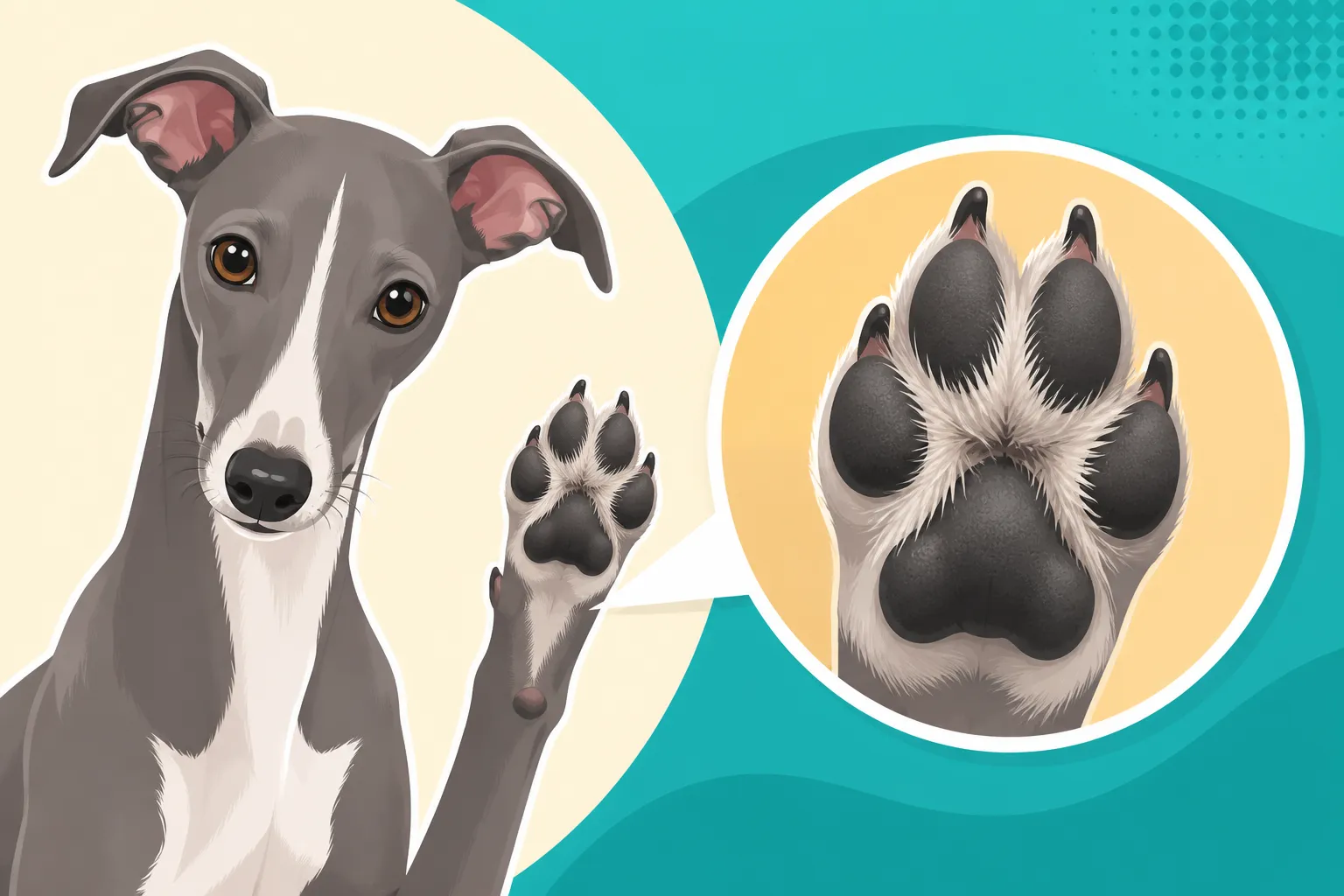
When you look at an Italian Greyhound's paw, you'll immediately notice something quite different from many other dog breeds. Unlike fluffy dogs with thick tufts of hair sprouting between their toes and obscuring their pads, Italian Greyhounds typically have very little, if any, hair in these spaces. Their paw pads are usually quite prominent, smooth, and largely exposed, with only a sparse scattering of fine, short fur, if any at all. This isn't an oversight or a grooming neglect; it's a natural and characteristic trait of the breed, rooted in their sighthound heritage.
Think about a Siberian Husky or a Newfoundland, for example. Those breeds are practically built for snow and cold, and their thick paw fur acts as insulation, protecting their delicate skin from harsh elements and providing extra grip on slippery terrain. Then picture an Italian Greyhound, a breed designed for speed and agility, not trudging through snowdrifts. Their lean, aerodynamic build extends right down to their feet. The lack of excessive hair between their paw pads allows for maximum sensory input from the ground, crucial for a sighthound that relies on swift, precise movements. It also reduces drag and accumulation of debris, which could impede their famous sprint. Their paws are built for feeling the ground beneath them, for quick pivots, and for being light and efficient. This evolutionary design, while perfect for their original purpose, does mean that their paws require a different kind of attention from their human companions.
Why Bare Paws Matter: Traction, Temperature, and Protection
This seemingly minor detail of having minimal hair between their paw pads has significant implications for an Italian Greyhound's daily life and overall well-being. It directly affects their ability to gain traction, their sensitivity to temperature extremes, and their vulnerability to injuries and irritants. Understanding these impacts is the first step in providing appropriate care.
The Slippery Slope of Bare Pads
One of the most immediate and noticeable effects of an Italian Greyhound's bare paw pads is how they navigate indoor environments, especially those with smooth, hard surfaces. While a dog with plenty of paw fur might struggle with traction due to the hair acting like tiny, slippery brushes, an IG's issue is different. Their smooth, relatively hard pads, designed for gripping natural earth, can have a hard time finding purchase on polished hardwood floors, laminate, or tile. It's a bit like trying to run on ice with smooth-soled shoes; there's just not enough friction. This can lead to a lot of sliding and scrambling, which isn't just comical, but genuinely dangerous.
Picture your little IG attempting to dash across the living room to greet you, only to splay out like a cartoon character. This isn't just undignified; repeated slips can cause muscle strains, joint stress, and even serious injuries. A sudden slip and fall, particularly when they're young and bones are still hardening, or when they're older and more fragile, can have devastating consequences. Owners often find themselves constantly seeking solutions for Why an Italian Greyhound Slips on Hardwood, from laying down runners to considering traction socks. It’s a constant battle to keep them safe in their own homes.
Extreme Sensitivity to Temperature
Another critical consideration for Italian Greyhounds with their delicate, sparsely haired paws is their extreme sensitivity to temperature. Their thin skin and lack of insulating fur on their pads mean they have very little protection from environmental extremes. This isn't just a matter of comfort; it's a health and safety concern.
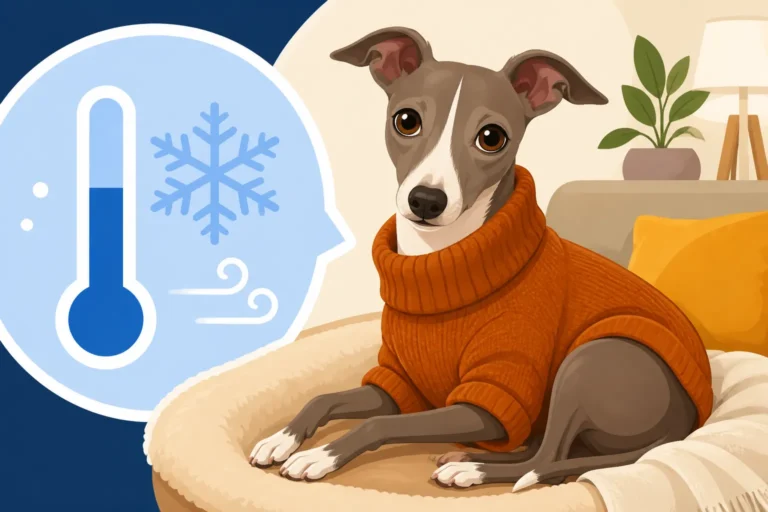
In the summer, walking your Italian Greyhound on hot asphalt or concrete can quickly lead to painful burns on their paw pads. Just imagine walking barefoot on a scorching sidewalk – that's what your IG experiences. The heat transfers directly to their unprotected skin, which can blister, peel, and become incredibly sore. Similarly, in winter, ice, snow, and freezing temperatures pose a serious threat. Their paws can get painfully cold very quickly, leading to discomfort, cracking, and even frostbite in severe cases. Furthermore, ice melts and de-icing salts used on sidewalks can be highly irritating and corrosive to their exposed pads. Many owners grapple with Why an Italian Greyhound Feels the Cold More in general, and their paws are no exception to this overall sensitivity. Protecting their feet from both extremes of temperature is paramount for their well-being.
Vulnerability to Injuries and Irritants
The lack of dense fur between an Italian Greyhound's paw pads also leaves them more vulnerable to cuts, scrapes, and exposure to environmental irritants. There's no protective layer of hair to shield them from sharp objects like thorns, small stones, broken glass, or even rough pavement. A quick run through a patch of weeds could result in embedded plant material or minor abrasions that would be less likely to affect a furrier-footed dog.
Beyond physical trauma, their exposed pads are directly in contact with whatever surfaces they walk on. This means they're more susceptible to chemical irritants found on floors, sidewalks, or lawns, such as cleaning products, pesticides, or fertilizers. Allergens like certain grasses or pollens can also easily come into contact with their skin, potentially leading to irritation or allergic reactions. After a walk, these irritants can then be tracked into the house and even ingested if your IG licks their paws, which they are prone to do. Understanding this vulnerability is key to proactive care and maintaining healthy paws.
Essential Paw Care for Your Italian Greyhound's Delicate Feet
Given the unique characteristics of an Italian Greyhound's paws, a dedicated and consistent paw care routine isn't just a nice-to-have; it's absolutely essential for their health, comfort, and safety. This involves a combination of regular inspection, protective measures, and proper hygiene.
Daily Paw Inspections and Cleaning
Make it a habit to check your Italian Greyhound's paws daily, especially after walks or outdoor play. Gently spread their toes and examine the pads for any signs of redness, swelling, cuts, cracks, blisters, or foreign objects like thorns, burrs, or small pieces of debris. Because their skin is so thin and delicate, even a small cut can be more impactful than on a more robust breed. If you find anything concerning, address it promptly. For minor issues like embedded debris, a pair of tweezers might be all you need, followed by a gentle cleaning.
After walks, particularly during hot summers or cold, salty winters, a quick wipe down of their paws is highly recommended. You can use a damp cloth, or pet-safe paw wipes readily available from retailers like Chewy or Amazon. This helps remove dirt, allergens, and any potentially irritating chemicals, preventing them from being licked off later or causing skin issues. This simple routine can prevent a lot of common issues from escalating.
Moisturizing for Healthy Pads
Italian Greyhounds, much like humans, can suffer from dry and cracked skin, and their paw pads are particularly susceptible, especially in arid climates or during harsh winter months. Why an Italian Greyhound Gets Dry Skin in Winter isn't just about their body coat; it applies to their paws too. Dry pads can be uncomfortable, painful, and even prone to further cracking, which can lead to infections.
Regularly applying a pet-safe paw balm or moisturizer can make a world of difference. Look for products specifically formulated for dogs, made with natural ingredients like shea butter, coconut oil, or beeswax. Gently massage a small amount into their paw pads daily or every few days, allowing it to absorb. This helps keep the pads supple, resilient, and less prone to cracking. You can find a wide variety of these soothing balms on Amazon or Chewy, and it’s a small investment that pays off in big comfort for your furry friend.
Protective Gear: Boots and Traction Socks
Sometimes, environmental conditions or a specific home setup call for more direct paw protection. This is where dog boots and traction socks come into play.
- Dog Boots: For extreme weather conditions – scorching summer pavement, icy sidewalks, or areas treated with de-icing chemicals – dog boots are invaluable. They provide a barrier against temperature extremes and harsh substances, preventing burns, frostbite, and chemical irritation. Finding boots that fit an Italian Greyhound's slender legs and delicate paws can be a challenge, so look for ones with adjustable straps that secure well without being too tight. Many owners ponder Whether an Italian Greyhound Needs Boots, and the answer often comes down to their local climate and activity level.
- Traction Socks: For indoor slippage issues, traction socks or "grippy socks" can be a lifesaver. These lightweight socks typically have rubberized grips on the bottom, giving your IG better purchase on slick floors and reducing the risk of slips and falls. This is particularly important for preventing injuries that could lead to costly vet visits. Whether an Italian Greyhound Needs Traction Socks is a common question, and for homes with extensive hardwood or tile, they can be a game-changer for safety.
Introducing boots or socks might take some patience and positive reinforcement, as many dogs initially find them strange. Start with short periods and reward heavily.
Proper Nail Trimming
While not directly related to hair between pads, nail care is intrinsically linked to overall paw health. Overgrown nails can push on the paw pads, causing discomfort, altering gait, and making it harder for your Italian Greyhound to get good traction. Long nails can also snag and tear, which is incredibly painful and often requires veterinary attention. Because their pads are so sensitive and exposed, maintaining appropriate nail length helps them walk comfortably and confidently.
Regular nail trims, usually every 2-4 weeks, are crucial. If you're unsure how to trim your Italian Greyhound's nails without cutting the quick (the sensitive part of the nail), ask your vet or a professional groomer to show you. Many Italian Greyhound owners find that a Dremel-style rotary tool is easier and less stressful for their dogs than traditional clippers. For more comprehensive advice, refer to Nails, Ears and Feet on an Italian Greyhound.
Creating a Safe Indoor Environment
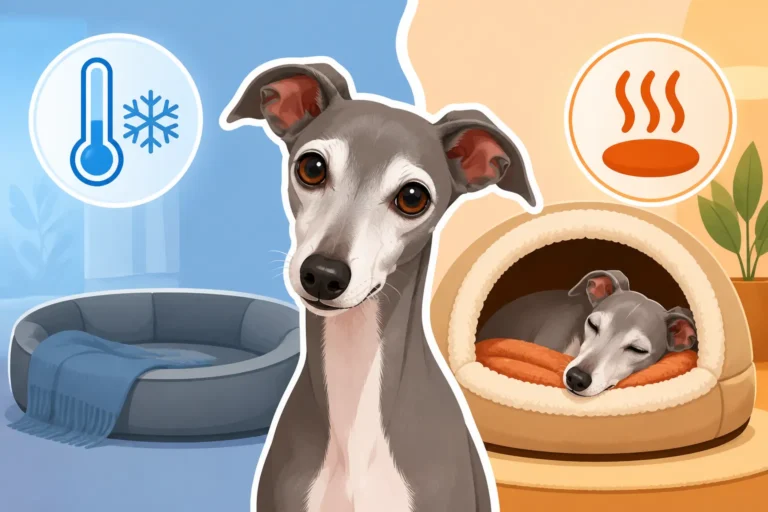
Considering an Italian Greyhound's delicate structure, it's wise to make adjustments to your home to minimize risks associated with their bare paw pads and propensity to slip. Strategically placed rugs and runners on hard floors can create safe pathways and designated play areas where your IG can move freely without the constant threat of slipping. This reduces stress on their joints and helps prevent accidental injuries. Additionally, ensure their beds are supportive; Why an Italian Greyhound Needs Orthopedic Foam is important not just for joints but also for preventing pressure sores on their thin skin and delicate feet. Similarly, during colder months, you might consider Whether an Italian Greyhound Needs a Heated Bed to keep their generally cold-sensitive body, including their paws, nice and toasty.
Common Paw Issues and How to Address Them
Despite your best efforts, Italian Greyhounds can still encounter various paw-related issues due to their unique anatomy. Knowing what to look for and how to respond can help you address problems quickly and keep your beloved companion comfortable.
Dry and Cracked Pads
As mentioned, dry and cracked paw pads are a common complaint, particularly in dry climates or during winter. Symptoms include visible cracks, rough texture, peeling skin, and sometimes redness or limping if the cracks are deep and painful.
Addressing the Issue:
- Consistent Moisturizing: This is your first line of defense. Use a high-quality, pet-safe paw balm several times a day until improvement is seen, then continue regularly for maintenance. Products rich in natural oils and waxes are best.
- Environmental Protection: In cold or dry weather, use boots when outdoors. Indoors, ensure comfortable, soft bedding and consider a humidifier if your home air is very dry.
- Hydration and Diet: Ensure your IG is well-hydrated. While a proper diet is good for overall skin health, it's less directly impactful on paw pad cracking than topical moisture.
Slipping and Related Injuries
Frequent slipping on hard surfaces isn't just inconvenient; it can lead to sprains, strains, or even fractures, especially if your Italian Greyhound takes a bad fall. You might notice them hesitant to run or jump, or even limping after a particularly bad slide.
Addressing the Issue:
- Increase Traction Indoors: Lay down rugs, carpet runners, or anti-slip mats in high-traffic areas. This is often the most effective and immediate solution.
- Traction Socks: As discussed earlier, non-slip socks can provide excellent grip and are a good option for IGs who tolerate them.
- Nail Length: Keep nails trimmed short to prevent them from pushing against the floor and reducing pad contact.
- Supervision: Monitor their play, especially during zoomies, on slick surfaces.
| Paw Issue | Symptoms | Recommended Solution | Prevention Strategies |
|---|---|---|---|
| Dry/Cracked Pads | Roughness, visible cracks, peeling, pain | Apply pet-safe paw balm, increase indoor humidity | Regular moisturizing, use paw protection in harsh weather |
| Slipping/Lack of Traction | Sliding, splaying, hesitant movement on hard floors | Use indoor traction socks, lay down rugs/runners | Keep nails trimmed, provide grippy surfaces indoors |
| Heat Burns | Redness, blisters, limping, tenderness | Cool with water, apply soothing balm, vet visit for severe burns | Avoid hot surfaces, use dog boots in summer |
| Frostbite/Cold Damage | Redness, swelling, pale/discolored pads, pain | Warm slowly, vet visit immediately for severe cases | Use dog boots in winter, limit cold exposure |
| Cuts/Scrapes | Visible injury, bleeding, limping, licking | Clean wound, apply antiseptic, bandage (vet if deep/large) | Regular paw checks, avoid rough terrain outdoors |
| Irritation/Allergies | Redness, itching, licking, chewing paws | Clean paws after walks, identify/avoid allergens, vet for medication | Wipe paws after walks, use protective boots on treated lawns |
Environmental Burns (Hot Pavement, Cold Surfaces)
Burns from hot pavement in summer or damage from freezing surfaces in winter are serious concerns. Symptoms of burns include limping, red or blistered pads, and excessive licking of the paws. Cold exposure can lead to redness, swelling, paleness, or even hardened pads if frostbite occurs.
Addressing the Issue:
- Immediate Cooling/Warming: For burns, immediately cool the paws with cool (not ice cold) water. For cold damage, warm them slowly.
- Veterinary Care: Any significant burn or sign of frostbite requires immediate veterinary attention.
- Prevention is Key: During summer, avoid walking during the hottest parts of the day. If you can't hold your hand on the pavement for five seconds, it's too hot for your IG's paws. How an Italian Greyhound Handles Summer Heat is important to understand. In winter, invest in good quality dog boots when temperatures drop, and be mindful of salted sidewalks. Consider What to Keep in a First Aid Kit for an Italian Greyhound for immediate, minor issues.
Cuts, Scrapes, and Punctures
Due to their thin skin and lack of protective fur, Italian Greyhounds' paws are prone to minor cuts, scrapes, and even punctures from sharp objects outdoors. These can cause pain, lameness, and are at risk of infection.
Addressing the Issue:
- Cleanliness: If you find a cut, gently clean it with mild, pet-safe antiseptic solution or warm water and mild soap.
- Assess Depth: For superficial scrapes, keep it clean and monitor. For deeper cuts or punctures, contact your vet immediately. They may need stitches or antibiotics.
- Bandaging: A loose bandage can protect the wound from dirt and licking, but ensure it's not too tight to cut off circulation. Your vet can show you how to apply a proper paw bandage.
By being mindful of your Italian Greyhound's unique paw characteristics and implementing a proactive care routine, you can help ensure their delicate feet remain healthy, comfortable, and ready for all their elegant, speedy adventures.
Disclaimer
This article is for general informational purposes only and does not constitute professional advice. Laws, prices and regulations vary by location and change over time. Consult a qualified professional for guidance on your specific situation.