Why an Italian Greyhound’s Feet Crack in Winter
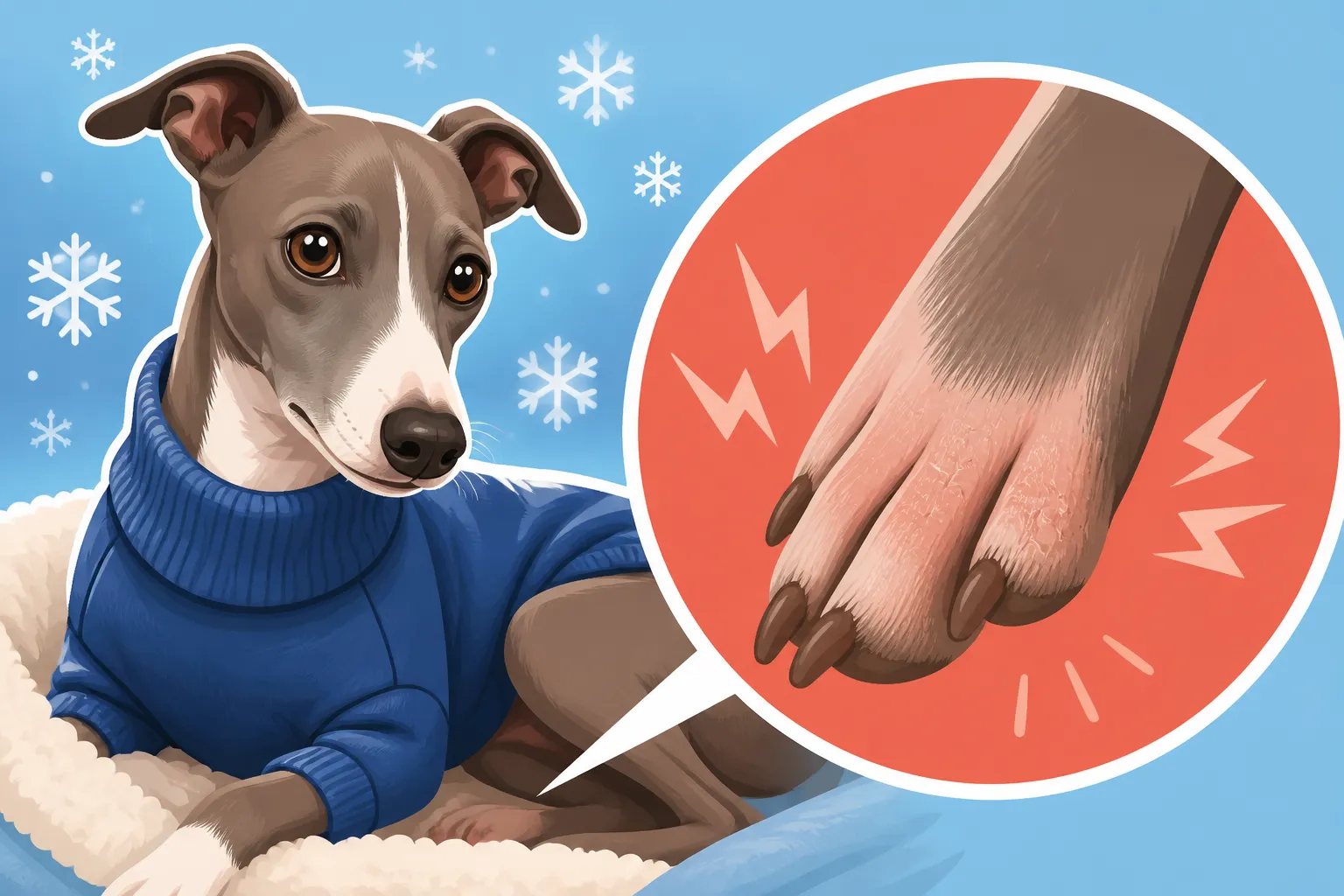
There's nothing quite as heartbreaking as seeing your beloved Italian Greyhound tiptoeing gingerly across the floor, perhaps licking at their little paws, and realizing their delicate pads are cracked and sore. Winter can be a beautiful season, full of crisp air and cozy nights, but it brings a unique set of challenges for our thin-skinned, low-fat companions, especially when it comes to their sensitive paws. This guide will walk you through exactly why your Italian Greyhound's feet might be cracking in the colder months and, more importantly, what you can do to prevent it and soothe those sore pads.
The Unique Vulnerability of Italian Greyhound Paws in Winter
Italians Greyhounds are, by nature, a delicate breed. Their sleek, fine coats and almost non-existent body fat are part of their charm, but they also mean they're not built for harsh weather. This vulnerability extends right down to their paw pads, which are far more susceptible to the elements than those of many other breeds.
Why Thin Skin Affects Paw Pads
Think about your own skin when it gets cold and dry – it can chap and crack, right? Now imagine your Italian Greyhound's skin, which is notoriously thin everywhere on their body. While their paw pads are tougher than the skin on their belly, they still share this underlying predisposition to dryness and damage, especially when exposed to extreme conditions. Unlike breeds with thick, double coats and dense body fat, Iggies have very little insulation. This means their extremities, like their ears and paws, get cold much faster, reducing blood flow and making them more prone to dryness and cracking. It's a similar reason why they shiver so much if the house isn't kept at a The Room Temperature an Italian Greyhound Is Comfortable At. The overall sensitivity of their skin, which makes them prone to Cuts, Scrapes and an Italian Greyhound's Paper Thin Skin, also means their paw pads can be more reactive to irritants and harsh conditions.
The Role of Low Body Fat and Indoor Lifestyle
Italian Greyhounds are often described as having "seventeen percent body fat," which means they have very little natural padding. This is great for their athletic build, but not so great when it comes to protecting them from the cold. Their paw pads lack the insulating fat layers that some other breeds possess, leaving them more exposed to cold surfaces like icy sidewalks or frozen ground.
Beyond their physical makeup, our Iggies spend a lot of time indoors – and rightly so! They're not outdoor dogs. However, our warm, dry homes, especially those heated by forced air, can strip moisture from the air, creating an arid environment that dries out skin and paw pads alike. Just as our hands can feel parched in winter, so too can an Italian Greyhound's paws. The sudden transition from a warm, dry house to a freezing outdoor environment, even for a quick potty break, can be quite a shock to their delicate paws, contributing to their susceptibility to cracking.
Environmental Factors That Cause Cracked Paws
It's not just your Italian Greyhound's delicate nature; the winter environment itself throws several curveballs at their paw pads. Understanding these factors is key to protecting your little friend.
Freezing Temperatures and Dry Air
The most obvious culprit is the cold itself. When temperatures plummet, the air becomes less humid, making it incredibly dry. This dry air actively pulls moisture from anything it touches, including your Italian Greyhound's paw pads. Imagine walking barefoot on a very dry, cold surface for an extended period – your skin would quickly lose moisture and become chapped. For an Italian Greyhound, even short stints outdoors in cold, dry weather can lead to significant moisture loss in their pads.
Furthermore, extremely cold surfaces like ice and frozen ground can actually cause minor frostbite or tissue damage that manifests as cracking. The delicate skin on their paw pads is not equipped to handle prolonged contact with such harsh temperatures. Even if they are dressed warmly in a What an Italian Greyhound Wears Indoors in Winter or a Fitted Italian Greyhound Sweater, their paws are often the last part considered.
Ice, Snow, and De-icing Chemicals
Winter brings with it not just cold, but often ice and snow. While some Iggies might enjoy a quick frolic, these elements are not friendly to their paw pads. Ice can be sharp, causing small cuts and abrasions that then lead to cracking as the skin tries to heal in dry conditions. Snow, too, can cause issues, especially if it packs between their pads, turning into ice balls that pull and irritate the skin. This discomfort can even lead to your Italian Greyhound refusing to go outside in snowy conditions.
But perhaps the biggest villain in winter paw care is the array of de-icing chemicals used on sidewalks, roads, and even our own driveways. Rock salt, calcium chloride, and other ice melts are incredibly harsh and corrosive. They can burn and irritate your Italian Greyhound's paw pads, leading to dryness, redness, and ultimately, painful cracks. If you've ever felt the sting of salt on a cut, you can imagine what it does to sensitive paw pads. This is a crucial point many owners overlook, but Whether Salted Sidewalks Hurt an Italian Greyhound's Feet is a resounding yes. These chemicals don't just cause immediate irritation; they contribute to the long-term dryness that exacerbates cracking.
Rough Surfaces and Lack of Moisture
Even without extreme cold or chemicals, rough winter surfaces can contribute to paw pad damage. Hard, frozen ground, rough concrete, or even simply the repeated friction of walking on dry sidewalks can wear down the protective outer layer of the paw pads. This wear and tear, combined with a lack of moisture, makes the pads more susceptible to splitting and cracking.
It's a vicious cycle: the environment dries out the pads, making them less pliable. Then, normal activities like walking cause tiny tears, which deepen into cracks as the dry skin loses its elasticity. It's not just about what they step on, but also the overall environmental humidity. If your home's air is very dry, it affects your Italian Greyhound just as much as it affects you.
Preventing and Treating Cracked Italian Greyhound Paws
The good news is that you can take several proactive steps to prevent your Italian Greyhound's paws from cracking and effectively treat them if they do. A consistent routine is your best friend here.
Daily Paw Protection Strategies
Prevention is always better than cure, especially when it comes to something as painful as cracked paw pads.
- Paw Balms and Waxes: These are absolute lifesavers. A good paw balm acts as a protective barrier against harsh elements while also deeply moisturizing the pads. Look for balms made with natural ingredients like beeswax, shea butter, coconut oil, or vitamin E. Before every outdoor excursion, gently massage a generous amount into your Italian Greyhound's paw pads. This creates a protective layer that helps shield them from cold, ice, and chemicals. You can find excellent options on Chewy or Amazon that are specifically formulated for dog paws. Apply it again before bed to allow for overnight healing and conditioning. This helps restore moisture and keep the pads supple.
- Protective Boots: While some Iggies might protest at first, dog boots are the ultimate protection against severe winter conditions. They create a physical barrier between your dog's paws and the ground, shielding them from ice, snow, and de-icing salts. It's vital to get boots that fit properly – too loose, and they'll fall off; too tight, and they'll be uncomfortable. Look for lightweight, flexible options that allow your Italian Greyhound to move naturally. Learning Which Boots Stay On an Italian Greyhound can be a bit of trial and error, but it's worth the effort for their comfort. Introduce boots slowly, letting your dog wear them for short periods indoors first, with lots of praise and treats.
- Humidifiers Indoors: Since dry indoor air is a major contributor to parched paws, consider using a humidifier in the rooms where your Italian Greyhound spends the most time, especially in your bedroom at night. This adds moisture back into the air, benefiting not just their paw pads, but their overall skin health and respiratory system.
Post-Outdoor Care and Cleaning
What you do after your Italian Greyhound comes back inside is just as important as what you do before they go out.
- Thorough Wiping and Rinsing: As soon as your Italian Greyhound comes in from a walk, especially if they've been on salted sidewalks or through snowy areas, immediately wipe down their paws. A warm, damp cloth works well. Better yet, give their paws a quick rinse in lukewarm water. This removes any salt, chemicals, or ice particles that could irritate or dry out their pads. Make sure to get between the toes and pads where irritants can hide. This simple step prevents chemical burns and reduces dryness significantly.
- Gentle Drying: After wiping or rinsing, thoroughly dry your Italian Greyhound's paws. Trapped moisture between the pads can lead to skin irritation or even fungal issues. Pat them dry with a soft towel.
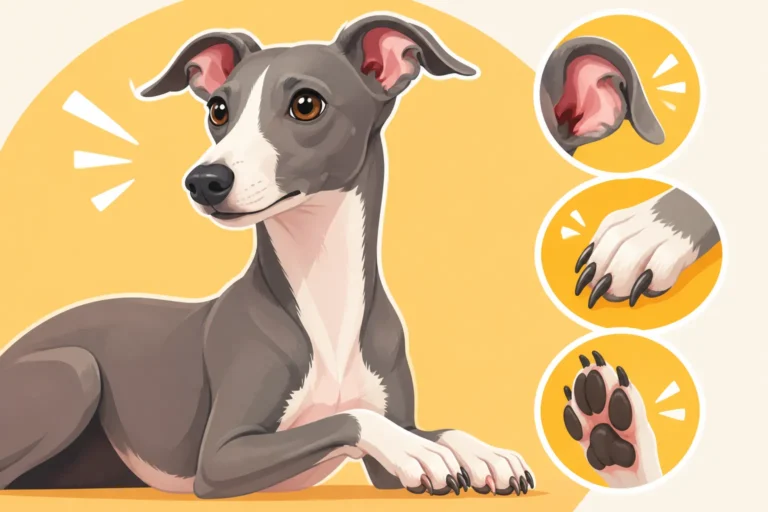
- Inspecting for Damage: This is also the perfect time to quickly inspect their paw pads for any signs of cracking, redness, or tenderness. Catching issues early means you can address them before they become more serious. Check for any foreign objects that might have gotten stuck, like tiny pebbles or ice shards. What to Keep in a First Aid Kit for an Italian Greyhound is a good resource if you find anything concerning.
Treating Existing Cracks
If despite your best efforts, your Italian Greyhound's paws have already started to crack, don't despair. There are ways to help them heal.
- Soothing Balms: Continue to apply paw balm liberally and frequently to the cracked areas. The moisturizing properties will help soften the hardened edges of the cracks and promote healing. Look for balms with ingredients like calendula or aloe vera, known for their soothing and healing properties. Applying a thick layer before bedtime and covering with a soft sock (if your dog tolerates it) can help the balm penetrate deeply overnight.
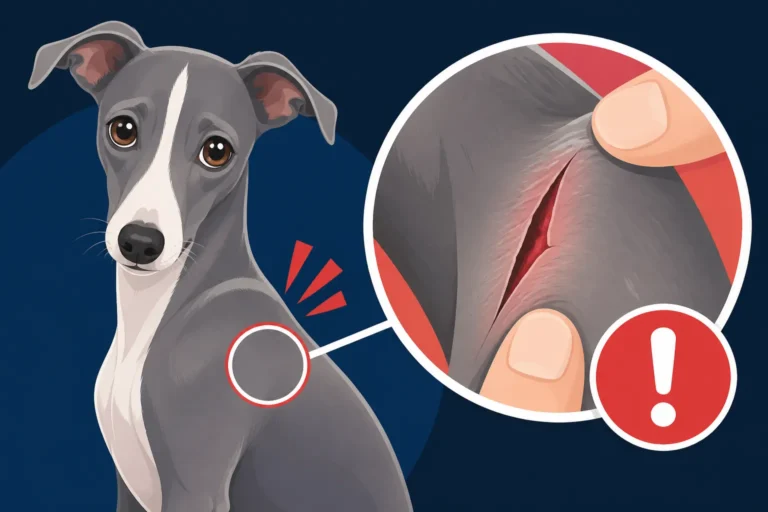
- Veterinary Consultation for Deep Cracks: For deep cracks that are bleeding, infected, or not improving with home care, it's crucial to consult your veterinarian. They might prescribe a medicated ointment, antibiotics, or recommend protective bandaging to prevent further irritation and infection. Sometimes, what looks like a simple crack could be a symptom of a deeper issue, so always err on the side of caution.
- Consider Diet and Hydration: While not a direct fix for cracks, ensuring your Italian Greyhound is well-hydrated and on a balanced diet rich in Omega fatty acids can support overall skin health. Healthy skin is more resilient to environmental stressors. Quality food options from places like Ollie (though typically higher cost) or other premium brands from Chewy or local pet stores can contribute to better skin and coat health, which in turn benefits paw pads.
Here's a quick comparison of popular paw protection methods for winter:
| Method | Pros | Cons | Best For |
|---|---|---|---|
| Paw Balms/Wax | Easy to apply, moisturizes, creates barrier. | Needs frequent reapplication, can be licked off. | Mild cold, dry air, light chemical exposure. |
| Dog Boots | Maximum protection from cold, ice, chemicals. | Can be hard to fit, some dogs resist wearing them. | Harsh conditions, heavy snow, salted pavements. |
| Humidifier | Improves overall indoor air quality, benefits skin. | Indirect benefit, doesn't protect outdoors. | Addressing dry indoor air, general skin health. |
| Rinsing Paws | Removes irritants like salt and chemicals. | Needs to be done every time, doesn't add moisture. | Post-walk cleaning, chemical exposure prevention. |
Taking these steps seriously can make a huge difference in your Italian Greyhound's comfort during the colder months. Their delicate paws deserve all the care we can give them.
Disclaimer
This article is for general informational purposes only and does not constitute professional advice. Laws, prices and regulations vary by location and change over time. Consult a qualified professional for guidance on your specific situation.