How an Italian Greyhound’s Skin Tears
If you've ever owned an Italian Greyhound, you know their skin is incredibly delicate, almost like tissue paper. It's one of those things you don't truly understand until you're holding a trembling little dog with a gaping wound from what seemed like the most innocuous bump or scrape. This guide is here to shed light on why their skin is so fragile, the common ways these unfortunate tears happen, what to do when they do, and most importantly, how to minimize the risk so you can keep your beloved companion safe and sound.
The Delicate Nature of Italian Greyhound Skin
Italian Greyhounds are renowned for their elegant, fine-boned structure and silky-smooth coats. What many new owners don't realize is that this same delicate build extends right down to their skin, making them incredibly prone to tears, lacerations, and scrapes. It's not just a superficial characteristic; it's a fundamental part of their sighthound physiology that demands special consideration. Understanding why their skin is so fragile is the first step in learning how to protect them.
Paper-Thin Skin: Anatomy and Lack of Subcutaneous Fat
Think about your own skin or that of a more robust dog breed – there's usually a layer of fat and connective tissue just beneath the surface, acting as a cushion. This subcutaneous fat is largely absent in Italian Greyhounds. Their skin lies incredibly close to their muscles and bones, with very little in between to absorb impact or provide structural integrity. This lack of padding means that even a minor trauma that would barely leave a bruise on another dog can result in a deep, significant tear for an Italian Greyhound. When they do get a cut, you'll notice their skin tends to split open cleanly, rather than just bruising or stretching, a phenomenon often described by vets as Why an Italian Greyhound's Skin Splits Instead of Bruising. This unique anatomy means that their skin is far less resilient to shearing forces or blunt trauma. It’s not a flaw, per se, but an inherent trait of the breed that we, as their guardians, must be constantly mindful of.
This anatomical difference also means that when they encounter something sharp or abrasive, there's little resistance before the skin gives way. Picture a thin silk scarf compared to a sturdy canvas; one will rip far more easily. Their sparse coat, while beautiful, offers minimal protection against physical injury, unlike breeds with thick double coats that can sometimes deflect minor scrapes. This vulnerability is why even a small branch or the corner of a piece of furniture can become a significant hazard, leading to tears that might surprise you with their depth and severity given the apparent minor nature of the incident. It requires a fundamental shift in how you view their environment and their interactions with it.
The "Sighthound Skin" Phenomenon
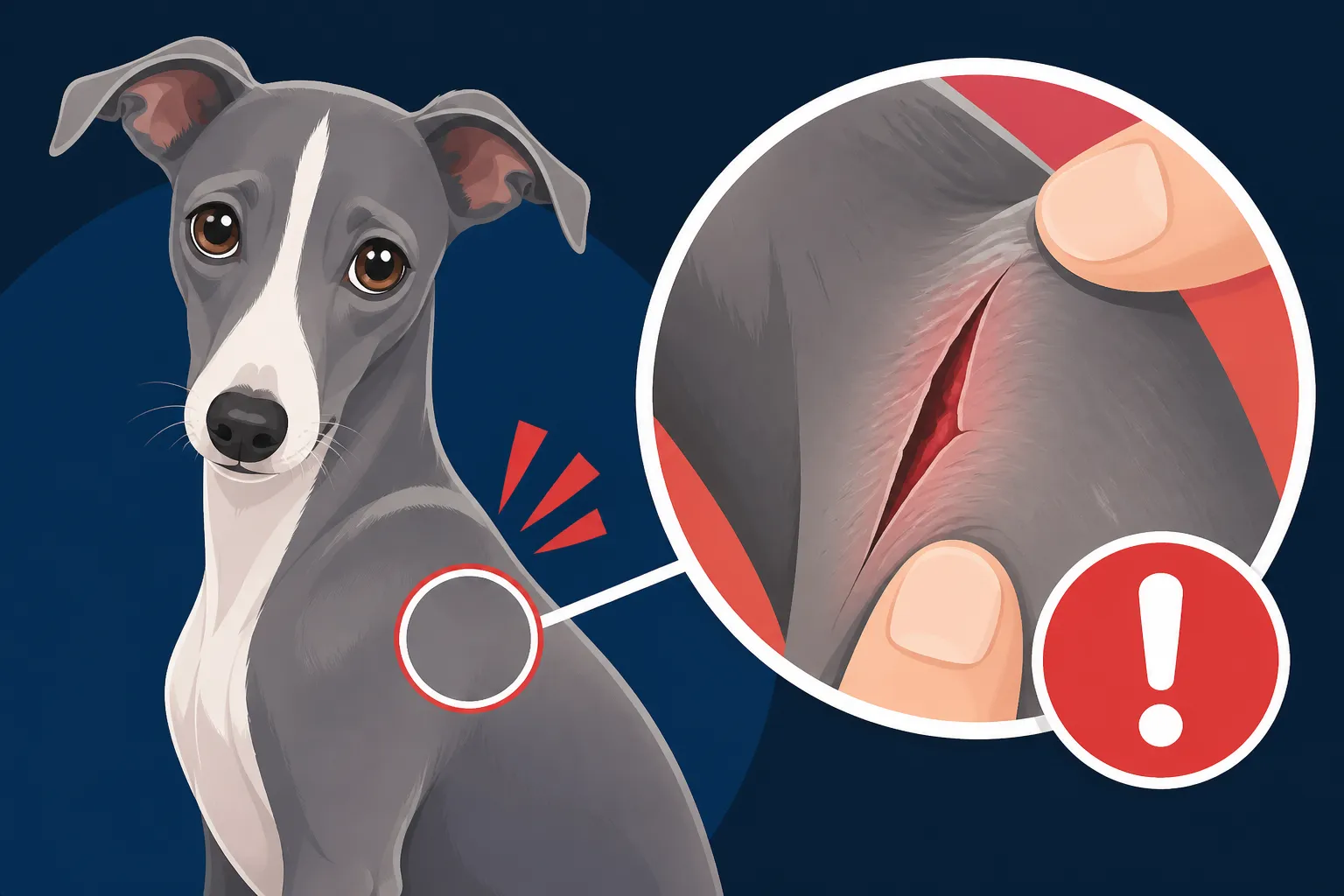
The term "sighthound skin" is often used to describe this inherent fragility, common across many sighthound breeds like Greyhounds, Whippets, and of course, Italian Greyhounds. It's a hallmark of their lean, athletic build, optimized for speed and agility rather than ruggedness. Their skin is not only thin but also incredibly elastic, which allows for their vast range of motion when running at high speeds. However, this elasticity also means that when the skin does tear, it can gape open quite dramatically, making the injury look far worse than it might actually be in terms of tissue damage beneath the surface. While visually alarming, this elasticity is a double-edged sword: it allows them to move freely, but offers little protection.
This "sighthound skin" characteristic also extends to their healing process. While generally good healers, the delicate nature of their skin means that sutures can sometimes pull through easily if not managed correctly, or if the dog is too active too soon. It's a constant balancing act between allowing them to be dogs and protecting their inherent physical vulnerabilities. Understanding that this isn't just your Italian Greyhound being clumsy, but rather a breed-wide characteristic, can help you develop the patience and preventative strategies needed to keep them safe and sound throughout their lives. It's a unique aspect of caring for these wonderful, delicate creatures.
Common Scenarios Leading to Skin Tears
It feels like Italian Greyhounds can tear their skin doing almost anything, and frankly, sometimes it feels that way! The everyday world, built for more robust beings, presents a myriad of hazards for their paper-thin skin. From a rambunctious play session to a simple misstep, the potential for injury is always lurking. Recognizing these common scenarios is crucial for preventative care, allowing you to anticipate and mitigate risks before they turn into costly and painful vet visits.
Everyday Hazards in the Home
Your home, which you consider a safe haven, can be a minefield for an Italian Greyhound's delicate skin. Sharp furniture corners are notorious culprits; a quick turn or a brush against an unprotected edge can result in a long, linear tear. Table legs, door jambs, and even radiator covers can pose a threat. We often get so used to our household items that we overlook their potential dangers. Think about the height of your furniture: if your IG jumps on and off sofas or beds, the sudden impact or a slight miscalculation can cause their skin to rub or catch on the edge, leading to a tear. Ramps and Steps for an Italian Greyhound's Furniture can be a lifesaver here, dramatically reducing the risk of impact injuries.
Another common household scenario involves human interaction. An accidental bump from a foot, a dropped item, or even clumsy handling can lead to tears, especially around the flanks or chest where the skin is particularly exposed. Even seemingly harmless items like plastic toy edges, sharp corners of pet beds, or the teeth of a zipper on a dog coat can snag and tear their skin. It’s about viewing your home through their eyes, at their level, identifying anything that could snag, poke, or abrade their delicate skin. Even something as simple as a forgotten nail on a picture frame or a loose staple in a carpet can be enough to cause a significant injury.
Playtime Mishaps with Other Dogs
While Italian Greyhounds often love to play, their thin skin makes interactions with other dogs a significant risk factor for tears. A playful nip, a rough tumble, or even just another dog's claw catching them can result in a laceration. This is especially true when they're playing with larger, more boisterous breeds. A big dog's paw, a tooth that barely makes contact, or the sheer force of a playful collision can easily cause the skin to rip open, particularly over bony areas like hips, elbows, or the top of the head. It's a sad reality that while they crave interaction, their physical delicacy means we have to be exceptionally vigilant about their playmates. Why an Italian Greyhound Should Not Play With Large Dogs delves deeper into these specific risks.
Even among their own kind, or with other small, gentle dogs, skin tears can occur. A game of chase that ends with a collision, or a sudden change of direction, can cause them to graze against another dog, resulting in an injury. Their playful "zoomies" are a joy to watch, but they often lack grace in their high-speed antics, making them prone to misjudging distances and bumping into obstacles or other pets. It's not about stopping them from having fun, but about creating a safe play environment – often requiring careful supervision, playing in soft, open spaces, and sometimes, limiting interaction with dogs who don't understand their fragility.
Environmental Factors and Outdoor Risks
The great outdoors, while full of wonders, is also full of potential dangers for an Italian Greyhound's skin. Bushes with thorns, rough tree bark, and sharp twigs or rocks can easily snag and tear their skin during a run through the park or a walk in the woods. Even a seemingly innocent patch of tall grass can conceal a hazard. Their instinct to chase small animals means they'll often dart into areas without considering the physical risks. A sudden dash after a squirrel could lead them crashing into unseen branches, resulting in a tear.
Hard, uneven surfaces like rough asphalt or gravel can also cause abrasions if they slip or fall. And while less common than tears, bug bites, especially from aggressive insects, can cause irritation and prompt excessive scratching, which can lead to secondary skin damage. Even common parasites like fleas can lead to persistent scratching and compromise skin integrity; this is why knowing How Easily an Italian Greyhound Picks Up Fleas and implementing preventative measures is so important. A secure, well-maintained yard, free of sharp debris, is vital. When out and about, choosing open, grassy areas for walks and ensuring they wear appropriate clothing for protection can significantly reduce the risk of environmental skin tears.
Recognizing and Assessing a Skin Tear
When you have an Italian Greyhound, seeing a skin tear is almost a rite of passage, but that doesn't make it any less shocking or concerning when it happens. The sight of a raw, open wound can be alarming, especially given how dramatically their thin skin can gape. Knowing how to quickly assess the situation and determine the severity of the injury is crucial. It can help you stay calm, provide effective first aid, and make an informed decision about when professional veterinary help is needed.
Identifying Different Types of Tears
Not all skin tears are created equal, and understanding the basic types can help you describe the injury to your vet and better understand the immediate care required.
- Lacerations: These are typically irregular, jagged tears caused by impact with a blunt or sharp object. They might have uneven edges and can be quite deep. These are very common for Iggys running into furniture or getting caught on something.
- Abrasions: Often referred to as "grazes" or "scrapes," these are superficial injuries where the top layers of skin are rubbed off. While they might look raw and red, they usually don't involve a full-thickness breach of the skin. Think of your IG slipping on concrete and skidding a bit.
- Puncture Wounds: These are deeper, narrower wounds caused by sharp, pointed objects like a thorn, a nail, or even another dog's tooth. The entry point might look small, but the damage beneath the surface can be significant, carrying a higher risk of infection.
- Flap or Avulsion Wounds: These are particularly common in Italian Greyhounds due to their delicate skin. A section of skin is partially or completely torn away from the underlying tissue, leaving a "flap" of skin. These can be very serious, often requiring surgical reattachment or removal.
No matter the type, assess the size, depth, and location of the tear. A small, superficial abrasion on a fleshy part of the body is very different from a deep laceration near a joint or a major blood vessel. The presence of bleeding, and whether it's minor oozing or a steady flow, also helps gauge severity. Don't be fooled by the dramatic appearance; sometimes a widely gaping tear can actually be quite shallow. However, always err on the side of caution when assessing any skin injury on an Italian Greyhound.
When a Vet Visit Is Immediately Necessary
It's tempting to try to handle everything at home, but with Italian Greyhounds, many skin tears warrant immediate veterinary attention. Here's when you should definitely call your vet or head to the emergency clinic:
- Deep or Gaping Wounds: If the tear is deep enough to expose muscle, fat, or bone, or if the edges are pulled far apart, it needs professional closure. This is especially true for flap wounds.
- Heavy or Persistent Bleeding: While most tears might bleed a bit, if you can't control the bleeding with direct pressure within a few minutes, or if it's spurting, it's an emergency.
- Location of the Wound: Tears near joints, eyes, mouth, genitals, or over major arteries/veins carry higher risks and usually require a vet's assessment. Wounds on the head or neck can also be particularly tricky to manage at home.
- Signs of Infection: If the wound is already showing signs of infection (redness, swelling, pus, foul odor, heat to the touch), it needs veterinary care, potentially antibiotics.
- Large Abrasions: Even if not deep, very large areas of abraded skin can be painful and prone to infection, benefiting from professional cleaning and bandaging.
- Puncture Wounds: As mentioned, these can be deceptive. A small entry wound can hide significant internal trauma or carry bacteria deep into the tissue. Always have a vet check puncture wounds.
- Dog is in Pain or Lame: If your IG is visibly distressed, not putting weight on a limb, or constantly licking/chewing the wound, they need professional pain management and assessment.
It's better to be safe than sorry. A quick call to your veterinarian can often help you decide the urgency. They know the breed's fragility well and can guide you. Keep What to Keep in a First Aid Kit for an Italian Greyhound stocked so you're always ready for those unexpected moments.
First Aid for Minor Italian Greyhound Skin Tears
Even with the best preventative measures, sometimes a minor skin tear is unavoidable with an Italian Greyhound. When it happens, the key is to stay calm and act quickly to prevent infection and minimize discomfort. While serious tears need immediate veterinary attention, many small scrapes and superficial cuts can be managed at home with proper first aid. Having a well-stocked What to Keep in a First Aid Kit for an Italian Greyhound is essential for these moments.
Gentle Cleaning and Wound Care
The very first step is to gently clean the wound. Your goal is to remove any dirt, debris, or bacteria without causing further trauma.
- Assess the situation: Before touching, take a deep breath. If the wound is deep, gushing blood, or exposing bone, skip home care and go straight to the vet. For minor tears, proceed.
- Control bleeding: Apply gentle, direct pressure to the wound with a clean cloth or gauze. Most minor tears will stop bleeding within a few minutes.
- Clean your hands: Always wash your hands thoroughly with soap and water before touching your dog's wound to prevent introducing more bacteria.
- Trim surrounding fur (optional): If there's long fur around the wound that could get in the way of cleaning or bandage adhesion, very carefully trim it with blunt-nosed scissors. Be extremely cautious not to cut the skin itself. For Iggys, this is less often an issue due to their sparse coats.
- Cleanse the wound: Use a sterile saline solution (you can buy this at a pharmacy or make your own with boiled, cooled water and a pinch of salt) or a veterinary-approved antiseptic wash, like diluted chlorhexidine solution. Avoid harsh chemicals like hydrogen peroxide or rubbing alcohol, which can damage delicate tissue and hinder healing. Gently flush the wound, working from the center outwards to push debris away. A syringe without a needle can be useful for flushing.
- Remove debris: If there are small pieces of dirt or grit, use clean tweezers to carefully remove them. If anything is deeply embedded or difficult to remove, leave it for the vet.
- Dry the area: Gently pat the surrounding skin dry with a clean cloth or sterile gauze.
Remember, patience is key. Your IG might be scared or in pain, so proceed slowly and offer plenty of reassuring words. Keeping some dog-friendly treats on hand can also help distract them during this process.
Protecting the Wound from Further Injury
Once cleaned, the next critical step is to protect the wound, especially in an Italian Greyhound where further trauma or infection can happen so easily.
- Apply a protective ointment (optional, vet-approved): For very minor scrapes, a thin layer of a triple antibiotic ointment (ensure it's safe for dogs and won't be licked off excessively) can be applied. Always consult your vet if unsure. Avoid human-grade ointments unless specifically instructed by your vet, as some ingredients can be toxic to dogs. Many wounds heal best simply kept clean and dry.
- Cover the wound: A sterile non-stick pad (like Telfa pads available on Chewy or at your local pharmacy) should be placed directly over the wound. This prevents the bandage from sticking to the healing tissue.
- Bandage appropriately: For Iggys, proper bandaging is essential. Use a conforming gauze roll to lightly secure the non-stick pad. Do not wrap too tightly, as this can cut off circulation – you should be able to slide two fingers under the bandage comfortably. Then, use a self-adhering bandage (like VetWrap, often found on Amazon or Chewy) over the gauze. Again, wrap snugly but not tightly. The self-adhering wrap sticks to itself, not to fur, which is great for their fine coats. Ensure the bandage covers the wound entirely and extends a bit beyond the edges.
- Prevent licking/chewing: This is perhaps the most challenging part. Dogs instinctually want to lick their wounds, but this can introduce bacteria, pull out sutures (if applicable), or delay healing. An Elizabethan collar (cone of shame) is usually necessary. You can find comfortable, soft cones or inflatable collars at pet stores or online. Without a cone, your Italian Greyhound will likely undo all your careful work in minutes.
- Monitor the wound and bandage: Check the wound and bandage daily. Look for any signs of swelling above or below the bandage, wetness, foul odor, or dislodged dressings. If the bandage gets wet or dirty, change it immediately.
- Restrict activity: Keep your Italian Greyhound calm and restrict their activity. No jumping, running, or rough play while the wound is healing. Crate rest might be necessary, as detailed in How Long an Italian Greyhound Stays Crated After Surgery. This minimizes stress on the healing tissue and prevents the bandage from slipping.
Even with minor tears, it’s always a good idea to update your vet, especially if you're unsure about the wound's severity or how to care for it.
Veterinary Treatment for More Serious Tears
When a skin tear on an Italian Greyhound is more than just a superficial scrape, professional veterinary care becomes absolutely essential. Ignoring or attempting to home-treat a deep or complex wound can lead to serious complications, including severe infection, delayed healing, or even permanent damage. Our delicate Italian Greyhounds often require a nuanced approach to wound management due to their unique skin characteristics.
Suturing and Surgical Adhesives
For most significant skin tears on an Italian Greyhound, the primary goal of veterinary treatment is to close the wound to promote healing and prevent infection. This often involves either sutures (stitches) or surgical adhesives, sometimes used in combination.
- Sutures: Deep lacerations or wounds with significant skin flaps almost always require surgical closure. The vet will thoroughly clean and debride the wound (remove any dead or damaged tissue) under sedation or general anesthesia. Then, fine sutures will be used to meticulously bring the skin edges together. Because Italian Greyhound skin is so thin and has minimal subcutaneous fat, the vet needs to be extra careful to place sutures in a way that minimizes tension and prevents them from pulling through the fragile skin. Sometimes, multiple layers of sutures are used – deeper sutures to close underlying tissues and superficial ones for the skin. The vet might also perform a small "undermining" procedure, where they carefully separate the skin from the underlying tissue just enough to release tension, allowing the skin edges to come together more easily. This is particularly important with their taut skin.
- Surgical Adhesives/Tissue Glue: For smaller, superficial cuts with clean, straight edges that are not under significant tension, veterinary tissue glue can sometimes be used. This adhesive works by forming a strong bond across the wound edges, essentially gluing them shut. It's often quicker and less invasive than suturing, and the glue typically sloughs off as the skin heals. However, it's crucial that the wound is perfectly clean and dry for the glue to adhere properly, and it's not suitable for deep or contaminated wounds. When an Italian Greyhound's Cut Can Be Glued covers this in more detail.
After any closure, the area will likely be bandaged, and your Italian Greyhound will almost certainly need an Elizabethan collar (cone) to prevent them from licking, chewing, or scratching at the wound, which can pull out sutures or introduce infection. Understanding Whether an Italian Greyhound Needs a Cone After Stitches is critical for their post-op care. The vet will provide specific instructions on wound care, bandage changes, and when to return for suture removal.
Managing Infection and Promoting Healing
Beyond closing the wound, veterinary care focuses heavily on preventing and managing infection, and creating the optimal environment for healing.
- Antibiotics: Any skin tear carries a risk of infection, especially if dirt or debris entered the wound. For deeper tears or those that might have been contaminated, your vet will likely prescribe a course of antibiotics. It's vital to administer these exactly as directed, even if the wound appears to be healing well, to ensure the infection is fully eradicated.
- Pain Management: Skin tears can be incredibly painful. Your vet will prescribe appropriate pain relief medication to keep your Italian Greyhound comfortable during the healing process. This not only helps with their well-being but also encourages them to be less agitated and less likely to bother the wound.
- Bandage Changes and Monitoring: The veterinary team will typically perform the initial cleaning and bandaging. They will instruct you on how often to change bandages at home, or schedule follow-up appointments for professional bandage changes and wound checks. Regular monitoring for signs of infection (redness, swelling, discharge, foul odor, heat) is paramount. If any of these signs appear, contact your vet immediately.
- Restricted Activity: Strict rest is usually prescribed, especially in the initial stages of healing. Any strenuous activity, jumping, or rough play can put tension on the sutures, causing them to pull out or the wound to reopen. This can be challenging for an active Iggy, but it's non-negotiable for successful healing. A secure crate might be necessary to enforce this rest.
- Nutritional Support: Good nutrition plays a role in healing. Ensure your Italian Greyhound is on a high-quality diet. Sometimes, a vet might recommend supplements to aid skin and tissue repair, though this is usually for more severe or chronic issues. You want to make sure they are getting good nutrition, so you might consider brands like Ollie or even a high-quality kibble found on Chewy.
- Follow-Up Appointments: Regular follow-up appointments allow the vet to assess the healing progress, remove sutures (typically after 10-14 days, depending on the wound and location), and ensure there are no complications. The journey from a nasty tear to a fully healed scar requires diligence and cooperation between you and your veterinary team.
Prevention Strategies for Protecting Fragile Skin
As Italian Greyhound owners, we often live in a state of hyper-awareness when it comes to their delicate bodies. The best way to deal with skin tears is to prevent them from happening in the first place. While you can't eliminate every risk, a proactive approach to their environment and interactions can dramatically reduce the likelihood of these painful injuries. It’s about creating a world where their fragility isn’t constantly tested.
Creating a Safe Home Environment
Your home is where your Italian Greyhound spends most of its time, making it the most critical place for injury prevention. Start by doing a "puppy-proof" sweep, but with an Italian Greyhound lens:
- Pad Sharp Corners: Look at all furniture corners, coffee tables, hearths, and even door frames. Anything with a sharp edge at Iggy-level should be padded. You can find child-proofing corner guards or even improvise with foam or thick fabric.
- Eliminate Obstacles: Keep pathways clear of clutter that your IG could trip over or run into, especially during a sudden burst of zoomies. Loose rugs can slip, leading to falls and potential scrapes, so ensure they are non-slip or consider runners.
- Manage Heights: Italian Greyhounds love to jump up onto and down from furniture, but these jumps are a leading cause of leg fractures and skin tears from landing awkwardly or catching their skin on the edge of a sofa. Consider Ramps and Steps for an Italian Greyhound's Furniture to give them a safe way to access elevated surfaces like beds and sofas. Teach them to use these aids consistently.
- Inspect Toys and Bedding: Regularly check your dog's toys for any sharp edges, broken pieces, or exposed stuffing that could cause a tear. Ensure their beds are soft and have no rough patches or zippers that could snag skin, and consider Which Bed Protects an Italian Greyhound's Elbows to prevent pressure sores that can thin skin over time.
- Secure Doors and Gates: Their desire to be with you and their speed means they can dart through open doors surprisingly fast. Ensure doors are closed securely and use baby gates if needed to restrict access to certain areas where hazards might exist.
By taking these steps, you transform your home into a safer haven for your delicate companion, allowing them to relax and be themselves without constant risk.
Supervising Play and Interactions
Socializing your Italian Greyhound is important, but careful supervision during play, especially with other dogs, is paramount to preventing skin tears.
- Choose Playmates Wisely: Be very selective about which dogs your Italian Greyhound interacts with. Avoid boisterous, rough players, especially larger breeds that might not understand an Italian Greyhound's fragility. Even a well-meaning playful swat from a big dog can cause significant injury. Why an Italian Greyhound Should Not Play With Large Dogs details the dangers inherent in these interactions.
- Supervised Play Sessions: All play, especially with new dogs, should be closely supervised. Watch for signs of escalating rough play or any dog becoming too intense. Interrupt play immediately if it looks like it's getting out of hand.
- Safe Play Environments: Opt for soft, open, fenced areas like a designated playpen or a friend's securely fenced yard with soft grass. Avoid dog parks with mixed-size dogs and unknown temperaments. The hard surfaces, potential for collisions, and varied play styles make them high-risk environments for Iggys.
- Leash and Harness Security: When out on walks, always keep your Italian Greyhound on a leash and a properly fitting harness. Their strong prey drive means they might bolt after a squirrel or rabbit, potentially running into traffic or through thorny bushes. A good harness, rather than a collar, prevents pressure on their delicate necks and makes them less likely to slip out if spooked.
- Gentle Handling: Remind family members and visitors, especially children, to handle your Italian Greyhound gently. No roughhousing, no dropping, and always support their fragile body properly when picking them up. A sudden squirm or fall can easily cause a tear or a broken bone.
Specialized Care for Skin Health
Maintaining optimal skin health can also contribute to its resilience, however minimal that might be in an Italian Greyhound. Healthy skin is less prone to secondary issues and can potentially heal better.
- Balanced Nutrition: A high-quality diet rich in essential fatty acids (like Omega-3 and Omega-6) supports skin and coat health. Brands like Ollie often focus on nutrient-dense, quality ingredients that can contribute to overall health. Talk to your vet about specific supplements if you're concerned about your dog's skin. What an Italian Greyhound Eats in a Month can help you budget for good food.
- Appropriate Grooming: Italian Greyhounds require minimal grooming. Baths should be infrequent and with a mild, moisturizing shampoo specifically designed for dogs. Harsh shampoos can strip natural oils and dry out their already thin skin, making it more susceptible to irritation and potential tears from scratching. Which Shampoo Suits an Italian Greyhound's Skin is important to consider. After bathing, gently pat them dry; vigorous rubbing can be irritating.
- Moisturize When Needed: In dry climates or during winter, an Italian Greyhound's skin can become particularly dry and flaky. A vet-approved, dog-specific moisturizer or a natural oil like coconut oil (in moderation) can help keep their skin supple.
- Pest Control: Regular use of vet-recommended flea and tick prevention is critical. Flea bites can cause intense itching, leading to excessive scratching that can break their delicate skin and create open wounds.
- Regular Vet Check-ups: Routine veterinary visits allow your vet to assess overall skin health, address any minor issues before they become major problems, and provide personalized advice for your dog's specific needs.
By diligently implementing these prevention strategies, you can significantly reduce the risk of skin tears, ensuring your Italian Greyhound leads a more comfortable, safer, and happier life.
Disclaimer
This article is for general informational purposes only and does not constitute professional advice. Laws, prices and regulations vary by location and change over time. Consult a qualified professional for guidance on your specific situation.