Why an Italian Greyhound Barely Smells
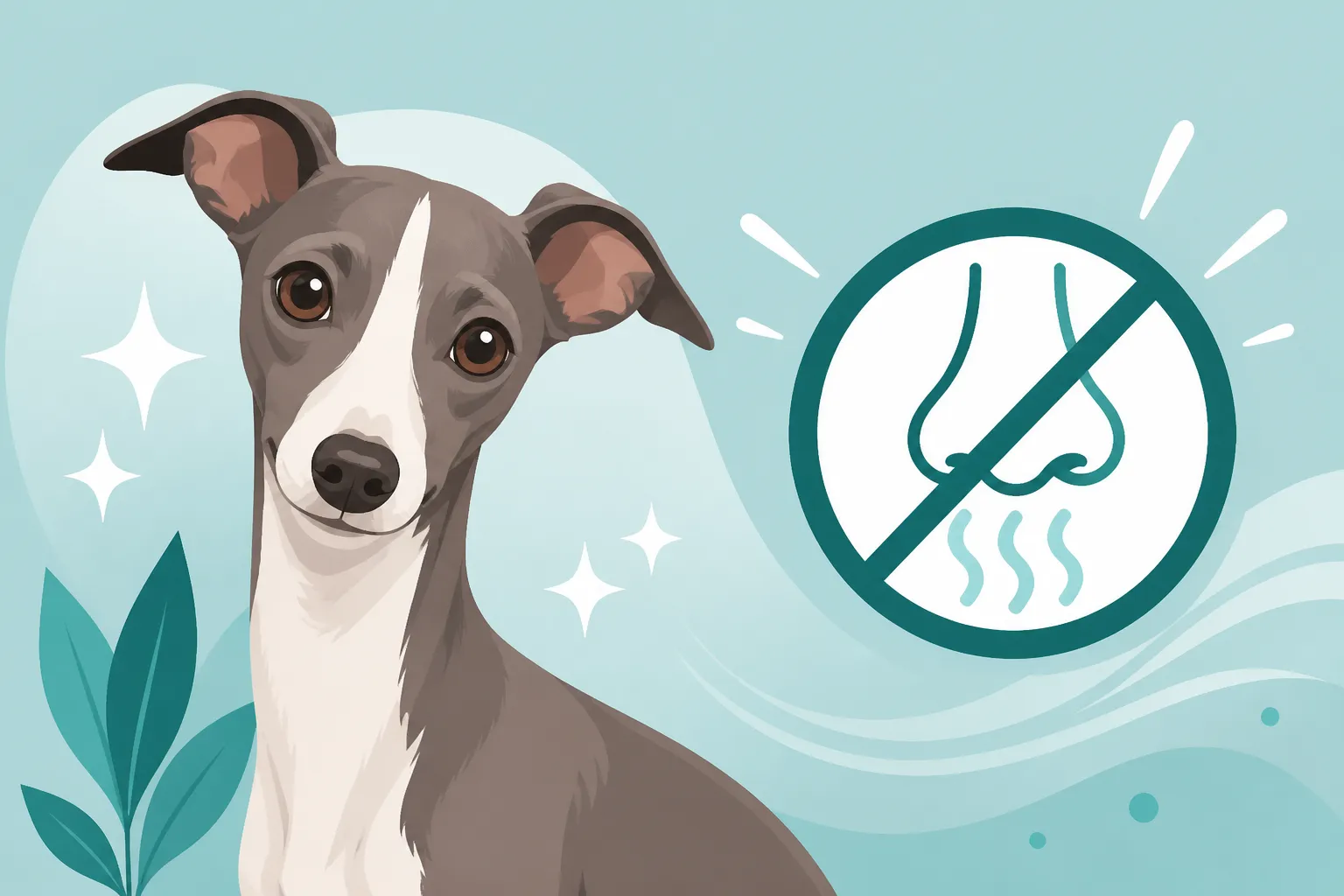
One of the most delightful surprises for new Italian Greyhound owners is often how little their beloved companion actually smells. Many folks come to dog ownership expecting that inevitable "doggy odor" that can permeate a home, but with an Iggy, you'll often find yourself wondering if they even have a scent at all! This isn't just wishful thinking; there are very real, physical reasons why your Italian Greyhound maintains that famously clean, nearly odorless profile, and understanding these factors can help you keep them smelling fresh, even if it's already their natural state.
Understanding the Italian Greyhound's Unique Coat
The Italian Greyhound's coat is truly a marvel of minimalist design, and it’s one of the primary reasons they aren't associated with strong doggy smells. Unlike many other breeds, their fur isn't thick, coarse, or oily, which dramatically reduces the accumulation of the things that cause odors.
The Fine, Single-Layered Fur
Imagine the softest, silkiest fabric you've ever felt – that's often what touching an Italian Greyhound's coat is like. Their fur is incredibly fine and short, lying very close to their skin. It’s a single layer, meaning there’s no dense undercoat beneath the outer guard hairs. This characteristic alone sets them apart from many other breeds. Think of a Labrador Retriever or a German Shepherd, with their thick, multi-layered coats designed for insulation and protection; these coats can trap dirt, moisture, and natural oils, leading to a much stronger scent over time. Your Iggy's sleek coat, by contrast, sheds everything off much more easily. It doesn't hold onto environmental odors like smoke from a bonfire or the damp smell of a rainy walk the way a longer, denser coat might. This fine texture also means that even if they do get a bit dirty from playing outside, much of the grime simply falls off or can be easily wiped away.
Absence of an Undercoat
This point deserves its own focus because it's so crucial. Many breeds, especially those originating from colder climates or bred for working outdoors, possess a thick, woolly undercoat. This undercoat is fantastic for insulation, but it’s also a magnet for debris, moisture, and the buildup of sebaceous oils. These oils, while natural and necessary for skin health, are a major contributor to what we typically perceive as "dog smell" when they accumulate and mix with environmental factors or bacteria. Since Italian Greyhounds lack this undercoat, they naturally produce less of these odor-causing oils on their fur. It's almost like they have built-in low-odor technology! The absence of an undercoat also means less shedding of fuzzy, trapped hair, which can often carry odors. This contributes to why their grooming needs are so minimal, as we often discuss in articles like Why an Italian Greyhound's Coat Takes Five Minutes a Week.
How Coat Density Impacts Odor
The sheer lack of density in an Italian Greyhound's coat directly correlates to their minimal odor. A dense coat provides more surface area for oils, dirt, and microscopic organisms to cling to. It also creates a warmer, more humid microclimate close to the skin, which can encourage bacterial growth – a common source of unpleasant smells. With an Iggy, there's just less there for odors to adhere to. Their skin can breathe more easily, and any moisture or dirt dries quickly rather than being trapped deep within layers of fur. This is also why you'll find that their bedding, blankets, and even your sofa don't tend to pick up that heavy "dog smell" over time, even if your Iggy loves to burrow and snuggle. The environmental impact of their low-odor coat extends to your laundry too – you might find yourself washing their sweaters and blankets less frequently than you would with a furry, smellier breed.
Skin and Oil Production: A Key Factor
Beyond the coat itself, an Italian Greyhound's skin plays a significant role in their low-odor profile. Their skin isn't just thin; it's also less prone to the excessive oil production that often characterizes smellier breeds.
Minimal Skin Oil and Dander
Italian Greyhounds, due to their genetic makeup, tend to produce significantly less natural skin oil (sebum) compared to many other breeds. Sebum, while vital for skin health, moisturizing the coat, and acting as a protective barrier, is also the primary source of the distinctive "dog smell." When sebum breaks down, often due to bacteria and yeast on the skin's surface, it releases volatile organic compounds that our noses pick up as odor. Less sebum means less material for these odor-producing processes. Similarly, they produce less dander – the tiny flakes of skin that shed along with hair. Dander often carries these oils and can contribute to allergies and general doggy smells in the home. Because Iggies produce less of both, they are often considered a more "hypoallergenic" friendly breed (though no dog is truly 100% hypoallergenic) and certainly a lower-odor one. This is also why How Much an Italian Greyhound Sheds is such a quick read – there's just not much to talk about!
The Role of Sebum in "Dog Smell"
To really hammer this point home, let's think about sebum. Every dog produces it, but the quantity and composition can vary wildly between breeds. Breeds with dense, waterproof coats (like Retrievers or many northern breeds) often have more active sebaceous glands to keep their skin and fur protected from the elements. This protective oiliness, while functional for their original purpose, directly translates to a more pronounced scent, especially when wet. An Italian Greyhound, historically a pampered companion dog from warmer climates, simply never needed that heavy, oily protection. Their skin is delicate and easily torn, as we discuss in Cuts, Scrapes and an Italian Greyhound's Paper Thin Skin, but it's not designed for harsh outdoor life, and thus, doesn't come equipped with the same level of sebaceous oil production. This is a blessing for our noses! It means their skin stays relatively dry and clean, preventing that cloying, heavy scent that can build up on other dogs.
Genetic Predispositions for Less Odor
It's not just a happy accident; the low odor of an Italian Greyhound is largely a result of centuries of selective breeding. While early Italian Greyhounds likely retained some of the natural scent of their larger sighthound ancestors, over generations, breeders focused on characteristics desirable in a companion animal: small size, elegant appearance, and a refined, clean nature. Given their role as lapdogs and house pets, a strong scent would have been less appealing to their aristocratic owners. Therefore, dogs with naturally less body odor were likely favored, consciously or unconsciously, in breeding programs. This means that today's Italian Greyhounds are genetically predisposed to be less odiferous. It's part of their breed standard, in a way, even if not explicitly written down. This genetic trait is one of the many wonderful things that make Italian Greyhounds so unique and such a joy to live with in close quarters.
Grooming Habits and Lifestyle
The way Italian Greyhounds are typically cared for and their preferred lifestyle also contribute significantly to their fresh scent profile. Their needs align perfectly with maintaining a low-odor presence in the home.
Low Maintenance Grooming Needs
Because of their fine, short, single coat and minimal oil production, Italian Greyhounds have wonderfully low-maintenance grooming requirements. They don't need frequent brushing to prevent mats or remove excessive shedding. A quick once-over with a grooming mitt or soft brush a few times a week is often more than enough to keep their coat gleaming and remove any loose hairs or surface dirt. This ease of care means dirt and debris simply don't have many places to hide or accumulate for long. If your Iggy rolls in something questionable in the yard, a quick wipe down with a damp cloth or a targeted spot bath is often sufficient, rather than a full, wrestling-match bath. This low-fuss approach naturally keeps them cleaner and, consequently, less smelly. You'll find that their lack of grooming needs makes them incredibly convenient companions, leaving more time for snuggles and play, and less time dealing with a messy, smelly dog.
Why an Italian Greyhound Barely Sheds
While no dog is truly "non-shedding," Italian Greyhounds are about as close as you can get. Their shedding is minimal, especially compared to breeds with undercoats. When they do shed, it's usually those fine, short hairs that are less noticeable and don't cling to everything in the same way. The significance for odor lies in the fact that shed hair often carries natural oils and dander, which are primary contributors to "dog smell." Less shedding means less of these odor-carrying particles are released into your home environment, landing on furniture, carpets, and clothing. This translates directly to a fresher home and less work for you! You won't find yourself constantly vacuuming up clouds of dog hair, nor will your clothes be perpetually covered in a fine layer of Iggy fuzz that, over time, can start to smell a bit "doggy." It's another point in their favor for those who are sensitive to pet odors or simply prefer a cleaner living space.
The Impact of Indoor Living
Italian Greyhounds are, by nature, indoor dogs. Their thin skin and minimal body fat mean they are highly susceptible to cold and quickly become uncomfortable or even suffer from hypothermia in cooler temperatures. This natural inclination to be indoors plays a huge role in their low odor. Dogs that spend a lot of time outside are constantly exposed to environmental odors: damp earth, pollen, other animals, rain, and all sorts of delightful outdoor aromas. These scents can easily cling to fur, especially if it's thick or porous. Your Iggy, on the other hand, spends the vast majority of their time in your clean, temperature-controlled home. They are less likely to encounter and pick up strong outdoor smells. Plus, an indoor lifestyle generally means less exposure to mud, dirt, and wet conditions that can lead to that distinctive "wet dog" smell. When they do venture out, it's often for short, supervised walks, and they are usually bundled up in a coat to protect them from the elements, which also helps keep their delicate fur clean.
Beyond the Coat: Other Factors Affecting Odor
While the coat and skin are primary contributors, a dog's overall odor can also be influenced by other aspects of their health and hygiene. For Italian Greyhounds, maintaining these areas is just as important.
Oral Hygiene and Breath
Even the cleanest Italian Greyhound can have bad breath, and this is a major source of unpleasant odors that can sometimes be mistaken for overall "dog smell." Italian Greyhounds are notoriously prone to dental disease, often starting at a very young age. Their delicate, elongated muzzles mean their teeth can be crowded, leading to accelerated plaque and tartar buildup. Periodontal Disease Is the Italian Greyhound's Most Common Diagnosis is a stark reminder of this reality. If left unchecked, this can lead to gingivitis, tooth decay, and eventually, a mouth full of painful infections. The bacteria associated with dental disease release foul-smelling compounds that contribute to truly offensive breath. Regular dental care, including daily brushing with a vet-approved toothpaste, is paramount. Brands like Virbac and Petrodex offer toothpastes that many Iggies tolerate well. If you're not brushing, consider dental water additives found on platforms like Chewy or Amazon, although brushing is always best. Addressing your Iggy's oral hygiene proactively will not only save them from pain but will also keep their breath fresh and contribute to their overall low-odor profile.
Ear Health and Cleanliness
Another often-overlooked source of doggy odor is the ears. While Italian Greyhounds have rose ears (folded back, rather than dropped or erect), their ears can still accumulate wax, dirt, and moisture, creating a breeding ground for yeast or bacteria. An ear infection will often present with a distinct, yeasty, or sweet-sour smell, along with redness, itching, or discharge. Thankfully, Iggies are not generally prone to chronic ear infections like some breeds with heavy, floppy ears that trap moisture. However, regular checks and occasional cleaning are still important. A gentle ear cleaner, recommended by your vet, can be used to wipe out the visible parts of the ear to prevent buildup. Knowing Cleaning an Italian Greyhound's Folded Ears correctly is important to avoid pushing debris further into the canal. If you notice any unusual smell, excessive scratching, or discharge, it's always best to consult your vet promptly. Keeping those ears clean and healthy ensures no hidden odors are lurking.
Diet and Digestive Health
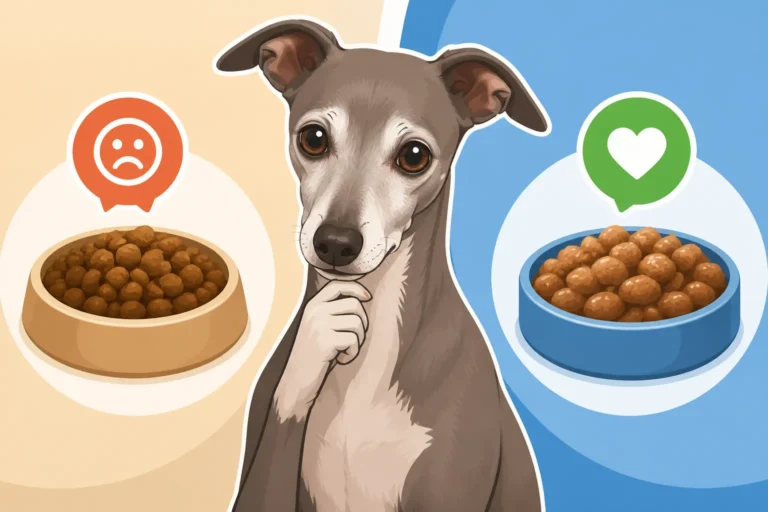
What goes in often affects what comes out, and that includes a dog's overall scent. A high-quality, easily digestible diet contributes to a healthy gut, which in turn can influence body odor and, of course, flatulence. Some cheaper dog foods contain fillers or ingredients that are difficult for dogs to process, leading to increased gas, digestive upset, and sometimes, a more pungent body odor. Feeding a premium dog food that is appropriate for small breeds and contains quality protein sources can make a noticeable difference. Brands like Orijen, Acana, or even fresh-prepared options like Ollie can be excellent choices, though it's important to find what works best for your individual Iggy. If your Italian Greyhound has chronic digestive issues, unusually smelly stools, or excessive flatulence, it's worth discussing their diet with your veterinarian. Sometimes, a change in food or the addition of a probiotic supplement can alleviate these issues and help maintain their naturally clean scent. A healthy gut means a happier, less odorous dog.
Maintaining That Fresh Italian Greyhound Scent (or Lack Thereof)
Even with their natural inclination to be low-odor, there are things you can do as an owner to ensure your Italian Greyhound remains as fresh as possible, and to address any unusual smells that might pop up.
Bathing Practices for Iggies
Given their low odor, Italian Greyhounds rarely need frequent bathing. Over-bathing can actually strip their delicate skin of its natural oils, leading to dryness, irritation, and potentially even more odor as the skin tries to compensate by producing excess sebum. For most Iggies, a bath every few weeks to once a month is more than sufficient, or even less frequently if they don't get particularly dirty. You'll find a deeper dive into this in How Often an Italian Greyhound Needs a Bath. When you do bathe them, use a gentle, moisturizing dog shampoo specifically formulated for sensitive skin. Avoid harsh detergents or human shampoos, which can be too acidic or drying. Always rinse thoroughly to ensure no shampoo residue is left behind, as this can irritate the skin and attract dirt. A quick towel dry followed by air drying in a warm environment is usually all that's needed – their short coats dry incredibly fast.
Choosing the Right Products
The products you use on and around your Italian Greyhound can certainly help maintain their fresh status. For shampoos, look for those labeled "hypoallergenic," "oatmeal-based," or "for sensitive skin." Earthbath and TropiClean are popular choices, often available on Amazon or Chewy. For quick clean-ups between baths, pet-friendly wipes are invaluable. Brands like Earth Rated or Pogi's Pet Supplies offer unscented options that are gentle on their skin. For bedding, consider materials that are easy to wash and dry quickly, like fleece blankets, which your Iggy will love to burrow in anyway. Regularly washing their blankets and any soft toys they mouth will prevent the accumulation of oils and bacteria that can lead to smells. Remember, their delicate skin means gentle products are always best.
Addressing Sudden or Unusual Odors
While Italian Greyhounds are typically low-odor, a sudden or persistent strong smell is always a red flag and warrants investigation. This isn't just a nuisance; it's often a sign that something is amiss with your Iggy's health.
- Fishy Smell: Often indicates issues with anal glands. If these aren't expressing naturally, they can become impacted or infected, requiring a vet or groomer to express them.
- Yeasty/Sweet Smell: Can point to a skin infection (often yeast) or ear infection. Check skin folds (if any, though rare on Iggies), paws, and ears.
- Foul/Pungent Smell: Could be severe dental disease, a wound that has become infected, or even a foreign object lodged somewhere (like between paw pads).
- Excessive Flatulence: As mentioned, this often relates to diet but can also signal digestive upset, giardia, or other internal issues.
If you notice any significant change in your Italian Greyhound's scent, or if an odor persists despite regular grooming, don't hesitate to contact your veterinarian. They can help diagnose the underlying cause and get your precious Iggy back to their naturally fresh and healthy self. Early intervention is always best for their comfort and your peace of mind.
Disclaimer
This article is for general informational purposes only and does not constitute professional advice. Laws, prices and regulations vary by location and change over time. Consult a qualified professional for guidance on your specific situation.