How Much an Italian Greyhound Sheds
One common worry for anyone considering an Italian Greyhound is whether they’ll be constantly battling dog hair. We've all been there, wondering if we're signing up for a never-ending cycle of vacuuming and lint-rolling. This guide will take a deep dive into the reality of Italian Greyhound shedding, what little to expect, and how their unique coat makes them a surprisingly low-maintenance companion in terms of hair around the house.
The Truth About Italian Greyhound Shedding: Less Than You Think
When people ask about Italian Greyhound shedding, they often picture tumbleweeds of fur rolling across their floors. It’s a natural assumption, especially if you’ve lived with breeds known for their prolific hair loss. However, Italian Greyhounds often surprise new owners with just how little they actually shed. They're definitely not "no-shed" dogs, but their shedding is remarkably minimal compared to many other breeds.
Their Unique Coat Type
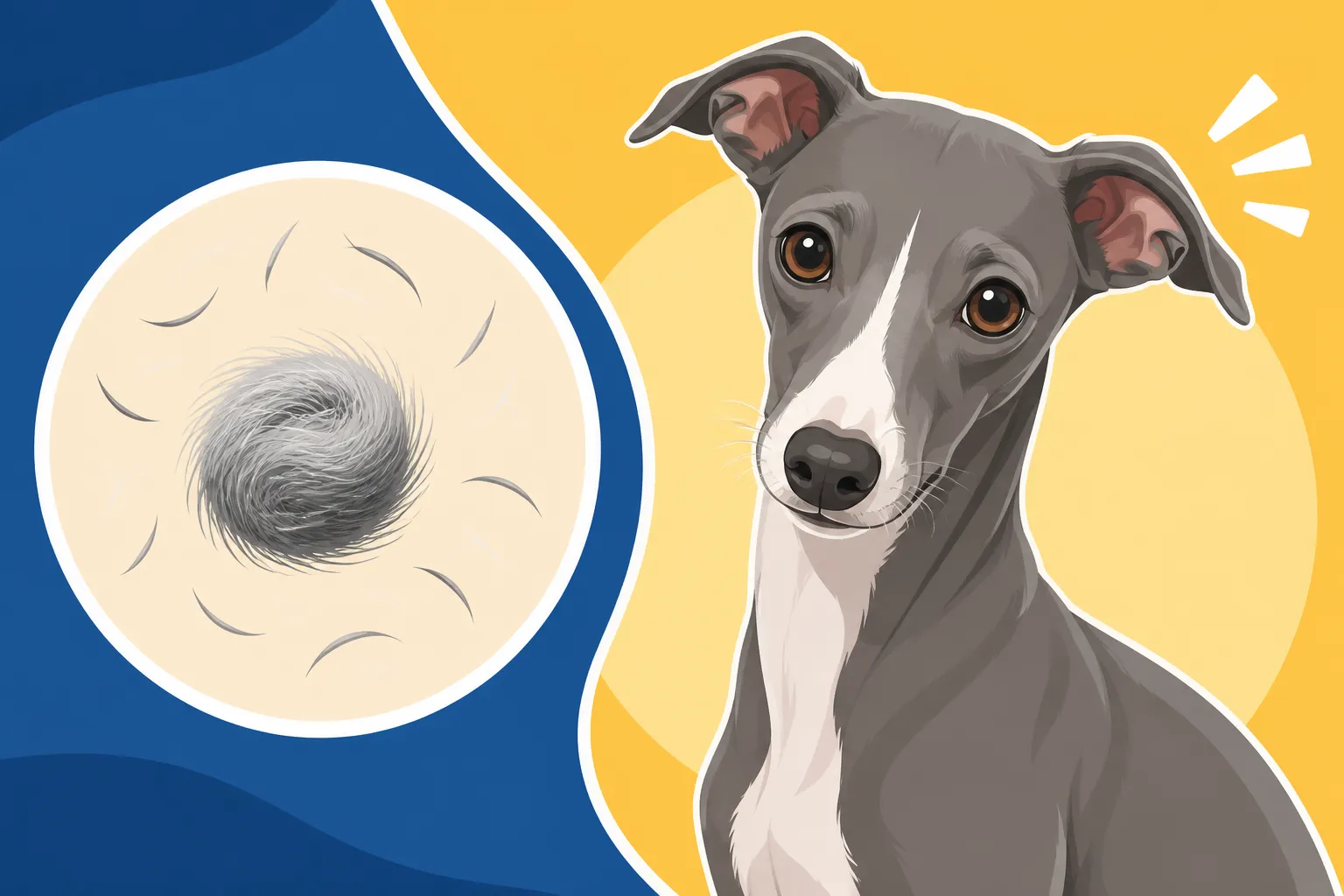
Italian Greyhounds possess a very distinctive coat. It's incredibly short, fine, and sleek, lying flat against their skin. Unlike many breeds that have a thick undercoat and a longer topcoat, IGs typically have a single layer of hair. This single-layer, fine coat is a major reason why their shedding is so negligible. When they do shed, the hairs are so fine and small that they often go unnoticed or are easily swept away. You're not going to find large clumps of hair or thick patches that cling to every surface.
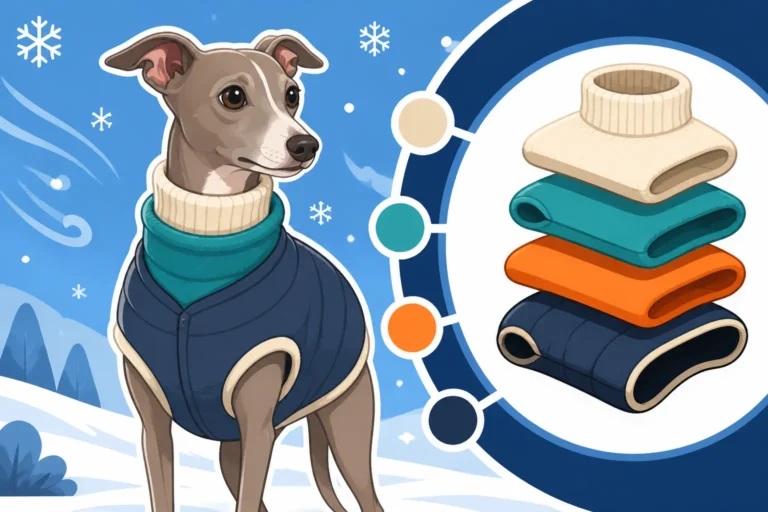
Think of it like the difference between a shedding cat and a shedding short-haired dog; the cat's hair feels like it gets everywhere and weaves itself into fabric, while the short dog's hair is more likely to just lie on the surface. An Italian Greyhound's hair is even finer and shorter than most short-haired dogs, making it even less impactful. This delicate coat also means they don't offer much insulation, which is why Keeping an Italian Greyhound Warm Is Daily Work, Not a Winter Job.
Why They're Considered Low-Shedding
The term "low-shedding" is truly accurate for Italian Greyhounds. Their hair follicles have a longer growth cycle compared to many other breeds, meaning individual hairs stay attached for a greater period before falling out. When they do shed, the sparse nature of their coat means there simply isn't a lot of hair to lose in the first place. You might find a few stray hairs on your clothes or furniture, but it's unlikely to be anything that requires daily, intensive cleaning. This makes them a popular choice for those who are sensitive to pet dander or simply prefer a tidier home environment without constant fur cleanup. It also contributes to Why an Italian Greyhound Barely Smells, as less shedding means less dander and oils accumulating.
Factors Influencing the (Minimal) Shedding
While Italian Greyhounds are indeed low-shedding, there are still various factors that can slightly increase or decrease the amount of hair they lose. Understanding these can help you better manage their coat health and anticipate any minor changes. It’s not about preventing shedding entirely, but rather optimizing their overall well-being.
Seasonal Changes and Coat Cycles
Even low-shedding breeds can experience slight seasonal variations in their coat. Italian Greyhounds might shed a tiny bit more in spring as they prepare for warmer weather, or a fraction more in fall. However, this isn't the dramatic "blowing coat" you'd see in a double-coated breed like a Husky or a Golden Retriever. For an Italian Greyhound, it might mean you notice a few more hairs than usual on their favorite blanket or on your sofa during these times. It’s usually a subtle change, easily managed with a quick wipe-down or a soft brush. Their delicate skin also means they are more prone to Cuts, Scrapes and an Italian Greyhound's Paper Thin Skin, so rough brushing is never advisable.
Diet and Nutrition
A dog's diet plays a huge role in the health of their skin and coat. A high-quality diet, rich in essential fatty acids like Omega-3 and Omega-6, can contribute to a healthy, shiny coat and minimize any excessive shedding that might occur due to poor skin condition. If your Italian Greyhound isn't getting adequate nutrition, their skin can become dry and flaky, leading to weaker hair follicles and more shedding. Look for dog foods where real meat is the first ingredient and that list beneficial fats. Brands like Ollie, known for fresh, human-grade ingredients, can make a noticeable difference in coat quality. How Much an Adult Italian Greyhound Eats is surprisingly little, so investing in good food is usually very manageable.
Table: Impact of Diet on Italian Greyhound Coat Health
| Dietary Component | Impact on Coat Health | Shedding Level |
|---|---|---|
| High-Quality Protein | Stronger hair follicles, faster cell regeneration | Minimized |
| Omega-3 & Omega-6 Fatty Acids | Healthy skin, reduced dryness & irritation, shiny coat | Minimized |
| Vitamins (A, E, B-complex) | Supports skin and hair growth, antioxidant protection | Minimized |
| Poor Quality Fillers | Lack of essential nutrients, dull coat, flaky skin | Potentially increased |
| Food Allergies/Sensitivities | Skin irritation, excessive scratching, localized hair loss | Can be significant |
Health and Stress
Underlying health issues or significant stress can sometimes manifest as increased shedding or poor coat quality in any dog, including Italian Greyhounds. Conditions like skin allergies, hormonal imbalances (such as hypothyroidism), parasites, or even severe emotional stress can impact their coat. If you notice a sudden increase in shedding, patchy hair loss, red or inflamed skin, or excessive scratching, it’s always a good idea to consult your veterinarian. These could be signs of something more serious than normal shedding. For instance, Color Dilution Alopecia in a Blue Italian Greyhound is a specific condition where hair thinning and loss can occur, particularly in dilute colored IGs.
Managing Italian Greyhound Shedding (Even If It's Minimal)
While Italian Greyhounds are low-shedding, a little proactive care can keep their coats in pristine condition and further minimize any loose hairs around your home. It's more about maintaining a healthy coat and skin than tackling a massive shedding problem.
Regular Grooming Practices
Even with their short coats, Italian Greyhounds benefit from regular, gentle grooming. A quick wipe-down with a soft cloth or a grooming mitt a few times a week can help remove any loose hairs, dust, and dander, keeping their coat shiny and smooth. You can also use a soft rubber curry brush designed for short-haired breeds. This not only helps with shedding but also stimulates blood circulation, promoting healthy skin and hair growth. Plus, most IGs absolutely adore the gentle massage! This routine is so quick and simple, it truly highlights Why an Italian Greyhound's Coat Takes Five Minutes a Week.
Bathing should be done sparingly, typically when they are visibly dirty or have an odor, using a mild, moisturizing dog shampoo. Over-bathing can strip their skin of natural oils, leading to dryness and potential irritation. For supplies, online retailers like Chewy offer a wide selection of gentle shampoos and grooming mitts perfect for sensitive skin.
Environmental Control
While you won't be dealing with huge amounts of fur, keeping your home clean can still make a difference. Regular vacuuming, especially in areas where your Italian Greyhound spends a lot of time (like their favorite napping spots on the sofa or The Bedding a Thin Skinned Italian Greyhound Actually Needs), will pick up any stray hairs that do fall. Using washable blankets or covers on furniture they frequent can also make cleanup easier. These items can be tossed in the wash, effectively removing any shed hair. Remember, IGs love to burrow, so providing them with plenty of cozy, washable blankets is a win-win for them and for your housekeeping.
Dietary Supplements for Coat Health
If your Italian Greyhound's coat seems a bit dull or you're noticing more shedding than usual, discuss potential dietary supplements with your vet. Omega-3 fatty acid supplements, often derived from fish oil, can do wonders for skin and coat health, reducing dryness and promoting a lustrous shine. Biotin and other B vitamins are also known to support healthy hair growth. These supplements can be particularly helpful during seasonal changes or if your dog has sensitive skin. Always introduce any new supplement gradually and under veterinary guidance to ensure it's appropriate for your particular dog. You can find a variety of reputable supplements on platforms like Amazon or Chewy, but always prioritize vet recommendations.
Common Misconceptions About Shedding and Coat Care
There's a lot of misinformation out there about dog shedding, and Italian Greyhounds often get lumped into categories that don't quite fit their unique characteristics. It's important to clarify these points to set realistic expectations for potential owners.
"Hypoallergenic" vs. Low-Shedding
This is a big one. Many people mistakenly believe that low-shedding dogs are "hypoallergenic," meaning they don't cause allergic reactions. This isn't entirely true. Allergies to dogs are typically triggered by dander (flakes of dead skin), saliva, and urine, not just the hair itself. While Italian Greyhounds shed very little hair, they still produce dander and saliva. However, because they shed so little, the dander they produce is less likely to be dispersed throughout the home compared to a heavily shedding dog. This can make them better tolerated by some people with mild allergies, but they are not truly hypoallergenic. It's a subtle but important distinction. For more on this, you might explore Whether an Italian Greyhound Is Hypoallergenic.
If you or a family member has dog allergies, spending time with an Italian Greyhound (or any breed you're considering) before committing is crucial. Every individual's allergic reaction is different, and what works for one person might not work for another.
The Myth of No Shedding at All
While their shedding is minimal, it's not non-existent. There is no such thing as a truly "non-shedding" dog. All dogs shed hair, just as humans do. It's a natural part of their hair growth cycle. The difference with Italian Greyhounds is the volume and visibility of that shed hair. Expecting absolutely no hair to ever appear on your clothes or furniture would be an unrealistic expectation.
The reality is that you might occasionally find a few fine, almost invisible hairs. It's not the kind of shedding that requires special vacuum cleaners or constant lint roller use. For many owners, the amount of shedding from an Italian Greyhound is so negligible that it's hardly even a consideration in their daily routine. It's one of the perks of owning such a sleek-coated companion.
Comparing Italian Greyhound Shedding to Other Breeds
To truly appreciate how little an Italian Greyhound sheds, it helps to put it into perspective by comparing them to other popular dog breeds. This isn't about shaming other dogs, but rather highlighting the practical differences in daily life with various coat types.
Short-Coated Dogs vs. Italian Greyhounds
Even within the category of "short-coated" dogs, there's a wide spectrum of shedding. A Labrador Retriever, for example, has a short, dense coat, but they are notorious for shedding, especially seasonally. Their stiff, coarse hairs can embed themselves deeply into carpets and upholstery, making them difficult to remove. Similarly, a Boxer or a Bulldog, while having short hair, often shed a noticeable amount of coarse fur.
An Italian Greyhound's hair is much finer and sparser than these breeds. When an IG sheds, the hairs are so fine and lightweight that they tend to float or lie on surfaces rather than embedding. This makes them significantly easier to clean up. You're not going to feel like you're constantly living in a cloud of dog hair with an IG, which is a common experience with many other short-coated breeds.
IGs vs. Double-Coated Breeds
The contrast between an Italian Greyhound and a double-coated breed is like night and day. Dogs like German Shepherds, Siberian Huskies, or Australian Shepherds have a dense undercoat and a protective topcoat. These breeds "blow" their coat, often twice a year, resulting in massive amounts of fur coming off in handfuls. During these periods, you could fill a vacuum canister daily.
With an Italian Greyhound, you will never experience anything remotely close to this. There's no undercoat to "blow," and their topcoat is too sparse to produce such an effect. The grooming requirements are vastly different as well. While a double-coated dog might require extensive brushing sessions multiple times a week, an IG's coat care is typically a matter of minutes, as noted in Why an Italian Greyhound's Coat Takes Five Minutes a Week. This makes them an incredibly appealing choice for individuals who want a dog but not the extensive grooming and shedding cleanup often associated with many breeds.
When Shedding Might Signal a Health Issue
While minimal shedding is normal for an Italian Greyhound, any significant change in their coat, especially an increase in shedding or hair loss in patches, warrants attention. It’s always best to be vigilant about your dog's health, and their coat can be a good indicator of their internal well-being.
Excessive or Patchy Hair Loss
If you start noticing your Italian Greyhound losing hair in specific spots, developing bald patches, or if the overall amount of shedding suddenly increases dramatically, it’s time to consult your veterinarian. This isn't typical "Italian Greyhound shedding" and could be a sign of various underlying issues. Common culprits include skin infections (bacterial, fungal, or yeast), external parasites like mites or fleas, or allergies to food or environmental factors.
It's important not to assume it's just normal shedding, especially if it's accompanied by other symptoms like redness, scratching, flaky skin, or lethargy. A vet can perform diagnostic tests to pinpoint the cause and recommend appropriate treatment. Early intervention is key to resolving these issues before they become more severe.
Skin Conditions and Parasites
Because Italian Greyhounds have such fine, delicate skin and sparse hair, they are quite vulnerable to certain skin conditions and parasitic infestations. Flea bites, for example, can cause intense itching and lead to your IG scratching themselves raw, resulting in hair loss. Mites, though microscopic, can cause conditions like sarcoptic or demodectic mange, leading to significant hair loss, skin irritation, and discomfort.
Other conditions like hot spots (localized areas of skin inflammation and infection), ringworm (a fungal infection), or even contact dermatitis from something in their environment can also cause localized hair loss and poor coat quality. Even if How Often an Italian Greyhound Needs a Bath is not frequent, good hygiene and regular checks of their skin are vital. Pay close attention to any changes in their skin texture, color, or the presence of bumps or scabs. Their delicate nature means even minor issues can quickly become uncomfortable. If you observe anything unusual, your vet is the best resource to provide an accurate diagnosis and treatment plan.
Disclaimer
This article is for general informational purposes only and does not constitute professional advice. Laws, prices and regulations vary by location and change over time. Consult a qualified professional for guidance on your specific situation.