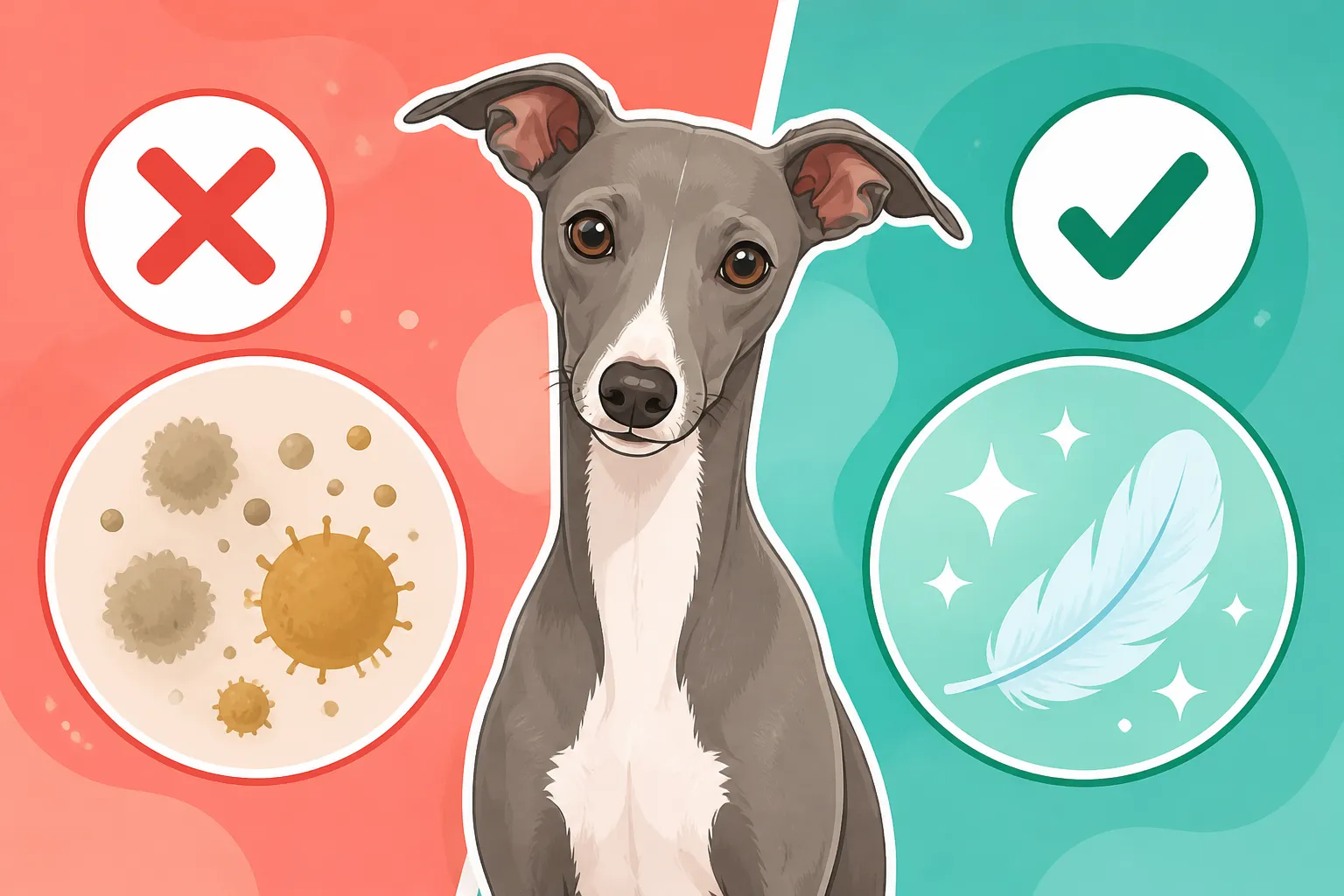
Whether an Italian Greyhound Is Hypoallergenic
It’s a common misconception, isn't it? Many of us, especially those who struggle with sniffles and sneezes around dogs, desperately hope that a sleek, short-coated breed like the Italian Greyhound might offer a magical, sneeze-free solution. Unfortunately, when it comes to dog allergies, the truth is often a bit more nuanced than simply "hypoallergenic" or "not." This guide will help you understand exactly why Italian Greyhounds are often mistaken for being hypoallergenic, what truly causes dog allergies, and how you can best manage your environment if you're an allergy sufferer hoping to welcome one of these elegant companions into your home.
The Reality of "Hypoallergenic" Dogs
Before we dive into the specifics of Italian Greyhounds, it's crucial to first understand what "hypoallergenic" actually means in the context of dogs – and why it's a term often misunderstood. The dream of a dog that causes absolutely no allergic reaction is a powerful one, but it's important to approach it with a dose of realism.
What Causes Allergic Reactions to Dogs?
When you react to a dog, it's not actually the hair itself that's the primary culprit. This is where many people get confused, thinking a short-haired dog will solve all their problems. The real issue lies with microscopic proteins found in a dog's dander (dead skin flakes), saliva, and urine. These proteins, often referred to as allergens, are what trigger an immune response in sensitive individuals.
Think about it: a dog licks its fur, spreading saliva. Its skin constantly sheds tiny flakes, just like ours. When it grooms itself, these dander particles, laden with proteins, become airborne. When it uses the bathroom, tiny particles of urine can also contain these allergens. These invisible particles are incredibly light and can easily float through the air, settle on surfaces, and attach to clothing, making them pervasive throughout a home. Even the cleanest dog will produce these proteins, and the cleanest home will struggle to keep them entirely at bay.
Why No Dog is Truly 100% Hypoallergenic
The term "hypoallergenic" literally means "less allergenic," not "non-allergenic." This is a critical distinction. No dog breed is completely allergen-free because every dog has skin, produces saliva, and urinates, therefore every dog produces at least some level of these allergy-triggering proteins. What some breeds are is "low-shedding," which often correlates with being less allergenic for many people.
Breeds often labeled "hypoallergenic," like Poodles or Bichon Frises, are typically those with hair that grows continuously and doesn't shed much, or they have a different coat texture that traps dander closer to their skin. This means fewer allergen-laden particles are released into the environment. However, they still produce dander and saliva. For someone with very severe allergies, even these low-shedding breeds can still cause a reaction. It's a spectrum, not an on/off switch.
Italian Greyhounds and Their Allergen Profile
So, where do our beloved Italian Greyhounds fit into this complex picture? While their sleek appearance might suggest they're a good choice for allergy sufferers, there are some important considerations.
The Italian Greyhound's Short, Fine Coat and Shedding
It's true that Italian Greyhounds have a wonderfully short, fine, almost velvety coat. This is often the first thing people notice and why they might assume these dogs are hypoallergenic. And you wouldn't be wrong to think they are minimal shredders. Compared to a Golden Retriever or a German Shepherd, an Italian Greyhound sheds an incredibly small amount. You're unlikely to find tumbleweeds of fur rolling across your floor, or to brush out handfuls of loose hair.
This low shedding is definitely a plus for allergy sufferers. Less hair flying around means less dander attached to that hair is spreading throughout your home. You'll still see some shedding, especially seasonally, but it's generally very manageable and far less noticeable than with double-coated breeds. Their simple coat typically requires Why an Italian Greyhound's Coat Takes Five Minutes a Week to keep looking neat, which is a big bonus for busy owners.
Understanding Italian Greyhounds and Dander Production
Despite their low shedding, Italian Greyhounds still have skin, and all skin produces dander. It’s unavoidable. While the dander might not be carried on copious amounts of shed hair, it is still present. Some individuals with allergies might find that the Italian Greyhound's dander is less irritating to them than that of other breeds, perhaps due to the size or type of the dander itself, or simply because less of it becomes airborne without masses of shed hair to carry it.
However, it's crucial not to mistake "less" for "none." If you have moderate to severe dog allergies, you will still be exposed to dander from an Italian Greyhound. The intensity of your reaction will depend entirely on your individual sensitivity to these specific proteins. This is why it's always recommended to spend time with Italian Greyhounds before making a commitment, if possible, to gauge your personal reaction.
Saliva and Urine: Often Overlooked Allergen Sources
Here's where the Italian Greyhound's "hypoallergenic" reputation can really hit a snag. As we discussed, allergic reactions are caused by proteins in dander, saliva, and urine. Italian Greyhounds, like all dogs, produce saliva that contains these proteins. If your Iggy licks you, or licks their fur and then rubs against you or your furniture, they are transferring those allergens.
Furthermore, issues with housetraining or marking can become a bigger problem for allergy sufferers. Italian Greyhounds are notoriously difficult to housetrain, and indoor accidents are not uncommon, especially if the weather is cold or wet outside. Housetraining an Italian Greyhound Is the Hardest Part of Owning One for many owners. Even small amounts of urine contain powerful allergens. Therefore, diligent cleaning is essential. Products from companies like Chewy or Amazon can provide enzymatic cleaners specifically designed to break down pet urine proteins, which is vital for an allergy-friendly home.
| Allergen Source | Presence in Italian Greyhounds | Impact for Allergy Sufferers |
|---|---|---|
| Dander (skin flakes) | Yes, all dogs produce dander. | Lower impact due to minimal shedding, but still present. |
| Saliva (proteins in spit) | Yes, all dogs produce saliva. | Present when dog licks self or people; can transfer to surfaces. |
| Urine (proteins in urine) | Yes, all dogs produce urine. | Present with accidents or marking; requires thorough cleaning. |
| Shedding Hair | Very Low | Less hair means fewer carriers for airborne dander. |
Managing Dog Allergies with an Italian Greyhound
So, an Italian Greyhound isn't truly hypoallergenic, but their low-shedding nature can make them a more tolerable choice for some allergy sufferers. If you're determined to bring an Italian Greyhound into your life, there are many practical steps you can take to minimize allergen exposure and keep your symptoms under control.
Effective Grooming Strategies to Reduce Allergens
Regular grooming is your first line of defense. Because less dander becomes airborne when it's routinely removed, a consistent grooming schedule can significantly help.
- Regular Bathing: Bathing your Italian Greyhound every 1-2 weeks can help wash away accumulated dander and saliva proteins. Make sure to use a gentle, moisturizing shampoo formulated for dogs, as Italian Greyhounds have delicate skin that can dry out easily. Which Shampoo Suits an Italian Greyhound's Skin is important to prevent irritation. After their bath, a quick wipe down with a damp cloth can remove any lingering loose dander before it has a chance to settle.
- Daily Wiping and Brushing: Even with short coats, a quick daily wipe-down with a damp cloth or a grooming mitt can pick up loose dander before it has a chance to spread. A soft brush can also help distribute natural oils and remove any dead skin cells. This is particularly effective if done outdoors, preventing those allergens from entering your living space.
- Designated Grooming Area: Consider doing major grooming tasks, like bathing or thorough brushing, in a specific area (like a utility sink or a bathroom that can be easily cleaned) or even better, have a non-allergic family member handle it. This limits the spread of allergens to other parts of your home.
Creating an Allergy-Conscious Home Environment
Your home environment plays a huge role in managing pet allergies. It's about minimizing the places where allergens can collect and improving air quality.
- Frequent Cleaning: Vacuuming regularly with a HEPA-filter vacuum cleaner is essential. Dust surfaces frequently with a damp cloth to trap allergens rather than just spreading them around. Washing bedding, including your dog's, weekly in hot water will also help. Remember that The Bedding a Thin Skinned Italian Greyhound Actually Needs can harbor dander, so choosing easily washable options is key.
- Air Purification: Investing in a good quality air purifier with a HEPA filter can make a significant difference. Place it in the rooms where your Italian Greyhound spends the most time, or in your bedroom if that's where your allergies are most bothersome. Running it consistently can help remove airborne allergens before they settle.
- Designated Dog-Free Zones: Establishing certain areas as "dog-free" can create a sanctuary for allergy sufferers. The most common and effective choice is the bedroom. Keeping your Italian Greyhound out of your sleeping area can dramatically reduce nighttime symptoms. Consider using a baby gate or keeping the door closed.
- Flooring and Furniture: Hardwood, tile, or laminate flooring is much easier to keep clean of pet dander than carpeting. If you have carpets, consider getting them professionally cleaned regularly. For furniture, choose materials that are easy to wipe down, like leather or pleather, or use washable slipcovers.
Personal Habits for Allergy Sufferers
Beyond environmental controls, your own habits can also make a big impact.
- Hand Washing: Make it a habit to wash your hands immediately after petting or playing with your Italian Greyhound. This simple step prevents you from inadvertently transferring allergens to your face or eyes.
- Clothing Changes: If you've had a lot of direct contact with your dog, consider changing your clothes and showering before sitting on allergen-free furniture or going to bed.
- Medication: For some, over-the-counter or prescription allergy medications (antihistamines, nasal sprays) can provide relief, especially during periods of higher exposure or when symptoms flare up. Consult with a doctor or allergist to discuss the best options for you. They might also be able to conduct specific tests to identify exactly which dog allergens you react most strongly to.
Deciding If an Italian Greyhound is Right for Your Allergies
Ultimately, whether an Italian Greyhound is a suitable companion for an allergy sufferer comes down to a few critical factors, largely centered around your personal sensitivity and willingness to implement strict management strategies.
Assessing Your Personal Allergic Sensitivity
Not all dog allergies are created equal. Some people experience very mild symptoms – a bit of sneezing, perhaps itchy eyes – while others suffer from severe reactions like asthma attacks or skin rashes. An Italian Greyhound might be a perfectly manageable choice for someone with very mild allergies, especially when combined with the robust cleaning and grooming regimen we've discussed.
However, if your allergies are moderate to severe, or if you have a history of respiratory issues like asthma that are triggered by pet dander, an Italian Greyhound might still pose too great a risk. It's vital to be honest with yourself about the severity of your condition and what level of exposure you can truly tolerate. Remember, choosing a dog is a long-term commitment, and you want to ensure both you and your new companion can live comfortably and happily together.
Spending Time with Italian Greyhounds Before Commitment
This is arguably the most important step for any allergy sufferer considering an Italian Greyhound. Before you commit to bringing an Italian Greyhound puppy or rescue dog home, try to spend extended periods of time with an adult Italian Greyhound in a typical home environment. This could mean visiting a local breeder, a rescue organization, or a friend who owns an Italian Greyhound.
Try to do more than just a quick meet-and-greet. Spend an hour or two, sit on the furniture where the dog lies, let the dog interact with you as it normally would. Observe your reactions over several hours and even into the next day. This "real-world" test is the most accurate way to determine if you can live comfortably with an Italian Greyhound. If after several such visits, your allergies remain manageable, then an Italian Greyhound might indeed be a wonderful addition to your family. If not, it's a difficult but necessary realization that another breed, or perhaps another type of pet entirely, might be a better fit for your health and well-being.
Disclaimer
This article is for general informational purposes only and does not constitute professional advice. Laws, prices and regulations vary by location and change over time. Consult a qualified professional for guidance on your specific situation.