Which Shampoo Suits an Italian Greyhound’s Skin
If you're an Italian Greyhound owner, you've probably noticed that their skin is, well, different. It's thin, delicate, and prone to irritation, making bath time a bit of a minefield when it comes to choosing the right shampoo. This guide is here to walk you through exactly what to look for, what to avoid, and how to keep your little sighthound's skin happy and healthy, because nobody wants a itchy, uncomfortable Iggy!
Understanding Your Italian Greyhound's Uniquely Delicate Skin
It's not just your imagination; your Italian Greyhound's skin is more sensitive than many other breeds. This isn't a flaw, but a characteristic deeply tied to their elegant, athletic build. When you understand why their skin is so unique, it makes the task of choosing the right shampoo far less daunting. You'll stop feeling like you're doing something wrong and start feeling empowered to care for their specific needs.
Why Their Skin is So Different and So Sensitive
Italian Greyhounds are known for their sleek, fine coats and lean physiques. What often goes unmentioned, however, is that this lean build extends right down to their skin. Unlike many breeds with thick undercoats or ample subcutaneous fat, Iggies have very little padding between their skin and muscle. Their skin is, quite literally, paper-thin, lacking the robust dermal layers that provide protection in other dogs. This means they don't have much of a barrier against external irritants. Think of it like a delicate silk blouse versus a sturdy wool sweater; one offers much more protection than the other.
This lack of protective layers also means their skin is more susceptible to dryness, especially in less-than-ideal climates. They also carry Why an Italian Greyhound Carries Almost No Body Fat, meaning fewer natural oils to keep their skin moisturized and supple. Every little scratch or scrape shows up vividly on their pale, thinly furred bodies, and you quickly learn just how easily Cuts, Scrapes and an Italian Greyhound's Paper Thin Skin can appear. This delicate nature makes them more vulnerable to environmental factors, chemical exposures, and even rough handling, all of which can lead to skin irritation.
Common Skin Troubles Italian Greyhounds Face
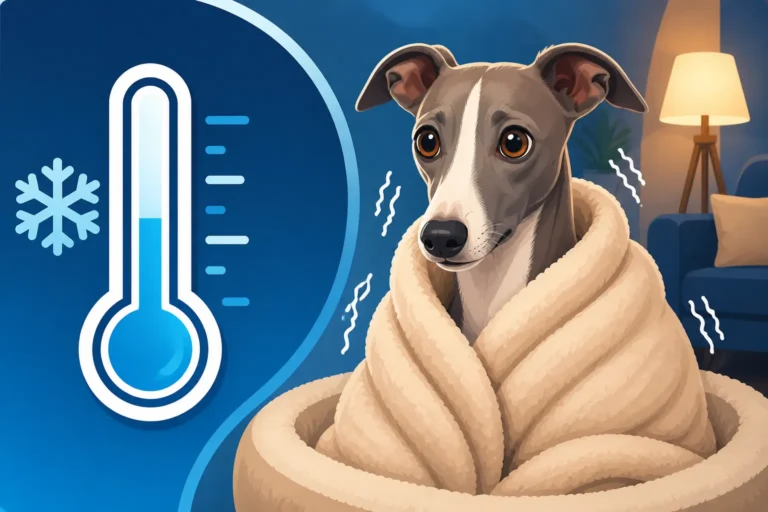
Given their delicate nature, Italian Greyhounds can experience a range of skin issues that other breeds might shrug off. One of the most common complaints is dry, flaky skin, often exacerbated in winter months or dry indoor environments. Why an Italian Greyhound Gets Dry Skin in Winter is a battle many of us fight, leading to an itch-scratch cycle that can break the skin barrier further. You might notice little white flakes in their sparse coat, or they might seem to be constantly scratching or rubbing themselves against furniture.
Allergies are another frequent culprit. Like people, dogs can develop sensitivities to environmental allergens (like pollen or dust mites) or even ingredients in their food. These allergies often manifest as skin irritation, redness, and intense itching, particularly on their belly, paws, or around their ears. Contact dermatitis, where their skin reacts directly to something it touches – a new detergent on bedding, certain plants in the yard, or yes, even the wrong shampoo – is also a real concern for these sensitive souls.
Furthermore, because their skin is so thin, they are prone to minor abrasions and tears. Skin that tears easily (Where an Italian Greyhound's Skin Tears Most) is a stark reality for many owners, as even a slight bump or scuffle can result in a superficial wound that then becomes a site for potential secondary infection or irritation if not kept clean and managed correctly. Finding the right shampoo isn't just about cleanliness; it's about supporting this incredibly vulnerable skin barrier.
The "Good" List: Ingredients Your Italian Greyhound's Skin Will Love
When you're scrutinizing shampoo labels for your Italian Greyhound, think "less is more" and "gentle is gold." You're aiming for ingredients that cleanse effectively without stripping essential oils, and ideally, those that add a little extra moisture and soothing power. Your goal is to support their delicate skin, not challenge it.
Gentle Cleansers and Hypoallergenic Heroes
The foundation of a good Italian Greyhound shampoo lies in its cleansing agents. Look for shampoos that use mild, plant-derived surfactants rather than harsh detergents. Terms like "soap-free" are often a good indicator, as traditional soaps can be very alkaline and disruptive to a dog's natural skin pH. Ingredients like cocamidopropyl betaine, decyl glucoside, or sodium laureth sulfosuccinate are typically gentler options that clean without over-drying.
"Hypoallergenic" isn't just a buzzword; for Italian Greyhounds, it's often a necessity. This usually means the formula is free from common irritants like artificial fragrances, dyes, and parabens, which are frequent triggers for allergic reactions and skin sensitivities. Many brands specifically formulate for sensitive skin, and these are often the safest bet. When choosing, consider checking brands available on Chewy or Amazon, as they often have extensive reviews that can give you insights into how other owners of sensitive-skinned dogs have fared with specific products.
Moisturizers and Soothers for Happy Skin
Beyond just cleaning, the best shampoos for Italian Greyhounds actively work to nourish and soothe their skin. Oatmeal, in colloidal form, is a classic go-to. It's renowned for its anti-inflammatory and moisturizing properties, making it excellent for calming itchy, irritated skin. Aloe vera is another fantastic ingredient, offering natural soothing and healing benefits, especially helpful if your Iggy has any minor redness or inflammation.
Essential fatty acids, such as omega-3s and omega-6s, can be incorporated into topical shampoos to help support the skin's barrier function and reduce inflammation. Some formulas also include vitamins like Vitamin E, which is an antioxidant that can aid in skin health. Humectants like glycerin or panthenol (Pro-Vitamin B5) help to draw moisture into the skin and coat, keeping it supple and hydrated. Remember, Whether an Italian Greyhound Needs Conditioner is often a yes, as a good conditioner after shampooing can lock in these moisturizing benefits even further.
Natural and Organic: Are They Always Better?
The terms "natural" and "organic" are incredibly appealing, and for good reason! Many natural ingredients, such as botanical extracts, essential oils (used very sparingly and correctly), and plant-based cleansers, can be wonderfully beneficial for sensitive skin. They often come without the synthetic additives that can cause irritation. However, it's crucial to approach these labels with a discerning eye.
"Natural" doesn't automatically mean "safe" or "hypoallergenic" for all dogs, especially those with Italian Greyhound-level sensitivity. Some natural ingredients, while beneficial for most, can still be allergens for certain individuals. For instance, some essential oils, if not properly diluted or if chosen incorrectly, can be irritating. Always read the full ingredient list, even on natural products. If your dog has known allergies, introduce new natural products slowly and test a small patch of skin first. The key is finding truly gentle, minimally processed options rather than just products with a "natural" marketing label.
The "Bad" List: Ingredients to Steer Clear Of
Just as important as knowing what to look for, is knowing what to avoid. For an Italian Greyhound's delicate skin, certain ingredients are like kryptonite – they can strip natural oils, cause irritation, or trigger allergic reactions, leading to discomfort and potential skin issues.
Harsh Chemicals and Irritating Fragrances
Top of the "avoid" list are harsh detergents, particularly sulfates like Sodium Lauryl Sulfate (SLS) and Sodium Laureth Sulfate (SLES). These are powerful foaming agents found in many conventional shampoos (for both humans and pets) and while they create a satisfying lather, they are notorious for stripping the skin of its natural protective oils. For an Italian Greyhound whose skin already struggles with maintaining moisture, this can lead to excessive dryness, itching, and an impaired skin barrier, leaving them even more vulnerable to environmental irritants.
Artificial fragrances are another major red flag. While we might love the smell of "fresh linen" or "tropical breeze," these scents are often created with a cocktail of chemicals that can be highly irritating to a dog's sensitive skin and respiratory system. They are a common cause of contact allergies. Dyes are another unnecessary additive that can cause irritation, offering no benefit to your dog's skin or coat, only aesthetic appeal for us. Phthalates, often lurking in synthetic fragrances, are also best avoided due to their potential health concerns. Stick to fragrance-free or naturally scented options (with very mild, vet-approved essential oils, if any).
Potential Allergens Hiding in Plain Sight
Beyond the obvious harsh chemicals, some ingredients that seem benign can actually be common allergens for sensitive dogs. Wheat and soy, for example, are common food allergens that can sometimes be found in lesser-quality shampoos as protein additives. While a topical application might not trigger the same systemic reaction as ingestion, for highly sensitive dogs, it's still best to minimize exposure.
Certain preservatives, while necessary to prevent bacterial growth in liquid products, can also be problematic. Parabens (like methylparaben, propylparaben) and formaldehyde-releasing preservatives (like quaternium-15) are often cited as potential irritants or endocrine disruptors and are best avoided. Instead, look for shampoos that use gentler preservation systems. Even some natural ingredients can be problematic for individual dogs, which is why a patch test is always a good idea if you're introducing a new product to a particularly sensitive Iggy. Always consult with your veterinarian if your Italian Greyhound develops persistent skin issues, as they can help pinpoint specific allergens or recommend medicated options.
Making the Best Choice: Finding the Perfect Shampoo
Choosing the right shampoo for your Italian Greyhound isn't about finding a one-size-fits-all solution, but rather understanding your dog's individual needs and making informed decisions. It can feel like a bit of detective work, but once you find that perfect product, bath time becomes a breeze instead of a worry.
Considering Your Italian Greyhound's Specific Needs
Every Italian Greyhound is an individual, and their skin care needs can vary. For a puppy, you'll want an ultra-mild, tear-free formula, specifically designed for their developing skin. If your adult Iggy has no obvious skin issues and just needs a routine clean, a gentle, hypoallergenic, moisturizing shampoo will serve them well. Many excellent options can be found from reputable pet supply retailers like Chewy or Amazon, often with customer reviews that highlight suitability for sensitive breeds.
However, if your Italian Greyhound is prone to dry, itchy skin, you'll want to prioritize shampoos with colloidal oatmeal, aloe vera, and hydrating ingredients like glycerin or essential fatty acids. If they're experiencing allergic reactions, a vet might recommend a medicated shampoo. In these cases, it's essential to follow your veterinarian's guidance on specific active ingredients and application frequency. For dogs with skin conditions, a vet might even suggest an "ultra-moisturizing" or "hot spot" specific formula if topical issues are present. Some owners find that even their dog's diet plays a role in skin health; while Ollie specializes in fresh dog food, their emphasis on quality ingredients can complement a good shampoo regimen for overall skin vitality.
Here’s a quick overview of shampoo types for different needs:
| Shampoo Type | Key Ingredients to Look For | Best For | Considerations |
|---|---|---|---|
| Hypoallergenic/Sensitive | Oatmeal, Aloe Vera, Vitamin E, Glycerin, mild plant-based cleansers, fragrance-free | Routine cleaning, general sensitivity, mild dryness | Always fragrance and dye-free. |
| Moisturizing | Oatmeal, Coconut Oil, Shea Butter, Essential Fatty Acids, Humectants (Glycerin) | Dry, flaky skin, dull coat, winter dryness | Ensure it doesn't leave a greasy residue. |
| Medicated (Vet-Prescribed) | Chlorhexidine, Miconazole, Ketoconazole, Benzoyl Peroxide | Bacterial or fungal infections, severe allergies, specific skin conditions | Use strictly as directed by your veterinarian. |
| Puppy Shampoo | Ultra-mild, pH-balanced, tear-free, gentle surfactants | Young puppies with very delicate skin | Ensure it's truly tear-free and non-irritating. |
| Natural/Organic | Botanical extracts (e.g., chamomile), specific mild essential oils, plant-based soaps | Owners preferring natural ingredients | Verify all ingredients; some 'natural' items can still cause reactions. |
Reading Labels and Vet Recommendations
Don't just grab the prettiest bottle on the shelf! Make it a habit to thoroughly read the ingredient list on any shampoo you're considering for your Italian Greyhound. Look for transparency from the brand about what's in their product and, just as importantly, what's not. If an ingredient list is vague or hard to find, that's often a red flag. When in doubt, search for reviews from other owners of sighthounds or breeds known for sensitive skin.
Your veterinarian is your absolute best resource, especially if your Italian Greyhound has ongoing skin issues. They can help diagnose underlying problems, recommend specific therapeutic shampoos, or suggest ingredients to avoid based on your dog's history. Don't hesitate to bring shampoo labels to your vet appointments for their professional opinion. They know your dog's health history and can provide tailored advice.
Bathing Best Practices for Sensitive Skin
Once you've chosen the perfect shampoo, how you bathe your Italian Greyhound matters just as much. The goal is a gentle, soothing experience, not a harsh scrubbing. First, gather everything you need beforehand so you're not scrambling mid-bath. How Often an Italian Greyhound Needs a Bath is usually not very often, perhaps every 4-6 weeks unless they've gotten particularly dirty. Over-bathing can actually dry out their skin, even with the best shampoo.
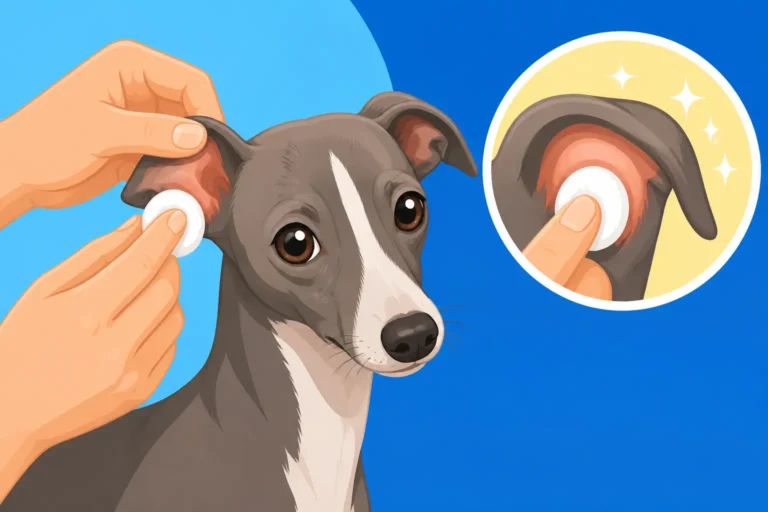
Use lukewarm water – never hot – and thoroughly wet your Iggy's coat. Apply a small amount of shampoo, lathering gently with your fingertips rather than scrubbing vigorously. Focus on working the shampoo into their coat and skin, paying attention to areas that get dirtiest but always with a light touch. Avoid getting shampoo directly into their eyes or ears; use cotton balls in their ears to prevent water ingress if necessary. Rinse, rinse, and rinse again! Any shampoo residue left behind can be a major irritant. Finish with a gentle conditioner, allowing it to sit for a few minutes before a final, thorough rinse. Pat your Italian Greyhound dry with a soft towel, and consider letting them air dry in a warm room to avoid any harsh blower heat, which can also dry out their delicate skin.
Disclaimer
This article is for general informational purposes only and does not constitute professional advice. Laws, prices and regulations vary by location and change over time. Consult a qualified professional for guidance on your specific situation.